Top 15 Caves around Luserna
Caves around Luserna offer a diverse range of geological formations and historical sites across both the Piedmont and Trentino-Alto Adige regions of Italy. The area features natural karstic caves with archaeological significance, as well as historical sites dug into rock. Visitors can explore various natural landmarks and viewpoints, showcasing the unique landscape shaped by water and geological processes.
Best caves around Luserna
- The most popular caves is Siesòn Cave (or Sciasòn Chasm), a cave that is an impressive and…
Last updated: June 30, 2026
Siesòn Cave (or Sciasòn Chasm)
Highlight • Cave
Translated by Google •
Tip by

The WWI Fort
Highlight • Historical Site
With the great Spring Offensive of 1916—nicknamed the 'Strafexpedition,' or Punitive Expedition—the Imperial Army aimed to break through the …
Translated by Google •
Tip by

Sign up now to discover places like this
Get recommendations on the best single tracks, peaks, & plenty of other exciting outdoor places.
Sign up for free
Stonhaus Sinkhole
Highlight • Cave
Translated by Google •
Tip by
Gorgo Santo
Highlight • Cave
Rainwater and snow water are not retained by the Luserna Plateau due to the karst composition of the …
Translated by Google •
Tip by
Tarbisa Trail
Highlight (Segment) • Trail
Translated by Google •
Tip by
Sign up for free to discover even more caves around Luserna.
Sign up for free
Already have an account?
Start today with a free account
Your next adventure awaits.
Login or Signup
Popular around Luserna
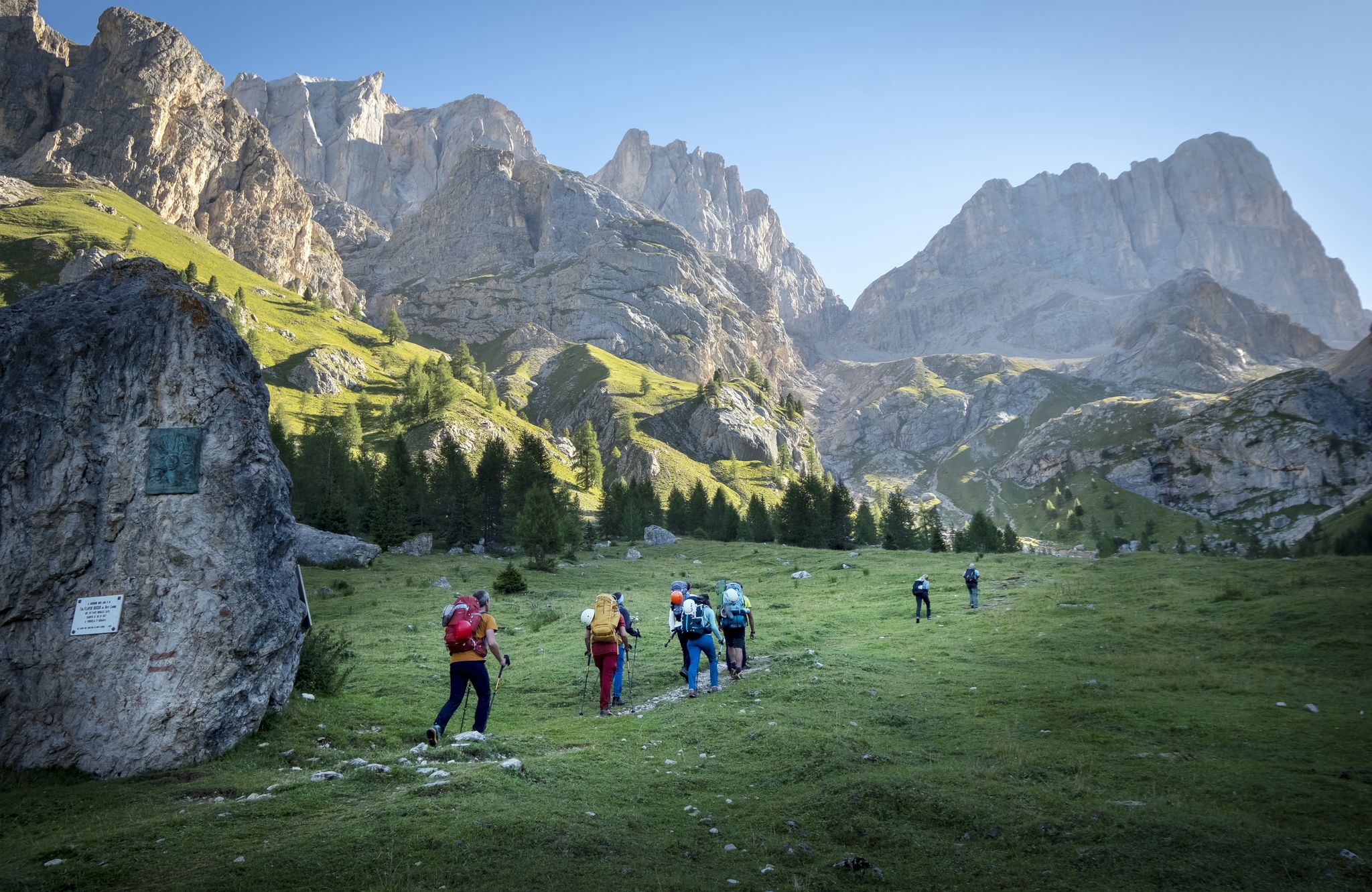
The Path of Peace – journey into Trentino's history
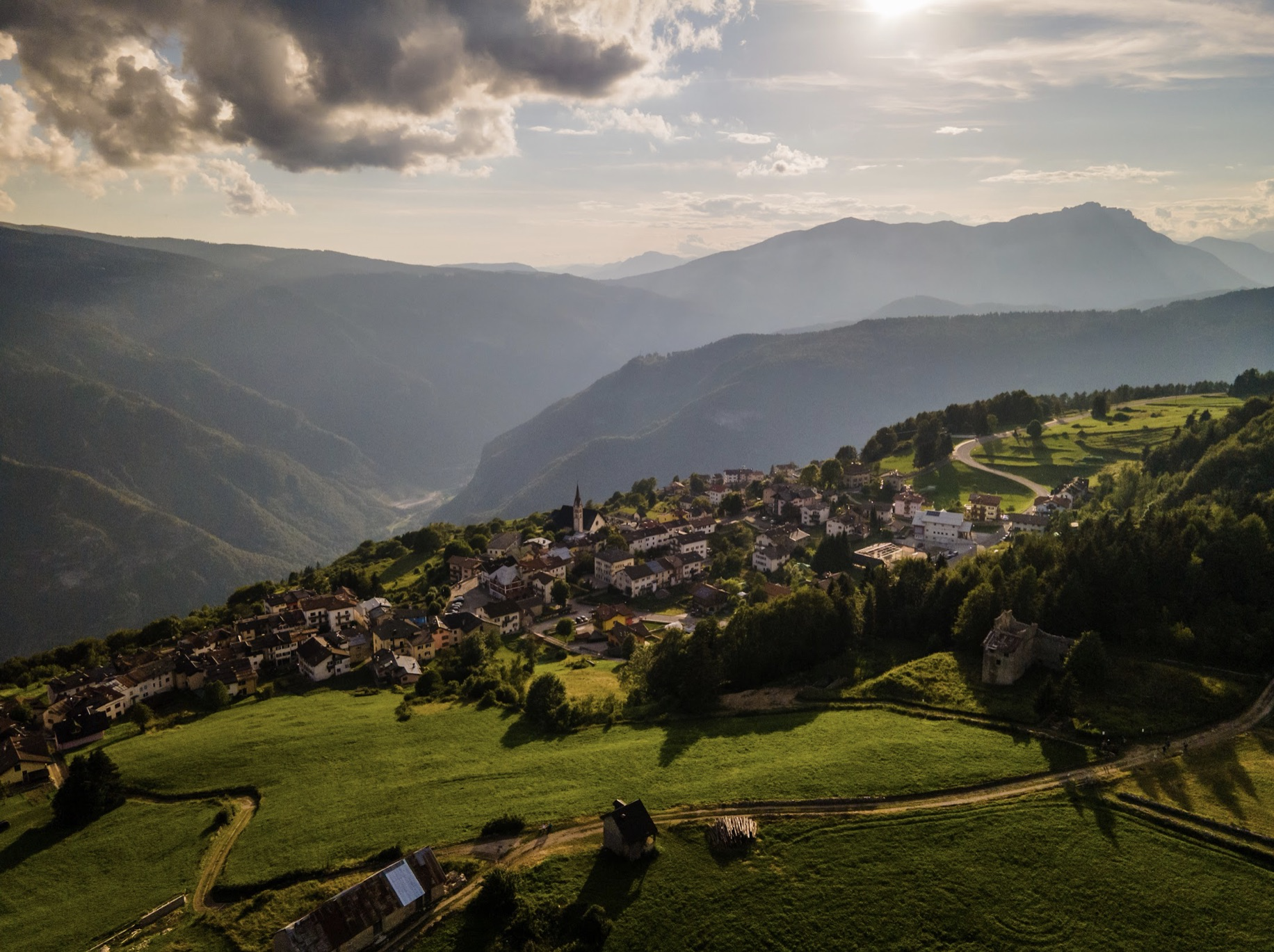
Alpe Cimbra Tour – amazing MTB in Northern Italy
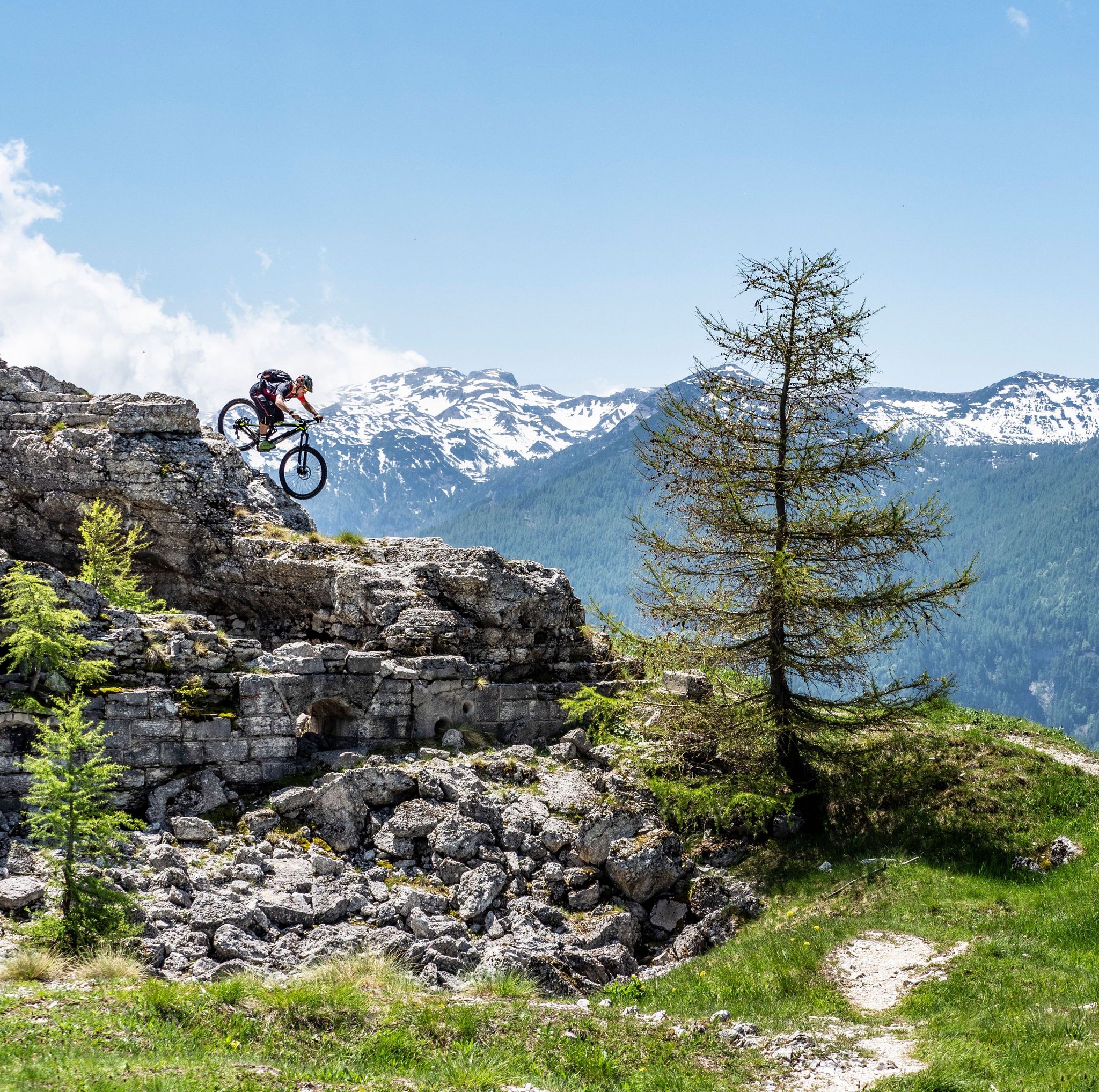
Free your energy! The mountain bike routes of Alpe Cimbra
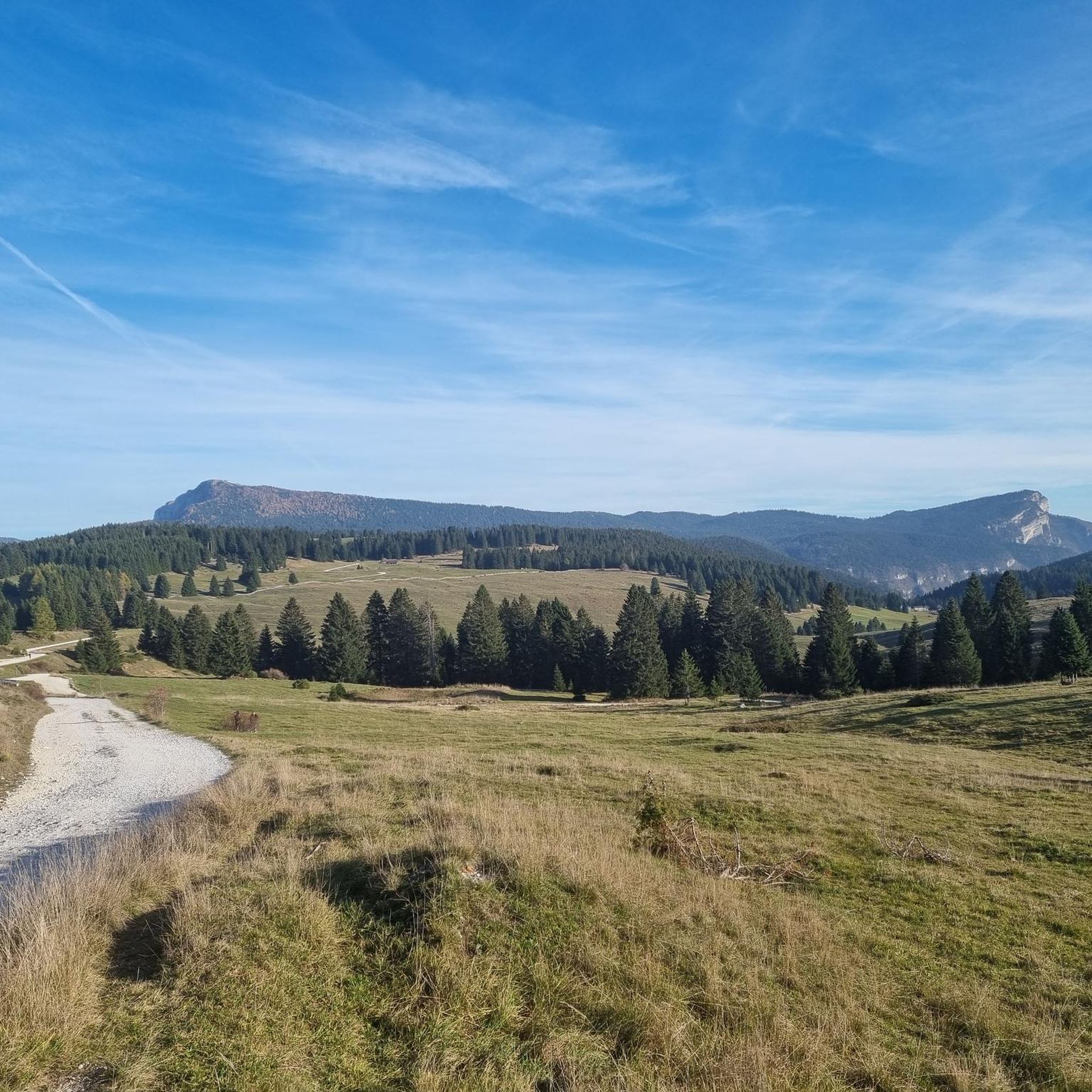
Road Cycling Routes around Luserna
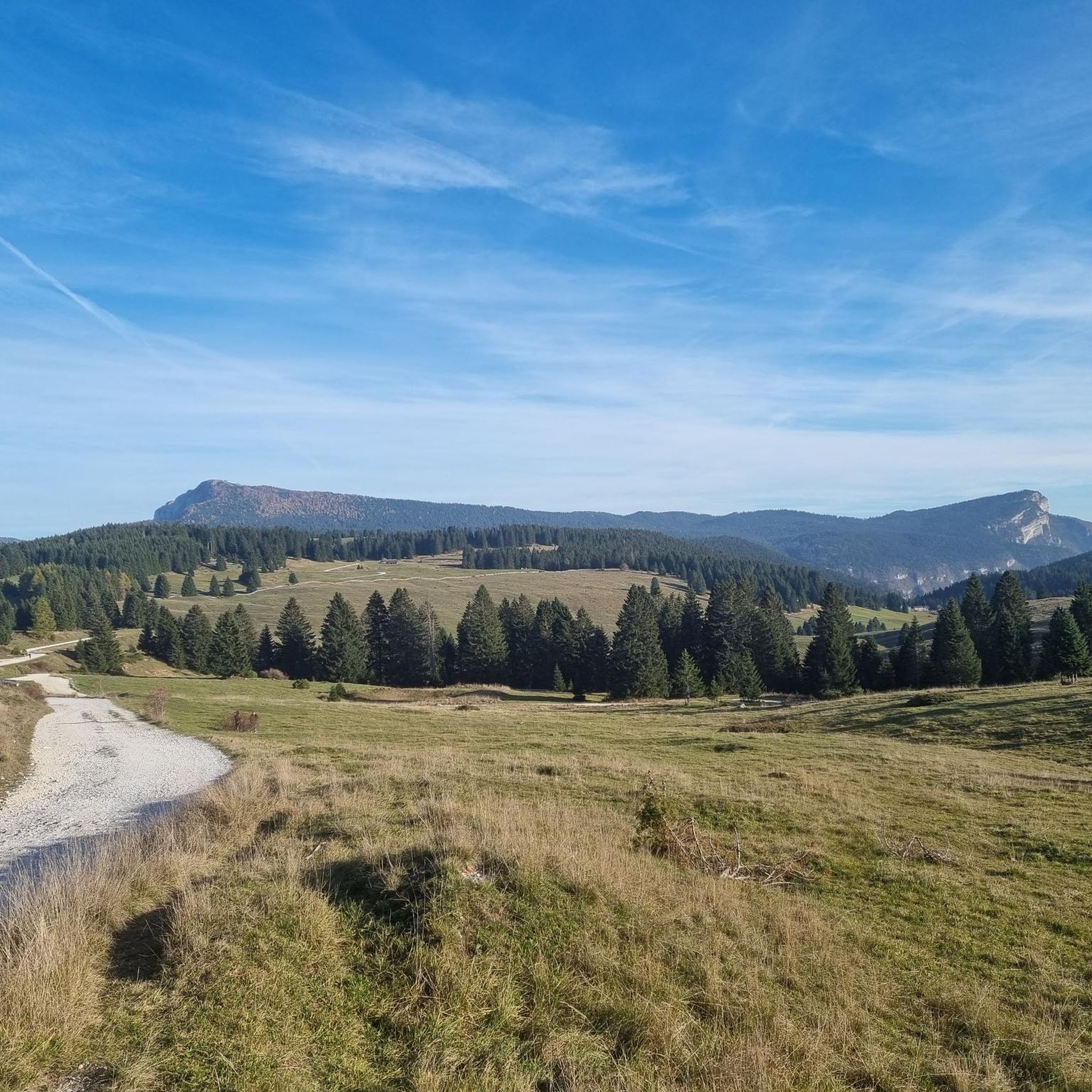
Hiking around Luserna
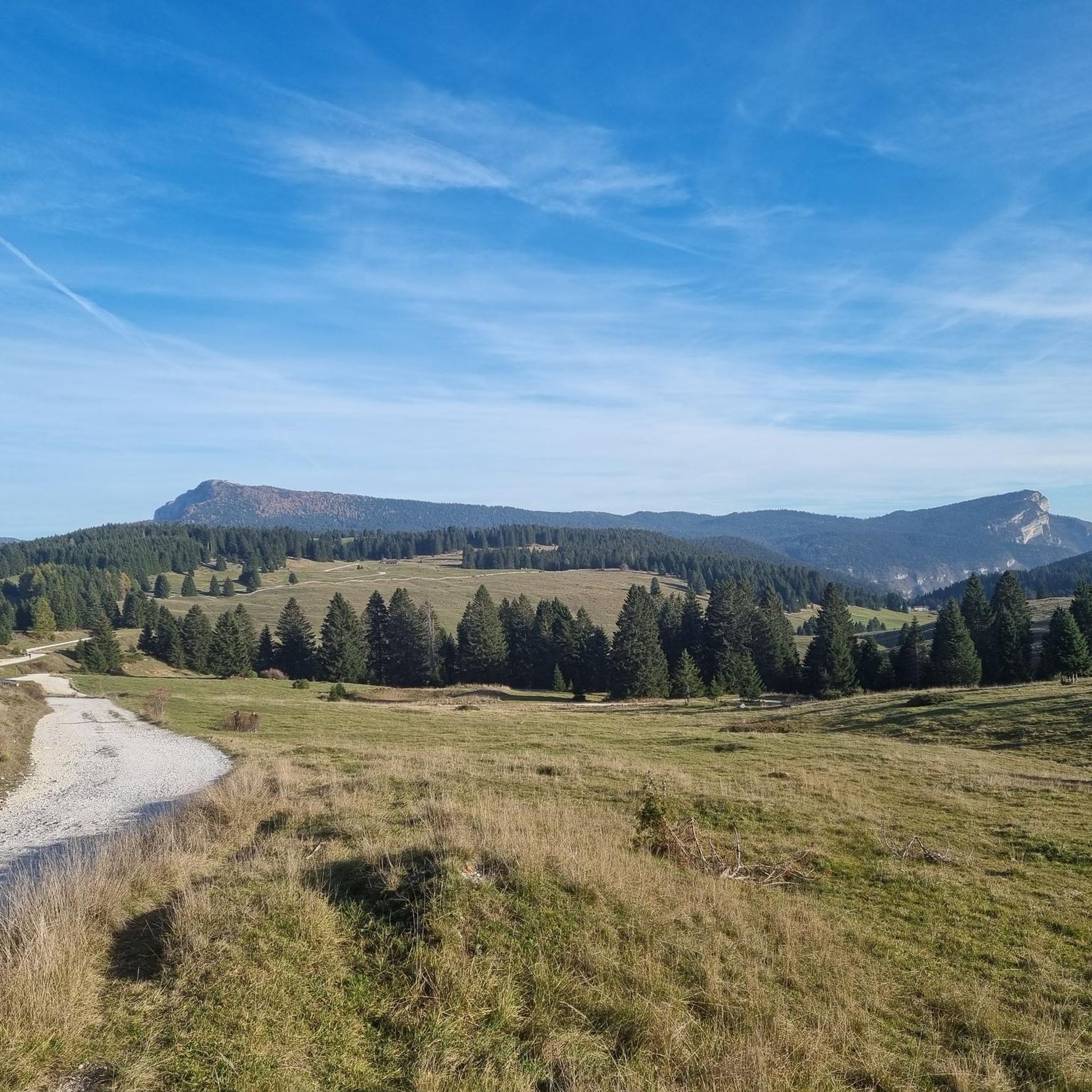
MTB Trails around Luserna
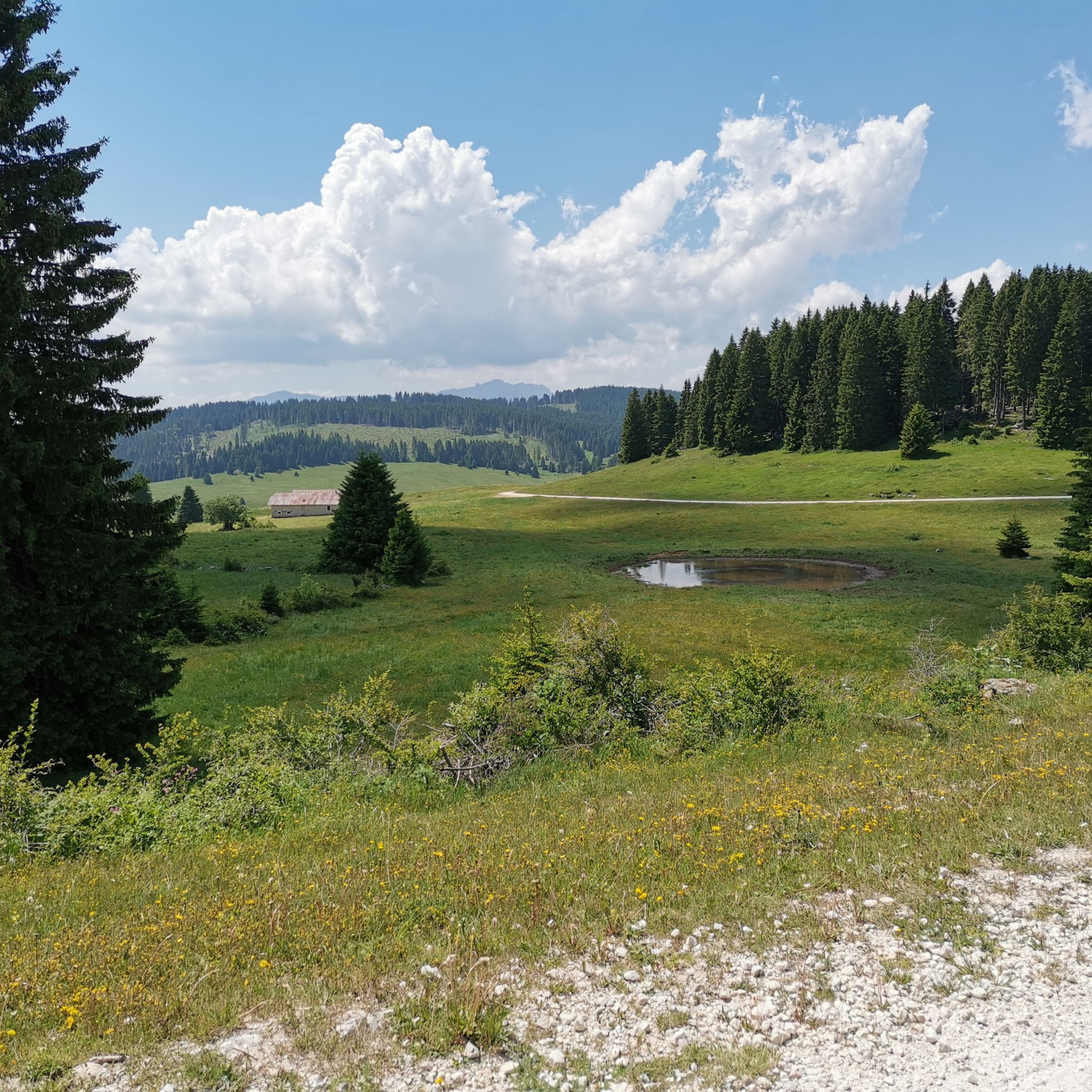
Cycling around Luserna
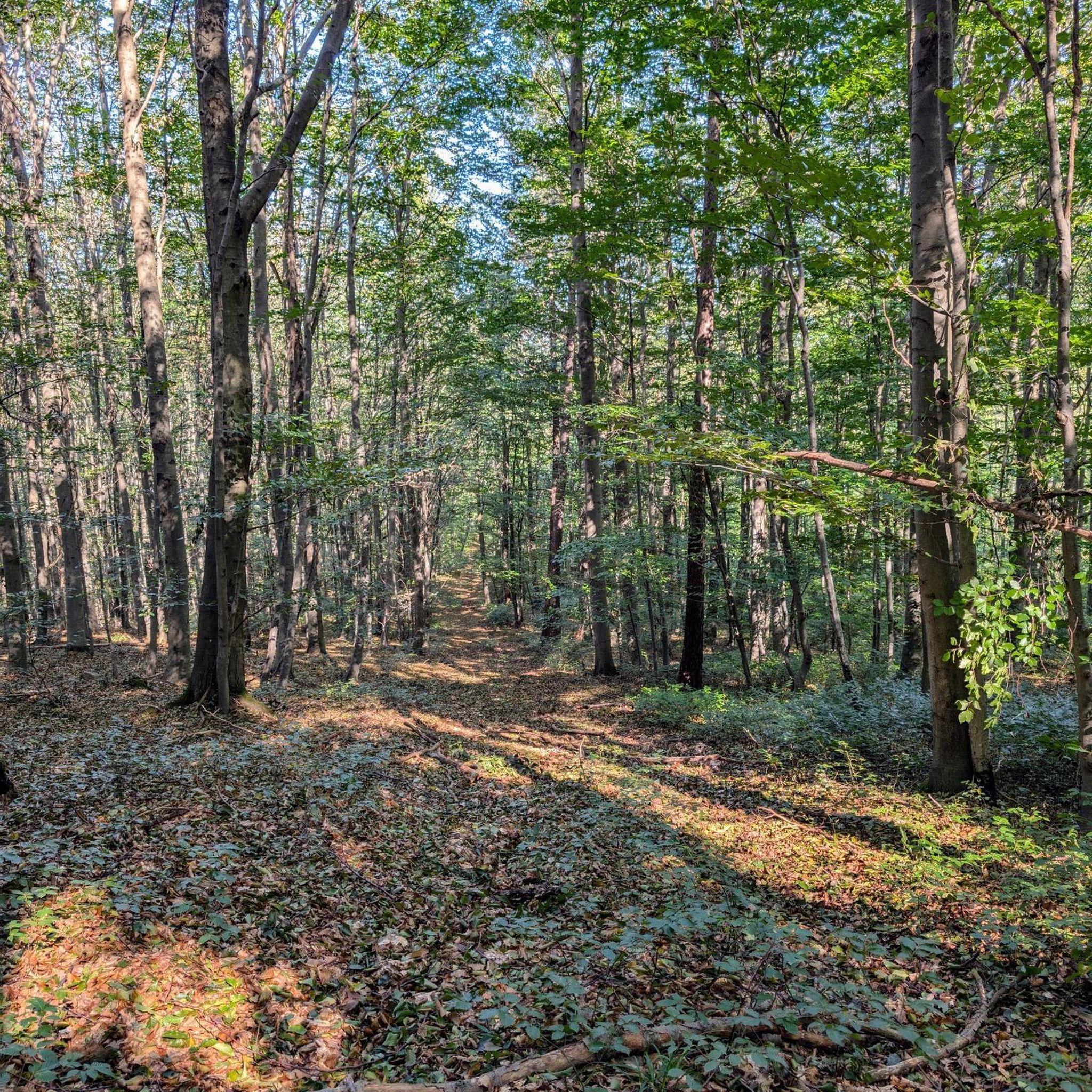
Gravel biking around Luserna

Mountain Hikes around Luserna
Running Trails around Luserna
Other adventures around Luserna


Tips from the Community

the sinkhole is quite impressive and quite intimidating
0
0

Austro-Hungarian artillery emplacement from World War I, dug into the rock. With the great Spring Offensive of 1916—nicknamed the 'Strafexpedition,' or Punitive Expedition—the Imperial Army aimed to break through the Italian barrier and invade the Po Valley through the valleys of the Vicenza Prealps. Obviously, the first prerequisite for this plan to be feasible was to dominate the surrounding peaks that controlled the access routes below, driving out the enemy. On May 21, 1916, Austro-Hungarian troops passed through an empty and desolate Tonezza: the inhabitants, faced with imminent danger, had quickly abandoned the town and its surrounding countryside to take refuge in the plains, facing exile lasting only a few weeks, but which lasted until the end of the conflict due to the escalation of hostilities. The Italian army, in disadvantaged and indefensible positions, had retreated, barricading itself on Mount Cimone, the last and indispensable bastion of resistance. To defend and maintain the positions they had conquered on the Tonezza Plateau, the Austro-Hungarian units built trenches, walkways, cave shelters, and artillery emplacements everywhere, like this fort: dug into a natural rock formation, it housed a 105 mm gun to dominate the Rio Freddo Valley below. The trees, now dense, were gone over a hundred years ago, having been felled by soldiers who needed a clear line of sight. Not far away, continuing along the steep path that descends to the valley toward the climbing wall, there is a second fort, dug into a cave, which housed another 105 mm gun.
0
0
A foaming and thunderous waterfall cascades from the spring known as 'Gorgo Santo' (which can be visited a little further along, climbing the trail —> see related highlight). The small bridge actually spans two waterfalls, one upstream and one downstream. I recommend descending to the paved road below, on the border between the hamlets of Scalzeri and Longhi, for a spectacular view of the stream cascading through a series of rapid drops before flowing into the Astico River. I also recommend visiting this site after days of rain or when the snow has melted in the mountains, to see the water swollen and rushing!
0
0

The diameter and depth of the chasm are impressive. It's scary. I advise caution in the cold months (and not only) as there is ice everywhere and the area becomes a skating rink, although there are protective barriers. I speak from lived experience....
2
0

Natural chasm that nature is now recovering, worth seeing if you pass through the area
0
0
The Gorgo Santo is a spring that features a very rare phenomenon... Rainwater and snow water are not retained by the Luserna Plateau due to the karst composition of the terrain; instead, it flows down the valley through tortuous underground passages. Under normal conditions, it flows from the lower Gorgo Santo cave; however, in heavy rain or snow, the cave may be unable to handle the full flow, so the water is also released from the upper Gorgo Santo cave... a sort of safety valve. Pope Boniface IV (7th century) happened to pass through these parts during a trip and blessed the whirlpool: hence the name "santo." But there is another, more evocative and legendary, theory behind the name: it is said that here, Saint George defeated the Great Dragon that dwelt in the cave and dominated the valley! The presence or absence of water depends on rainfall or snowfall: to find a good flow of water, you should visit on days after it has rained; otherwise, you'll visit the whirlpool in its "dry" state.
0
0
Direct ascent to Spitz di Tonezza, from the southeast face: you begin by crossing a steep and picturesque beech forest; you'll encounter signs of military structures from the Great War (emplacements and cave shelters); you'll climb some rugged sections over rocks; you'll continue along a beautiful, exposed ledge; and you'll finish with a steep final climb to the cross. Rated as a mountaineering trail, EE. It's clean and well-marked with neon pink markers. https://www.tonezza.it/attivita/escursioni-itinerari/percorsi-a-piedi/difficili/sentiero-della-tarbisa/
1
0
Impressive and spectacular sinkhole of karst origin, which descends as a well for 46 meters, then continues with a lateral corridor and falls with another well, reaching the overall depth of -96 meters! The dark and mysterious mouth is illuminated by a natural skylight dug into the karst ceiling. At the bottom of the cave the ice remains throughout the year. It is called indiscriminately Caverna or Voragine (del) Siesòn or Sciasòn.
1
0
Frequently Asked Questions
What are some unique natural cave formations to explore around Luserna?
Luserna offers several impressive natural formations. The Siesòn Cave (or Sciasòn Chasm) is a spectacular karst sinkhole descending 96 meters, with ice remaining at its bottom year-round. Another notable site is the Stonhaus Sinkhole, a chasm formed by a collapsed cave roof, featuring a natural stone arch and a depth of at least 30 meters.
Are there any caves with historical significance in the Luserna area?
Yes, the region has caves with rich historical ties. The WWI Fort is an Austro-Hungarian artillery emplacement dug into the rock, offering a glimpse into World War I history. In Piedmont, the Gheisa d'la Tana Cave near Luserna San Giovanni served as a clandestine hiding place for the Waldensian community during periods of religious persecution, earning it the name 'Church of the Den'.
Can I visit the Grotta di Ernesto near Luserna?
The Grotta di Ernesto in Trentino-Alto Adige is a significant karstic cave known for its archaeological findings, including evidence of prehistoric human settlements. However, visits have previously been suspended for bat monitoring. It's advisable to check current accessibility before planning your trip. You can find more information on the visittrentino.info website.
What is the Gorgo Santo and what makes it special?
The Gorgo Santo is a unique spring where rainwater and snowmelt flow through underground passages. It's known for a rare phenomenon where water is released from both lower and upper caves, acting as a 'safety valve' during heavy rain or snow. Legends say Pope Boniface IV blessed the whirlpool, and Saint George defeated a dragon here. For the most impressive flow, visit after periods of rain or snowmelt.
Are there hiking trails that lead to or pass by caves in Luserna?
Yes, several trails offer access to the region's caves and historical sites. The Tarbisa Trail, for example, is a challenging mountaineering route that features signs of Great War military structures, including cave shelters. The Gheisa d'la Tana Cave is also accessible via a short, marked hiking trail suitable for most visitors.
What kind of outdoor activities can I do near the caves around Luserna?
Beyond exploring caves, the Luserna area offers a variety of outdoor activities. You can find numerous road cycling routes, mountain biking trails, and general cycling tours. For example, there are challenging road cycling routes like the Tour of Manghen, moderate MTB trails such as the Fort Busa Verle – Vezzena Pass loop, and scenic cycling tours like the Strada del Menador – Vezzena Pass loop. You can explore more options on the Road Cycling Routes around Luserna, MTB Trails around Luserna, and Cycling around Luserna guide pages.
What should I know about the 'caves' that are actually quarries in Luserna?
Many references to 'caves' around Luserna San Giovanni in Piedmont actually refer to quarries where 'Pietra di Luserna' (Luserna Stone) is extracted. While not natural caves for recreational exploration, these quarries are impressive in scale and represent a significant local industry. Some routes in the region might pass by these sites, offering panoramic views of the extraction areas and the surrounding landscape.
What do visitors enjoy most about the caves around Luserna?
Visitors frequently highlight the impressive scale and natural beauty of the sinkholes, such as the Siesòn Cave and Stonhaus Sinkhole. The historical significance of sites like the WWI Fort and the Gheisa d'la Tana Cave also draws considerable interest, offering unique insights into the region's past. The geological phenomena, like the Gorgo Santo spring, are also appreciated for their natural wonder.
Are there any family-friendly cave experiences near Luserna?
While some caves like the Siesòn Cave and Stonhaus Sinkhole can be challenging due to their depth and terrain, the Gheisa d'la Tana Cave in Piedmont is accessible via a short, marked hiking trail suitable for all, making it a good option for families interested in history and a gentle walk. Always check specific trail conditions and accessibility for each site.
What is the best time of year to visit the caves around Luserna?
The best time to visit depends on the specific cave and your interests. For sites like the Gorgo Santo, visiting after periods of rain or snowmelt will allow you to see the spring at its most powerful. For caves with ice formations like the Siesòn Cave, caution is advised in colder months due to ice, but the year-round ice can be a unique sight. Generally, spring and autumn offer pleasant hiking weather for accessing many of these sites.
Most popular routes around Luserna
Most popular attractions around Luserna

Get inspired with the komoot mobile app


Explore more
Extend your search for the best caves by checking out these guides of the top ones around Luserna:
