Top 5 Castles around Gaeta
Best castles around Gaeta are situated in a region known for its strategic coastal position and rich history. Gaeta, a former marine republic, features a prominent medieval village and a significant castle that reflects centuries of military and cultural evolution. The area's landscape includes Mount Orlando and extensive beaches, providing a backdrop for historical exploration. This blend of natural beauty and historical depth makes Gaeta a notable destination for those interested in fortifications and ancient sites.
Best castles around Gaeta
- The most popular castles is Gaeta, a settlement known for its ancient origins, medieval village, and prominent castle. The city's castle, a blend of Angevin and Aragonese architecture, is a significant historical landmark.
- Another must-see spot is View of the Aragonese–Angevin Castle in Gaeta, a viewpoint offering panoramic perspectives of the historic Angevin-Aragonese Castle. This location provides views of the castle's structure and the surrounding Gulf of Gaeta.
- Visitors also love Itri Castle, a medieval fortress built for territorial control and defense. Its strategic position offers 360-degree views from the Via Appia to the sea.
- Gaeta is known for its medieval, defensive, and historically significant castles. These structures showcase architectural evolution across different periods and rulers, offering insights into the region's past.
- The castles around Gaeta are appreciated by the komoot community, with 51 upvotes and 11 photos shared across the highlights.
Last updated: June 30, 2026
Itri Castle
Highlight • Castle
Tip by

Gaeta
Highlight • Settlement
Translated by Google •
Tip by

Sign up now to discover places like this
Get recommendations on the best single tracks, peaks, & plenty of other exciting outdoor places.
Sign up for free
View of the Aragonese–Angevin Castle in Gaeta
Highlight • Viewpoint
Translated by Google •
Tip by

Gaeta Waterfront and Historic Center
Highlight • Settlement
Translated by Google •
Tip by

Start today with a free account
Your next adventure awaits.
Login or Signup
Tips from the Community

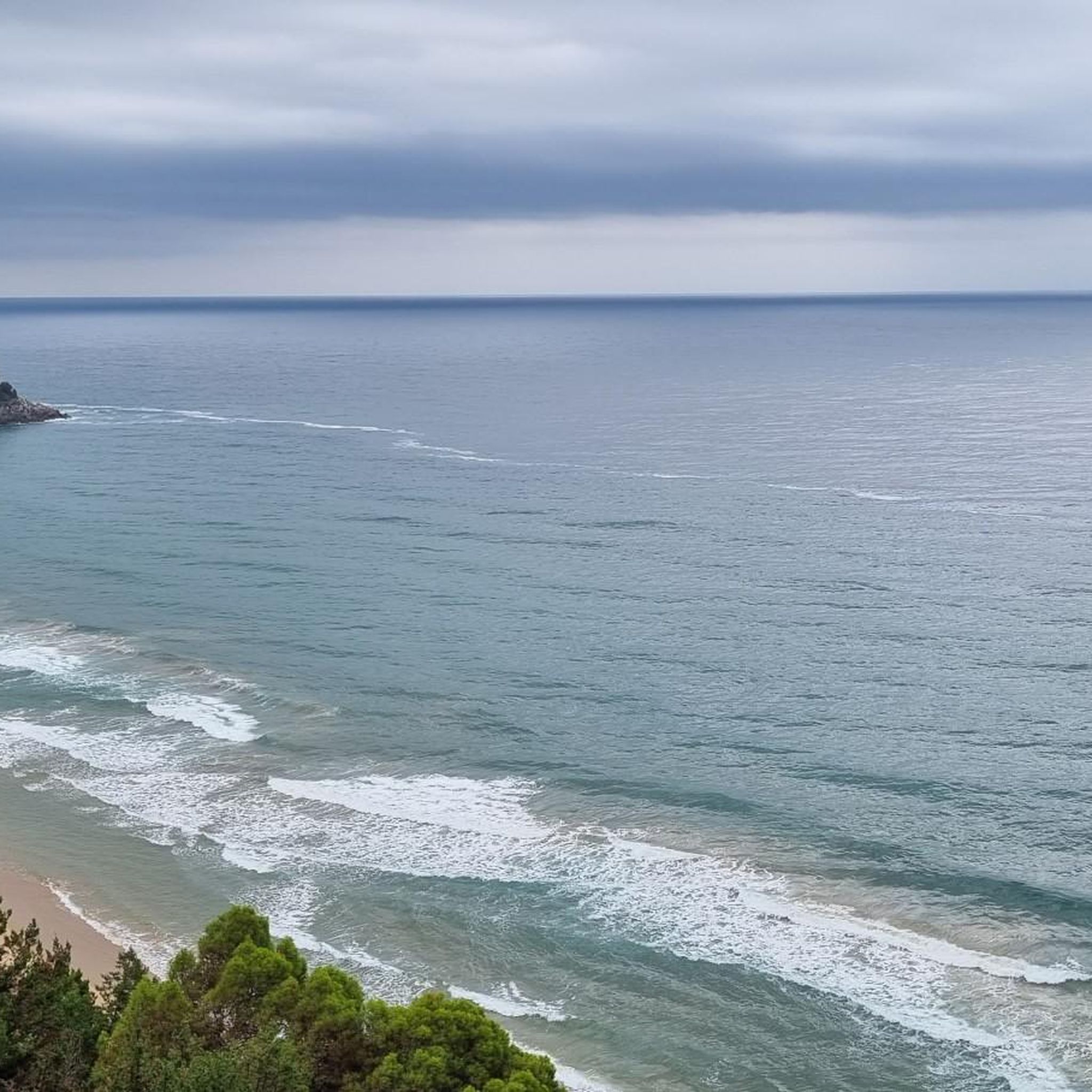
The city of Gaeta owes its name to Caieta, Aeneas's nurse, who, according to tradition, is buried right here. According to another interpretation, it derives from the Greek term indicating the “cavity” of the famous gulf. Whatever the truth, what is certain is that the city has a very ancient history, a past that can still be felt in some areas such as the medieval quarter of Sant’Erasmo, attested as early as the era of the Duchy of Gaeta and the maritime republics. A decadent nostalgia can be felt in the streets of the quarter, visibly marked by the bombings of World War II. However, houses dating back to the 12th century are still visible along narrow alleys made of stairs, underpasses, and arches. The medieval quarter has two hearts. The first is the Church of San Giovanni a Mare, a 10th-century Romanesque building with evident Byzantine influence. The second is the Cathedral, consecrated in the 12th century. Inside, a splendid marble Easter candelabrum is kept, while outside stands the imposing Arab-Sicilian bell tower, with interwoven arches, inlays, and majolica tiles. Above all dominates the Aragonese-Angevin castle, which dates back to the 8th century and was later enlarged in the 13th and then in the 16th centuries. Finally, visit the Church of the Annunciation with the Golden Grotto, the Sanctuary of the Split Mountain with the mausoleum of Lucius Munatius Plancus, and the characteristic Via dell'Indipendenza.
0
0

I rushed by, but I was still curious to visit it!
0
0

Wonderful tour! Highly recommended and suitable for everyone. Wonderful views, discovering the beauties of Gaeta.
1
0

Located on a peninsula jutting out onto the gulf of the same name.
0
0
It is located in the historic center between steep streets and stairways.
0
0
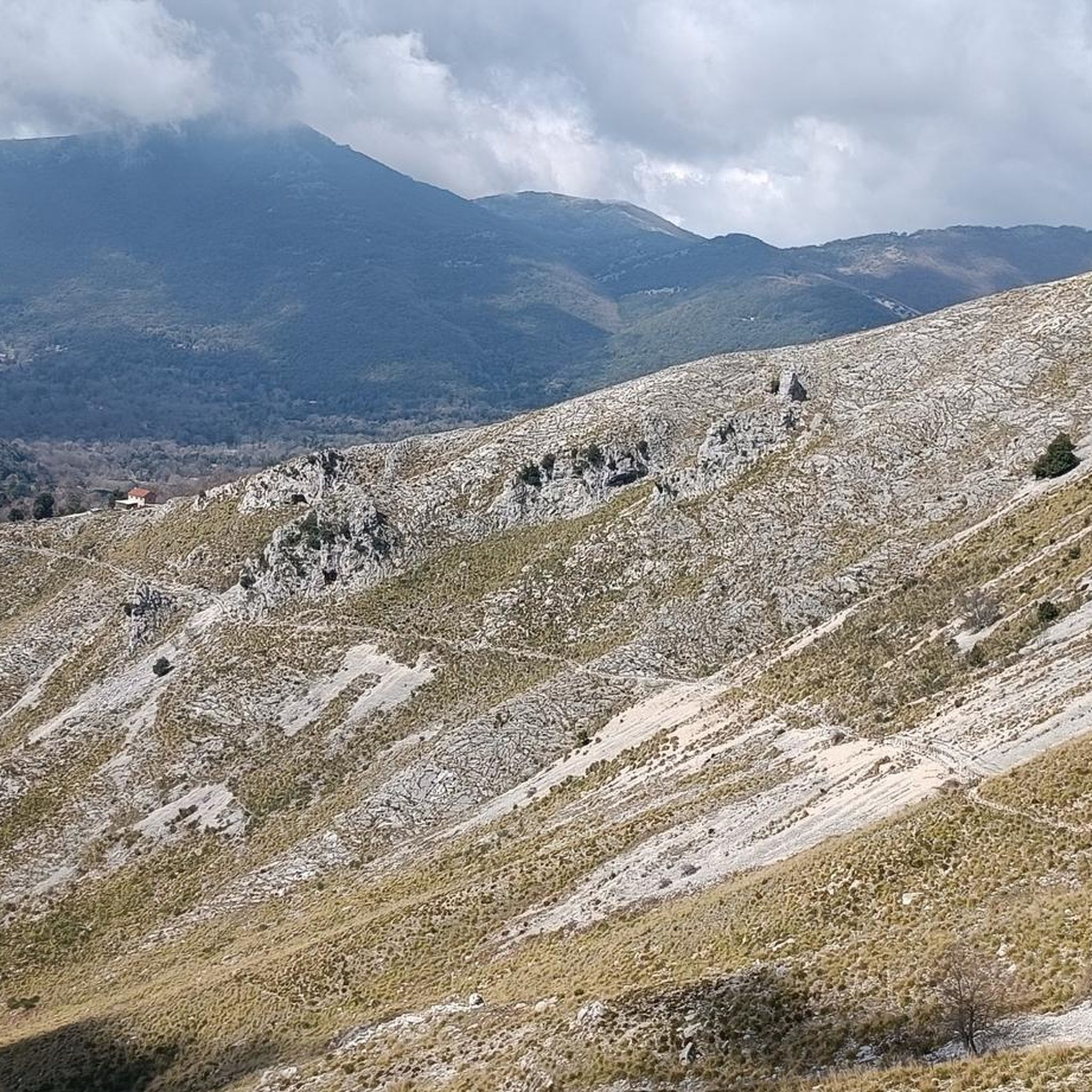
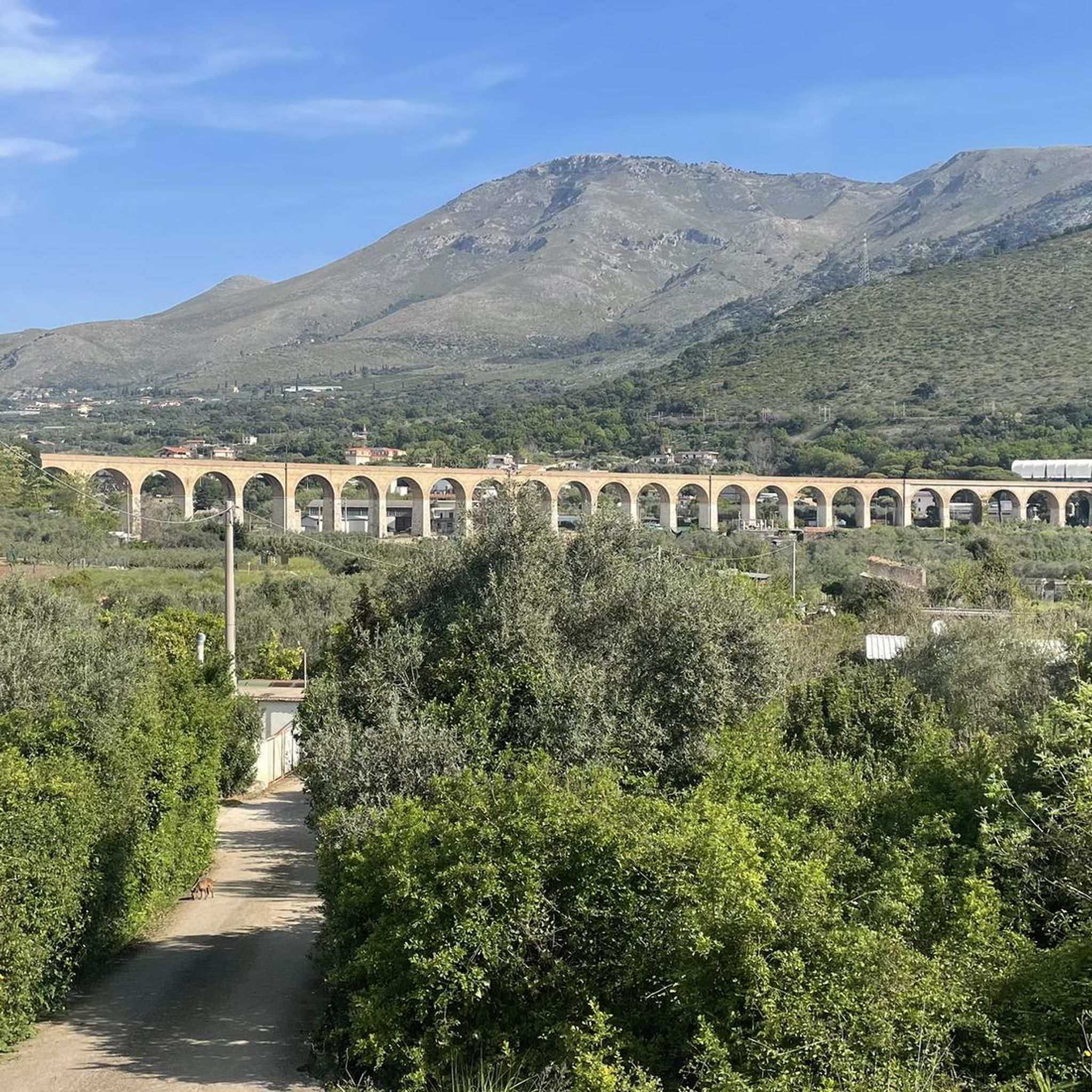
Perched on the slopes of the Aurunci mountains, Itri extends to the sea with a small strip between the coast of Sperlonga and that of Gaeta.
0
0

Crossed by the southern Via Francigena it is a beautiful village that deserves an in-depth visit
0
0

Beautiful seaside city to explore also on the climbs towards the panoramas of Monte Orlando, as well as in the alleys of the historic center, where you can eat well on a budget.
0
0
Frequently Asked Questions
What are the primary castles to explore in the Gaeta area?
The most prominent castle is the Angevin-Aragonese Castle in Gaeta, a significant historical landmark blending Angevin and Aragonese architecture. Another notable site is Itri Castle, a medieval fortress offering panoramic views from the Via Appia to the sea.
What makes the Angevin-Aragonese Castle in Gaeta historically significant?
The Angevin-Aragonese Castle is a testament to Gaeta's crucial role in Italian military history. Its foundations date back to the 6th or 7th century, with significant additions by Frederick II and later rulers. It served as a strategic defense point and a military prison, reflecting centuries of conflicts and architectural evolution. The castle also hosted the signing of a peace treaty in 1230.
What can visitors expect to see and do at the Angevin-Aragonese Castle?
Visitors can explore the castle's two distinct wings—the lower Angevin and upper Aragonese sections—showcasing different architectural styles. Key features include ornately decorated rooms, a chapel with stained glass, and beautiful gardens. The castle's elevated position provides spectacular panoramic views of the Gulf of Gaeta and the Pontine Islands. Parts of the Angevin wing now host various exhibitions and conferences.
Are there family-friendly castles to visit around Gaeta?
Yes, the city of Gaeta itself, with its medieval village and castle, is considered family-friendly. Additionally, the View of the Aragonese–Angevin Castle in Gaeta is a viewpoint suitable for all ages, offering wonderful perspectives of the historic structure.
What are the best times of year to visit the castles in Gaeta?
The region around Gaeta, with its coastal climate, is generally pleasant for visiting castles during spring (April-May) and autumn (September-October) when the weather is mild. Summer months can be warm, but the sea breezes offer some relief. Winter visits are also possible, especially during Gaeta's 'Favole di Luce' events when the Angevin wing hosts special tours and exhibitions.
Are there scenic viewpoints of the castles in Gaeta?
Absolutely. The View of the Aragonese–Angevin Castle in Gaeta is specifically highlighted for offering panoramic perspectives of the castle and the surrounding Gulf of Gaeta. The castle itself, due to its elevated position, also provides stunning views of the city and the sea.
What outdoor activities can I do near the castles in Gaeta?
The area around Gaeta offers various outdoor activities. You can find numerous cycling routes, including road cycling and touring bicycle options. For example, there are routes like 'Monte Orlando – View of Gaeta Castle loop from Gaeta' for cycling, and 'Castellone – Tomb of Cicero loop from Gaeta' for road cycling. You can explore more options on the Road Cycling Routes around Gaeta and Cycling around Gaeta guide pages.
Are there hiking or trekking routes near the castles?
While specific hiking routes directly to the castles aren't detailed, the region offers various trails. For instance, there are MTB trails like 'St. Philip Neri Way - MTB Stage 2' and 'Sant'Agostino Beach – Itri Castle loop from Falesia dell'Arenauta' which might involve trekking sections. For more details, refer to the MTB Trails around Gaeta guide.
How long does it typically take to visit the Angevin-Aragonese Castle?
A comprehensive visit to the Angevin-Aragonese Castle, including exploring its various wings, decorated rooms, gardens, and enjoying the panoramic views, can take anywhere from 2 to 3 hours. This allows ample time to appreciate its historical and architectural details.
What are some of the architectural highlights of the Angevin-Aragonese Castle?
The castle is a remarkable example of medieval military architecture, showcasing the evolution of fortifications. It features two distinct parts: the lower Angevin wing with its irregular polygonal plan and mighty truncated-cylindrical towers, and the upper Aragonese wing characterized by a rectangular plan with circular towers and an imposing keep. This blend illustrates the changes made across different historical periods and rulers.
Can I find cafes or restaurants near the castles in Gaeta?
Yes, the city of Gaeta, particularly its historic center and waterfront, offers numerous cafes and restaurants. Visitors often enjoy exploring the alleys of the historic center where they can find places to eat well. The castle itself is integrated into the town, making amenities easily accessible.
What do visitors enjoy most about the castles and the Gaeta area?
Visitors frequently praise the rich history and architectural grandeur of the castles, particularly the Angevin-Aragonese Castle. The stunning panoramic views of the Gulf of Gaeta from the castle and various viewpoints are also a major draw. The blend of natural beauty, historical depth, and the charm of Gaeta's medieval village and beaches are highly appreciated by the komoot community.
Most popular attractions around Gaeta

Get inspired with the komoot mobile app


Explore more
Looking for the best castles somewhere else? Discover other guides around Gaeta:
