Top 4 Huts and Cabins around Is Pratzas/Las Plassas
Best huts around Is Pratzas/Las Plassas are primarily historical structures, offering insight into the region's ancient past. This area in Sardinia, Italy, is known for its archaeological significance, including Nuragic and pre-Nuragic sites. The "huts" found here are often traditional shepherd shelters, known as "pinnettas," which share construction similarities with Nuragic-era buildings. These sites provide a tangible connection to Sardinia's historical layers, from prehistoric times through the medieval period.
Best huts around Is Pratzas/Las Plassas
- The most popular huts is…
Last updated: June 30, 2026
Pinnettas Shepherd Huts
Highlight • Mountain Hut
Translated by Google •
Tip by

Pinnetta
Highlight • Mountain Hut
Translated by Google •
Tip by

Sign up now to discover places like this
Get recommendations on the best single tracks, peaks, & plenty of other exciting outdoor places.
Sign up for free
Ancient Stone Hut
Highlight • Mountain Hut
Translated by Google •
Tip by

Pinnettu (Traditional Sardinian Shepherd's Hut)
Highlight • Mountain Hut
Translated by Google •
Tip by

Start today with a free account
Your next adventure awaits.
Login or Signup

Tips from the Community

There is a documentary about the model for this modern, but reminiscent of ancient models, documentation - which in my opinion is fully recommended: The German-language television series "Treasures of the World - Heritage of Humanity" is dedicated to the UNESCO world cultural heritage of the "NURAGHI" in Sardinia and a fifteen-minute contribution to the traditional shepherd's song known there as “Canto a Tenore”. The text accompanying the program says “Over seven thousand round towers made of stone pieces weighing tons are scattered all over Sardinia. Often only the stumps of these megalithic buildings, called nuraghi, remain. The first were around 1400 BC. Built. Small stones were placed between the mighty blocks, a construction method that made the stone towers collapse-proof.” This article (episode 413 of the series) is available in the ARD media library under the following link: https://www.ardmediathek.de/video/schaetze-der-welt/sardinien/3sat/Y3JpZDovL3N3ci5kZS8xNTg4MzM5MA
3
0

As we pass, it is left to itself
0
0

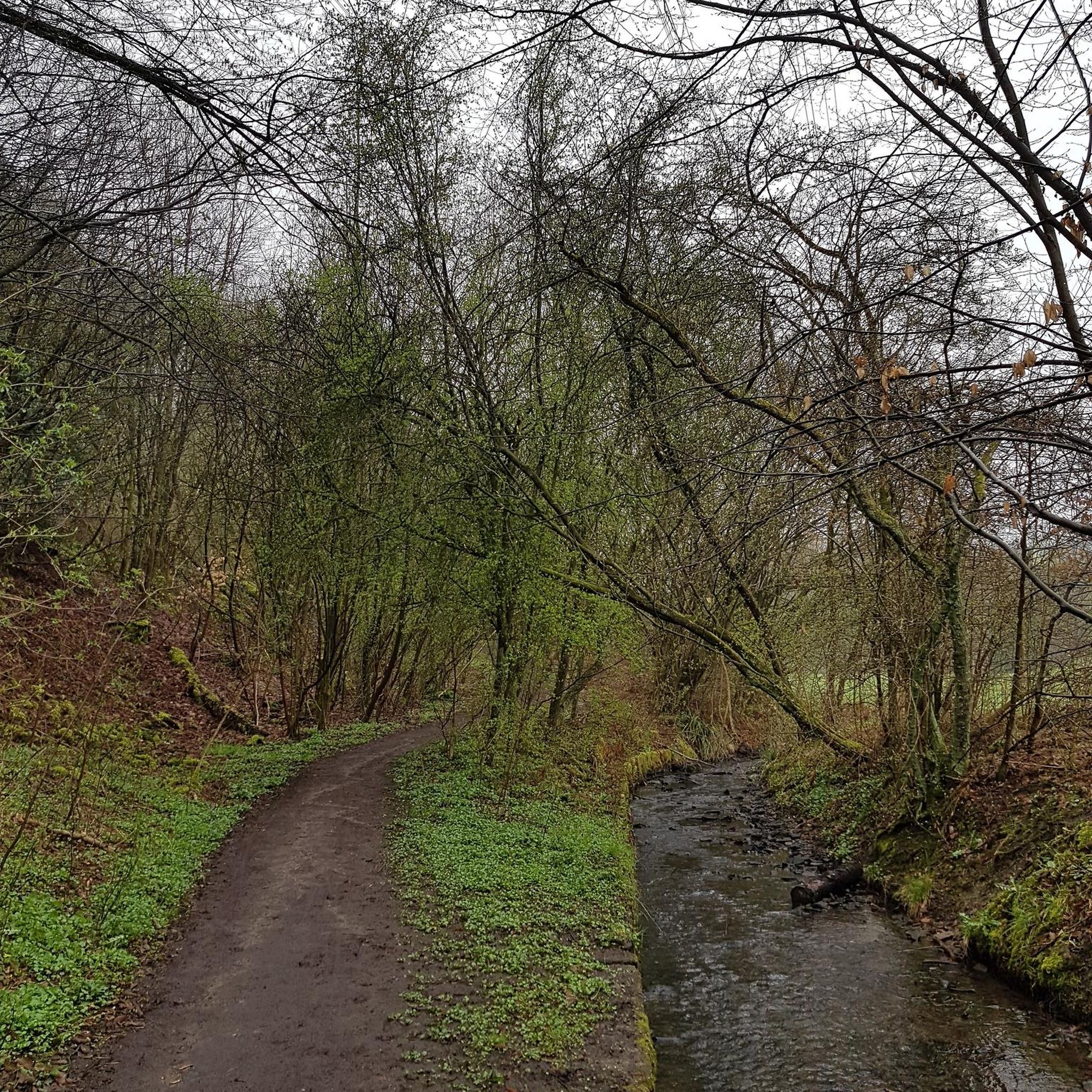
typical Sardinian huts with stone bases and cone-shaped foliage or branches. By type and materials they are almost identical to the huts of the Nuragic era. Normally used as a shelter for shepherds in inaccessible places
1
0

Some unfortunately destroyed by the incivility of today.
0
0

The Pinnettas are the typical Sardinian huts. Generally built on a stone base and covered with conical domed fronds or branches. Generally used by shepherds as shelter in remote areas. for materials and construction technique they are completely similar to the huts of the Nuragic era
0
0

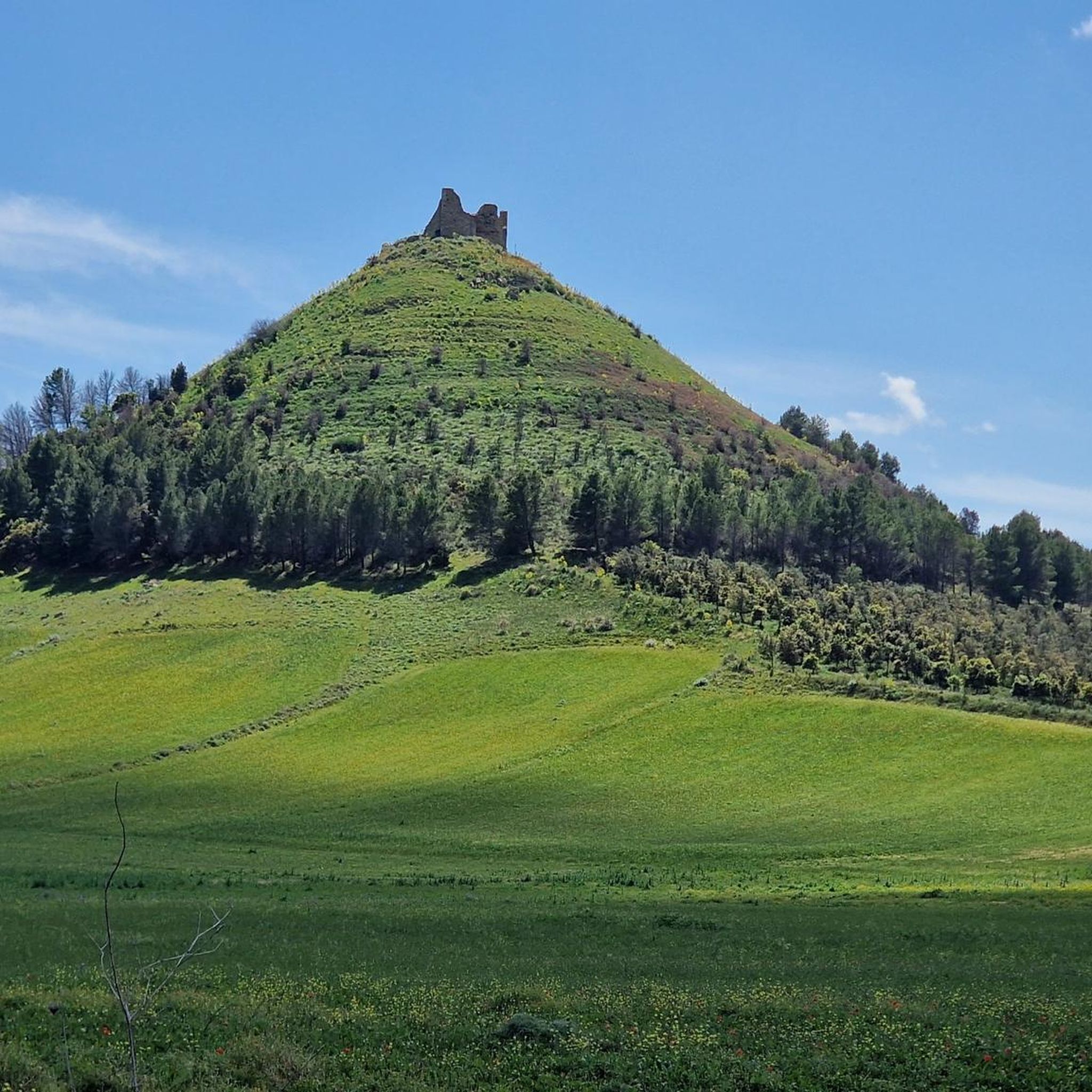
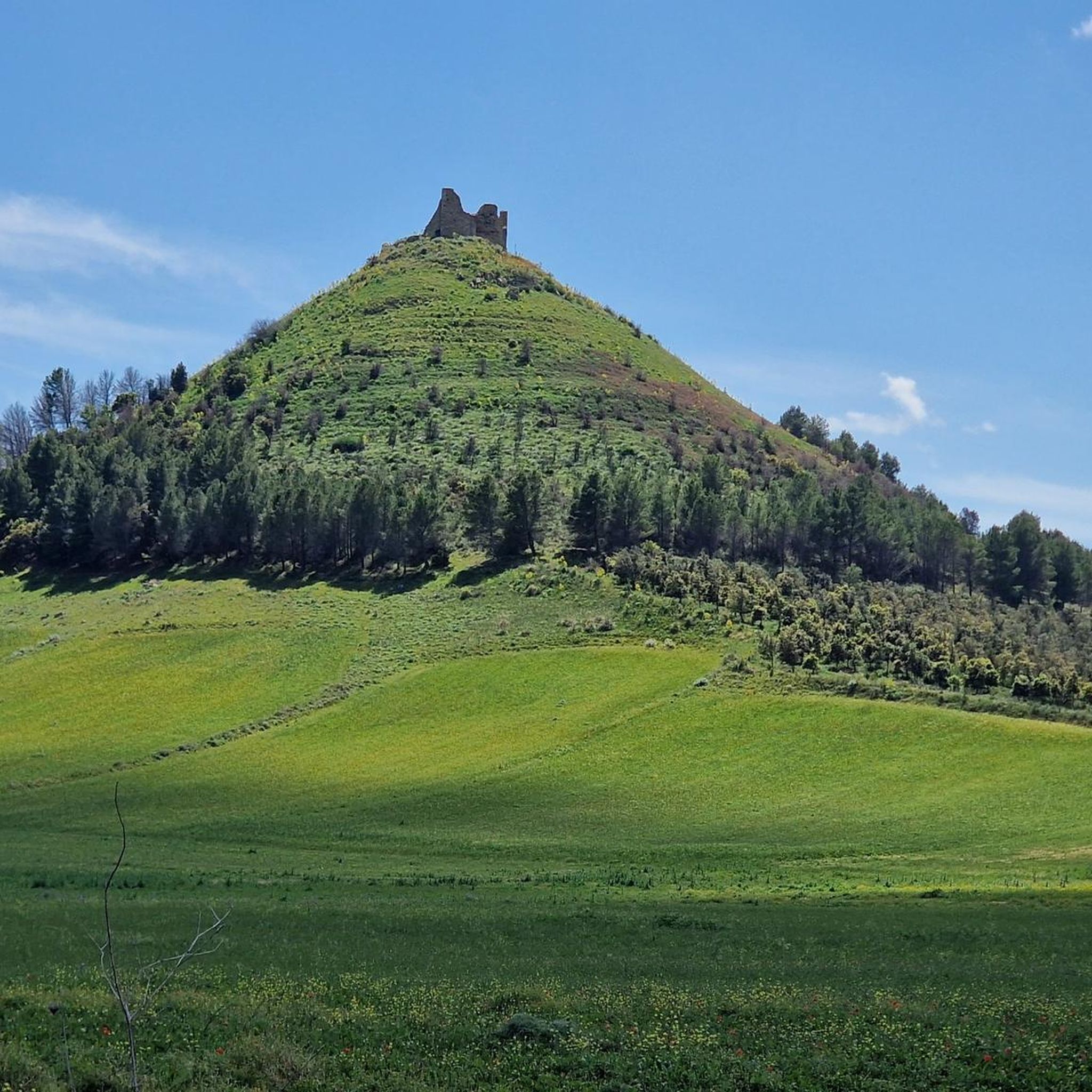
Cute old cottage with an interesting stone colour
0
0
It is a fantastic experience when you are just looking around the small old village and suddenly one of the small wild horses is walking behind you. There is also a nice picnic area here.
3
0

It is not a nuragic settlement, but the last huts of the shepherds, the so-called "pinnettas" of the 1960s. These correspond to the construction of the Nuragic period.
3
0
Frequently Asked Questions
What kind of "huts" can I expect to find around Is Pratzas/Las Plassas?
The "huts" in Is Pratzas/Las Plassas are primarily traditional Sardinian shepherd shelters, known as "pinnettas," and ancient stone structures. These are not modern cabins for accommodation but historical sites that offer a glimpse into the region's past, often built with stone bases and conical foliage roofs, mirroring Nuragic-era construction techniques.
What are some of the most notable traditional huts to visit in the area?
You can visit several significant sites. The Pinnettas Shepherd Huts represent the last huts of shepherds from the 1960s, built in a style reminiscent of the Nuragic period, and offer a picnic area where you might observe small wild horses. Another typical Sardinian hut is Pinnetta, known for its construction from a stone base and conical domed fronds. Additionally, the Ancient Stone Hut, though only ruins remain, is appreciated for its interesting stone color and historical remnants.
Are these hut sites suitable for families?
Yes, some hut sites are family-friendly. For instance, the Pinnettas Shepherd Huts are noted as a family-friendly historical site, offering a picnic area and the chance to see small wild horses, which can be an engaging experience for children.
What historical significance do these traditional huts hold?
These traditional huts, particularly the "pinnettas," are significant because their construction techniques—stone bases with conical roofs—are similar to those used during the Nuragic era. They provide a tangible link to Sardinia's ancient civilizations and the long-standing practices of shepherds, showcasing the island's deep historical layers from prehistoric times through the medieval period.
What other historical sites are near the huts in Is Pratzas/Las Plassas?
Beyond the traditional huts, the region is rich in history. The most notable site is the **Castello di Marmilla (Las Plassas Castle)**, a medieval military fortress offering panoramic views. It houses the Museo MudA, which exhibits artifacts from excavations and details medieval life. The area also features various Nuragic and pre-Nuragic archaeological sites, including sacred wells and monuments, providing insight into ancient Sardinian civilizations.
What outdoor activities can I do near the huts in Is Pratzas/Las Plassas?
The area around Is Pratzas/Las Plassas offers a variety of outdoor activities. You can explore numerous routes for mountain biking, cycling, and running. For mountain biking, consider routes like the 'Giardino botanico Morisia — giro ad anello nel Parco della Giara'. Cyclists can enjoy tours such as 'Giara ponies – Giara di Gesturi Plateau loop from Giauni/Genuri'. If you prefer running, there are loops from Gèsturi/Gesturi or Barùmini/Barumini. You can find more details on these activities in the respective guides: MTB Trails around Is Pratzas/Las Plassas, Cycling around Is Pratzas/Las Plassas, and Running Trails around Is Pratzas/Las Plassas.
What is the best time of year to visit the huts in Is Pratzas/Las Plassas?
While specific seasonal recommendations for the huts are not provided, generally, spring (April-May) and autumn (September-October) offer pleasant weather for exploring historical sites and engaging in outdoor activities in Sardinia, avoiding the intense heat of summer.
Are there any natural features or viewpoints near the huts?
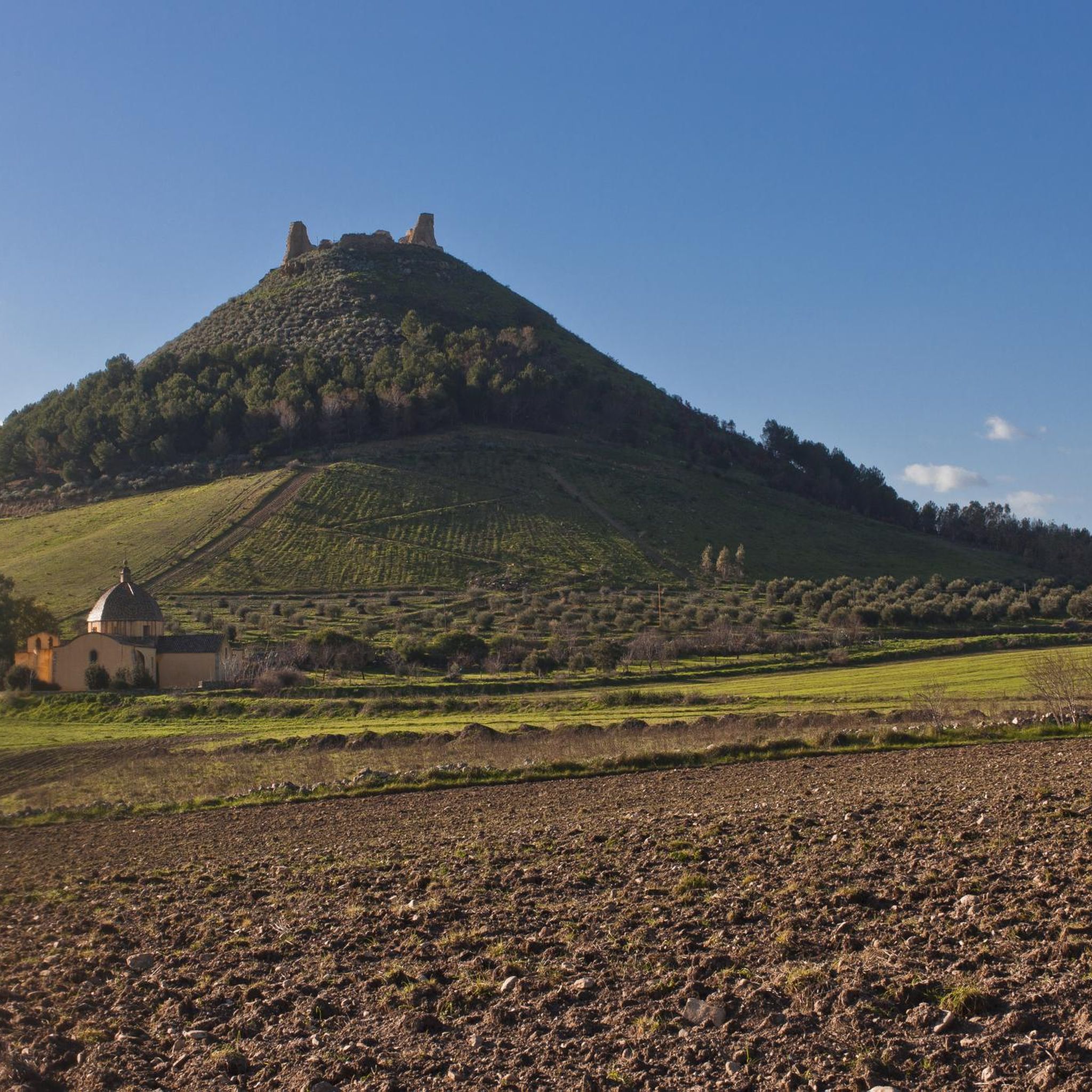
The Castello di Marmilla, located near the traditional hut sites, is perched atop a distinctive conical hill, offering panoramic views of the surrounding plains. The region's landscape itself, with its ancient archaeological sites, provides a natural setting for exploration.
What do visitors enjoy most about the huts and historical sites in Is Pratzas/Las Plassas?
Visitors appreciate the tangible connection to Sardinia's rich history, from the ancient Nuragic period to medieval times. The unique construction of the traditional shepherd huts, the dramatic setting of the Castello di Marmilla, and the opportunity to observe small wild horses at sites like the Pinnettas Shepherd Huts are frequently highlighted as enjoyable aspects of a visit.
Can I find food or accommodation near the hut sites?
While the hut sites themselves are historical structures and not typically equipped with amenities, the nearby comune of Las Plassas and surrounding towns offer options for cafes, restaurants, and accommodation. It is advisable to check local listings for specific establishments.
Are the hut sites easily accessible?
The traditional shepherd huts are often found in remote areas, reflecting their original purpose as shelters for shepherds. While some may be easily reachable, others might require a short walk or hike. The Castello di Marmilla is accessible, though it involves ascending a hill. It's recommended to check specific access details for each site you plan to visit.
What should I pack for a visit to the hut sites and surrounding area?
Given the historical and outdoor nature of the sites, comfortable walking shoes are essential. Depending on the season, bring sun protection (hat, sunscreen) or layers for cooler weather. Water and snacks are also recommended, especially if you plan to explore multiple sites or nearby trails.
Most popular routes around Is Pratzas/Las Plassas
Most popular attractions around Is Pratzas/Las Plassas

Get inspired with the komoot mobile app


Explore more
Find more beautiful huts and cabins around Is Pratzas/Las Plassas by checking out the top ones in these nearby places:
