Top 9 Caves around Dogna
Best caves around Dogna are found within a region known for its extensive karst systems, though Dogna itself is primarily recognized for its natural beauty and historical significance. Nestled in a valley surrounded by peaks like the Montasio massif, the area offers a blend of mountain landscapes and historical sites. While major natural cave systems are more prominent in the wider Friuli Venezia Giulia region, Dogna features several locations with cave-like elements. These include natural formations and historical structures that…
Last updated: June 16, 2026
Fontanone di Goriuda
Highlight • Waterfall
Translated by Google •
Tip by

Resiutta Ice Cellar Tunnel
Highlight • Historical Site
Tip by

Sign up now to discover places like this
Get recommendations on the best single tracks, peaks, & plenty of other exciting outdoor places.
Sign up for free
Köpfach Shelter and World War I Observation Post
Highlight • Historical Site
Next to it there is a shelter cave which was used during the bombings.
Translated by Google •
Tip by

Former Firing Slits of Val Bartolo
Highlight • Historical Site
Also opposite one finds which one!
Translated by Google •
Tip by

Cuel de la Bareta
Highlight • Viewpoint
Translated by Google •
Tip by

Sign up for free to discover even more caves around Dogna.
Sign up for free
Already have an account?
Start today with a free account
Your next adventure awaits.
Login or Signup
Other adventures around Dogna

Tips from the Community

Hello! And welcome to the Julian Prealps Natural Park. To enjoy your experience to the fullest and with respect, we invite you to follow a few simple rules—they're our way of saying "thank you" to this extraordinary environment: - Bring home memories, not flowers: take all the photos you want, but leave plants, fossils, and any natural artifacts intact. - Dogs are welcome, but always on a leash: this way you protect the wildlife and themselves. - No wild camping: nature rests here at night, just like you! - Silence, the mountains speak: no loud music, shouting, or bright lights—let the sounds of the forest be your soundtrack. - Stay on the trail: walking off-trail damages delicate habitats. - Hunting is prohibited: animals live peacefully here, as they should everywhere. - Watch out for ticks: ticks are present throughout the Friuli Venezia Giulia region, so it's important to learn about prevention and protection techniques! Don't throw away your trash: everything you bring with you (snacks, bottles, tissues, etc.), take it home. The mountain is not a trash can. Nature thanks you! And if you need information, write to us at info@parcoprealpigiulie.it
0
0

A pleasant journey back in time: "Mostra Miniera del Resartico" (Resiutta Mining Exhibition). In 1844, Carinthian entrepreneurs began producing beer in Resiutta, which was then part of the Habsburg Monarchy, using the excellent water of the Resia River. A tunnel was dug for this purpose, which served as a storage and cooling room for the beer. By 1900, the resources of the icehouse were no longer used, and the icehouse remained empty. In recent years, the tunnel was rediscovered. Restoration and research work now allow visitors to retrace the course of history and visit this special place. The tunnel itself features information panels that illustrate the history of this place and beer brewing in Resiutta.
0
0
A pleasant journey back in time: "Mostra Miniera del Resartico" (Resiutta Mining Exhibition). In 1844, Carinthian entrepreneurs began producing beer in Resiutta, which was then part of the Habsburg Monarchy, using the excellent water of the Resia River. A tunnel was dug for this purpose, which served as a storage and cooling room for the beer. By 1900, the resources of the icehouse were no longer used, and the icehouse remained empty. In recent years, the tunnel was rediscovered. Restoration and research work now allow visitors to retrace the course of history and visit this special place. The tunnel itself features information panels that illustrate the history of this place and beer brewing in Resiutta.
0
0
A pleasant journey back in time: "Mostra Miniera del Resartico" (Resia Mining Exhibition). In 1844, Carinthian entrepreneurs began producing beer in Resiutta, which was then part of the Habsburg Monarchy, using the excellent water of the Resia River. A tunnel was dug for this purpose, which served as a storage and cooling room for the beer. By 1900, the resources of the icehouse were no longer used, and the icehouse remained empty. In recent years, the tunnel was rediscovered. Restoration and research work now allow visitors to retrace the course of history and visit this special place. The tunnel itself features information panels that illustrate the history of this place and beer brewing in Resiutta. Source: https://discoveralpigiulie.eu/de/natura/parco/galleria-ghiacciaia-di-riesutta/#null
0
0

You can park on the main road before the tunnel to Chiusaforte. The trail begins at the suspension bridge in Cadramazzo, initially next to the highway. A short while later, the climb begins quite steeply. There are hardly any rest areas. The path is quite narrow, steep, and exposed. During World War I, soldiers pulled heavy cannons up here. Along the path and on the mountain summit, you can find the remains of old emplacements. The entire mountain is tunneled under. The view from the summit is breathtaking. And although you only climb to a good 1,500 meters, the tour is not suitable for beginners or those with limited training! Therefore, you'll almost always be alone!
3
0
...the effort is rewarded with a beautiful view! 👀
3
0

The Fontanone di Goriuda is a breathtaking visual experience. The waterfall, born from the bowels of the earth, creates a unique natural spectacle. An explosion of colors and sounds that enchants and leaves you speechless. Unmissable for those seeking intimate contact with nature.
0
0

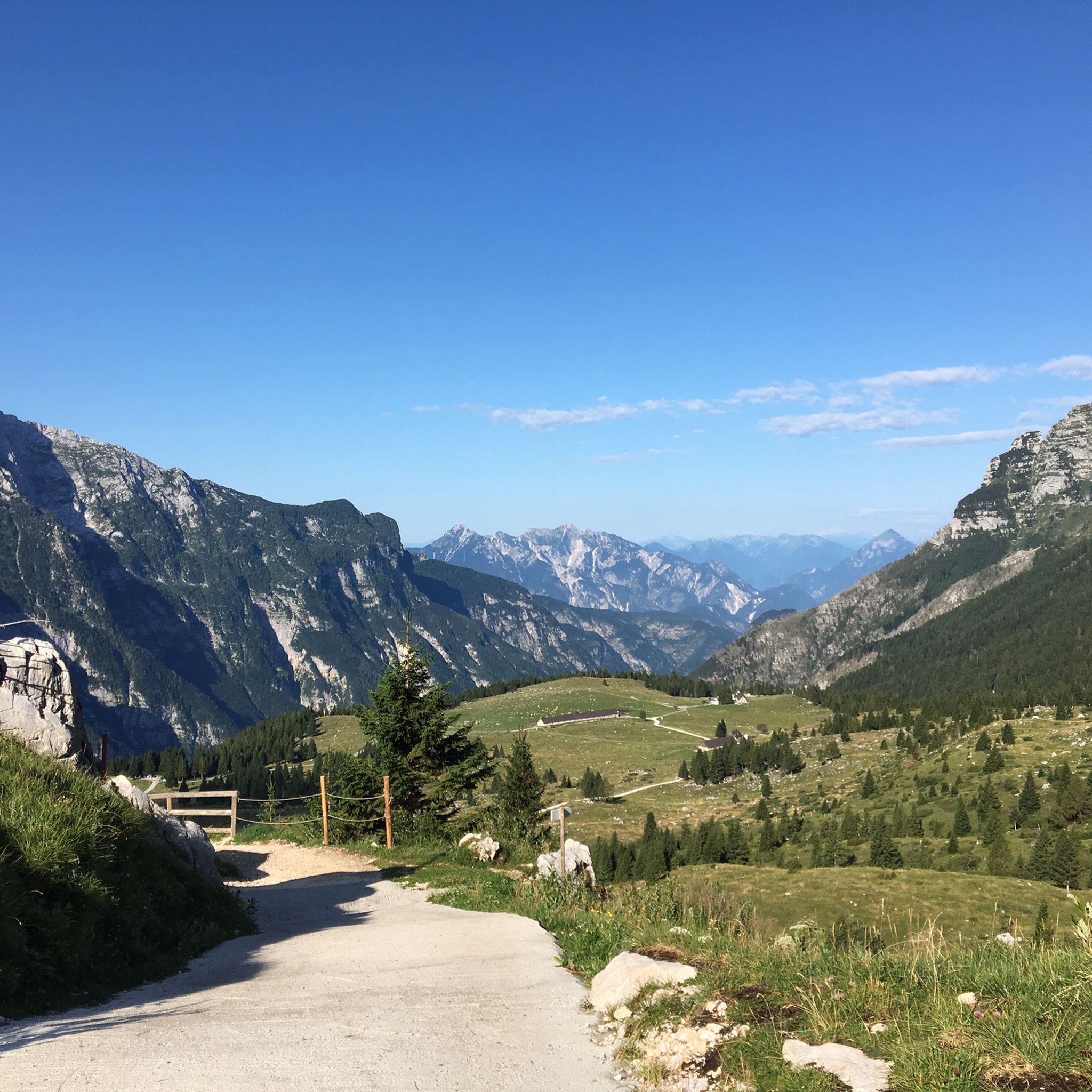
It is a small building which now offers protection for 2 - 3 people, but this functioned as an observation post during the Great War. From the small windows you can easily observe the mountains to the east, the northern flank of the Montasch and the Val Saisera valley below, which was then the border with the Austro-Hungarian Empire.
0
0
Frequently Asked Questions
What types of caves can I explore around Dogna?
The Dogna area offers a mix of natural and man-made subterranean experiences. You can find natural waterfall caves like Fontanone di Goriuda, historical shelter caves such as the Köpfach Shelter and World War I Observation Post, and other man-made structures like the Former Firing Slits of Val Bartolo. The wider Friuli Venezia Giulia region also boasts extensive karst systems with massive natural caves.
Are there any family-friendly cave attractions near Dogna?
Yes, several spots are suitable for families. Fontanone di Goriuda is a natural waterfall cave with a short, simple path that allows visitors to walk behind the cascade, making it a popular family destination. The Resiutta Ice Cellar Tunnel is another family-friendly historical site offering insight into mining history.
What historical cave sites are there in the Dogna area?
The region has several historical sites with cave-like elements. You can visit the Köpfach Shelter and World War I Observation Post, which served as a military observation point during the Great War. Another significant historical site is the Former Firing Slits of Val Bartolo, featuring loopholes installed in a pinnacle. The Resiutta Ice Cellar Tunnel also offers a glimpse into the area's mining past.
Are there any challenging cave experiences for experienced adventurers?
For those seeking a more challenging experience, the Centenary Via Ferrata Tunnel is a tunnel dug by soldiers during World War I. It is rated as challenging and requires a torch for exploration, offering an impressive historical and adventurous outing.
What are the geological features of the caves in the wider Friuli Venezia Giulia region?
The broader Friuli Venezia Giulia region, where Dogna is located, is renowned for its extensive karst cave systems. These caves often feature impressive speleothems (stalactites and stalagmites), vast chambers, and unique geological formations. Notable examples include the massive Grotta Gigante near Trieste and the beautifully adorned Grotta Torri di Slivia.
Can I find any prehistoric cave sites in the region?
While not directly in Dogna, the wider Friuli Venezia Giulia region is home to the Pradis Caves in the Carnic Prealps. These caves are historically significant as they were known and used by Neanderthals and Homo Sapiens during the Paleolithic period as shelters for hunting activities. They also feature a Cave Museum.
What outdoor activities can I do near the caves around Dogna?
The area around Dogna offers numerous outdoor activities. You can find excellent hiking trails, including routes like the Jôf di Somdogna Great War Loop Trail. There are also various road cycling routes and running trails to explore the mountainous landscape.
What do visitors enjoy most about the caves and related sites near Dogna?
Visitors particularly enjoy the unique experience of walking behind the waterfall at Fontanone di Goriuda. The historical sites like the Köpfach Shelter and World War I Observation Post are appreciated for their historical significance and the protection they offer. The blend of natural beauty and historical context is a common highlight.
Is there an entry fee for any of the cave attractions?
The Resiutta Ice Cellar Tunnel has a small entry fee of 1€. For other sites, it's advisable to check specific details before your visit, especially for larger regional caves like Grotta Gigante which typically have guided tours and associated costs.
What should I wear when visiting caves in the Dogna area?
Even in summer, caves can be cool and damp. It's recommended to wear layers, including a light jacket or sweater. Sturdy, comfortable shoes with good grip are essential, especially for sites with uneven terrain or wet surfaces like Fontanone di Goriuda. For challenging tunnels like the Centenary Via Ferrata Tunnel, a torch is also necessary.
Are there any caves that offer a cool escape on a hot day?
Yes, the Resiutta Ice Cellar Tunnel is noted as a nice way to cool down if it's hot outside, offering a refreshing break from the heat.
What is the best time to visit the caves around Dogna?
The caves and related sites around Dogna can generally be visited throughout the warmer months, from spring to autumn, when access roads and trails are clear of snow. For specific attractions like Fontanone di Goriuda, the flow of the waterfall can vary with rainfall, offering different experiences. Always check local conditions before planning your trip.
Most popular routes around Dogna
Most popular attractions around Dogna

Get inspired with the komoot mobile app


Explore more
Extend your search for the best caves by checking out these guides of the top ones around Dogna:
