The best cycling routes around Dogna
4.6
(3711)
24,144
riders
114
rides
Touring cycling around Dogna offers routes through the heart of the Canal del Ferro, a mountainous area of Friuli-Venezia Giulia, Italy. The region is characterized by impressive mountains such as the Montasio massif and Jof di Dogna, providing a dramatic backdrop. Paths wind through pristine forests and lush meadows, with the renowned Alpe Adria Radweg passing directly through the town. This strategic location provides diverse terrain for touring cyclists.
Best touring cycling routes around Dogna
- The most popular touring cycling route is Sella Bieliga e del Monte Piccolo – gravel loop tour between Val Dogna and the Fella valley, a 20.6 miles (33.1 km) trail that takes 3 hours 18 minutes to complete. This difficult route offers a challenging gravel loop between two distinct valleys.
- Another top favourite among local touring cyclists is Ciclovia Alpe Adria from Dogna to Pontebba, a moderate 10.4 miles (16.7 km) path. This section of the Alpe Adria Cycle Path provides a scenic and accessible route through the valley.
- Local touring cyclists also love the Alpe Adria Bicycle Route Stage 6: Tarvisio to Venzone, a 7.1 miles (11.4 km) trail leading through the Canal del Ferro, often completed in about 49 minutes.
- Touring cycling around Dogna is defined by majestic peaks, pristine forests, and scenic valleys, with sections of the Alpe Adria Radweg. The network offers options for easy, moderate, and difficult ability levels.
- The routes in Dogna are highly rated by the komoot community with an average score of 4.5 stars from over 3,400 reviews. More than 23,000 touring cyclists have used komoot to explore Dogna's varied terrain.
Last updated: June 23, 2026
5.0
(2)
45
riders
Hard bike ride. Very good fitness required. Mostly paved surfaces. Suitable for all skill levels.
46
riders
16.7km
01:07
250m
250m
Moderate bike ride. Good fitness required. Mostly paved surfaces. Suitable for all skill levels.

Sign up for free
30
riders
11.4km
00:50
250m
250m
Moderate bike ride. Good fitness required. Mostly paved surfaces. Suitable for all skill levels.
4.6
(22)
441
riders
Moderate bike ride. Good fitness required. Mostly paved surfaces. Suitable for all skill levels.
4.5
(21)
181
riders
Moderate bike ride. Good fitness required. Mostly paved surfaces. Suitable for all skill levels.
Get access to more routes and recommendations from other explorers.
Sign up for free
Already have an account?
Our route recommendations are based on thousands of hikes, rides, and runs completed by other people on komoot.
Start today with a free account
Your next adventure awaits.
Login or Signup
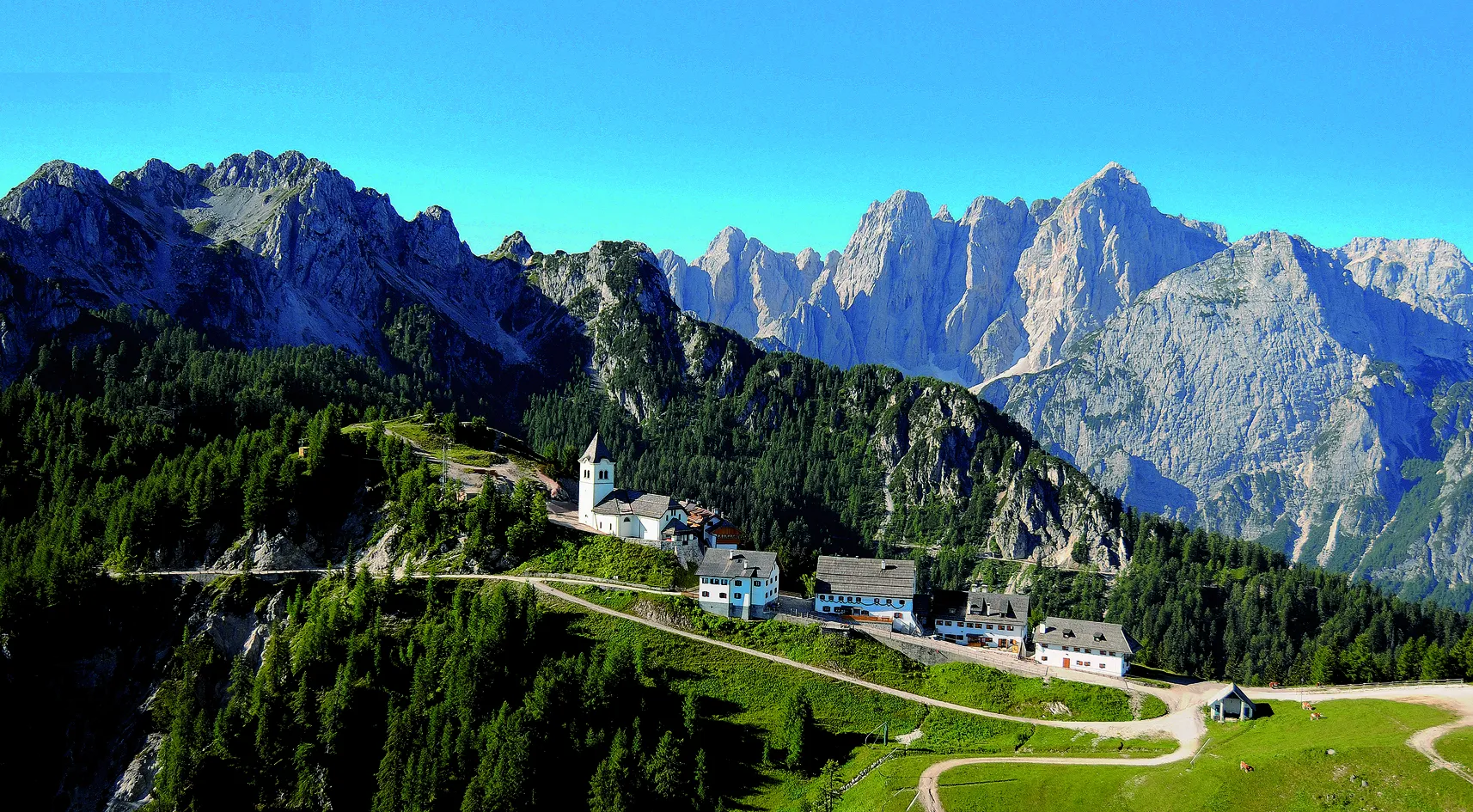
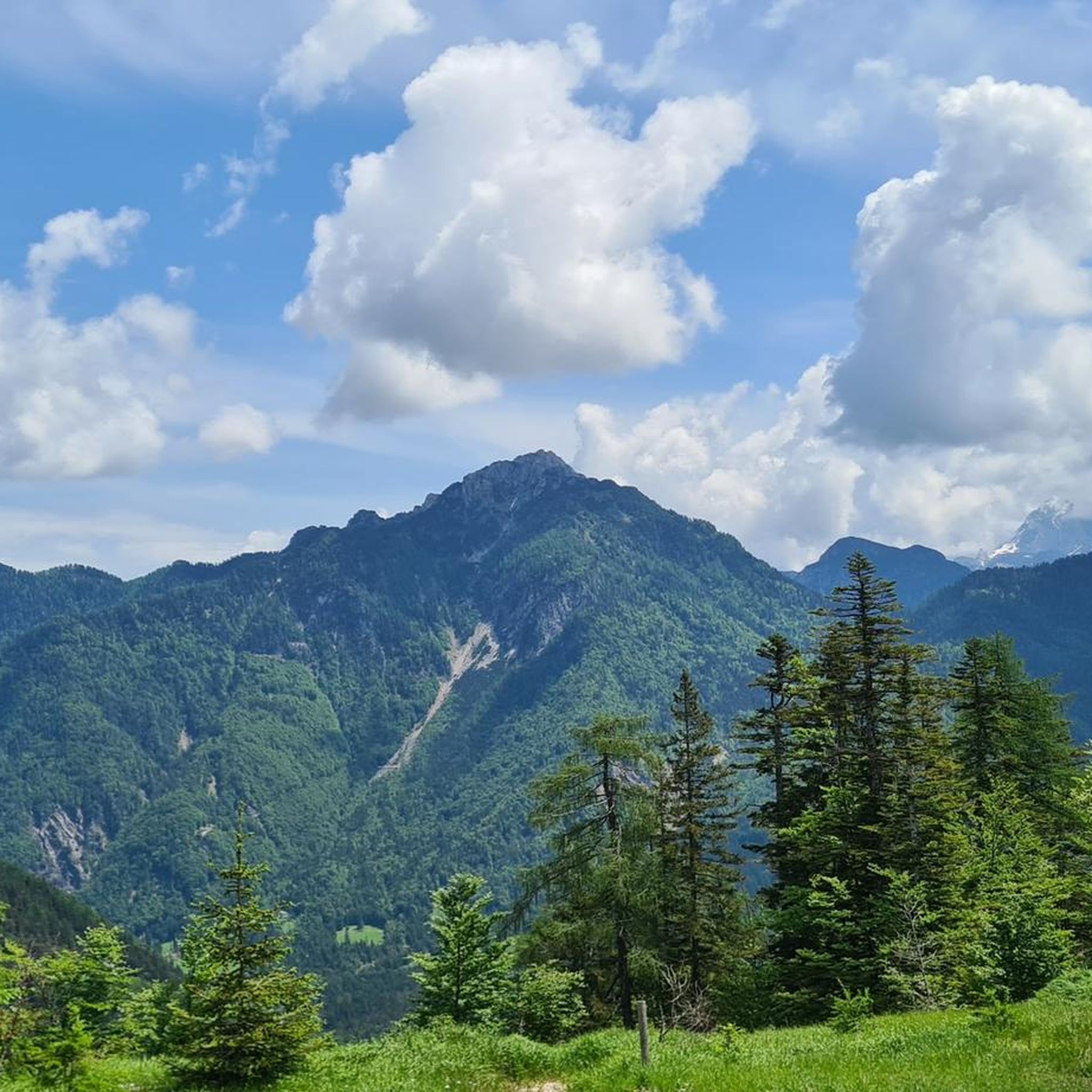
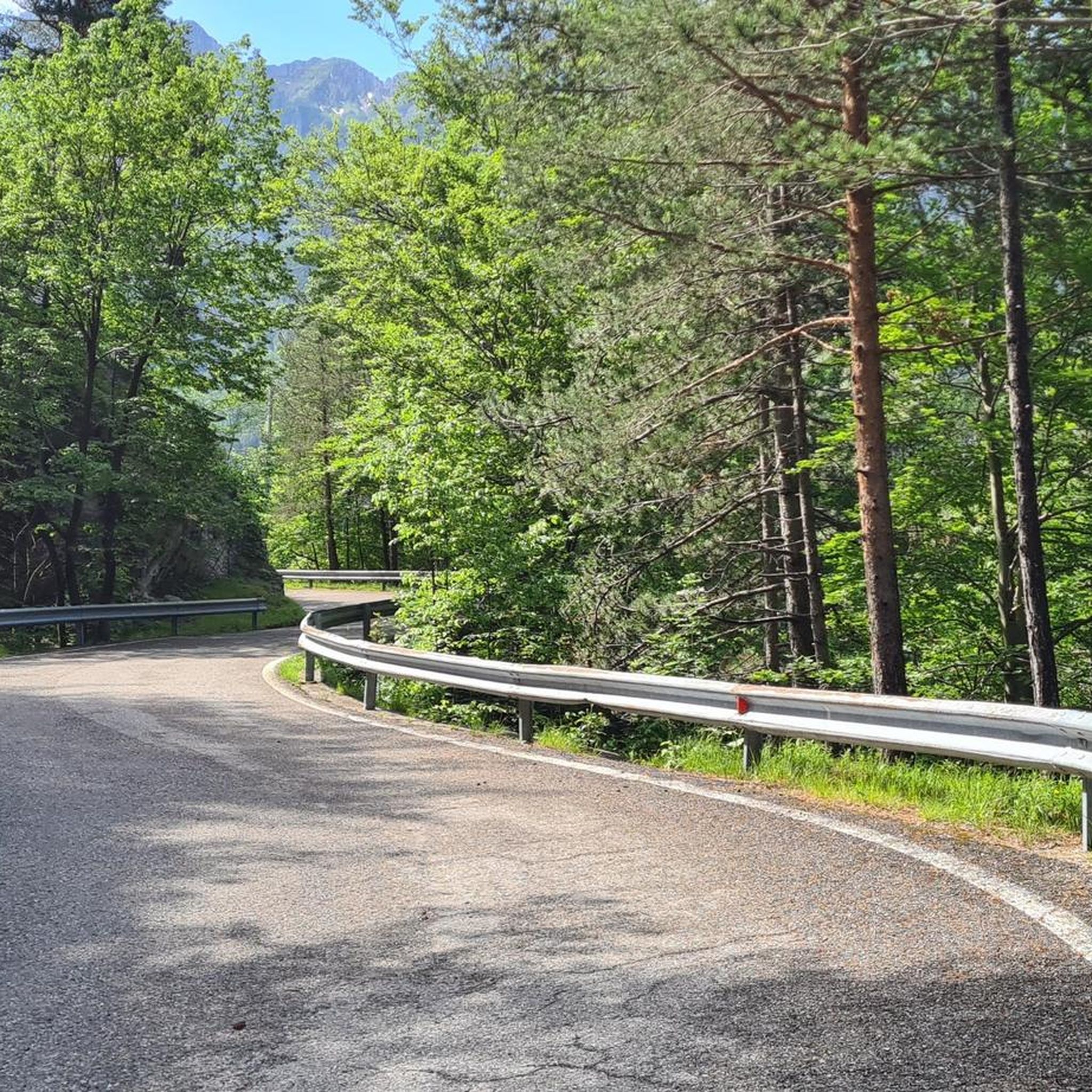
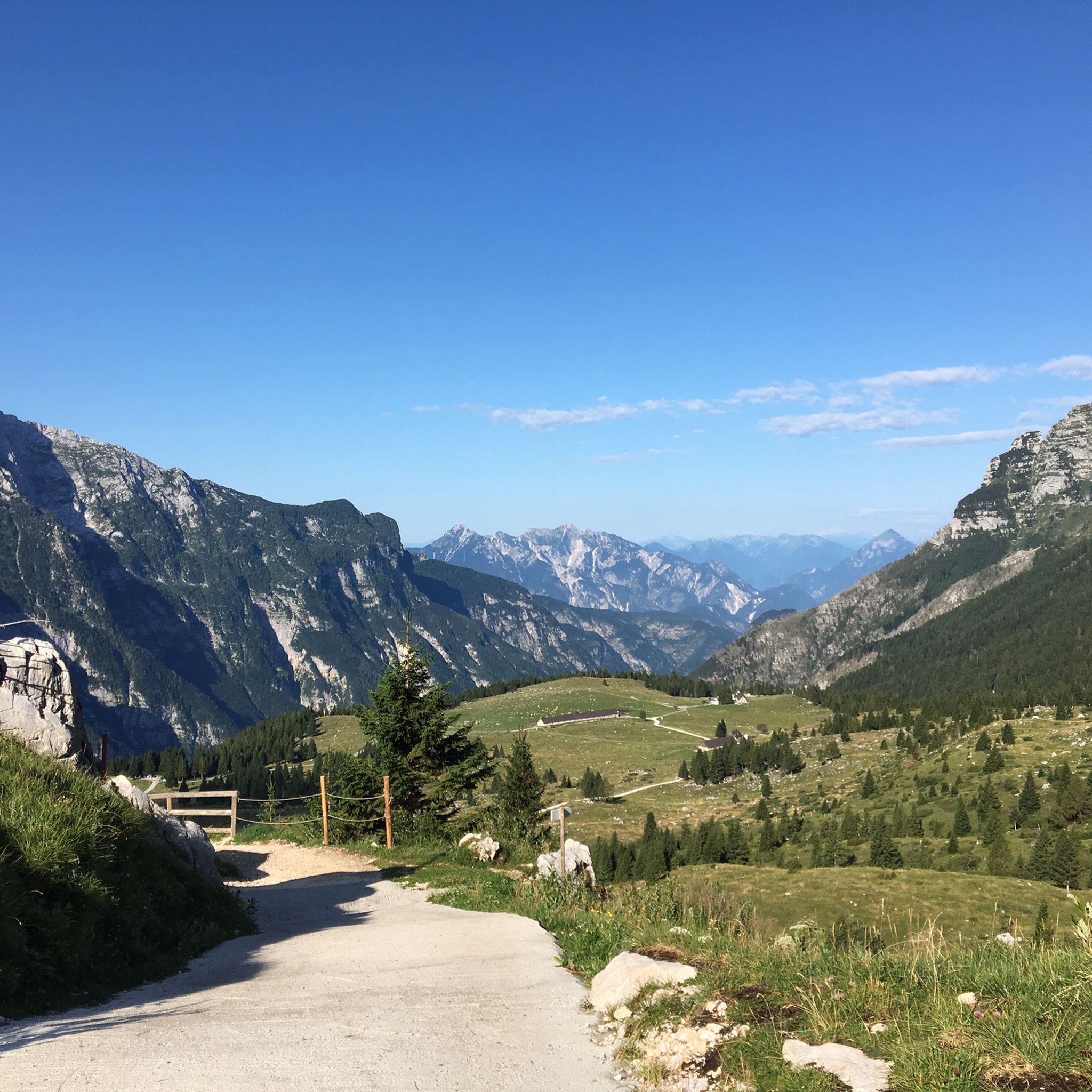
Other adventures around Dogna

Tips from the Community

From Travisio to Resiutta, you ride on old, disused tracks through the Kanaltal and Eisental valleys.
0
0

Bicycle counter on the Ciclovia along the Alpe Adria cycle path.
0
1
Old Valbruna Lussari train station, on the Alpe-Adria cycle path
0
1

A very beautiful view of the landscape
1
0

It is the culmination point of the Alpe-Adria cycle route in Italy.
0
1

times
0
1

Pontebba, a small town in the Friuli-Venezia Giulia region near the Austrian border, lies on a historic border that shaped the Eastern Alps for centuries. The border between Austria (Tyrol) and Italy ran through mountainous landscapes, valleys, and trade routes, and Pontebba was at times an important border crossing and transit point. Historical Background: During the Austro-Hungarian Empire, the area around Pontebba was part of the County of Gorizia and the Crown Land of Carinthia, or the region of Tyrol, depending on the military and administrative classification of the time. With the Treaty of Saint-Germain (1919) after the First World War, the border between the newly founded Italy and the re-established Austria was defined, thus placing Pontebba within Italy. The border demarcation reflected political upheavals, trade routes, and cultural overlaps in the Alpine region at that time. Impact of the Border: The border demarcation brought about changes in trade, mobility, and the daily lives of the residents. Especially near the border, a cultural blend of German and Italian influences developed, reflected in architecture, language, and regional traditions. Hikers, merchants, and spa visitors used historic transit routes through Pontebba, which served as a gateway to the Alpine region. Today's situation: Since the advent of open borders in Europe, the border is less visible; Pontebba presents itself as a place with Alpine flair, a rich border history, and connections on both sides of the Alps. Memorials and museums commemorate the border's history, while local initiatives promote cross-border cooperation and cultural exchange.
1
0
Frequently Asked Questions
How many touring cycling routes are available around Dogna?
There are over 100 touring cycling routes around Dogna, offering a wide range of options for different skill levels. You'll find 16 easy routes, 27 moderate routes, and 63 difficult routes to explore the region's diverse landscapes.
Are there any circular touring cycling routes in Dogna?
Yes, Dogna offers several circular touring cycling routes. For a challenging gravel experience, consider the Sella Bieliga e del Monte Piccolo – gravel loop tour between Val Dogna and the Fella valley, which covers 33.1 km. Another option is the Ponte di Muro – Resiutta Station loop from Pietratagliata Bivio Statale 13, a difficult 43.7 km route.
What kind of natural features can I expect to see on touring cycling routes in Dogna?
Touring cycling routes in Dogna showcase majestic peaks like the Montasio massif and Jof di Dogna, along with pristine forests and lush meadows. You can also discover spectacular viewpoints such as Sella Bieliga and Sella Somdogna, and the glacial-origin Somdogna Pond, known for its rich vegetation.
Are there any sections of the Alpe Adria Cycle Path accessible from Dogna?
Absolutely. The renowned Alpe Adria Radweg (Alpe Adria Cycle Path) passes directly through Dogna. You can enjoy sections like the moderate Ciclovia Alpe Adria from Dogna to Pontebba, which is 16.7 km long, or the Alpe Adria Bicycle Route Stage 6: Tarvisio to Venzone, a 11.4 km moderate trail.
What are some interesting landmarks or attractions near the touring cycling routes?
Beyond the natural beauty, you can explore cultural and historical sites. The area features the 18th-century church of Saints Leonardo and Lorenzo, and the Museo del Territorio, which houses a valuable paleontological heritage, including fossilized tracks of a Noric phytosaur. For scenic views, consider visiting the Panoramic terrace with “Sky Plate” or the Monte Lussari Pilgrimage Village and Sanctuary.
What do other touring cyclists say about the routes in Dogna?
The touring cycling routes in Dogna are highly rated by the komoot community, with an average score of 4.5 stars from over 3,400 reviews. Many touring cyclists praise the diverse terrain, from challenging mountain passes to scenic valley paths, and the stunning natural backdrops of the Montasio massif and Jof di Dogna.
Are there any long-distance touring cycling routes that start or pass through Dogna?
Yes, Dogna is a key point on the Alpe Adria Radweg, a significant long-distance cycle path. You can embark on longer journeys or explore stages of this route, such as the Italy–Slovenia border – Lago di Fusine Inferiore loop from Bagni di Lusnizza / Lužnice / Lussnitz / Lusniz, a difficult 62.9 km route that offers an international cycling experience.
Can I find routes suitable for different fitness levels?
Yes, Dogna caters to various fitness levels. While there are many challenging routes, including 63 difficult ones, you can also find 16 easy and 27 moderate touring cycling routes. This ensures that both experienced cyclists and those looking for a more relaxed ride can find suitable options.
What kind of terrain should I expect on the touring cycling routes?
The terrain around Dogna is quite varied. You'll encounter paths winding through untouched forests and lush meadows, sections of the paved Alpe Adria Radweg, and challenging gravel paths, especially on routes that venture into the valleys and towards higher elevations like Sella Bieliga.
Are there any specific viewpoints worth visiting on a touring cycling trip?
For breathtaking panoramic views, consider routes that lead to Sella Bieliga (1480 m) and Sella Somdogna (1392 m). These high points offer expansive vistas of the surrounding natural beauty, including the impressive Montasio massif and Jof di Dogna. The Panoramic terrace with “Sky Plate” is also a notable viewpoint.
What is the cultural significance of Dogna for cyclists?
Dogna, while rebuilt after World War I, preserves its local traditions and the Friulian language, adding a cultural dimension to your outdoor pursuits. The Museo del Territorio provides insights into local history and its unique paleontological heritage. The Sonus Silentium Dognae Footbridge also offers a unique experience of local history and tranquility.
Most popular attractions around Dogna

Get inspired with the komoot mobile app


Explore more
Browse the best Cycling routes in other regions.
