Top 8 Castles around Gualdo Cattaneo
Best castles around Gualdo Cattaneo are found in a medieval village nestled in the Umbrian hills. This region is known for its system of castles and fortified structures, reflecting its historical significance. The area served as a crucial defensive complex, offering visitors an open-air museum of medieval architecture. Gualdo Cattaneo provides views of the surrounding valleys and landscapes.
Best castles around Gualdo Cattaneo
- The most popular castles is Historic Center of Bevagna, a historical site that showcases characteristic architectural…
Last updated: October 16, 2026
Historic Center of Bevagna
Highlight • Historical Site
The town, surrounded by a city wall with towers and gates, has an intact medieval structure (12th-13th centuries). In the …
Translated by Google •
Tip by

Castel Ritaldi Castle
Highlight • Castle
Translated by Google •
Tip by

Sign up now to discover places like this
Get recommendations on the best single tracks, peaks, & plenty of other exciting outdoor places.
Gualdo Cattaneo: Historic Village and Fortress
Highlight • Settlement
Located between the Umbrian and Tiber valleys, …
Translated by Google •
Tip by

Rocca di Gualdo Cattaneo
Highlight • Castle
The direct link with a famous figure like Alessandro Borgia and its singularity on an …
Translated by Google •
Tip by

Fabbri Castle
Highlight • Castle
The Castle was built in the 14th century and was part of …
Translated by Google •
Tip by
Sign up for free to discover even more castles around Gualdo Cattaneo.
Already have an account?
Start today with a free account
Your next adventure awaits.
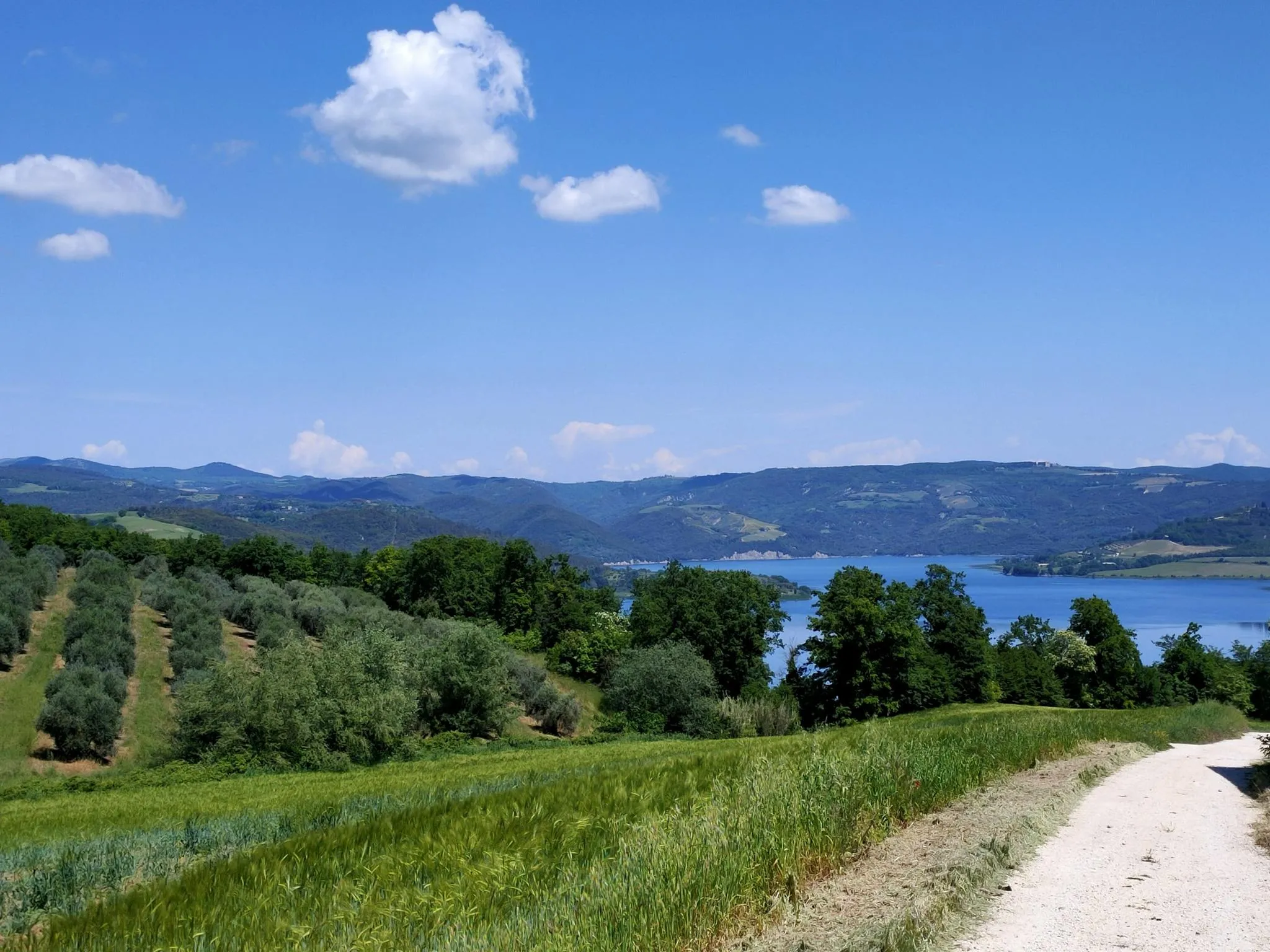
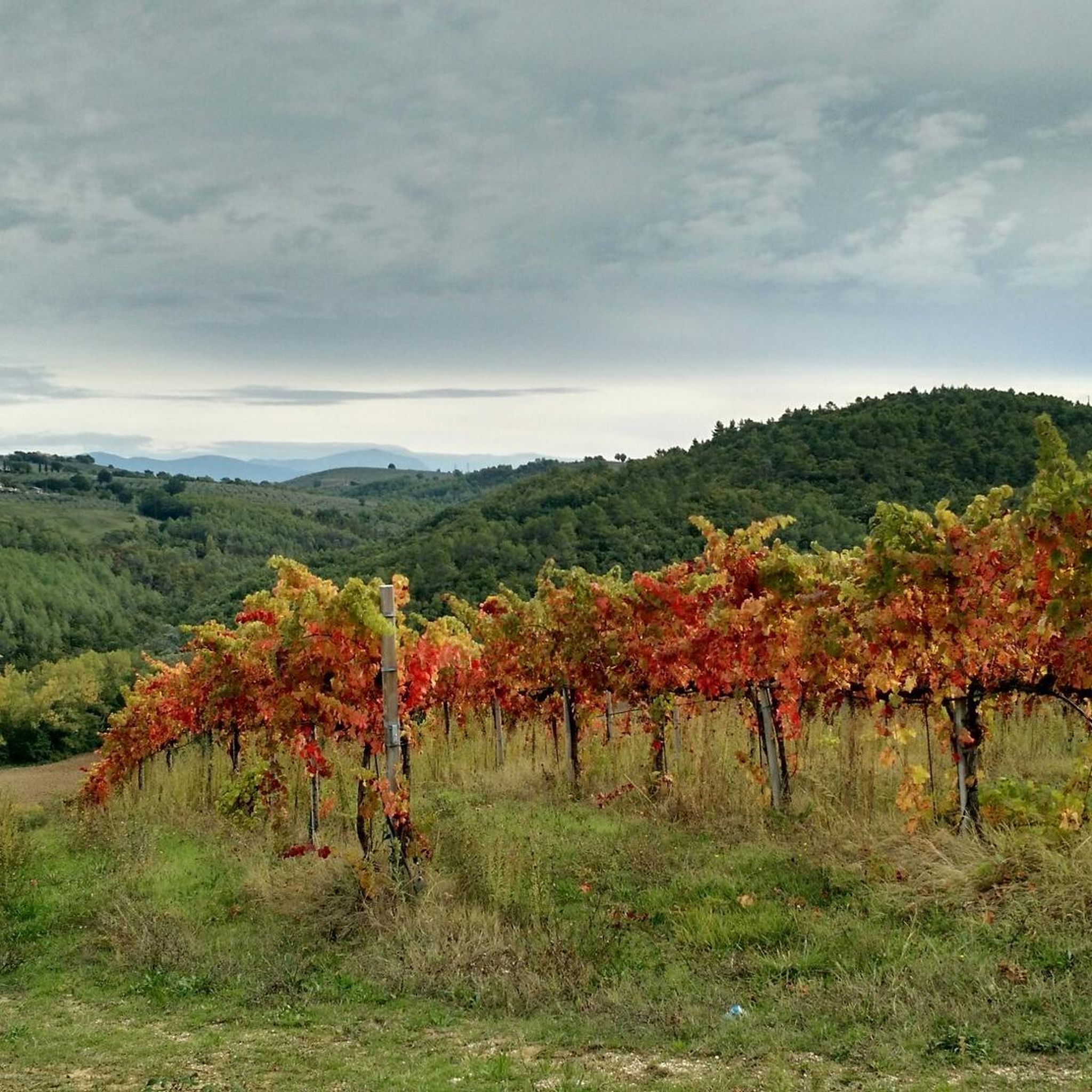
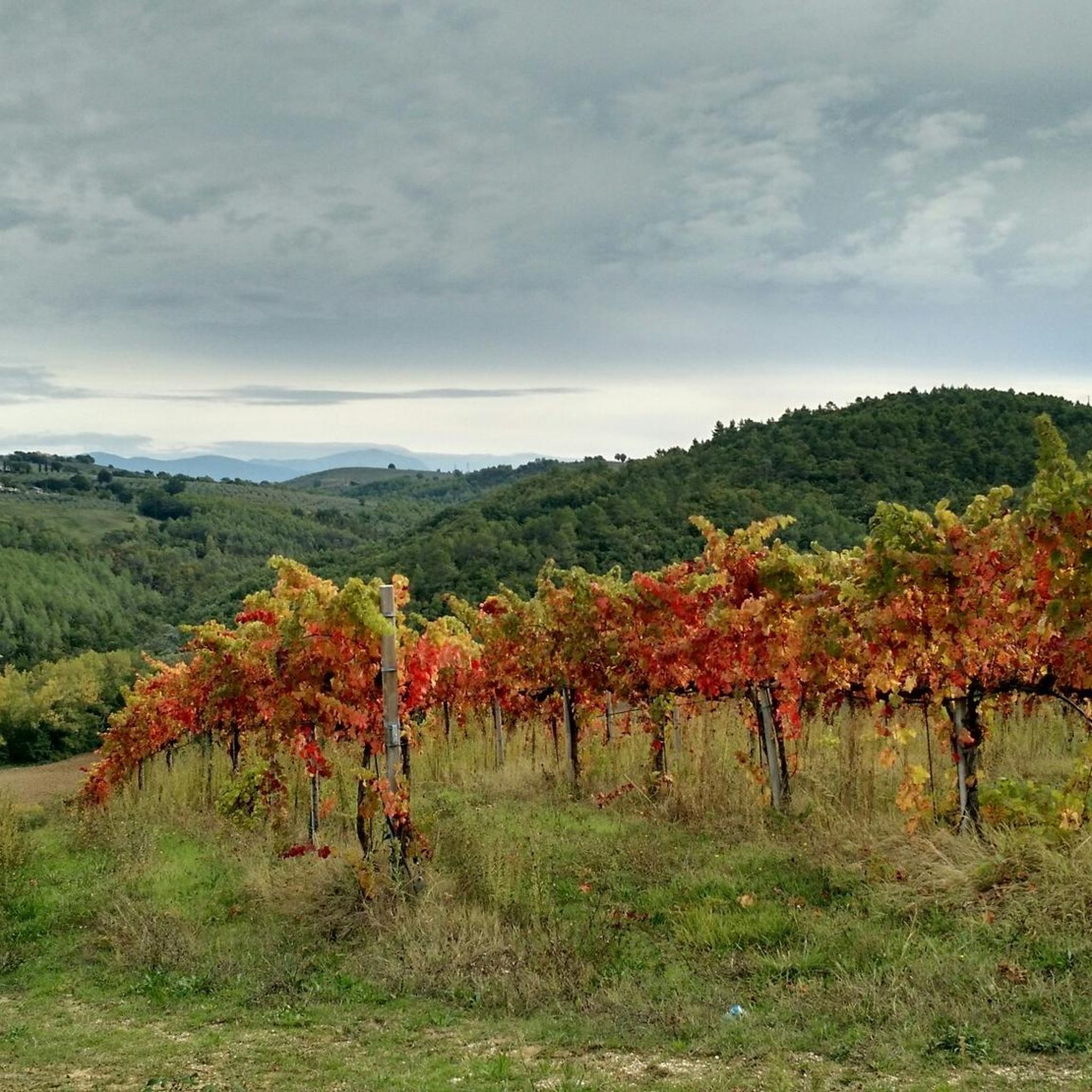
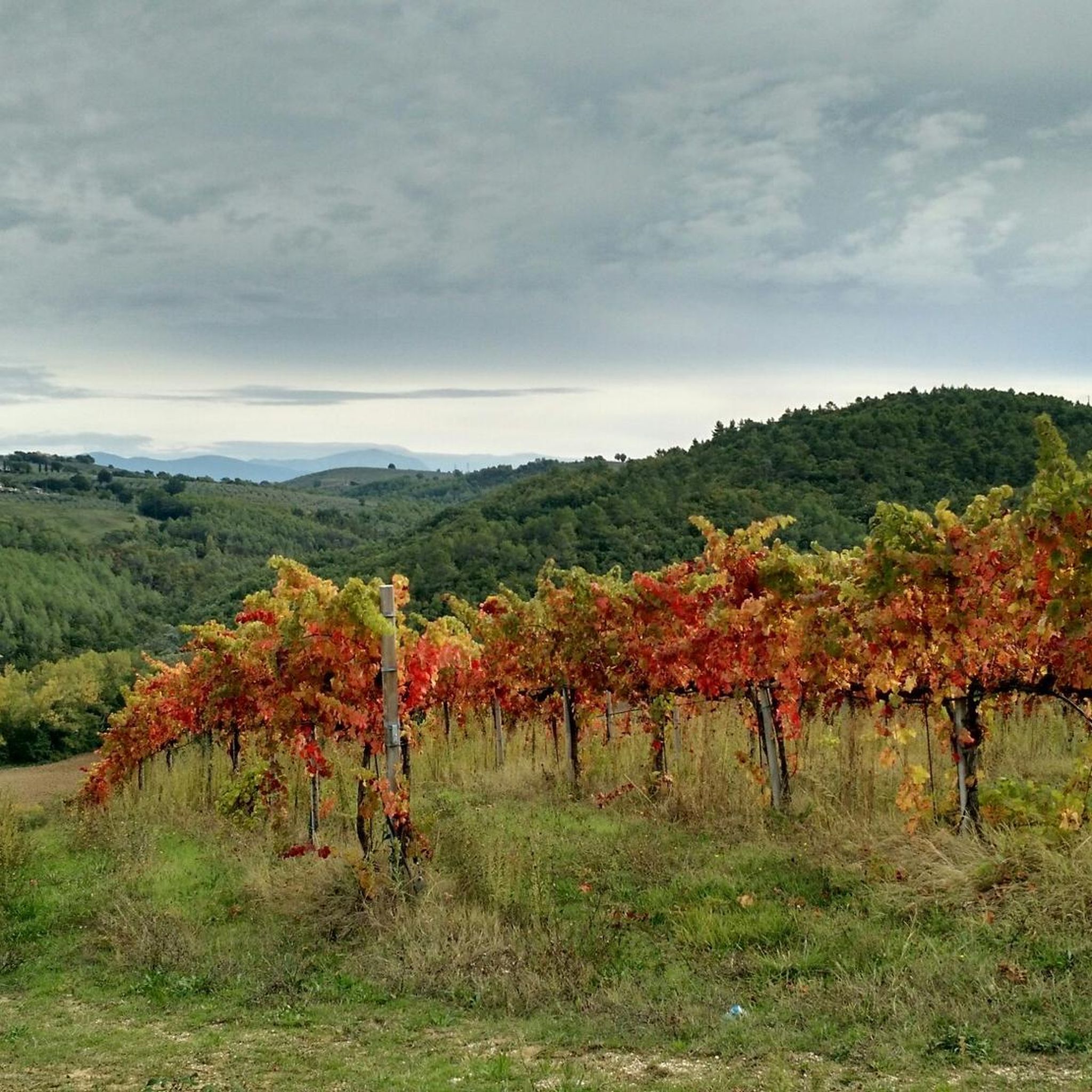
Other adventures around Gualdo Cattaneo

Tips from the Community

Bring some cash to climb the tower 😀
0
0

Bevagna / Region – Umbria / Province – Perugia (PG) The town, surrounded by a city wall with towers and gates, has an intact medieval structure (12th-13th centuries). In the upper part of the town, numerous Roman remains can still be seen: the ruins of a temple, the theater, and a thermal bath complex, of which a frigidarium with a magnificent black and white floor mosaic depicting marine figures from the 2nd century AD survives. The medieval town structure, with its squares and noble houses, developed over the Romanesque foundations: The magnificent Piazza Silvestri is home to the Palazzo dei Consoli (1270), which houses the Torti Theater, the Romanesque churches of San Silvestro and San Michele Arcangelo, both from the late 12th century, and the church of San Domenico e Giacomo (1291). Worth seeing is the Palazzo Comunale (late 18th century), which houses the historical archives, the library, and the art gallery. The Baroque churches of the Monastery of Santa Margherita and San Filippo are also very interesting. At the highest point in the town stands the Church of San Francesco (late 13th century). Next to the altar, one can see the stone on which St. Francis knelt when he preached to the flock of birds at Pian d'Arca. The 18th-century Palazzo Lepri houses the Museum of Bevagna, with works that tell the story of the town from pre-Roman times to the 18th century: archaeological finds from the ancient city of Mevania, medieval documents, and paintings by Dono Doni, Fantino, and Corrado Giaquinto. In the surrounding area, the Sanctuary of Madonna delle Grazie (late 16th century), the Sanctuary of Madonna della Valle, and the Monastery of Annunziata (11th century), formerly a defensive castle, rise up against the hillsides. Text / Source: Umbria Tourism.it contatti@umbriatourism.it https://www.umbriatourism.it/de/bevagna
16
1

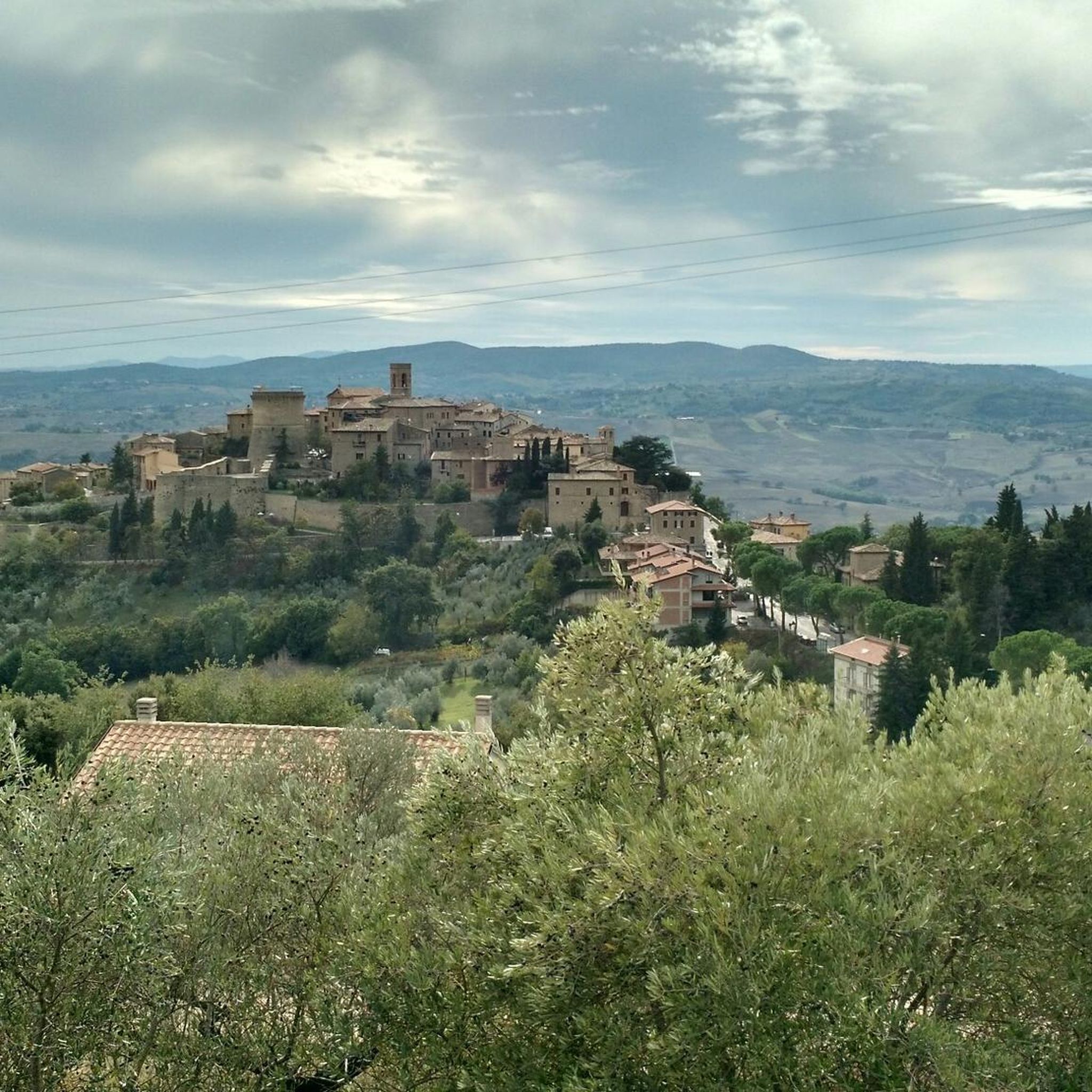
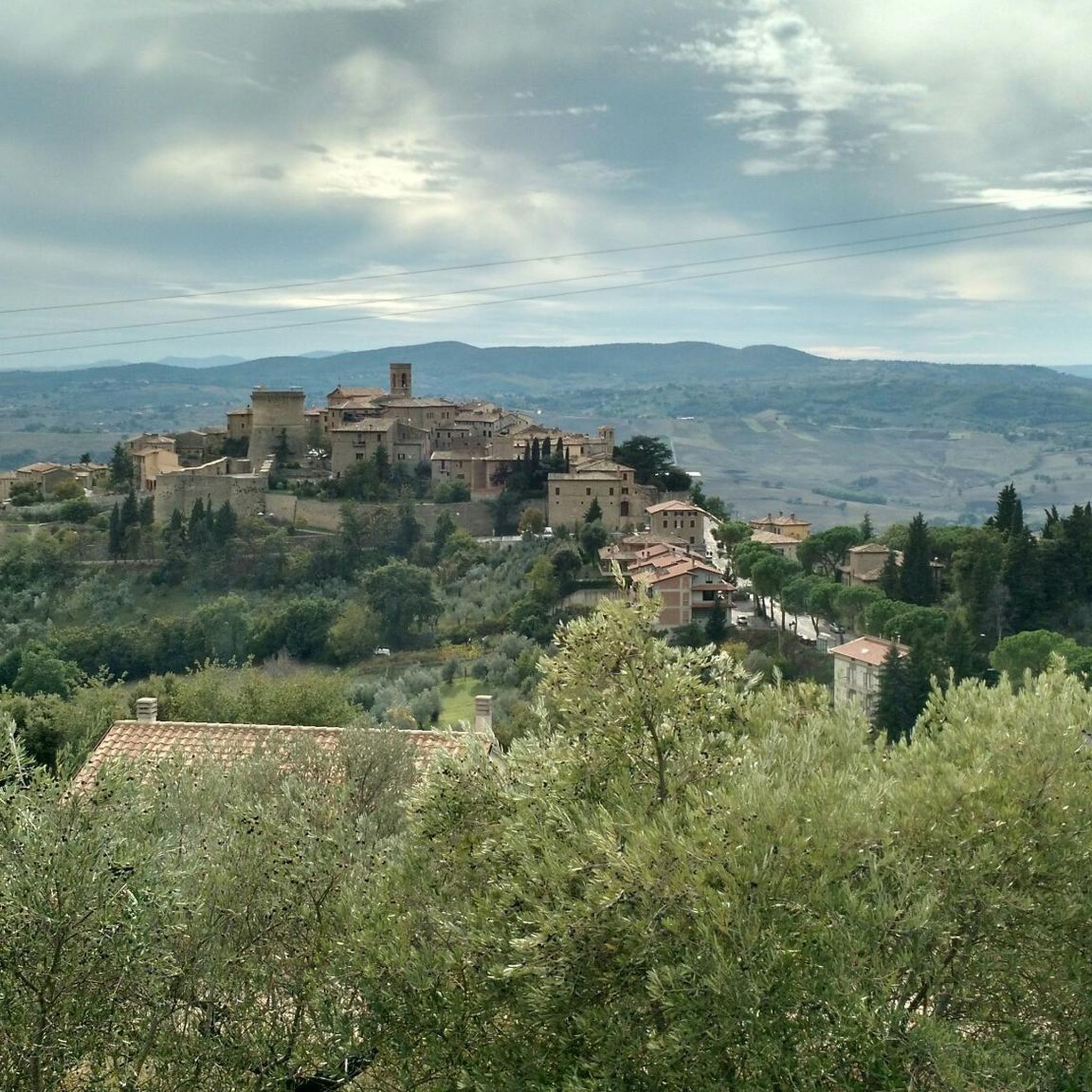
Rocca Sonora, the undisputed symbol of Gualdo Cattaneo.
0
0

Bogo dominating the Puglia valley, a tributary of the Tiber; very well renovated, it is surrounded by mighty fifteenth-century walls
0
0
The Rocca Borgia (or Rocca Sonora) is the true protagonist of the village of GualdoCattaneo. The direct link with a famous figure like Alessandro Borgia and its singularity on an architectural level make this building truly unique in the Umbrian defensive panorama. It was built between 1494 and 1498, designed by Francesco di Bartolomeo da Pietrasanta according to the military canons of the time, which with the advent of artillery were substantially changing the appearance of all the defensive structures. It is a triangular fortress with a central keep and two lateral walls communicating with each other through a complex system of underground tunnels.
1
0
Gualdo Cattaneo is a small medieval village perched on the slopes of the Martani Mountains in a particularly suggestive position. The first historical information about the town dates back to the time of Emperor Otto II, who founded the castle in 975, entrusting it as a fief to the Germanic count Edoardo Cattaneo. Its perched position was militarily strategic and very often at the center of bitter disputes and domination between Foligno and Spoleto. In the main square of the village stands the mighty fortress from 1494, triangular in shape with three towers communicating with each other. The 13th century parish church is interesting. with a beautiful thirteenth-century crypt inside; the church of Sant'Agostino built in 1136 with frescoes from the Foligno school and the church of Sant'Andrea.
0
0
In my opinion, together with Spello, the most beautiful village in the eastern Umbrian Valley
1
1

Beautiful city with ancient origins.
0
0
Frequently Asked Questions
What are some historically significant castles in the Gualdo Cattaneo area?
The region is rich in history. The Rocca di Gualdo Cattaneo, built in 1494, is known as "Borgia's Fortress" and features unique Renaissance military architecture. Castel Ritaldi Castle, an 11th-century fortification strengthened in the 14th century, played a role in imperial and papal conflicts. Castello di Sorgnano, dating back to the 10th century, served as a Guelph garrison and has foundations from the Lombard era.
Are there any castles with unique architectural features?
Yes, the Rocca di Gualdo Cattaneo stands out with its distinctive triangular shape and round towers connected by underground passages, designed to counter artillery. Fabbri Castle features high crenellated walls, quadrangular bastions, a moat, and a drawbridge, characteristic of 14th-century defense systems.
Which castles are suitable for families?
Several castles and nearby areas are family-friendly. The Historic Center of Bevagna is listed as family-friendly, offering an open-air museum experience. Castel Ritaldi Castle and the broader Gualdo Cattaneo Historic Village and Fortress are also noted as family-friendly, providing engaging historical exploration.
Can I find hiking or walking routes that connect the castles?
While specific routes connecting all castles aren't detailed, the region offers numerous hiking opportunities. You can explore routes like the Castel Rinaldi Waterfall Trail or the Collemancio Village loop. For more options, check the Hiking around Gualdo Cattaneo guide.
What is the best time of year to visit the castles around Gualdo Cattaneo?
The Umbrian hills are beautiful throughout the year. For comfortable exploration and outdoor activities, spring (April-May) and autumn (September-October) offer pleasant temperatures. Summer (June-August) can be warm but is ideal for enjoying the longer daylight hours and local festivals, such as the Mercato delle Gaite medieval festival in Bevagna.
Are there options for dining or accommodation near the castles?
Yes, the Gualdo Cattaneo Historic Village itself has cafes and facilities. Castello di Sorgnano, for example, is part of an estate that includes a farmhouse with accommodation and a restaurant, making it suitable for a longer stay. Many small villages in the area will offer local eateries.
Are the castles around Gualdo Cattaneo generally accessible?
The castles are medieval structures, often situated on hills, which may involve some steep climbs or uneven terrain. For instance, the Gualdo Cattaneo Historic Village and Fortress involves steep but short climbs. Specific accessibility details for each castle would need to be checked directly with the sites.
What kind of views can I expect from the castles?
Many castles offer breathtaking panoramic views. From the tallest tower of the Rocca di Gualdo Cattaneo, you can see the medieval village and the surrounding valley. Castello di Sorgnano boasts a 360-degree terrace with stunning views of the Tiber valley and the Umbrian landscape. Gualdo Cattaneo itself offers astonishing views of vineyards, olive groves, and the majestic Sibillini mountains.
Are there dog-friendly options for visiting castles?
The Gualdo Cattaneo Historic Village and Fortress is listed as dog-friendly, suggesting that you can explore the village and potentially the exterior areas of the fortress with your dog. It's always advisable to check specific castle policies regarding interior access for pets.
How much time should I allocate to visit the castles?
To fully appreciate the main castles like the Rocca di Gualdo Cattaneo, Castel Ritaldi Castle, and Castello di Sorgnano, you might want to dedicate at least half a day to each, especially if you plan to explore the surrounding villages or enjoy the views. A comprehensive tour of several castles in the region could easily fill a full day or more.
Beyond the main fortresses, what other notable castles can I explore in the region?
Gualdo Cattaneo is surrounded by a network of medieval castles. Other notable examples include Castello di Pozzo, known for its medieval vistas; Castello di Cisterna Alta with its visible medieval tower; Castello di Marcellano, famous for its annual living nativity scene; Castello di Saragano, believed to be of Lombard origin; Castello di Barattano, a well-preserved example of the Gualdo castle system; Castello di Torri, dominating its valley; and Castello di San Terenziano, featuring a unique double church.
What outdoor activities can I combine with a castle visit?
The area around Gualdo Cattaneo is excellent for outdoor enthusiasts. You can combine castle visits with mountain biking on trails like the David – Massa Martana loop, or gravel biking routes such as the View of Gualdo Cattaneo – Torre del Colle loop. Hiking is also popular, with routes like the Antico Mulino delle Botte loop. Explore more options in the MTB Trails, Gravel Biking, and Hiking around Gualdo Cattaneo guides.
Most popular routes around Gualdo Cattaneo
Most popular attractions around Gualdo Cattaneo

Get inspired with the komoot mobile app


Explore more
Looking for the best castles somewhere else? Discover other guides around Gualdo Cattaneo:
