Top 3 Castles around Torano Nuovo
Best castles around Torano Nuovo are not traditional standalone structures, but rather the town's historic center itself, which retains its medieval character. Torano Nuovo's past as a fortified "castrum" is evident in its architecture, particularly after its rebuilding following the Chalk War in 1496. Visitors can explore the charming Piazzetta, narrow alleys, and streets that reflect this history. A notable remnant of its defensive past is Porta Castellana, a gateway that once led to the medieval castle and its fortifications.
…Last updated: June 29, 2026
Tortoreto Alta Historic Center
Highlight • Historical Site
Translated by Google •
Tip by

Civitella del Tronto Historic Town and Fortress
Highlight • Historical Site
Translated by Google •
Tip by

Sign up now to discover places like this
Get recommendations on the best single tracks, peaks, & plenty of other exciting outdoor places.
Sign up for free
Fortress of Civitella del Tronto
Highlight (Segment) • Castle
Translated by Google •
Tip by

Castorano Historic Town Center
Highlight • Historical Site
Translated by Google •
Tip by

Start today with a free account
Your next adventure awaits.
Login or Signup

Tips from the Community

The size of the Fortress is impressive.
0
0

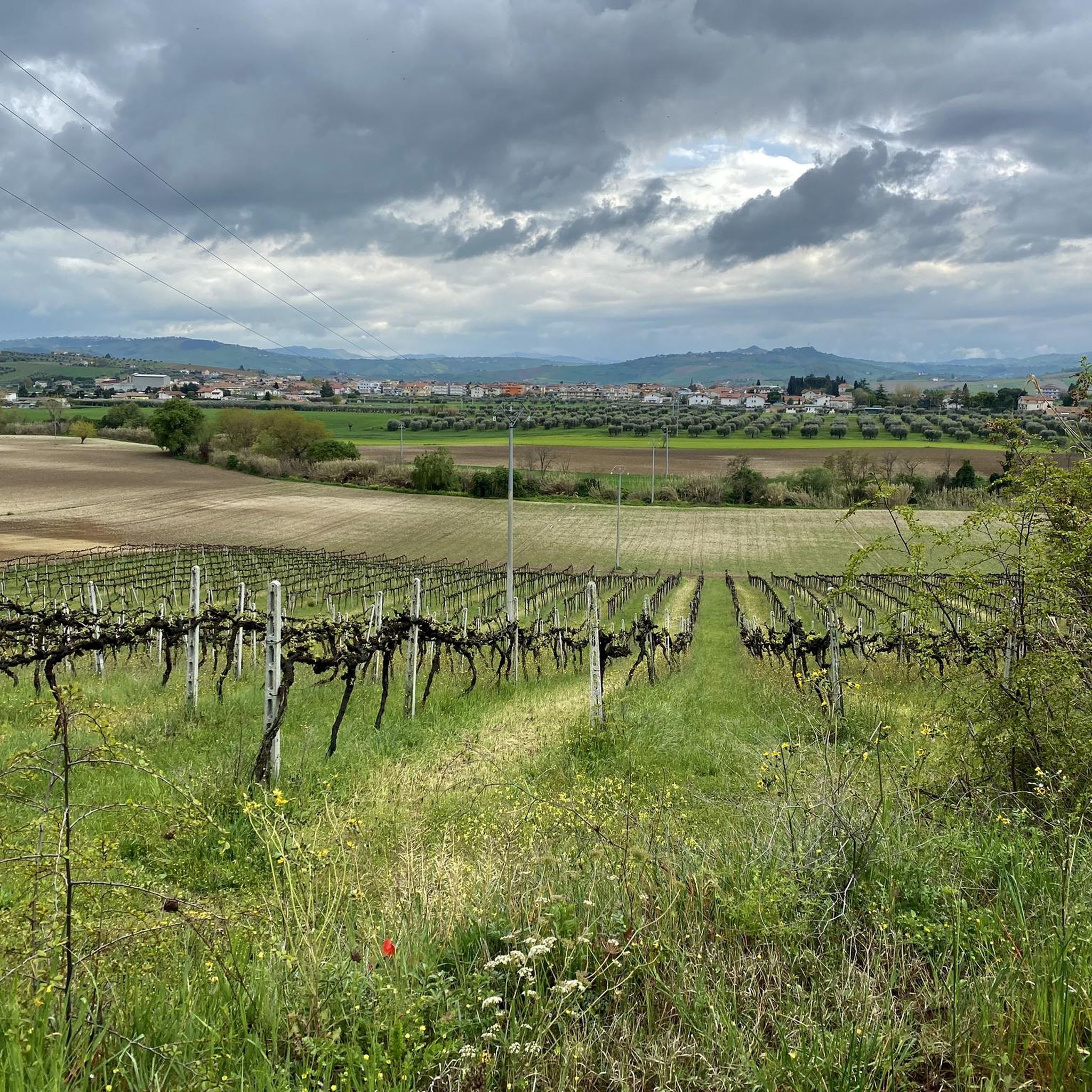
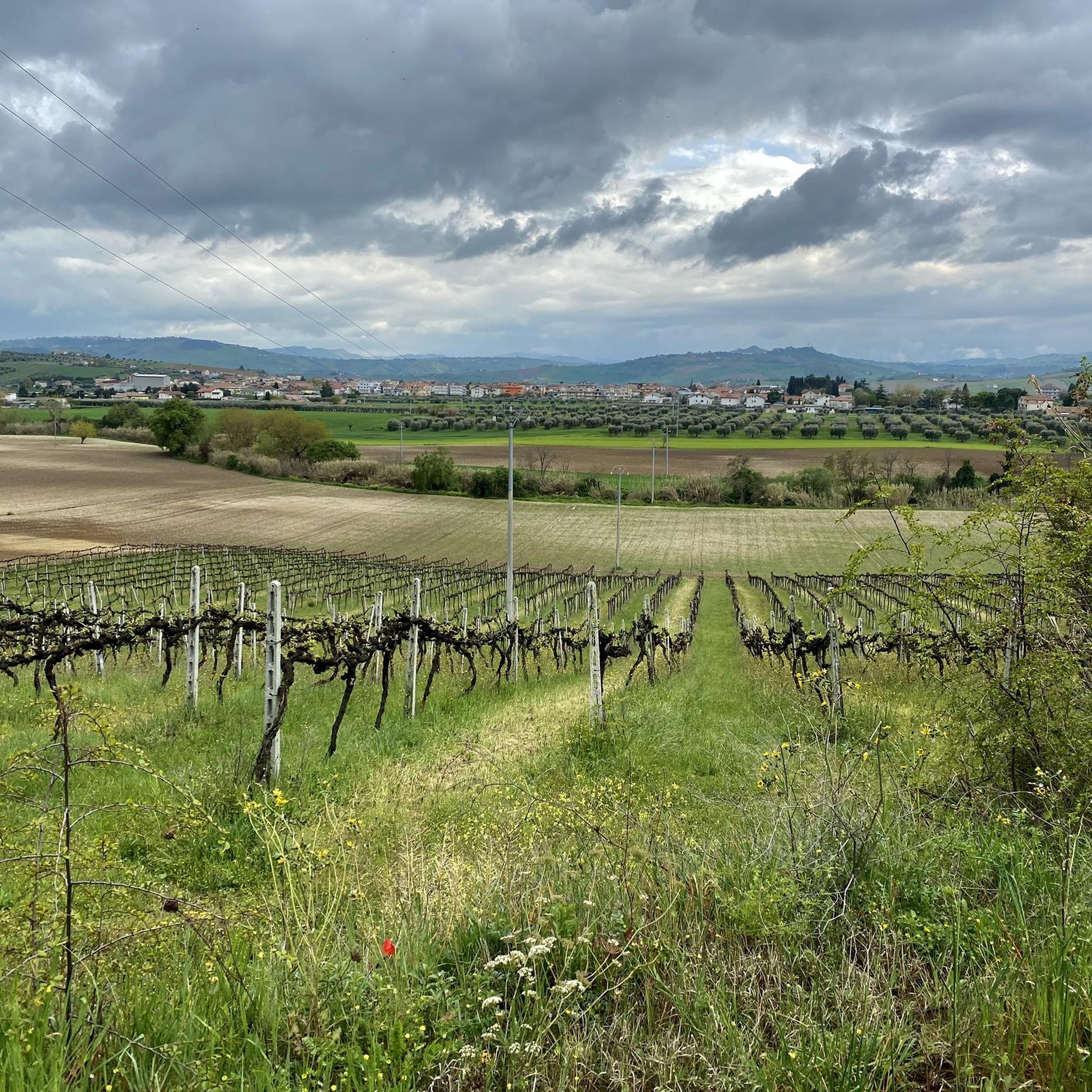
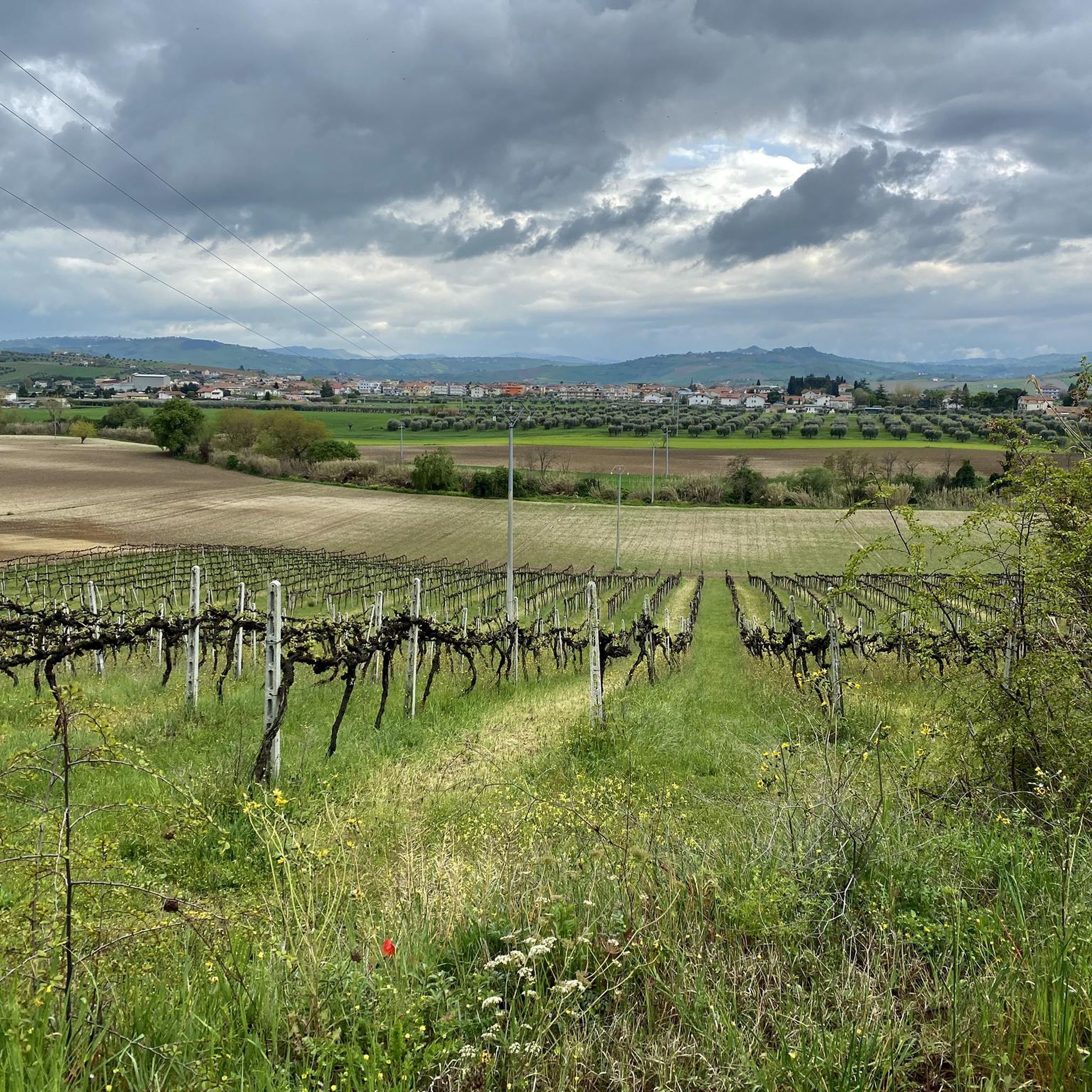
Castorano is a small town located on the hills of Tronto. Of medieval origin, you can still see the castle entrance gate of the village and parts of the walls, the crenellated tower and some churches. It also hosts a Museum of Arts and Crafts of peasant civilization.
0
0
The Fortress of Civitella del Tronto, located 600 m. above sea level in a strategic position with respect to the old northern border of the Viceroyalty of Naples with the Papal State, it is one of the largest and most important military engineering works in Europe characterized by an elliptical shape with an extension of 25,000 m2 and a length of over 500 m . To find out more about the heroic act of 1861 http://www.fortezzadicivitella.it/index.php?option=com_content&view=article&id=102:fortezza-di-civitella-del-tronto&catid=38:informazioni&Itemid=122
0
0

very nice old town with - with "Italy's narrowest path" (La Ruetta)
0
0

Here Italy shows itself from its most beautiful side! The medieval town of Civitella del Tronto is located on a hilltop in the Monti della Laga. The Tronto river flows in the valley below. The narrow, partly cobbled streets are best explored on foot. At the highest point of the town sits an elongated fortress, which essentially dates back to the 19th century.
1
0

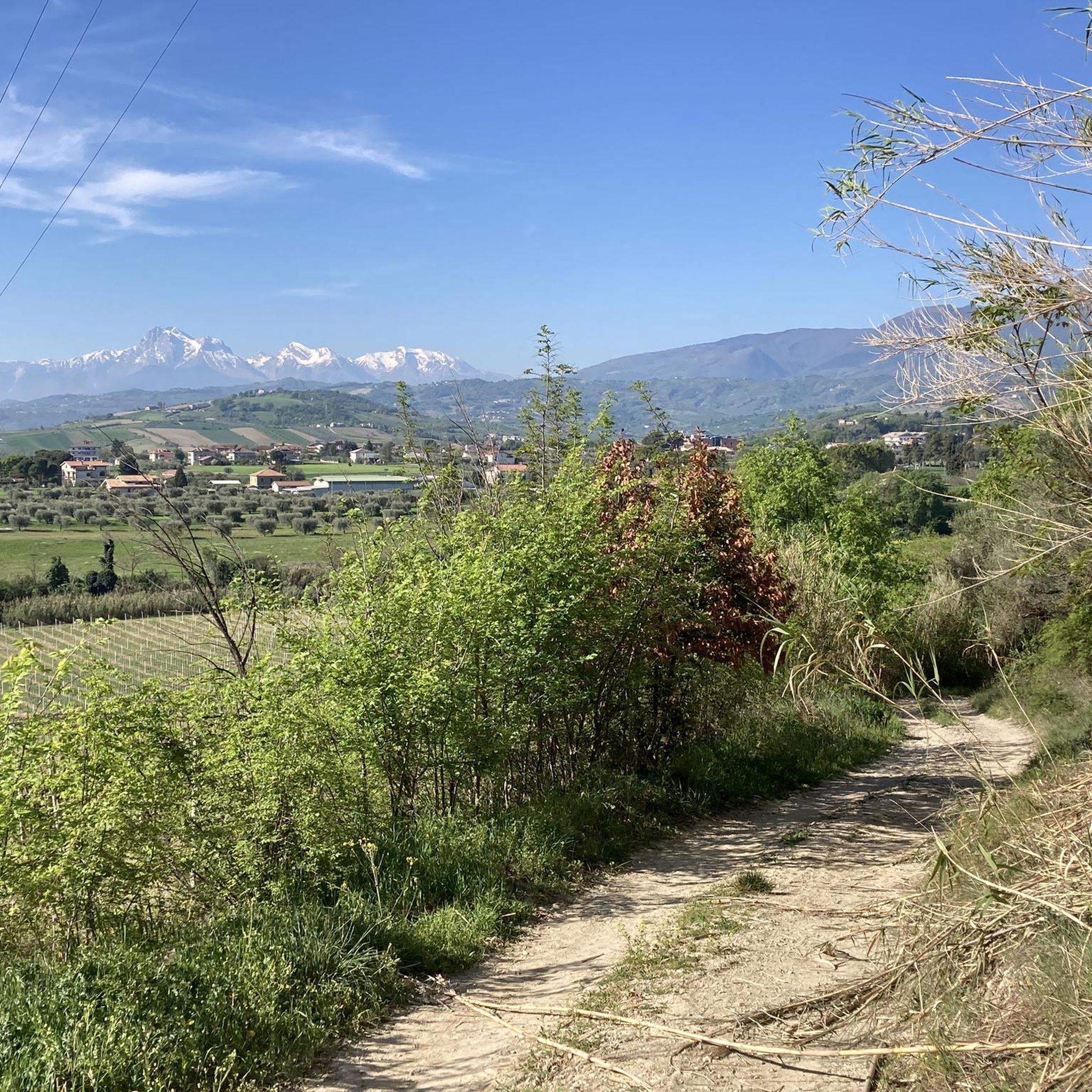
The fortress of Civitella del Tronto is an imposing work of military engineering carried out on the soil of medieval Italy. The buildings (magazines, guard and residential buildings) extend over about 500 meters in length and an average width of 45 meters, with an area of 25,000 m², on a ridge. The fortress was built at over 600 meters above sea level near the border line between the counties of Ascoli Piceno and Abruzzo and rises above the center of the village at an altitude between the Vibrata stream and the Salinello river. From the fortress you have a wonderful panoramic view from the Salinello valley over the Vibrata valley to the Trontotal. If the weather is nice and clear, you can also see the Monti Gemelli, Gran Sasso, Monti della Laga, Majella, Monte Acensione and the Adriatic Sea. When the soldiers gradually withdrew from 1870, the fortress was abandoned. In the period that followed, the buildings fell into disrepair and the residents of Civitella "used" the structures to build their own houses - the fortress was turned into a quarry. Extensive restoration and renovation work began in 1975, so that the fortress was partially rebuilt in its current form and, above all, was able to be preserved. With around 45,000 visitors per year (2016), it is the most visited monument in Abruzzo.
2
0

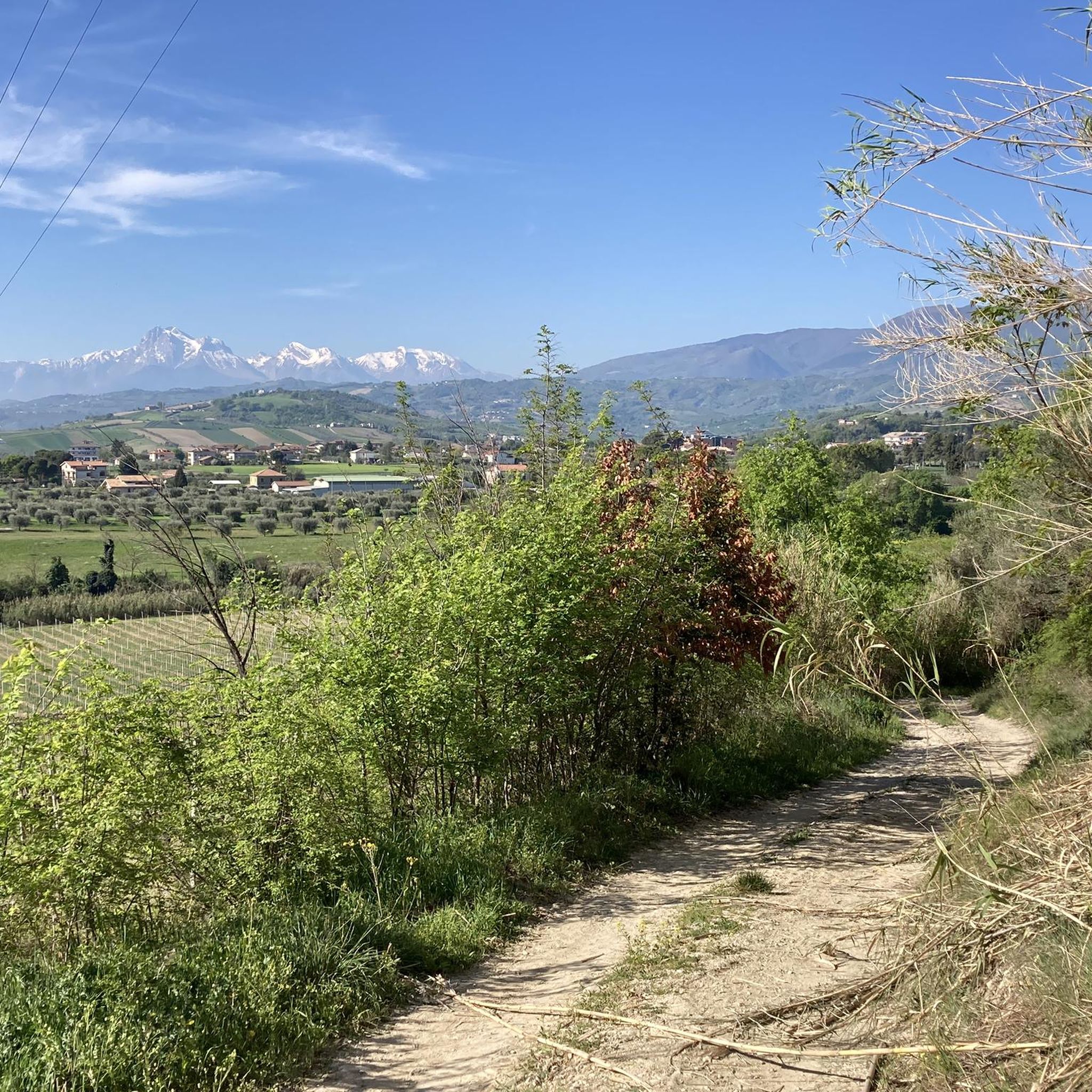
After having pedaled a lot on the beautiful Tortoreto Lido cycle path, I decide to go up to Tortoreto Alta. A town rich in history and art awaits me after a challenging climb that should not be underestimated which takes me to 230 meters above sea level. Cyclists here are welcome, you can understand it from the assistance column and the illustrative picture complete with gpx to download online. As soon as you arrive, you immediately notice its structure of a medieval village: a central fortress surrounded by high walls on which a magnificent tower rises the Clock Tower. The tower, the access doors, the narrow streets, the bridge with the characteristic vaults, testify to the existence of the castle of Tortoreto. One of the reasons that brought me here is to fix the restaurant for tonight to taste the arosticini. I set a table for four and the owner explains to me that the historic center is divided into three parts: TERRAVECCHIA, TERRANOVA and the BORGO. TERRAVECCHIA represents the most ancient nucleus of Tortoreto, rebuilt, in all probability, on the ruins of "Castrum Salini", it became a fortified castle with the drawbridge (of which the loopholes in the front of the Clock Tower remain), the walls, the towers, the underground passages and the palaces of the feudal lord, the churches and the houses of the nobles. TERRANOVA was the new castle with few access gates, the towers at the corners of the city for defense and the narrow streets to allocate more space to the houses. The BORGO developed outside the castle walls around 1400, on a ridge and perpendicular to the coast: it ended with a natural terrace overlooking the sea. During the Middle Ages, Tortoreto became a fief under the Normans; Several feudal lords followed one another until the territory from the end of 1300 passed under the control of the Acquaviva dukes. At the end of their dominion, Tortoreto passed under the control of the Kingdom of Naples until 1860, the year of the unification of Italy. After the Middle Ages, the population reversed the migratory flow as there was no need to fortify itself. Therefore, construction began in the flat area of the coast and around 1800 the first settlement of Tortoreto Lido was built, along the current Via Carducci that leads from Tortoreto Alta to the sea. The restaurateur invites me this evening to arrive a little earlier and visit the town, and above all not to forget the CHAPEL OF THE MADONNA DELLA MISERICORDIA, a real pictorial jewel. In the evening I will have confirmation that what he said was true, the small village houses an authentic Renaissance pictorial jewel: the chapel of the Madonna della Misericordia, dedicated to San Nicola di Bari, the most valuable monument of the town. The walk through the village is a pleasant discovery of panoramic points, medieval glimpses and a lot of hospitality offered by the numerous restaurants that, in the historic center closed to cars, set the tables along the road making everything magnificent. #settepontiroadbiker #tortoretoalta #teramo #tortoretolido #terravecchia #terranova #castrumsalini #sannicoladibari
6
0
Frequently Asked Questions
What kind of historical sites related to castles can I explore around Torano Nuovo?
Around Torano Nuovo, you'll find fortified historic centers and medieval villages rather than traditional standalone castles. The town itself was once a fortified 'castrum,' with its medieval layout still visible, particularly around the charming Piazzetta and through elements like Porta Castellana. Nearby, you can visit sites like Civitella del Tronto Historic Town and Fortress, Tortoreto Alta Historic Center, and Castorano Historic Town Center, all offering insights into the region's defensive past.
Are there any specific historical sites that are particularly significant for their military engineering?
Yes, the Civitella del Tronto Historic Town and Fortress is highly significant. It features an elongated fortress that is considered one of Europe's largest and most important military engineering works, dating back to the 19th century. The town itself is a medieval gem located on a hilltop.
Which historic centers offer a strong sense of a medieval village?
Tortoreto Alta Historic Center is structured as a medieval village, complete with a central fortress, high walls, and a Clock Tower. Its history is divided into TERRAVECCHIA, TERRANOVA, and the BORGO, each reflecting different stages of its medieval development. Castorano Historic Town Center also retains its medieval origins, with a castle entrance gate, parts of the original walls, and a crenellated tower.
What kind of views can I expect from these historical sites?
Many of these fortified towns are situated on hilltops, offering panoramic views of the surrounding landscape. For example, Civitella del Tronto Historic Town and Fortress is located on a hilltop in the Monti della Laga, with the Tronto river flowing in the valley below. Tortoreto Alta Historic Center also provides excellent panoramic points, including views towards the sea.
Are there family-friendly activities or sites among the castles and historic centers?
Exploring the historic centers themselves can be a family-friendly activity. The narrow, cobbled streets of places like Civitella del Tronto Historic Town and Fortress offer an engaging walk through history. The medieval village structure of Tortoreto Alta Historic Center, with its walls and tower, can spark imagination for children. Many of these towns also have local cafes and restaurants for breaks.
What outdoor activities can I do near these historical sites?
The region around Torano Nuovo offers various outdoor activities. You can find numerous road cycling routes, such as the 'Giulianova seafront – Tortoreto Lido Promenade loop' or the 'Colle San Giacomo loop'. For hiking, options include the 'Forest Path loop from San Giuseppe' or the 'Lago di Oz – Oasi La Valle loop'. Mountain biking trails like the 'Val Vibrata Hills Loop' are also available. You can find more details on these activities in the Road Cycling Routes around Torano Nuovo, Hiking around Torano Nuovo, and MTB Trails around Torano Nuovo guides.
Is it possible to visit these historical sites in winter?
While the historical sites themselves are generally accessible year-round, the experience might vary. Winter can bring colder temperatures and potentially less favorable weather for extensive outdoor exploration. However, the charm of the medieval towns remains, and they might be less crowded. Always check local opening hours for specific attractions, especially during off-peak seasons.
Are there cafes or restaurants near these historic centers?
Yes, the historic centers often have local cafes, pubs, and restaurants. For instance, Tortoreto Alta Historic Center is noted for its numerous restaurants that set tables along the car-free roads, offering a pleasant dining experience. Exploring the narrow streets of these towns often leads to charming local establishments.
What is the best way to explore the historic centers, such as Civitella del Tronto?
The best way to explore historic centers like Civitella del Tronto Historic Town and Fortress is on foot. The narrow, often cobbled streets are not always suitable for vehicles, and walking allows you to fully appreciate the medieval architecture, hidden alleys, and historical details, including unique features like 'Italy's narrowest path' (La Ruetta).
What do visitors particularly appreciate about the castles and historic centers around Torano Nuovo?
Visitors appreciate the authentic medieval atmosphere and the rich history embedded in the architecture of these sites. The well-preserved historic centers, like those of Civitella del Tronto and Tortoreto Alta, offer a glimpse into the past. The panoramic views from hilltop locations and the opportunity to explore charming, car-free streets are also highly valued by the komoot community, as evidenced by numerous upvotes and shared photos.
Are there any specific historical elements to look for in Torano Nuovo itself?
In Torano Nuovo, while there isn't a traditional castle, the town's historic center reflects its past as a fortified 'castrum'. A key element to look for is Porta Castellana, a gateway that once led to the medieval castle and its fortifications. Exploring the charming Piazzetta and the narrow alleys will give you a sense of its medieval origins.
How accessible are these historical sites for visitors?
Many of these historic centers are built on hillsides with narrow, cobbled streets, which may present challenges for visitors with mobility issues. While the main areas are generally accessible, some parts, especially within the fortresses or older sections, might involve stairs or uneven terrain. It's advisable to check specific accessibility details for each site if you have particular needs.
Most popular routes around Torano Nuovo
Most popular attractions around Torano Nuovo

Get inspired with the komoot mobile app


Explore more
Looking for the best castles somewhere else? Discover other guides around Torano Nuovo:
