Top 8 Castles around Poli
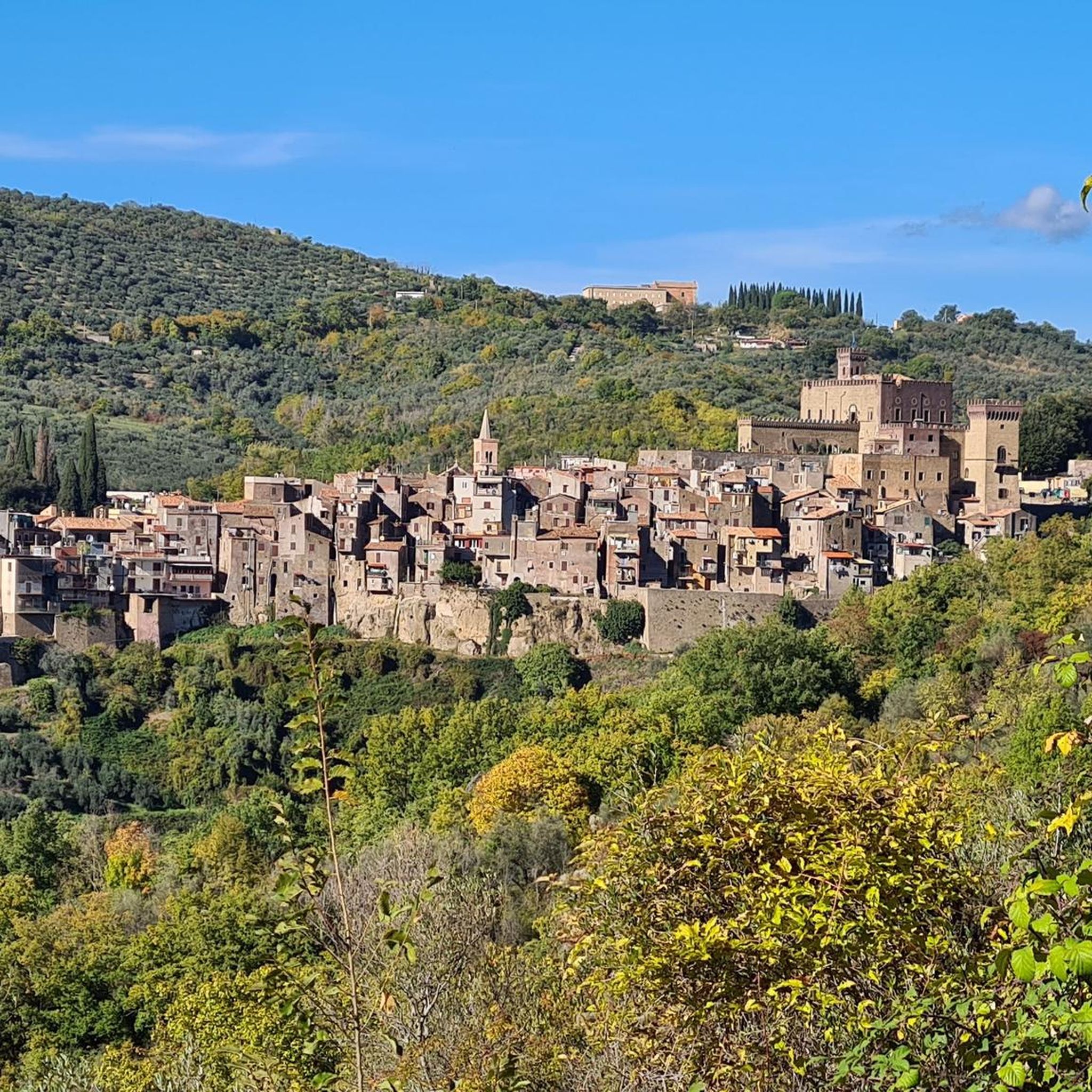
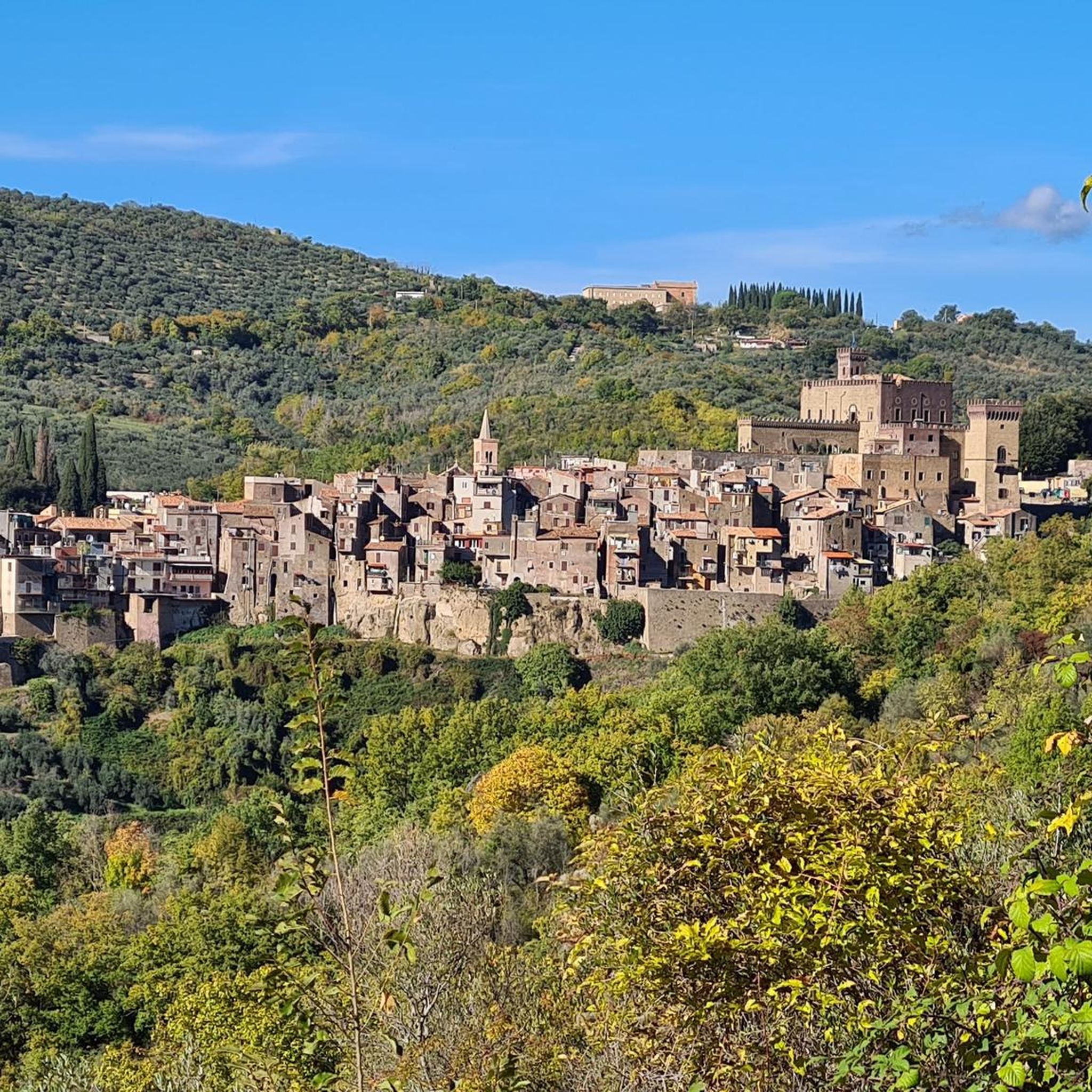
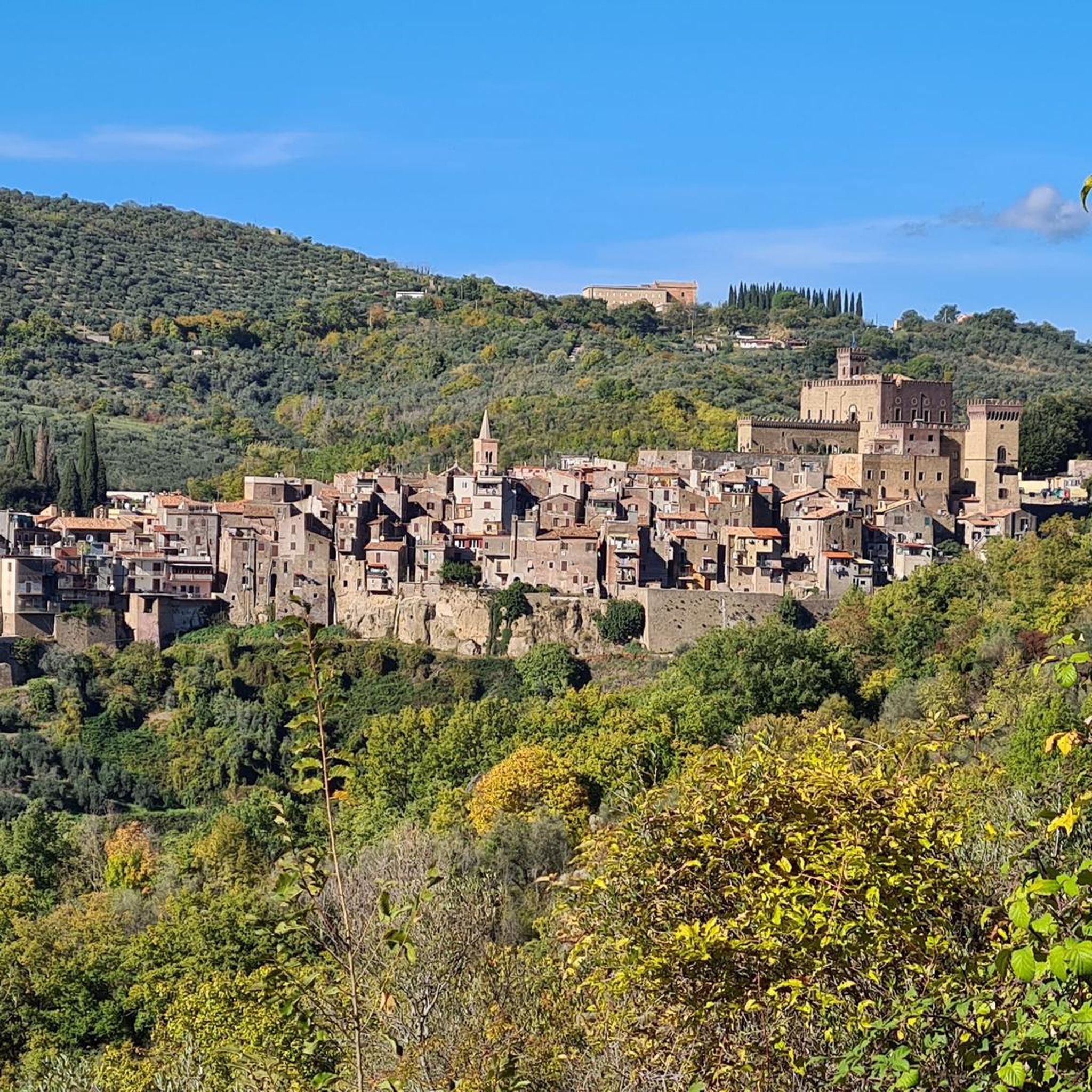
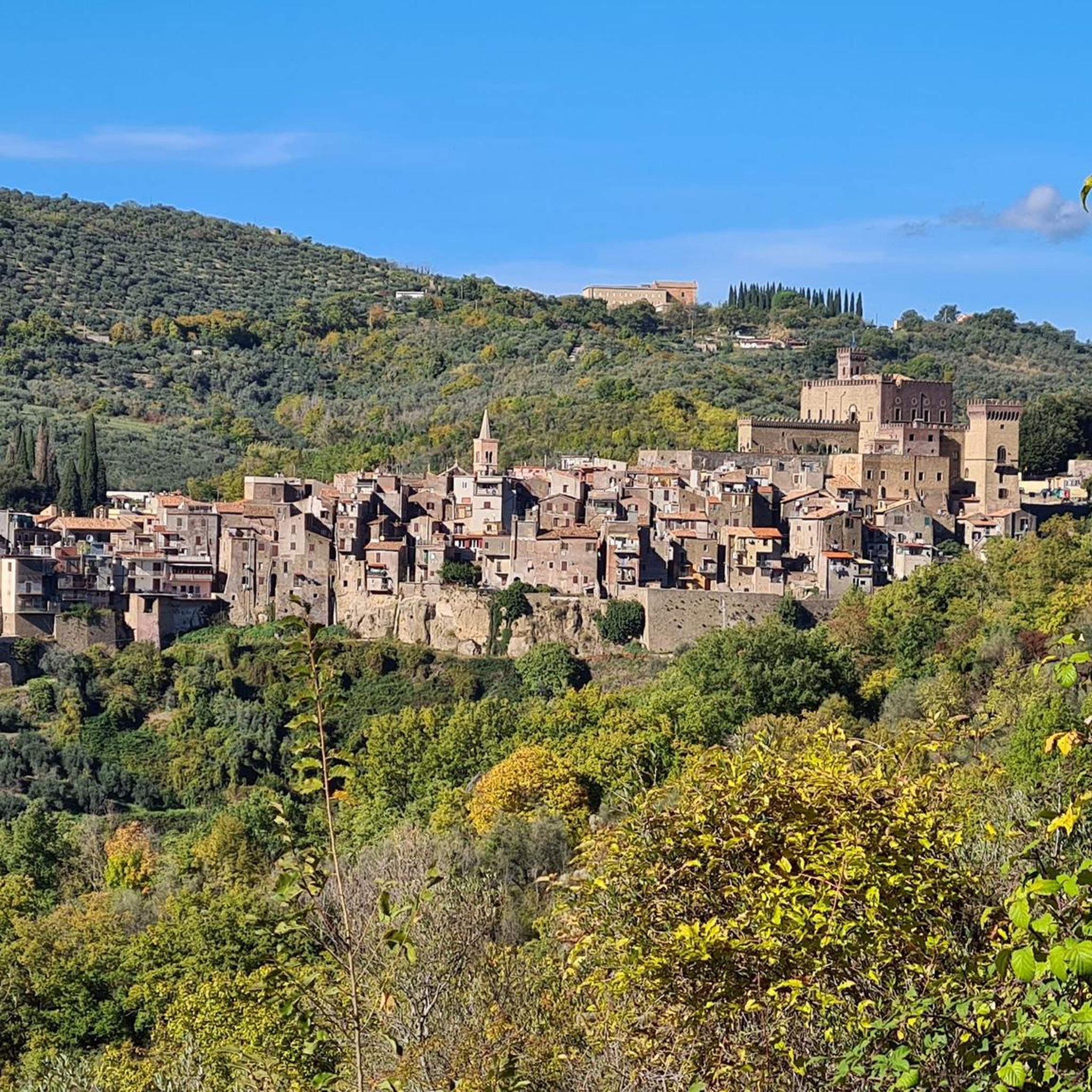
Castles around Poli, a municipality in the Metropolitan City of Rome Capital, Italy, offer a journey through history in the Lazio region. Perched on a tufa cliff, Poli is nestled between the Monti Prenestini and the Roman countryside, providing a historical ambiance. The area is known for its fortified structures, including the prominent Palazzo Conti, which connects visitors to papal history. This region presents a blend of historical architecture and picturesque views.
Best castles around Poli
- The most popular castles…
Last updated: June 29, 2026
Brancaccio Castle in San Gregorio da Sassola
Highlight • Castle
Translated by Google •
Tip by

Rocca Pia of Tivoli
Highlight • Castle
Translated by Google •
Tip by

Sign up now to discover places like this
Get recommendations on the best single tracks, peaks, & plenty of other exciting outdoor places.
Sign up for free
Castel San Pietro Romano
Highlight • Settlement
Translated by Google •
Tip by

Rocca dei Colonna in Castel San Pietro Romano
Highlight • Castle
Translated by Google •
Tip by

Castello di Corcolle
Highlight • Castle
It was a transition fortress of the late fifteenth century, towards the affirmation of the "modern fortification". …
Translated by Google •
Tip by

Sign up for free to discover even more castles around Poli.
Sign up for free
Already have an account?
Start today with a free account
Your next adventure awaits.
Login or Signup

Tips from the Community

Vicolo Barchetto, 00019 Tivoli RM, Italy
9
0

Tivoli's Rocca Pia, an imposing Renaissance fortress located in the city center, was built by Pope Pius II Piccolomini starting in 1461 to defend the city and control the population. The structure is characterized by four large circular towers of varying heights, connected by high crenellated walls. Over the course of its history, the Rocca has alternated defensive functions with those of a papal barracks and, for a long time, a prison until 1960. It is currently a tourist attraction located near Piazza Garibaldi and the Bleso amphitheater. WEBSITE: https://visittivoli.it/sito-turistico/rocca-pia/
1
0


Very beautiful and lively village, the oven is notable which alone is worth the visit.
0
0

Today it is managed by the farm of the same name which welcomes visitors with rooms and a restaurant.
0
0
In Piazza Garibaldi, the heart and arrival point of the Via Tiburtina in the city, the Rocca Pia castle dominates, symbol of the city of Tivoli.
2
0

Gorgeous landscapes
0
0

The Rocca Pia of Tivoli dates back to the fifteenth century. It boasts four splendid towers, of different sizes: the tallest is over 36 meters in height.
2
0
Frequently Asked Questions
What are some historically significant castles in and around Poli?
Poli and its surroundings are rich in history. The most prominent in Poli itself is the Palazzo Conti, known for being the birthplace of Pope Innocent XIII and its 16th-century frescoes. Nearby, you can explore the Brancaccio Castle in San Gregorio da Sassola, located within a characteristic medieval village. Another significant site is the Rocca Pia of Tivoli, a 15th-century fortress with four splendid towers. Further afield in the Lazio region, the Castello Orsini-Odescalchi in Bracciano and the Castello di Santa Severa offer deep historical insights.
Are there family-friendly castles to visit near Poli?
Yes, several castles around Poli are considered family-friendly. The Brancaccio Castle in San Gregorio da Sassola, Rocca Pia of Tivoli, and Castel San Pietro Romano are all noted as family-friendly destinations. These locations often provide engaging historical contexts and open spaces suitable for families.
Can I find hiking trails near the castles around Poli?
Absolutely. The region around Poli offers numerous hiking opportunities that can be combined with castle visits. For example, Castel San Pietro Romano is perched on Mount Ginestro, with the nearby Cannuccete Valley offering a protected natural area. You can find various hiking routes, including the 'Guadagnolo for Monte Vincenzo – ring tour', by exploring the Hiking around Poli guide.
What are the public transport options for reaching castles near Poli?
While Poli itself is accessible, reaching some of the smaller villages and castles often requires a combination of local buses and sometimes a short walk. For specific routes and schedules to individual castles, it's best to check local transport authority websites or inquire at tourist information centers in larger towns like Tivoli or Palestrina. Having a car generally offers more flexibility for exploring the region's castles.
Is there parking available at the castles around Poli?
Parking availability varies by location. Larger sites like the Palazzo Conti in Poli or the Castello Orsini-Odescalchi in Bracciano typically have designated parking areas or nearby public parking. For smaller, more remote castles or villages like Brancaccio Castle in San Gregorio da Sassola, you might find parking in the village square or designated spots. It's advisable to check specific castle websites or local tourism information for detailed parking advice.
What is the best time of year to visit the castles in the Poli region?
The best time to visit the castles around Poli is generally during the spring (April to June) and autumn (September to October). During these months, the weather is pleasant for exploring, with mild temperatures and less rainfall. Summer can be quite hot, especially in July and August, while winter can be cooler and some sites might have reduced opening hours. The 'Festa dell'Ospitalità' in Poli, for instance, makes it a welcoming destination during its occurrence.
Are there any castles near Poli that are particularly known for their views?
Yes, several castles and fortified settlements offer stunning views. Brancaccio Castle in San Gregorio da Sassola is noted for its beautiful views. Similarly, Castel San Pietro Romano, perched on Mount Ginestro, provides panoramic vistas of the surrounding landscape. The village of Poli itself, with the Palazzo Conti, is set on a tufa cliff offering picturesque views between the Monti Prenestini and the Roman countryside.
What kind of outdoor activities, besides hiking, can I do near these castles?
Beyond hiking, the area around Poli offers opportunities for road cycling and mountain biking. You can find various routes, such as the 'Climb to Castel San Pietro Romano — Ring tour' for road cycling or the 'Salita a Guadagnolo da Palestrina — Giro ad anello' for mountain biking. Explore these options and more in the Road Cycling Routes around Poli and MTB Trails around Poli guides.
What do visitors typically enjoy most about the castles around Poli?
Visitors appreciate the blend of historical architecture and picturesque views. The sense of stepping back in time, exploring ancient fortifications, and connecting with papal history at sites like the Palazzo Conti are often highlighted. The charming medieval villages surrounding many of these castles, such as San Gregorio da Sassola, also contribute to a memorable experience, offering a glimpse into local life and culture.
Are there dog-friendly options for visiting castles near Poli?
While specific castle interiors might have restrictions, many of the castle grounds and surrounding medieval villages are dog-friendly. For example, walks around the exterior of Brancaccio Castle or through the Castel San Pietro Romano settlement are generally suitable for dogs on a leash. Always check individual site regulations before your visit, especially for indoor areas.
How long should I plan for a visit to the castles around Poli?
The duration of your visit depends on the number of castles you wish to see and your interest level. For a single major castle like the Palazzo Conti or Castello Orsini-Odescalchi, allow 2-3 hours. If you plan to visit multiple castles or combine your visit with exploring the surrounding villages or hiking, a full day or even a weekend would be more appropriate to fully appreciate the historical and natural beauty of the region.
Which castles near Poli are known for their unique architecture or features?
The Palazzo Conti in Poli stands out for its robust fortification and 16th-century frescoes. The Rocca Pia of Tivoli is notable for its four distinct towers, with the tallest reaching over 36 meters. Further in Lazio, the Castello Ruspoli in Vignanello is particularly famous for its magnificent Renaissance gardens, considered among the most important in Europe, offering a unique blend of history and landscape design.
What is the historical significance of Castel San Pietro Romano?
Castel San Pietro Romano has a long and rich history, dating back to the late Bronze Age. It was once the acropolis for the city of Praeneste (modern Palestrina) and features polygonal walls from the 6th century BC. It later became a Benedictine monastery and a strategic military castrum for the Colonna family. In the 1950s, it gained fame as a filming location for classic Italian cinema, including 'Pane, amore e fantasia'.
Most popular attractions around Poli

Get inspired with the komoot mobile app


Explore more
Looking for the best castles somewhere else? Discover other guides around Poli:
