Top 5 Caves around Grumo Appula
Best caves around Grumo Appula are found within a region characterized by significant karst topography. This area, part of Puglia, features numerous impressive cave systems and geological formations. The landscape around Grumo Appula offers opportunities to explore natural wonders shaped over millions of years. These sites provide insight into both geological processes and ancient human history.
Best caves around Grumo Appula
- The most popular caves is Pulo of Altamura, a canyon that is a sinkhole of karst origin, created…
Last updated: June 29, 2026
Pulo of Altamura
Highlight • Canyon
This created a more or less …
Translated by Google •
Tip by

San Martino Cave
Highlight • Cave
Translated by Google •
Tip by

Sign up now to discover places like this
Get recommendations on the best single tracks, peaks, & plenty of other exciting outdoor places.
Sign up for free
Curtomartino Cave
Highlight • Cave
Translated by Google •
Tip by

Grotta del Colombo
Highlight • Cave
Translated by Google •
Tip by

Iazzo di Griffi and Colombo Cave
Highlight • Cave
Translated by Google •
Tip by

Sign up for free to discover even more caves around Grumo Appula.
Sign up for free
Already have an account?
Start today with a free account
Your next adventure awaits.
Login or Signup

Tips from the Community

I wasn't expecting a grotto here. But it was closed today.
1
0

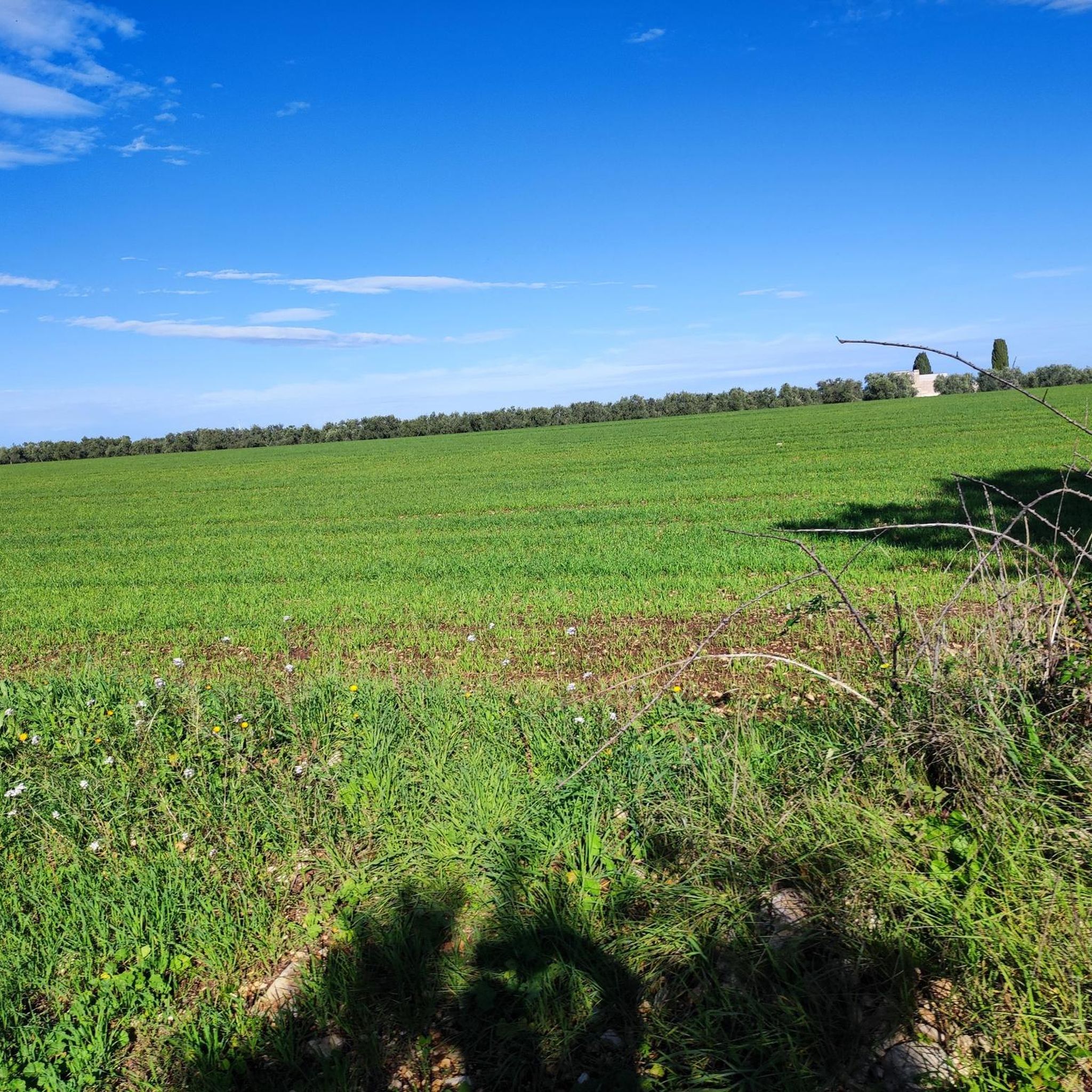
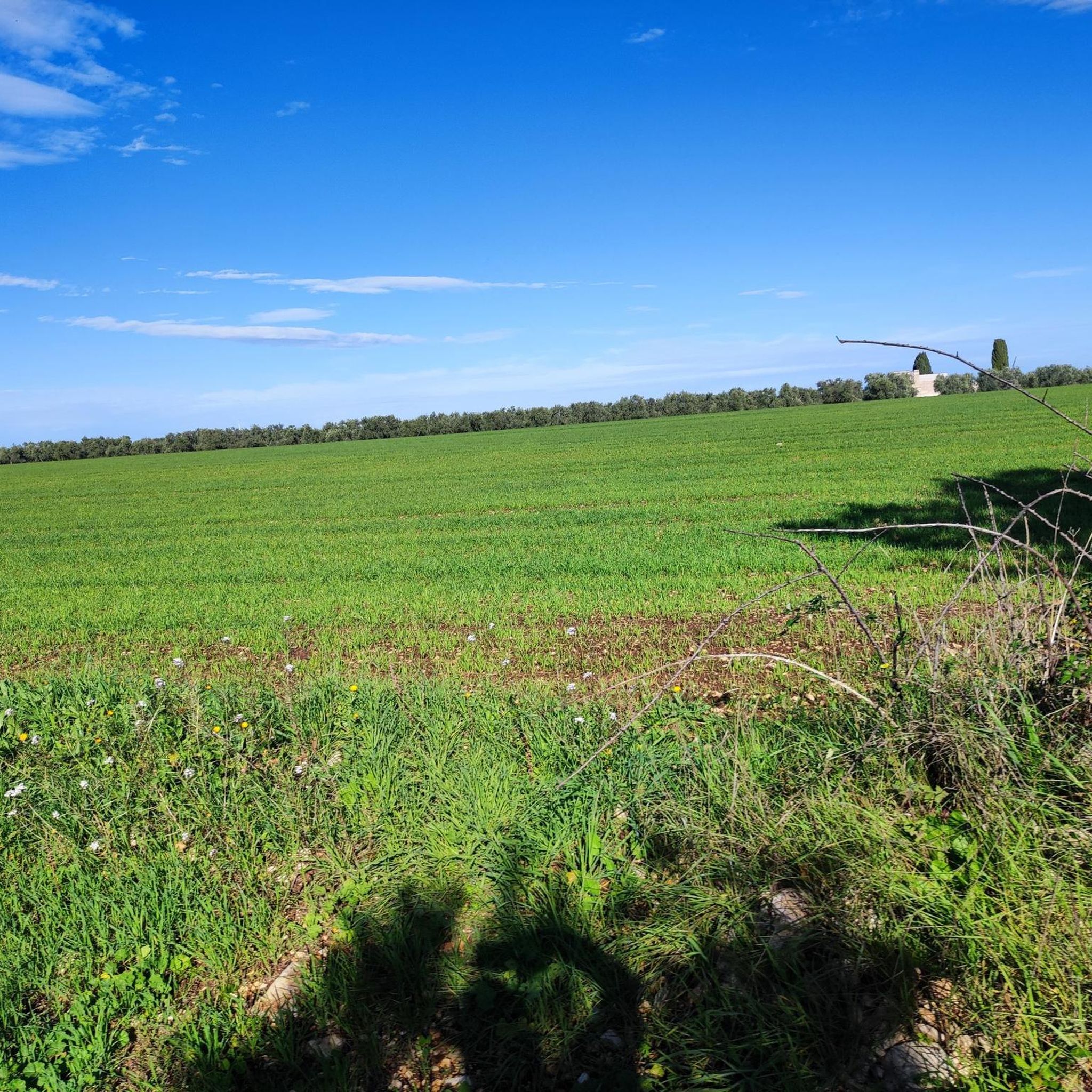
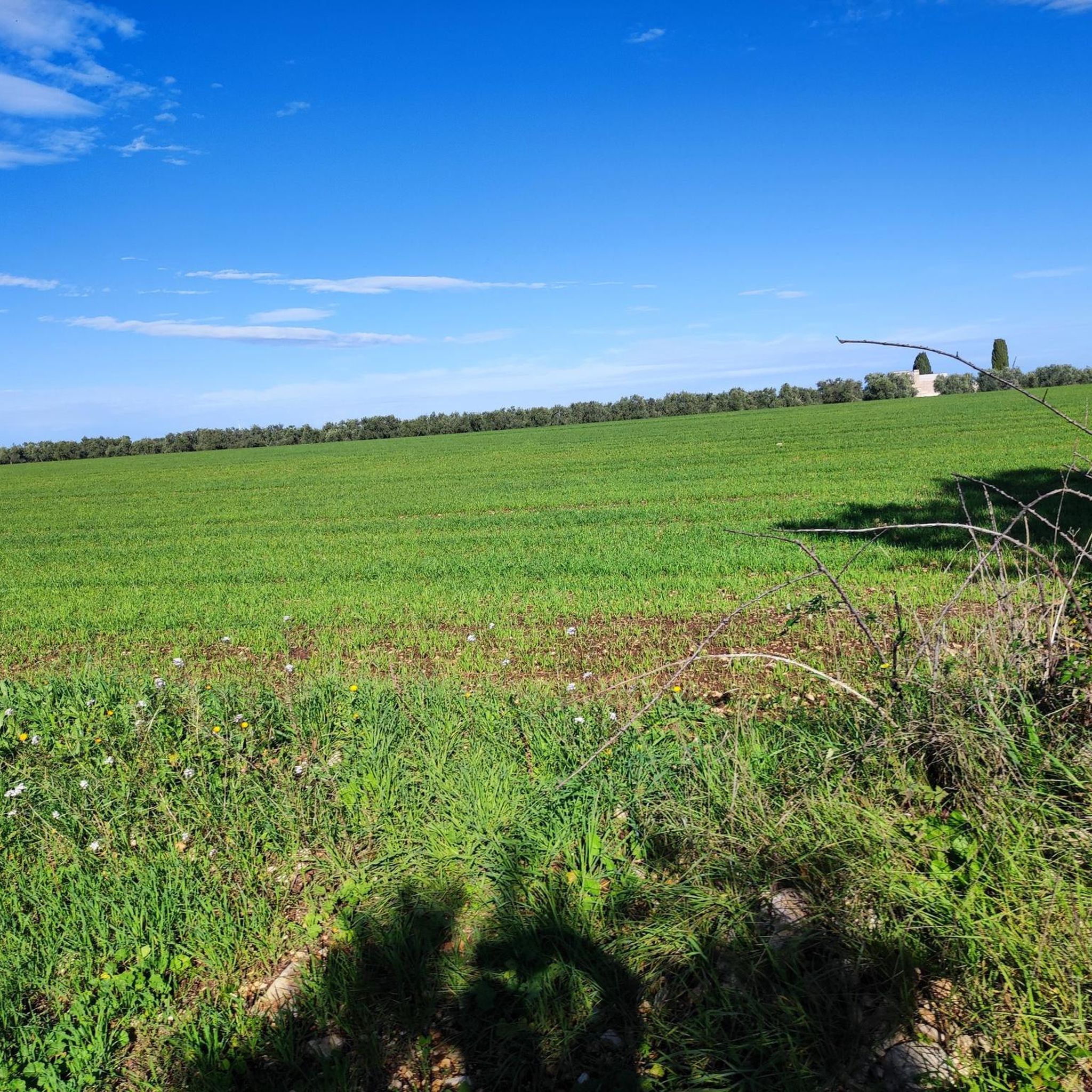
Splendid rural building near the Columbus cave, accessible along a path located at the beginning of the main street.
0
0

The Grotta del Colombo, like many other caves in the surrounding area, was born thanks to the karst phenomena that affect the area. In ancient times they were a place of refuge for prehistoric men.
0
0

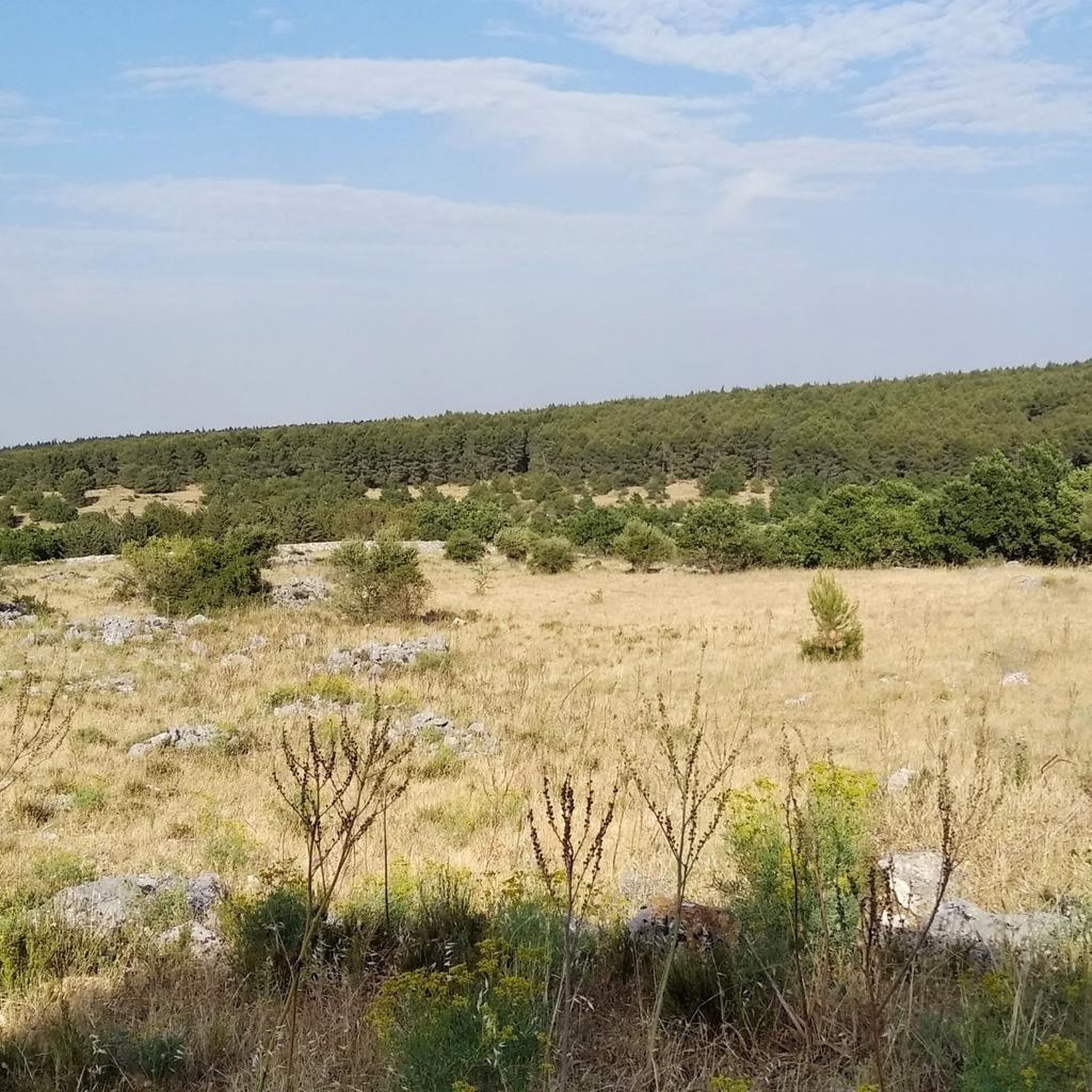
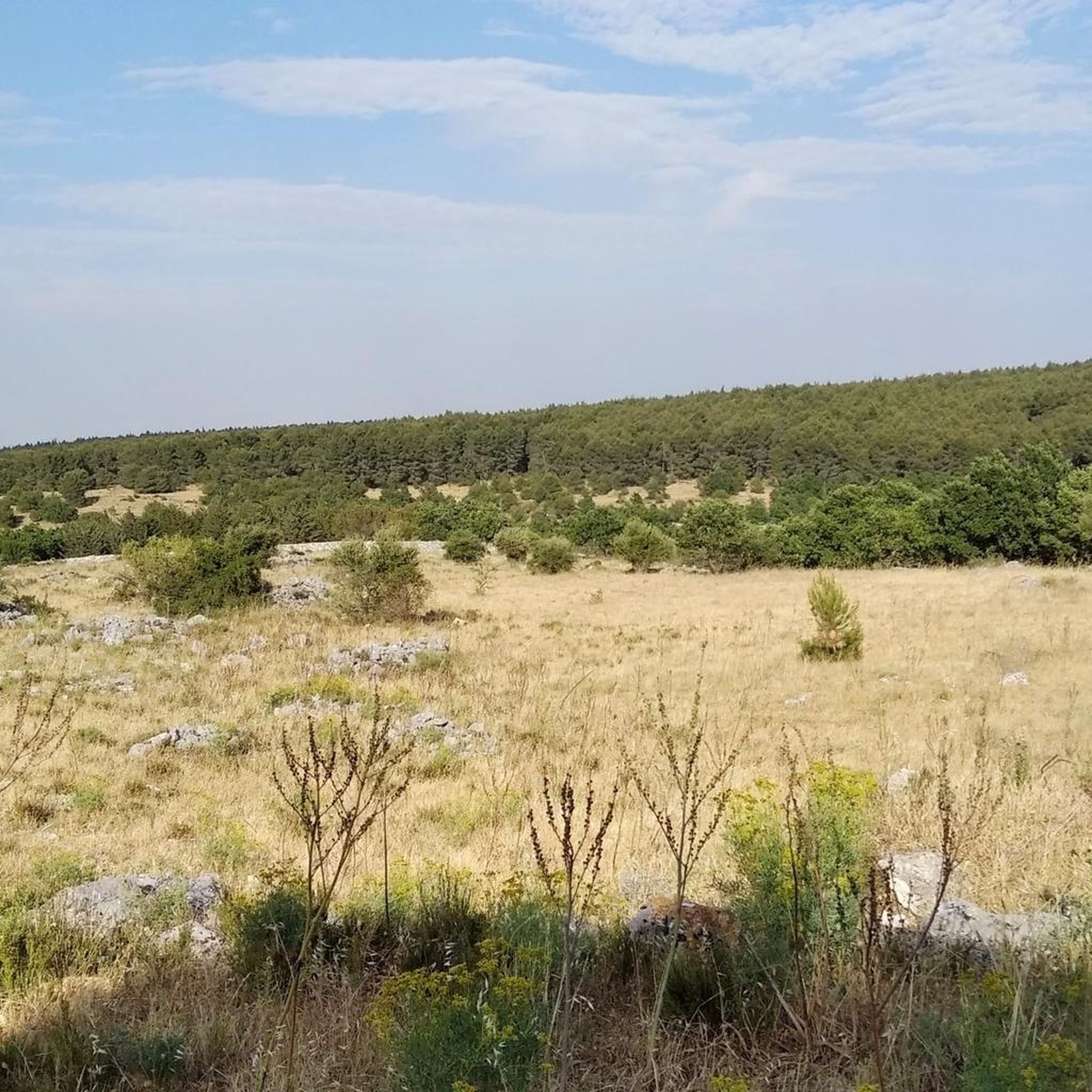
The Pulo di Altamura is a sinkhole of karst origin of the bowl type, created by the channeling of rainwater right at this point. This created a more or less circular depression with a diameter of about 500 m. with a maximum depth of 75 meters. Along the walls, which are very steep in some points, caves and ravines have been created which indicate the different levels of excavation by the waters. These caves represent a real archaeological heritage because they were inhabited since the earliest ages of prehistory. The route includes an unpaved stretch of about 1 km that can also be easily covered by racing bike.
2
0

One of the most beautiful naturalistic places in Puglia. The view is breathtaking from every perspective; it can be easily reached by MTB. It is preferable to explore it on foot due to the cavities dug in the ground and the considerable presence of stones that make the MTB experience quite impervious.
1
0

Pleasant than 100 meters from the border that divides Palo del Colle from Toritto, after having traveled an ancient rural road that crosses the Mangiaquero district, in the rocky ridge that flanks the medium-low part of the blade that leads the torrential waters from the Murgia to the Adriatic Sea, find the door that leads to the large atrium of the Grotta di San Martino. Our ancestors used to call the cave, or rather the caves, with the name of the Grutt di Mangiaquair, but it is ascertained that the caves are located in the Torittese territory, even if the direction that the access passage to the caves and the subsequent path takes, is they move towards the territory of Palo. The cave of San Martino, of calcareous origin, opens on the low reliefs of the Murgia, at 287 meters above sea level and is a site linked to karst phenomena of considerable historical and archaeological importance.
3
0

Not far from Altamura, in the middle of the Alta Murgia Park, opens what looks like a deep chasm. This is the Pulo, a veritable sinkhole of karst origin created for convey rainwater, the largest in the entire park and one of the largest in Italy. Over the years, the waters have carved a shaped depression on the karst rock more or less circular. Along the walls, in some very steep points, the Pulo is characterized by the presence of caves and ravines, a real archaeological heritage as they have been inhabited since the most ancient ages of prehistory.
0
0

Frequently Asked Questions
What are the most significant caves in the broader Puglia region near Grumo Appula?
While Grumo Appula itself doesn't have widely recognized caves, the surrounding Puglia region offers spectacular options. The Grotte di Castellana are one of Italy's most extensive cave systems, known for vast chambers and intricate formations like the 'White Cave'. The Sea Caves of Polignano a Mare offer stunning coastal exploration by boat, with notable examples like Grotta Palazzese. Additionally, the Caves of the Valley of Hell (Valle dell'Inferno) feature suggestive karst forms ideal for hikers.
What are the main geological features of the caves around Grumo Appula?
The region around Grumo Appula is characterized by significant karst topography. This means you'll find formations like sinkholes, such as the Pulo of Altamura, which is a large canyon of karst origin. Other caves, like Curtomartino Cave and Grotta del Colombo, are also born from karst phenomena, featuring stalactites, stalagmites, and other unique rock formations shaped over millions of years.
Are there any caves with historical or archaeological significance near Grumo Appula?
Yes, several caves in the area have historical importance. The Pulo of Altamura features caves and ravines along its walls that represent an archaeological heritage, having been inhabited since prehistoric times. Similarly, Grotta del Colombo and San Martino Cave also served as refuges for prehistoric men and are sites of considerable historical and archaeological importance.
Are the caves around Grumo Appula suitable for families?
Many of the caves in the broader Puglia region, such as the Grotte di Castellana, offer guided tours that are engaging and educational for families. For local options, the Pulo of Altamura is a natural site that can be explored by families, though some areas might be steep. Always check specific cave access requirements and tour details for suitability with younger children.
What kind of outdoor activities can I do near the caves around Grumo Appula?
The region offers various outdoor activities. You can find numerous running trails, such as those listed in the Running Trails around Grumo Appula guide. For cycling enthusiasts, there are options for Gravel biking around Grumo Appula and Road Cycling Routes around Grumo Appula, with routes passing near some cave locations like Curtomartino Cave. The Caves of the Valley of Hell are also ideal for hikers.
What is the best time of year to visit the caves in the Grumo Appula area?
The temperature inside many caves, such as the Grotte di Castellana, remains a cool 16°C (61°F) year-round. This makes them a pleasant escape during the hot summer months. However, spring and autumn offer comfortable weather for exploring the surrounding outdoor areas and trails leading to the caves.
What should I wear when visiting the caves?
Given the consistent cool temperatures inside caves (around 16°C or 61°F), it's advisable to bring a jacket or a light sweater, even in summer. Comfortable, closed-toe shoes with good grip are also recommended, as paths inside caves can be damp or uneven.
Are there any accessible caves for visitors with mobility concerns?
Specific accessibility information for all local caves is not readily available. However, larger, more developed cave systems like the Grotte di Castellana often have sections that are more accessible, though full tours may involve stairs and uneven terrain. It's best to check directly with the specific cave attraction for detailed accessibility information before your visit.
Can I bring my dog to the caves near Grumo Appula?
Policies regarding pets vary significantly between natural sites and managed attractions. While some outdoor areas or trails leading to caves might be dog-friendly, entry into the caves themselves, especially those with guided tours or delicate ecosystems, is typically restricted for pets. Always verify the pet policy of each specific cave or natural park before planning your visit.
How long does it typically take to explore the caves?
The duration of a cave visit depends on the specific site. For extensive systems like the Grotte di Castellana, guided tours typically last about 2 hours. For natural sinkholes like the Pulo of Altamura, exploration time can vary based on whether you're just viewing from above or hiking into the canyon, which could take an hour or more.
Where can I find parking when visiting the caves?
For popular attractions like the Grotte di Castellana, dedicated parking facilities are usually available. For natural sites such as the Pulo of Altamura or other less developed caves, parking might be available in nearby designated areas or along rural roads. It's advisable to check local signage or visitor information for specific parking instructions.
Are there any viewpoints near the caves for scenic views?
Yes, the Pulo of Altamura itself offers breathtaking views from every perspective around its rim, being a large karst sinkhole. The dramatic limestone cliffs along the Adriatic coast near Polignano a Mare, where the sea caves are located, also provide stunning panoramic views of the sea and coastline.
What is unique about the <a href="https://www.komoot.com/highlight/2756463" target="_blank" rel="noopener">Curtomartino Cave</a>?
The Curtomartino Cave is a karst cavity formed approximately 2 million years ago. It is located near Acquaviva delle Fonti and is a notable example of the ancient geological processes that shaped the region.
What are the <a href="https://www.komoot.com/highlight/5073039" target="_blank" rel="noopener">Grotta del Colombo</a> and <a href="https://www.komoot.com/highlight/6182915" target="_blank" rel="noopener">Iazzo di Griffi and Colombo Cave</a> known for?
The Grotta del Colombo is a cave born from karst phenomena and is historically significant as a refuge for prehistoric men. The Iazzo di Griffi and Colombo Cave refers to a splendid rural building located near the Colombo cave, accessible via a path, combining natural beauty with historical rural architecture.
Most popular routes around Grumo Appula
Most popular attractions around Grumo Appula

Get inspired with the komoot mobile app


Explore more
Extend your search for the best caves by checking out these guides of the top ones around Grumo Appula:
