Top 20 Caves around Altamura
Best caves around Altamura are found within the Alta Murgia National Park, an area known for its significant karst landscapes. This region features numerous historically and geologically important caves and sinkholes. Altamura's surroundings offer a diverse natural environment, characterized by unique geological formations and a rich prehistoric heritage. The area provides opportunities to explore ancient human settlements and impressive natural wonders.
Best caves around Altamura
- The most popular caves is Pulo of Altamura, a canyon that is a large…
Last updated: August 23, 2026
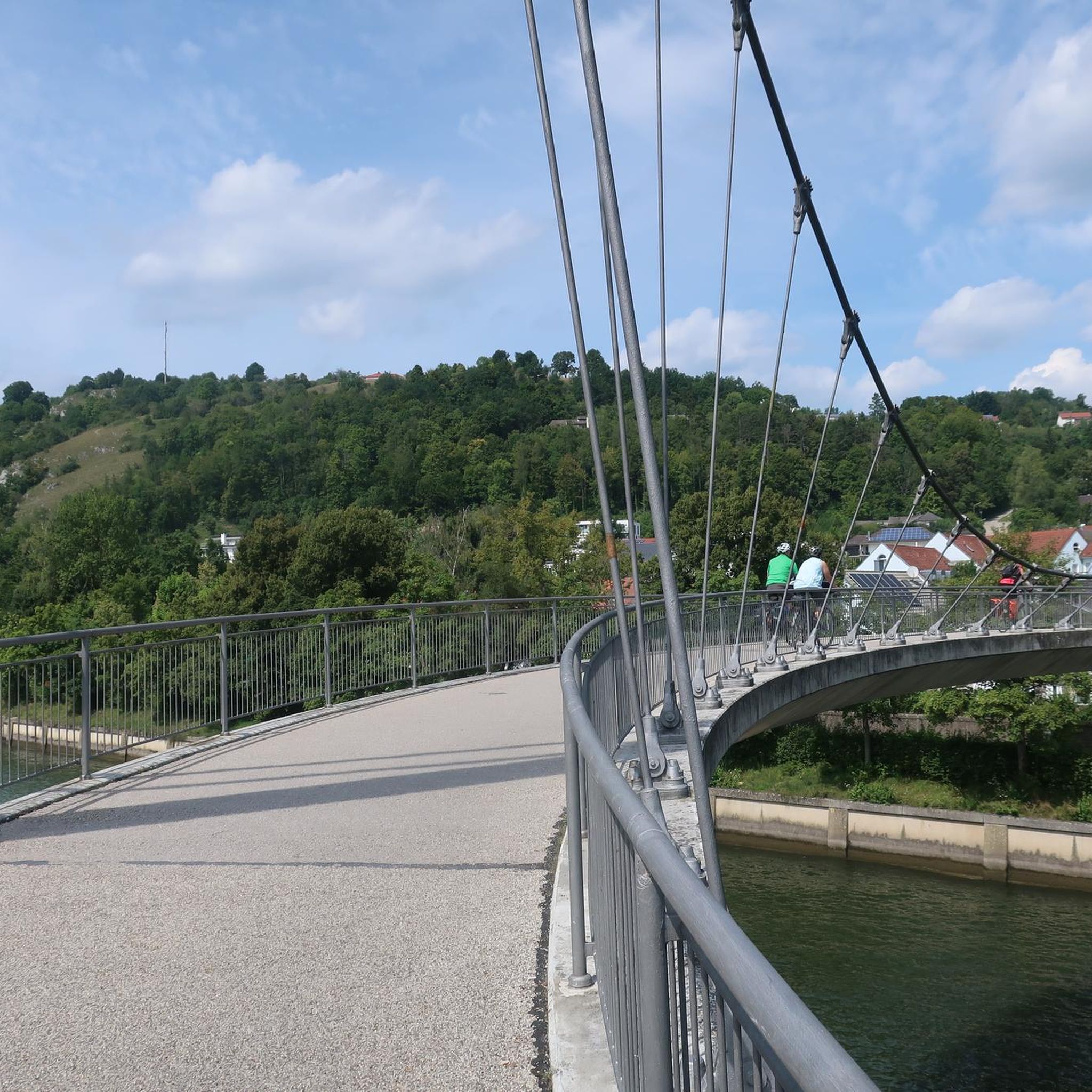
Suspension bridge over the Gravina
Highlight • Bridge
Translated by Google •
Tip by

Sassi of Matera
Highlight • Historical Site
Translated by Google •
Tip by

Sign up now to discover places like this
Get recommendations on the best single tracks, peaks, & plenty of other exciting outdoor places.
Sign up for free
Pulo of Altamura
Highlight • Canyon
This created a more or less …
Translated by Google •
Tip by

Rock Church of Santa Rita
Highlight • Religious Site
Translated by Google •
Tip by
Casa Grotta in the Sassi of Matera
Highlight • Cave
Translated by Google •
Tip by

Sign up for free to discover even more caves around Altamura.
Sign up for free
Already have an account?
Start today with a free account
Your next adventure awaits.
Login or Signup


Tips from the Community

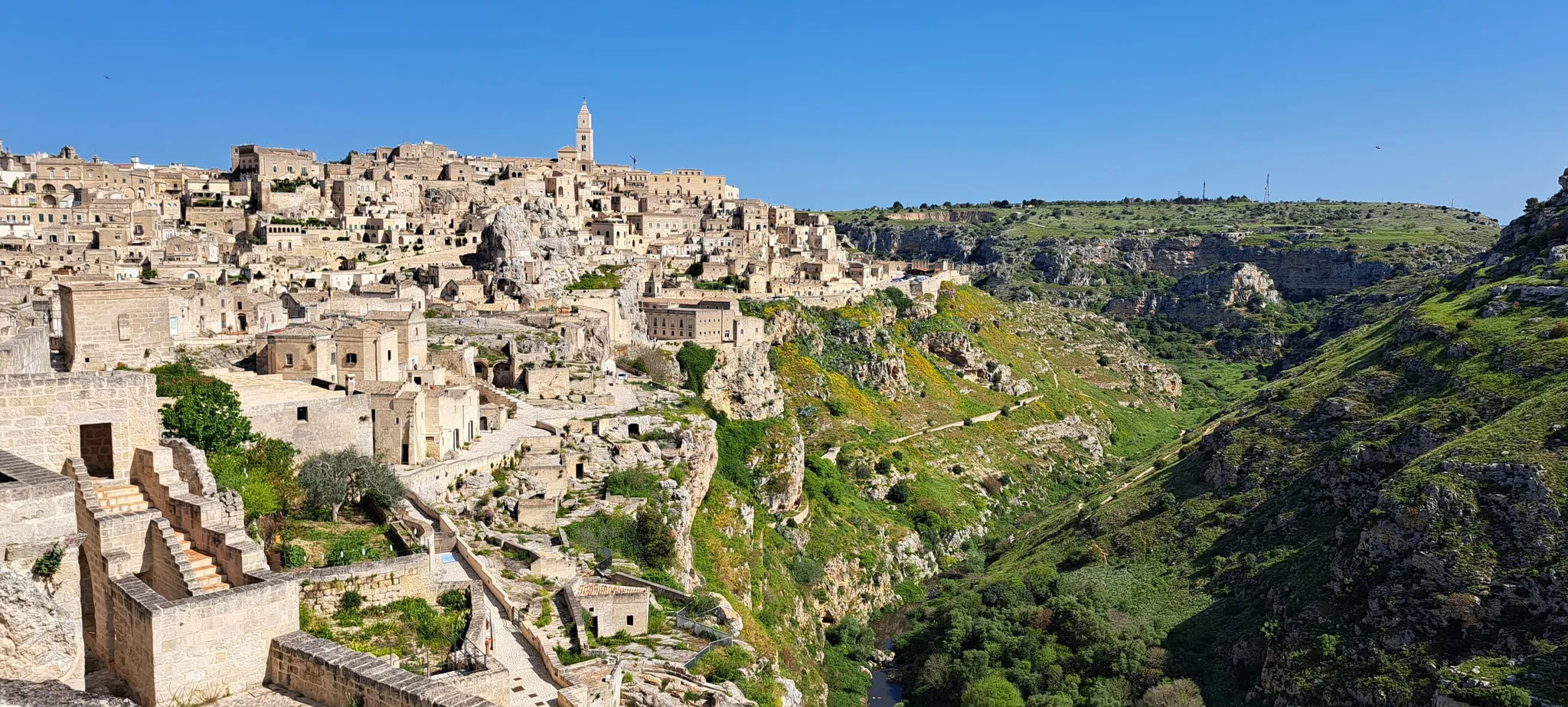
The southern Italian city of Matera is impressive and attractive, but at the same time also mysterious and a bit rough. It looks more like a labyrinth of stone houses, steep staircases and narrow streets. The Sassi di Matera, or Stones of Matera, is full of caves that were once inhabited and were therefore a disgrace to Italy. Times have changed suddenly, and today the Sassi di Matera are the pride not only of the city, but also of the entire Basilicata region, in which Matera is located.
1
1
Matera is an Italian city in the Basilicata region, the capital of the province of the same name. It lies on the edge of the Murgia plateau. Its surroundings are home to the most important caveman settlements in the Mediterranean region. Since 1993, the "Sassi di Matera" (Stones of Matera), the oldest part of the city, have been a UNESCO World Heritage Site.
2
0

Metera with its Sassi and rock churches is impressive.
2
0

An excellent, very realistic reconstruction of life inside the cave dwellings of Matera.
1
0

Be sure to walk down through the valley
0
0
Rarely have I seen such a beautifully preserved city
1
0

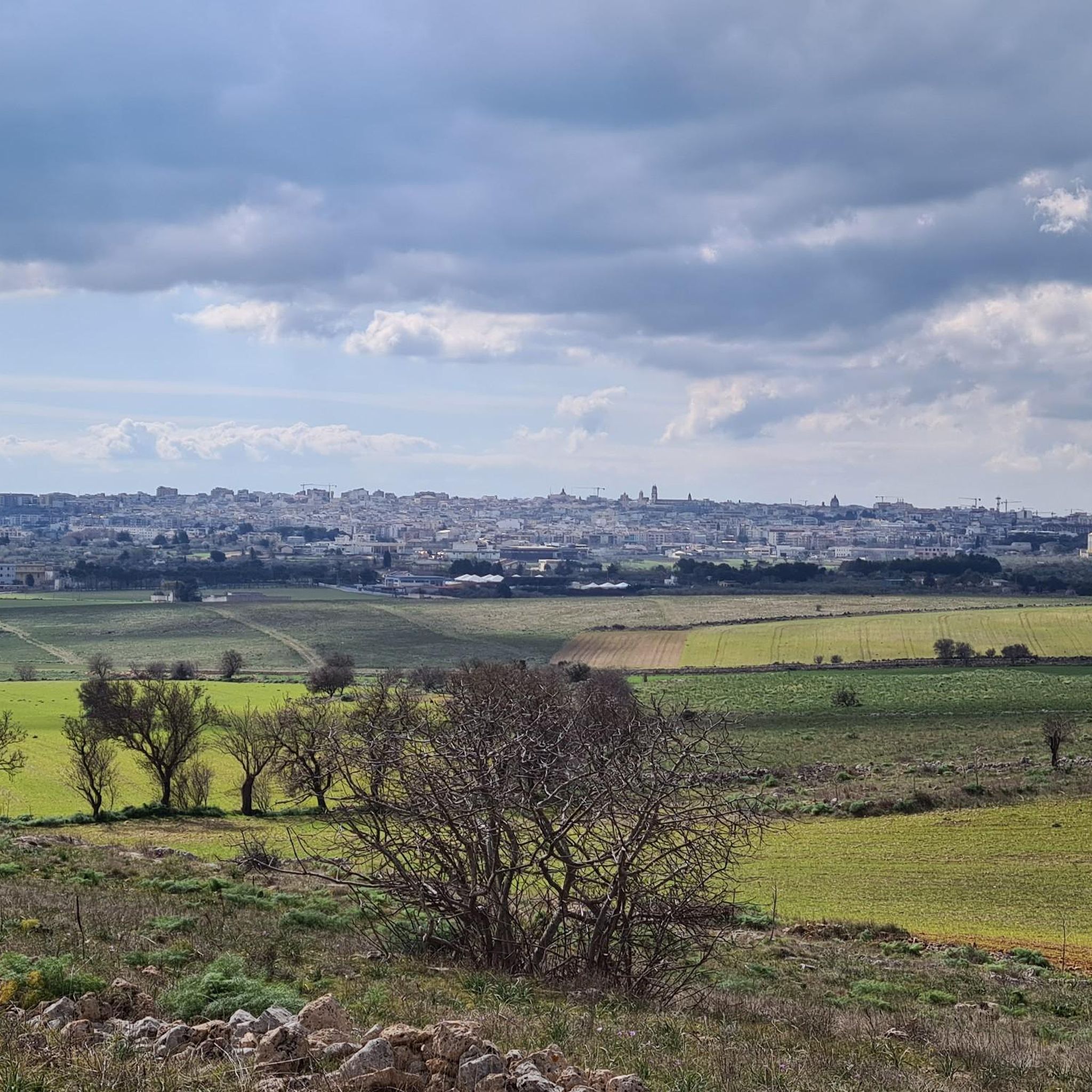
the characteristic rock church Madonna delle Vergini, one of the best known in Matera, just outside the city. Also worth admiring are the caves around and the wonderful view of the ancient city.
2
0
Frequently Asked Questions
What are the most significant geological features to explore around Altamura?
The most prominent geological feature is the Pulo of Altamura, a massive karst sinkhole approximately 500 meters in diameter and up to 92 meters deep. Its steep walls contain caves and ravines, showcasing the region's unique karst landscape. The area is also rich in other karst formations and cavities.
Where can I learn about prehistoric human history in the Altamura region?
The Grotta di Lamalunga is internationally famous as the discovery site of the 'Altamura Man,' a remarkably well-preserved Neanderthal fossil. While the cave itself is not directly accessible, you can learn about this significant paleontological find and the region's prehistory at the Lamalunga Visitor Centre, which offers virtual experiences and multimedia displays.
Are there any family-friendly cave experiences near Altamura?
Yes, the Casa Grotta in the Sassi of Matera offers an educational and family-friendly experience. It provides a realistic reconstruction of life inside ancient cave dwellings, giving insight into historical living conditions in the region.
What kind of historical or religious cave sites can I visit?
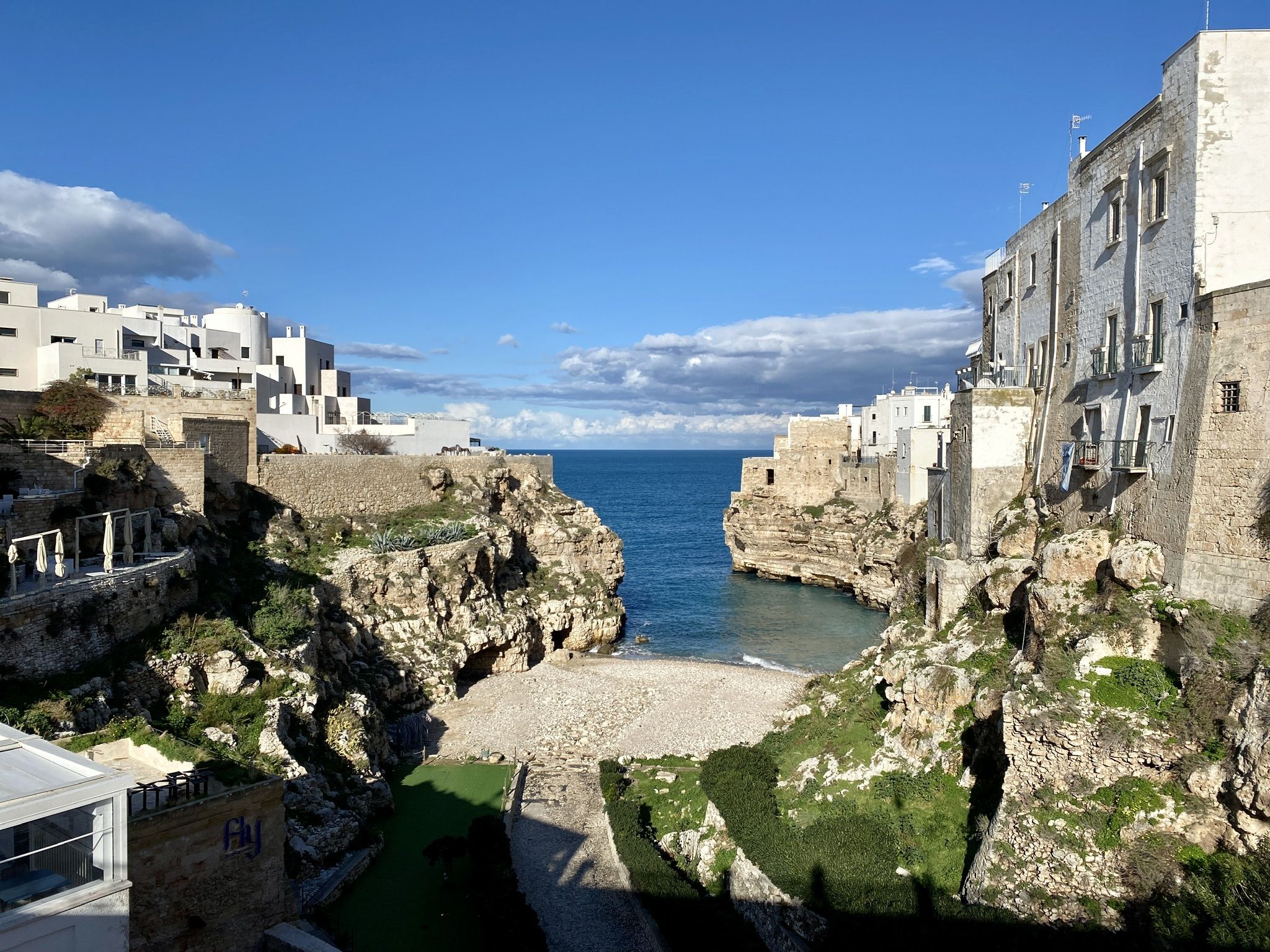
You can explore rock-cut churches like the Rock Church of Santa Rita, a 12th-century example of rock architecture near the Gravina River canyon. Another notable site is the Rock Church of San Nicola at the Murgia dell'Amendola, located in the Belvedere di Murgia Timone area.
What outdoor activities can I do near the caves around Altamura?
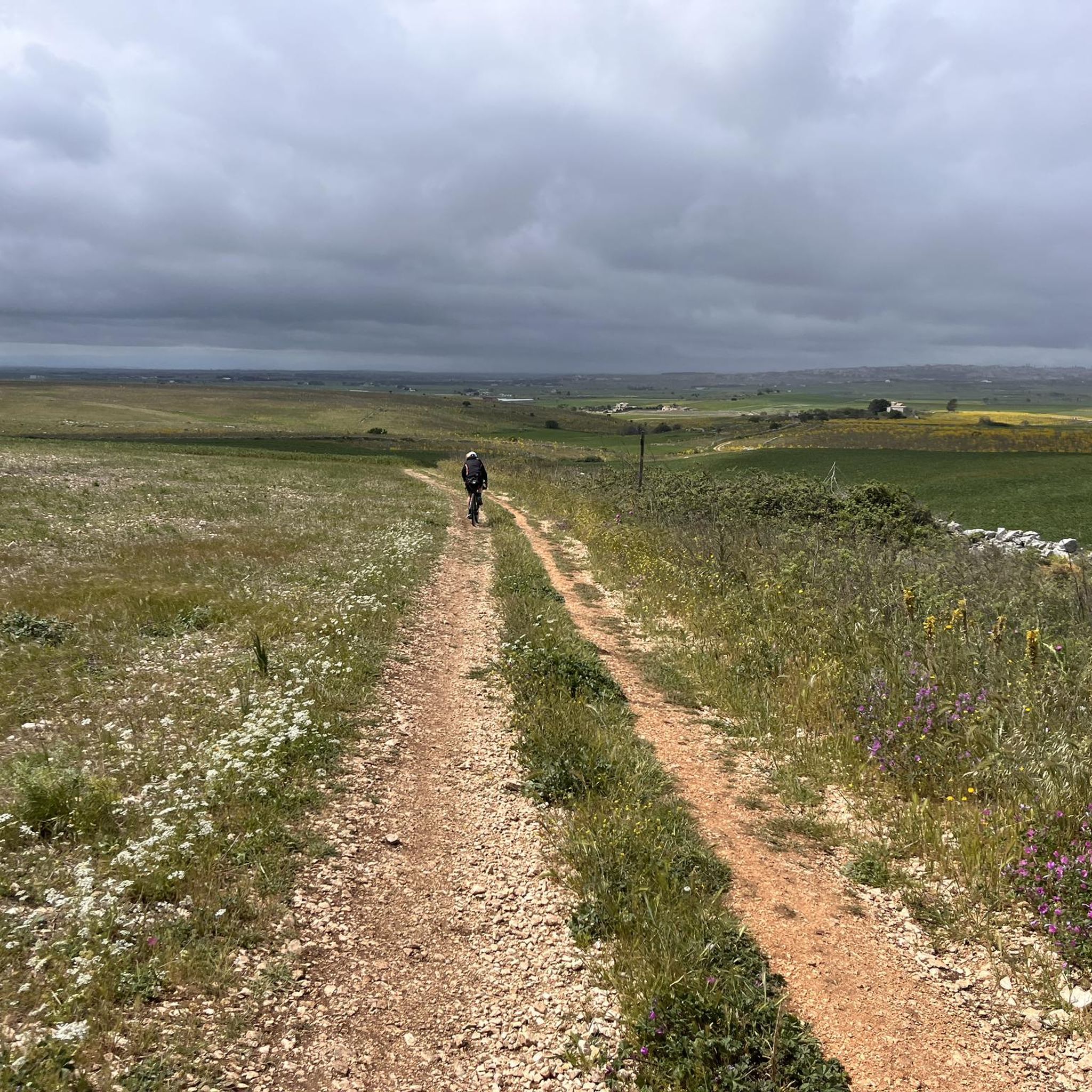
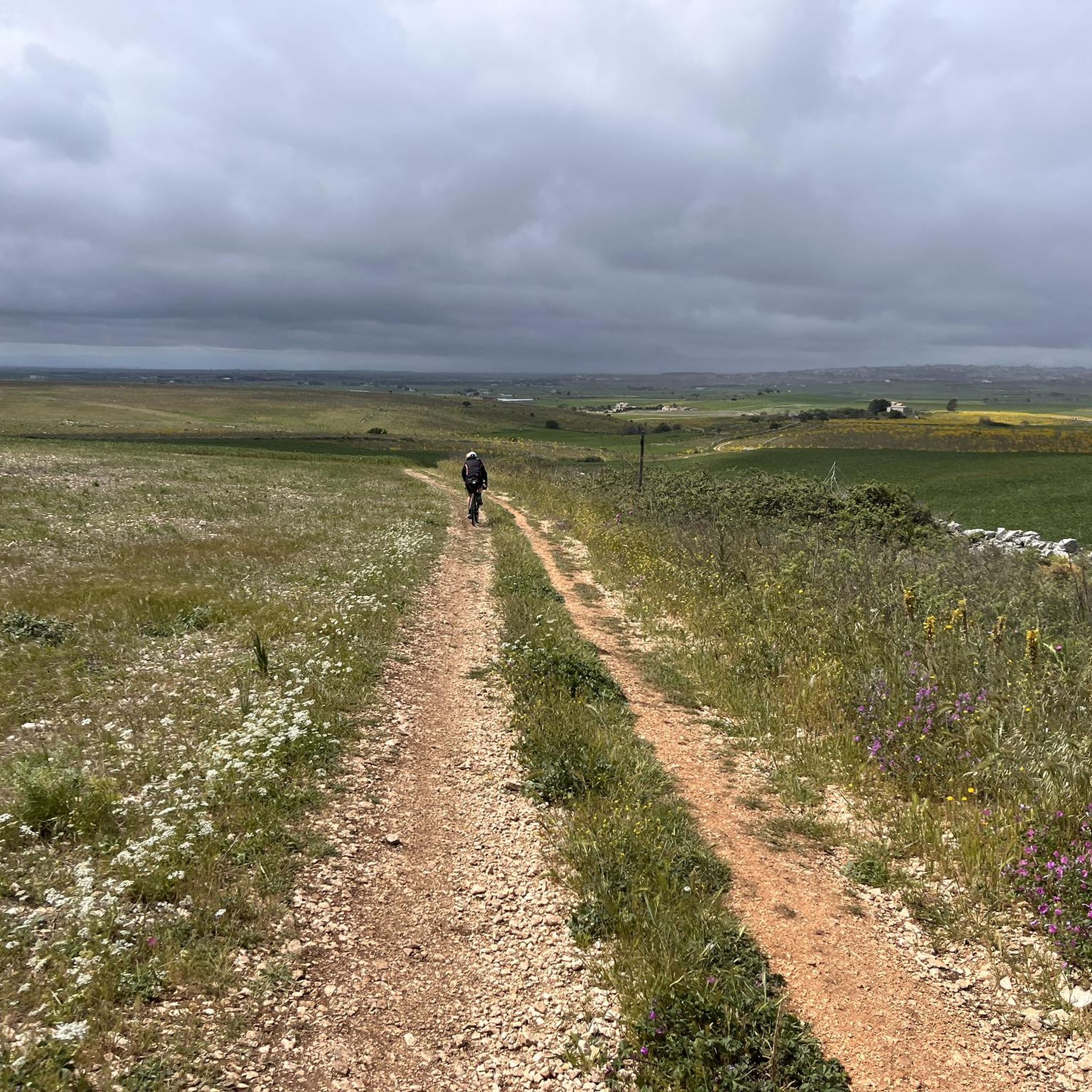
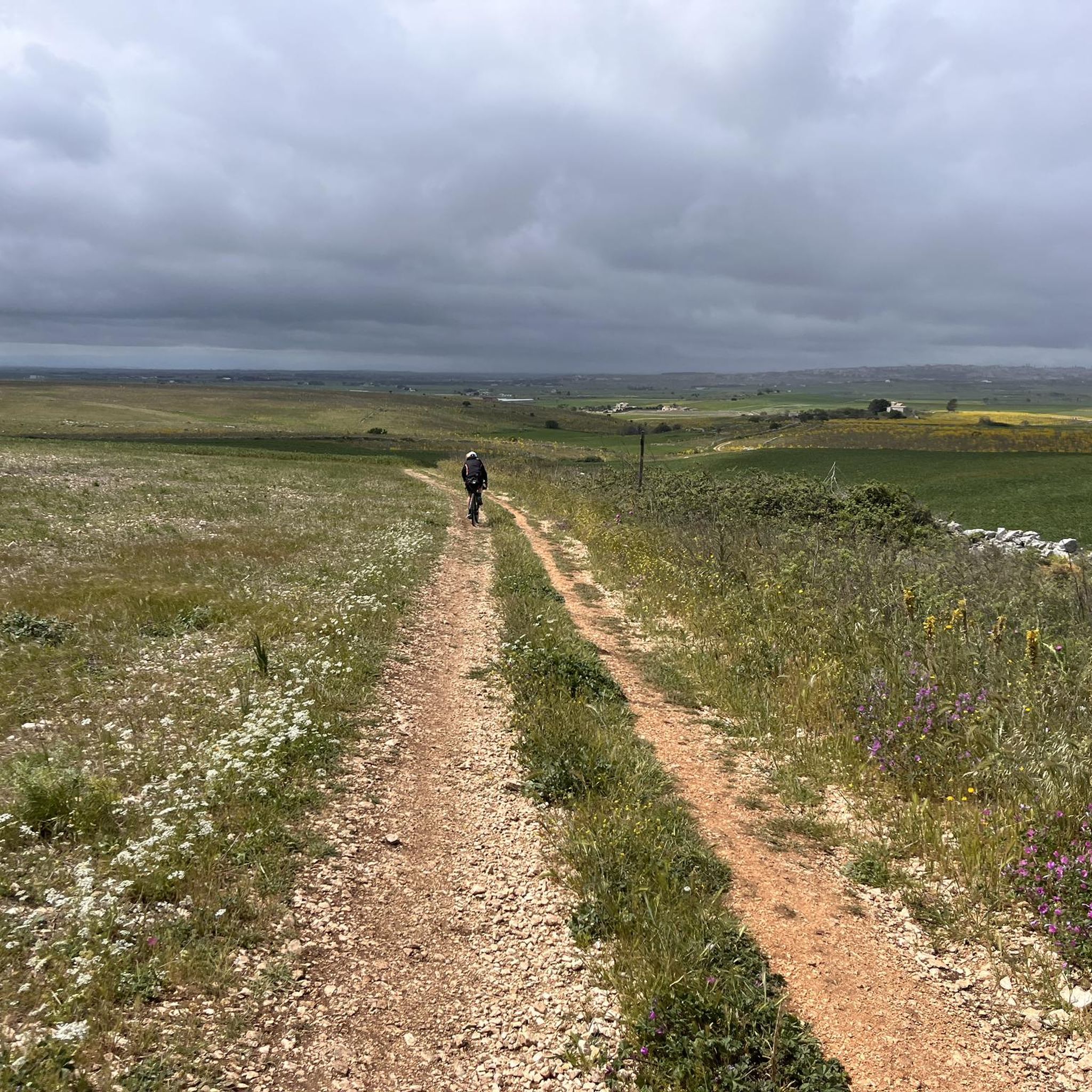
The Alta Murgia National Park, where many caves are located, offers various outdoor activities. You can find numerous hiking trails, such as the 'Pulo di Altamura – loop tour in the Alta Murgia National Park,' and routes for gravel biking and mountain biking. Explore more options on the hiking guide or gravel biking guide for Altamura.
Are there hiking opportunities to explore the Pulo di Altamura?
Yes, the Pulo of Altamura is an excellent location for walks and trekking. There are hiking routes like the 'Pulo di Altamura – loop tour in the Alta Murgia National Park' that allow you to experience its geological wonder and scenic beauty. The site offers breathtaking views, especially at sunset.
What is the best time of year to visit the caves and geological sites in Altamura?
The Alta Murgia National Park, including the caves and geological sites, is generally pleasant to visit during spring and autumn. These seasons offer milder temperatures, which are ideal for exploring the outdoor sinkholes and for hiking or biking in the surrounding natural landscape.
Can I access the Grotta di Lamalunga directly?
No, the Grotta di Lamalunga itself is not directly accessible to the public due to its delicate nature and narrow passages. However, you can experience it virtually and learn about its significance at the Lamalunga Visitor Centre.
Are there any unique natural features besides caves in the Altamura area?
Beyond the caves, the region is characterized by its karst landscapes, including large sinkholes like the Pulo of Altamura. The Alta Murgia National Park also features unique micro-habitats within these formations, supporting specific flora and fauna, and offers panoramic views of the red earth in rock cavities.
What do visitors particularly enjoy about the caves and natural sites around Altamura?
Visitors frequently appreciate the breathtaking views from sites like the Pulo of Altamura and the unique geological formations. The historical and archaeological significance of the cave dwellings and rock-cut churches also captivates many, offering a glimpse into ancient life and religious practices.
Are there any other notable caves in the broader Alta Murgia National Park?
Yes, within the Alta Murgia National Park, you can find other interesting cave systems. These include the Grotta della Capra, suggestive of prehistoric human activity, and the Grotta di Cristo, known as one of the largest caves across the Murge plateau. The park also features bauxite caves with vibrant red earth in areas like Spinazzola.
What should I wear when exploring the caves and trails in Altamura?
When exploring the outdoor geological sites and trails in the Alta Murgia National Park, it's advisable to wear comfortable walking shoes or hiking boots, as many paths can be unpaved and stony. Layered clothing is also recommended to adapt to changing temperatures, especially if you plan to be out for extended periods.
Most popular routes around Altamura
Most popular attractions around Altamura

Get inspired with the komoot mobile app


Explore more
Extend your search for the best caves by checking out these guides of the top ones around Altamura:
