Top 5 Castles around Parco nazionale dell'Aspromonte
Best castles around Parco nazionale dell'Aspromonte are found within a region characterized by rugged terrain and ancient history in Calabria, Italy. This area features strongholds often situated on rocky outcrops, providing insights into centuries of strategic importance. The park's diverse landscape includes mountainous areas and coastal views, offering a backdrop for these historic sites. Many of these locations are part of the 37 municipalities within the Aspromonte National Park.
Best castles around Parco nazionale dell'Aspromonte
- The most popular castles is…
Last updated: June 28, 2026
San Giorgio Morgeto Castle
Highlight • Castle
Translated by Google •
Tip by

Norman Castle of Gerace
Highlight • Castle
Translated by Google •
Tip by

Sign up now to discover places like this
Get recommendations on the best single tracks, peaks, & plenty of other exciting outdoor places.
Sign up for free
Castello Ruffo
Highlight • Castle
Translated by Google •
Tip by
Bova Superiore
Highlight • Settlement
Translated by Google •
Tip by

Keep of the Byzantine-Norman Castle
Highlight • Castle
Translated by Google •
Tip by

Start today with a free account
Your next adventure awaits.
Login or Signup
Popular around Parco nazionale dell'Aspromonte
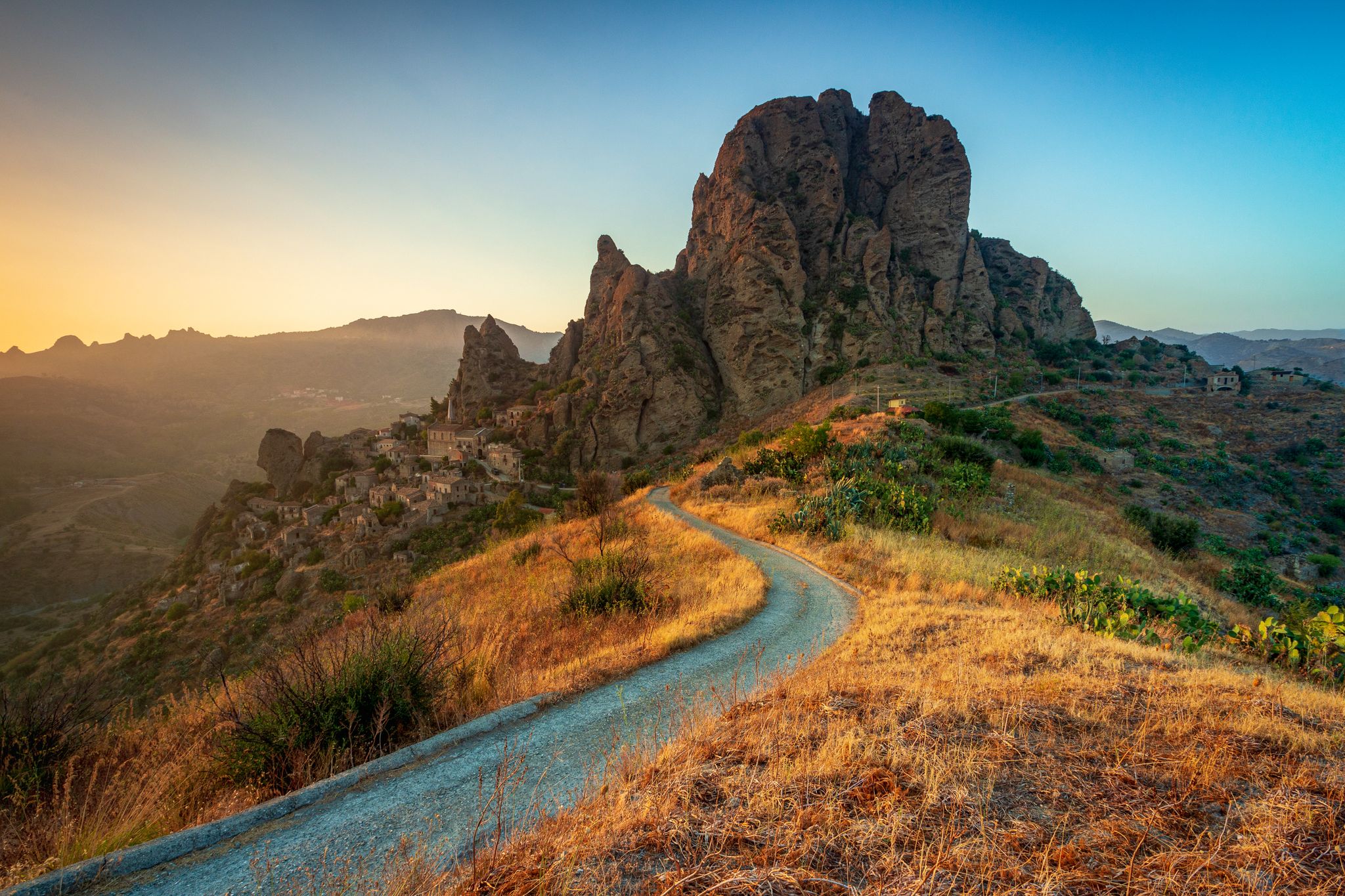
Tracing Edward Lear’s journey through Calabria – Sentiero dell'Inglese
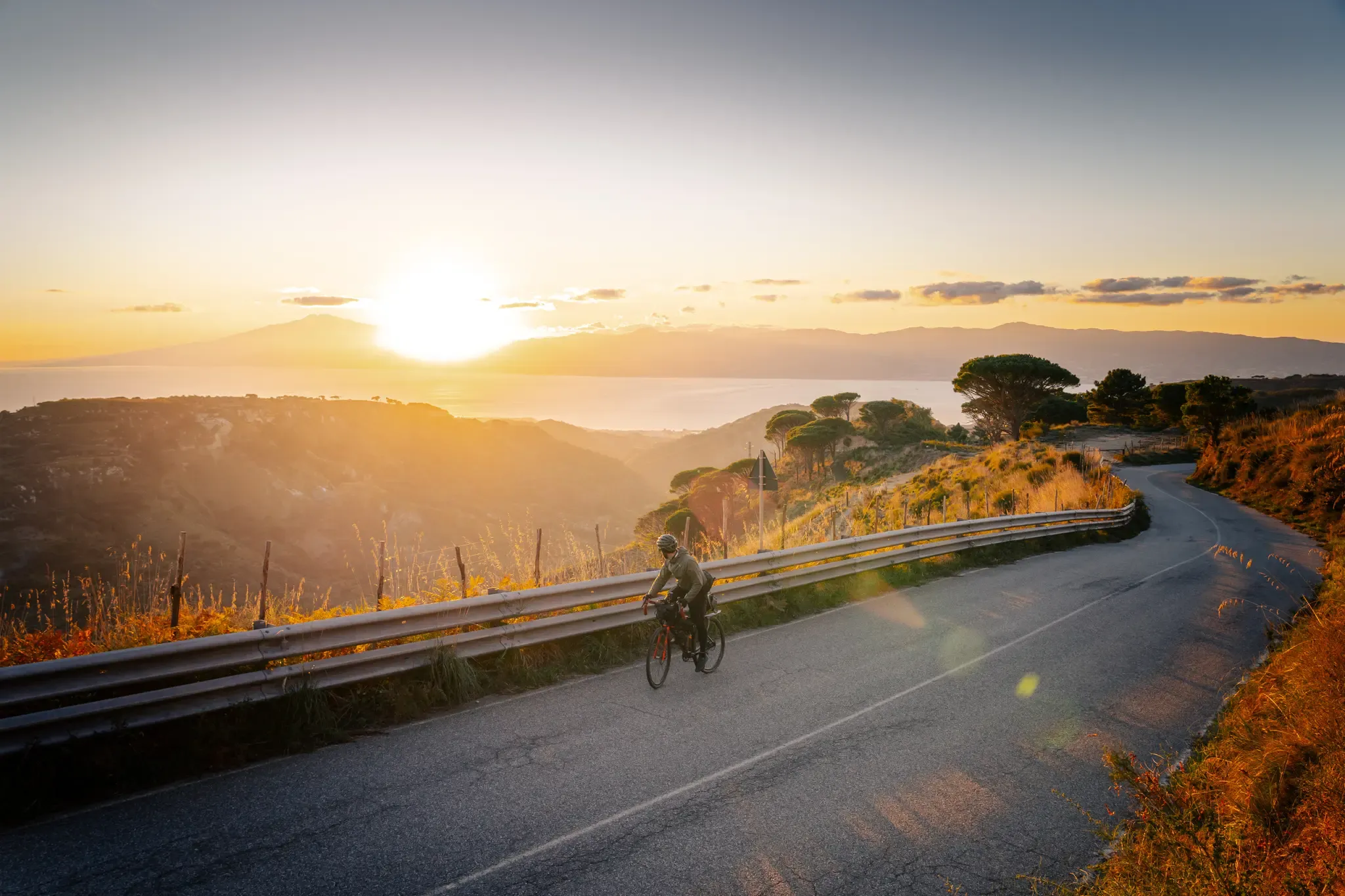
Cycle through the colourful heart of Italy’s Calabria – Ciclovia Parchi
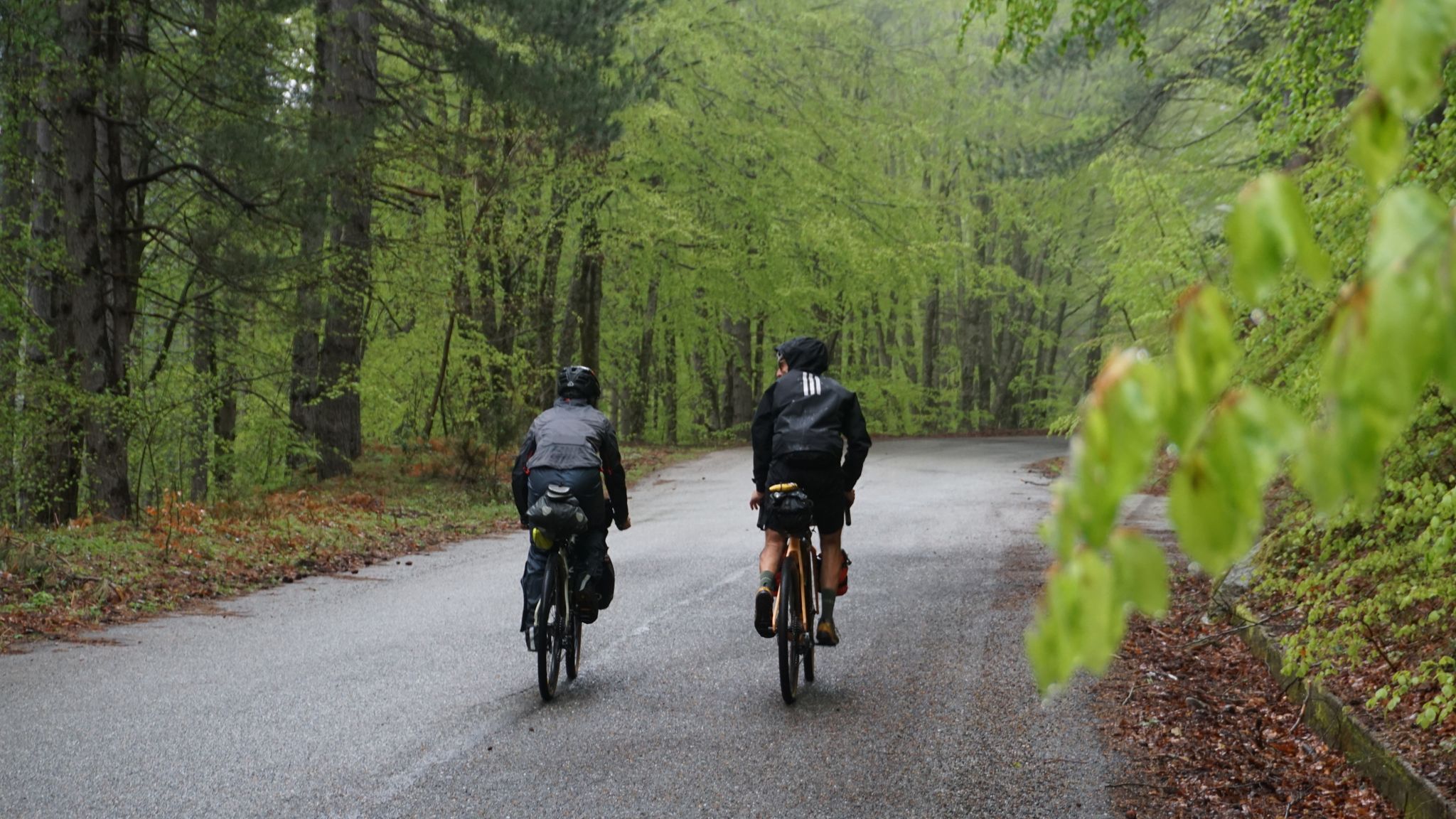
The unexpected mountain – Ciclovia Parchi Calabria
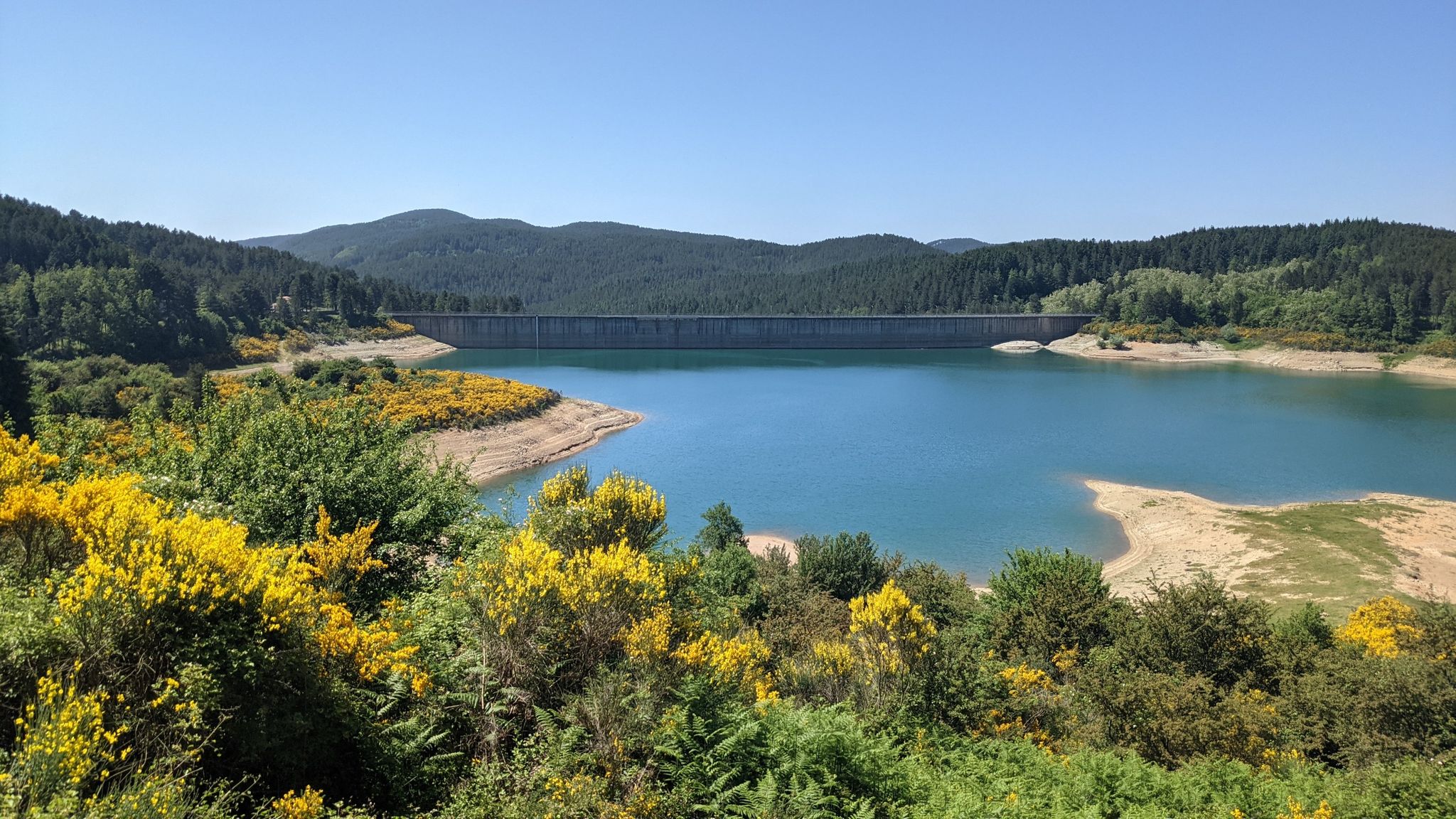
Along the backbone of Calabria – Sentiero Italia
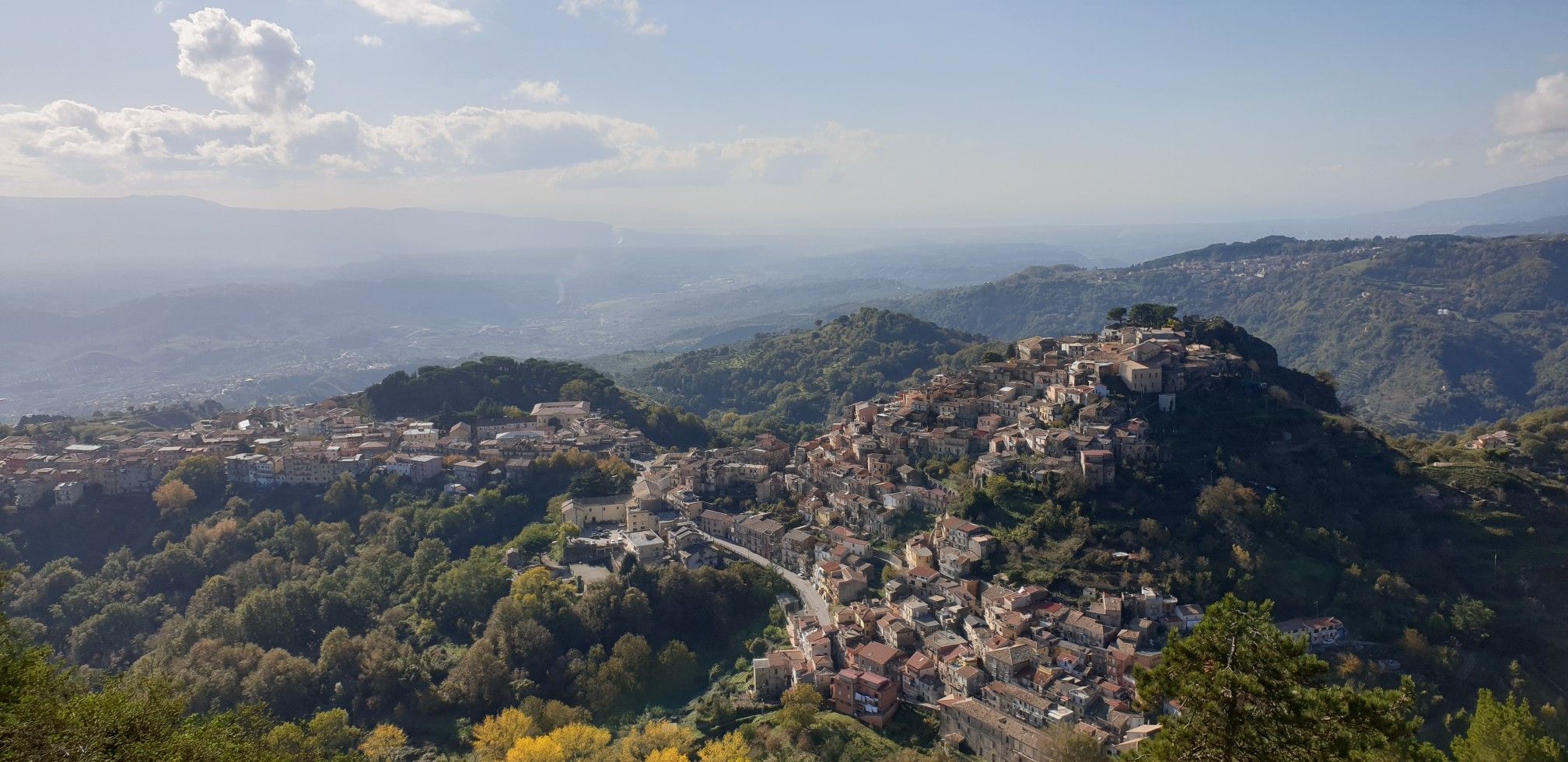
Explore art and culture in Italy – cycling Tours in Calabria's National Parks
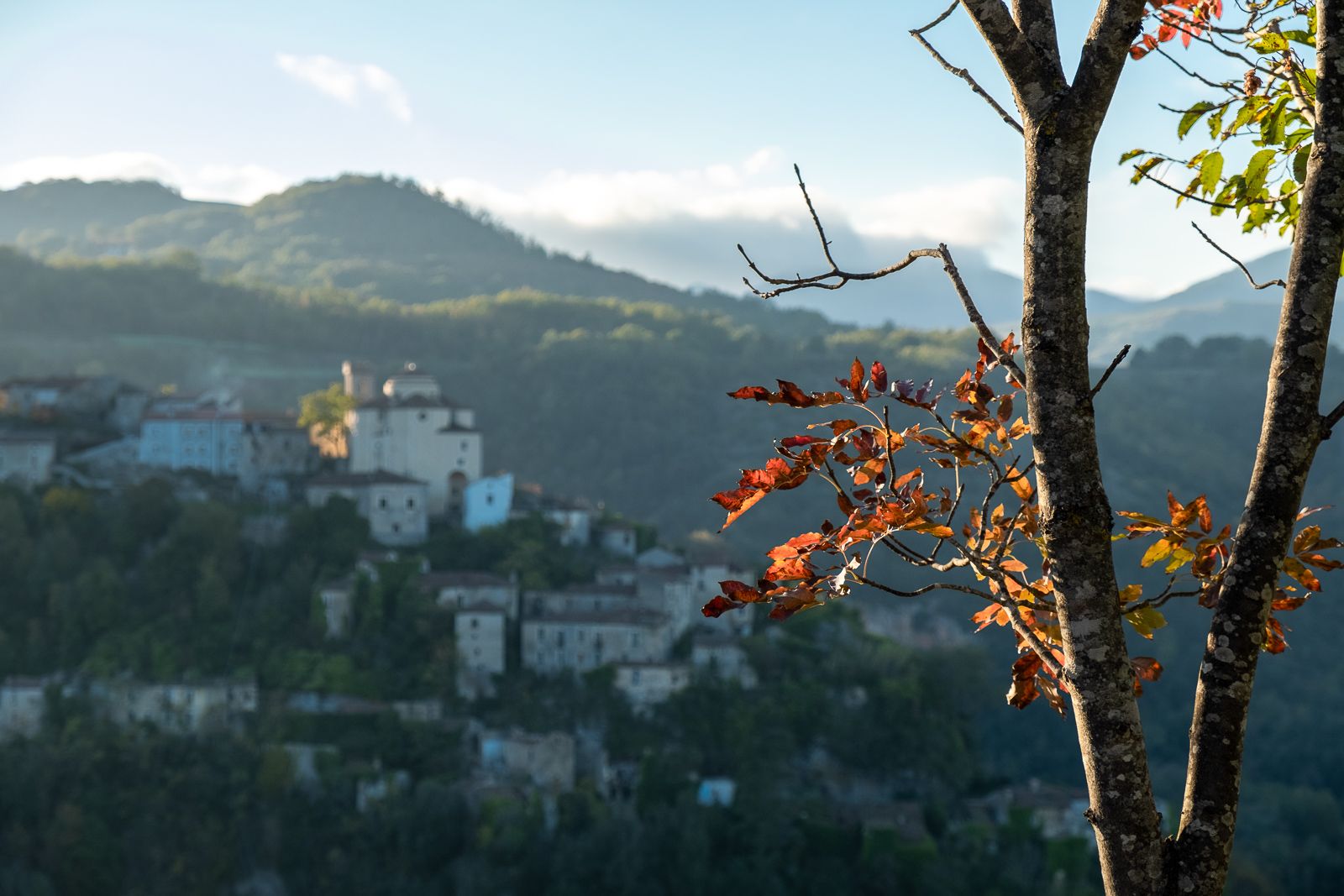
History and faith – exploring Calabria's National Parks in southern Italy
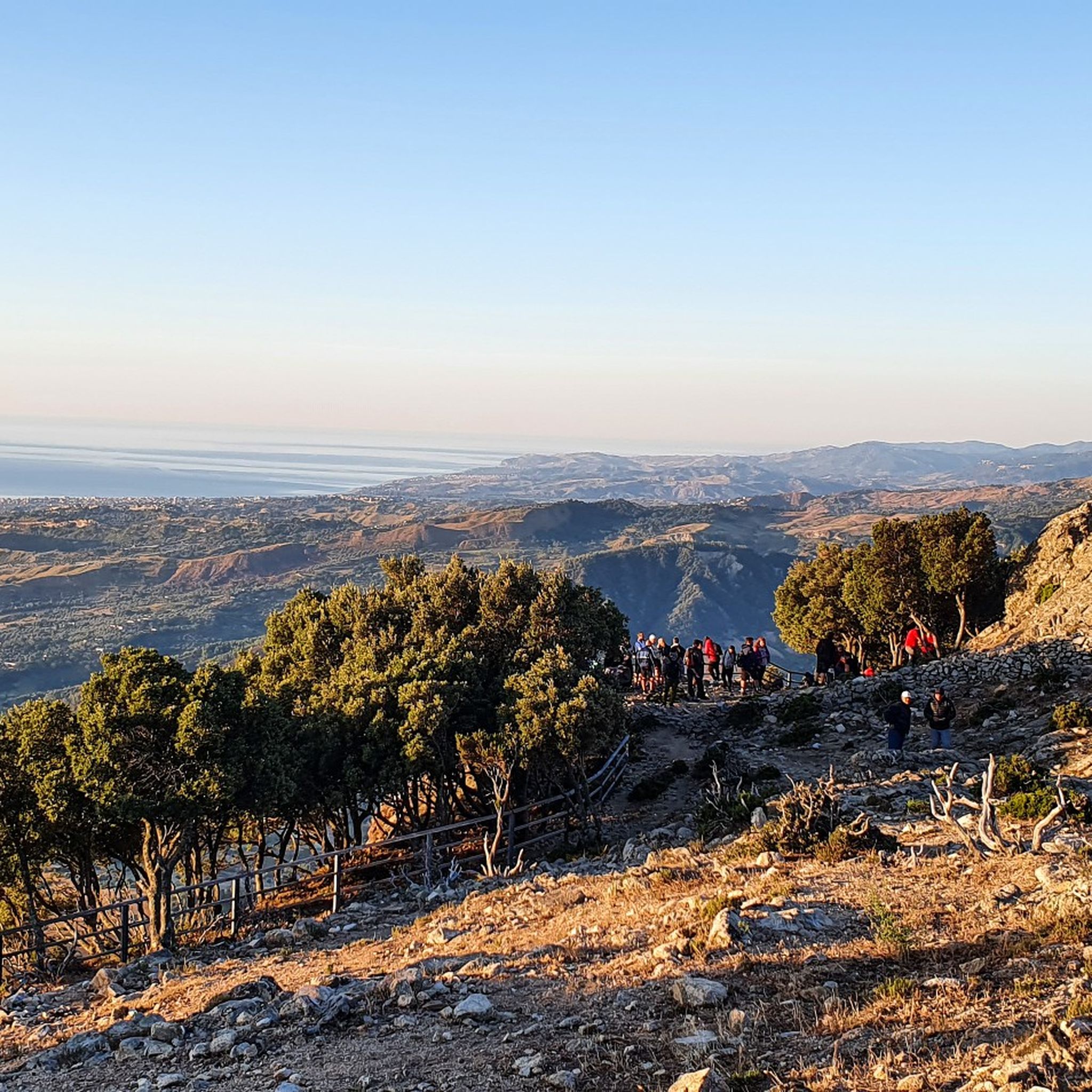
Hiking around Parco nazionale dell'Aspromonte
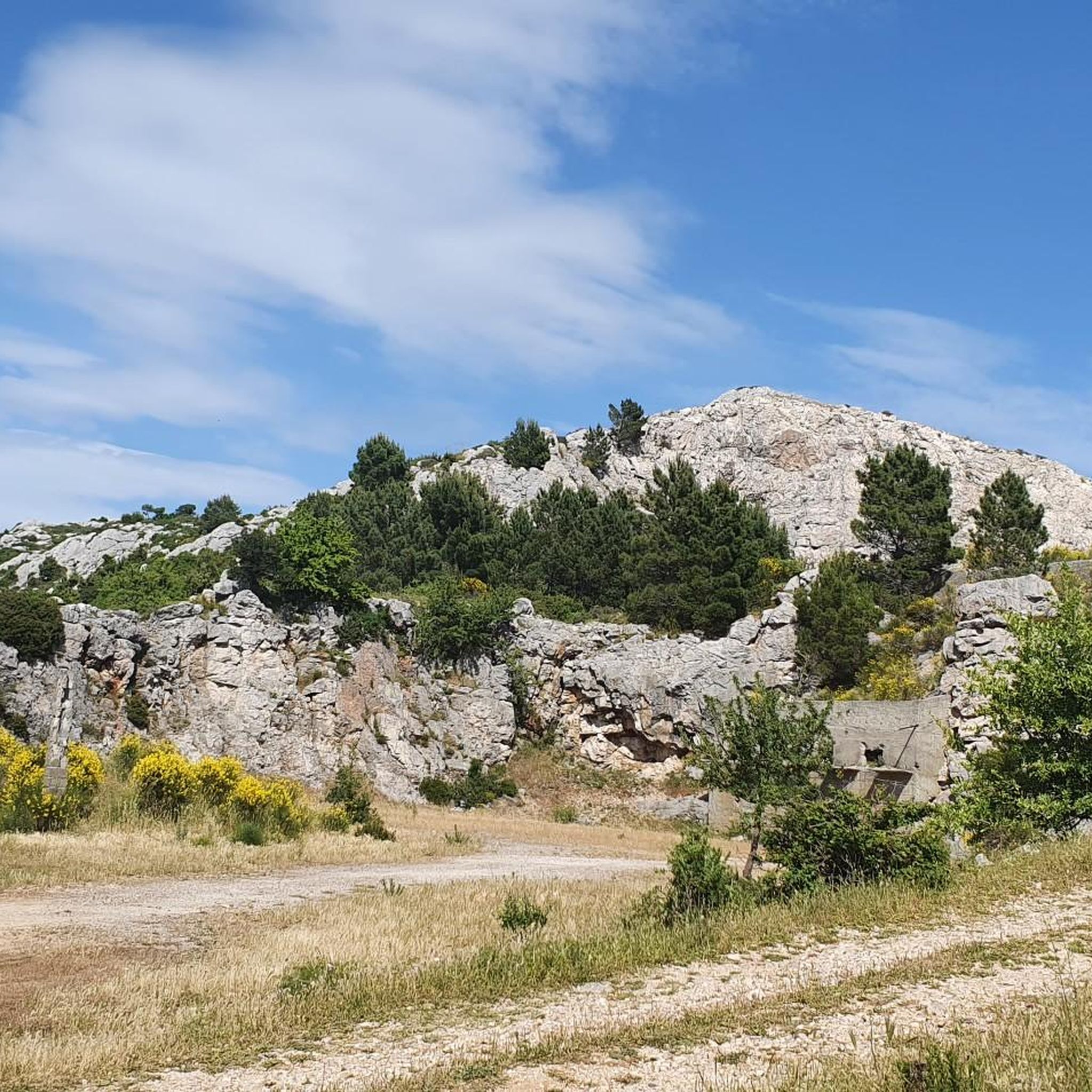
Cycling around Parco nazionale dell'Aspromonte
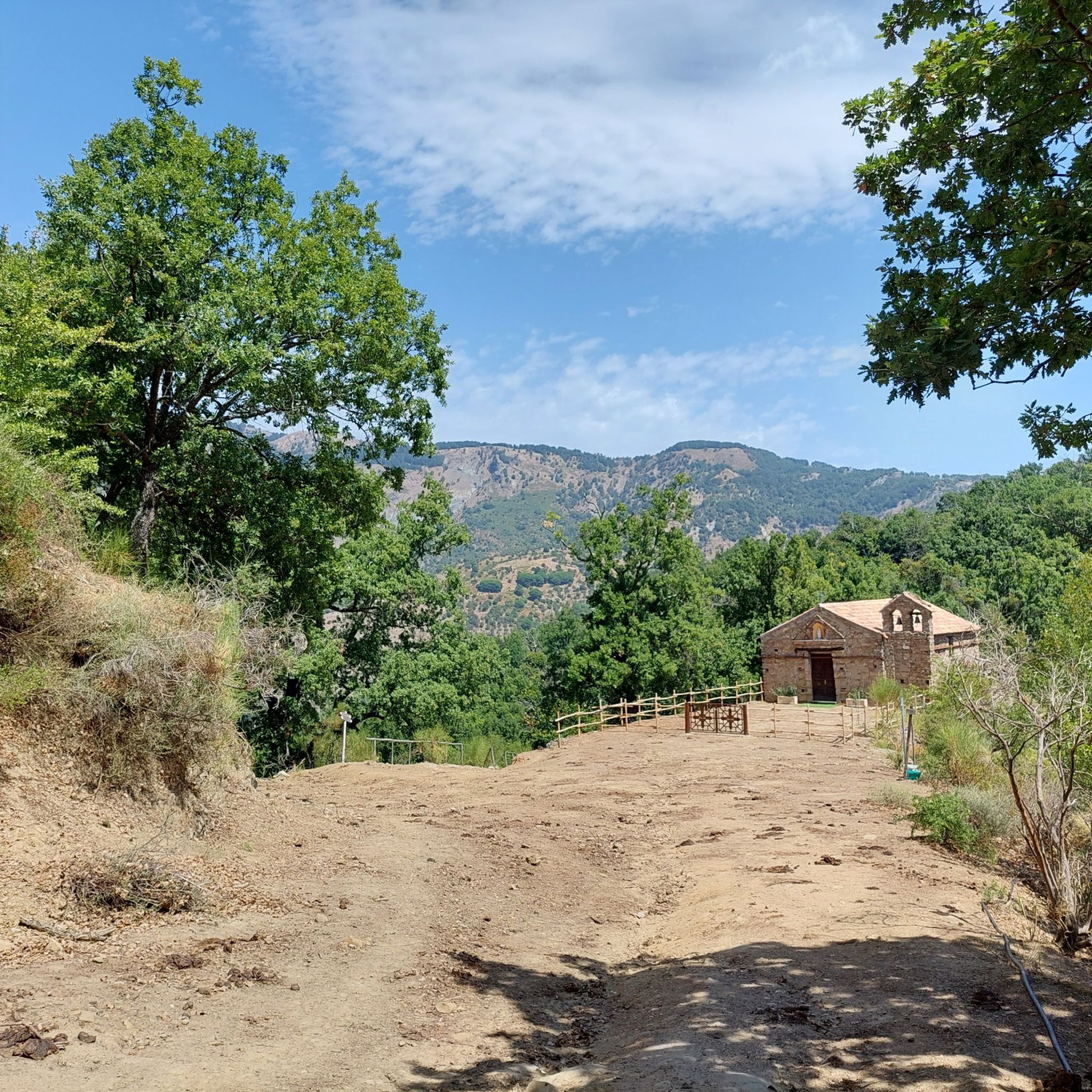
MTB Trails around Parco nazionale dell'Aspromonte
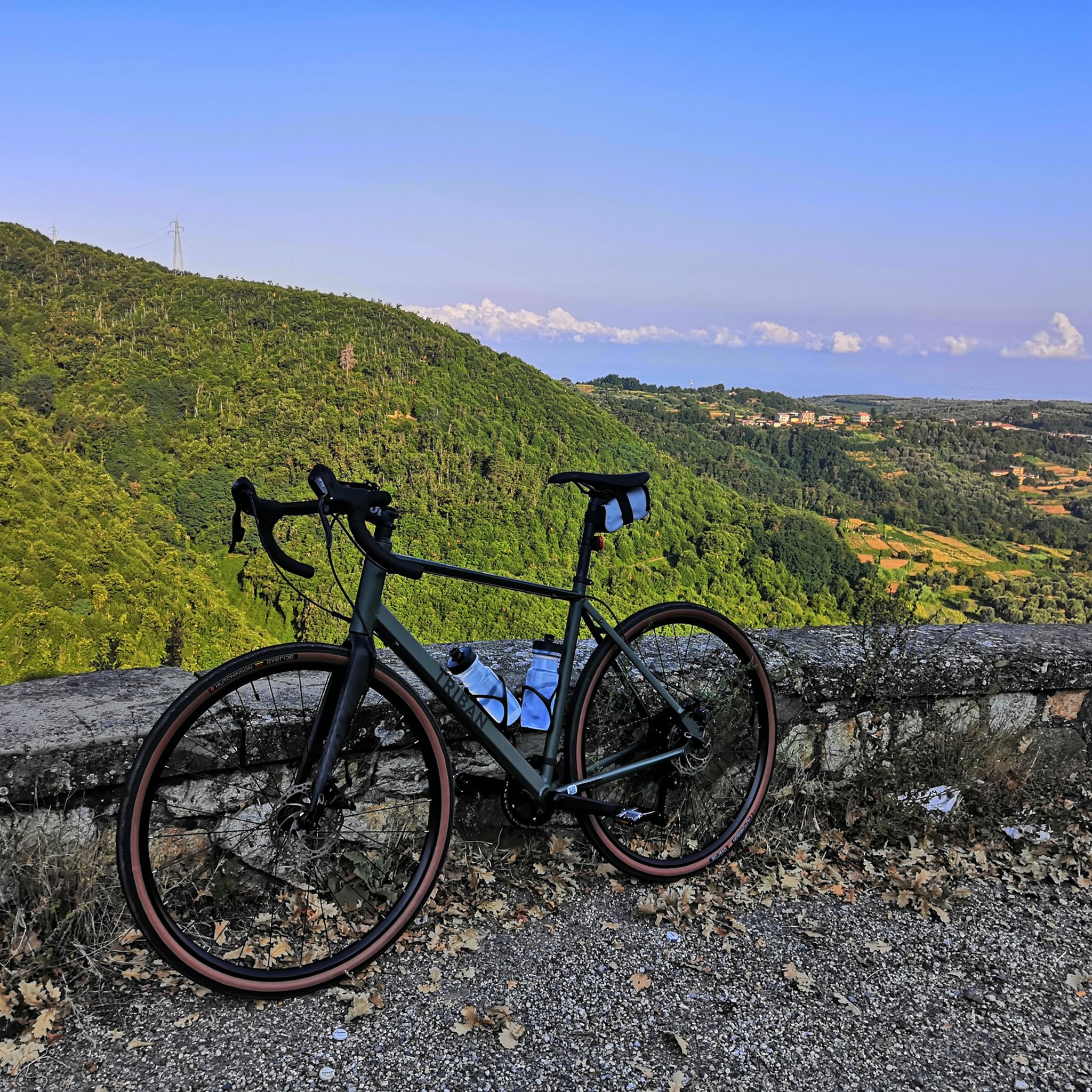
Road Cycling Routes around Parco nazionale dell'Aspromonte
Other adventures around Parco nazionale dell'Aspromonte


Tips from the Community

Komoot got me there even if I set the route for road bikes, but it is highly discouraged to go there by bdc, I recommend at least Gravel or better MTB.
0
0

The whole village is worth a visit and the climb to the castle offers an exceptional view but only after having enjoyed the very fresh water that flows from the fountains of the village and above all from the "beautiful" fountain
0
0

Bova is one of the most beautiful villages in Italy and the 'capital' of Greek Calabria. It is located at about 800m above sea level and has a very ancient history. Its origins go back to the Neolithic, and are testified by the archaeological finds found at the Norman Castle which is located at the top of the town. The traditions and customs of the place testify to its Greek origins
0
0

The castle was probably built in the 7th century AD, its existence is attested as early as the 10th century AD when it was devastated by the Byzantines together with the city. With the arrival of the Normans around 1050, it was restructured and fortified. In the following centuries it suffered the devastation of several catastrophic earthquakes.
2
0

Although almost everything was destroyed, the Castello dell'Amendolea, also known as Ruffo di Amendolea, is one of the greatest Greek symbols of the province of Reggio Calabria. Victim of numerous Saracen raids, with extensive renovations, the castle in ruins to this day, occupies much of the cliff where it was built for the dominant defensive position. https://turismo.reggiocal.it/en/kultur/castles-and-fortresses/das-castello-dellamendolea
1
0

Angevin Norman Castle Probably built in the pre-Norman age, around the 9th-10th century. AD, the sumptuous Morgezio Castle dominates the entire plain of Gioia Tauro and its majesty is visible from the entire surrounding area. According to legend, inhabited by King Morgete, a descendant of the Enotria lineage, this bastion made the entire town impregnable, according to the historian-theologian Domenico Cangemi, during the Saracen invasions. There is historical information of its existence since 1269, the last Swabian period of which it reflects the typical defensive architecture. There are also numerous documents from the Angevin age that report news of it. The defensive system is still visible, consisting of a wall with access doors and circular towers, whose grandiose remains stand out on the top of the hill. At various altitudes, there are environments of different shapes and functions, while at the top of the complex, on a spur of granite rock, there is the central body of the keep, the donjon, which had defensive and residential functions. Two levels are recognizable, each consisting of three rooms, and there was probably a third floor. The analysis of the structures has highlighted several subsequent construction phases to which a large tank belongs. Thanks to its deliberate location on a rock, its remains can be visited throughout the year also thanks to the care with which the competent authorities manage the entire surrounding natural park.
1
0
Absolutely worth seeing place of Greek origin in the heart of Aspromonte
0
0
Castle ruin with a wonderful view of the Gioia Tauro plain and the Thyrhennian Sea
1
0
Frequently Asked Questions
Which castles offer the most significant historical insights into the Aspromonte region?
The region's castles are rich in history. The San Giorgio Morgeto Castle dates back to the Byzantine era (9th-10th centuries), showcasing High Medieval Calabrian architecture. The Norman Castle in Bova, from the 11th century, is central to a Griko-speaking area preserving ancient language and Byzantine-Norman influences. The Norman Castle of Gerace, also with Byzantine origins, was significantly fortified by the Normans and is part of a well-preserved medieval village.
Which castles provide the best panoramic views of the Aspromonte landscape and the Ionian Sea?
Several castles offer breathtaking vistas. From San Giorgio Morgeto Castle, you can see the Gioia Tauro plain, the Thyrrhenian Sea, and even Stromboli. The Norman Castle in Bova, perched on Monte Rotondo, offers crucial economic and military control views over the Ionian coast. The Norman Castle of Gerace provides panoramic views of the Ionian Sea and the surrounding Aspromonte landscape from its 500-meter-tall rock.
Can I learn about the local culture and unique traditions when visiting these castles?
Yes, many castle sites are intertwined with local culture. Bova, home to the Norman Castle, is the cultural capital of 'Bovesìa,' a Griko-speaking area. The village of San Giorgio Morgeto, where the San Giorgio Morgeto Castle is located, now uses the castle's basements and cisterns as a cultural hub for events and exhibitions. Pentedattilo, with the ruins of Castello degli Alberti, has been partially restored by volunteers and artists, becoming an artistic and cultural center.
Are there family-friendly castles to visit around Parco Nazionale dell'Aspromonte?
While specific 'family-friendly' categories aren't listed, the ghost town of Pentedattilo, with its unique rock formations and artisan shops, can be a captivating visit for families. The dramatic history of the 'Massacre of the Alberti' and the village's revival by artists offer engaging stories. San Giorgio Morgeto also hosts cultural events that might appeal to families.
What outdoor activities can I combine with a visit to the castles?
The Aspromonte National Park offers numerous outdoor activities. You can explore hiking trails like the 'Gambarie - ring tour' or 'Cascate del Maesano' near many castle locations. For cyclists, there are road cycling routes such as the 'Gerace Historic Village – Passo del Mercante loop'. You can find more details on these activities in the Hiking around Parco nazionale dell'Aspromonte and Road Cycling Routes around Parco nazionale dell'Aspromonte guides.
What is the best time of year to visit the castles in the Aspromonte region?
The Aspromonte region, with its mountainous terrain, is generally pleasant in spring and autumn when temperatures are milder for exploring ruins and villages. Summer can be warm, but the higher elevations offer some respite. Winter might bring colder weather, especially at higher altitudes, but can offer a unique, stark beauty.
Are there any ghost towns or abandoned castles to explore?
Yes, the region features evocative ghost towns. Pentedattilo, with the ruins of Castello degli Alberti, is a striking example. Its name, meaning 'five fingers,' comes from the rock formation it clings to. Another is the ancient village of Precacore, now a ghost town, with the ruins of its castle perched on a rocky pinnacle, offering a melancholic atmosphere amidst nature.
How long should I plan for a visit to one of these castles?
The duration of your visit depends on the castle and its surrounding village. For a site like San Giorgio Morgeto Castle or the Norman Castle in Bova, allow 1-2 hours to explore the ruins and the immediate village. For larger sites like Gerace, with its cathedral and medieval streets, or the ghost town of Pentedattilo, you might want to dedicate half a day to fully experience the history and atmosphere.
What kind of architecture can I expect to see at these castles?
The castles in the Aspromonte region showcase a blend of architectural styles reflecting their long history. You'll find examples of Byzantine origins, significant Norman fortifications, and Aragonese modifications. The San Giorgio Morgeto Castle is a notable example of High Medieval Calabrian architecture, while the Norman Castle in Gerace features remains of a central keep with megalithic blocks.
Are there cafes or restaurants near the castles for refreshments?
Many of these castles are located within or adjacent to ancient villages. For example, Bova, Gerace, and San Giorgio Morgeto are active villages that offer local eateries and cafes where you can enjoy traditional Calabrian cuisine and refreshments. Pentedattilo, while a ghost town, has seen a revival with local artisans and artists, and you might find small shops or pop-up cafes during peak seasons.
What makes the Castello degli Alberti in Pentedattilo unique?
The Castello degli Alberti stands out due to its dramatic location atop Monte Calvario in the ghost town of Pentedattilo. The village's name, meaning 'five fingers,' refers to the unique rock formation. The castle is famously associated with the tragic 'Massacre of the Alberti' in 1686, a tale of family rivalry that adds to its haunting allure. It's a captivating destination for those interested in history, legends, and unique landscapes.
What should I wear when visiting the castles in Aspromonte National Park?
Given that many castles are ruins perched on rocky outcrops or involve exploring ancient villages, comfortable walking shoes with good grip are highly recommended. Layers of clothing are advisable, as weather conditions can change, especially in mountainous areas. Sun protection (hat, sunscreen) is also wise during warmer months, and a light jacket might be useful even in summer, particularly for evening visits.
Most popular routes around Parco nazionale dell'Aspromonte
Most popular attractions around Parco nazionale dell'Aspromonte

Get inspired with the komoot mobile app


Explore more
Looking for the best castles somewhere else? Discover other guides around Parco nazionale dell'Aspromonte:
