Top 7 Lakes around Espai Natural de les Guilleries-Savassona
Lakes around Espai Natural de les Guilleries-Savassona are primarily defined by the Sau Reservoir, an artificial lake created by damming the Ter River. This significant body of water is nestled within the Guilleries mountain range, offering a landscape of forests, cliffs, and meadows. The reservoir is notable for its historical feature, the submerged 11th-century church of Sant Romà de Sau, which becomes visible during low water levels. It serves as a central point for outdoor activities and natural observation within…
Last updated: July 12, 2026
Church of Sant Romà de Sau (Submerged Bell Tower)
Highlight • Religious Site
Translated by Google •
Tip by

Sau Dam
Highlight • Lake
Translated by Google •
Tip by
Sign up now to discover places like this
Get recommendations on the best single tracks, peaks, & plenty of other exciting outdoor places.
Sign up for free
Sau Reservoir
Highlight • Lake
Tip by

View of the Cingles de Tavertet from Sau Reservoir
Highlight • Viewpoint
Translated by Google •
Tip by

Susqueda Reservoir Trail
Highlight (Segment) • Trail
Translated by Google •
Tip by

Sign up for free to discover even more lakes around Espai Natural de les Guilleries-Savassona.
Sign up for free
Already have an account?
Start today with a free account
Your next adventure awaits.
Login or Signup
Popular around Espai Natural de les Guilleries-Savassona
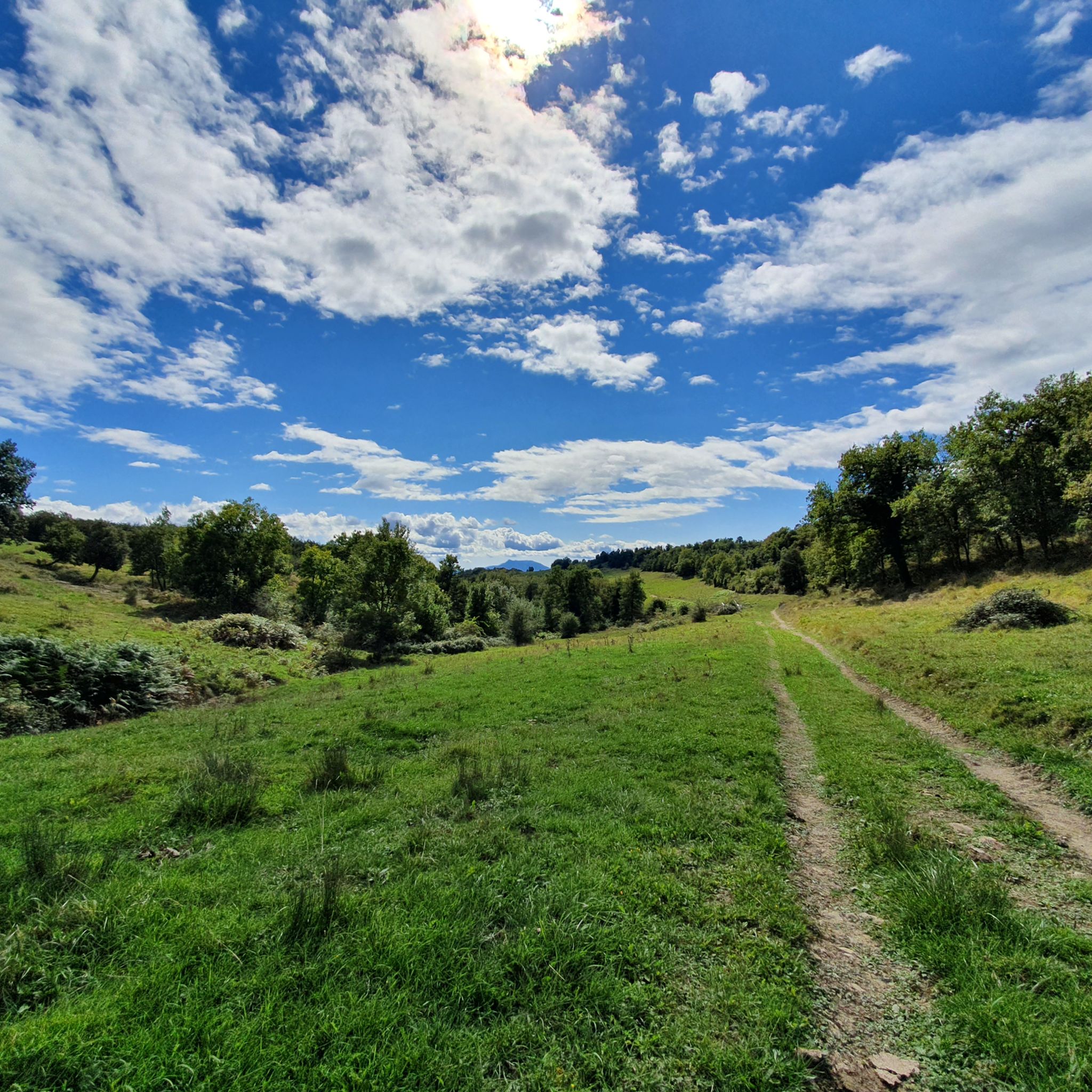
Hiking around Espai Natural de les Guilleries-Savassona
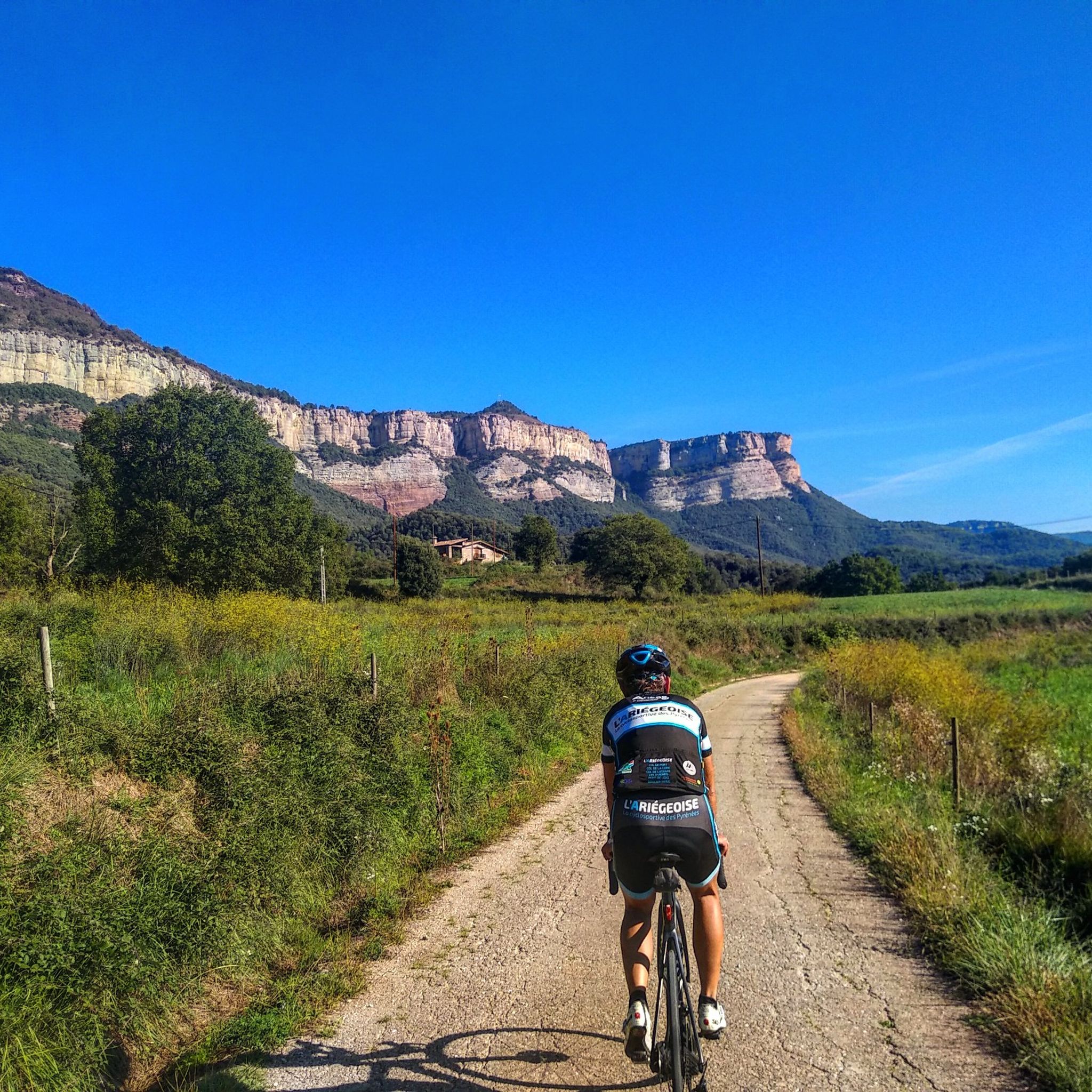
Road Cycling Routes around Espai Natural de les Guilleries-Savassona
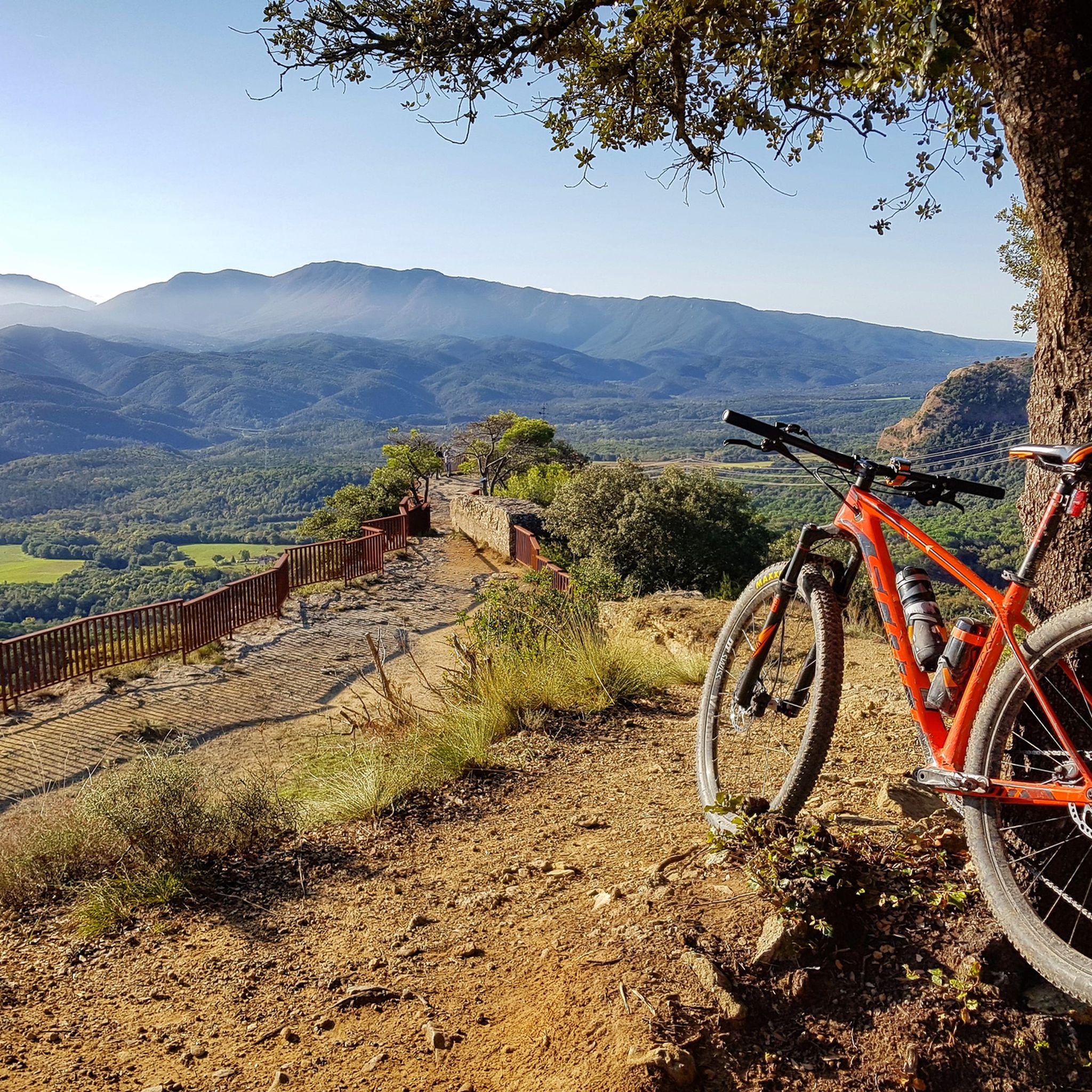
MTB Trails around Espai Natural de les Guilleries-Savassona
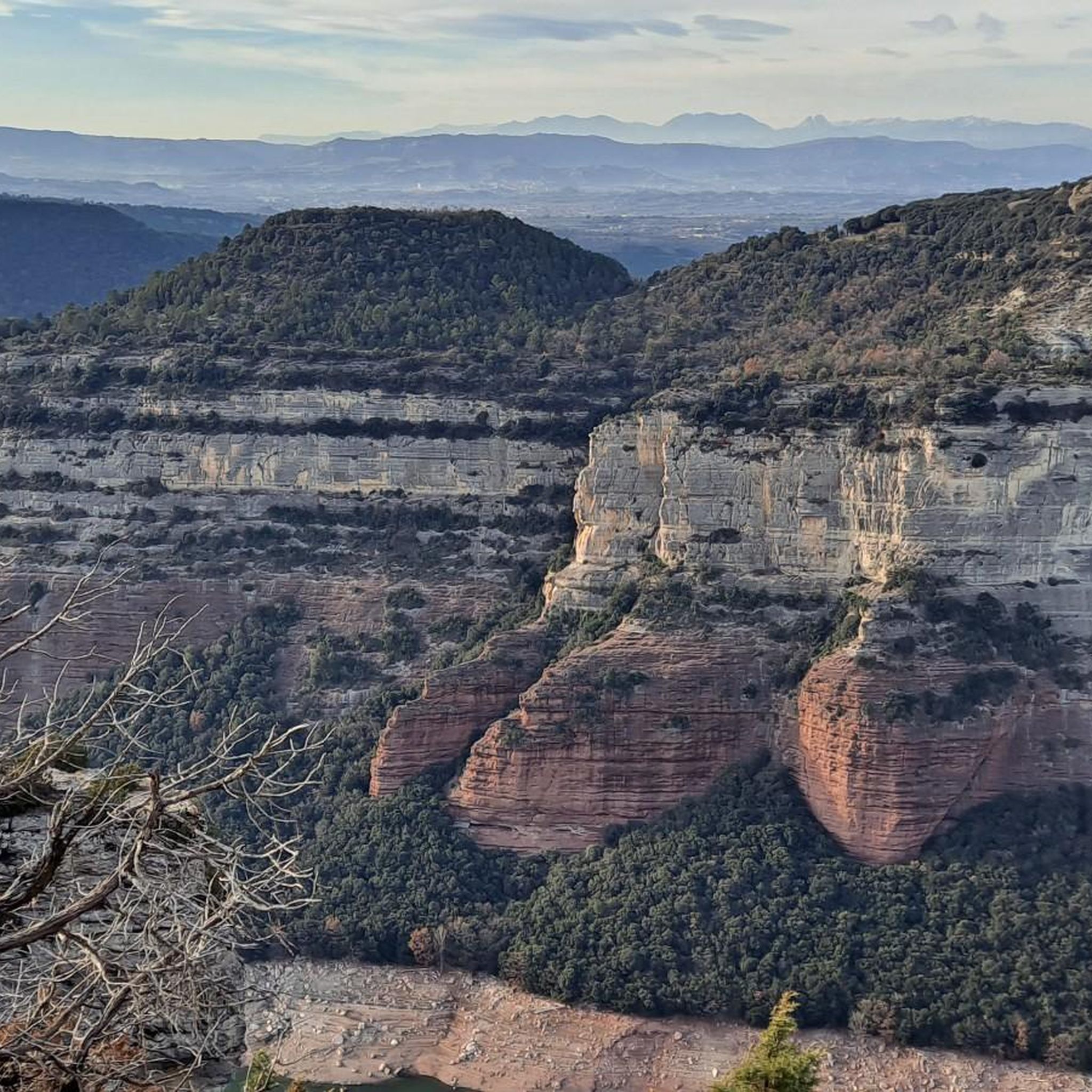
Cycling around Espai Natural de les Guilleries-Savassona
Running Trails around Espai Natural de les Guilleries-Savassona
Gravel biking around Espai Natural de les Guilleries-Savassona
Tips from the Community

Sau Dam Tip for Bikepackers When riding near the Pantà de Sau (Sau Reservoir), don’t miss stopping at the Sau Dam viewpoint. It’s a spectacular spot to catch your breath and take in the sweeping views of the turquoise reservoir framed by steep cliffs and lush forests. 🌊 If water levels are low, you might even spot the famous submerged bell tower of the old village of Sant Romà de Sau poking out of the water — a haunting and iconic sight that adds a unique story to your ride. 🛑 Keep in mind the area around the dam can be a bit steep and technical on gravel roads, so take it easy if you’re loaded up. 💡 Pro tip: Early morning or late afternoon light here is magical for photos and gives you cooler temperatures for climbing or descending.
1
0

A good, quiet trail with superb views, but with some rocks in places. Studded tires are still preferable. You'll find a water source along the way with a small ford to cross.
0
0

In this year 2024, the Sau reservoir has suffered one of the greatest droughts since there are records, in 1963 was the year it was inaugurated to leave Sant Romà de Sau under its waters, This Sau swamp in the Ter River... It would serve to supply water 💧 for many regions, since in those times we already had periods of lack of water to supply the basic needs of the population.
3
0

A great place even if the reason why this village reappears after 60 years is more than sad. Water shortage in Catalonia.
2
0
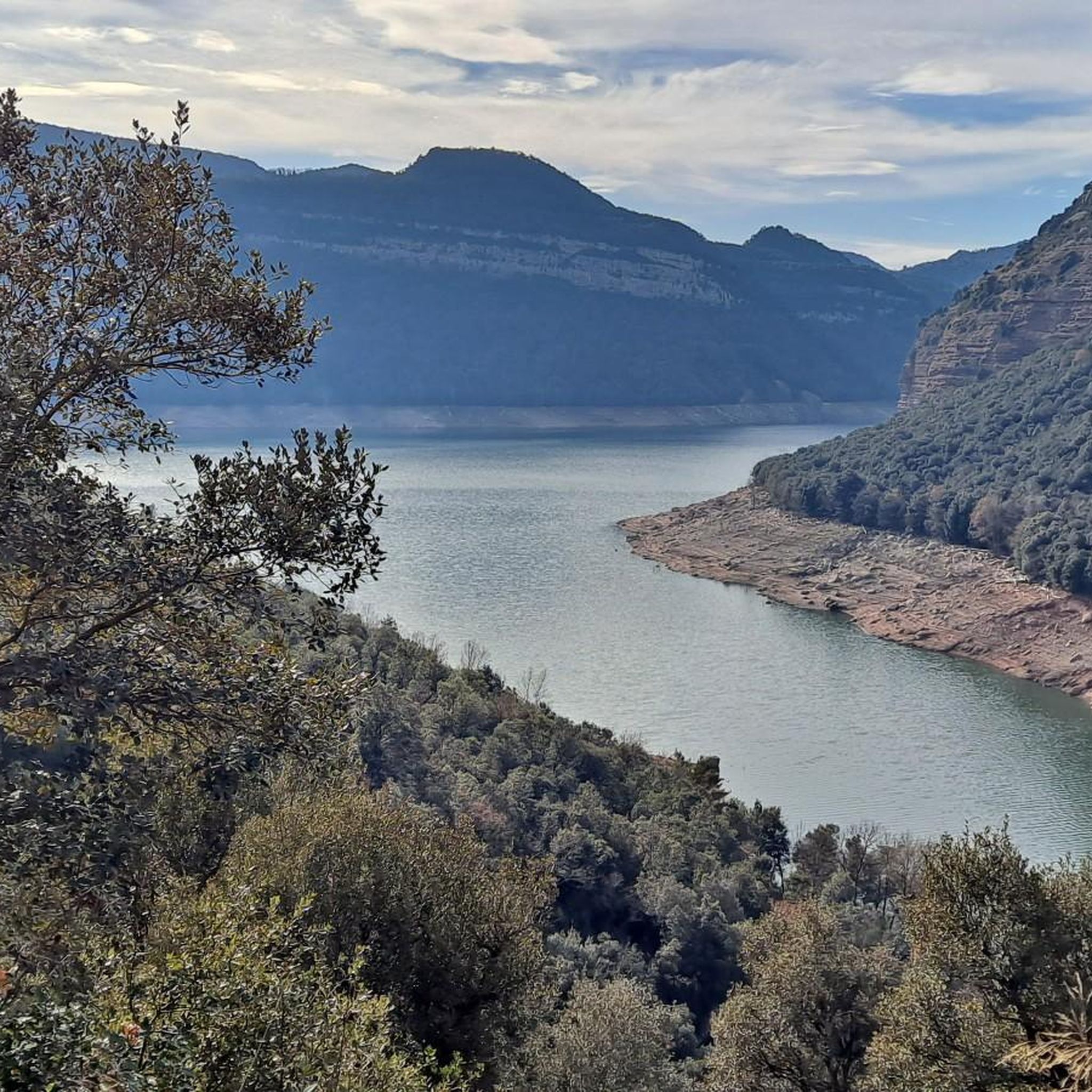
Amazing views of the Del Ter ravine
3
0

It is worth leaving the main trail and going down to see the old bell tower and the church of Sau on the other bank without trees in the middle
3
0

The Sau reservoir collects the waters of the River Ter at the foot of the Guilleries massif. When the reservoir was created in the sixties, the town of Sant Romà de Sau was flooded. Today you can still see the bell tower of the church jutting out of the water, creating an enchanted picture.
1
1

This Cingles de Tavertet des de Sau viewpoint shows a beautiful panoramic view of the Sau reservoir and the surrounding mountains. At the bottom of its waters lies the town of Sant Romà de Sau since 1960, when the water completely covered the small town, condemning houses, gardens and memories to live underwater. If it coincides that you are pedaling this Route in a dry period, you will be able to see the tip of the bell tower of the town's church.
2
0
Frequently Asked Questions
What is the most iconic feature of the lakes in Espai Natural de les Guilleries-Savassona?
The most iconic feature is the 11th-century Romanesque Church of Sant Romà de Sau (Submerged Bell Tower). This ancient church was submerged when the Sau Reservoir was created, and its bell tower, and sometimes the entire structure, becomes visible during periods of low water levels, serving as a unique historical landmark and a 'water thermometer' for Catalonia.
What kind of landscapes and natural features can I expect around the Sau Reservoir?
The Sau Reservoir is nestled within the picturesque Guilleries mountain range, offering a diverse landscape of rugged cliffs, lush forests, and open meadows. You can enjoy stunning panoramic views from various points, such as the View of the Cingles de Tavertet from Sau Reservoir, which showcases the dramatic cliffs surrounding the water.
What water sports and activities can I do at the Sau Reservoir?
The calm waters of the Sau Reservoir are popular for various water activities, including kayaking, paddle surfing, sailing, and water skiing. It's an excellent spot for both beginners and families to enjoy time on the water.
Are there hiking opportunities near the lakes in Espai Natural de les Guilleries-Savassona?
Yes, the area around the Sau Reservoir offers a network of hiking trails suitable for various levels. Popular routes include those leading to the Monastery of Sant Pere de Casserres and paths connecting to the Cingles de Tavertet. You can find more detailed hiking routes in the Hiking around Espai Natural de les Guilleries-Savassona guide.
Can I go cycling around the lakes in Espai Natural de les Guilleries-Savassona?
Absolutely. The region provides excellent opportunities for mountain biking and touring cycling. Trails offer spectacular panoramic views and allow you to explore the diverse terrain. For specific routes, check out the Cycling around Espai Natural de les Guilleries-Savassona guide.
When is the best time to visit the Sau Reservoir to see the submerged church?
The visibility of the submerged Church of Sant Romà de Sau depends entirely on the water levels of the reservoir. During periods of drought or low water, the bell tower, and sometimes the entire church, becomes fully exposed. There isn't a fixed 'best time,' as water levels fluctuate based on rainfall and water management.
Are there family-friendly spots or activities around the lakes?
Yes, the area is suitable for families. Besides water sports, you can find picnic areas with barbecues and children's playgrounds near the reservoir. Playa de la Rovira is a notable spot within the Sau Reservoir offering fantastic views and a place to relax by the water.
What historical significance does the Sau Reservoir hold?
The Sau Reservoir is significant for its unique historical feature: the submerged village of Sant Romà de Sau, including its 11th-century Romanesque church. When the reservoir was created in the 1960s, the village was flooded. The church is recognized as the oldest standing submerged church in the world, offering a powerful visual reminder of the area's past.
Where can I find viewpoints with the best panoramic views of the Sau Reservoir?
Several viewpoints offer breathtaking vistas. The View of the Cingles de Tavertet from Sau Reservoir provides a wide panorama of the reservoir and surrounding mountains. Another excellent spot is the View of the Sau Reservoir and the submerged church from the Pla del Castell viewpoint, which offers a spectacular perspective of the entire Pantà and the submerged church.
What kind of wildlife can I observe around the lakes?
The diverse habitats around the Sau Reservoir support a variety of wildlife, making it an excellent spot for nature lovers and birdwatching. The mix of water, forests, and cliffs creates a rich ecosystem for different species.
Are there places to eat or stay near the Sau Reservoir?
Yes, visitors can find restaurants at the Nautical Club located by the reservoir, as well as in nearby villages like Vilanova de Sau. These establishments offer options for dining and refreshments during your visit.
Is wild swimming allowed in the Sau Reservoir?
While the reservoir is popular for various water sports like kayaking and paddle surfing, specific regulations regarding wild swimming can vary. It's always advisable to check local signage and guidelines for permitted swimming areas to ensure safety and compliance.
Most popular routes around Espai Natural de les Guilleries-Savassona
Most popular attractions around Espai Natural de les Guilleries-Savassona

Get inspired with the komoot mobile app


Explore more
Still not found your perfect lake around Espai Natural de les Guilleries-Savassona? Check out the guides of these regions to see even more beautiful places.
