Top 10 Gorges in the Lesser Caucasus
Canyons in the Lesser Caucasus offer diverse geological features and historical significance across Georgia, Armenia, and Azerbaijan. This region is characterized by volcanic origins and varied terrains, providing insights into ancient cultures. The canyons are carved by rivers like the Mtkvari and Khrami, creating deep valleys and towering cliffs. Many sites combine natural beauty with historical landmarks, including ancient fortified cities and rock-cut monasteries.
Best canyons in the Lesser Caucasus
- The most popular canyons is Symphony of Stones, a natural monument known for its hexagonal basalt columns, some protruding up to 300 meters, formed by volcanic activity. These columns resemble organ pipes, created by the meeting of fire and water.
- Another must-see spot is Birtvisi Canyon, a canyon characterized by grey-brown, rounded rocks forming chains of hills and cliffs. Visitors can explore unmarked paths through ravines and discover partly karstified rock formations.
- Visitors also love Tatev Hermitage, a religious building and historical site located at the bottom of the Vorotan Gorge. This 17th-century monastery complex served as a secluded retreat and is accessible on foot.
- Lesser Caucasus is known for its erosion canyons, river gorges, and canyons featuring unique basalt column formations. The region offers a variety of canyons to explore, from those with historical cave cities to others with dramatic rock formations.
- The canyons in the Lesser Caucasus are appreciated by the komoot community, with 10 highlights featuring 76 photos and 52 upvotes.
Last updated: August 21, 2026
Symphony of Stones
Highlight • Natural Monument
Tip by

Birtvisi Canyon
Highlight • Canyon
A good starting point would actually be Tbisi; but the marshrutka sets off a kilometer earlier.
In the interior of the area there are only small paths; all are unmarked, sometimes difficult to find under the bushes and grass, and the castle can therefore only be found by those in the know. Streams appear and disappear.
Translated by Google •
Tip by

Sign up now to discover places like this
Get recommendations on the best single tracks, peaks, & plenty of other exciting outdoor places.
Sign up for free
Tatev Hermitage
Highlight • Religious Site
Tip by

Askana Castle Ruins
Highlight • Castle
Very little is known about the ancient history of the Askana castle. Archaeologists found there layers of IV century. The Turks Askana Castlecaptured it in 1774, but soon the princes Gurieli with the help of Imeretian kings repulsed it back. At the beginning of the XIX century it belonged to the princes Asatiani and was captured by the Gurian princes until about 1820. About it in the book of Vasily Potto “Caucasian war” there is a big story. With abbreviations, it looks like this:
“…This day memorable in the country, the struggle waged by Kaikhosro against two of the worst enemies of the order, two moravov: hasanskogo – David Asatiani and langusage of Taboadela of Gardonia. Folk tradition clothed the fall Askana legendary halo. In this legend are drawn in vivid terms, and the nature of Kaikhosro, and status in the then houris of morals.
Built in a deep gorge, on a steep rock, the Askan castle on a favorable location more than other fortresses represented a reliable stronghold and a brothel for robbers. In it, after a wild youth, lived out his life old David Asatiani. He was surrounded by a crowd of his relatives, as willful and disobedient as himself, and all sorts of people rejected by the homeland, hiding here from the persecution of the law.
Tip by

Ruins of Old Khot Village
Highlight • Historical Site
Tip by

View of the Vorotan Valley
Highlight • Viewpoint
Tip by

Secret Waterfall
Highlight • Waterfall
Tip by
Wild Fruits Along the Valley Path
Highlight (Segment) • Trail
Translated by Google •
Tip by

Old Stone Bridge Over the Vorotan Gorge
Highlight • Bridge
Tip by
Avanakar Rock Outcrop and Gorge View
Highlight • Viewpoint
Tip by
Sign up for free to discover even more gorges in the Lesser Caucasus.
Sign up for free
Already have an account?
Start today with a free account
Your next adventure awaits.
Login or Signup
Popular around Lesser Caucasus
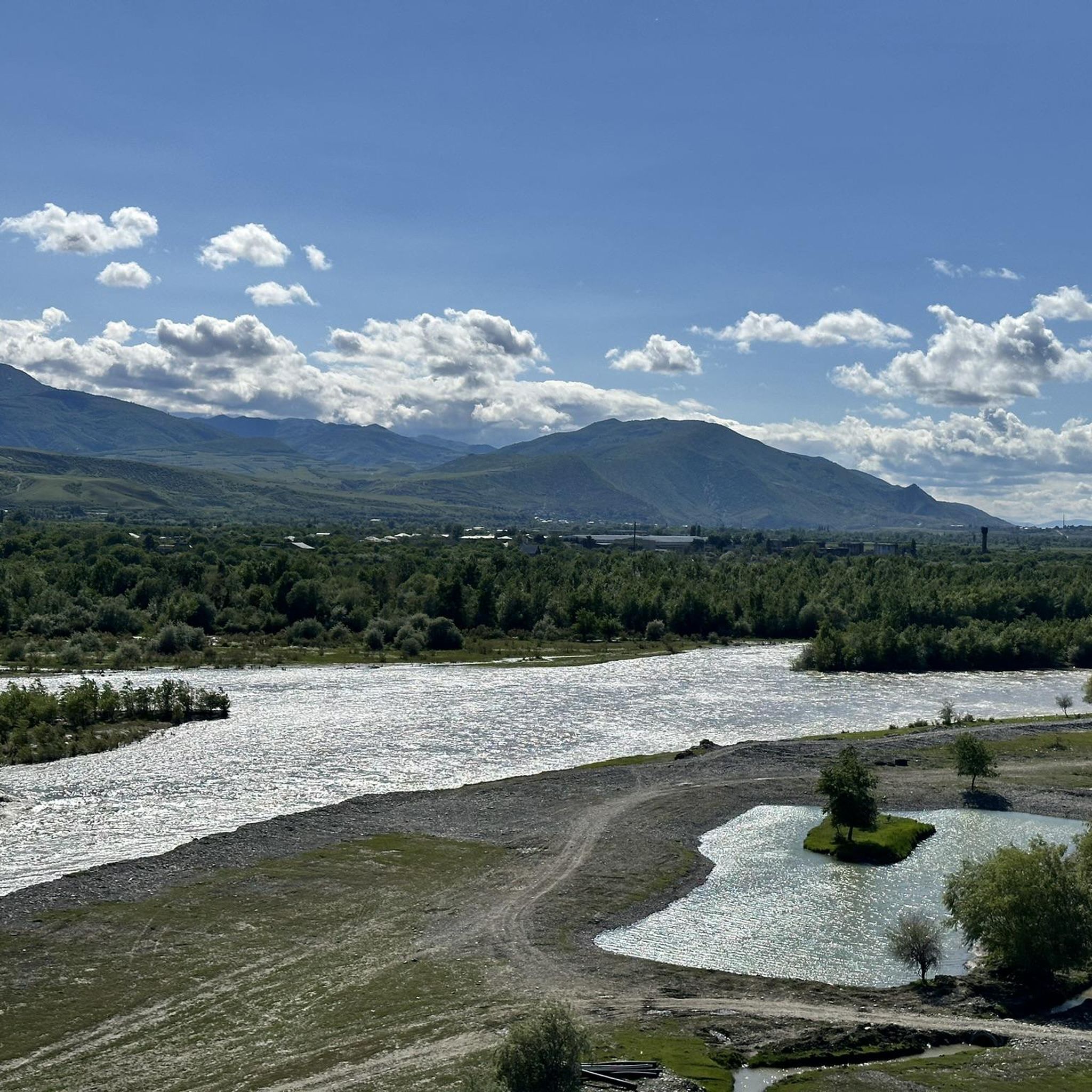
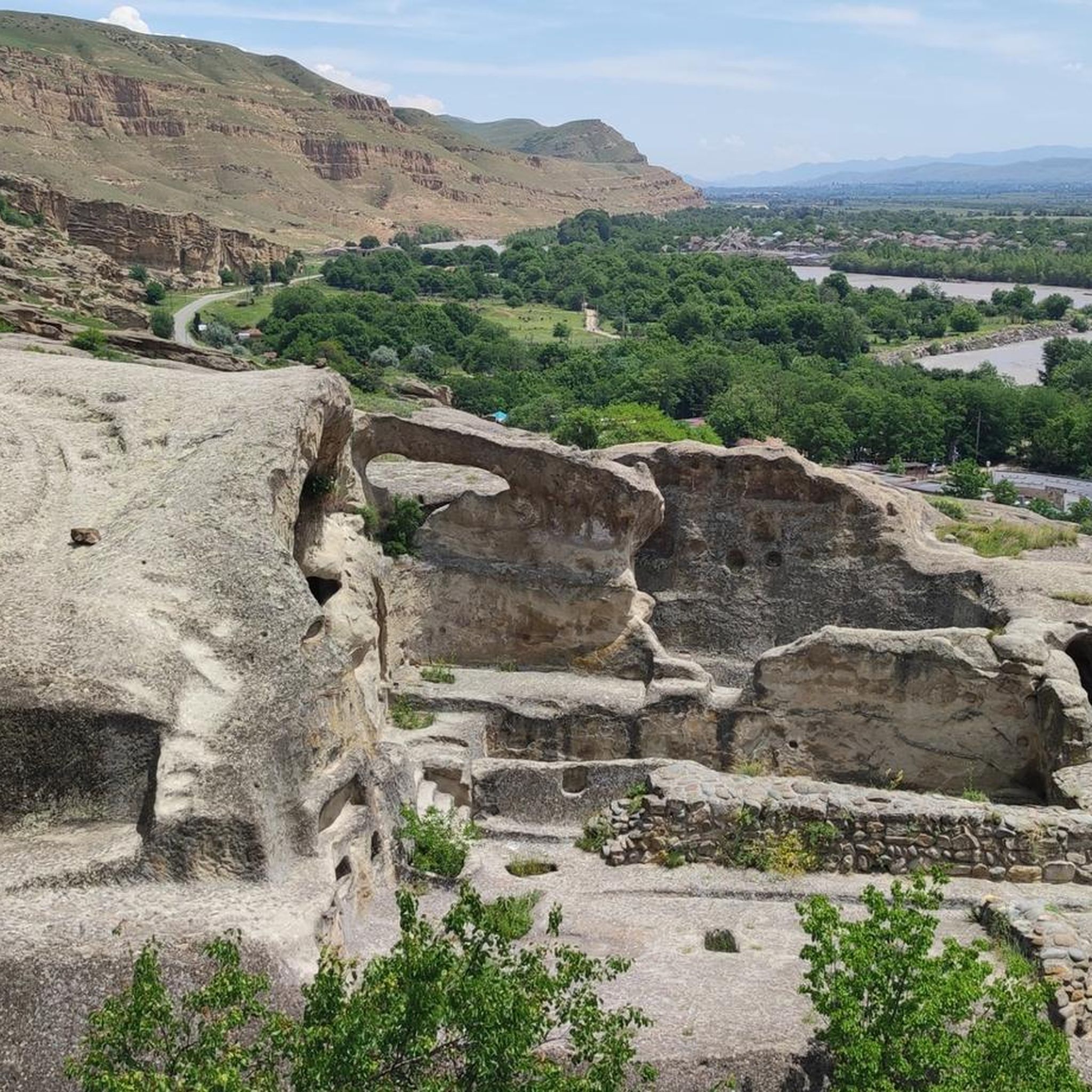
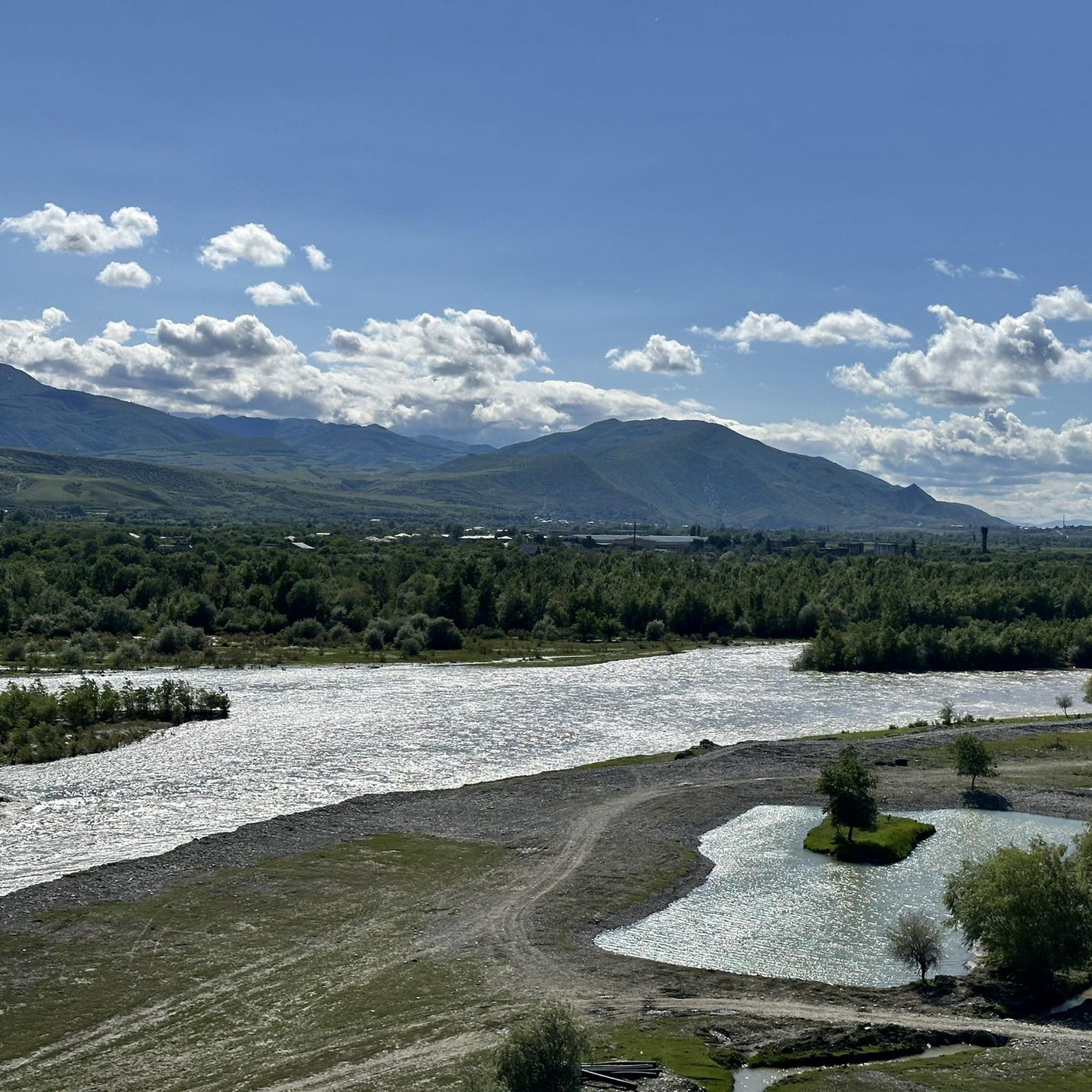



Tips from the Community

Under main waterfall 40-50 meters bellow by river it's another one waterfall, hidden from sights. There are also cave under giant stone where river is flowing aside and view on deep gorge below.
1
0

Grey-brown, rounded rocks form many chains of hills and cliffs, canyons and ravines, constantly going up and down. The rock is a smooth, hard sand-gravel-marl; somewhat similar to the Elbe Sandstone Mountains, but not as sandy, but with larger stones/pebbles in it; partly karstified. Some climbers tried their hand at the vertical walls (some of these walls were covered in ivy from top to bottom). A good starting point would actually be Tbisi; but the marshrutka sets off a kilometer earlier. In the interior of the area there are only small paths; all are unmarked, sometimes difficult to find under the bushes and grass, and the castle can therefore only be found by those in the know. Streams appear and disappear.
0
0

The geological formation is incredible. The path is next to the basalt wall, it will be safe until a rock falls on someone's head. Today, entry was 300 drams. The structure they built for pedestrians is good, I believe it is possible to travel the route with a wheelchair too. I entered from the side that comes from the valley, going down the street next to the entrance to the Temple of the Sun (separate entrance). There is another entrance for those coming by car, and this one has a slightly steep slope. I didn't like the number of cars passing among the pedestrians, it seems to me that it will turn into a place for mass tourism.
0
0
Excellent place with unique atmosphere of ancient times!
0
0
It is an abandoned castle on a high rock above the river. Very little is known about the ancient history of the Askana castle. Archaeologists found there layers of IV century. The Turks Askana Castlecaptured it in 1774, but soon the princes Gurieli with the help of Imeretian kings repulsed it back. At the beginning of the XIX century it belonged to the princes Asatiani and was captured by the Gurian princes until about 1820. About it in the book of Vasily Potto “Caucasian war” there is a big story. With abbreviations, it looks like this: “…This day memorable in the country, the struggle waged by Kaikhosro against two of the worst enemies of the order, two moravov: hasanskogo – David Asatiani and langusage of Taboadela of Gardonia. Folk tradition clothed the fall Askana legendary halo. In this legend are drawn in vivid terms, and the nature of Kaikhosro, and status in the then houris of morals. Built in a deep gorge, on a steep rock, the Askan castle on a favorable location more than other fortresses represented a reliable stronghold and a brothel for robbers. In it, after a wild youth, lived out his life old David Asatiani. He was surrounded by a crowd of his relatives, as willful and disobedient as himself, and all sorts of people rejected by the homeland, hiding here from the persecution of the law.
0
0

Short, steep climb from the road above the cemetery to the top of the rock outcrop known as Avanakar, where you'll find an assortment of historical relics and a great view along the gorge.
1
0

Here you have a few options for small snacks. Walnuts, figs, blackberries and grapes can be found along the way.
0
0

The monument is made up of huge symmetrical hexagonal and pentagonal basalt columns (almost 50 meters high), which appear to be handcrafted due to their extraordinary symmetry. These wonderful rocks were formed under high pressure conditions due to the cooling and crystallization of volcanic lava. These stones suspended against gravity resemble an organ, which explains why it is also called the “Basalt Organ”. The soundtrack is provided by the river that flows through the gorge and fills the splendor of the stone with the sound of water. Source: https://www.tourismconnection.it/en/armenia-la-sinfonia-delle-pietre/#:~:text=The%20monument%20is%20made%20up,and%20crystallization%20of%20volcanic%20lava.
1
1
Frequently Asked Questions
What unique geological features can I find in the Lesser Caucasus canyons?
The Lesser Caucasus canyons showcase diverse geological formations. For instance, Symphony of Stones is famous for its hexagonal basalt columns, some reaching up to 300 meters, formed by volcanic activity. Birtvisi Canyon features grey-brown, rounded rocks and partly karstified formations. Additionally, the Samshvilde Canyon in Georgia is known for striking quartz crystals.
What historical and cultural sites are located within or near the canyons?
Many canyons in the Lesser Caucasus are rich in history. The Vardzia-Khertvisi Gorge in Georgia hosts the UNESCO World Heritage site of Vardzia, a multi-tiered rock-cut cave city. In Armenia, the Tatev Hermitage, a 17th-century monastery, is nestled at the bottom of the Vorotan Gorge. The David Gareja Canyon in Georgia features ancient rock-cut monasteries, some dating back to the 6th century. You can also explore the Ruins of Old Khot Village, an abandoned medieval settlement.
Are there family-friendly canyon options in the Lesser Caucasus?
Yes, several areas offer experiences suitable for families. Martvili Canyon in Georgia provides boat rides along its serene waters and easy hiking trails. The Wild Fruits Along the Valley Path is noted as family-friendly, as is the View of the Debed Gorge.
What is the best time of year to visit the canyons in the Lesser Caucasus?
The best time to visit the canyons in the Lesser Caucasus is generally during the spring (April-May) and autumn (September-October) months. During these periods, the weather is mild, making hiking and exploration comfortable, and the natural scenery is particularly vibrant with spring blooms or autumn foliage. Summer can also be suitable, though some areas might experience higher temperatures.
What outdoor activities can I do near the canyons in the Lesser Caucasus?
Beyond canyon exploration, the region offers various outdoor activities. You can find numerous hiking opportunities, including easy to moderate trails like those around Chakvistavi Waterfall. For those interested in cycling, there are gravel biking routes, such as those near Tbilisi Sea or Lisi Lake. Explore more options on the Hiking in the Lesser Caucasus and Gravel biking in the Lesser Caucasus guide pages.
What are the typical difficulty levels for exploring canyons in this region?
The difficulty levels vary significantly. Some canyons, like Birtvisi Canyon, are considered challenging due to unmarked paths and rugged terrain. Others, such as the path to Tatev Hermitage, are accessible on foot but still rated intermediate to challenging. There are also easier options, like boat rides in Martvili Canyon or accessible viewpoints, making it possible for various fitness levels to enjoy the region.
Are there any hidden gem canyons or lesser-known spots worth visiting?
Yes, the Lesser Caucasus has several less-traveled but equally stunning canyons. Angels' Canyon (Hreshtakneri Dzor) in Armenia, near Yerevan, offers a secluded, 'Martian-like' landscape with jagged red rocks. Kintrishi Canyon in Georgia, part of the Kintrishi Protected Areas, provides a beautiful hiking experience through a gorge with waterfalls and diverse plant life, including the Georgian fritillary orchid.
What kind of views can I expect from the canyon viewpoints?
The canyons offer breathtaking panoramic views. From Okatse Canyon in Georgia, a 780-meter-long hanging cliff trail leads to a platform with sweeping vistas of the canyon's depth and waterfalls. The View of the Vorotan Valley provides expansive scenery, while Avanakar Rock Outcrop and Gorge View offers another impressive perspective of the dramatic landscapes.
Are there any specific historical bridges or structures within the canyons?
Yes, the region features historical structures integrated into the canyon landscapes. An Old Stone Bridge Over the Vorotan Gorge is a notable historical site. Additionally, the ancient fortified city ruins of Samshvilde are located near the Samshvilde Canyon in Georgia, offering a glimpse into the region's past.
What are some notable natural monuments in the Lesser Caucasus canyons?
Beyond the Symphony of Stones, which is a natural monument, the Okatse Canyon itself is an impressive erosion canyon with depths ranging from 20 to 100 meters and several waterfalls. The Samshvilde Canyon is also recognized as a natural monument, where the Khrami and Chivchavi rivers converge, creating deep valleys and towering cliffs.
Can I find any unique flora and fauna in the canyon areas?
Yes, the canyons and surrounding areas are home to diverse ecosystems. The David Gareja Canyon, for example, is known for its varied flora and fauna, including rare species. Kintrishi Canyon is a great spot for birdwatching and observing rare plant life, such as the Georgian fritillary orchid. The Khosrov State Reserve, near Angels' Canyon, allows for wildlife observation, including the Armenian tortoise and steppe eagles.
Most popular routes in the Lesser Caucasus
Most popular attractions in the Lesser Caucasus

Get inspired with the komoot mobile app


Explore more
Already discovered everything in this region? See additional gorges in the Lesser Caucasus for your next adventure:
