The 7 Most Amazing Peaks in the Ou Mountains
Best mountain peaks in the Ou Mountains form the backbone of northeastern Honshu, Japan, stretching approximately 500 kilometers. This extensive range traverses the Tōhoku region, characterized by diverse landscapes, temperate forests, and significant volcanic activity. The Ou Mountains offer a variety of natural features, including numerous hot springs and ski resorts. The region is home to 7 distinct mountain peaks.
Best mountain peaks in the Ou Mountains
- The most popular mountain peaks is Mt. Bandai's summit, a summit that is registered as a UNESCO Japanese Geopark since 2011. This peak has experienced two major sector collapses and debris avalanches, shaping its unique geological features.
- Another must-see spot is Mt. Kushigamine, a summit and volcano. This peak is recognized by its reddish-brown rocky paths and sharp, comb-like southern side, a result of a phreatic explosion in 1888.
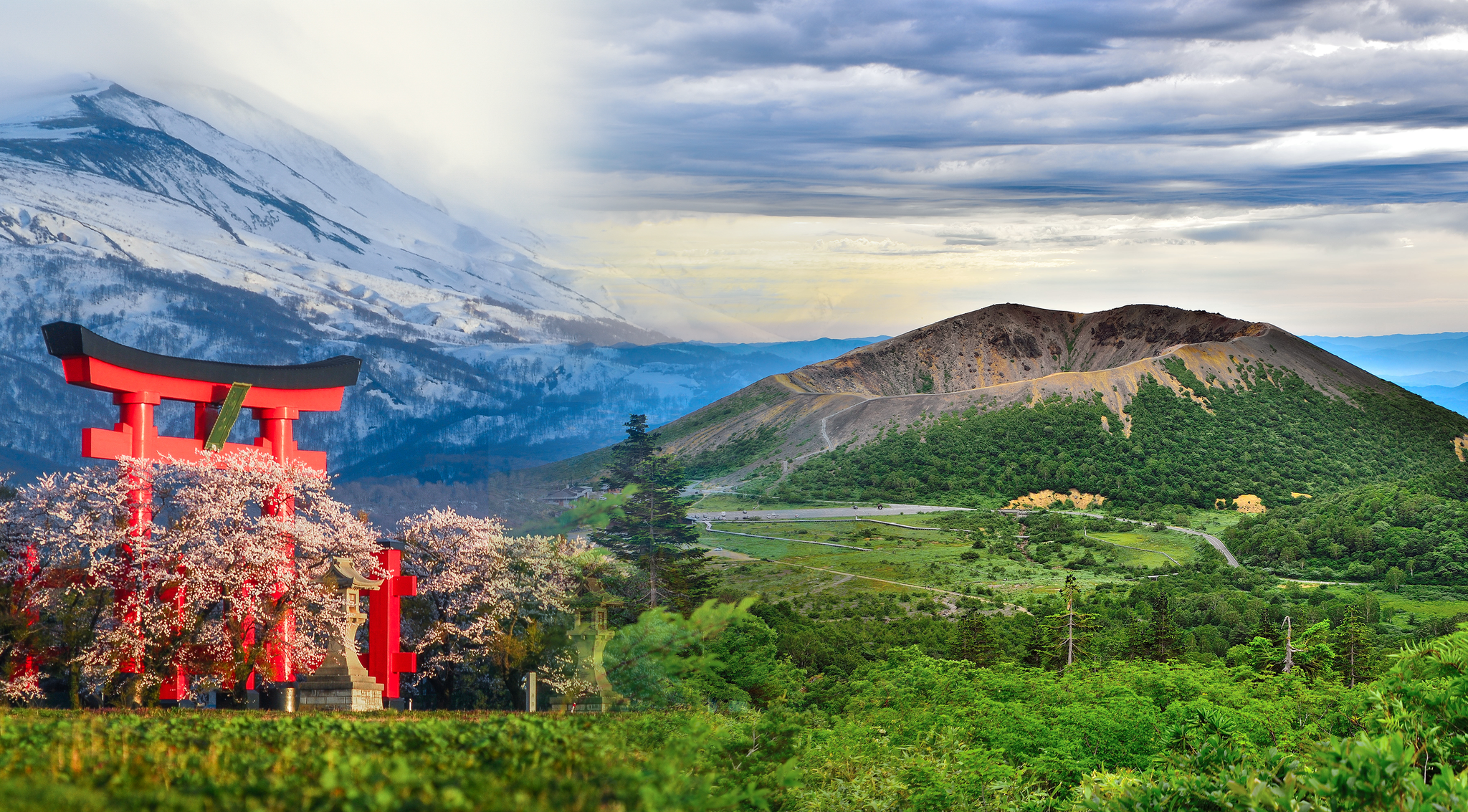
- Visitors also love Mount Adatara — Crater and Trails, a volcano and viewpoint. This mountain is one of Japan's 100 most famous mountains, featuring a beautiful orange crater and magnificent red leaves in autumn.
- Ou Mountains is known for its summits, volcanoes, and natural monuments. The region offers a variety of mountain peaks to explore, ranging from prominent stratovolcanoes to volcanic plateaus with geothermal activity.
- The mountain peaks in the Ou Mountains are appreciated by the komoot community. The region has received 5 upvotes and 3 photos from visitors.
Last updated: August 21, 2026
Mt. Bandai's summit
Highlight • Summit
The first sector collapse is said to have led to the formation of the famous Inawashiro lake.
The second one in 1888 was a phreatic eruption. Unlike the destructive magmatic eruptions in most volcanoes, the explosion in Mt. Bandai consisted of high-temperature steam, preserving a large part of the surrounding flora.
Tip by

Mt. Kushigamine
Highlight • Summit
Tip by
Sign up now to discover places like this
Get recommendations on the best single tracks, peaks, & plenty of other exciting outdoor places.
Sign up for free
Mount Adatara — Crater and Trails
Highlight (Segment) • Volcano
Tip by
Mt. Higashi-Daiten
Highlight • Summit
Tip by
Zao Mountain Summit Entrance
Highlight • Summit
Tip by

Ōtake-yama Summit
Highlight • Summit
Tip by

Hachimantai Mountaintop Rest House
Highlight • Rest Area
Tip by

Start today with a free account
Your next adventure awaits.
Login or Signup

Other adventures in the Ou Mountains

Tips from the Community

Summit is nice,but do not go down the trail to omoshiroyama-kōgen station (this trail is very dangerous). I reccommend going down in the eastern direction or towards Ametaki falls, as it is safer.
0
0

Mt. Bandai (or Bandaisan), is registered as a UNESCO Japanese Geopark since 2011. Mt. Bandai has known two major sector collapses and debris avalanches: one 50,000 years ago and the latest in 1888. The first sector collapse is said to have led to the formation of the famous Inawashiro lake. The second one in 1888 was a phreatic eruption. Unlike the destructive magmatic eruptions in most volcanoes, the explosion in Mt. Bandai consisted of high-temperature steam, preserving a large part of the surrounding flora.
0
0
Mt. Bandai is crossed by three peaks: Mt. Bandai's central peak, Kushigamine's peak, and Mt. Akahani's peak. Kushigamine can be recognized by its reddish/brownish rocky paths. The northeast side suffered a big phreatic explosion in 1888, leaving its landscapes marked by the consequences of landslides and debris avalanches. The mountain's name: "the comb peak," was given for the sharp shape of its southern side that looks like a comb's teeth.
0
0
Mt. Adatara is a fabulous mountain, one of Japan's 100 most famous mountains, located near Dake Onsen, with a ropeway station at the top, a beautiful orange crater and magnificent red leaves in autumn.
0
0
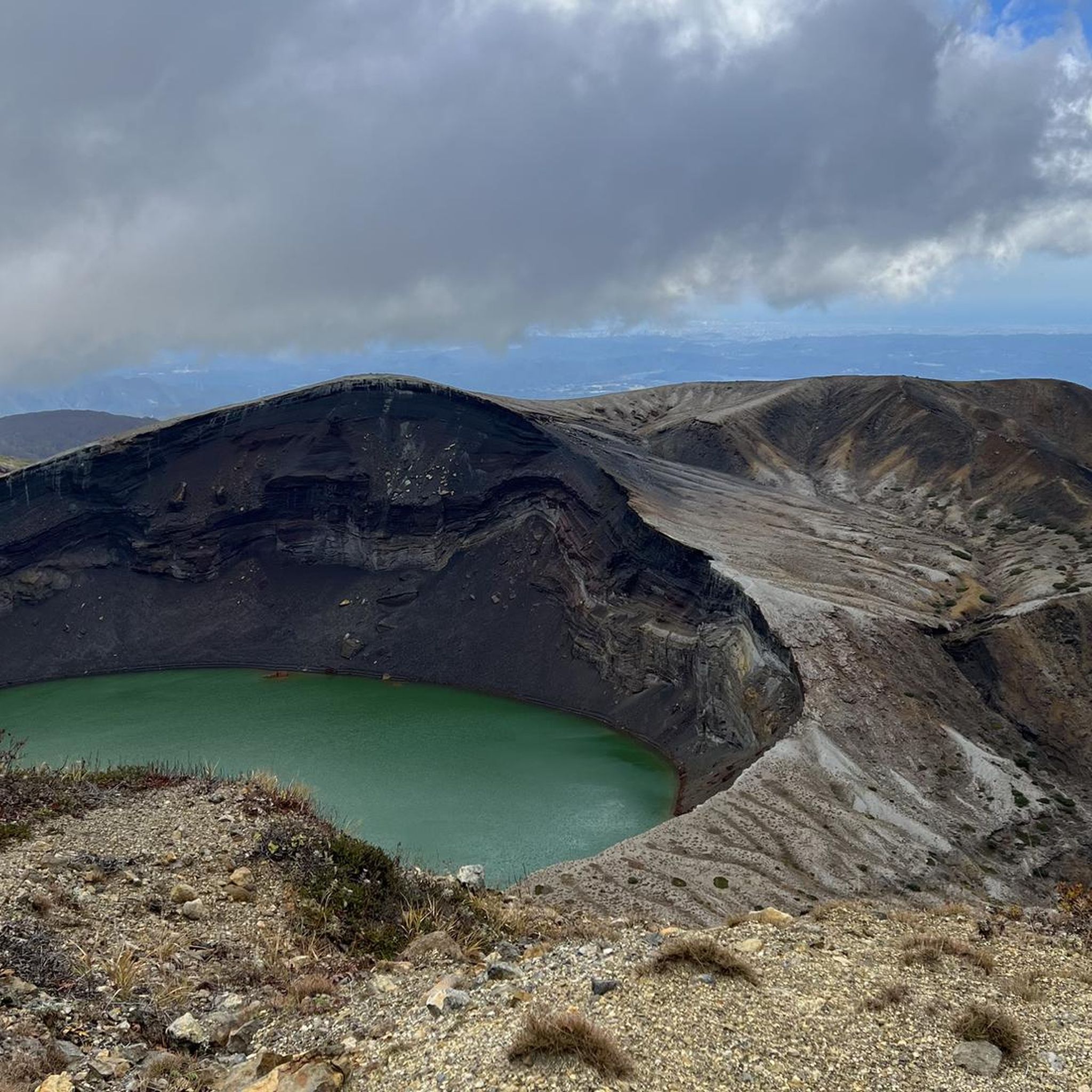
One of the many volcanoes / peaks that are a part of the Bandai-Asahi National Park and that is located between Yonezawa City (Yamagata Prefecture) and Fukushima Prefecture, culminating at 1928m high. A place where to find the native fir : Abies mariesii.
0
0

You cannot cycle past this point. There is a toll booth and they will stop you (there are signs that say no bicycles past this point). There are hiking trails, but seems difficult to carry a bike up them.
0
0

Rest house on top of Mount Hachimantai with bathroom, rest area, snacks, souvenir shops, fauna and flora information, and, most importantly, a great viewpoint!
0
0
Frequently Asked Questions
What are some of the most prominent mountain peaks to visit in the Ou Mountains?
The Ou Mountains offer several notable peaks. Mt. Bandai's summit is a UNESCO Japanese Geopark known for its dramatic volcanic history. Mount Iwate, the highest peak, offers breathtaking panoramic views and various hiking routes. Mount Hachimantai is a volcanic plateau popular for its diverse ecosystems and geothermal activity, often traversed with Mount Akita-Komagatake. Mount Adatara — Crater and Trails is another famous mountain, recognized for its beautiful orange crater and vibrant autumn leaves.
What unique geological features can I find in the Ou Mountains?
The Ou Mountains are characterized by significant volcanic activity. Mount Bandai, for instance, showcases the dramatic effects of past eruptions, including sector collapses and debris avalanches that shaped its landscape and contributed to the formation of Lake Inawashiro. Mt. Kushigamine, part of the Bandai complex, features reddish-brown rocky paths and a sharp, comb-like southern side, a direct result of a phreatic explosion in 1888. You can also find volcanic craters, steam vents, and sulfurous fumaroles, especially around the Hachimantai volcanic plateau.
Are there family-friendly options for exploring the Ou Mountains?
Yes, the Ou Mountains offer options suitable for families. The Hachimantai volcanic plateau, for example, has more accessible topography compared to some of the steeper peaks. While specific family-friendly trails are not detailed for every peak, the Hachimantai Mountaintop Rest House is noted as a family-friendly facility, suggesting easier access and amenities in that area. For general easy hikes in the region, you can explore routes like the Goshikinuma Ponds loop, which is listed in the Easy hikes in the Ou Mountains guide.
What kind of wildlife can be observed in the Ou Mountains?
The dense woodlands of the Ou Mountains are home to diverse wildlife. Visitors might spot the Japanese green pheasant and the black woodpecker, among other species. The protected ecological diversity within areas like Towada-Hachimantai National Park supports these habitats, featuring abundant spruce, fir, and Japanese beech forests.
What outdoor activities can I do near the mountain peaks in the Ou Mountains?
Beyond peak bagging, the Ou Mountains region offers a variety of outdoor activities. You can find numerous hiking trails, ranging from easy strolls to challenging traverses. There are also dedicated running trails and cycling routes. For instance, you can explore the Easy hikes in the Ou Mountains, discover Running Trails in the Ou Mountains, or enjoy Cycling in the Ou Mountains, with various routes available for different skill levels.
Are there any specific tips for hiking Mount Adatara?
Mount Adatara is one of Japan's 100 most famous mountains. It features a beautiful orange crater and is particularly stunning in autumn with magnificent red leaves. There's a ropeway station near the top, making it more accessible. It is categorized as an intermediate trail, offering a rewarding experience for hikers.
What is the best season for hiking in the Ou Mountains?
The Ou Mountains offer distinct experiences throughout the year. While specific 'best' seasons can depend on the activity, autumn is particularly popular for its magnificent red leaves, especially around peaks like Mount Adatara. Summer provides pleasant conditions for hiking, and the region is also known for its ski resorts, indicating significant snowfall and winter sports opportunities.
Can I find hot springs (onsens) near the mountain peaks?
Yes, the Ou Mountains region is dotted with numerous hot spring facilities. The presence of active volcanoes throughout the range contributes to the creation of these thermal resources. Visitors can enjoy traditional Japanese bathing amidst scenic mountain backdrops, providing a relaxing experience after exploring the peaks.
What is the difficulty level of trails in the Ou Mountains?
The Ou Mountains offer a range of trail difficulties. Peaks like Mount Iwate have multiple routes catering to different skill levels, from shorter, easier paths to more challenging, longer courses with ridgelines and volcanic features. Some highlights, such as Mt. Bandai's summit and Mt. Kushigamine, are categorized as challenging, while Mount Adatara — Crater and Trails and Mt. Higashi-Daiten are intermediate. The Hachimantai Traverse is recommended for experienced hikers due to its length and varied terrain.
What makes Mount Iwate a significant peak in the Ou Mountains?
Mount Iwate is the highest and most prominent peak in the Ou Mountains, standing at 2,038 meters (6,686 feet). This iconic stratovolcano provides breathtaking panoramic views from its summit. It offers several hiking routes, including a shorter 4.8 km (3 miles) path from the Uwabo Trailhead and a more challenging 9.6 km (6 miles) Nanataki Course that passes by steaming fumaroles.
Are there any specific regulations or tips for visiting Zao Mountain Summit Entrance?
At the Zao Mountain Summit Entrance, it's important to note that cycling is not permitted past a certain point. There is a toll booth where cyclists will be stopped, and signs indicate that bicycles are not allowed beyond this point. While there are hiking trails, carrying a bike up them would be difficult.
What can I expect when hiking to Ōtake-yama Summit?
The Ōtake-yama Summit is categorized as a challenging trail that offers rewarding viewpoints. While specific details about its features are less elaborated, it is recognized as a prominent peak popular with hikers for its natural beauty.
Most popular attractions in the Ou Mountains

Get inspired with the komoot mobile app


Explore more
See even more amazing summits in the Ou Mountains with these guides:
