Top 20 Lakes in the Japanese Alps
Best lakes in the Japanese Alps are found across the Northern, Central, and Southern ranges of central Honshu. This region features diverse landscapes, including natural lakes, volcanic crater lakes, and dam-created reservoirs. These bodies of water are often surrounded by forests and mountains, providing varied natural settings. The area offers opportunities to explore different types of lake environments.
Best lakes in the Japanese Alps
- The most popular lakes is Heiwa-no-Torii (Peace Torii) Gate, Hakone Shrine, a religious_building that offers a gorgeous view onto the lake. It is a popular spot for photography, despite often being crowded.
- Another must-see spot is Taisho Pond, a lake. Visitors can expect to see mountains beautifully reflected in its waters, making it a photogenic location.
- Visitors also love Hakone Pirate Ship, an other_man_made attraction. This experience is designed for tourism, with several pirate ships sailing along the lake.
- Japanese Alps is known for natural lakes, volcanic crater lakes, and dam-created reservoirs. Visitors can explore a variety of lake types, from clear natural waters to those formed by geological events or human engineering.
- The lakes in the Japanese Alps are appreciated by the komoot community, with more than 60 upvotes and over 40 photos across 28 highlights.
Last updated: July 11, 2026
Heiwa-no-Torii (Peace Torii) Gate, Hakone Shrine
Highlight • Religious Site
Translated by Google •
Tip by

Myojin Bridge
Highlight • Bridge
Tip by

Sign up now to discover places like this
Get recommendations on the best single tracks, peaks, & plenty of other exciting outdoor places.
Sign up for free
Taisho Pond
Highlight • Lake
This route is more for tourists, unfortunately. But very beautiful!
Translated by Google •
Tip by

Oshino Hakkai (Eight Ponds of Oshino)
Highlight • Lake
Translated by Google •
Tip by

Hakone Pirate Ship
Highlight • Structure
Translated by Google •
Tip by
Hakone Pirate Ship
Highlight • Structure
Translated by Google •
Tip by

Lake Okutama
Highlight • Lake
Translated by Google •
Tip by
Wooden Lakeside Walkway, Fuji-Hakone-Izu National Park
Highlight • Trail
Translated by Google •
Tip by
Miyagase Dam
Highlight • Monument
Translated by Google •
Tip by

Lakeside path at Lake Ashi
Highlight • Trail
Translated by Google •
Tip by
Sign up for free to discover even more lakes in the Japanese Alps.
Sign up for free
Already have an account?
Start today with a free account
Your next adventure awaits.
Login or Signup
Popular around Japanese Alps
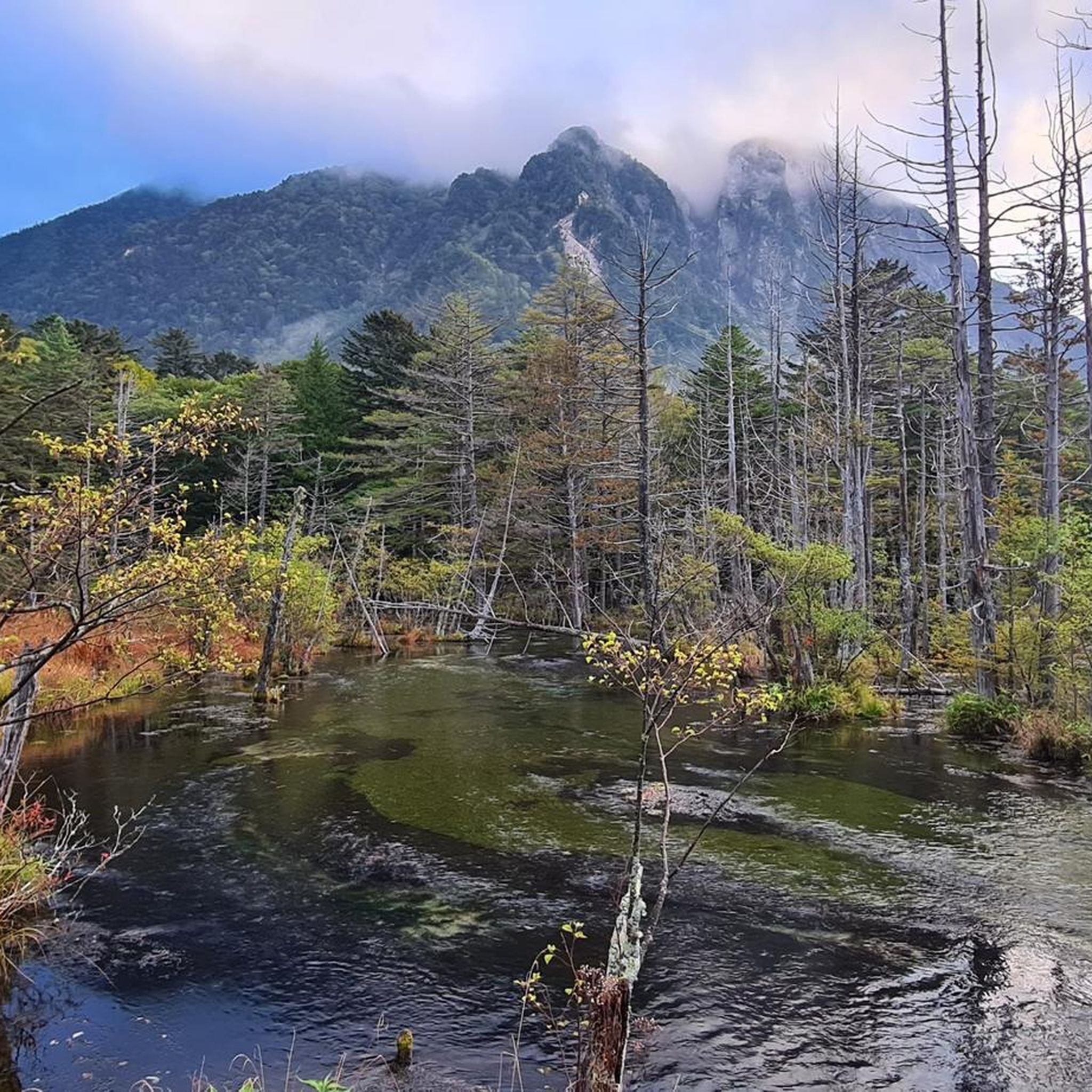
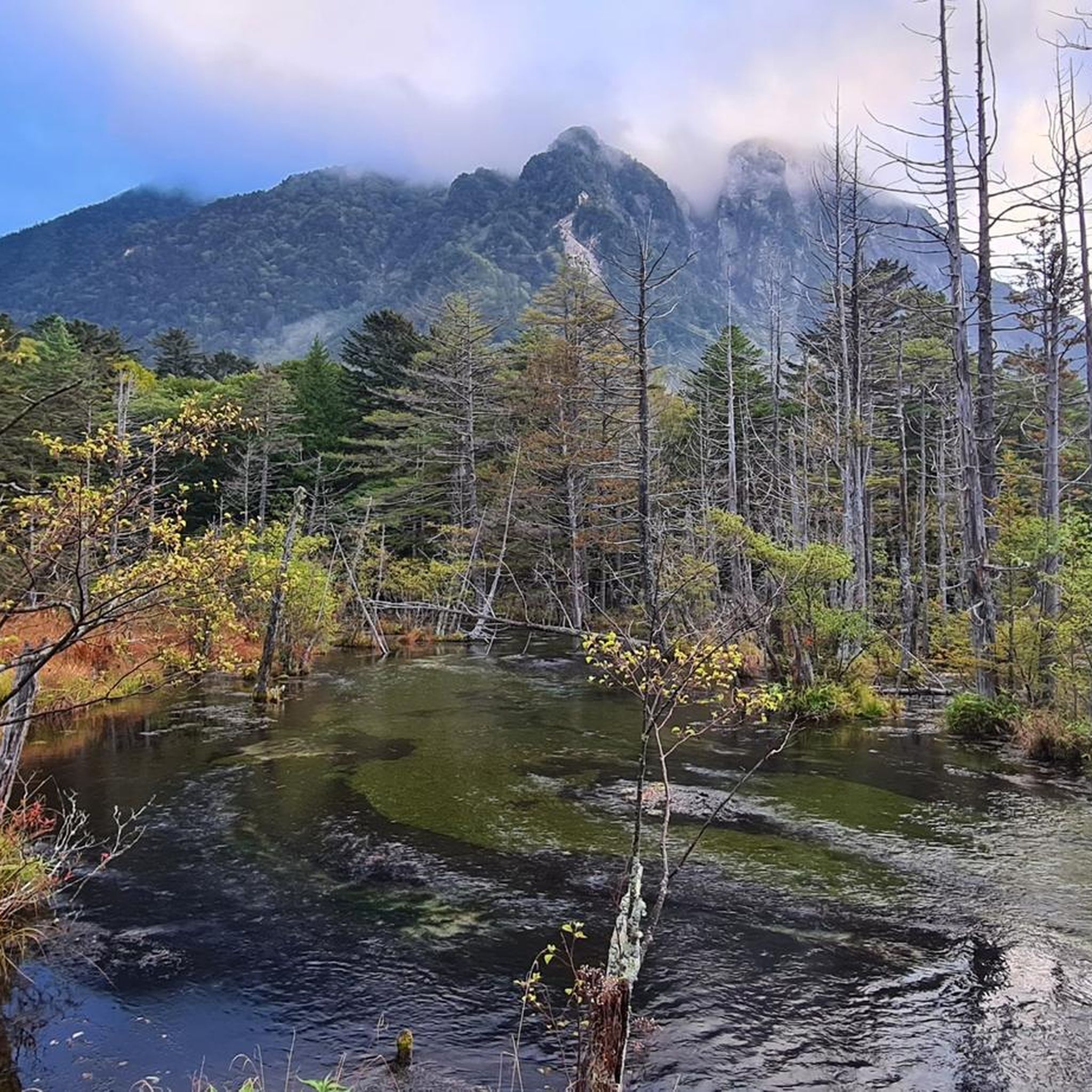
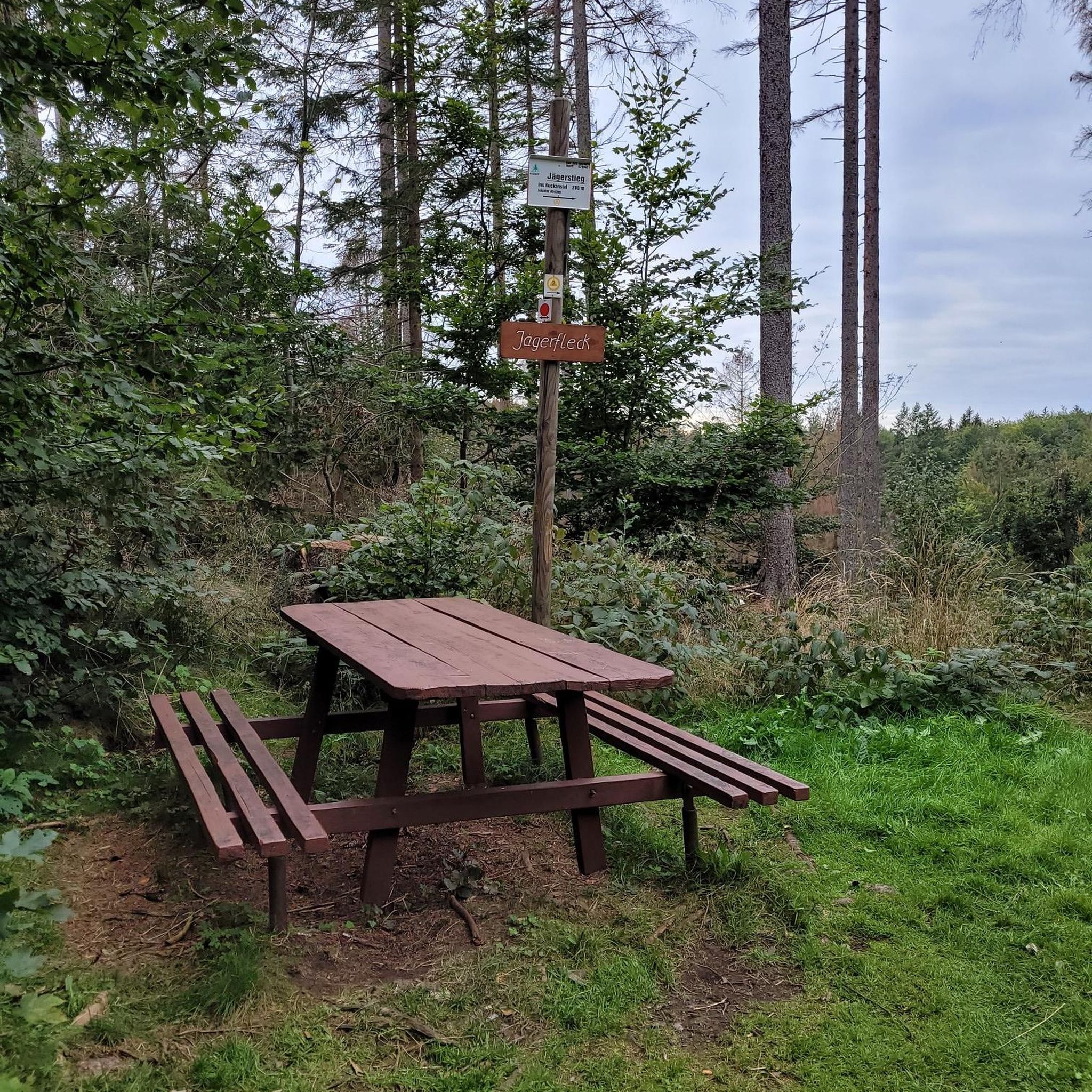
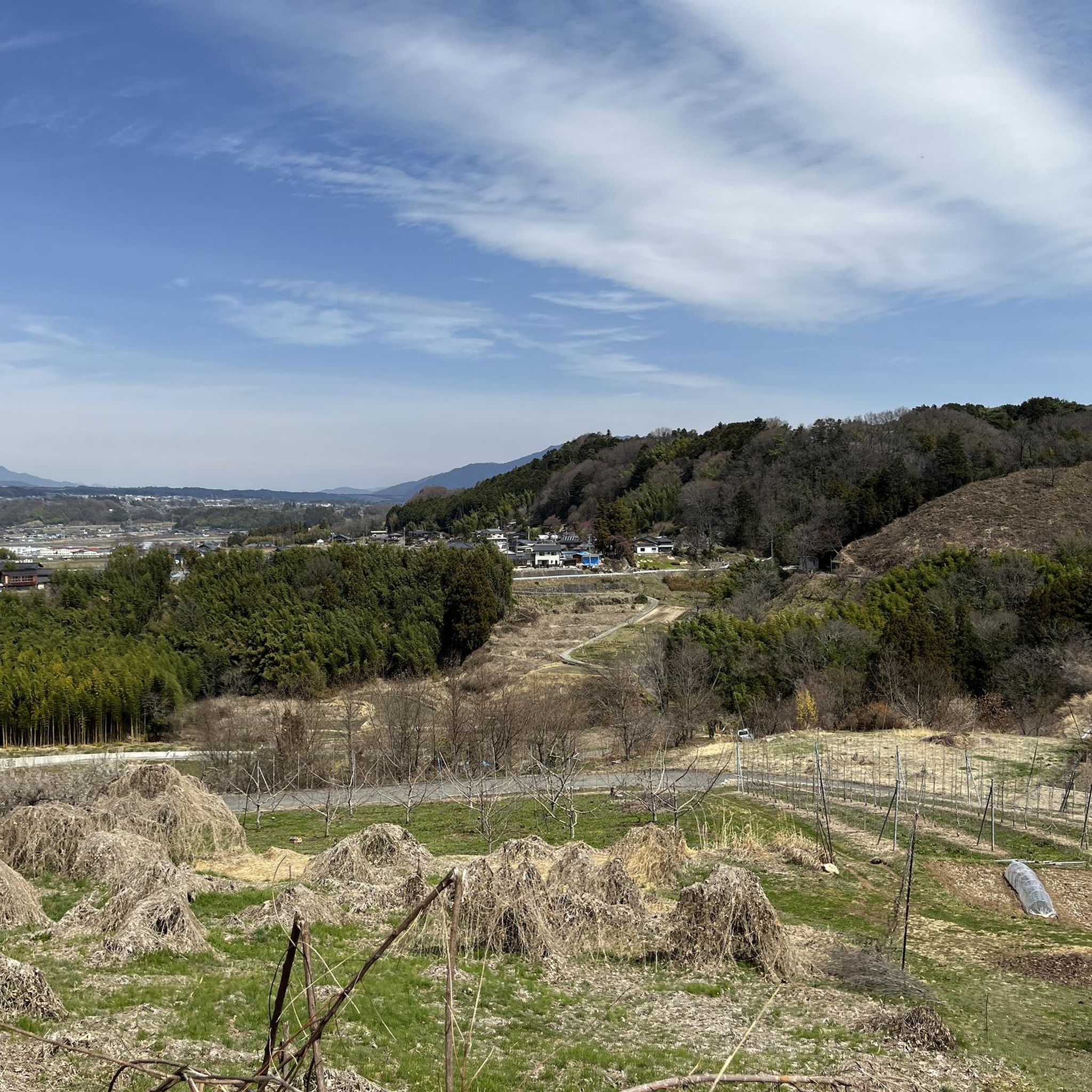


Tips from the Community

I would recommend the route along the road; the hiking trail is impassable for several hundred meters here because the paths are heavily overgrown.
4
0
A jetty that extends into the lake and is accessed by regular ferry boats. From the very front, you can see the southern shore of Lake Ashi.
3
0
If you're willing to wait 30 minutes just to get a picture of yourself with the torii...please. But you can also just stand next to it for a moment and take a picture.
7
0
Designed entirely for tourism, several pirate ships sail along the lake. Alternatively, you can walk along a lovely, quiet lakeside path.
5
0

The village is rather small, I would have liked a recommended itinerary to check ask the pounds, so I have made my own.
0
0

From the Myojin Bridge, choose the other side of the river on the way back to complete the tour as a circular tour with a very beautiful path.
0
0

Construction of the Sagami Dam, the first dam on the Sagami River, began in 1938. It supplies 90% of the tap water for two-thirds of the population in Kanagawa Prefecture. You can walk across the dam and enjoy magnificent views on both sides. There is also a museum and a small observation tower.
0
0

On the webcam of Lake Ashi you can see if the view of Mount Fuji is possible today
1
0
Frequently Asked Questions
What types of lakes can I explore in the Japanese Alps?
The Japanese Alps offer a diverse range of lakes, including natural lakes, volcanic crater lakes, and dam-created reservoirs. You can find clear natural waters like the Nishina Three Lakes, the serene emerald waters of the artificial Lake Kurobe, and the stunning cobalt blue Mikurigaike Pond, a volcanic crater lake.
Are there any family-friendly lakes in the Japanese Alps?
Yes, many lakes in the Japanese Alps are suitable for families. For example, the Hakone Pirate Ship on Lake Ashi offers a fun experience for all ages. Additionally, areas around lakes like Aoki, Kizaki, and Nakatsuna provide calm waters for activities and picnic spots, making them great for family outings.
What outdoor activities can I do near the lakes in the Japanese Alps?
The lakes in the Japanese Alps are excellent for various outdoor activities. You can enjoy water sports like canoeing, kayaking, and stand-up paddleboarding on lakes such as Aoki and Kizaki. Hiking is also popular, with trails around Mikurigaike Pond and the sacred Mount Ontake. For more structured routes, explore the easy hikes or road cycling routes available in the region.
Which lakes are known for their stunning reflections of mountains?
Several lakes are famous for their reflective qualities. Taisho Pond is particularly noted for its beautiful reflections of the surrounding mountains. Lake Kurobe also offers breathtaking reflections of the Tateyama mountain range on its emerald green waters, and Mikurigaike Pond famously mirrors the Tateyama peaks.
Can I find any historical or cultural sites near the lakes?
Yes, the region has historical significance. The Nishina Three Lakes (Aoki, Nakatsuna, Kizaki) are bordered by the old Chikuni-kaido road, also known as the 'salt road.' Additionally, the Heiwa-no-Torii (Peace Torii) Gate at Hakone Shrine offers a cultural landmark with a gorgeous view onto Lake Ashi, though it can be crowded.
What is the best time to visit the lakes in the Japanese Alps?
The best time to visit depends on your preferred activities. Summer offers cool temperatures, ideal for water sports and hiking. Autumn is spectacular for viewing vibrant red and orange foliage, especially around Lake Aoki and Minami Inagako Lake. Mikurigaike Pond offers stunning views year-round, from shimmering reflections in summer to a frozen landscape in winter and reappearing with melting snow in spring.
Are there any unique geological formations or phenomena to see?
Absolutely. Mikurigaike Pond is a stunning volcanic crater lake on the Murodo Plateau. Near Mount Ontake, you can find Lake Shizenko, which was formed by a natural dam after an earthquake and features unique withered, skeletal trees standing in its waters. The Kurobe Dam itself is Japan's largest and a significant engineering marvel.
Which lakes are suitable for easy walks or beginner hiking?
Mikurigaike Pond on the Murodo Plateau offers easy walking trails, taking about an hour to circumnavigate, making it suitable for beginners. The areas around the Nishina Three Lakes also provide pleasant strolls. For more options, you can explore easy hiking routes in the Japanese Alps.
What do visitors enjoy most about the lakes in the Japanese Alps?
Visitors frequently praise the serene natural beauty and the diverse experiences available. Many appreciate the clear waters and mountain reflections, especially at Taisho Pond. The opportunity for water sports, peaceful walks, and the unique cultural landmarks like the Heiwa-no-Torii Gate are also highly valued.
Are there any lakes known for fishing?
Yes, Lake Nakatsuna, the smallest of the Nishina Three Lakes, is a popular spot for fishing. It's known for smelt fishing in winter and carp fishing in summer, with inns and a campsite along its shores.
Where can I find the highest lake in Japan by elevation?
Ni-no-ike, one of the crater lakes around Mount Ontake in the Central Japanese Alps, holds the distinction of being the highest lake in Japan by elevation. It's part of an area rich in mountain worship and pilgrimage trails.
Can I take a boat cruise on any of the lakes?
Yes, sightseeing boat cruises are available on Lake Kurobe, offering unique views of the dam and surrounding mountains. On Lake Ashi, you can experience the Hakone Pirate Ship, which is a popular tourist attraction.
Most popular routes in the Japanese Alps
Most popular attractions in the Japanese Alps

Get inspired with the komoot mobile app


Explore more
Still not found your perfect lake in the Japanese Alps? Check out the guides of these regions to see even more beautiful places.
