The 20 Most Amazing Peaks in the Japanese Alps
Best mountain peaks in the Japanese Alps are found across a magnificent series of ranges bisecting Japan's main island of Honshu. These ranges are divided into the Northern, Central, and Southern Alps, featuring numerous peaks over 3,000 meters. The region offers diverse alpine scenery and challenging trails for outdoor enthusiasts.
Best mountain peaks in the Japanese Alps
- The most popular mountain peaks is Mount Kintoki Summit, a summit that offers views of Mount Fuji. This 1,213 m high peak…
Last updated: July 11, 2026
Mount Fuji Summit (Yoshida Trail)
Highlight • Summit
Translated by Google •
Tip by

Mount Kintoki Summit
Highlight • Summit
Translated by Google •
Tip by

Sign up now to discover places like this
Get recommendations on the best single tracks, peaks, & plenty of other exciting outdoor places.
Sign up for free
Mount Ōyama Summit
Highlight • Summit
Tip by

Mount Kagenobu Summit
Highlight • Summit
Tip by

Mount Komagatake, Japan
Highlight • Summit
The …
Translated by Google •
Tip by

Fujisan Sengen Taisha Okumiya Shrine (Mount Fuji Summit Shrine)
Highlight • Religious Site
Tip by

View of Lake Ashi
Highlight • Viewpoint
Translated by Google •
Tip by

Mt. Odake summit with a view of Mt. Fuji
Highlight • Summit
Tip by

Mount Myojingatake — View of Mount Fuji
Highlight • Viewpoint
Tip by

Iizuna Mountain Summit
Highlight • Summit
Translated by Google •
Tip by

Sign up for free to discover even more peaks in the Japanese Alps.
Sign up for free
Already have an account?
Start today with a free account
Your next adventure awaits.
Login or Signup
Popular around Japanese Alps
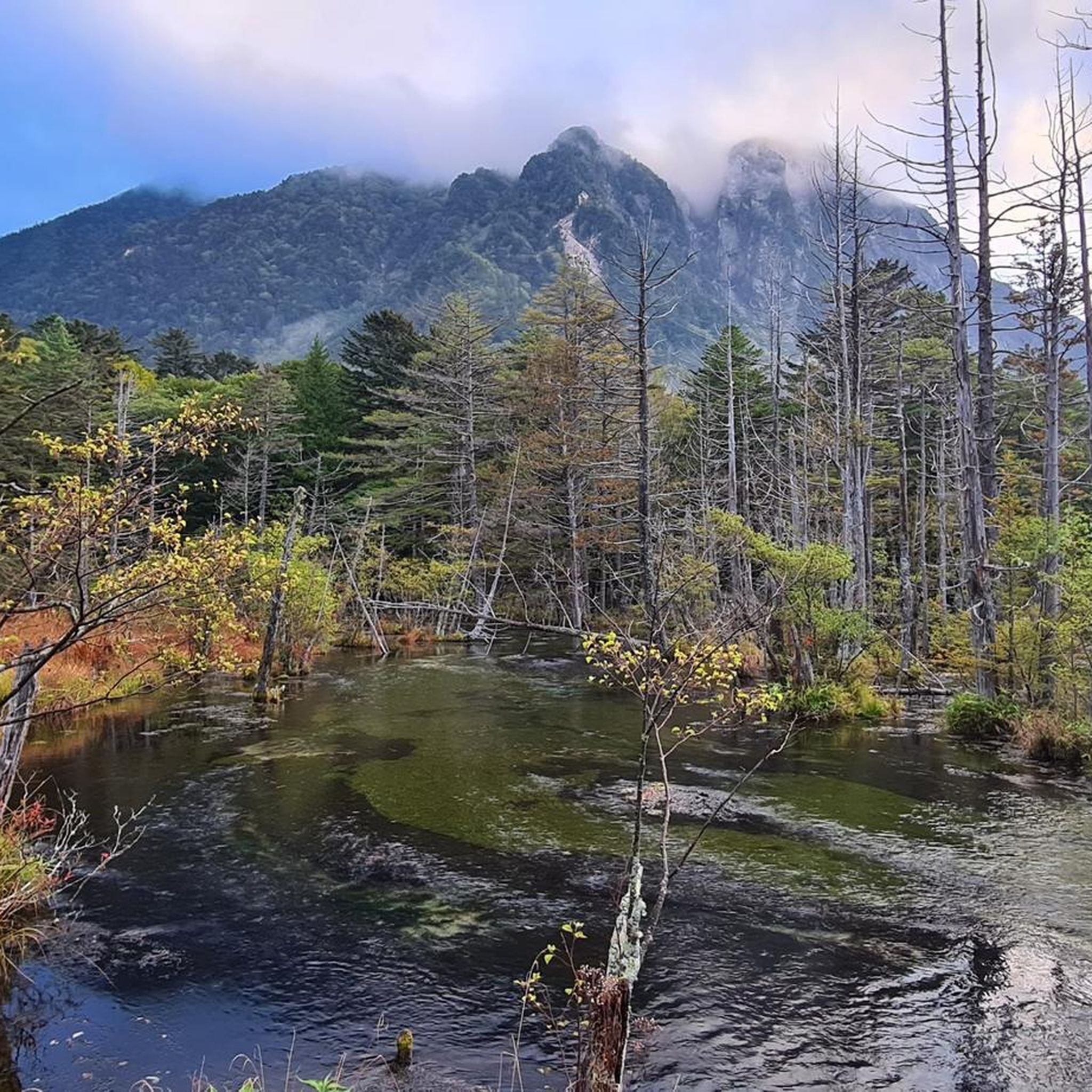
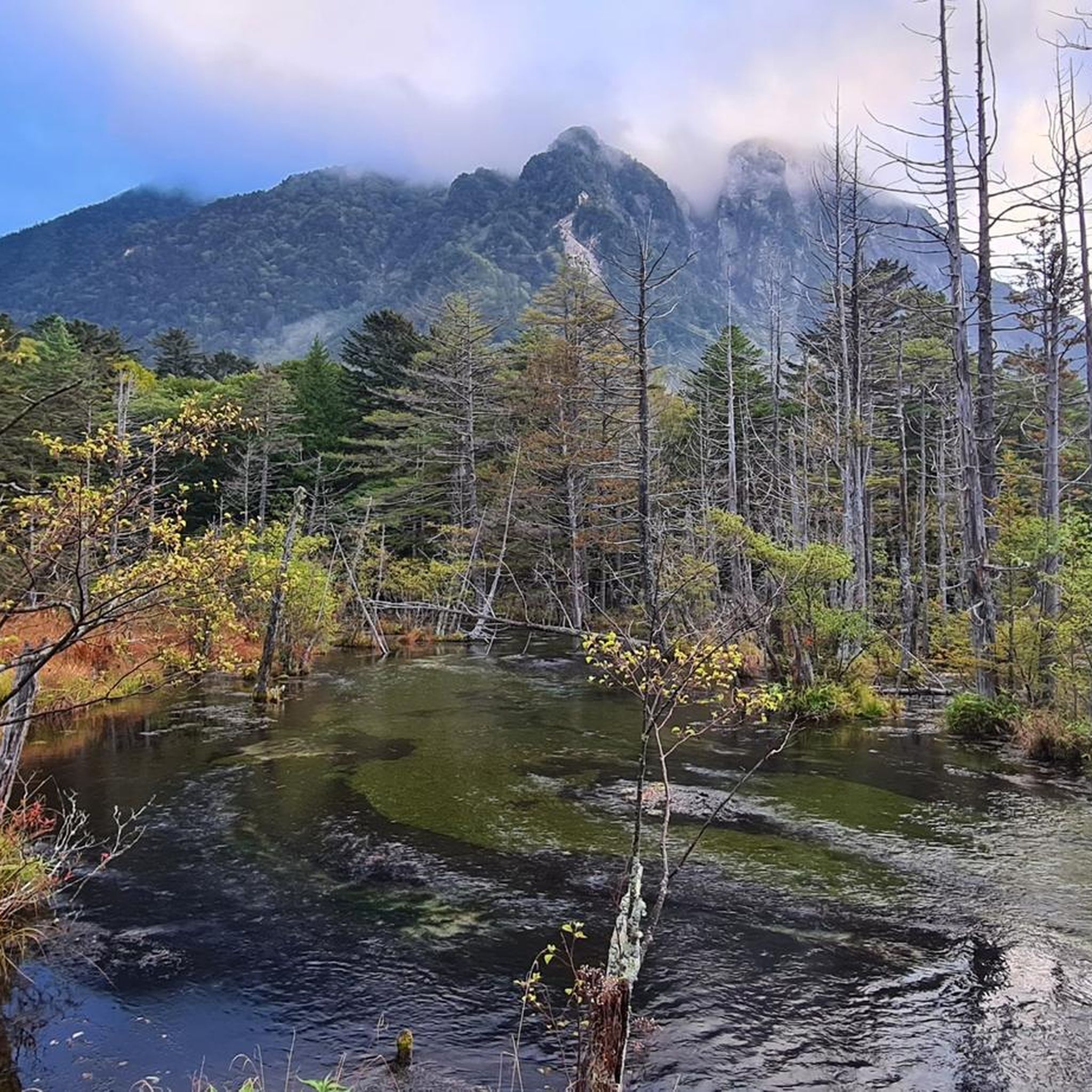
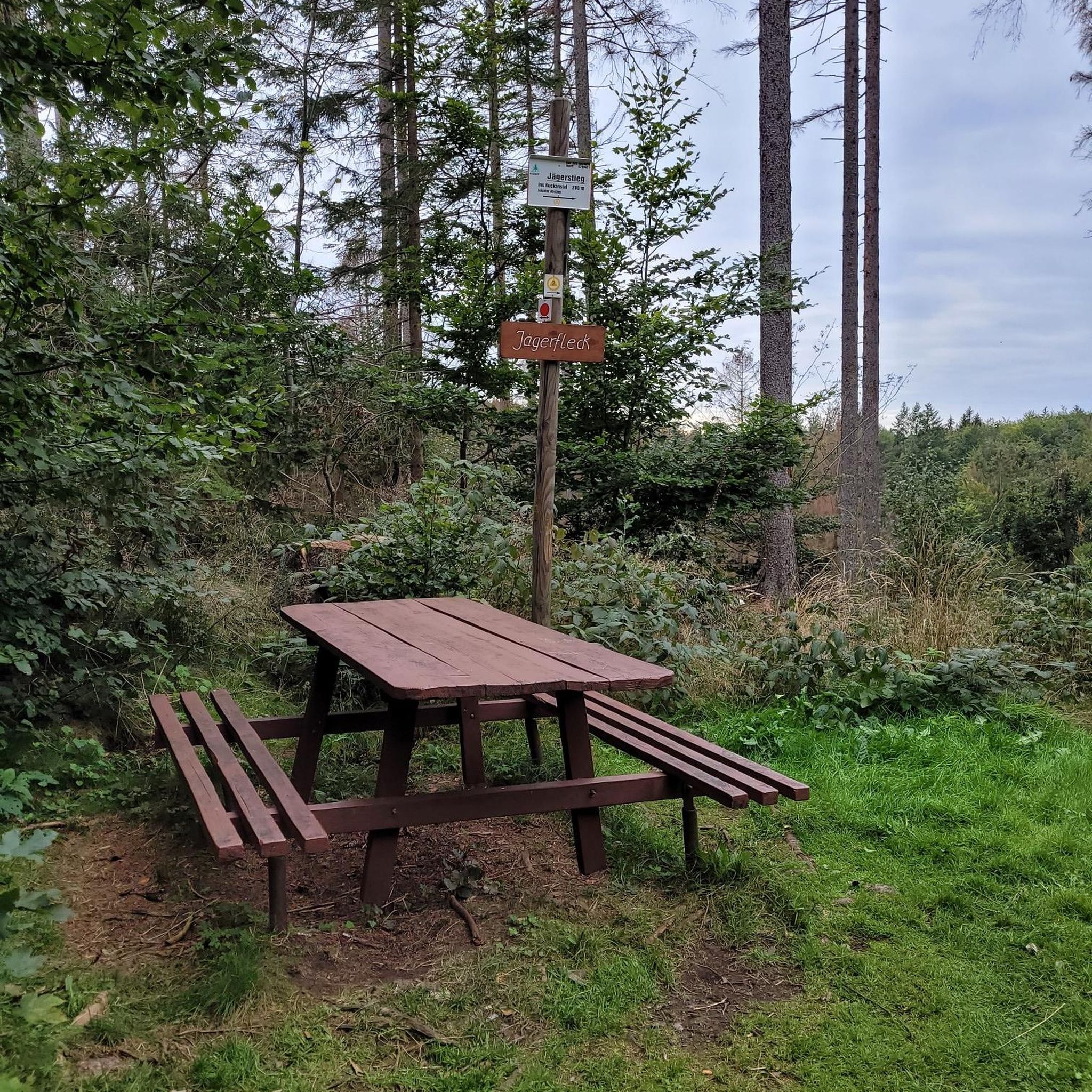
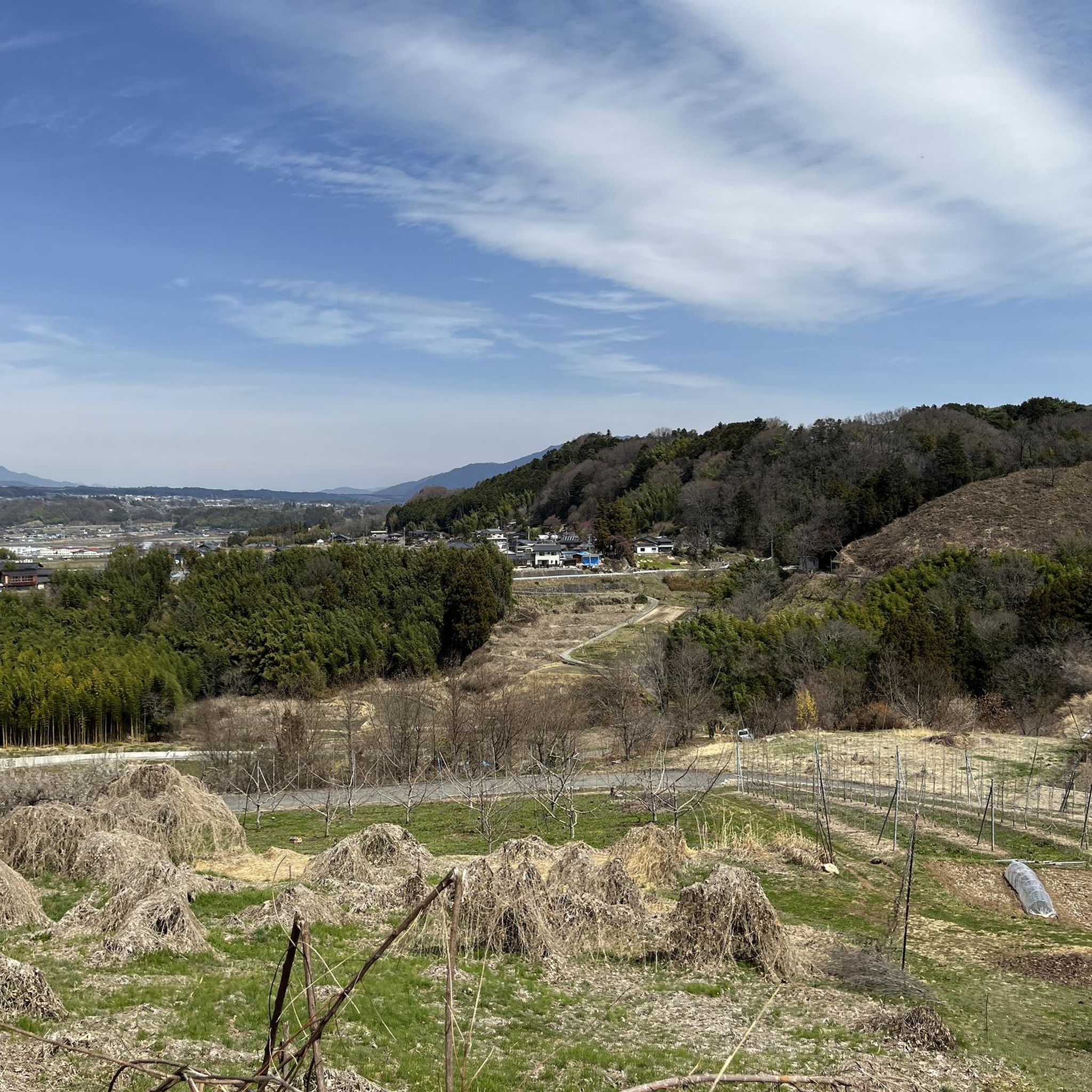


Tips from the Community

The ultimate peak of the sacred mountain. On a clear day, it rewards hikers with a breathtaking, majestic view of Mt. Fuji, the Tokyo skyscape, and the Tanzawa mountain range. There is a small shrine (Honsha) at the top.
0
0

From the summit of Mt. Ōyama, you have a great view!😍
0
0

Lake Ashi is a crater lake near Mount Fuji. It is located in western Kanagawa Prefecture and is part of the Fuji-Hakone-Izu National Park. The lake formed approximately 3,000 years ago and is 7.03 km long and 40.6 m deep.
5
0


In addition to the shrine (Torii in the lake), there are also several operators of excursion steamers, but the spectacular ships are very inviting and tempting (and if you have the round trip day tickets, it is especially worthwhile :-) )
0
0

Magnificent view from the summit. The descent to Okutama is splendid.
0
0

Awesome, view, feeling. Everything is great. Always pay attention to the weather forecast and prepare accordingly!
1
0

The 1,213 m high Mt. Kintoki (also called Mt. Ashigara) is located on the border between the prefectures of Kanagawa and Shizuoka in the Fuji-Hakone-Izu National Park. According to legend, Mount Kintoki is the birthplace of Kintaro. Once you reach the summit of Mt. Kintoki, you will be treated to unforgettable views of the impressive Mt. Fuji. On the south side of the summit, you can see over Sengokuhara to the mountains of Hakone, Lake Ashi and the steaming Owakudani Valley. (Source: DIAMIR Erlebnisreisen)
1
1
Frequently Asked Questions
Which mountain peaks in the Japanese Alps offer the most rewarding views?
Many peaks in the Japanese Alps are renowned for their stunning vistas. For an unforgettable view of Mount Fuji, consider climbing Mount Kintoki Summit or Mt. Odake summit. The Southern Alps' Mount Kitadake is also known for one of the best sunrise views of Mount Fuji. In the Northern Alps, Mount Tateyama offers panoramic views, and the Hakuba Sanzan area provides reflections on Hakuba Happo Pond.
Are there any family-friendly mountain peaks or accessible options in the Japanese Alps?
Yes, there are options suitable for families and those seeking easier access. The Hakuba Sanzan area, including Mount Shirouma, offers easy access to higher elevations via gondolas and ski lifts. In the Central Alps, Mount Kisokoma is easily accessible thanks to the Komagatake Ropeway, which takes visitors directly to the Senjojiki Cirque, offering gorgeous alpine scenery without an arduous climb.
What are some of the most challenging mountain peaks for experienced climbers in the Japanese Alps?
For experienced climbers, the Northern Japanese Alps offer some of the most dramatic and challenging routes. Mount Hotaka, particularly Mount Okuhotaka-dake, provides dramatic alpine landscapes. Mount Yarigatake, often called 'Japan's Matterhorn,' is a challenging climb, frequently part of the multi-day Kamikochi-Yari-Hotaka Circuit, which includes the exhilarating Daikiretto ridgeline.
Which mountain peaks are known for their unique natural features or geology?
The Japanese Alps boast diverse geological formations. Mount Kaikomagatake in the Southern Alps is known for its granite composition, giving it a distinctive white surface. The Mount Hōō range also features granite and a unique rock obelisk on Jizōgatake. In the Northern Alps, Mount Tsubakuro is popular for its unusual granite rock formations, while Mount Norikura is named for its 'riding saddle' shape.
What kind of outdoor activities can I do near the mountain peaks in the Japanese Alps?
Beyond peak bagging, the Japanese Alps offer a wide range of outdoor activities. You can find excellent road cycling routes, such as the Fuji Subaru Line Toll Gate – Mount Fuji 5th Station loop, or the Kawaguchiko Loop. For more intense experiences, explore mountain hikes like the View of Mount Fuji Crater loop. For easier walks, consider routes like the Kamikochi River Bend loop. You can find more details on these activities in our guides for Road Cycling Routes, Mountain Hikes, and Easy Hikes in the Japanese Alps.
When is the best time to visit the Japanese Alps for hiking and mountaineering?
The best time for hiking and mountaineering in the Japanese Alps is generally during the warmer months, typically from late spring to early autumn. For peaks like Mount Ōyama Summit, visitors have noted that March to May offers pleasant conditions. Summer provides the most accessible conditions for higher peaks, though it can also be the busiest. Always check local weather conditions and trail status before your trip.
Which mountain ranges make up the Japanese Alps, and what are their characteristics?
The Japanese Alps are divided into three main ranges: the Northern, Central, and Southern Alps. The **Southern Japanese Alps** (Akaishi Mountains) are known for their wilder, more remote feel and include Japan's second and third highest mountains, Mount Kitadake and Mount Ainodake. The **Northern Japanese Alps** (Hida Mountains) are largely volcanic, featuring rugged, craggy peaks like Mount Hotaka and Mount Yarigatake. The **Central Japanese Alps** (Kiso Mountains) cover a smaller area but offer accessible alpine landscapes, with Mount Kisokoma being its highest peak.
Are there any sacred or historically significant mountain peaks in the Japanese Alps?
Yes, several peaks hold cultural and historical significance. Mount Tateyama in the Northern Alps is part of a sacred mountain range, offering not only awe-inspiring scenery but also a deep spiritual connection. Additionally, the Fujisan Sengen Taisha Okumiya Shrine is located on the Mount Fuji Summit (Yoshida Trail), highlighting the mountain's religious importance.
What can I expect when hiking to <a href="https://www.komoot.com/highlight/2635005" target="_blank" rel="noopener">Mount Ōyama Summit</a>?
Hiking to Mount Ōyama Summit involves navigating quite a few steps and rocks to reach the top. The ascent from the cable car station typically takes about 1.5 to 2 hours. Hikers are rewarded with a wide, wonderful view from the summit. It is recommended to visit in warmer months, such as March to May, for the best experience.
How can I access the higher elevations of the Japanese Alps, such as Mount Tateyama or Mount Kisokoma?
Access to some of the higher and more scenic areas is facilitated by public transport infrastructure. Mount Tateyama is accessible via the Tateyama Kurobe Alpine Route, known for its dramatic landscapes. For Mount Kisokoma, the Komagatake Ropeway provides easy access to the Senjojiki Cirque, significantly reducing the hiking effort to reach alpine scenery.
What makes Mount Yarigatake a notable peak in the Japanese Alps?
Mount Yarigatake, located in the Northern Japanese Alps, is one of the most famous mountains in the region. It's often referred to as 'Japan's Matterhorn' due to its distinctive pointed, spear-like peak. It presents a challenging climb and is a key part of the multi-day Kamikochi-Yari-Hotaka Circuit, which includes the thrilling Daikiretto ridgeline, making it a prime destination for experienced mountaineers.
Are there any peaks known for their alpine flora or unique ecosystems?
Yes, the Japanese Alps are home to diverse alpine flora. Mount Tsubakuro in the Northern Alps is noted for its beautiful pink alpine flowers. The Norikura Highlands, near Mount Norikura, are also well-known for their wildflowers, adding to the scenic beauty during the hiking season.
Most popular routes in the Japanese Alps
Most popular attractions in the Japanese Alps

Get inspired with the komoot mobile app


Explore more
See even more amazing summits in the Japanese Alps with these guides:
