Top 5 Gorges in the Central Mexican Plateau
Best canyons in the Central Mexican Plateau are characterized by diverse landscapes and significant geological formations. This high-altitude region offers natural beauty and opportunities for outdoor activities. The area provides insights into Mexico's geological and cultural history through its impressive canyon systems. The Central Mexican Plateau features 5 distinct gorges.
Best canyons in the Central Mexican Plateau
- The most popular canyons is The Window Pour-off Viewpoint, a viewpoint that features a narrow overlook through two tall sandstone walls. This…
Last updated: June 27, 2026
The Window Pour-off Viewpoint
Highlight • Viewpoint
Tip by

Boquillas Canyon Trail
Highlight (Segment) • Canyon
Tip by
Sign up now to discover places like this
Get recommendations on the best single tracks, peaks, & plenty of other exciting outdoor places.
Sign up for free
Cattail Falls
Highlight • Waterfall
Tip by
Upper Burro Mesa Pour-off Trail
Highlight (Segment) • Gorge
Tip by
Tuff Canyon Trail
Highlight • Canyon
Translated by Google •
Tip by

Start today with a free account
Your next adventure awaits.
Login or Signup
Other adventures in the Central Mexican Plateau

Tips from the Community

Cattail Falls is known as a "secret falls" in Big Bend National Park. It is a less popular destination than most in the park. This waterfall can be found on the north side of Cattail Canyon and is in a small oasis with dense vegetation in flowing water. There are pools and rocks around the falls that make it a serene space. Visitors are asked to no swim in the water and to avoid trampling the vegetation. This is an important and fragile water source for animals in the area.
0
0
Upper Burro Mesa Pour-off Trail starts off at a paved pull-out off of Ross Maxwell Scenic Drive. It then follows a dry wash to the top of the Burro Mesa Pour-off. The trail involves some scrambling over large rocks, so make sure you're able to get up the rocks before you climb down on the way in. There is about a 500-foot elevation gain and the trail is subject to flash flooding.
0
0
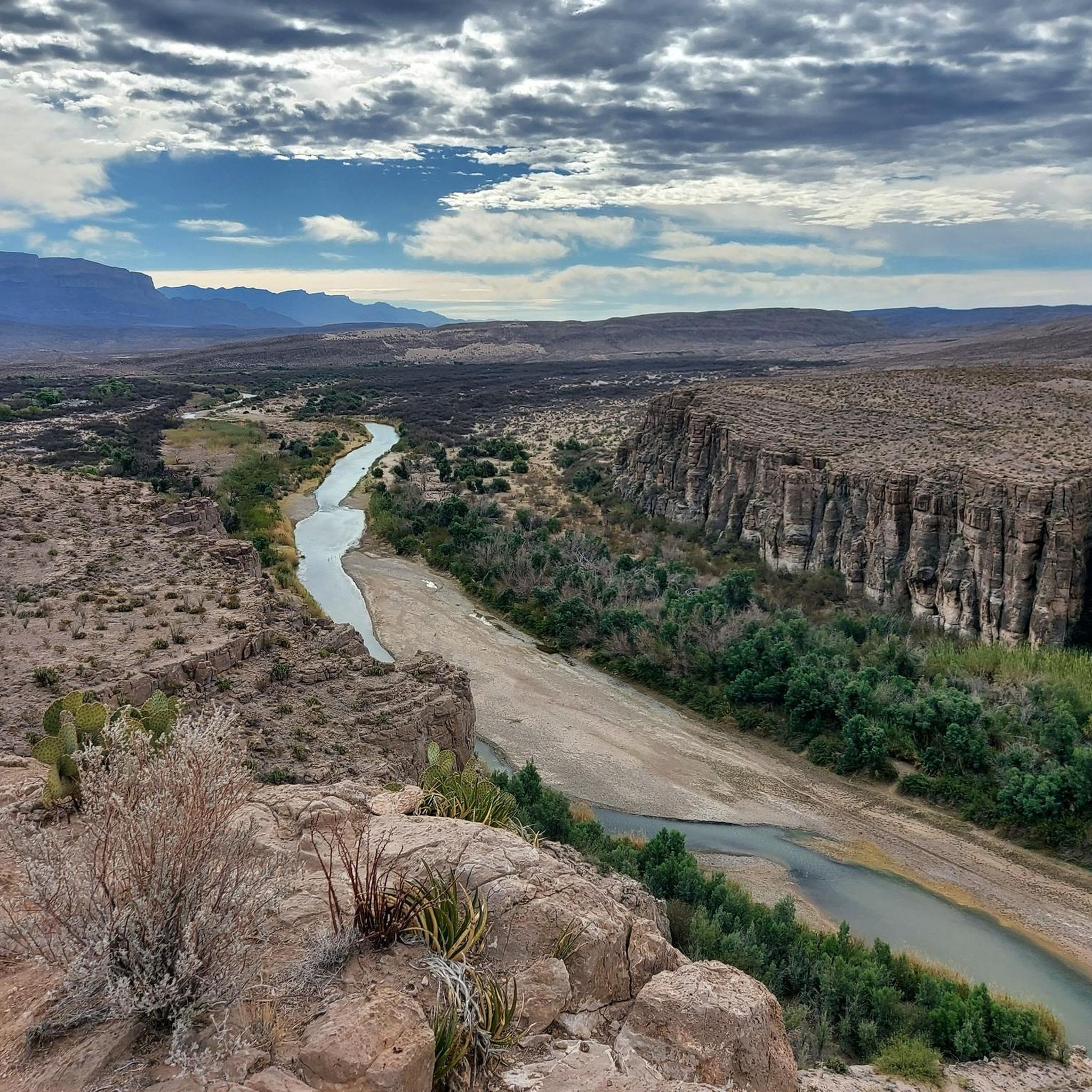
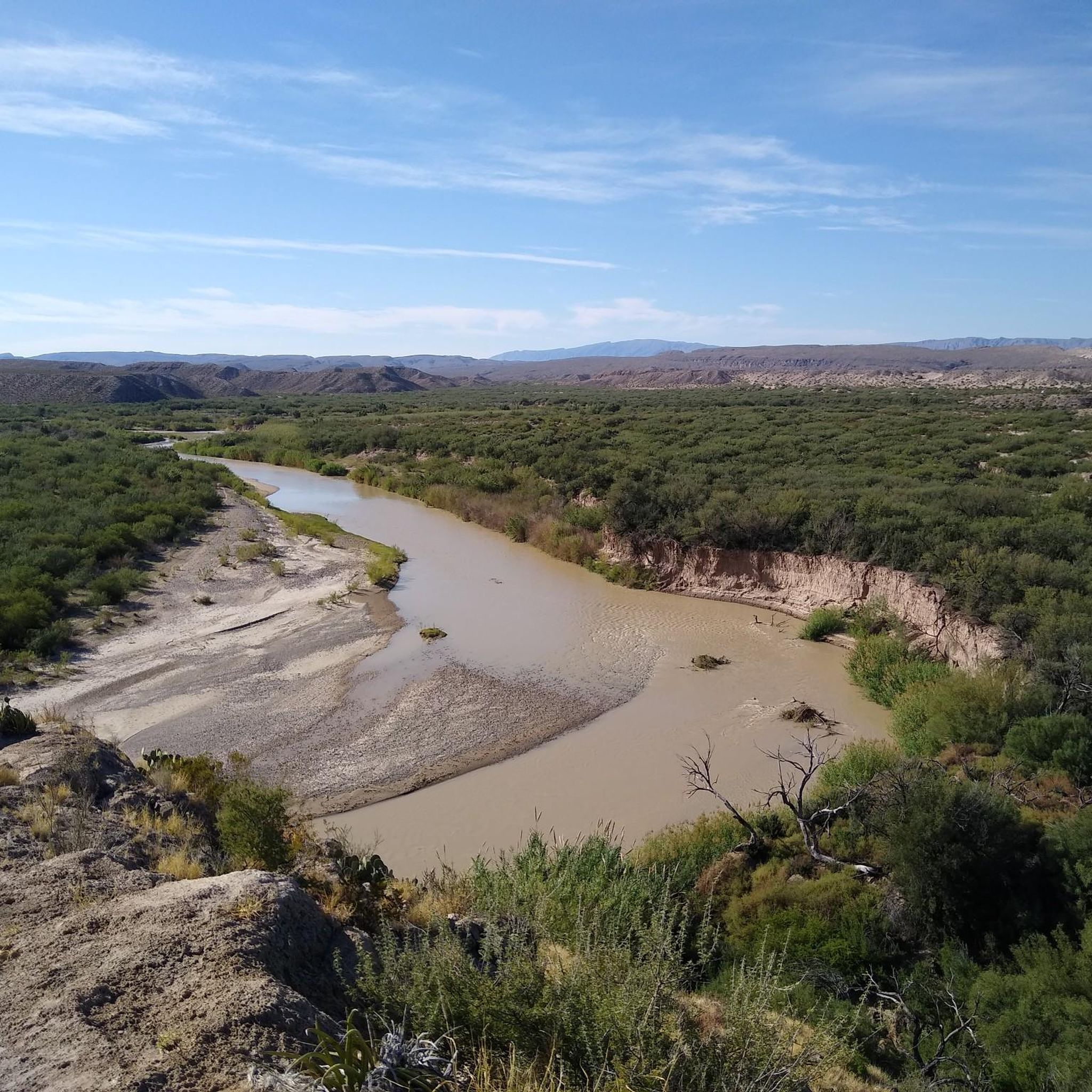
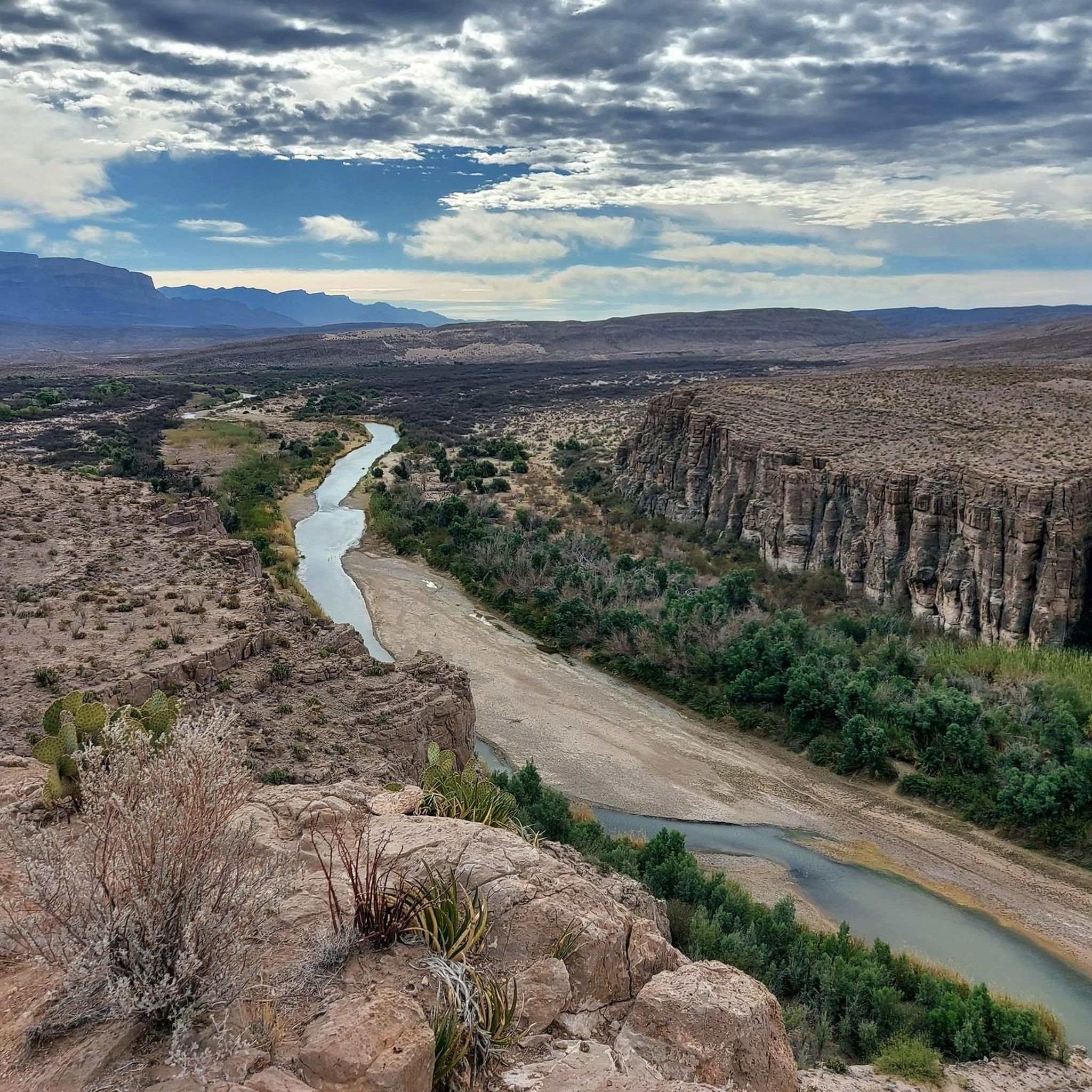
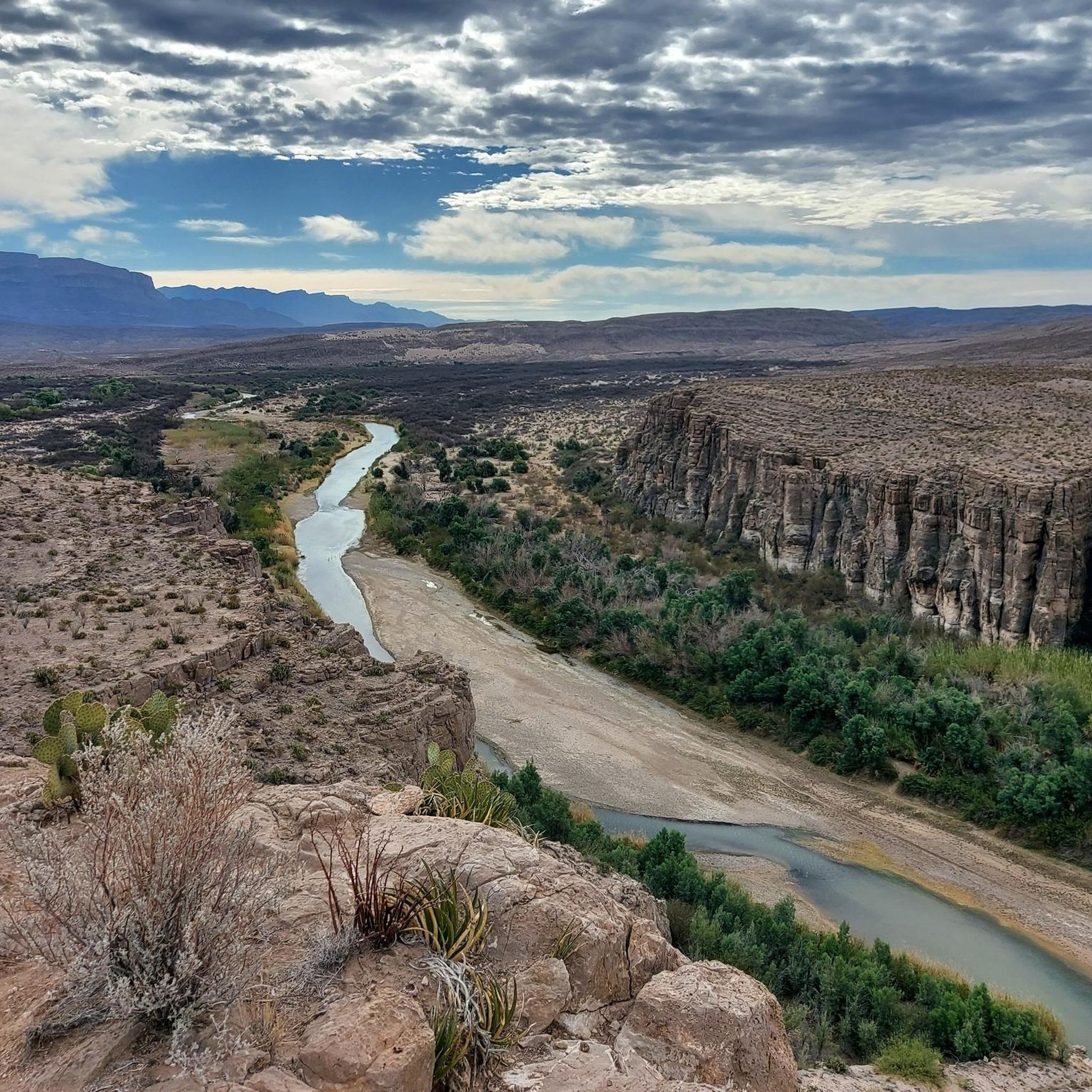
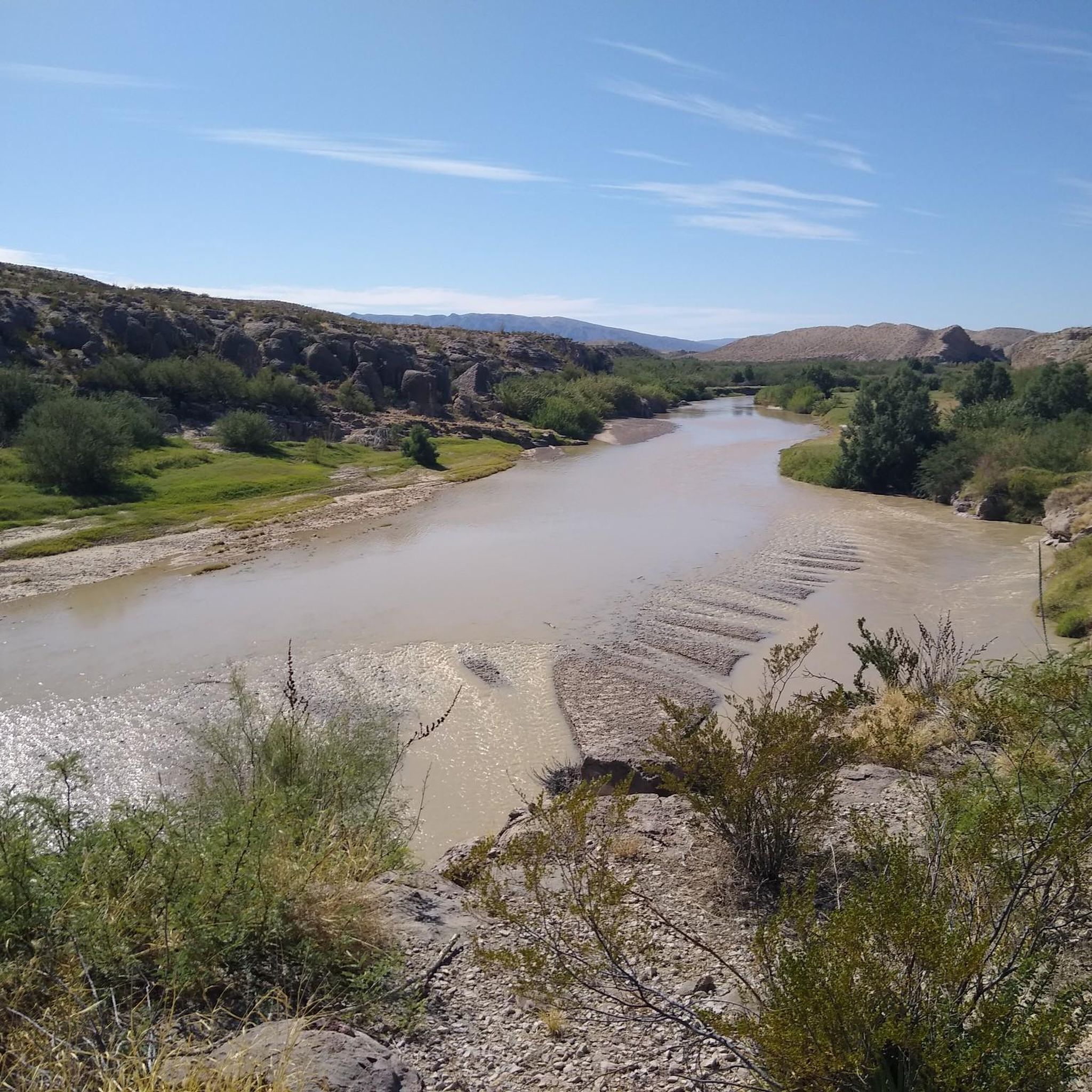
Boquillas Canyon Trail follows the rim of the canyon from a parking lot. It leads to a high cliff with an overlook of the Rio Grande and visitors can see mortar holes from the ancient peoples that lived in the area. The trail eventually leads down to the banks of the river until the canyon walls close in and meet the river, ending the trail.
1
0
The gem of this trail is a narrow overlook through two tall sandstone walls, known as The Window Pour-off, that is on the side of the mountain. The giant rock mountain is known as The Window because of the way it frames views of the desert from afar.
0
0

Interesting detour off the scenic drive. Essentially easy to walk on. The white walls add a new "color" to Big Bend Park.
0
0

Very easy hike in to the canyon. Horses and donkeys line the trail. Wear water shoes to wade in the river at the end. Locals may be selling tamales and souvenirs.
1
0
Great hike up in the Chisos. Be very careful when taking in the view at the end. Great sunset hike if you can time it right.
2
0

A great view! Eroded rocks. Accessible only if it hasn't rained before.
1
0
Frequently Asked Questions
What are some popular viewpoints and natural features to explore in the Central Mexican Plateau canyons?
The region offers several notable spots. The Window Pour-off Viewpoint is a popular choice, known for its narrow overlook through two tall sandstone walls that frame desert views. Another significant natural feature is Cattail Falls, a serene waterfall nestled in a small oasis within Cattail Canyon.
Are there family-friendly trails available in the Central Mexican Plateau canyons?
Yes, for those visiting with family, the Boquillas Canyon Trail is a great option. It follows the rim of the canyon, leading to an overlook of the Rio Grande and ancient mortar holes, eventually descending to the riverbanks. It's considered an easy hike suitable for families.
What kind of hiking experiences can I expect in the Central Mexican Plateau canyons?
You'll find a range of hiking experiences. Trails like Boquillas Canyon Trail offer easy walks along canyon rims. For a more challenging adventure, consider the Upper Burro Mesa Pour-off Trail, which involves scrambling over large rocks and has about a 500-foot elevation gain. The Tuff Canyon Trail provides an interesting, easy-to-walk detour with unique white canyon walls.
What other outdoor activities can I do near the canyons of the Central Mexican Plateau?
Beyond exploring the canyons themselves, the Central Mexican Plateau offers diverse outdoor activities. You can find numerous running trails, such as the moderate McKelligon Canyon Road or the challenging North Franklin Peak Trail. For cyclists, there are road cycling routes like the Smugglers Pass & Mission Valley loop. Many hiking trails are also available, including the popular Window Trail and Lost Mine Trail. You can find more details on these activities in the Running Trails, Road Cycling Routes, and Hiking guides for the region.
What are the geological characteristics of the canyons in the Central Mexican Plateau?
The canyons in this region are known for their impressive geological formations. For instance, Cañon de la Huasteca features dramatic limestone rock formations reaching nearly 300 meters. Metztitlán Canyon, a Biosphere Reserve, showcases diverse rock formations and is particularly rich in cacti, with its formation dating back over 290 million years. Barranca de Oblatos, carved by the Río Grande de Santiago, is characterized by its significant depth and lush greenery.
Are there any historical or cultural sites within or near the Central Mexican Plateau canyons?
Yes, some canyons offer glimpses into the region's history. Cañon de la Huasteca preserves ancient petroglyphs left by indigenous peoples. Barranca de Oblatos features historical ruins, including the 19th-century Puente de Arcediano. Near Metztitlán Canyon, you can explore the town of Metztitlán with its colonial architecture and the 16th-century Convent of the Santos Reyes, alongside ancient rock paintings.
What kind of wildlife can be observed in the Central Mexican Plateau canyons?
The canyons are home to diverse wildlife. Barranca de Oblatos, for example, supports species like great horned owls, gray foxes, and opossums. Metztitlán Canyon, a Biosphere Reserve, is particularly rich, hosting 325 bird species, 34 bat species, and four of Mexico's five large feline species, alongside its abundant cacti.
What are some unique natural features found in the Central Mexican Plateau canyons?
Beyond the dramatic rock formations, you can find unique features like naturally formed thermal water pools within Barranca de Oblatos. Cattail Falls is another unique spot, known as a "secret falls" with dense vegetation and flowing water, creating a small oasis.
What do visitors enjoy most about the canyons in the Central Mexican Plateau?
Visitors appreciate the stunning natural beauty and the variety of outdoor activities. Many enjoy the challenging hikes and serene thermal pools in places like Barranca de Oblatos. The dramatic rock formations and opportunities for adventure sports like rock climbing in Cañon de la Huasteca are also highly valued. The unique blend of natural wonders and historical charm, such as in Metztitlán Canyon, provides an authentic Mexican experience.
Are there any specific tips for visiting the canyons, such as for viewpoints or trails?
When visiting The Window Pour-off Viewpoint, be careful at the overlook and consider timing your visit for sunset. For Boquillas Canyon Trail, wear water shoes if you plan to wade in the river at the end. If tackling the Upper Burro Mesa Pour-off Trail, be prepared for scrambling over large rocks and be aware that the trail is subject to flash flooding.
What is the best time to visit the canyons in the Central Mexican Plateau?
While specific seasonal recommendations vary by canyon, generally, the Central Mexican Plateau experiences a dry season from November to May, which is often ideal for outdoor activities like hiking and exploring. The rainy season, from June to October, can bring lush greenery but also potential for flash flooding in certain canyon areas, so it's important to check local conditions.
Are there options for less strenuous or beginner-friendly canyon exploration in the Central Mexican Plateau?
Yes, there are options for various fitness levels. The Tuff Canyon Trail is considered an easy walk and an interesting detour. Similarly, the Boquillas Canyon Trail is also noted as an easy hike, making it suitable for beginners or those looking for a less strenuous experience.
Most popular routes in the Central Mexican Plateau
Most popular attractions in the Central Mexican Plateau

Get inspired with the komoot mobile app


