Top 15 Lakes in Περιφερειακή Ενότητα Χανίων
Best lakes in Περιφερειακή Ενότητα Χανίων are situated within a region known for its varied natural environment, encompassing mountains, coastlines, and significant wetlands. This area features both natural freshwater lakes and artificial water bodies, contributing to its ecological diversity. The lakes here are recognized for their biodiversity, including various plant and animal species, and offer opportunities for nature observation.
Best lakes in Περιφερειακή Ενότητα Χανίων
- The most popular lakes is Balos Lagoon, a beach that is considered one of the most beautiful. It is known for its historic Venetian fortress on Gramvousa, located 137 meters above the beach.
- Another must-see spot is Lake Kournas, a lake with clear water and a scenic location. Visitors can walk in the shallow water, which is suitable for children, and observe turtles in the lake.
- Visitors also love Elafonissi Pink Sand Beach, a beach known for its pink sand. This location features a shallow lagoon between a small island and the shore, with water depths of about 1 meter.
- Περιφερειακή Ενότητα Χανίων is known for its natural freshwater lakes, artificial wetlands, and coastal lagoons. These diverse water bodies provide habitats for various wildlife and offer different recreational experiences.
- The lakes in Περιφερειακή Ενότητα Χανίων are appreciated by the komoot community, with more than 390 upvotes and over 240 photos shared across 15 highlights.
Last updated: October 14, 2026
Lake Kournas
Highlight • Lake
Translated by Google •
Tip by

Balos Lagoon
Highlight • Beach
Translated by Google •
Tip by

Sign up now to discover places like this
Get recommendations on the best single tracks, peaks, & plenty of other exciting outdoor places.
Elafonissi Pink Sand Beach
Highlight • Beach
Elafonisi’s sand is pink. ✔️
It’s one of the most beautiful beach I’ve ever seen. ✔️
And pictures won’t give it justice. ✔️
Tip by

Stavros Lagoon
Highlight • Beach
Translated by Google •
Tip by

Aspri Limni (White Lake Beach)
Highlight • Beach
Translated by Google •
Tip by

Birdwatching at Agia Lake
Highlight • Lake
Tip by

Shaded Path on the South Side of Lake Kournas
Highlight • Trail
Translated by Google •
Tip by

Hiking Trail to the Dam at Lake Kournas
Highlight • Trail
Translated by Google •
Tip by

View of Souda Bay and Harbor
Highlight • Viewpoint
Translated by Google •
Tip by

Blue Lagoon
Highlight • Beach
Translated by Google •
Tip by

Sign up for free to discover even more lakes in Περιφερειακή Ενότητα Χανίων.
Already have an account?
Start today with a free account
Your next adventure awaits.
Popular around Περιφερειακή Ενότητα Χανίων
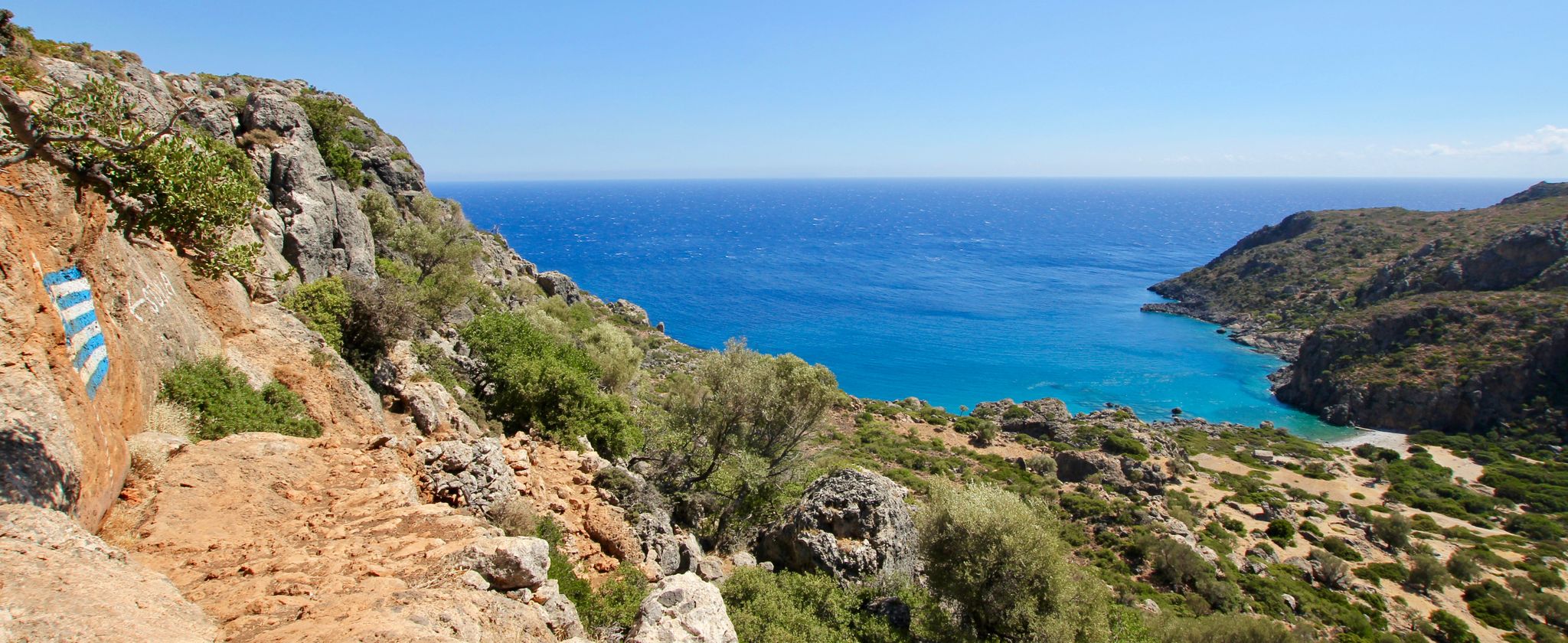
Lonely beaches & deep gorges — hiking in the south of Crete
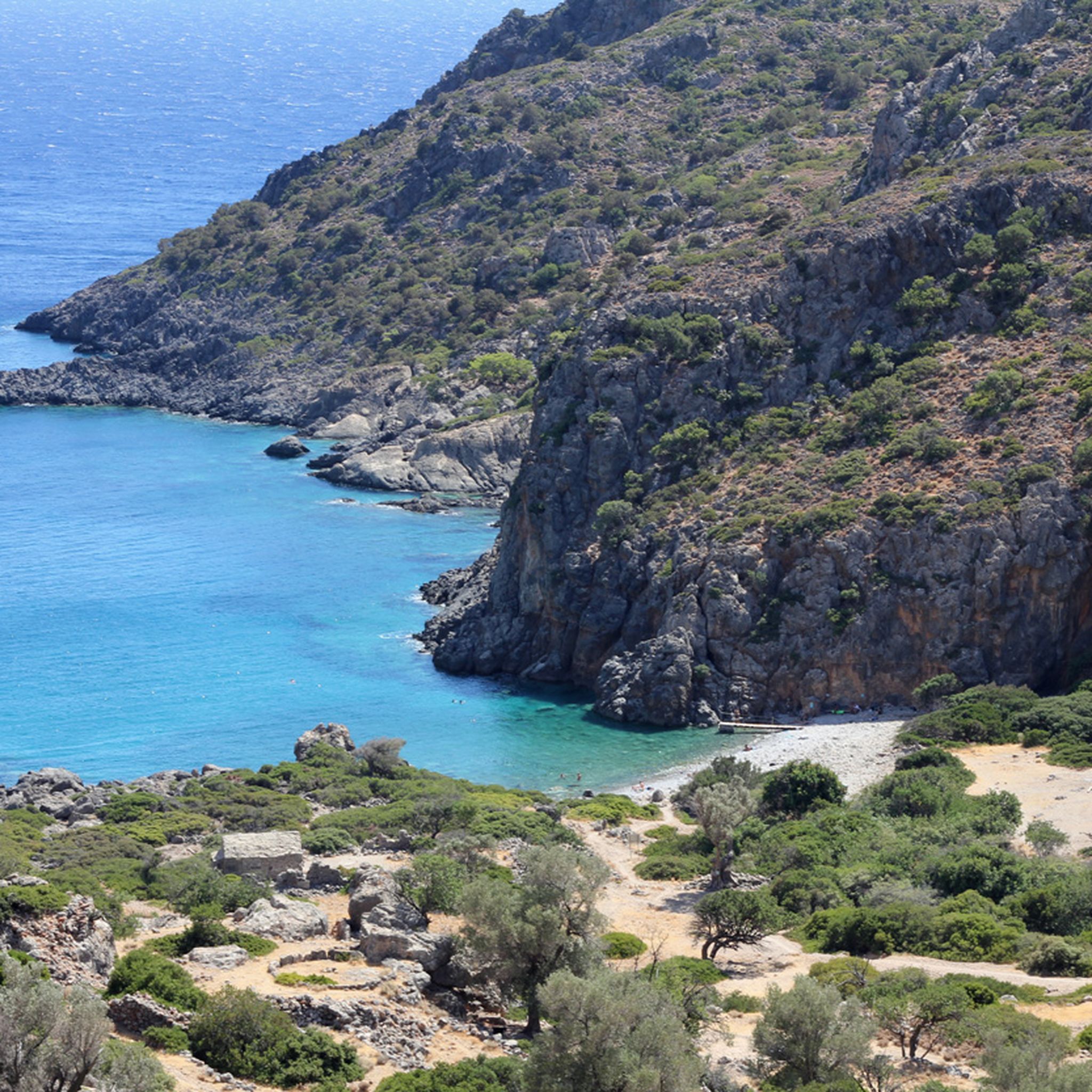
Hiking in Περιφερειακή Ενότητα Χανίων
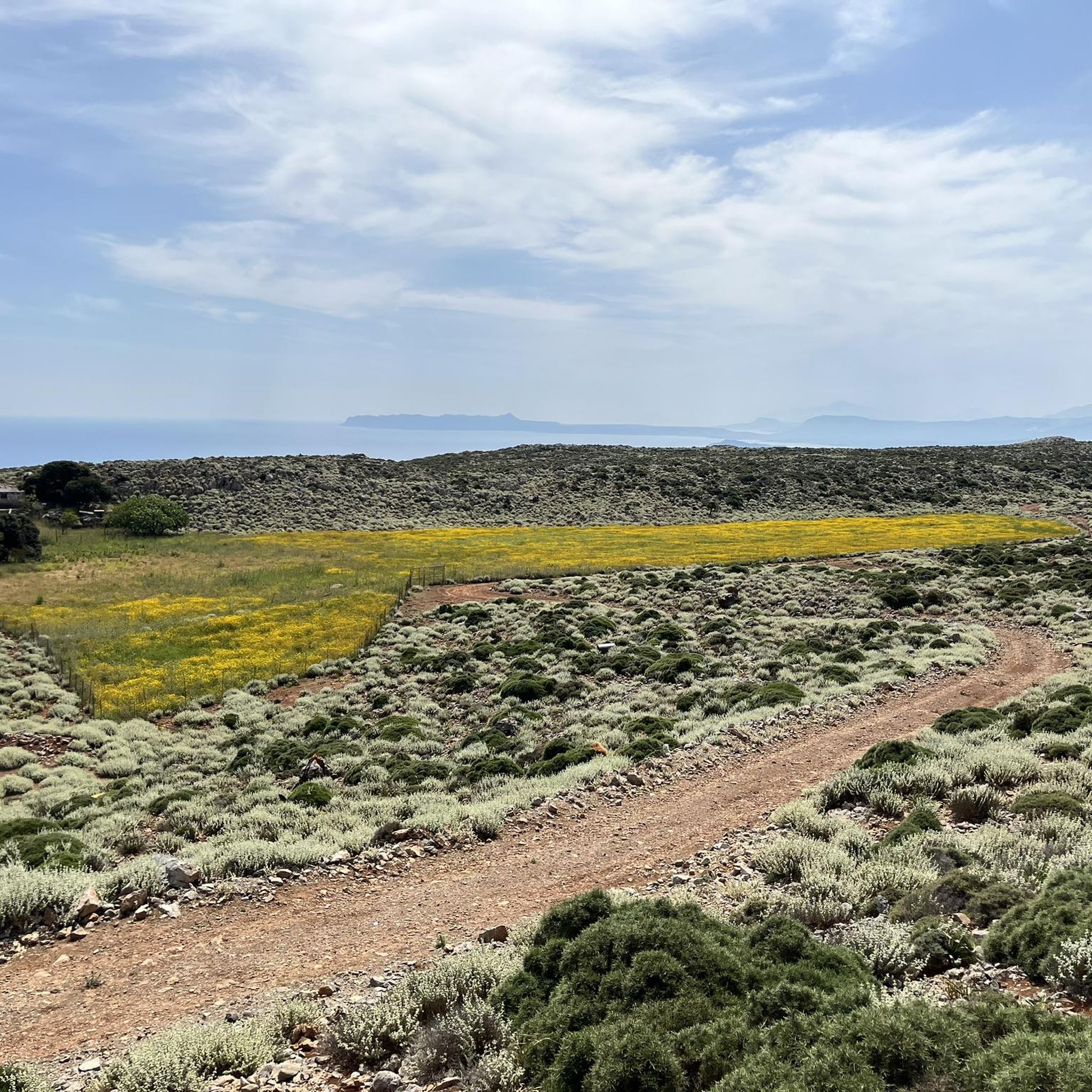
Running Trails in Περιφερειακή Ενότητα Χανίων
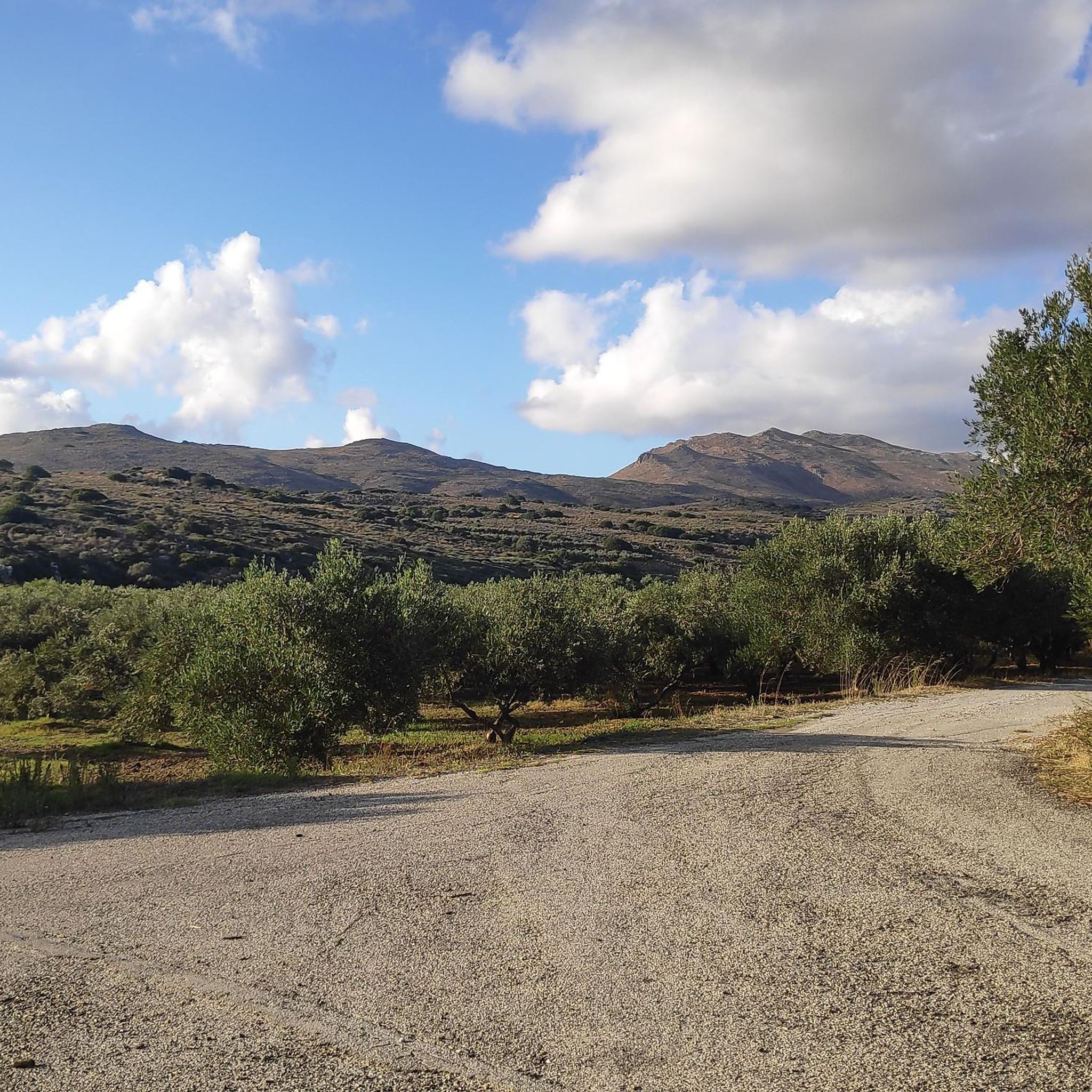
Road Cycling Routes in Περιφερειακή Ενότητα Χανίων
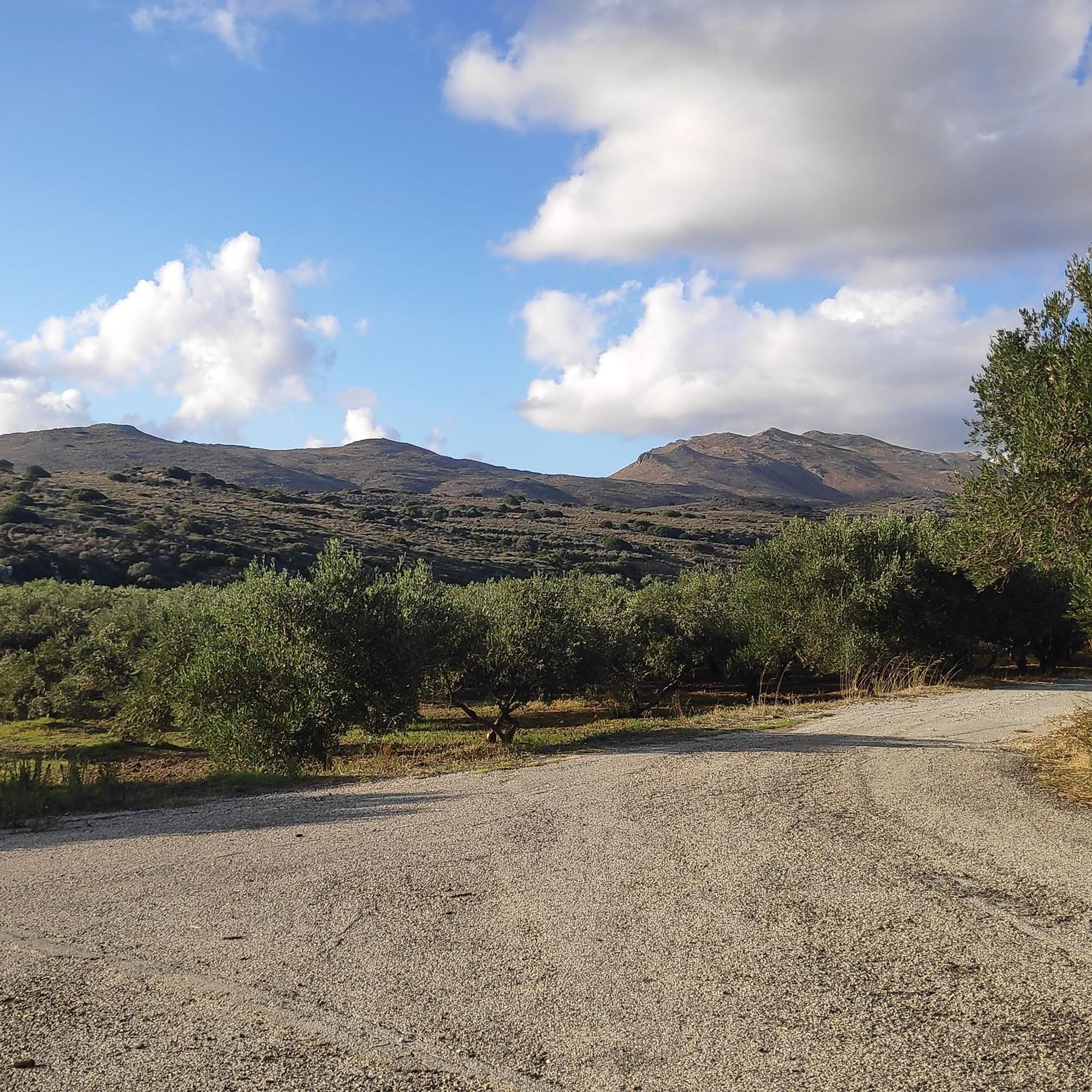
Cycling in Περιφερειακή Ενότητα Χανίων
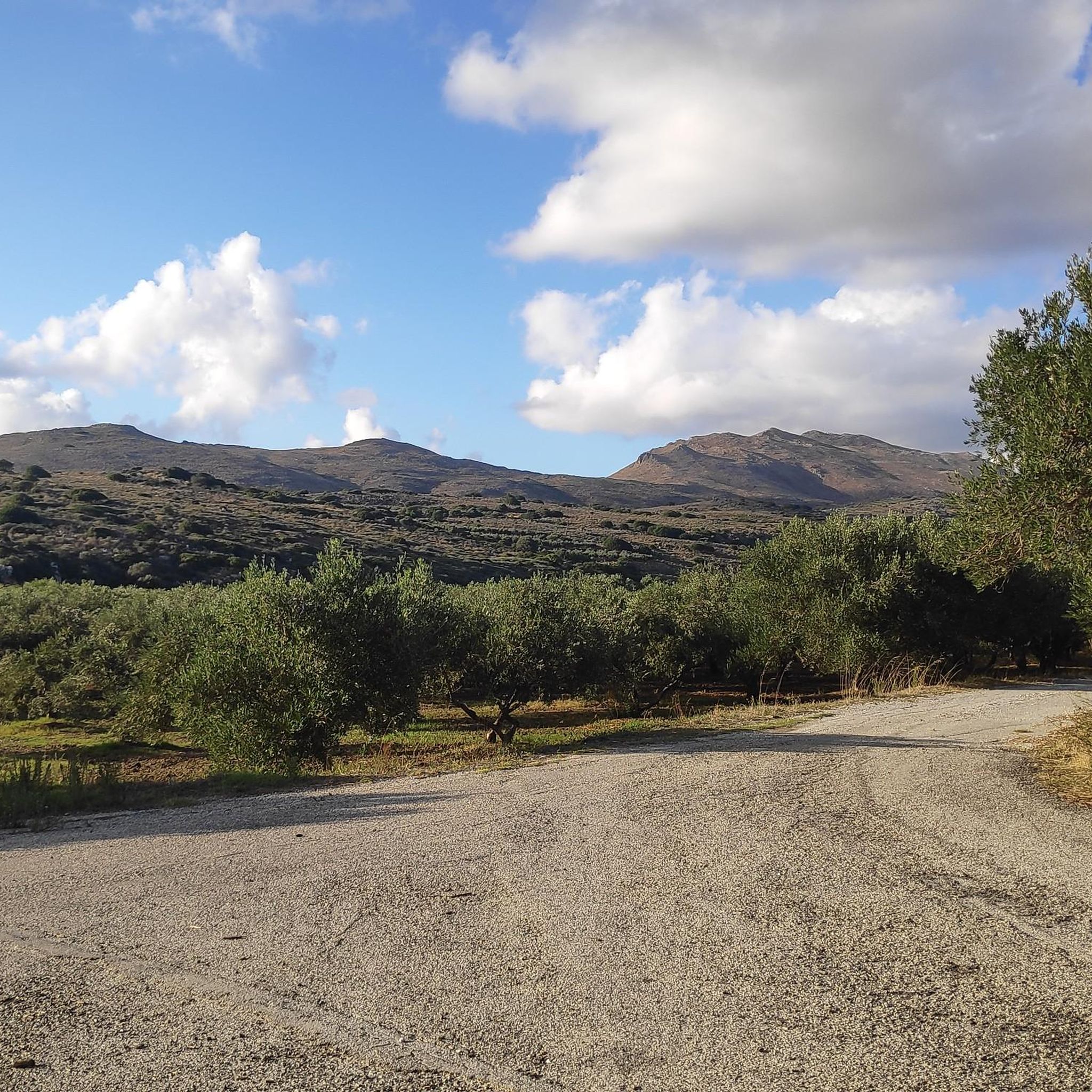
MTB Trails in Περιφερειακή Ενότητα Χανίων
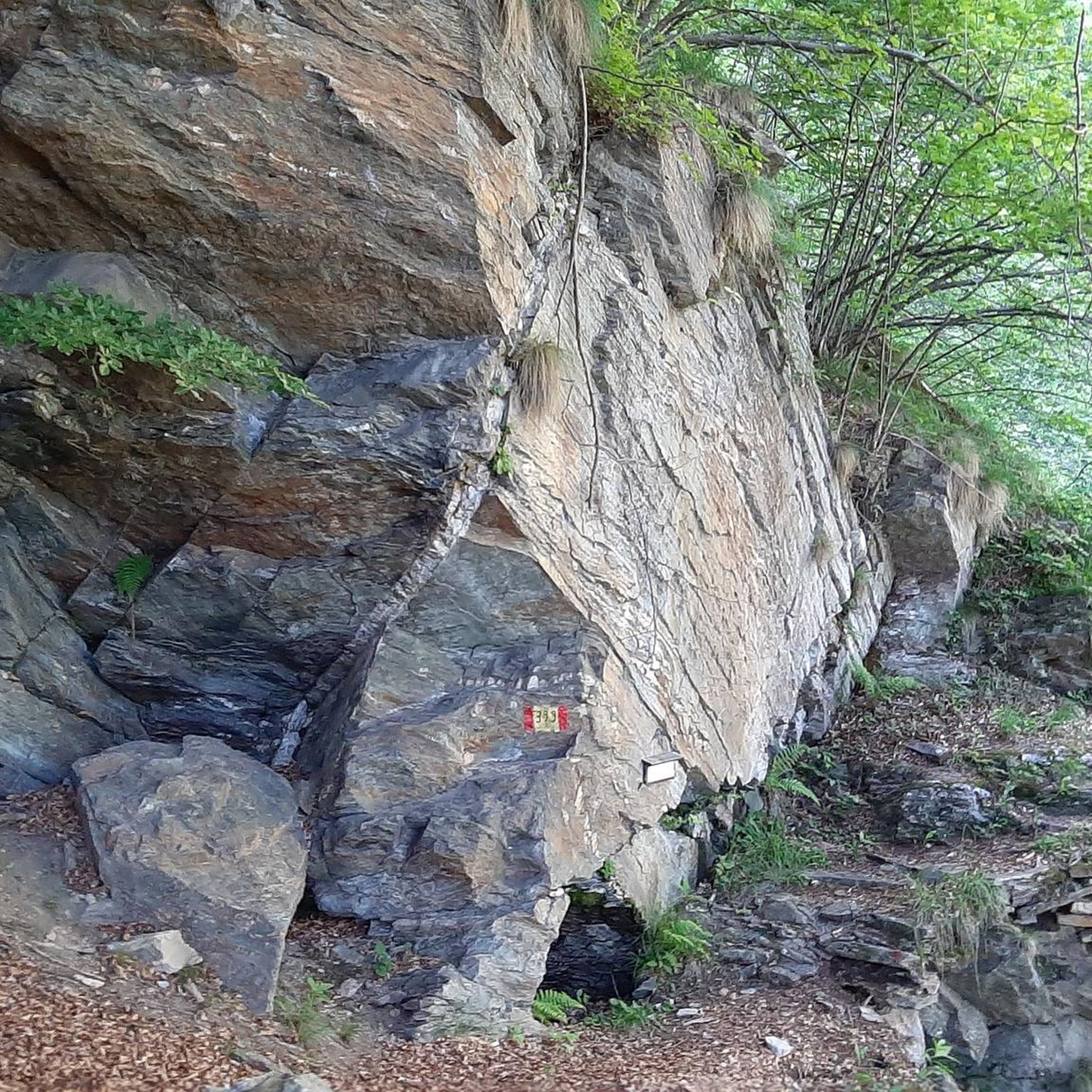
Mountain Hikes in Περιφερειακή Ενότητα Χανίων
Other adventures in Περιφερειακή Ενότητα Χανίων

Tips from the Community

Lake Kournas is today the only large natural lake in Crete and is located in a magical landscape. Surrounded by high mountains and olive groves. It is located next to the village of Kournas, 2.5 km southeast of Georgioupolis beach, 43 km east of Chania and 20 km west of Rethymnon. Lake Kournas and its surroundings form a very important ecosystem for Greece. Kournas is one of the very few regions of Crete where vast amounts of fresh water have accumulated over the years. That is why it is under the protection of the Natura 2000 program. On one side of the lake are cafes and restaurants with a view of the lake. Adjacent to the cafes, small beaches with white sand form in the summer when the water level drops. Visitors can swim on these beaches and rent umbrellas. Visitors can also go pedal boating and kayaking here. It is an ideal choice for the afternoon when the water takes on a wonderful color and is calm. The lake was formed by the accumulation of groundwater coming from the mountains. The water bubbles up from a spring called Amati or Mati (it means "eye"), which is above the lake's water level in the summer, while it is hidden below the surface in the winter. A second spring is below the surface all year round. The lake is small, round, and covers an area of 570 acres, has a maximum depth of 22.5 meters, is 1080 meters long and 880 meters wide. In the summer, there are 7.5 million cubic meters of water in the lake. The lake is fed by the Delfinas river. Source: cretanbeaches.com/de/str%C3%A4nde-in-kreta/str%C3%A4nde-auf-chania-west-kreta/kournas-see-chania
3
0

"Teach me to dance... come on, boy!" And on this beach in 1964, Anthony Quinn taught Alan Bates the "Sirtaki." This final scene from "Zorba the Greek," filmed by German cinematographer Walter Lassally and awarded an Oscar, thus shows the "birth" and "birthplace" of the Sirtaki. Because the Sirtaki isn't an original Greek dance. It incorporates sequences from various Greek dances. Furthermore, Anthony Quinn had injured his ankle beforehand and was severely hampered in his dancing abilities. On the opposite hillside, the location where the collapsing wooden cable car was filmed is clearly visible. In 1979, I rode an old bicycle from Chania to this lagoon... and it was very, very empty. For those interested in culture... the film's plot is based on the novel "Zorba" by Nikos Kazantzakis, in which he created a monument to his friend.
0
0

Depending on the vegetation, the trail is barely or not at all accessible.
1
0

Super nice place for swimming and snorkeling.
0
0

Magnificent view from the Akrotiri peninsula of the Souda Bay with the cruise terminal. It is the largest natural harbor in the Mediterranean and, because of its anchorages that are more than 100 meters deep, is also used by the military for submarines and aircraft carriers; if you're lucky, you might even spot one. Currently (July 24), the USS Dwight D. Eisenhower (CVN-69) is anchored there after its deployment off Israel.
3
0

It is easy to find the entrances where you can easily get past the rocks into the water.
3
0

Aspri Limni (the White Lake) is located near the settlement of the monastery of Chrysoskalitissa and is about 5 km from the cosmopolitan Elafonisi. The beach is wild (no infrastructure) and is surrounded by a rare palm forest and some cedars. A beautiful lagoon has formed there, separated from the sea by rocks and thus completely protected from high waves. The beach is rarely occupied by many people - and to keep it that way: "Psssssssssst! Don't tell anyone!!!"
3
0
White Lake Beach is easily accessible, it is located close to the road. There is a parking lot for a handful of cars right on the beach. Only a few parking spaces. Three parasols, that's all the infrastructure. But it is much quieter than Elafonissi Beach. Two small sandy beaches invite you to swim. One is difficult to access.
3
0
Frequently Asked Questions
What are the primary lakes and lagoons in the Chania regional unit?
The Chania regional unit is home to significant water bodies including the natural freshwater Lake Kournas and the important wetland of Lake Agia. Additionally, the region features stunning coastal lagoons like Balos Lagoon, Elafonissi Pink Sand Beach, and Stavros Lagoon, which are often referred to as lakes due to their calm, enclosed waters.
What unique natural features can I expect at Lake Kournas?
Lake Kournas is Crete's only natural freshwater lake, nestled in a picturesque valley with the White Mountains as a backdrop. It's a protected Natura 2000 area, home to diverse fish species, terrapins (two-tailed turtles), water snakes, and migratory birds. Its clear waters are ideal for swimming, and receding summer levels reveal sandy shores.
What makes Lake Agia important for nature lovers?
Lake Agia is a vital wetland and a protected Natura 2000 site, renowned for its rich biodiversity. It boasts perhaps the greatest variety of aquatic plants in Crete and is a haven for over 200 bird species, making it one of the most significant birdwatching sites on the island, especially for migratory birds. Visitors can use observatory posts for wildlife viewing.
Are there family-friendly activities available at the lakes in Chania?
Yes, several lakes and lagoons are very family-friendly. At Lake Kournas, children can enjoy swimming in shallow waters, renting pedal boats (some with slides), and observing turtles. Elafonissi Pink Sand Beach and Stavros Lagoon also offer shallow, calm waters perfect for families.
What kind of walking or hiking trails are available around the lakes?
Both Lake Kournas and Lake Agia offer walking paths. Around Lake Kournas, you can find a walking path covering about two-thirds of its perimeter, and there's a Shaded Path on the South Side of Lake Kournas. Lake Agia has a path that allows visitors to circumnavigate the entire lake, providing excellent opportunities for nature appreciation and birdwatching. For more challenging hikes, consider the Hiking Trail to the Dam at Lake Kournas.
Can I find amenities like cafes or restaurants near the lakes?
Yes, particularly around Lake Kournas, you'll find numerous tavernas and cafes offering traditional Cretan cuisine with stunning views of the tranquil waters and mountains. Elafonissi Pink Sand Beach also has tavernas nearby, along with parking, sun loungers, and changing facilities.
What is the best time of year to visit the lakes in the Chania region?
The lakes are generally pleasant to visit from spring through autumn. For birdwatching at Lake Agia, spring and autumn are ideal due to migratory bird activity. For swimming and water activities at Lake Kournas, the summer months offer warm, clear waters, and the receding water levels reveal sandy shores perfect for relaxation.
Are there opportunities for birdwatching in the Chania lakes region?
Absolutely. Lake Agia is particularly renowned for its ornithological significance, with over 200 bird species recorded, making it one of the most important birdwatching sites on Crete. Birdwatching at Agia Lake is a popular activity, especially in the mornings and evenings. Lake Kournas also serves as a significant stopover point for migratory birds.
What outdoor activities can I do near the lakes in Chania?
Beyond swimming and walking around the lakes, the region offers diverse outdoor activities. You can find various mountain hikes, road cycling routes, and MTB trails nearby. For example, there's a moderate MTB route from Georgioupolis Harbor to Lake Kournas.
Is public transport available to reach Lake Kournas?
Yes, public transport options are available to reach Lake Kournas. It is located approximately 4 kilometers south of Georgioupolis, which is a well-connected area. For detailed schedules and routes, it's advisable to check local bus services.
What do visitors enjoy most about the lakes in the Chania region?
Visitors frequently praise the stunning natural beauty, especially the clear waters and mountain backdrops of Lake Kournas. The opportunity for peaceful nature observation and birdwatching at Lake Agia is also highly valued. The unique pink sand of Elafonissi Pink Sand Beach and the historic setting of Balos Lagoon are also top highlights.
Are there any historical sites near the lakes?
Historically, Lake Kournas was known as 'Korissia' due to a temple dedicated to Korissia Athena believed to have been in the area. The nearby traditional village of Kournas and the Kournas Cave offer additional points of interest. Balos Lagoon is also known for its historic Venetian fortress on Gramvousa, standing 137 meters above the beach.
Most popular routes in Περιφερειακή Ενότητα Χανίων
Most popular attractions in Περιφερειακή Ενότητα Χανίων

Get inspired with the komoot mobile app


Didn’t find what you were looking for?
Find the best lakes in Περιφερειακή Ενότητα Χανίων per region:
Explore more
Still not found your perfect lake in Περιφερειακή Ενότητα Χανίων? Check out the guides of these regions to see even more beautiful places.
