Top 20 Caves in Asturias
Best caves in Asturias are found within a region known for its diverse karst landscape and underground wonders. This northern Spanish area offers a unique blend of natural beauty, geological formations, and historical significance. The extensive cave systems provide insights into prehistoric art and offer varied exploration opportunities.
Best caves in Asturias
- The most popular caves is Covadonga Sanctuary, a religious building that includes the Santa Cueva, a cave with significant religious and historical importance. It is believed to be the site of a miraculous appearance and is the burial place of King Pelayo.
- Another must-see spot is La Cuevona of Cuevas del Agua, a cave that is about 300 meters long and 20 meters high at some points. Visitors can explore it by car or on foot, admiring different rock formations like stalactites and stalagmites.
- Visitors also love Huerta Cave, one of the largest caves in Asturias, boasting almost 20 kilometers of galleries and shafts. Its significant geomorphological and speleological value makes it a point of interest.
- Asturias is known for its natural caves, prehistoric art caves, and caves with religious significance. The region offers a variety of underground tours and experiences, from drive-through caves to those housing ancient artwork.
- The caves in Asturias are appreciated by the komoot community. With more than 90 upvotes and 80 photos, these natural features attract many visitors.
Last updated: October 14, 2026
Covadonga Sanctuary
Highlight • Religious Site
There is also a smaller church, the Santa Cueva, which is believed to be the site of the miraculous appearance of the Virgin Mary to the Christian army during the Battle of Covadonga in AD 722. The cave is also the burial place of King Pelayo, who led the Christian army to victory in that battle. The complex attracts thousands of visitors each year, who come to admire the impressive views and learn about the history and culture of Asturias.
Translated by Google •
Tip by

Huerta Cave
Highlight • Cave
Translated by Google •
Tip by

Sign up now to discover places like this
Get recommendations on the best single tracks, peaks, & plenty of other exciting outdoor places.
Buferrera Mine
Highlight • Structure
Translated by Google •
Tip by

Serantes Beach
Highlight • Beach
Translated by Google •
Tip by

La Cuevona of Cuevas del Agua
Highlight • Cave
Translated by Google •
Tip by
Cuevas del Mar Beach
Highlight • Beach
Translated by Google •
Tip by

Covarones of the Tuernes River
Highlight • Cave
Translated by Google •
Tip by

Cueva del Dragón
Highlight • Cave
But the dragon in the cave hissed and hissed with every wave.
Very impressive 👍🤗🤩
Translated by Google •
Tip by

Cabrales Cheese Cave Museum
Highlight • Cave
Translated by Google •
Tip by

Tereñes Beach
Highlight • Beach
Translated by Google •
Tip by

Sign up for free to discover even more caves in Asturias.
Already have an account?
Start today with a free account
Your next adventure awaits.
Popular around Asturias
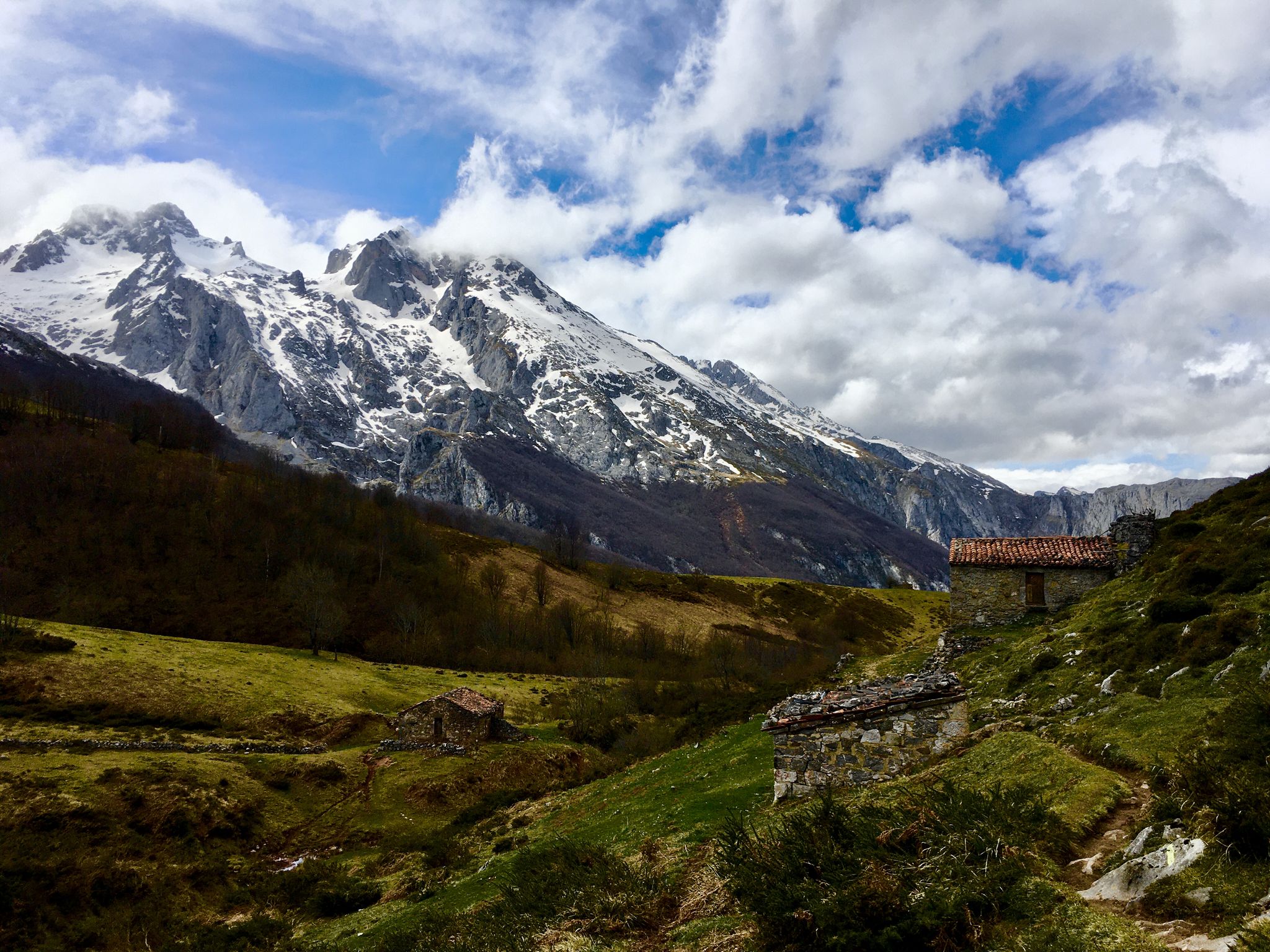
Route of the Reconquest (GR 202) – In the footsteps of an army
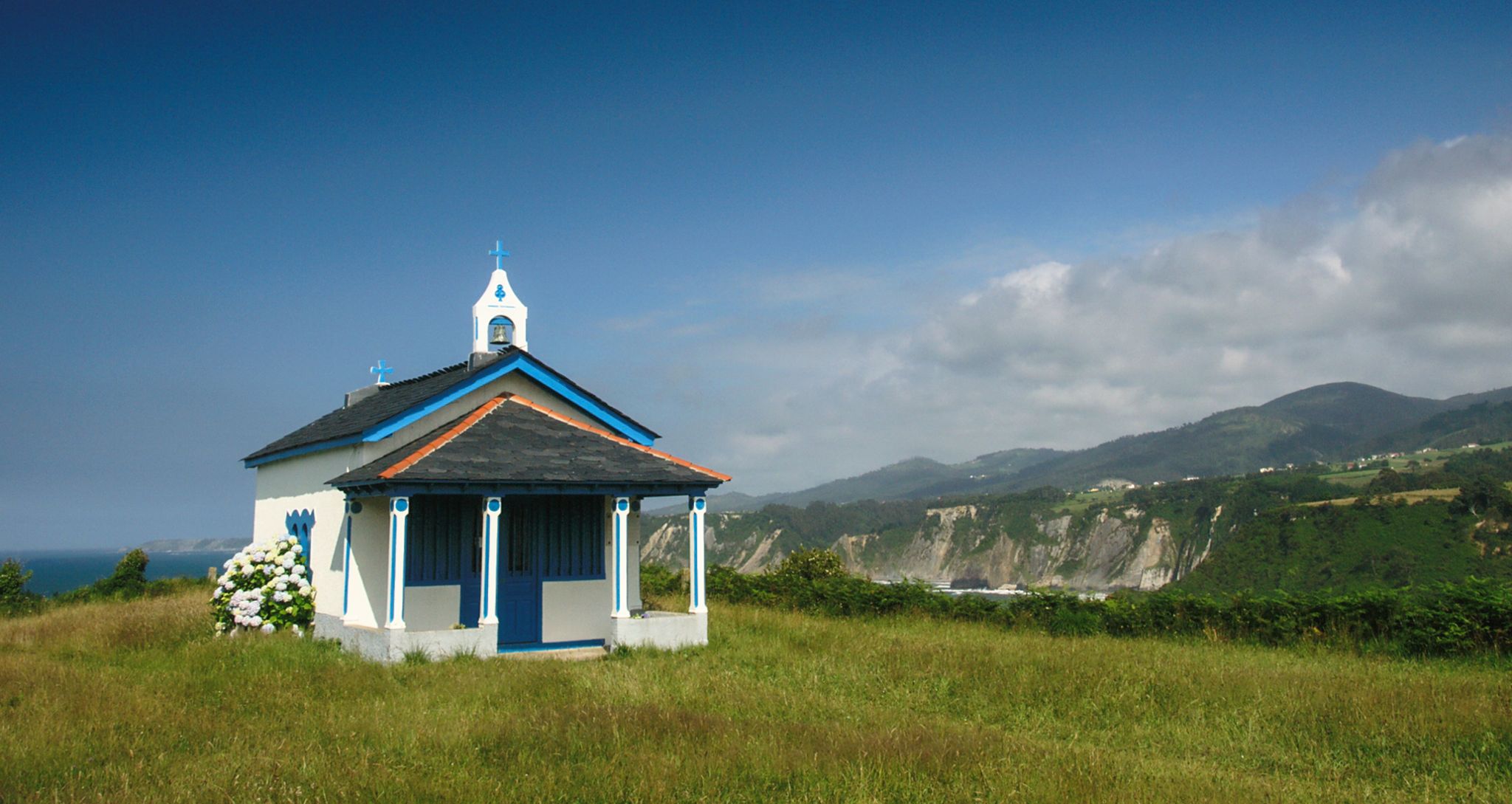
Camino del Norte – 15 stages
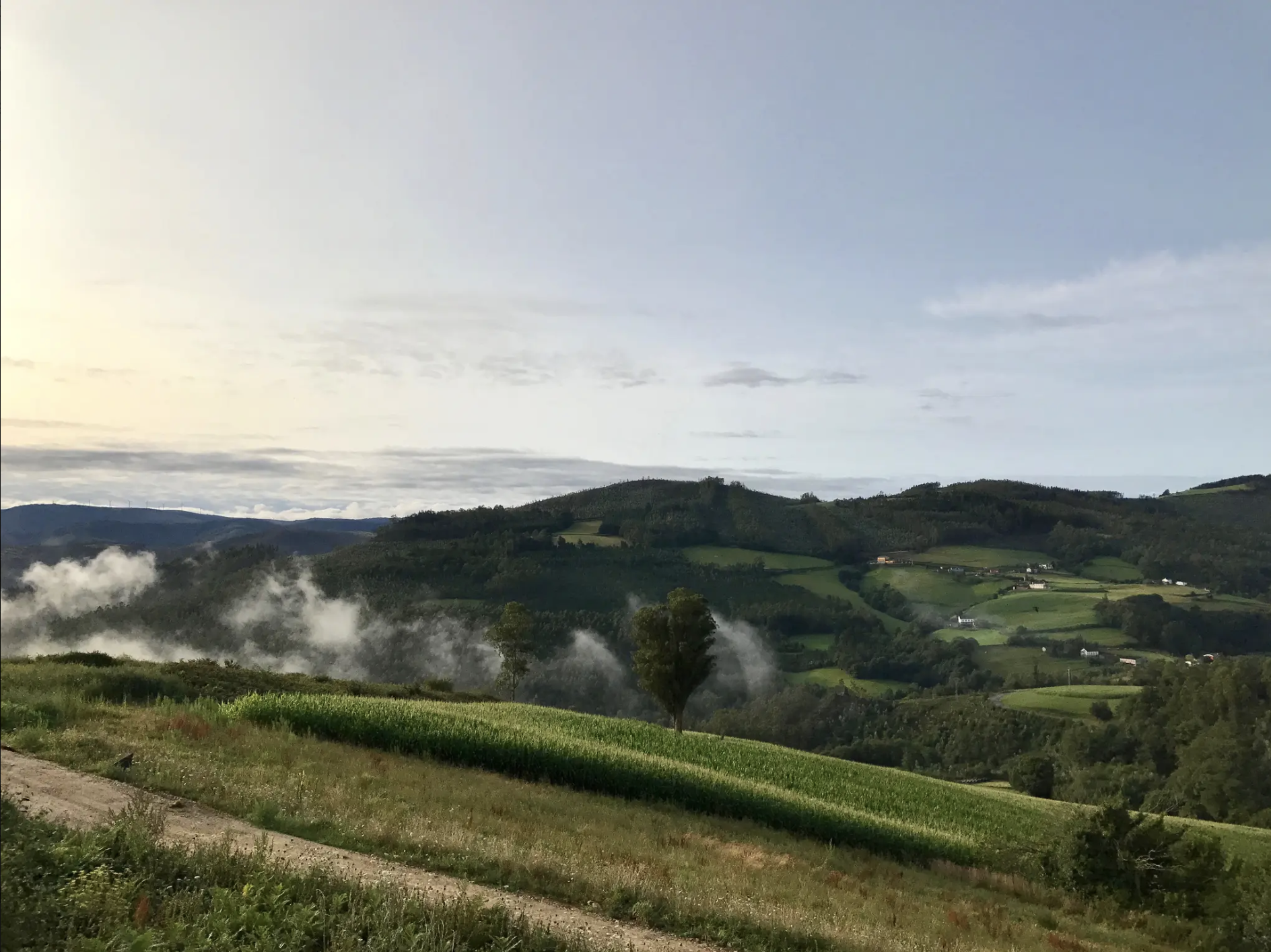
Camino del Norte (in reverse) – Discovering northern Spain's stunning coastline
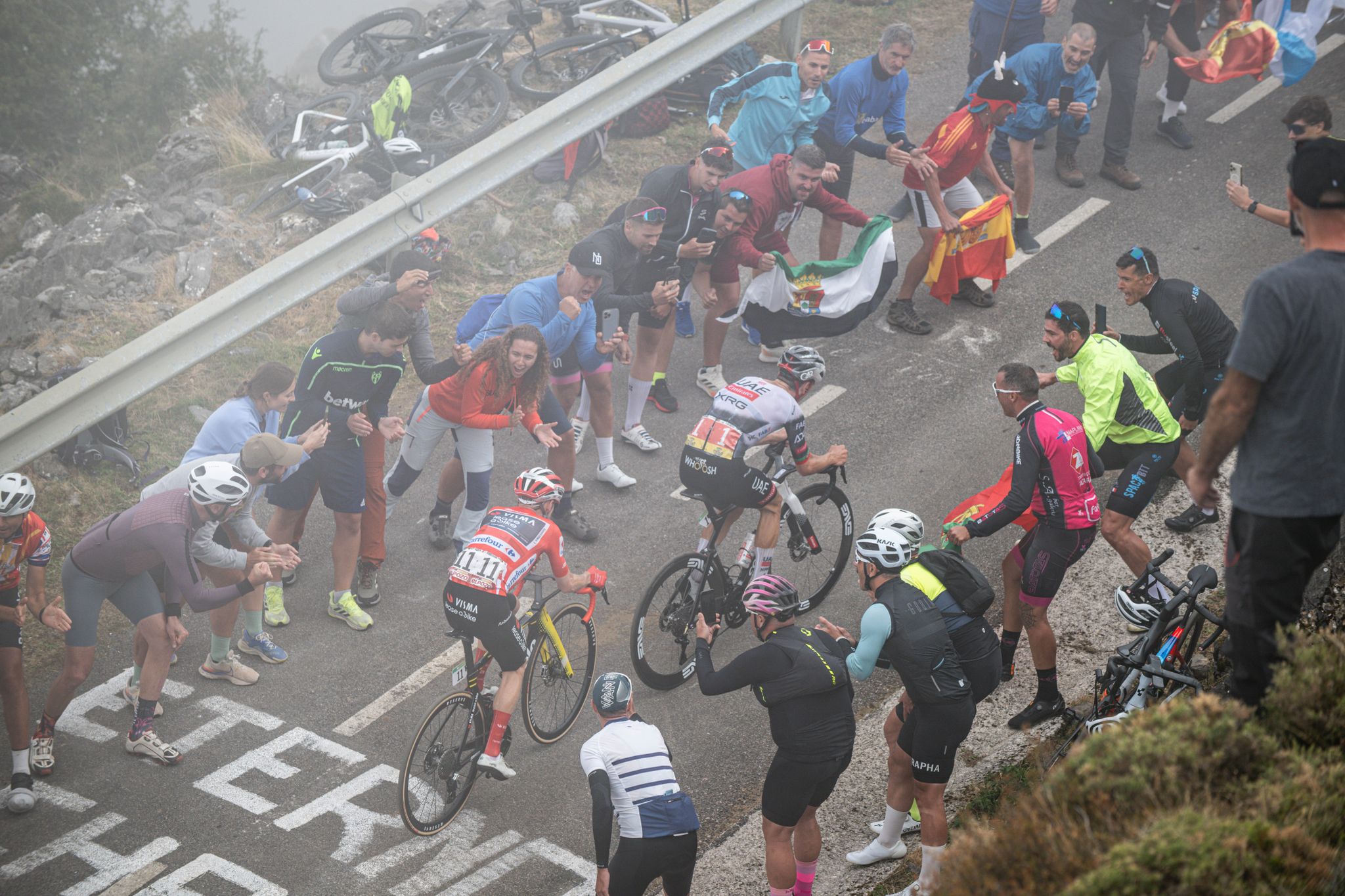
Mythical Passes and Sections of La Vuelta
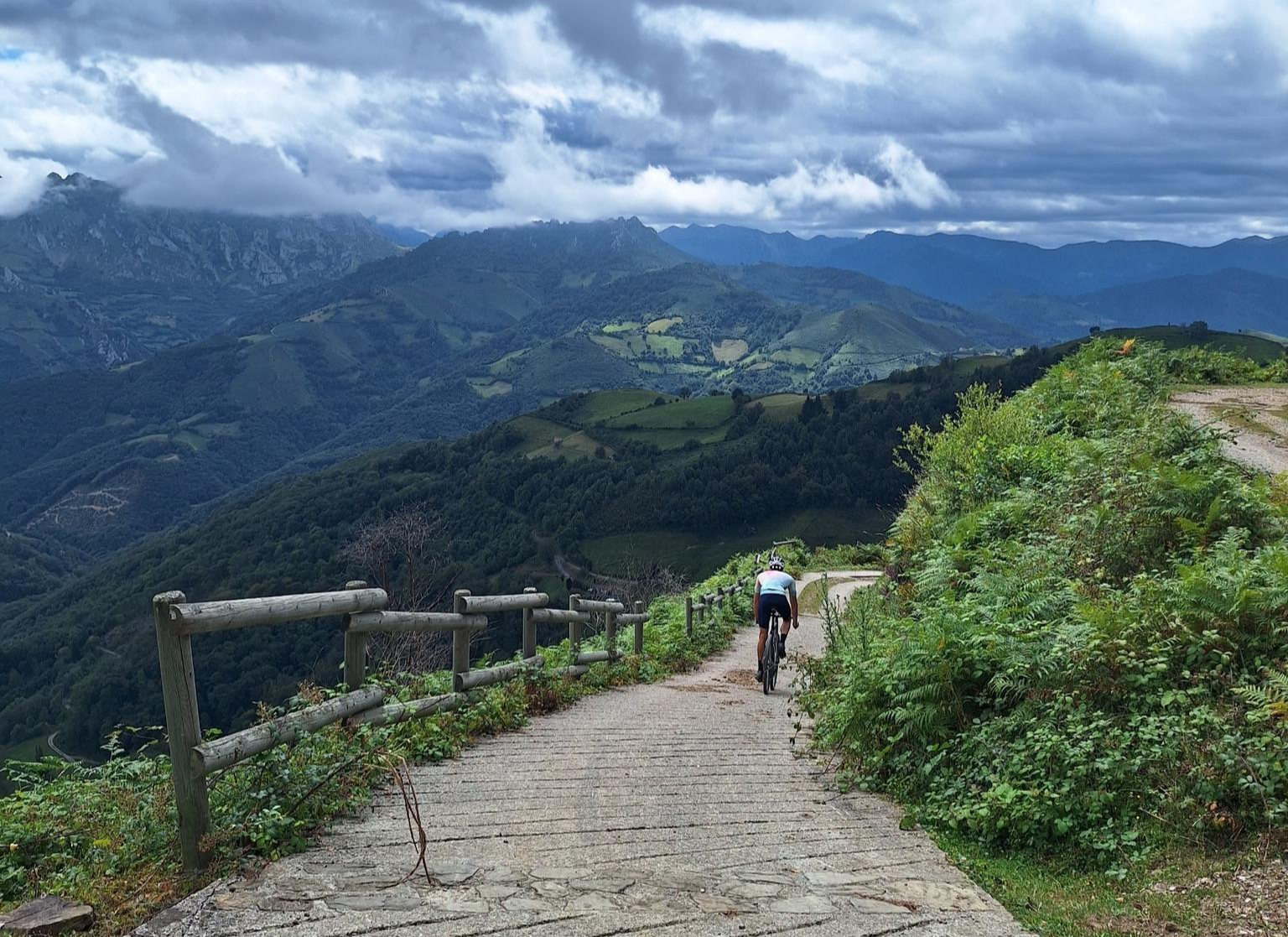
Central Mountain Cycling Ring GR 208 - Tour of the Asturian Mountains
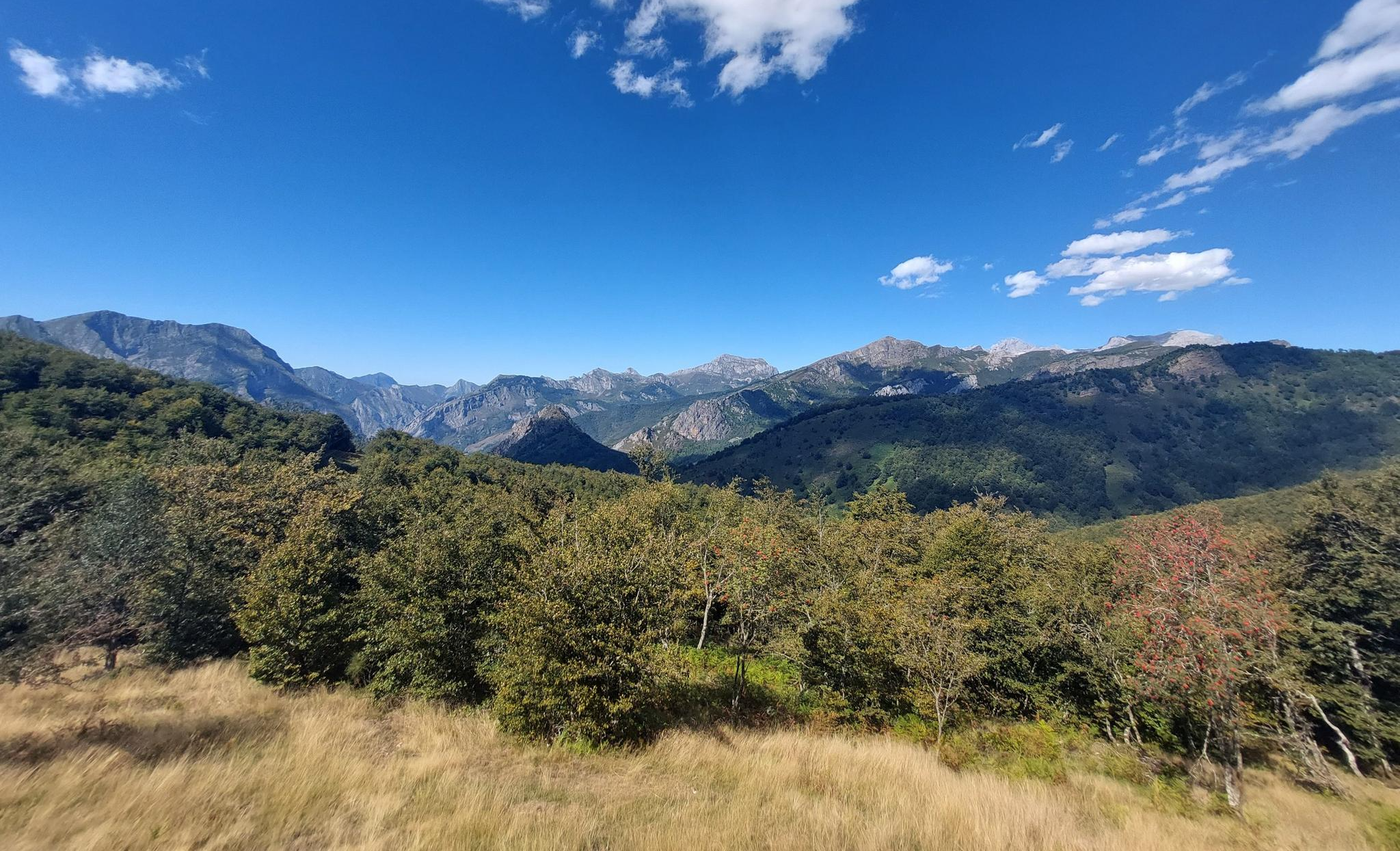
Senda del Arcediano (GR 210) - A historical hike through the Picos del Picos
Great mountain passes of Picos de Europa on road bikes
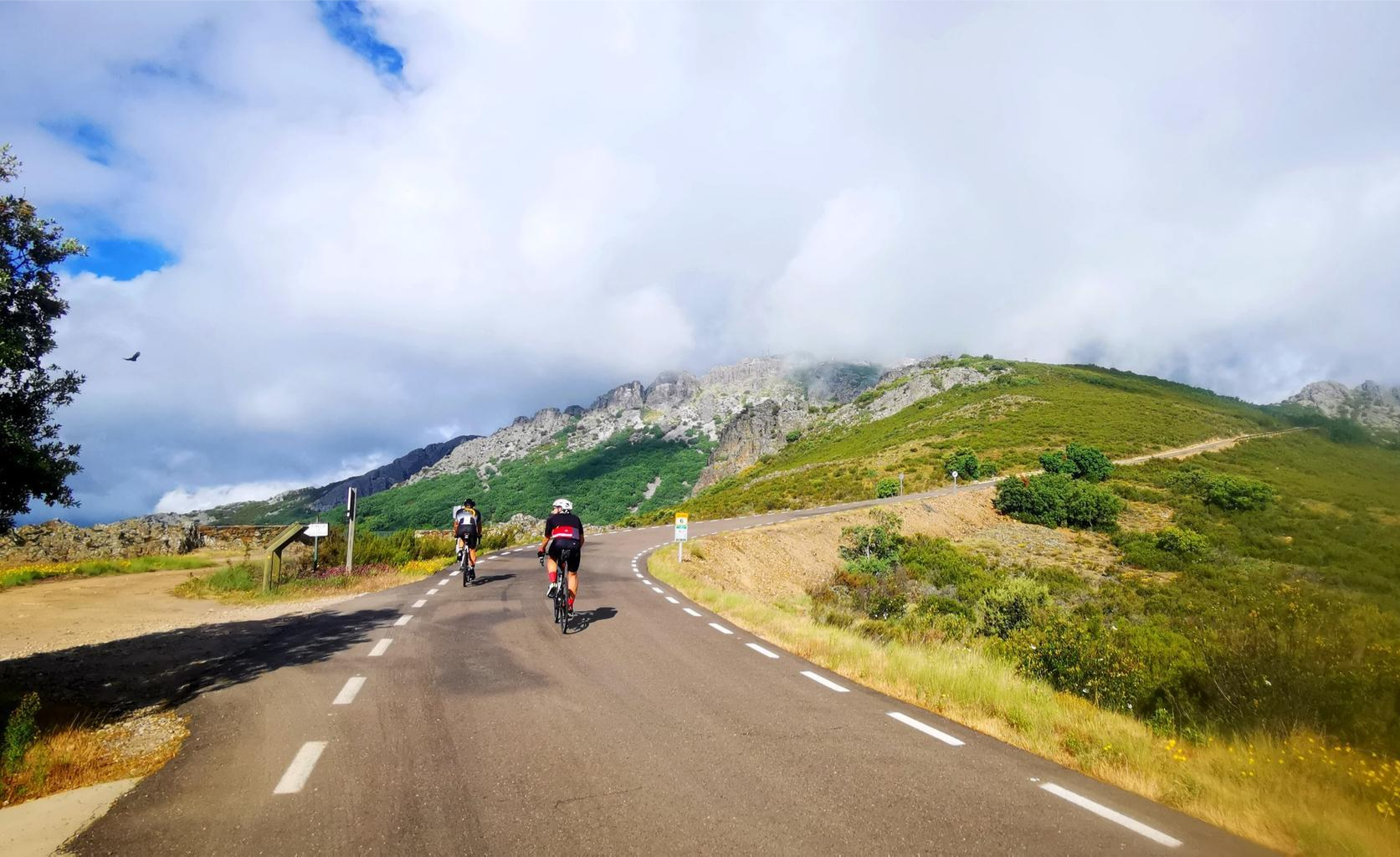
Legendary climbs - Ports of La Vuelta a España
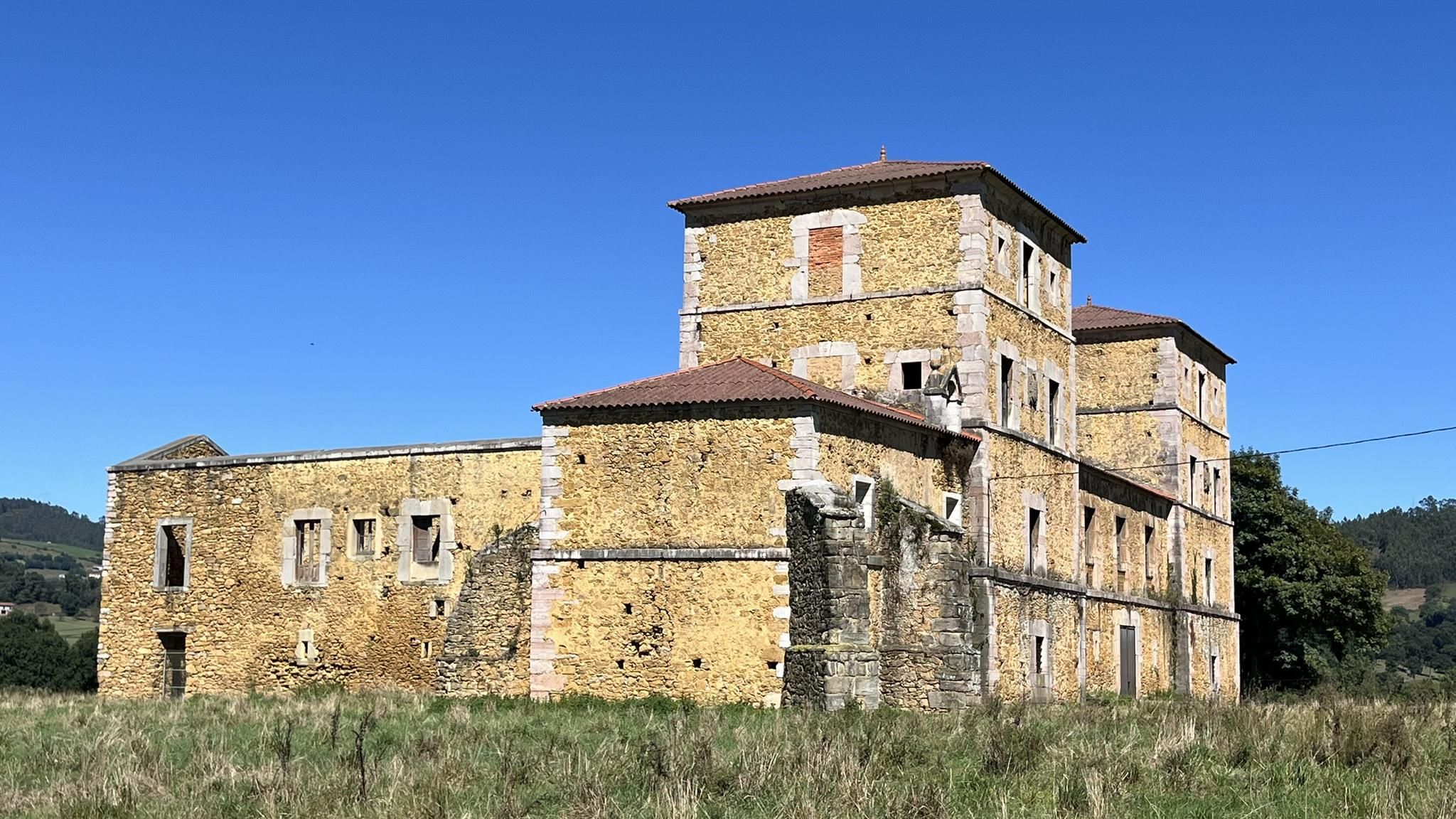
Route of the Palaces — GR 200
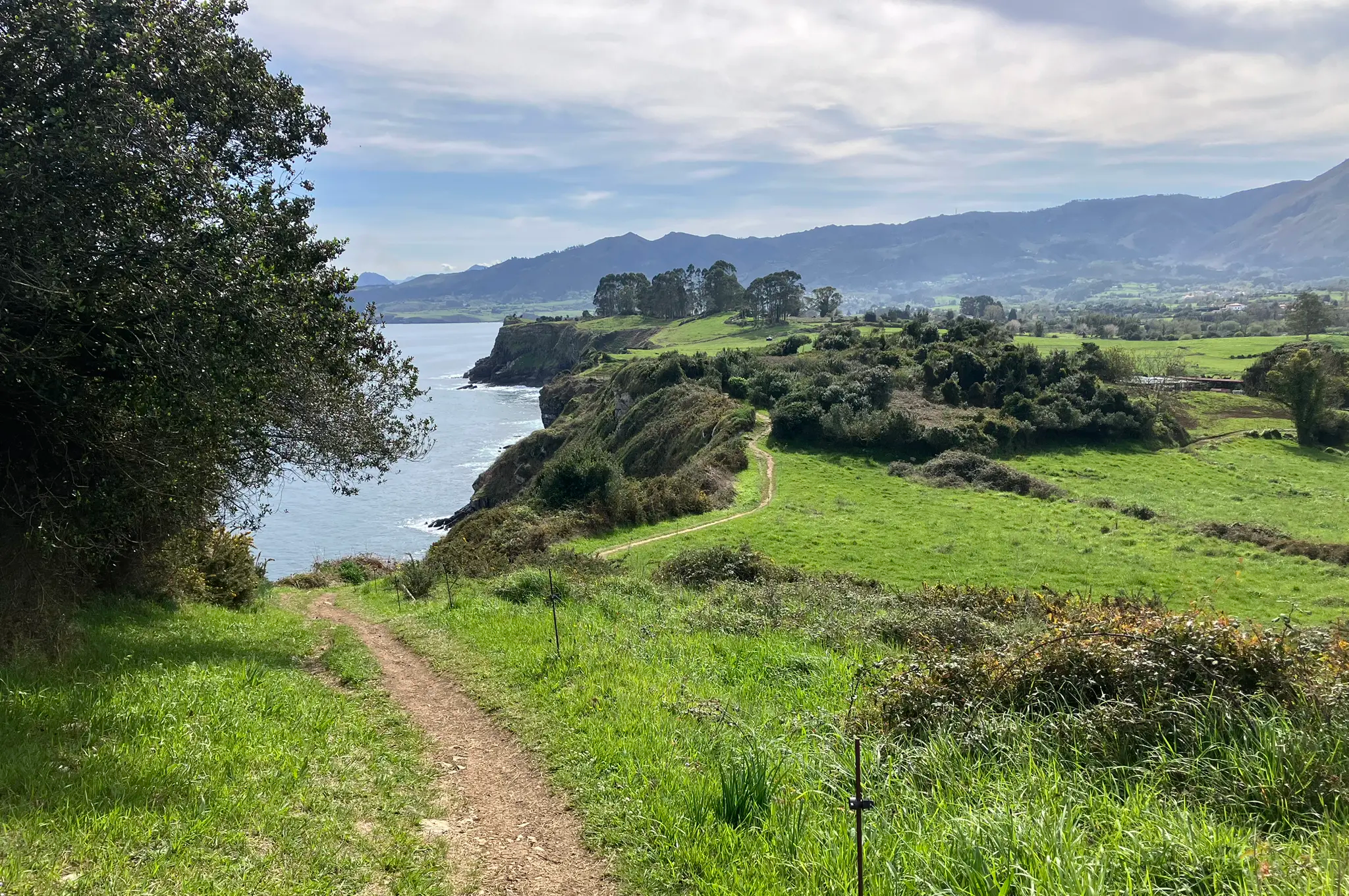
Green, Blue and Gold - Coastal Path through Asturias (GR 204)
Other adventures in Asturias


Tips from the Community

The Holy Cave of Covadonga is a magical place. Seen from below, the small chapel is picturesquely built into the open cave. Once you are at the top, your gaze is captured by the beautiful statue of Mary, and I hardly noticed the small building of the chapel. Take your time, sit on one of the benches if there is space, and find a little peace. Photography is actually forbidden in the cave - however, this does not stop most visitors from doing it anyway, including me. However, one should at least refrain from posing at the barrier in front of the statue of Mary while other visitors are sitting devoutly on the benches. Proceed without haste, quickly take a photo of the statue and the chapel, and then withdraw; I don't think it should be any more than that. Don't destroy the magic of this place!
0
0


The Cheese Museum is located in rock caves that have long been used for cheese production. The traditional and typical production of the local blue cheese is explained on illustrated panels. After a guided tour through the rock tunnels, there will be a film screening and a cheese tasting with apple cider in one of the houses.
1
0

Spectacular and wild, ideal for romance
0
0
A must-see and possible route with children
0
0
Frequently Asked Questions
What are some of the most significant prehistoric art caves in Asturias?
Asturias is home to several caves with invaluable prehistoric art. Tito Bustillo Cave in Ribadesella is a UNESCO World Heritage Site, renowned for its Paleolithic rock art depicting animals and believed to have ritualistic purposes. Another significant site is El Pindal in Ribadedeva, which features impressive deer depictions and an entrance overlooking the sea. While Covaciella Cave is closed to the public to protect its delicate artwork, an interpretation room at La Casa Bárcena allows visitors to learn about its significance as a World Heritage Site.
Are there any caves in Asturias that offer unique geological experiences?
Yes, Asturias boasts diverse geological formations. Huerta Cave in Teverga is one of the largest in Asturias, with almost 20 kilometers of galleries and shafts, making it a significant speleological site. The Water Caves (Cuevas del Agua) in Ribadesella are unique as they form a natural tunnel that can be explored by car, bicycle, or on foot, allowing you to admire stalactites and stalagmites from within.
Which caves in Asturias are family-friendly or suitable for visitors with children?
For families, La Cuevona of Cuevas del Agua offers an accessible experience where you can drive or walk through a natural cave tunnel, observing rock formations. The Cabrales Cheese Cave Museum provides an interesting and educational visit, combining a cave experience with local culinary history. Additionally, the Avín Cave features a Glacial Fauna Interpretation Center with reproductions of prehistoric animals, offering an engaging learning experience for all ages.
Are there any caves with religious or historical significance in Asturias?
Absolutely. The Covadonga Sanctuary includes the Santa Cueva, a cave church believed to be the site of a miraculous appearance of the Virgin Mary and the burial place of King Pelayo. This site holds immense religious and historical importance. Another notable location is the Sanctuary of the Virgin of the Cave, which also combines religious devotion with a natural cave setting.
What kind of accessibility options are available for caves in Asturias?
Accessibility varies by cave. La Cuevona of Cuevas del Agua is notably accessible as it features a paved road and a pedestrian walkway, allowing visitors to explore it by car or on foot. For other caves, it's advisable to check specific access details, as many involve natural terrain or steps.
What is the best time of year to visit the caves in Asturias?
The caves in Asturias can generally be visited year-round. However, for comfortable exploration and to combine your visit with other outdoor activities, the spring (April-June) and autumn (September-October) months offer pleasant temperatures and fewer crowds. Summer (July-August) is also popular, but can be busier.
Are there any caves in Asturias located near beaches or coastal areas?
Yes, the Asturian coastline features several caves integrated into its stunning beaches. Cuevas del Mar Beach is famous for its sea-carved crevices, grottos, and caves. Serantes Beach also offers opportunities to explore caves and beautiful sea outlets among its rocks.
What outdoor activities can I do near the caves in Asturias?
The region around Asturias's caves offers a variety of outdoor activities. You can find numerous waterfall hikes, with routes like the Villamayor - El Chorrón - La Cueva Trail. For cycling enthusiasts, there are options for gravel biking and MTB trails, including routes that pass through scenic areas near the caves, such as the Cangas de Onís loop near Covadonga.
Are there any less-known or unique cave experiences in Asturias?
Beyond the well-known sites, Asturias offers some unique experiences. The La Cuevona de Ardines, while connected to the Tito Bustillo complex, features a magnificent circular chamber with an open ceiling, allowing natural light to filter in. The Covarones of the Tuernes River offer a chance to explore caves alongside a river, providing a different natural setting.
Do I need a permit or reservation to visit caves in Asturias?
For some popular caves, especially those with prehistoric art like Tito Bustillo, reservations are highly recommended or even mandatory due to limited daily visitor numbers to preserve the delicate artwork. For other natural caves, permits are generally not required, but it's always best to check the specific requirements for each site before your visit.
What kind of historical sites, beyond caves, can I find in the vicinity?
Near many of the caves, you'll find other historical points of interest. For example, close to the Covadonga Sanctuary, you can explore the Buferrera Mine, which operated for 130 years and offers a glimpse into the region's industrial past with its ruins and a small recreation of the mine. The entire Covadonga area is rich in history related to the Reconquista.
Most popular routes in Asturias
Most popular attractions in Asturias

Get inspired with the komoot mobile app


Didn’t find what you were looking for?
Discover more caves in Asturias region by region:
Explore more
Extend your search for the best caves by checking out these guides of the top ones in Asturias:
