Top 13 Caves in Cuenca
Best caves in Cuenca offer a diverse range of natural and historical underground experiences. The region is characterized by unique geological formations, including natural caves carved by erosion and ancient underground passages. These sites provide insights into both natural processes and human history, making Cuenca a notable destination for subterranean exploration.
Best caves in Cuenca
- The most popular caves is Source of the Cuervo River, a natural monument where the Cuervo River springs from a travertine origin. This site features a main waterfall over 20 meters high, with the river emanating from caves and underground karstic galleries.
- Another must-see spot is Ventano del Diablo, a viewpoint carved into the rock. Visitors can expect spectacular views of the Júcar River canyon and observe griffon vultures in their natural habitat.
- Visitors also love The Cathedrals of Uña, a natural monument. This site is known for its unique formations, offering a challenging ascent to explore its less-traveled paths.
- Cuenca is known for natural caves, historical tunnels, and rock shelters. These include geological formations like stalagmites and stalactites, as well as man-made structures such as Civil War air-raid shelters and aqueducts.
- The caves in Cuenca are appreciated by the komoot community, with 25 upvotes and 42 photos shared across 15 highlights.
Last updated: October 14, 2026
Source of the Cuervo River
Highlight • Natural Monument
Translated by Google •
Tip by

Ventano del Diablo
Highlight • Viewpoint
The name “Ventano del Diablo” comes from an ancient legend that says that the devil attracted visitors to this place, where they stumbled and fell due to the beauty of the landscape. From the viewpoint, you can observe the elegant flights of the griffon vultures and enjoy the lush vegetation surrounding the river.
It is a popular destination for nature and photography lovers, and is only 25 kilometers from Cuenca, making it an ideal stop if you are exploring the region.😎🚶♀️
Translated by Google •
Tip by
Sign up now to discover places like this
Get recommendations on the best single tracks, peaks, & plenty of other exciting outdoor places.
San Julián Hermitage "The Calm"
Highlight • Religious Site
San Julián, the patron saint of Cuenca, used to retreat to a cave on the Cerro de la Majestad to meditate and make wicker baskets for those in need. This cave was converted into a sanctuary and later into the hermitage that can be visited today. 😎⛪🚶♀️
Translated by Google •
Tip by
The Cathedrals of Uña
Highlight • Natural Monument
Translated by Google •
Tip by

The Underground Cuenca
Highlight • Historical Site
One of the most notable tunnels is the Túnel de Alfonso VIII, which is 95 metres long and is open to tourists. This tunnel not only served as a shelter, but is also surrounded by myths and legends. Another important tunnel is the Túnel de Calderón de la Barca, which is also open to the public and offers a unique experience.
Visits to these tunnels allow visitors to learn more about the history of Cuenca and experience the mysterious atmosphere of these underground places.
Translated by Google •
Tip by
Armentero Cave and Beteta Viewpoint
Highlight • Cave
Translated by Google •
Tip by
Villar de Domingo García
Highlight • Settlement
Translated by Google •
Tip by

Tarancón
Highlight • Settlement
Translated by Google •
Tip by

Boquerón Cave
Highlight • Cave
Translated by Google •
Tip by
Rock Shelters and Caves
Highlight • Cave
Translated by Google •
Tip by

Sign up for free to discover even more caves in Cuenca.
Already have an account?
Start today with a free account
Your next adventure awaits.
Popular around Cuenca
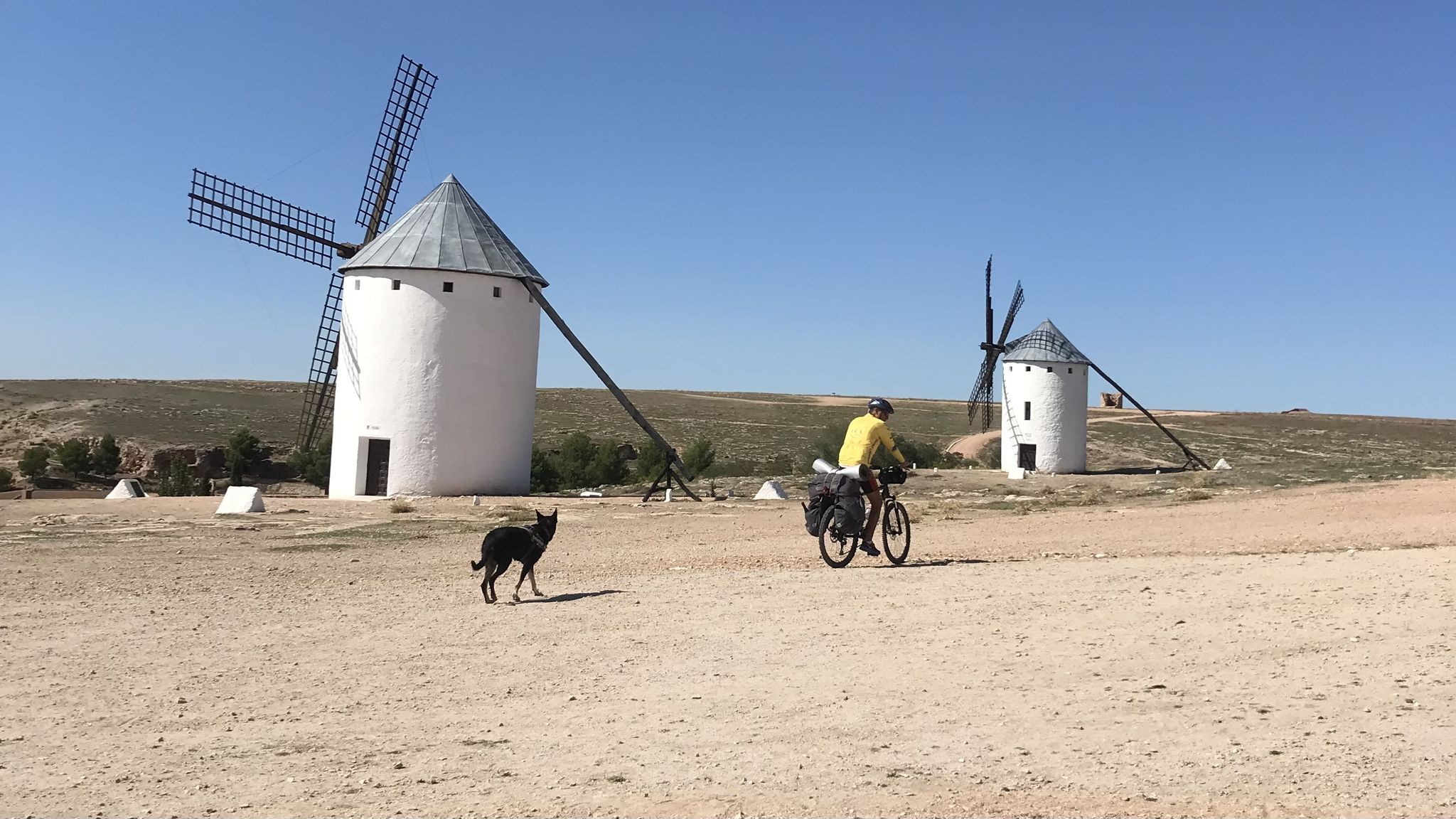
Don Quixote's route – The knight of the sorry face
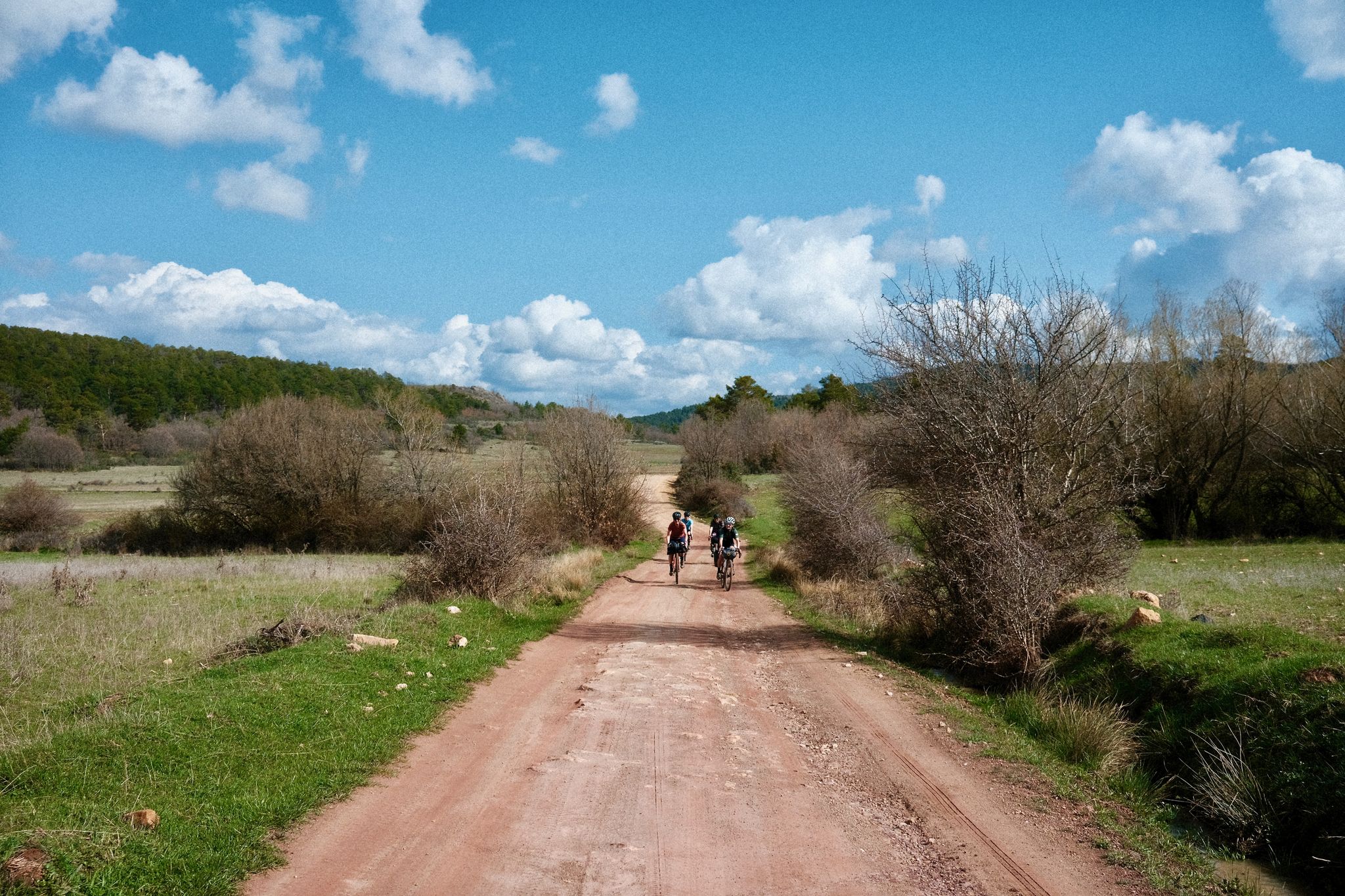
Women's Montañas Vacías 2022 — bikepack in rural Spain
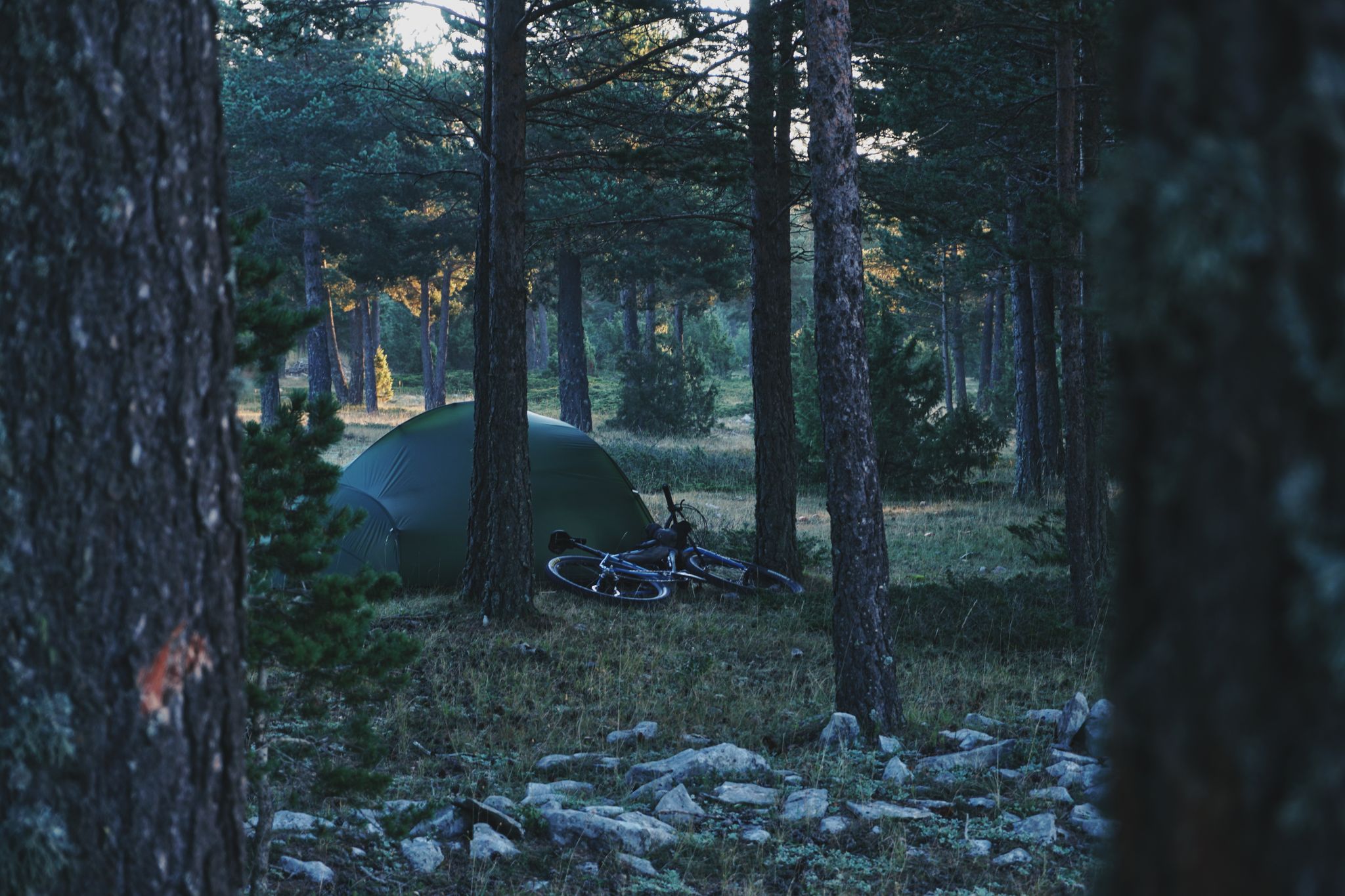
MontañasVacías official — bikepacking across the Spanish Lapland
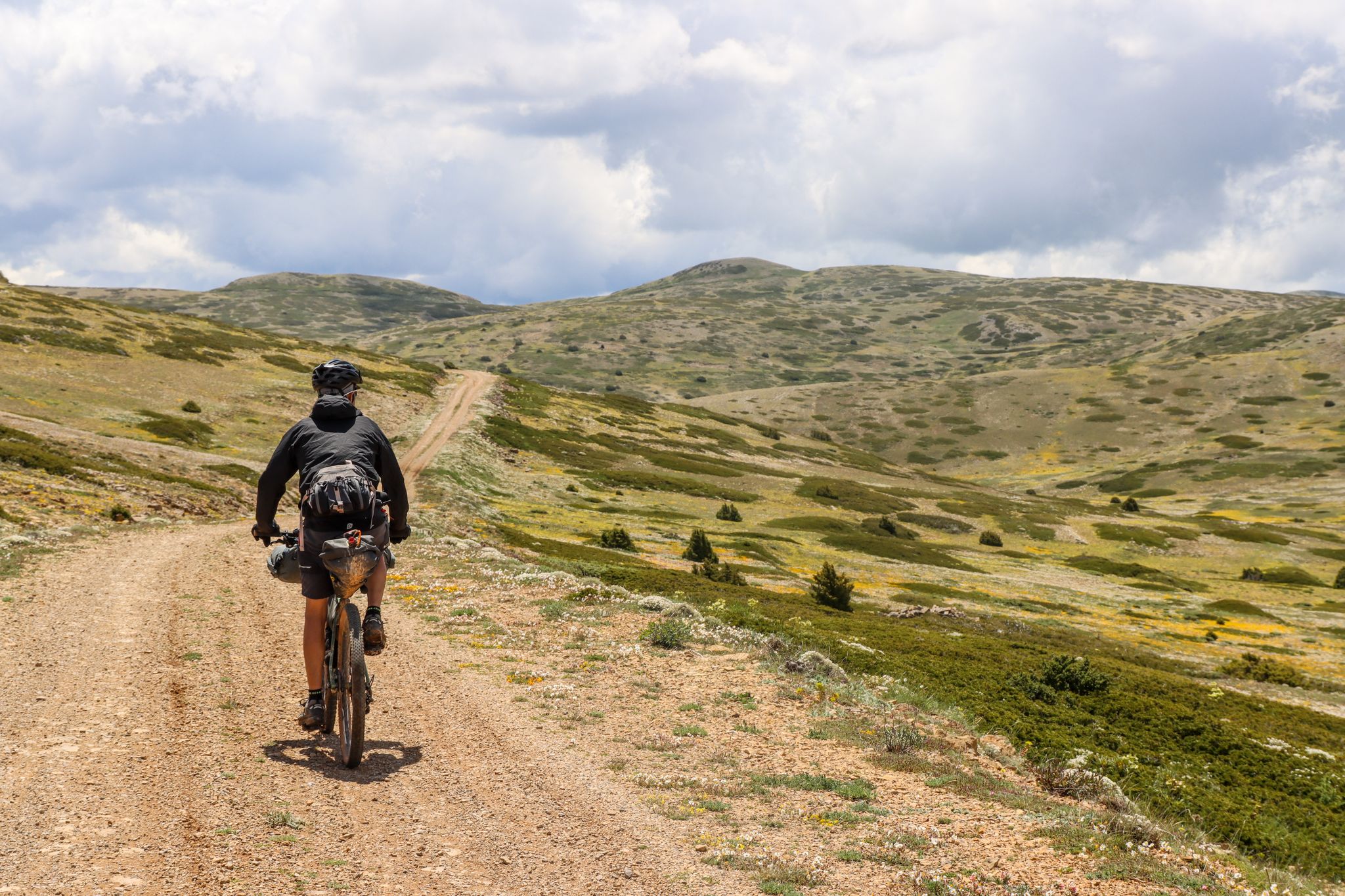
Montañas Vacías — bikepacking the wild and remote 'Empty Mountains'
9 mountain biking routes in undiscovered Spain
Path of the Templars — Path of the True Cross (GR 250)
The Reconquest of La Mancha on Foot - Camino Natural del río Riánsares
A gravel bike adventure between Madrid and Valencia
A walk through La Manchuela – hiking the GR 64
Levante to Castile – Ruta de la Lana Gravel Route
Other adventures in Cuenca


Tips from the Community

Super beautiful spot and very quiet early June, the vultures complete the picture, enjoy this viewpoint with a 100-meter walking path.
3
0

Spectacular viewpoint overlooking the Júcar River.
1
0
One of the most emblematic landmarks of the Júcar gorge trail.
1
0

Not many people know it because it is unsignaled.
0
1
After passing the Arroyo de la Madera, after turning several curves along the GR 66 track, at the beginning of a curve to the left you have a path that goes off to the right without any signposting, that is the beginning of the ascent.
0
1

The source of the Cuervo River is a dreamlike location in the Serranía de Cuenca, Spain. This Natural Monument houses a main waterfall with a height of over 20 meters, leaving those who behold it breathless. Here, the Cuervo River emerges from a travertine spring, flowing over moss-covered limestone rock, forming beautiful waterfalls called chorreras.
19
0

The Cave and Hermitage of San Julián is a secluded place conducive to meditation.
0
1
Mirador del Ventano del Diablo is a stunning natural balcony located just outside the town of Villalba de la Sierra, in the province of Cuenca. This viewpoint, carved into the rock, offers spectacular views of the canyon of the Júcar River, whose crystal-clear waters flow towards the city of Cuenca. The name “Ventano del Diablo” comes from an ancient legend that says that the devil attracted visitors to this place, where they stumbled and fell due to the beauty of the landscape. From the viewpoint, you can observe the elegant flights of the griffon vultures and enjoy the lush vegetation surrounding the river. It is a popular destination for nature and photography lovers, and is only 25 kilometers from Cuenca, making it an ideal stop if you are exploring the region.😎🚶♀️🚵🚴
13
0
Frequently Asked Questions
What types of caves and underground sites can I explore in Cuenca?
Cuenca offers a diverse range of natural caves shaped by millennia of erosion and historical underground passages. You can explore impressive geological formations like those at the Source of the Cuervo River, or delve into man-made structures such as Civil War air-raid shelters and ancient aqueducts.
Are there historical underground sites to visit in Cuenca?
Yes, Cuenca has significant historical underground sites. You can explore tunnels that served as air-raid shelters during the Spanish Civil War, such as Túnel Calderón de la Barca and Túnel Alfonso VIII. These sites, located in the Old Quarter, also reveal their past as aqueducts and other subterranean passages, offering a glimpse into the city's hidden history.
Which caves in Cuenca are known for their unique geological formations?
Several sites in Cuenca are renowned for their geological features. The Source of the Cuervo River is famous for its travertine spring and moss-covered waterfalls. The Ciudad Encantada features natural caves and passageways carved by erosion, while the Cave of the Moors in Las Majadas boasts natural formations like stalagmites and stalactites.
Are there any family-friendly caves or sites in Cuenca?
Yes, several locations are suitable for families. The Source of the Cuervo River and Ventano del Diablo are both categorized as family-friendly and offer accessible natural beauty. The Ciudad Encantada, with its unique rock formations, also provides an engaging experience for all ages.
What are some challenging cave exploration options in Cuenca?
For those seeking a challenge, The Cathedrals of Uña offer a challenging ascent to explore less-traveled paths. The Armentero Cave also presents a demanding trail with a steep drop, rewarding adventurers with spectacular views from the Beteta Viewpoint.
What outdoor activities can I do near the caves in Cuenca?
The region around Cuenca's caves offers various outdoor activities. You can find numerous cycling routes, including road cycling, gravel biking, and touring bicycle options. For example, there are Road Cycling Routes in Cuenca and Gravel biking in Cuenca guides available, with routes passing near natural landmarks like the Ciudad Encantada and the Júcar River canyon.
Are there hiking trails associated with the caves in Cuenca?
Yes, many caves and natural formations in Cuenca are integrated into hiking trails. Cueva De La Zarza, for instance, is nestled in a region with hiking trails ranging from leisurely walks to challenging treks. The Boquerón Cave is accessible via a short detour from the PR-CU 108 marked path, and the San Julián Hermitage "The Calm" is an emblematic landmark of the Júcar gorge trail.
What should I bring when visiting caves like Bache Cave?
When visiting larger caves like Bache Cave, it is highly recommended to bring a powerful flashlight due to the significant amount of dust and darkness inside. For any cave exploration, comfortable clothing and suitable hiking shoes are advisable, and for longer hikes, carry enough water and some food.
Can I see wildlife near the caves in Cuenca?
Yes, some cave locations offer opportunities to observe local wildlife. At Ventano del Diablo, you can often see griffon vultures in their natural habitat soaring above the Júcar River canyon. Cueva De La Zarza is also known for its potential for wildlife sightings within its picturesque natural setting.
What is the Roman Mine Cueva del Hierro?
The Roman Mine Cueva del Hierro is a historical site in Cuenca, representing an ancient man-made monument. It offers insights into the region's mining past and is categorized as an intermediate difficulty site for exploration.
Where can I find rock shelters and other historical cave sites?
Beyond the well-known tunnels, Cuenca features various Rock Shelters and Caves that are historical sites. These natural formations have often been used by humans throughout history, offering a blend of natural wonder and cultural significance.
Most popular routes in Cuenca
Most popular attractions in Cuenca

Get inspired with the komoot mobile app


Didn’t find what you were looking for?
Discover more caves in Cuenca region by region:
Explore more
Extend your search for the best caves by checking out these guides of the top ones in Cuenca:
