Top 9 Castles in Istanbul
Best castles in Istanbul are situated in a city spanning two continents, divided by the Bosphorus Strait. This strategic location has led to the construction of numerous fortifications over centuries. These structures reflect Istanbul's rich history as a center of both Byzantine and Ottoman empires. The landscape features both coastal and inland castles, offering diverse historical exploration.
Best castles in Istanbul
- The most popular castles is Topkapi Palace, a historical site that served as the residence and seat of…
Last updated: June 27, 2026
Topkapi Palace
Highlight • Historical Site
Translated by Google •
Tip by

Throne Room & Harem — Topkapi Palace
Highlight • Historical Site
Translated by Google •
Tip by

Sign up now to discover places like this
Get recommendations on the best single tracks, peaks, & plenty of other exciting outdoor places.
Sign up for free
Çırağan Palace
Highlight • Historical Site
Translated by Google •
Tip by

Yoros Castle
Highlight • Castle
Translated by Google •
Tip by

Bosphorus Waterfront Cycling Path at Rumeli Fortress
Highlight • Cycleway
Translated by Google •
Tip by

Yedikule Fortress
Highlight • Castle
Tip by

Anadolu Hisarı Fortress
Highlight • Castle
Translated by Google •
Tip by

Aydos Castle
Highlight • Castle
Translated by Google •
Tip by
Garipçe Castle
Highlight • Castle
Tip by

Start today with a free account
Your next adventure awaits.
Login or Signup



Tips from the Community

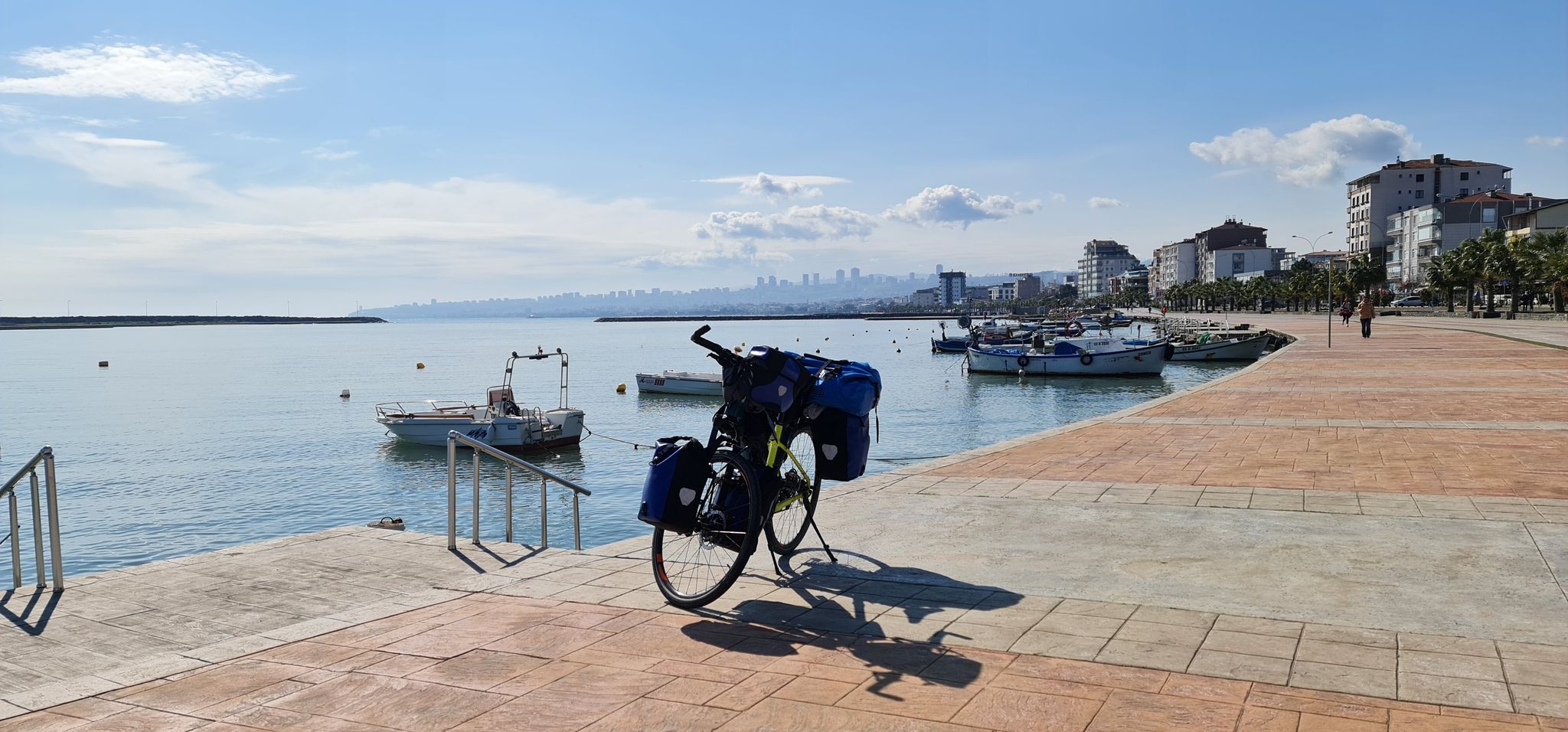
İt is one of the nicest bike routes in İstanbul. However, it can get very crowded especially at the weekends. As the bike lanes are missing on many parts you have to compete with the cars. So, come early and enjoy.
0
0

Impressively breathtaking. Here, you'll be transported back in time. Entrance fee: 400 TL for locals 2400 TL for tourists. The price difference is unfortunately incomprehensible. But if you're there, you'll pay the higher price.
1
0

The Harem, or "forbidden place," of Topkapi Palace was the private quarters of the Ottoman sultan and his family. Contrary to popular belief, it was not a place of debauchery, but a complex and strictly organized court with a hierarchy of hundreds of women, including the sultan's mother, concubines, wives, and servants. A visit to the Harem offers a fascinating glimpse into the daily, yet secluded, life of the Ottoman royal family. You can sense the atmosphere of intrigue, power, and luxury hidden behind the palace's thick walls. The opulent decorations, with the famous İznik tiles, marble fireplaces, and intricate patterns, demonstrate the immense wealth of the Ottoman Empire.
1
0

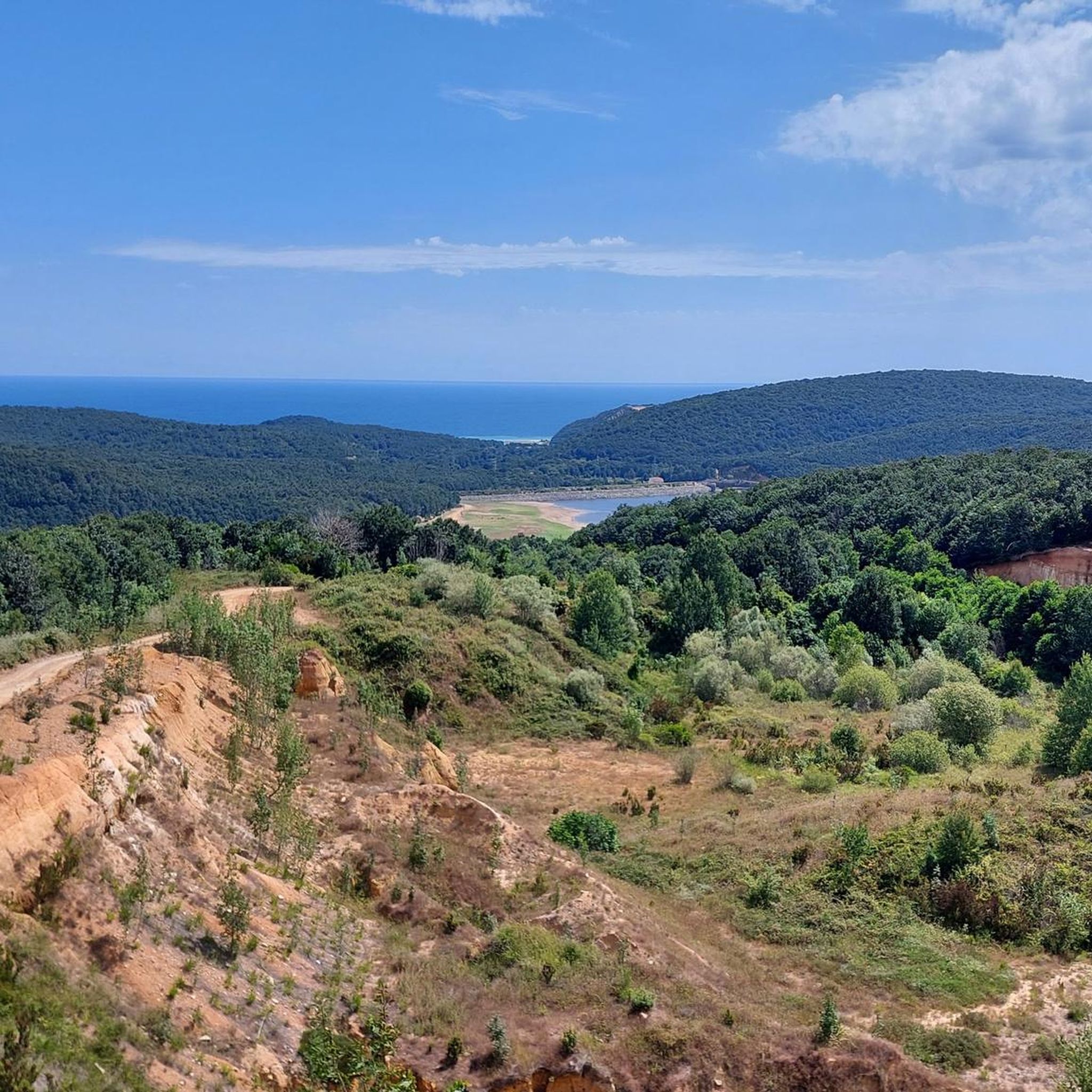
Aydos Castle (Turkish: Aydos Kalesi) is the ruins of a hilltop castle. The castle site was chosen on the 537-meter-high Aydos Hill, the highest point in Istanbul. Aydos is the Turkified form of the Byzantine name Aetos (ancient Greek: ἀετός, meaning "eagle").
2
0
The fortress was built between 1393 and 1394 by Sultan Bayezid I on the Asian (or Anatolian, in Turkish anadolu) side of the Bosphorus. Together with Rumeli Hisarı on the European shore, it controlled shipping on the Bosphorus.
0
0

One must not think about the fates suffered by the women enslaved here.
2
0
Entrance fee: 2,000 TRL per person. But it's worth it.
2
0

If you are in Istanbul you should definitely visit
0
0
Frequently Asked Questions
What makes Istanbul's castles historically significant?
Istanbul's castles are historically significant due to the city's strategic location spanning two continents, controlling the Bosphorus Strait. They reflect both Byzantine and Ottoman empires, serving as defensive fortifications, imperial residences, and even prisons. For example, Topkapi Palace was the residence of Ottoman sultans, while Rumeli Hisarı and Anadolu Hisarı were built to control naval traffic during sieges.
Which castles offer the best panoramic views in Istanbul?
Several castles in Istanbul offer stunning panoramic views. Topkapi Palace provides views of the Golden Horn. Rumeli Hisarı offers breathtaking vistas of the Bosphorus, as does Anadolu Hisarı from the Asian side. The Maiden's Tower, situated on an islet, provides spectacular panoramic views of Istanbul and the Bosphorus. Yoros Castle and Aydos Castle are also known for their scenic overlooks.
Are there family-friendly castles to visit in Istanbul?
Yes, several castles in Istanbul are considered family-friendly. Topkapi Palace, including the Throne Room & Harem, and the Entrance to the Third Courtyard, are categorized as family-friendly. These sites offer a rich historical experience that can engage visitors of all ages.
What is the best time to visit Istanbul's castles?
The best time to visit Istanbul's castles is generally during the spring (April-May) and autumn (September-October) when the weather is mild and pleasant for exploring outdoor sites. Summers can be hot, and winters can be cold and rainy, though indoor sections of palaces like Topkapi are still enjoyable. Visiting during off-peak hours can also help avoid crowds.
How can I reach Istanbul's castles by public transport?
Many of Istanbul's castles are accessible via public transport. For example, Rumeli Hisarı can be reached by bus or ferry along the Bosphorus. Anadolu Hisarı is also accessible by bus or ferry on the Asian side. Yedikule Fortress is located in the Fatih district and can be reached by Marmaray or various bus lines. The Maiden's Tower requires a short boat trip from Üsküdar or Kabataş.
What are the differences between Rumeli Hisarı and Anadolu Hisarı?
Rumeli Hisarı and Anadolu Hisarı are both strategically located fortresses on the Bosphorus. Anadolu Hisarı, built by Sultan Bayezid I between 1393 and 1394, is the older and smaller of the two, situated on the Asian side. Rumeli Hisarı, built by Sultan Mehmed II in 1451-1452, is larger and located on the European side, directly across from Anadolu Hisarı. Both were crucial for controlling the strait, but Rumeli Hisarı was a more formidable structure built specifically for the final siege of Constantinople.
Are there any less crowded or hidden gem castles to visit in Istanbul?
While major sites like Topkapi Palace can be busy, you might find a less crowded experience at places like Aydos Castle, an 11th-12th century Byzantine ruin offering panoramic views, or Garipçe Castle, another historical site with scenic overlooks. These offer a glimpse into history away from the main tourist paths.
What outdoor activities can I do near Istanbul's castles?
Near Istanbul's castles, you can find various outdoor activities. For instance, you can explore hiking trails in areas like Belgrad Forest, which is mentioned as a great place for biking and trekking. The city also offers numerous cycling routes, including those along the coastline or through scenic areas. You can find more details on routes for cycling and hiking in Istanbul on the respective guides: Cycling in Istanbul and Hiking in Istanbul.
What should I wear when visiting Istanbul castles?
When visiting Istanbul's castles, especially during summer, lightweight and breathable clothing is recommended. Comfortable walking shoes are essential as many sites involve extensive walking and uneven terrain. For women, it's advisable to carry a scarf to cover your head and shoulders when entering mosques or certain religious sections within palace complexes, though this is less common for general castle exploration.
Are Istanbul castles wheelchair accessible?
Accessibility for wheelchairs can vary significantly among Istanbul's historical castles. Many ancient sites, due to their historical nature with stairs, uneven surfaces, and narrow passages, may present challenges. Modern palaces or restored sections might offer better accessibility. It is advisable to check specific accessibility information for each castle you plan to visit beforehand.
Are there cafes or restaurants near Istanbul's castles?
Yes, you will find cafes and restaurants near most major castles in Istanbul. For example, the charming neighborhood around Anadolu Hisarı offers historical houses and a scenic waterfront with dining options. The Maiden's Tower itself has a pastry shop on-site. Areas surrounding Topkapi Palace and Rumeli Hisarı also have various eateries catering to visitors.
What are the entry fees and opening hours for Istanbul's castles?
Entry fees and opening hours for Istanbul's castles vary by site and can change seasonally. For example, Topkapi Palace and Rumeli Hisarı operate as museums with specific ticket prices and visiting hours. It is recommended to check the official websites of each specific castle or a reliable local tourism resource for the most current information on entry fees and opening times before your visit.
Most popular routes in Istanbul
Most popular attractions in Istanbul

Get inspired with the komoot mobile app


Explore more
Looking for the best castles somewhere else? Discover other guides in Istanbul:
