Top 14 Castles in Inn
Best castles in Inn are found along the Inn River, a waterway flowing through Switzerland, Austria, and Germany. This region, spanning from the Swiss Alps through Tyrol to Bavaria, is historically significant. The river's course is dotted with various castles and historical sites. These structures offer insights into the region's past and architectural heritage.
Best castles in Inn
- The most popular castles is Altfinstermünz Fortress and Bridge, a castle that served as an old customs station and border fortification.…
Last updated: August 21, 2026
Altfinstermünz Fortress and Bridge
Highlight • Castle
Translated by Google •
Tip by

Altfinstermünz Customs Station and Covered Bridge
Highlight • Historical Site
Translated by Google •
Tip by

Sign up now to discover places like this
Get recommendations on the best single tracks, peaks, & plenty of other exciting outdoor places.
Sign up for free
Planta Castle
Highlight • Castle
Translated by Google •
Tip by

Fortezza Rohan Ruins
Highlight • Historical Site
Translated by Google •
Tip by

Tuor la Praschun (Prison Tower), Susch
Highlight • Historical Site
The tower, made of quarry stone, dates from the 12th or 13th century. It has a square floor plan with a wall length of …
Translated by Google •
Tip by

Wildenberg Castle in Zernez
Highlight • Castle
The castle stands majestically on the plain below the church hill and marks the transition to the old part of the village of Runatsch. …
Translated by Google •
Tip by
Mohrenturm (Tuor dals Mors), Zernez
Highlight • Historical Site
Translated by Google •
Tip by

Steinsberg Castle
Highlight • Castle
Translated by Google •
Tip by

Tschanüff Castle
Highlight • Castle
Translated by Google •
Tip by

View of Lai da Tarasp and Tarasp Castle
Highlight • Viewpoint
Showing Translation
Tip by

Sign up for free to discover even more castles in Inn.
Sign up for free
Already have an account?
Start today with a free account
Your next adventure awaits.
Login or Signup
Popular around Inn
Summit joy on the mountain peaks of Davos Klosters
Cross-country skiing fever in the Graubünden region
Biking, running, hiking – Pure Alpine Trails
Graun to Riva del Garda — Gravelling across the Alps
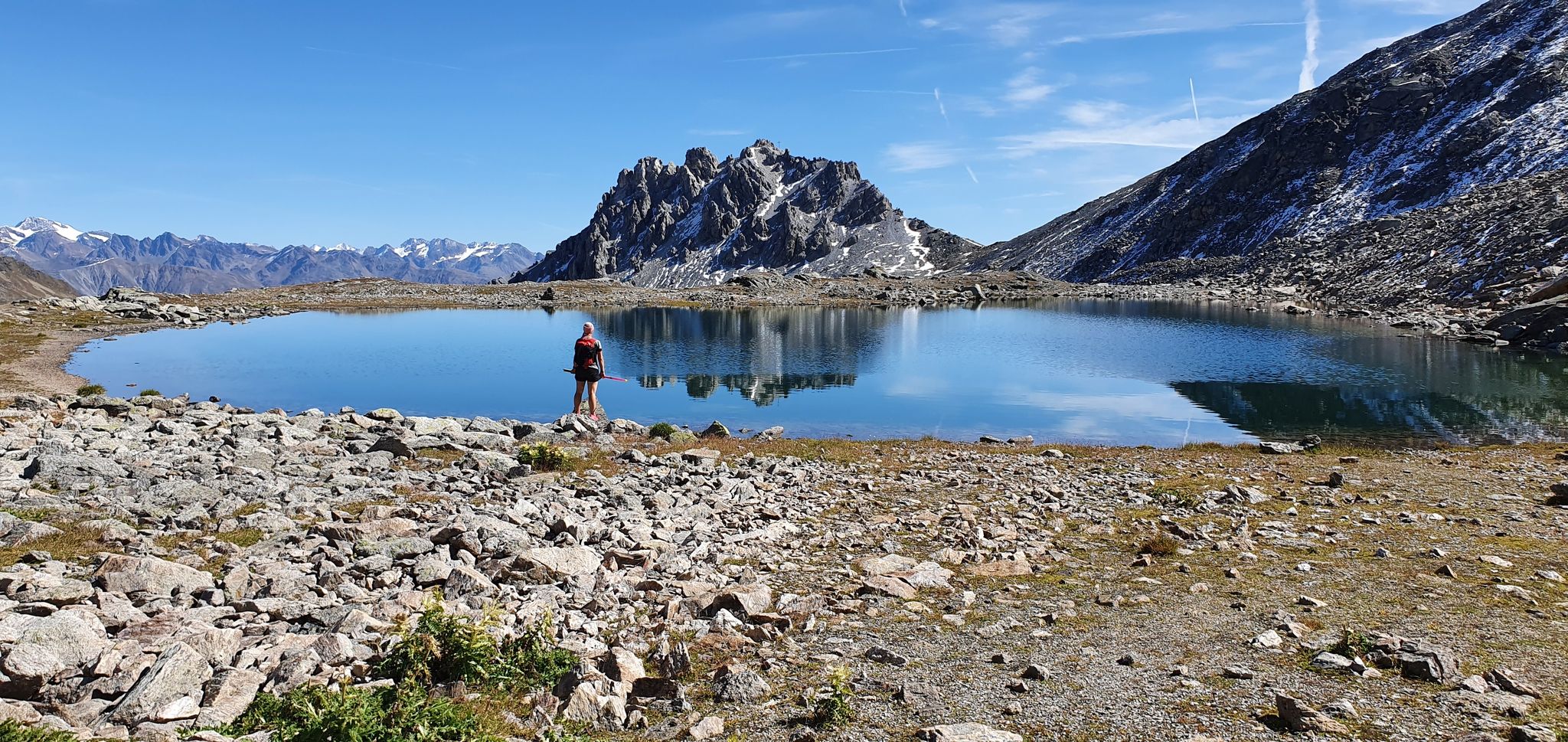
Swiss National Park Panorama Trail – Spectacular and serene
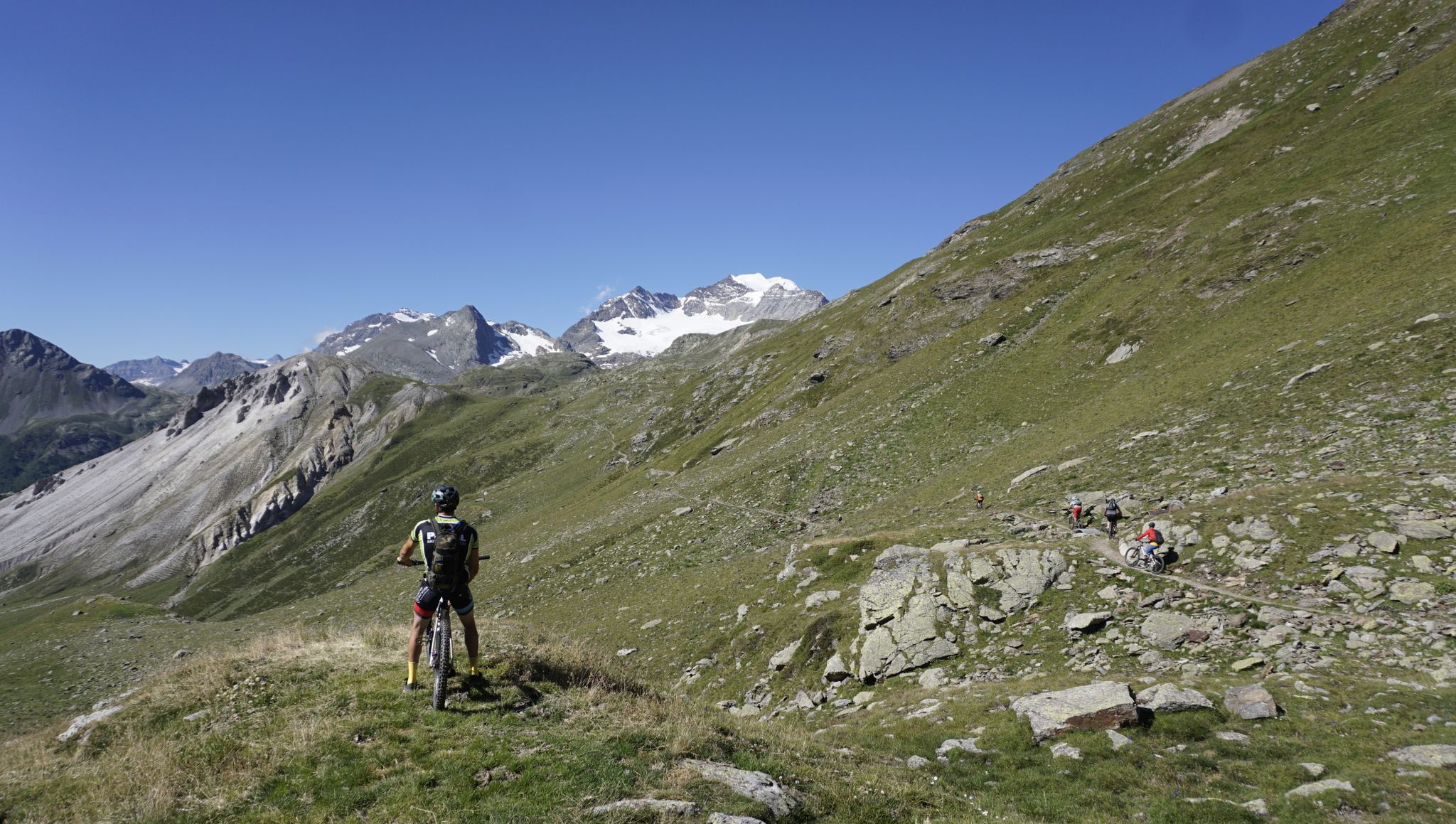
MTB Transalp Lake Como – From the Zugspitze to Lake Como
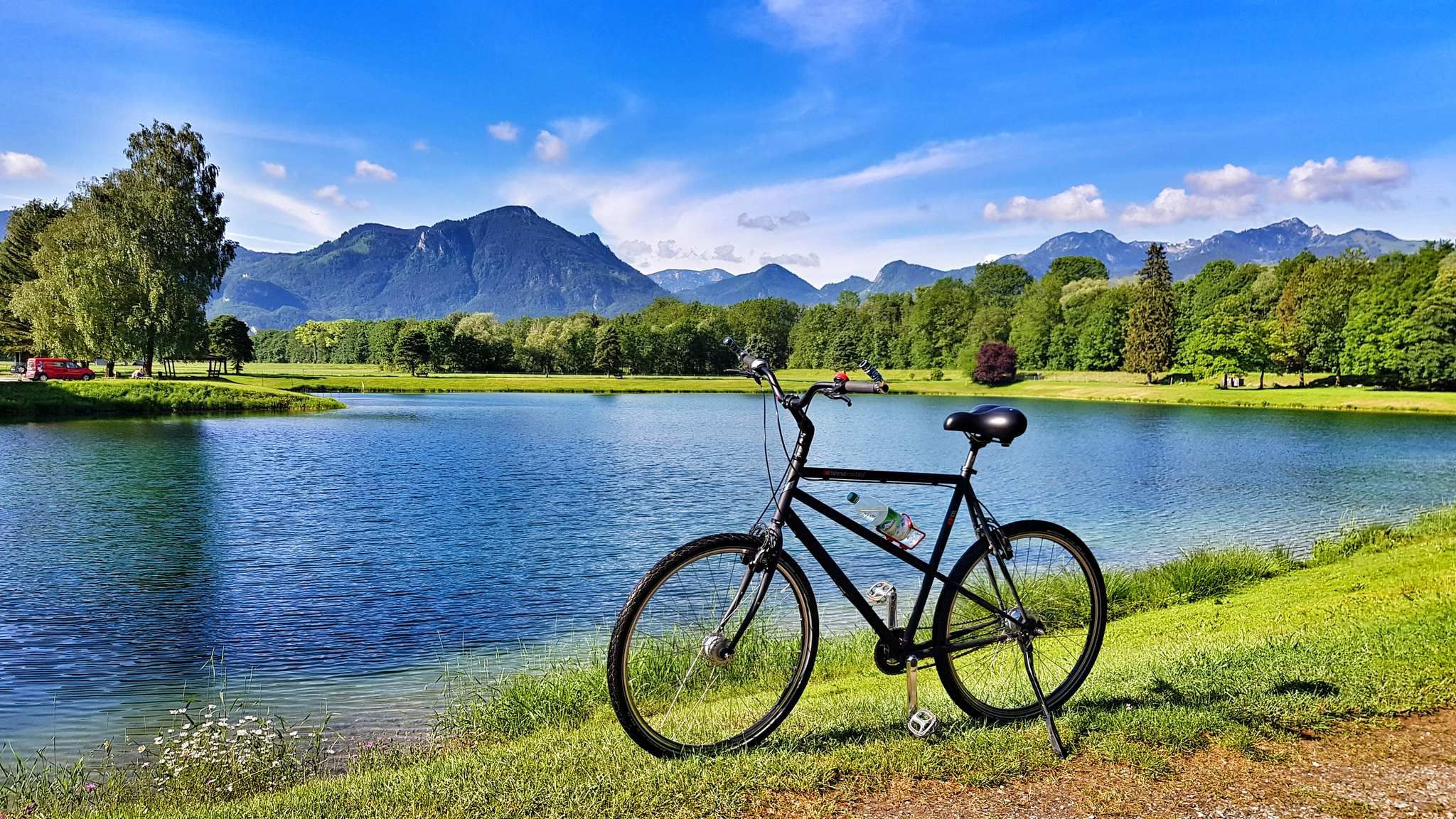
The Inn Cycle Path – From a babbling brook to a mighty river
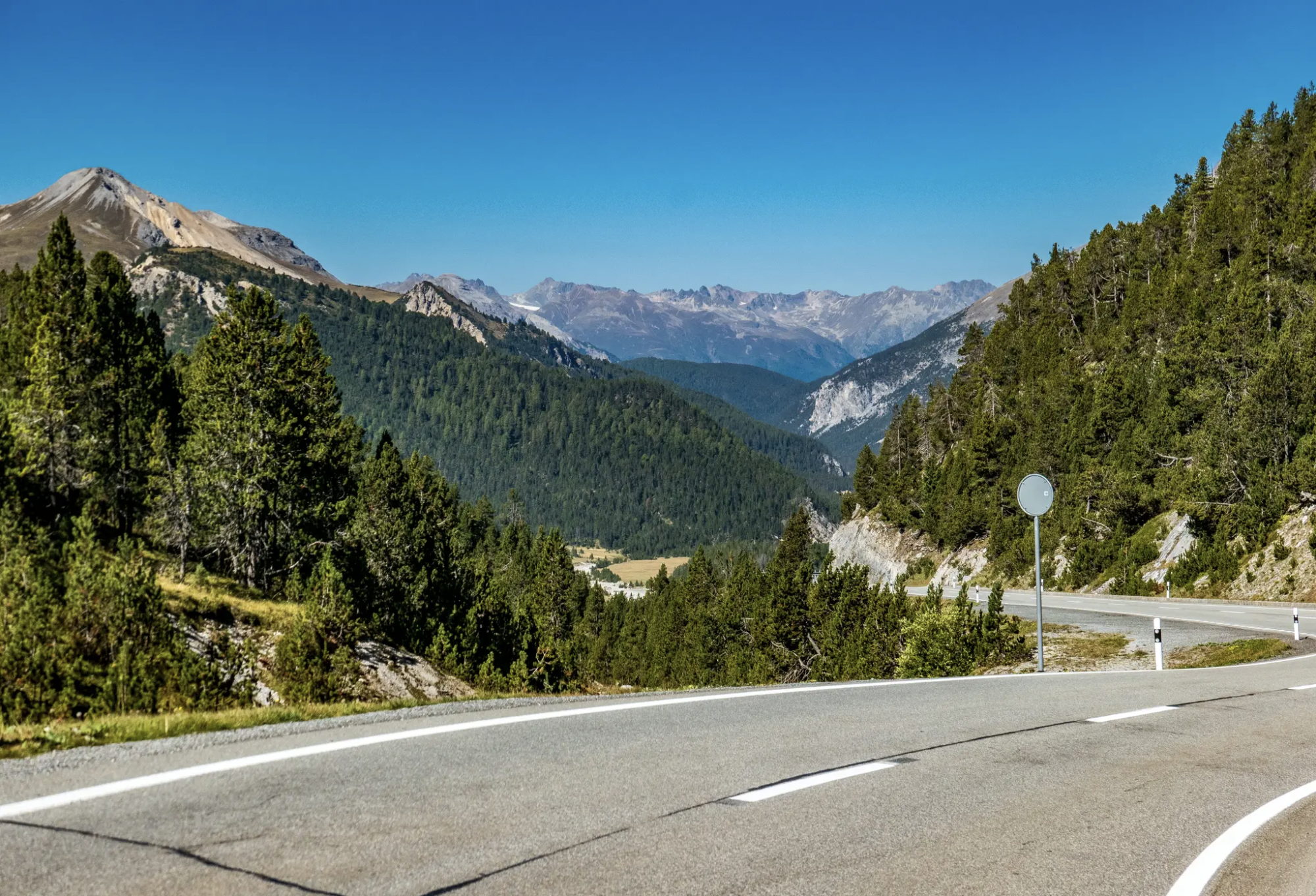
Following the Race Across the Alps
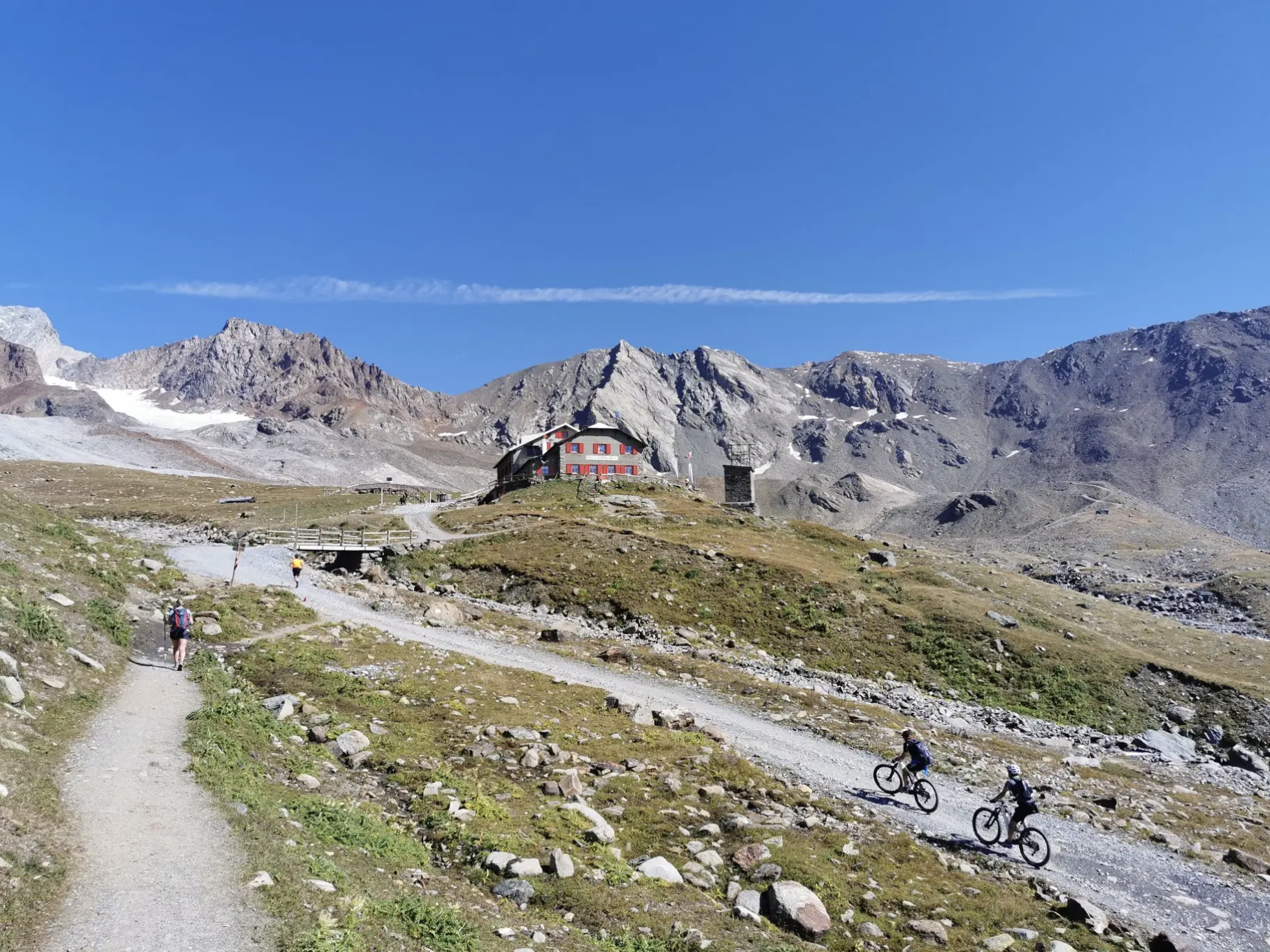
Around Ortler on high alpine trails in 7 stages
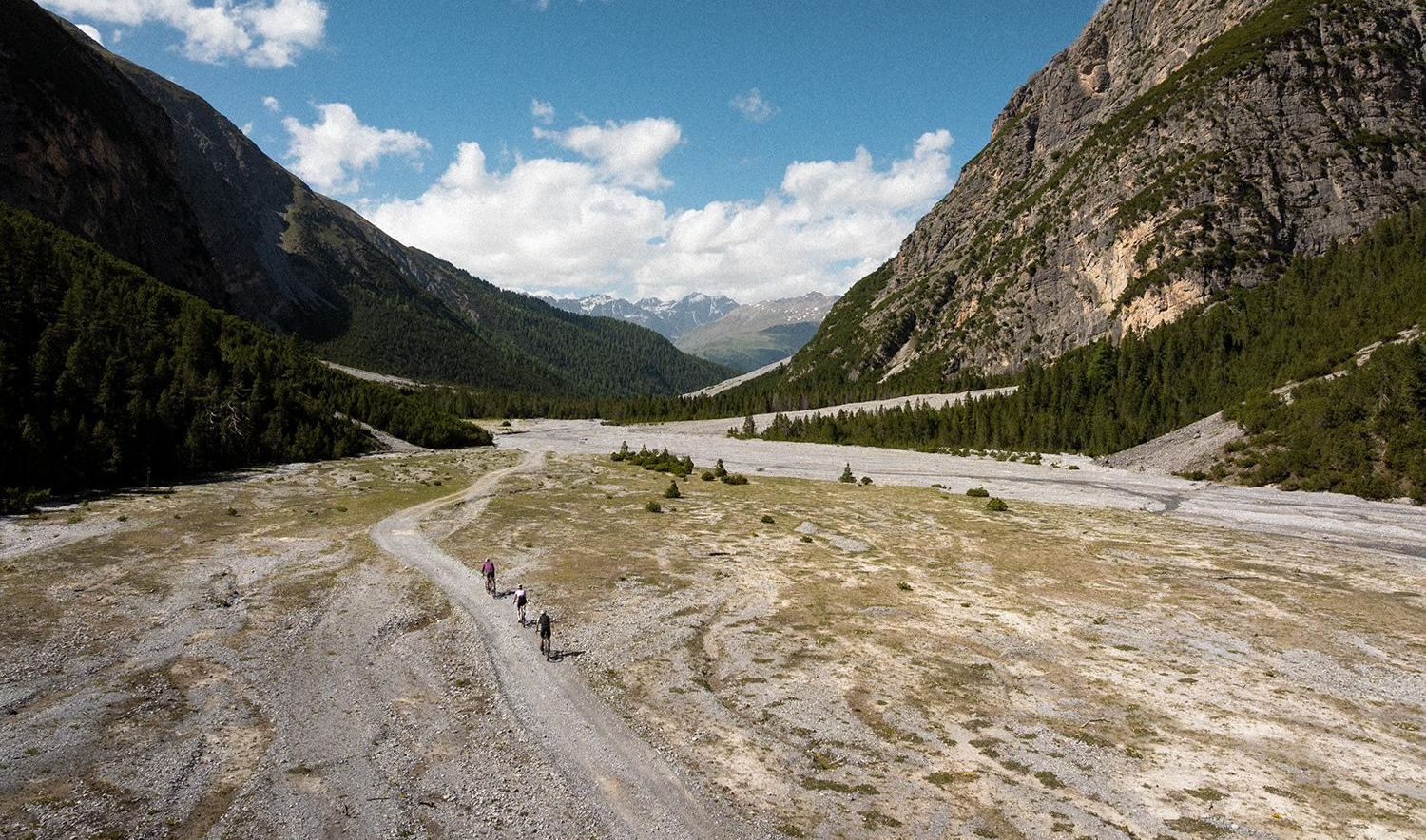
Lower Engadine's gravel paradise – alpine loops away from the asphalt
Other adventures in Inn


Tips from the Community

La Tuor dals Mors / Mohrenturm, Zernez This is how the historian Nicolin Sererhard described the Mohrenturm in the 18th century. The exact year of the tower's construction is not known. It was probably built in the mid-13th century by the Moor family, making it older than the Swiss Confederation. As late as 1570, it was inhabited by an Albert Moor. Afterwards, it was left to decay and later taken over by the municipality. How far the foundations actually reach into the ground is left to the imagination, as is the legend of the underground connecting passage to Planta Castle of Wildenberg. Known and accessible are the historical cellar vaults with the dungeons, accessible only from above. Also characteristic is the ledge on the outer wall, which testifies to a reconstruction from this height and is still recognizable inside today. Text / Source: Mohrenturm, Zernez https://www.morenturm.ch/
11
1
Schloss Zernez / Schloss Planta von Wildenberg in Zernez Between the former Wildenberg court and the present-day Planta-Wildenberg Castle lies a long, history-rich path that could certainly be described as a cinematic drama with a happy ending. The castle stands majestically on the plain below the church hill, marking the transition to the old village part Runatsch. Only the square tower still reminds us of a long-gone era. This medieval residential tower was probably built around 1280 and was owned by the Lords of Planta-Wildenberg. The unpopular lord of the castle, Rudolf von Planta, as a statutory judge, had executions carried out, which the population resented. He was suspected of sympathizing with the Catholics, outlawed by the court in 1618, and sentenced to death in absentia. Under the leadership of his opponent Baptista von Salis, the people of Engadin devastated his castle, but he fled. In 1627, he became an Austrian captain and ruled again in Zernez, to the dismay of the inhabitants, who had to rebuild it. Over the centuries, there were many changes of ownership: from the Bishop of Chur, Conrad Planta from Zuoz, Knight Rudolf von Planta, the Bezzola and Hemmi families, to the municipality of Zernez. Its current appearance was given to the castle through the renovation and extension of the two additional wings in the 18th century. Miraculously, it was spared from the great village fire. In 1985, the municipality of Zernez acquired it for use as a municipal building. Since 2007, it has housed the National Park administration. During the National Park Cinema Open Air, the castle courtyard transforms into a fairytale film set. The dramas now only play out on the screen and no longer behind the castle walls. Text / Source: Gäste-Information Scuol, Stradun 403a, Scuol https://www.engadin.com/de/schloss-planta-wildenberg-zernez
14
0
Chastè / Schloss Planta Von Wildenberg, Zernez The castle stands majestically in the plain below the church hill and marks the transition to the old village part Runatsch. Only the square tower still reminds of long past times. This medieval residential tower was probably built around 1280 and was owned by the lords Planta-Wildenberg. The unpopular lord of the castle, Rudolf von Planta, had executions carried out as statutory judge, which the population resented. He was suspected of sympathizing with the Catholics, outlawed by the court in 1618, and sentenced to death in absentia. Under the leadership of his opponent Baptista von Salis, the people of Engadin devastated his castle, but he fled. In 1627 he became an Austrian captain and ruled again in Zernez, to the regret of the inhabitants, who had to rebuild it. Over the centuries, there were many changes of ownership: From the Bishop of Chur, Conrad Planta from Zuoz, Knight Rudolf von Planta, the Bezzola and Hemmi families to the municipality of Zernez. Text / Source: Gäste-Information Scuol, Stradun 403a, CH-7550 Scuol https://www.engadin.com/de/schloss-planta-wildenberg
14
0
Schloss Zernez / Schloss Planta-Wildenberg in Zernez Between the former Wildenberg farmstead and the present-day Schloss Planta-Wildenberg lies a long, history-rich path that could well pass as a film-worthy drama with a happy ending. The castle stands majestically on the plain below the church hill, marking the transition to the old village part Runatsch. Only the square tower is reminiscent of long-gone times. This medieval residential tower was probably built around 1280 and was owned by the lords Planta-Wildenberg. The unpopular castle lord Rudolf von Planta had executions carried out as a statutory judge, which earned him the ill will of the population. He was suspected of sympathizing with the Catholics, outlawed by the court in 1618, and sentenced to death in absentia. Under the leadership of his opponent Baptista von Salis, the Engadine people devastated his castle, but he fled. In 1627, he became an Austrian captain and ruled again in Zernez, to the dismay of the inhabitants, who had to rebuild it. Over the centuries, there were many changes of ownership: from the Bishop of Chur, Conrad Planta from Zuoz, Knight Rudolf von Planta, the Bezzola and Hemmi families, to the municipality of Zernez. Its current appearance was given to the castle through the renovation and addition of two further wings in the 18th century. Miraculously, it was spared from the great village fire. In 1985, it was acquired by the municipality of Zernez for use as a municipal building. Since 2007, it has housed the National Park administration. During the National Park Cinema Open Air, the castle courtyard transforms into a fairytale film set. The dramas now only play out on the screen and no longer behind the castle walls. Text / Source: Guest Information Scuol, Stradun 403a, Scuol https://www.engadin.com/de/schloss-planta-wildenberg-zernez
14
0

Rohan Fortress is a historic castle in Switzerland. The original structures were largely destroyed during World War II to make way for modern military installations, which were subsequently demolished. Today, only a few traces of the walls and foundations remain, testifying to the complex's ancient divisions.
1
0

The Tuor dals Mors, or Moor's Tower in English, is an old stone tower in the center of Zernez. It is privately owned and can be rented as accommodation. The tower's history dates back to the 13th century. Its name (presumably) comes from the Moor family, who had it built. It served as a storehouse for money, ammunition, and documents, as a residential tower, and even as a prison.
3
0

On the highest peak of the castle hill, which is well protected by steep rocks all around, some significant remains of the walls of the inner castle and its interior have been preserved, in addition to the restored keep. Sparse remains of the former outer wall show that the entire hill was once part of the complex. Access was from the east via a natural ramp; a suspected gate building in the northeast corner has disappeared. Near the entrance area stands the ruins of the church of St. Lucius, of which the north and west walls, the choir arch and part of the apse have been preserved. The church is not oriented east, but north-south. Extract from Wikipedia
1
0

This refers to the Fortezza Rohan near Susch. An impressive building in a dominant position on a hill near Susch.
0
0
Frequently Asked Questions
What are some historically significant castles in the Inn region?
The Inn region is rich in history. Altfinstermünz Fortress and Bridge served as an old customs station and border fortification, playing a crucial role in controlling trade routes. In Austria, Kufstein Fortress, dating back to the 13th century, is strategically located overlooking the Inn River and has a significant military past. Ambras Castle in Innsbruck, a Renaissance palace, is renowned for its collections of art and curiosities from Archduke Ferdinand II.
Are there family-friendly castles to visit in the Inn region?
Yes, several castles offer experiences suitable for families. Planta Castle is categorized as family-friendly. Kufstein Fortress in Austria provides an accessible experience via a panoramicbahn (cable car) and features museums that can engage younger visitors. Many castles also offer open grounds for exploration.
What kind of views can I expect from castles in the Inn region?
Many castles in the Inn region offer stunning panoramic views. Kufstein Fortress provides expansive views of the Inn Valley. From View of Tarasp Castle and the Engadine Valley, you can enjoy picturesque vistas of the valley and the impressive Tarasp Castle itself. Fortezza Rohan Ruins and Tschanüff Castle are also noted for their viewpoints.
Are there entry fees for castles in Inn?
Many castles in the Inn region do have entry fees, especially those that are well-preserved or offer guided tours and museums. For example, the Altfinstermünz Customs Station and Covered Bridge charges 8 euros for adults and is open from May to October. Kufstein Fortress and Ambras Castle also have admission fees. It's advisable to check the specific castle's website for current pricing and opening hours before your visit.
What is the best time to visit castles in the Inn region?
The best time to visit castles in the Inn region is generally from spring to autumn (May to October). During these months, the weather is more favorable for exploring outdoor areas, and many sites, like the Altfinstermünz Customs Station, are fully open. Some castles, like Kufstein Fortress, may offer events and concerts during the warmer months. Winter visits are possible for some indoor attractions, but access to certain ruins or outdoor areas might be limited by snow or ice.
Can I visit castles in the Inn region during winter?
While some castles may have limited access or reduced hours during winter, many remain open. For instance, Kufstein Fortress in Austria is generally open year-round, though specific attractions or events might vary seasonally. Ambras Castle also typically remains open. It's always best to check the individual castle's official website for their specific winter opening times and any potential closures due to weather conditions.
What outdoor activities can I do near these castles?
The Inn region offers a variety of outdoor activities. You can find numerous hiking opportunities, including waterfall hikes and easy hikes. For more challenging adventures, there are also general hiking trails. Many castles, like Altfinstermünz Fortress and Bridge, are situated along scenic routes, making them excellent stops during a bike tour or a longer walk.
Are there less crowded castles to visit in the Inn region?
While popular sites like Kufstein Fortress and Ambras Castle can attract many visitors, you might find quieter experiences at places like Steinsberg Castle, which features significant remains of its inner castle and a restored keep. Exploring ruins such as Fortezza Rohan Ruins or smaller historical sites like Tuor la Praschun (Prison Tower), Susch, might also offer a more tranquil visit, especially during off-peak hours.
What do visitors enjoy most about the castles in the Inn region?
Visitors frequently appreciate the rich history and impressive architecture of the castles. The strategic locations often provide breathtaking views, as noted for Altfinstermünz Fortress and Bridge. The unique features, such as the 'Heroes' Organ' at Kufstein Fortress or the extensive collections at Ambras Castle, are also highlights. Many enjoy the sense of stepping back in time and exploring well-preserved medieval structures.
Can I reach castles in the Inn region using public transport?
Many castles in the Inn region are accessible via public transport, especially those located near larger towns. For example, Ambras Castle is on the outskirts of Innsbruck, which is well-served by public transport. Kufstein Fortress is located in the town of Kufstein, also accessible by train and bus. For more remote sites, a combination of public transport and a short walk or taxi might be necessary. It's recommended to check local transport schedules for specific castle locations.
What kind of architecture can I see among the castles in the Inn region?
The castles in the Inn region showcase a diverse range of architectural styles, reflecting different historical periods. You can find medieval fortifications like Altfinstermünz Fortress and Bridge and Kufstein Fortress, characterized by their robust defensive structures. Renaissance architecture is prominent at Ambras Castle, with its ornate Spanish Hall. Tarasp Castle, perched on a rocky hill, exemplifies a classic castle silhouette. Burg Gnadenberg in Wasserburg am Inn also offers insights into typical medieval Bavarian architecture.
Most popular routes in Inn
Most popular attractions in Inn

Get inspired with the komoot mobile app


Didn’t find what you were looking for?
Explore Inn’s best castles region by region:
Explore more
Looking for the best castles somewhere else? Discover other guides in Inn:
