Top 5 Caves around Graitschen bei Bürgel
Best caves around Graitschen bei Bürgel are found within the wider Thuringia region, particularly in areas like Jena and the Saale-Holzland-Kreis. Graitschen bei Bürgel itself is situated amidst the scenic Tautenburger Forst, offering a natural landscape for outdoor activities. While the immediate vicinity provides opportunities for hiking and enjoying nature, significant subterranean attractions require venturing to nearby regional sites. These locations feature show caves with unique geological formations and historical significance.
Best caves around Graitschen bei Bürgel
- The most popular…
Last updated: June 27, 2026
Teufelslöcher Caves (Jena)
Highlight • Cave
Translated by Google •
Tip by

Klausloch Cave on the Saale
Highlight (Segment) • Cave
Translated by Google •
Tip by

Sign up now to discover places like this
Get recommendations on the best single tracks, peaks, & plenty of other exciting outdoor places.
Sign up for free
Cistern at Kirchberg Königshof
Highlight • Structure
A total of four castles stood one after the other on the local hill. Two of them, to confuse us later generations, had the same name.
Translated by Google •
Tip by

Teufelslöcher rock formation
Highlight • Natural Monument
There is …
Translated by Google •
Tip by
Wogau Geological Outcrop
Highlight • Natural Monument
Translated by Google •
Tip by

Start today with a free account
Your next adventure awaits.
Login or Signup
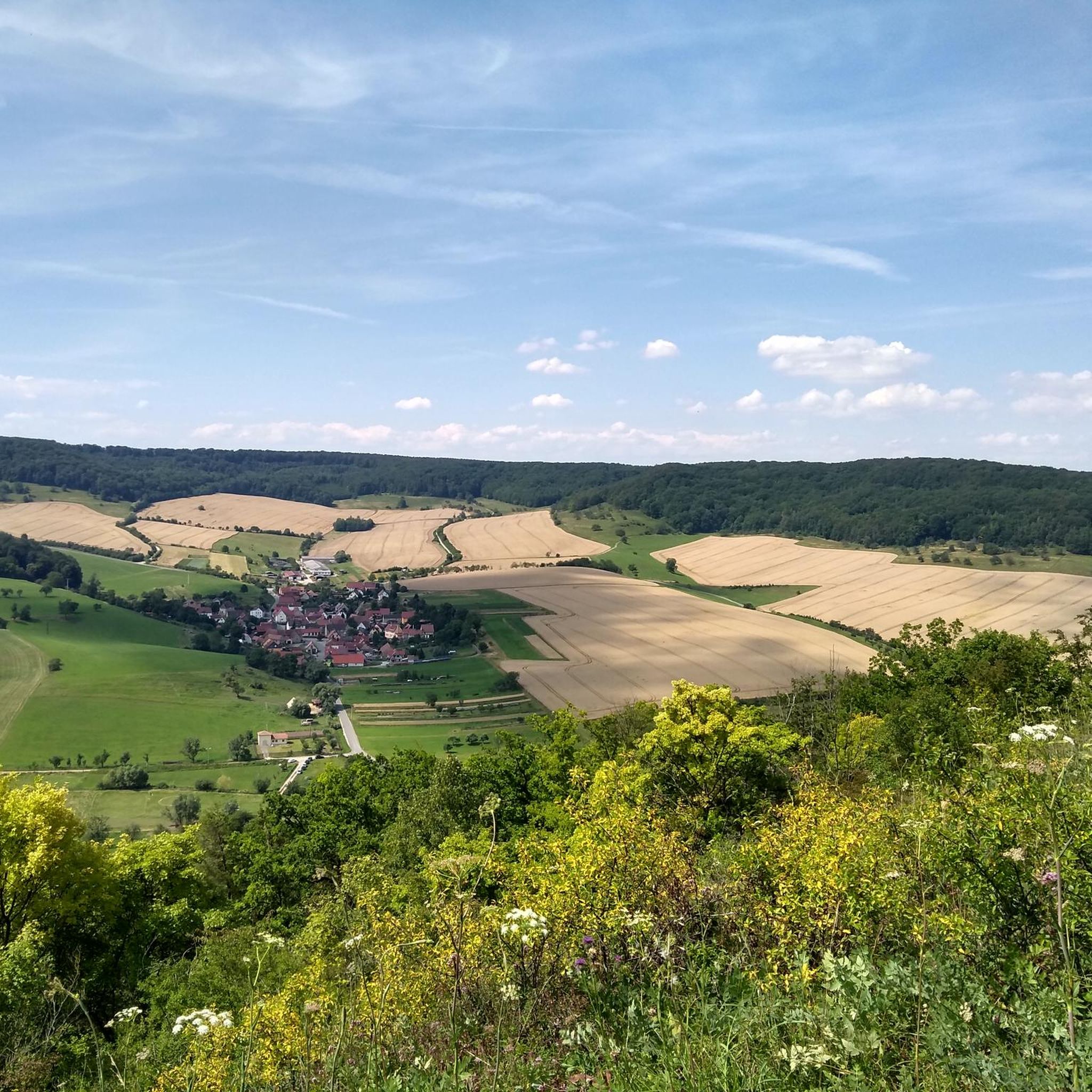
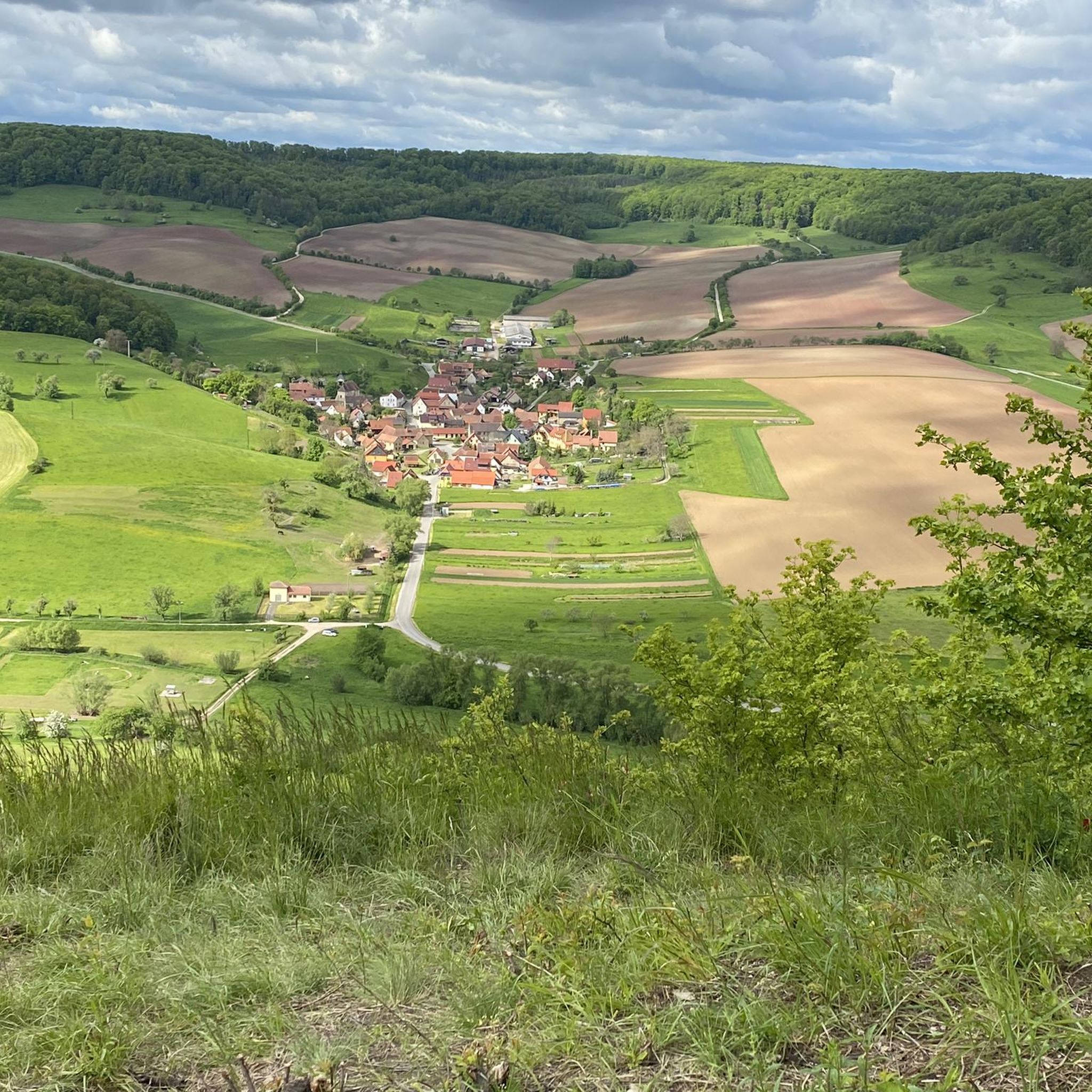
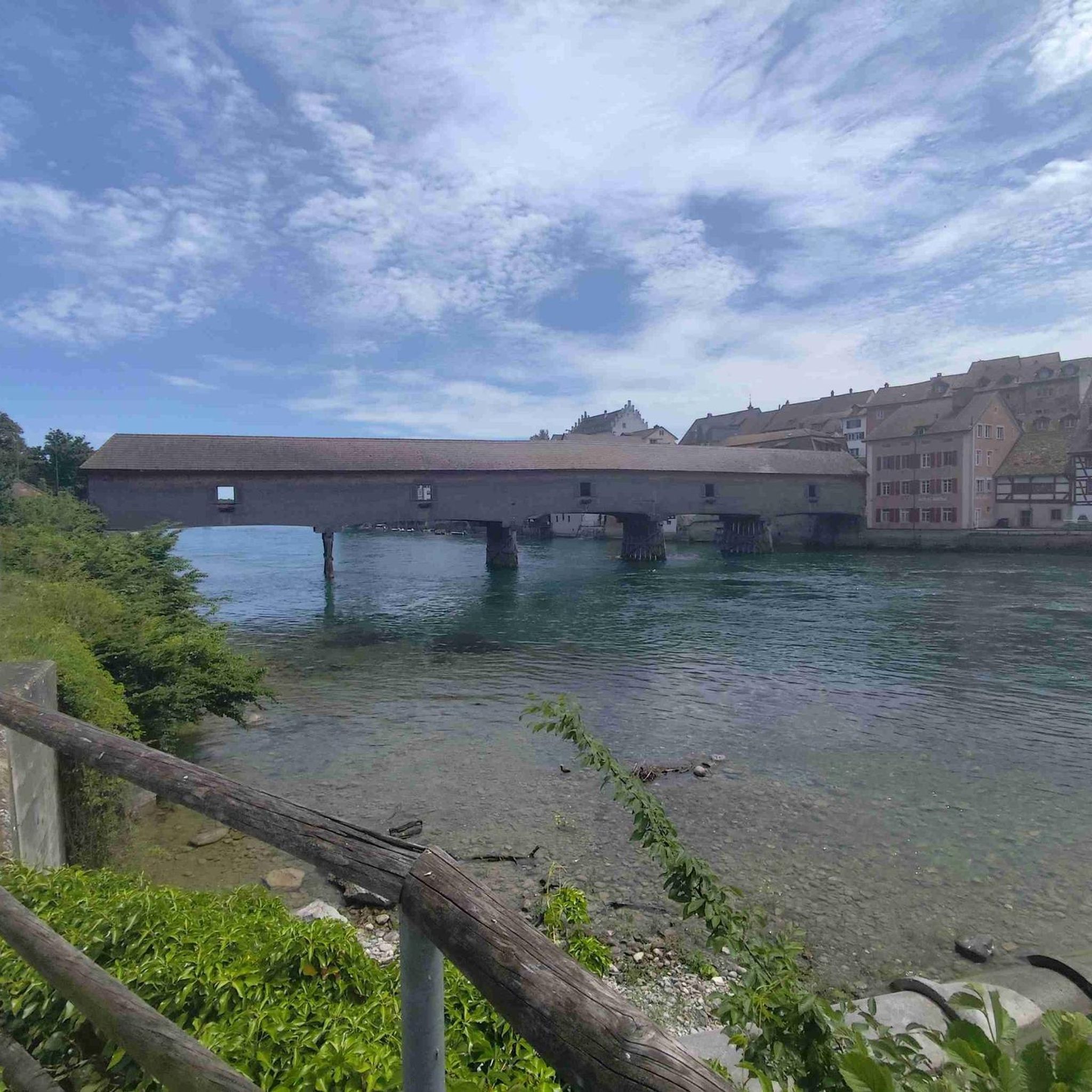
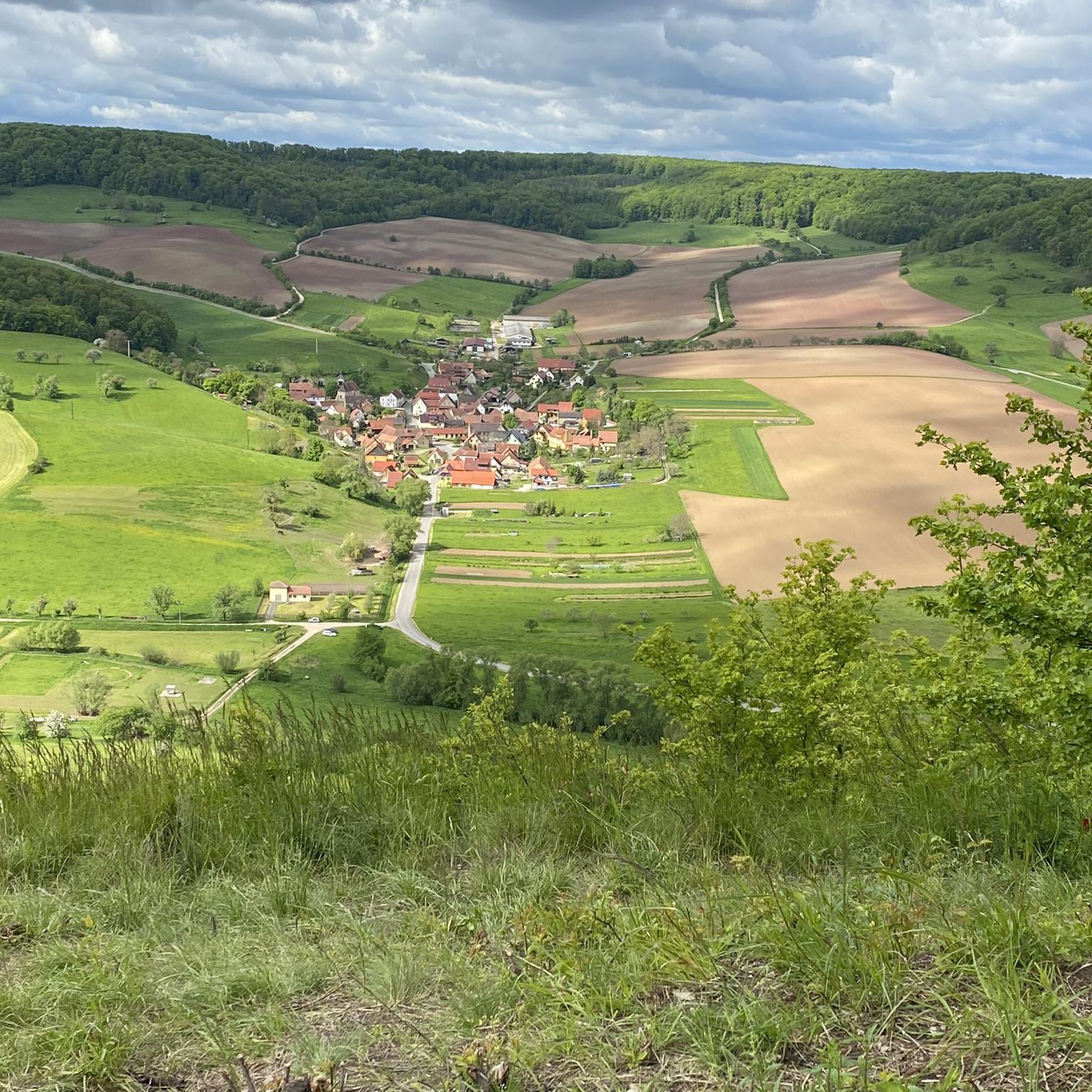
Tips from the Community

The opening hours of the Fuchsturm depend on the opening hours of the Fuchsturmrestaurant
1
0

First mentioned in the early 14th century, the Teufelslöcher (Devil's Holes) are among the oldest documented caves in Germany. These are karst caves that have since been sealed. Several benches are located at the Teufelslöcher, and Jena's local history trail begins here, leading from here across the central Kernberg horizontal. You can find more information here: https://www.entdecke-jena.de/jena/teufelsloecher.htm.
3
0

Imposing rocky path along the Saale. The rocks are made of shell limestone. The calcareous soils mean that you can discover a lot of snails.
3
0
the tram stop on Schillstraße is about 1.5 km away..... The exposure there has nothing to do with the devil's holes.
4
0

The Teufelslöcher are no longer accessible caves at the foot of the Kernberge - a natural monument that is used today to protect species, e.g. served by bats. There is also a spring here and for runners a decent ascent to the Kernberge begins from here (or a violent descent ends)
1
0

The Teufelslöcher are caves at the foot of the Kernberge Mountains in Jena. The rock in which the devil's holes are located is very rich in gypsum.
4
0

Teufelslöcher are caves at the foot of the Kernberge mountains in Jena The devil's holes belong to the protected landscape component - meaning of the geological outcrop/geotope.
4
0

This little "detour" is worth it. If you leave the yellow hiking trail to the south, after a few meters you will reach a surprisingly quiet spot and the fenced cistern.
1
0
Frequently Asked Questions
What types of caves can I explore in the wider region around Graitschen bei Bürgel?
While Graitschen bei Bürgel itself is known for its natural landscape, the broader Thuringia region offers a variety of subterranean experiences. You can find natural karst caves, former mining cavities like the Saalfeld Fairy Grottoes and Marienglashöhle Friedrichroda, and unique geological formations such as the anhydrite Barbarossa Cave. Some, like the Teufelslöcher Caves (Jena), are significant historical sites, though now closed.
Are there any family-friendly cave experiences near Graitschen bei Bürgel?
Yes, several options cater to families. The Saalfeld Fairy Grottoes are highly recommended, offering guided tours and the 'Grottoneum Adventure Museum' with interactive exhibits. The Klausloch Cave on the Saale is also considered family-friendly, accessible via an imposing rocky path. The area around the Teufelslöcher Caves (Jena), while the caves are closed, is a natural monument and the starting point for a local history nature trail, suitable for family walks.
What is unique about the Saalfeld Fairy Grottoes?
The Saalfeld Fairy Grottoes are celebrated as the 'most colorful show grottoes in the world.' These former alum slate mines are famous for their stunning stalactite and stalagmite formations, which display a rich array of mineral colorations. They also feature a 'Grottoneum Adventure Museum' and a natural healing tunnel, with air known for being dust, allergen, and pollen-free.
Can I visit historical cave sites in the area?
Absolutely. The Teufelslöcher Caves (Jena) are among the oldest known caves in Germany, first mentioned in the early 14th century. While the karst caves themselves are now closed, the area is a significant natural monument and the starting point for Jena's local history nature trail. Another historical site is the Cistern at Kirchberg Königshof, a man-made structure that was part of the old Kirchberg Castle, offering insight into the region's past.
What kind of geological features can I expect to see in the caves?
The region's caves showcase diverse geological wonders. The Saalfeld Fairy Grottoes are known for their colorful stalactites and stalagmites. The Marienglashöhle Friedrichroda features large, beautiful gypsum crystal formations. The Barbarossa Cave is geologically rare, being one of only two show caves worldwide made of anhydrite rock, displaying unique multi-layered colors. The Wogau Geological Outcrop highlights an interesting transition zone between different sandstone types.
Are there any dog-friendly cave locations or trails nearby?
While specific cave interiors may have restrictions, the surrounding areas often welcome dogs. The Klausloch Cave on the Saale is located along a trail that is considered dog-friendly, allowing you and your canine companion to enjoy the imposing rocky path and river views.
What outdoor activities can I combine with a visit to the caves?
The region around Graitschen bei Bürgel is excellent for outdoor activities. You can find numerous hiking trails, such as those around Tautenburg Castle or the easy Graitschen Village Church loop. For cyclists, there are routes like the Prince's Spring – Pennickental Stream and Forest loop. Gravel biking options are also available, including routes around Jena-Schöngleina Airfield. You can explore more options on the Hiking around Graitschen bei Bürgel, Cycling around Graitschen bei Bürgel, and Gravel biking around Graitschen bei Bürgel guide pages.
Is there a less commercialized, more natural cave experience available?
Yes, for a more natural and less commercialized experience, consider the Räuberhöhle (Robber's Cave) near Großbockedra. This smaller cavity in the rock is easily accessible on foot from the village outskirts and is signposted, lying on the way to the Ölknitzer Grund. It offers a quiet, natural cave encounter.
What is the best time of year to visit the caves in this region?
Caves generally maintain a consistent cool temperature year-round, making them suitable for visits in any season. However, the surrounding natural areas and access trails are often best enjoyed during spring, summer, and autumn when the weather is milder for hiking and exploring. Winter visits are also possible, especially for show caves, but check specific opening hours.
What should I wear when visiting caves?
Even in summer, cave temperatures are consistently cool, typically around 8-10°C (46-50°F). It's advisable to wear warm layers, including a jacket or sweater. Comfortable, sturdy shoes with good grip are essential, as paths can be damp or uneven. For natural caves or trails leading to them, consider waterproof outerwear.
Are there any caves known for their acoustics or special events?
The Marienglashöhle Friedrichroda is notable for its special acoustics and regularly hosts concerts within the cave, providing a unique and impressive experience beyond its visual appeal. It's worth checking their schedule for upcoming events if you're interested in combining a cave visit with a cultural performance.
What do visitors enjoy most about the caves and rock formations around Graitschen bei Bürgel?
Visitors frequently appreciate the unique geological formations and the historical significance of the sites. The Teufelslöcher Caves (Jena) are valued for their historical context and as a starting point for nature trails. The Klausloch Cave on the Saale is loved for its imposing rocky path and the story of the hermit. The region's natural monuments and historical sites, including former cave systems, are highly rated by the komoot community, with many photos shared.
Most popular routes around Graitschen bei Bürgel
Most popular attractions around Graitschen bei Bürgel

Get inspired with the komoot mobile app


Explore more
Extend your search for the best caves by checking out these guides of the top ones around Graitschen bei Bürgel:
