The best road cycling routes around Graitschen bei Bürgel
4.7
(696)
11,409
riders
183
rides
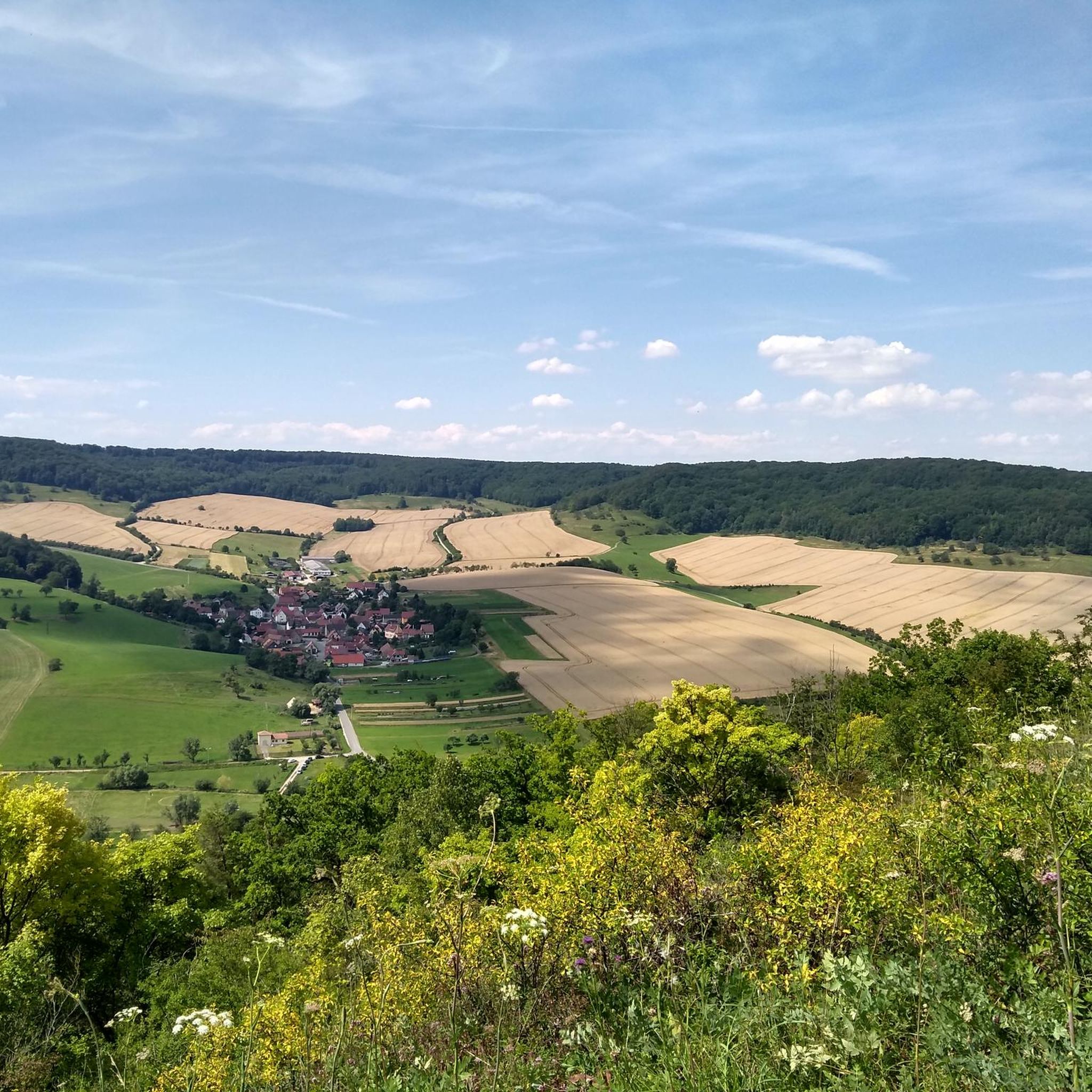
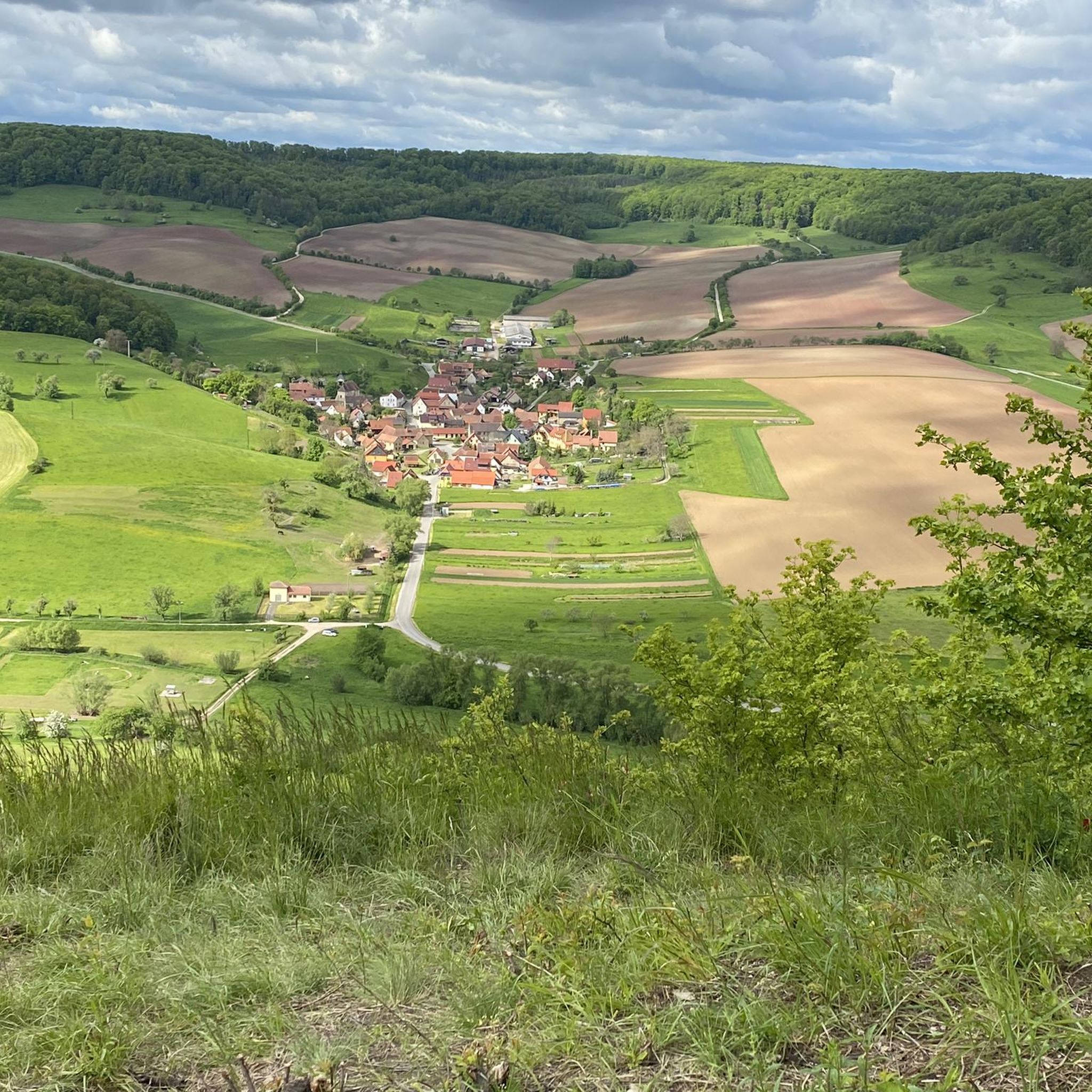
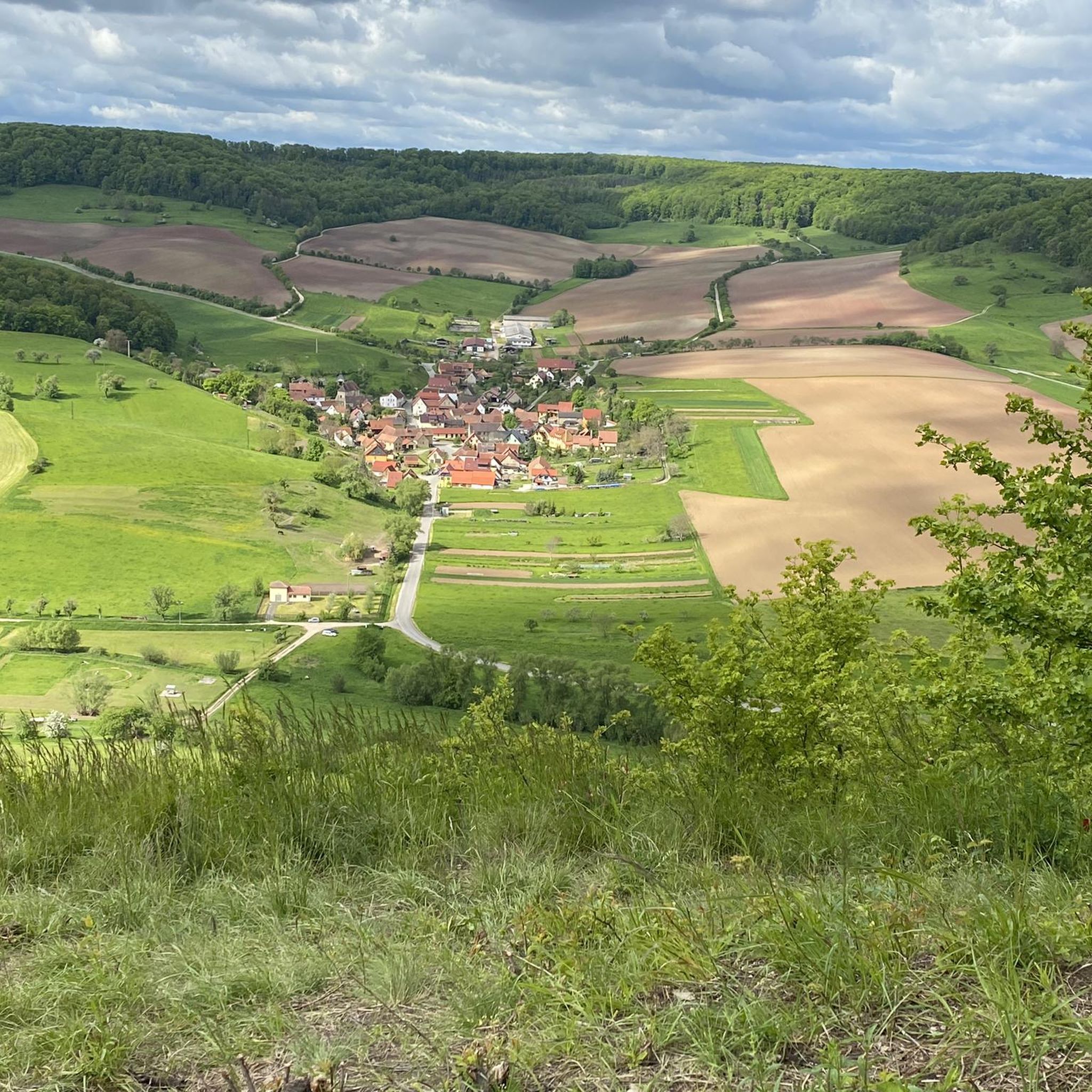
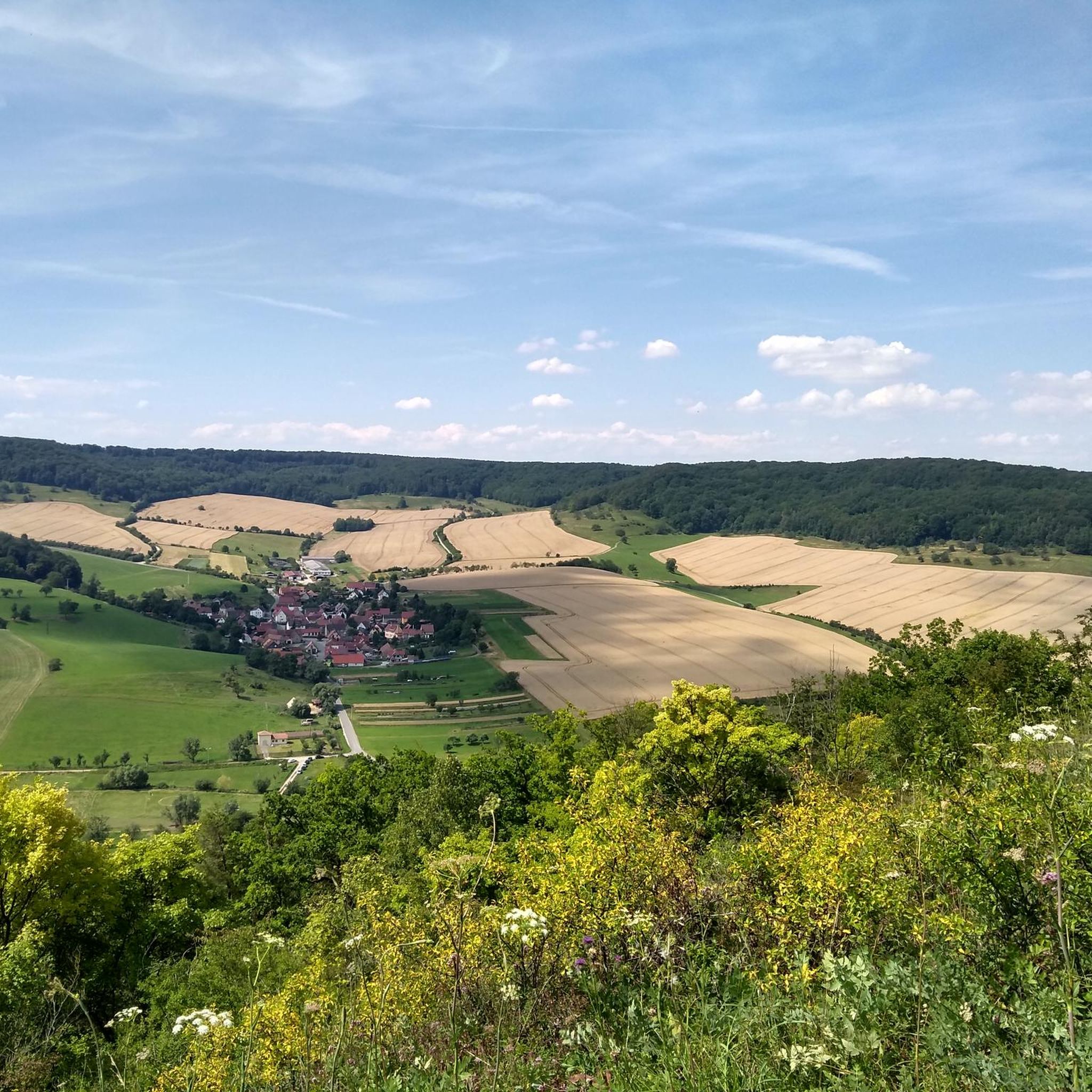
Road cycling routes around Graitschen bei Bürgel traverse a diverse landscape characterized by idyllic valleys such as Eisenberger Mühltal, Zeitzgrund, and Gleistal. The region features a blend of forest and meadow valleys, alongside a hilly terrain that provides varied challenges. Former railway lines, like the "Esel" Cycle Path, offer gentler inclines for cyclists. This area combines natural beauty with significant elevation changes, catering to different road cycling preferences.
Best road cycling routes around Graitschen bei Bürgel
- The most popular road…
Last updated: July 12, 2026
32
riders
Moderate road ride. Good fitness required. Mostly well-paved surfaces and easy to ride.
5.0
(1)
29
riders
47.1km
02:17
590m
590m
Moderate road ride. Good fitness required. Some segments of this route may be unpaved and difficult to ride.

Sign up for free
5.0
(1)
20
riders
Easy road ride. Great for any fitness level. Mostly well-paved surfaces and easy to ride.
12
riders
61.4km
02:48
680m
680m
Moderate road ride. Good fitness required. Some segments of this route may be unpaved and difficult to ride.
5.0
(1)
10
riders
Moderate road ride. Great for any fitness level. Some segments of this route may be unpaved and difficult to ride.
Get access to more routes and recommendations from other explorers.
Sign up for free
Already have an account?
Our route recommendations are based on thousands of hikes, rides, and runs completed by other people on komoot.
Start today with a free account
Your next adventure awaits.
Login or Signup
Tips from the Community

"The Zinsspeicher (Zinc Storehouse) is the last remaining outbuilding of the former monastery complex. Until 1945, it was used as a barn and stable for the Thalbürgel estate. After 1945, it housed a machine and tractor station (MTS), a grain and electrical storage facility, and served as a school workshop. In 1992, our museum was established on the upper floors of the building." 📜https://www.museum-zinsspeicher-thalbuergel.de/Museum/
1
0


Be sure to look and discover for a long time (for little kids who like knights it is very nice and they have a lot of fun and want to come back here again
1
0

The city area, which slopes gently from west to east toward the Saale River, was surrounded by a city wall from around 1300. It was 12 meters high and 2 meters wide. Four corner towers and twelve shell towers served as defenses. The city could be entered through three city gates controlled by city guards: the Saaltor in the east, the Johannistor in the west, and the Löbdertor in the south. Today, three corner towers remain, their names indicating their later use or construction: the Powder Tower in the northwest, at the highest point of the city fortifications, the Anatomy Tower in the southwest, and the Red Tower in the southeast. Only the foundations of the castle tower on the current university building remain. The Saaltor and Löbdertor were demolished in the 19th century. Only the Johannistor has survived the changes of time to this day. Around 1500, the approximately 4,000 inhabitants of the city of Jena lived in small farmsteads consisting of residential buildings, stables, and workshops.
16
0
The Zeiss Planetarium Jena, opened in 1926, was the brainchild of Oskar von Miller and realized with the Carl Zeiss company, which developed the first planetarium projector. After World War II, it remained intact as the world's oldest large-scale planetarium still in existence. Between 1983 and 1985, the planetarium was extensively modernized and expanded, with new projection and sound systems continually being developed. This technological evolution is reflected in four generations of star projectors, including the "Cosmorama," which now stands as a monument in the Goethe Gallery. Today, you can attend a wide variety of events here. You can find suggestions and further information here: https://planetarium-jena.de/.
14
0
The wines from the Käuzchenberg come from the south-facing slope and are located on dry sites, which greatly favors the development of aromas.
2
0

The Zeiss Planetarium Jena, opened in 1926, goes back to an idea by Oskar von Miller and was realized with the Carl Zeiss company, which developed the first planetarium projector. After the Second World War, it remained as the world's oldest large planetarium still in existence. Between 1983 and 1985, the planetarium was extensively modernized and structurally expanded, with new projection and sound systems being continuously developed. The technical evolution is reflected in four generations of star projectors, including the "Cosmorama", which now stands as a monument in the Goethe Gallery. Today you can attend a wide variety of events here. You can find suggestions and further information here: https://planetarium-jena.de/.
2
0

The Köstritzer Schwarzbierbrauerei is a brewery in Bad Köstritz that belongs to the Bitburger brewery group. It is one of the oldest dark beer breweries in Germany.
17
0
Frequently Asked Questions
How many road cycling routes are available around Graitschen bei Bürgel?
There are over 180 road cycling routes around Graitschen bei Bürgel, offering a wide range of options for different preferences and skill levels. The komoot community has highly rated these routes, with an average score of 4.6 stars from over 620 reviews.
What is the general difficulty level of road cycling routes in the region?
The road cycling routes around Graitschen bei Bürgel cater to various skill levels. While there are 18 easy routes, the majority are moderate (117 routes), and for those seeking a challenge, there are 52 difficult routes with significant elevation gains. This blend ensures options for both leisurely rides and more demanding training sessions.
What natural features or landmarks can I see along the road cycling routes?
The region is rich in natural beauty and historical sites. You can cycle through idyllic valleys like Eisenberger Mühltal, Zeitzgrund, and Gleistal, which feature a mix of forests and meadows. Notable viewpoints include the Poxdorfer Höhe, offering panoramic vistas. For specific natural highlights, consider visiting the Hainspitz Lake with Nebelfrau statue or the Teufelslöcher Caves (Jena).
Are there family-friendly road cycling routes suitable for all ages?
While many road cycling routes involve hilly terrain, some sections, particularly those utilizing former railway lines like the "Esel" Cycle Path, offer gentler inclines. For a less strenuous option, consider routes with lower elevation gain, such as the Museum of local history Zinsspeicher – Ascent at Schafberg loop from Großlöbichau, which is rated as easy.
What is the best time of year for road cycling in this region?
The region around Graitschen bei Bürgel is generally best for road cycling during the warmer months, from spring through autumn. During these seasons, you can enjoy the diverse landscapes, including the forest and meadow valleys, in pleasant weather conditions. Always check local weather forecasts before heading out.
Where can I park my car when starting a road cycling tour?
While specific parking locations for each route are not detailed here, towns like Bürgel and Großlöbichau, which serve as starting points for many routes, typically offer public parking facilities. It's advisable to check local parking options in your chosen starting town before your trip.
Can I reach Graitschen bei Bürgel by public transport with my bike?
Public transport options to Graitschen bei Bürgel and the surrounding areas may allow bikes, especially regional trains. However, policies can vary, and space for bikes might be limited, particularly during peak times. We recommend checking the specific public transport provider's regulations and timetables for bike carriage before planning your journey.
Are there places to eat or stay near the road cycling routes?
Yes, the nearby pottery town of Bürgel is a significant attraction and offers various places to eat and accommodation options. Along some routes, you might also find smaller cafes or guesthouses in the villages you pass through, perfect for a refreshment stop. The Rabeninsel Beer Garden in Jena is another option if your route takes you closer to the city.
Are there circular road cycling routes available?
Many of the road cycling routes around Graitschen bei Bürgel are designed as loops, allowing you to start and end in the same location. Examples include the popular Köstritzer Schwarzbier Brewery – Cycle path to Hartmannsdorf loop from Bürgel and the challenging Blue Arch Bridge in Golmsdorf – Zeiss Planetarium Jena loop from Bürgel.
What do other road cyclists enjoy the most about road cycling in Graitschen bei Bürgel?
The komoot community highly rates the road cycling experience here, with an average score of 4.6 stars. Cyclists often praise the diverse landscape, which combines idyllic valleys with challenging hilly terrain. The blend of natural beauty, varied difficulty levels, and well-maintained paths, including former railway lines, makes it a popular destination for many.
Are dogs allowed on road cycling routes around Graitschen bei Bürgel?
While there are no specific restrictions against dogs on public roads or designated cycle paths, road cycling with dogs can be challenging due to speed and traffic. If you plan to bring your dog, ensure they are well-trained and can keep pace safely, or consider routes with very low traffic. Always keep your dog on a leash where required and be mindful of other cyclists and pedestrians.
Are there any routes that offer significant elevation gain for training?
Absolutely. The hilly landscape around Graitschen bei Bürgel provides numerous opportunities for challenging rides with significant elevation gain. For instance, the SaaleRadWanderweg – Kunitz House Bridge loop from Bürgel features over 670 meters of ascent, making it suitable for ambitious road cyclists seeking a demanding workout.
Can I find historical sites along the road cycling routes?
Yes, the region is dotted with historical points of interest. The pottery town of Bürgel itself has a ceramics museum, and routes like the Museum of local history Zinsspeicher – Ascent at Schafberg loop from Großlöbichau lead through local historical sites. Further afield, you can find ruins like the Kunitzburg and the Dornburg Palaces, offering both historical interest and scenic views.
Most popular routes around Graitschen bei Bürgel
Most popular attractions around Graitschen bei Bürgel

Get inspired with the komoot mobile app


Explore more
Browse the best Road cycling routes in other regions.
