Attractions and Places To See in the Japanese Alps - Top 20
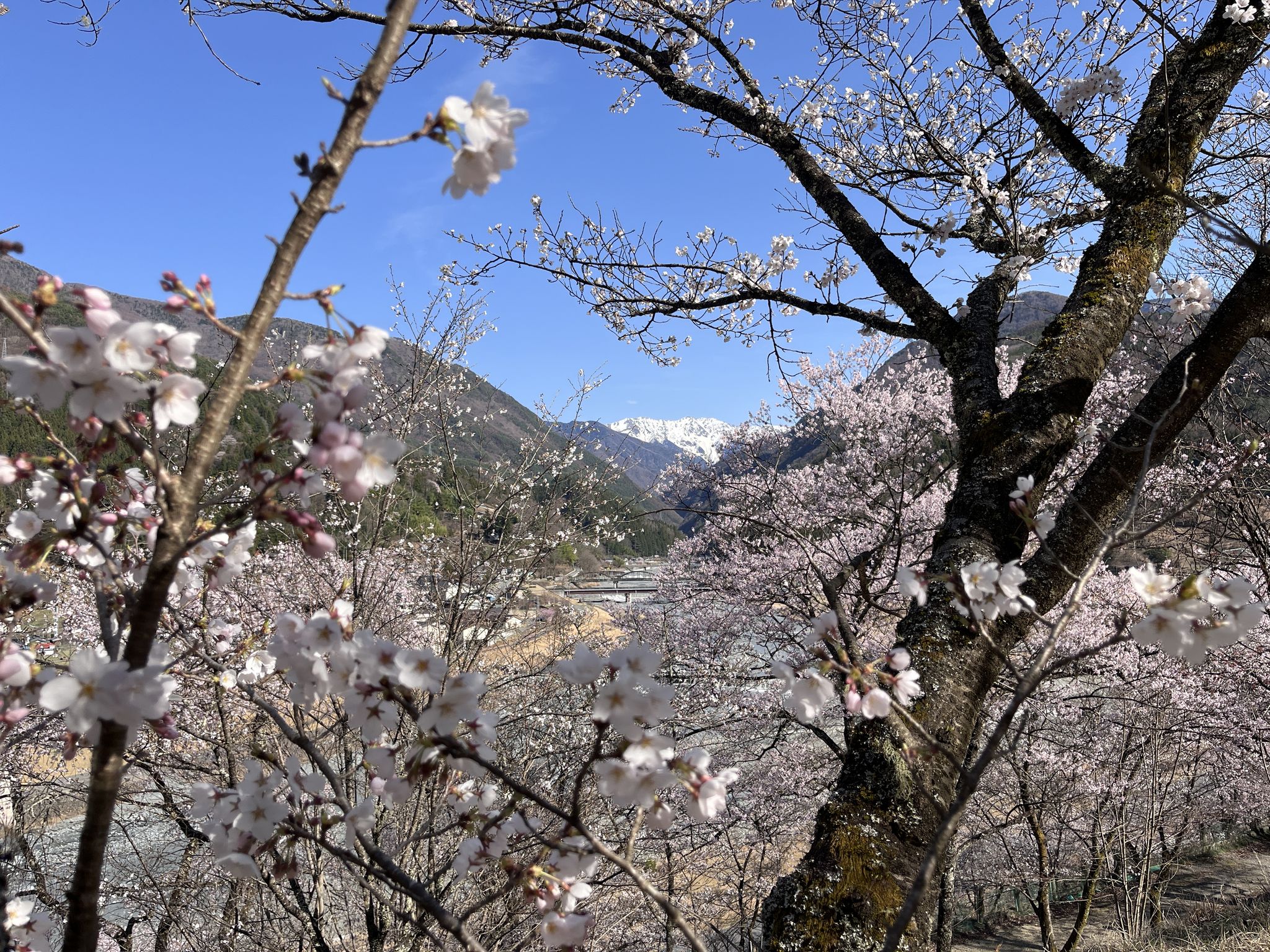
Best attractions and places to see in the Japanese Alps encompass a diverse range of natural and cultural sites across its Northern, Central, and Southern ranges. This region, often called the "Roof of Japan," features dramatic alpine landscapes, historical towns, and unique cultural experiences. Visitors can explore extensive Japanese Alps hiking trails, ancient trading routes, and significant landmarks. The area offers a variety of experiences, from preserved traditional villages to challenging mountain summits.
Best attractions and places to see in the Japanese Alps
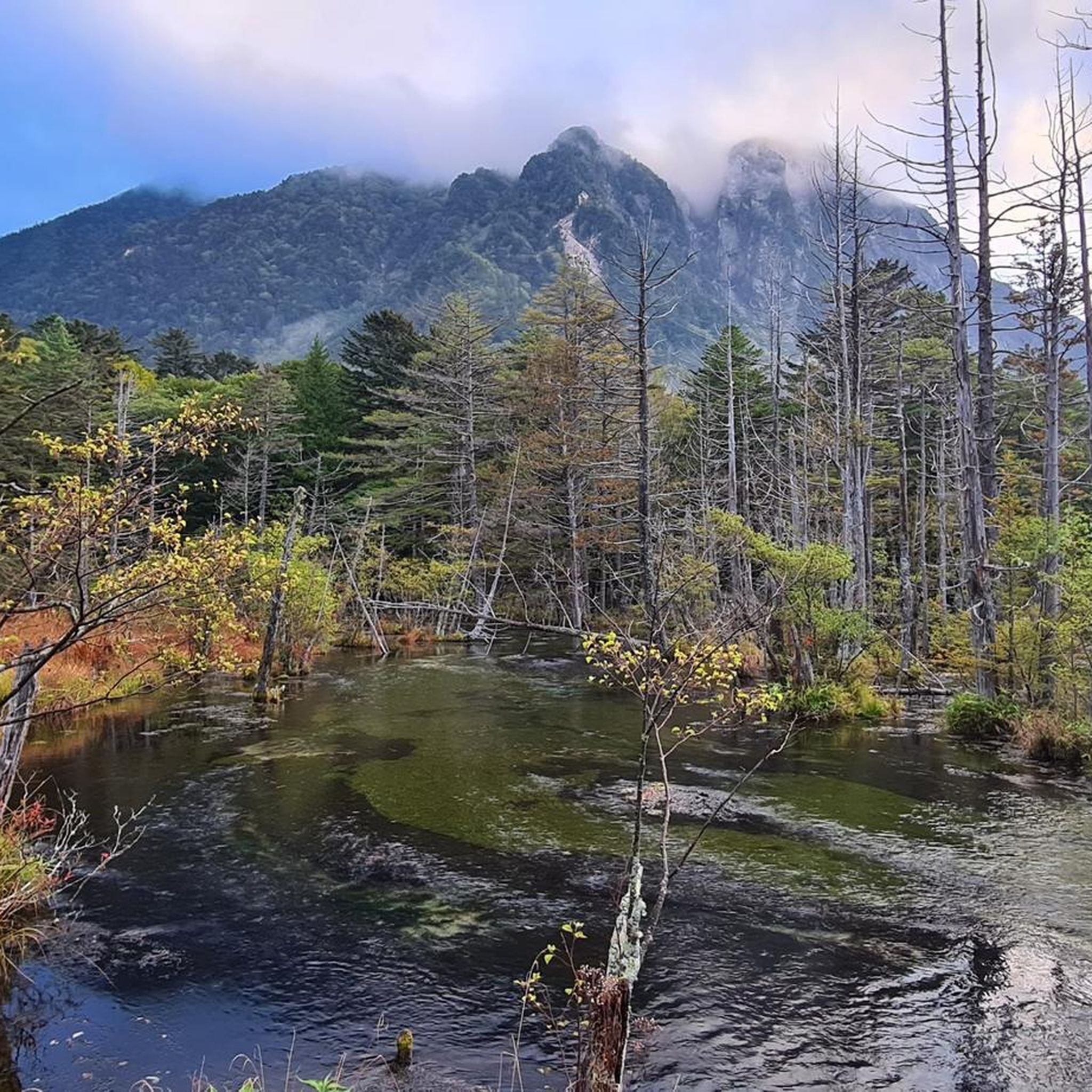
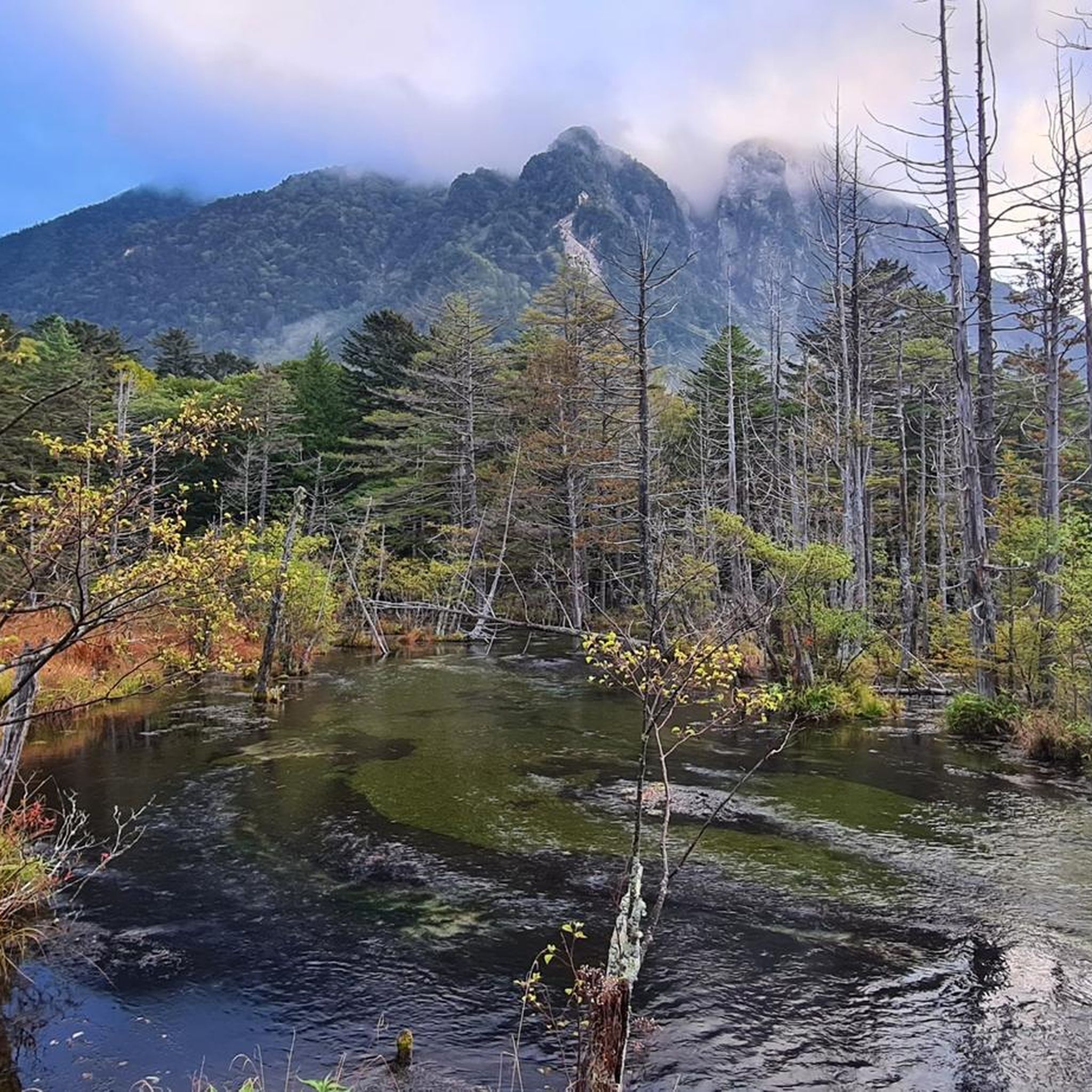
- The most popular attractions is Kamikochi Nature Trail, a trail known for its well-maintained paths and diverse landscapes within Chubu Sangaku National Park. This 10.5 kilometer route along the Azusa River offers panoramic views of towering peaks and dense forests.
- Another must-see spot is Magome–Tsumago Post Town Trail, a historical trail that follows an old postal route through hilly countryside. Visitors can experience traditional Japanese settlements and scenic views.
- Visitors also love Mount Kintoki Summit, a summit offering views of Mount Fuji and the surrounding Hakone mountains. This 1,213 meter high peak is known for its rustic hut and traditional Japanese dishes.
- Japanese Alps is known for its diverse hiking trails, historical sites, and natural features. The region offers a variety of attractions to see and explore, from ancient post towns to challenging mountain climbs.
- The attractions in the Japanese Alps are appreciated by the komoot community, with 94 upvotes and 18 photos shared by visitors.
Last updated: July 6, 2026
Kamikochi Nature Trail
Highlight • Trail
Tip by

Owakudani sulfur springs
Highlight • Natural Monument
Owakudani at 1044 m is a volcanically active area in Hakone, known for its fumaroles that emit sulphur vents, and for its breathtaking views of Mount Fuji. The valley was formed by a volcanic eruption about 3,000 years ago and is one of the most popular tourist attractions in Hakone. Visitors can explore the area, visit the fumaroles and hot springs, and buy the famous black eggs, also known as "Kuro-Tamago", which are said to prolong life by seven years. The region is a perfect place for hiking enthusiasts, offering various hiking trails to impressive viewpoints.
Text / Source: Japan National Tourism Organization
japan.travel/de/spot/1566
Showing Translation
Tip by

Sign up now to discover places like this
Get recommendations on the best single tracks, peaks, & plenty of other exciting outdoor places.
Sign up for free
Wada Pass (Wada-tōge)
Highlight • Mountain Pass
Wada Pass may also be accessed from the Daigo line which is longer, with some very steep sections and is a rindo (mountain way) so not very well kept and progress can be hard. The last 100m is a gravel track.
Descending from Wada Pass on either side is very fast so care and attention is needed as there are often hikers, cyclists and motor vehicles also using the route.
Tip by

Mount Fuji Summit (Yoshida Trail)
Highlight • Summit
Translated by Google •
Tip by

Mount Fuji 5th Station
Highlight • Rest Area
Translated by Google •
Tip by

Hakone Tozan Railway Station
Highlight • Structure
The Hakone Tozan Railway is Japan's oldest mountain railway and runs between Odawara and Gōra. The most spectacular section is between Hakone-Yumoto and Gōra, where the train slowly winds its way through dense forest, over bridges, past waterfalls, and through tight curves. Particularly impressive is the triple "zig-zag maneuver," where the train has to turn on so-called switchbacks to master the steep section. In summer, you travel through a green canopy of leaves, in autumn through a sea of colors from maple leaves. In June/July, a very special natural spectacle awaits: thousands of hydrangeas bloom along the railway line, some so close to the train that you could touch them from the window.
Text / Source: Japan National Tourism Organization
japan.travel/de/spot/346
Showing Translation
Tip by
Magome-juku
Highlight • Settlement
Tip by

Mount Kintoki Summit
Highlight • Summit
Translated by Google •
Tip by

Hakone Ropeway
Highlight • Structure
The history of the Hakone Ropeway Luftseilbahn is characterized by innovation and development. The first section of the ropeway was opened in 1959 and led from the Sōunzan station to Ōwakudani. In 2002, the ropeway was replaced by a Funitel, which offers higher transport capacity and comfort. The modernized gondolas from 2026 will ensure durability and safety that will keep passengers waiting in the air. The Hakone Ropeway is not only a significant tourist destination but also a symbol of Japanese engineering and the development of ropeways.
Text (Source: wikipedia.org
de.wikipedia.org/wiki/Hakone-Seilbahn
Showing Translation
Tip by
Magome–Tsumago Post Town Trail
Highlight (Segment) • Trail
Tip by

Sign up for free to discover even more attractions in the Japanese Alps.
Sign up for free
Already have an account?
Start today with a free account
Your next adventure awaits.
Login or Signup
Popular around Japanese Alps


Tips from the Community

Fantastic, dreamlike landscape, created by a volcanic eruption 3,000 years ago Owakudani at 1044 m is a volcanic valley with active sulfur vents and hot springs, which was formed by a volcanic eruption over 3,000 years ago. Due to volcanic activity and impressive panoramic views – on a clear day, you have a fantastic view of Mt. Fuji – this area is one of the most popular tourist attractions in Hakone. Owakudani is occasionally closed due to the emission of volcanic gases, so please inquire about this before your visit. Text / Source: Japan National Tourism Organization https://www.japan.travel/de/spot/1566/
12
0
Sulphur Vents - volcanically active area in Hakone Owakudani at 1044 m is a volcanically active area in Hakone, known for its fumaroles that emit sulphur vents, and for its breathtaking views of Mount Fuji. The valley was formed by a volcanic eruption about 3,000 years ago and is one of the most popular tourist attractions in Hakone. Visitors can explore the area, visit the fumaroles and hot springs, and buy the famous black eggs, also known as "Kuro-Tamago", which are said to prolong life by seven years. The region is a perfect place for hiking enthusiasts, offering various hiking trails to impressive viewpoints. Text / Source: Japan National Tourism Organization https://www.japan.travel/de/spot/1566/
12
0
Hakone Tozan Railway Hakone Tozan Railway The Hakone Tozan Railway is Japan's oldest mountain railway and runs between Odawara and Gōra. The most spectacular section is between Hakone-Yumoto and Gōra, where the train slowly winds its way through dense forest, over bridges, past waterfalls, and through tight curves. Particularly impressive is the triple "zig-zag maneuver," where the train has to turn on so-called switchbacks to master the steep section. In summer, you travel through a green canopy of leaves, in autumn through a sea of colors from maple leaves. In June/July, a very special natural spectacle awaits: thousands of hydrangeas bloom along the railway line, some so close to the train that you could touch them from the window. Text / Source: Japan National Tourism Organization https://www.japan.travel/de/spot/346/
12
0
Hakone Ropeway Luftseilbahn 箱根ロープウェイ The history of the Hakone Ropeway Luftseilbahn is characterized by innovation and development. The first section of the ropeway was opened in 1959 and led from the Sōunzan station to Ōwakudani. In 2002, the ropeway was replaced by a Funitel, which offers higher transport capacity and comfort. The modernized gondolas from 2026 will ensure durability and safety that will keep passengers waiting in the air. The Hakone Ropeway is not only a significant tourist destination but also a symbol of Japanese engineering and the development of ropeways. Text (Source: wikipedia.org https://de.wikipedia.org/wiki/Hakone-Seilbahn
13
0

As you take the gondola up from Lake Ashi, you can smell the sulfurous scent of the springs. At the top of the mountain station, you'll enjoy a magnificent view from the observation deck.
2
0

Kamikochi, nestled in Japan's Northern Alps within Chubu Sangaku National Park, offers a network of trails that are well-maintained paths and are suitable for various skill levels, showcasing the area's breathtaking landscapes. The area is known as the "Japanese Yosemite Valley." Kamikochi is preserved in its natural state within Chūbu-Sangaku National Park, is designated as one of Japan's National Cultural Assets, and is on the list of Special Natural Monuments and Special Places of Scenic Beauty. The main trail stretches from Taisho Pond to Myojin Bridge and spans approximately 10.5 kilometers. This route meanders along the Azusa River, passing iconic landmarks such as Kappa Bridge and Myojin Pond. You are treated to panoramic views of towering peaks, dense forests, and marshlands in the remote mountainous highland valley.
3
1

Awesome, view, feeling. Everything is great. Always pay attention to the weather forecast and prepare accordingly!
1
0

Frequently Asked Questions
What are some notable historical and cultural sites to visit in the Japanese Alps?
The Japanese Alps are rich in history and culture. You can explore the iconic Matsumoto Castle, a designated National Treasure known for its striking black exterior. Another significant historical experience is hiking the Magome–Tsumago Post Town Trail, part of the ancient Nakasendo Way, which allows you to experience traditional Japanese settlements. Additionally, the UNESCO World Heritage site of Shirakawa-go and Gokayama offers a glimpse into traditional rural life with its unique Gassho-zukuri farmhouses.
Where can I find stunning natural landscapes and hiking opportunities in the Japanese Alps?
For breathtaking natural beauty, visit Kamikochi Nature Trail, often called the "Crown Jewel of the Japanese Alps." This area within Chubu Sangaku National Park features crystal-clear waters, lush forests, and extensive hiking trails along the Azusa River. Another remarkable natural feature is the Tateyama Kurobe Alpine Route, famous for its dramatic snow walls in spring and stunning alpine scenery.
Are there any family-friendly attractions in the Japanese Alps?
Yes, several attractions in the Japanese Alps are suitable for families. The Kamikochi Nature Trail offers well-maintained paths suitable for various skill levels, making it a great option for families to enjoy nature. Observing the Japanese snow monkeys bathing in natural hot springs at Jigokudani Monkey Park is also a popular and memorable family experience.
What are the best times to visit the Japanese Alps for outdoor activities?
The Japanese Alps offer opportunities for outdoor activities year-round. Spring and autumn are particularly popular for hiking, with spring bringing wildflowers and autumn showcasing vibrant fall foliage. For winter sports enthusiasts, Hakuba Valley is a world-renowned destination for skiing and snowboarding.
What kind of hiking trails can I find in the Japanese Alps?
The Japanese Alps offer a diverse range of hiking trails. You can find well-maintained paths like the Kamikochi Nature Trail, which is suitable for various skill levels. For a historical trek, the Magome–Tsumago Post Town Trail follows an ancient postal route. More challenging climbs include Mount Kintoki Summit, offering views of Mount Fuji, and the demanding trails to Mount Yari, known as Japan's "Matterhorn." You can find more hiking routes in the Hiking in the Japanese Alps guide.
Are there any unique or off-the-beaten-path attractions in the Japanese Alps?
Beyond the well-known sites, you can explore the charming town of Hida Furukawa, which offers a glimpse into traditional Japan with its white-walled buildings and the Setogawa Canal. Another unique experience is visiting the Senjojiki Cirque in the Central Alps, a glacial cirque accessible via ropeway, offering gorgeous alpine scenery and rare plants.
What are some popular viewpoints in the Japanese Alps?
The Japanese Alps are full of incredible viewpoints. From the Mount Kintoki Summit, you can enjoy unforgettable views of Mount Fuji. The Tateyama Kurobe Alpine Route provides breathtaking alpine vistas, and Hakuba Happo Pond offers reflections of the "Three Peaks of Hakuba." The Norikura Plateau also boasts scenic vistas ideal for hiking.
What outdoor activities, besides hiking, can I do near these attractions?
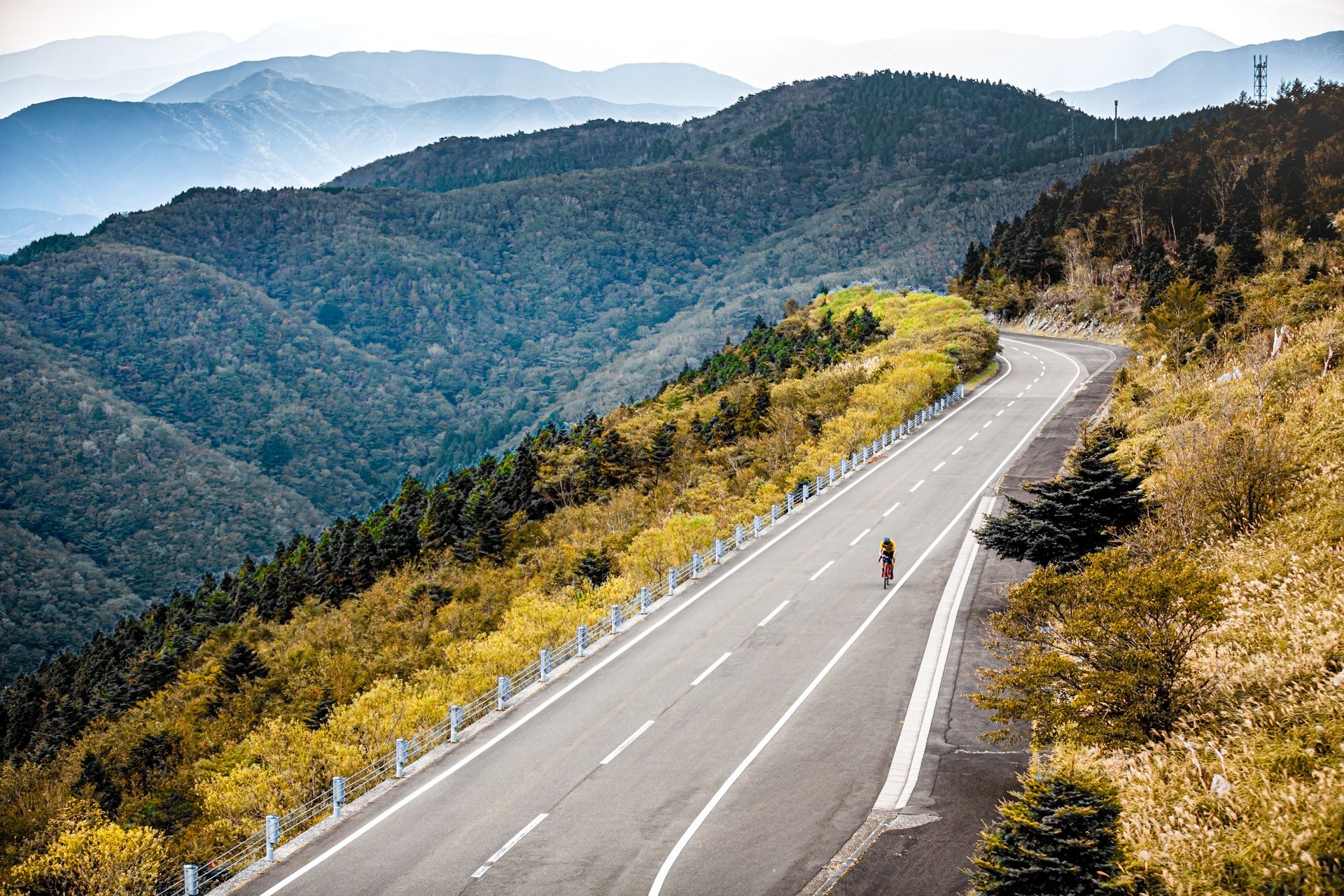
Besides hiking, the Japanese Alps offer various outdoor activities. Hakuba Valley is renowned for winter sports like skiing and snowboarding. The region also has excellent opportunities for road cycling, with routes like the Fuji Subaru Line Toll Gate loop. You can find more cycling routes in the Road Cycling Routes in the Japanese Alps guide.
How accessible are the attractions in the Japanese Alps by public transport?
Many areas in the Japanese Alps are accessible by public transport. For instance, Kamikochi restricts private cars to preserve its natural state, with access primarily by bus or taxi. The Tateyama Kurobe Alpine Route is designed for accessibility via various modes of transport, including buses, cable cars, and ropeways, connecting different sections of the route.
What do visitors enjoy most about the attractions in the Japanese Alps?
Visitors highly appreciate the diverse experiences offered in the Japanese Alps. The Kamikochi Nature Trail is praised for its well-maintained paths and breathtaking landscapes. The Magome–Tsumago Post Town Trail is loved for its scenic walk through traditional Japanese settlements. Overall, the region's blend of dramatic alpine scenery, historical sites, and opportunities for outdoor adventure receives high acclaim from the komoot community, with 94 upvotes and 18 photos shared.
Are there any significant religious sites in the Japanese Alps region?
Yes, the Japanese Alps region is home to significant religious sites. Zenko-ji Temple in Nagano city is a prominent Buddhist temple and a key cultural site. Additionally, the Heiwa-no-Torii (Peace Torii) Gate at Hakone Shrine, while slightly outside the core Alps, is a notable religious landmark often visited in conjunction with the wider region.
Can I see Mount Fuji from attractions within the Japanese Alps?
Yes, you can enjoy views of Mount Fuji from certain points in the Japanese Alps. The Mount Kintoki Summit, located on the border between Kanagawa and Shizuoka prefectures, offers unforgettable panoramic views of the impressive Mount Fuji and the surrounding Hakone mountains.
Most popular routes in the Japanese Alps
Most popular attractions in the Japanese Alps

Get inspired with the komoot mobile app


Explore more
Still not found the Highlight you’re looking for? See guides of the top attractions in other regions:
