Top 12 Caves around Gillenbeuren
Caves around Gillenbeuren provide insights into the region's volcanic geology and historical human activity. The landscape features formations created by ancient volcanic eruptions, including basalt lava and cinder cones. These geological characteristics have formed unique cave systems and rock shelters. The area also holds historical significance, with evidence of Stone Age settlements and past mining operations.
Best caves around Gillenbeuren
- The most popular caves is Falkenlay Stone Age Caves, a cave system within volcanic rock. These smaller caves show…
Last updated: June 27, 2026
Elf Grotto and Elbesbach Waterfall
Highlight • Cave
The …
Translated by Google •
Tip by

Falkenlay Stone Age Caves
Highlight • Cave
Showing Translation
Tip by

Sign up now to discover places like this
Get recommendations on the best single tracks, peaks, & plenty of other exciting outdoor places.
Sign up for free
The old Lippi
Highlight • Structure
Translated by Google •
Tip by

Ulmener Maar Tunnel
Highlight • Structure
Translated by Google •
Tip by

Goldkaul Cave
Highlight • Cave
On October 19, 1862, the industrialist Beel received permission in St. Aldegund to dig for copper ore here above the little saint's house on the "Kehr". The …
Translated by Google •
Tip by

Sign up for free to discover even more caves around Gillenbeuren.
Sign up for free
Already have an account?
Start today with a free account
Your next adventure awaits.
Login or Signup
Tips from the Community

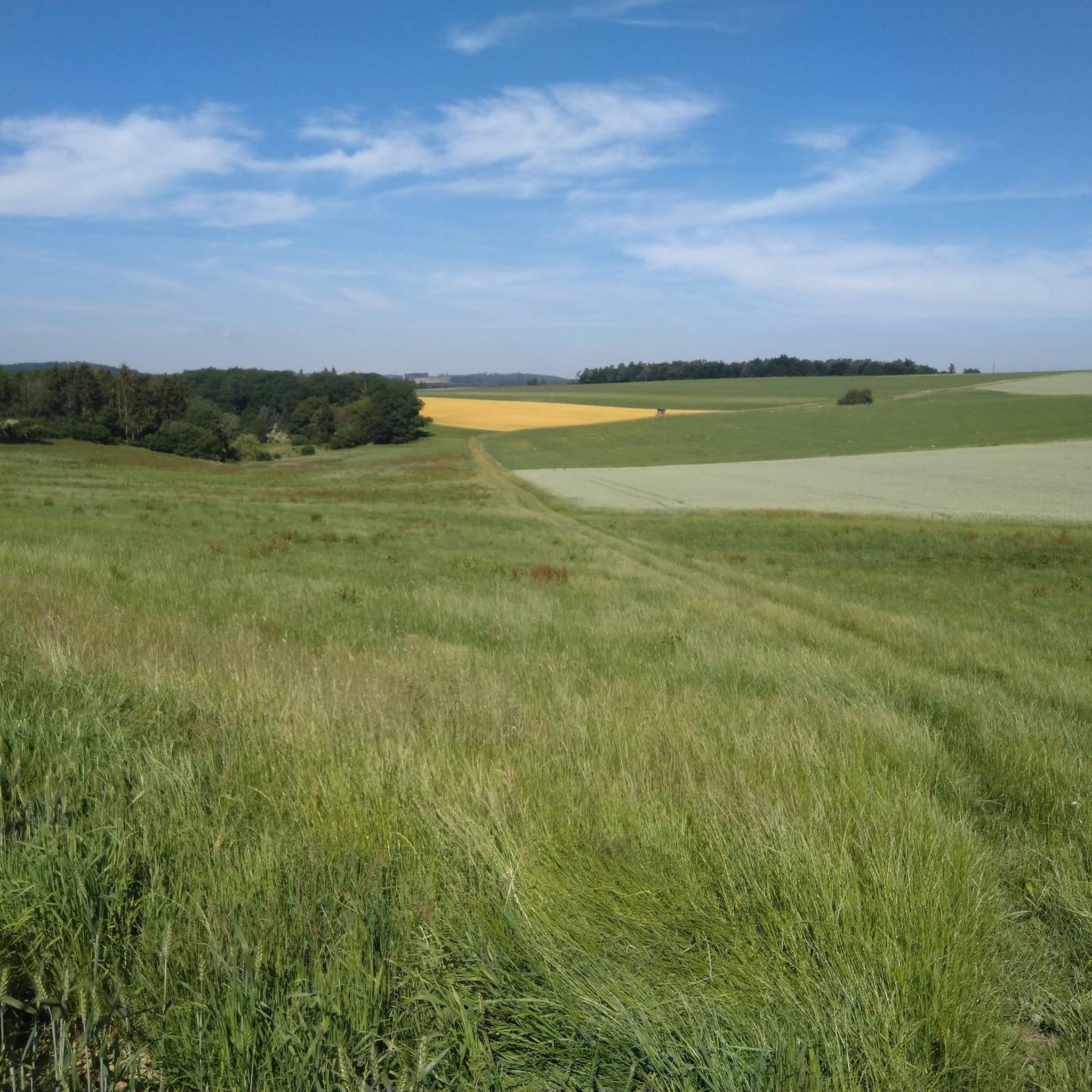
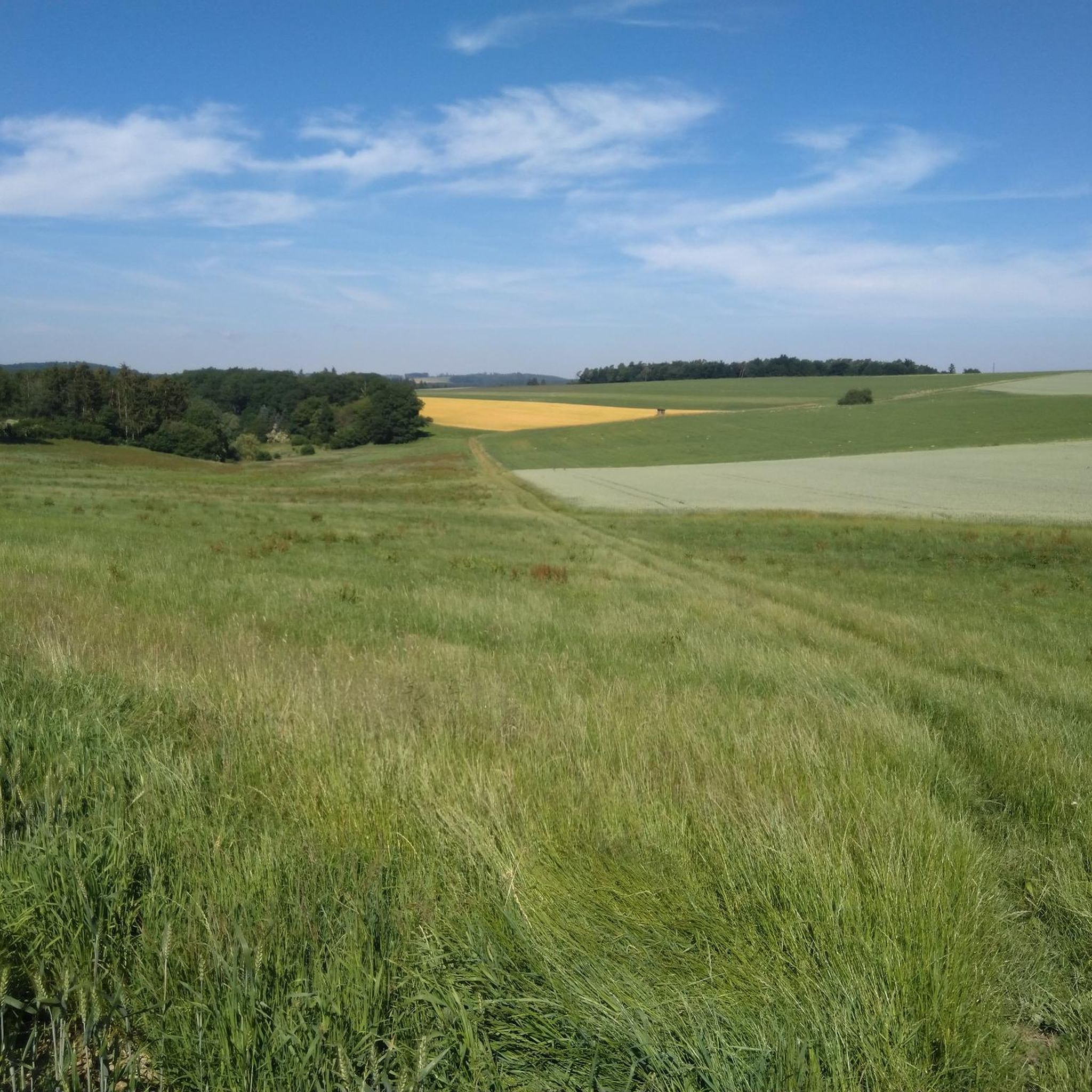
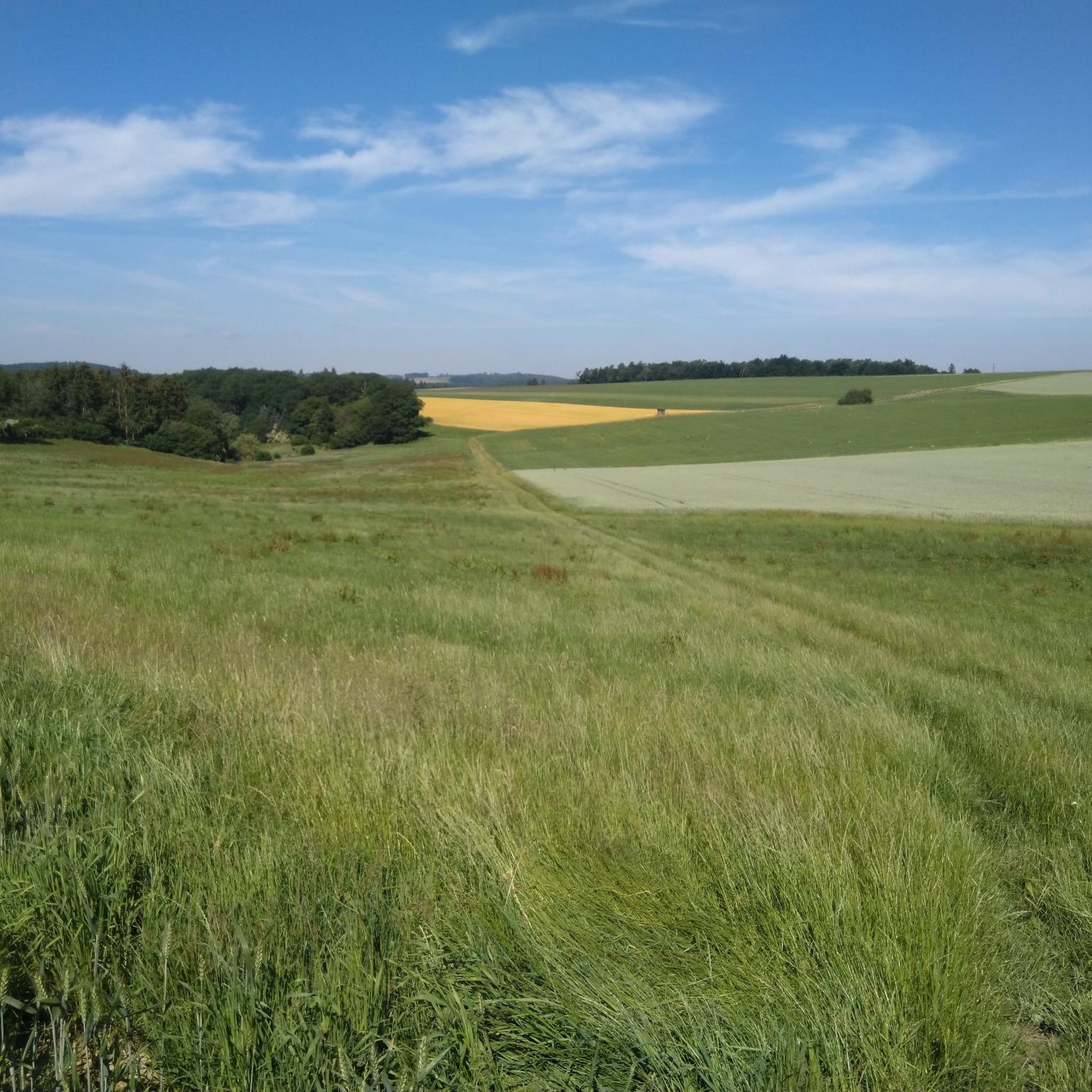
1 million years of geology. Worth putting your bike aside for a moment.
6
0

The success of the film "Tatort Falkenlay" inspired the idea of building a concrete replica of the main character, the old Lippi, for the film crew, the community, and guests. Apparently, it's located in the cave of events, and so the idea was born! What should it look like? He prefers to indulge in his favorite pastime: relaxing around the campfire! A friendly neighbor lent his face and hands to create lifelike casts. They constructed the upper body skeleton from strong wire. The legs were made from plumbing pipes and attached to the body. Now the hard work began. Everything had to be filled with scrap paper, wrapped several times, and then rewired. After dressing Lippi in old pants, they could begin the concrete work. Now the fine details of the body were modeled. The head, face, hands, and feet, which had been pre-cast, were placed in their designated places. The masterpiece was complete! With the kind support of the Kennfus volunteer fire department, Lippi then moved to his cave beneath the Falkenlay!
1
0


The Ulmener Maar tunnel connects the Ulmener Maar with the Jungferweiher Maar and is 120 meters long and 70 cm wide at its narrowest point. Different rock layers from the volcanic history can be seen. Display boards and paintings on the tunnel make the history very interesting. The tunnel was used to channel water from the two maars into the Ulmener Bach to the mills. Next to the tunnel, two drains and bulkheads are used to regulate the water level.
8
1

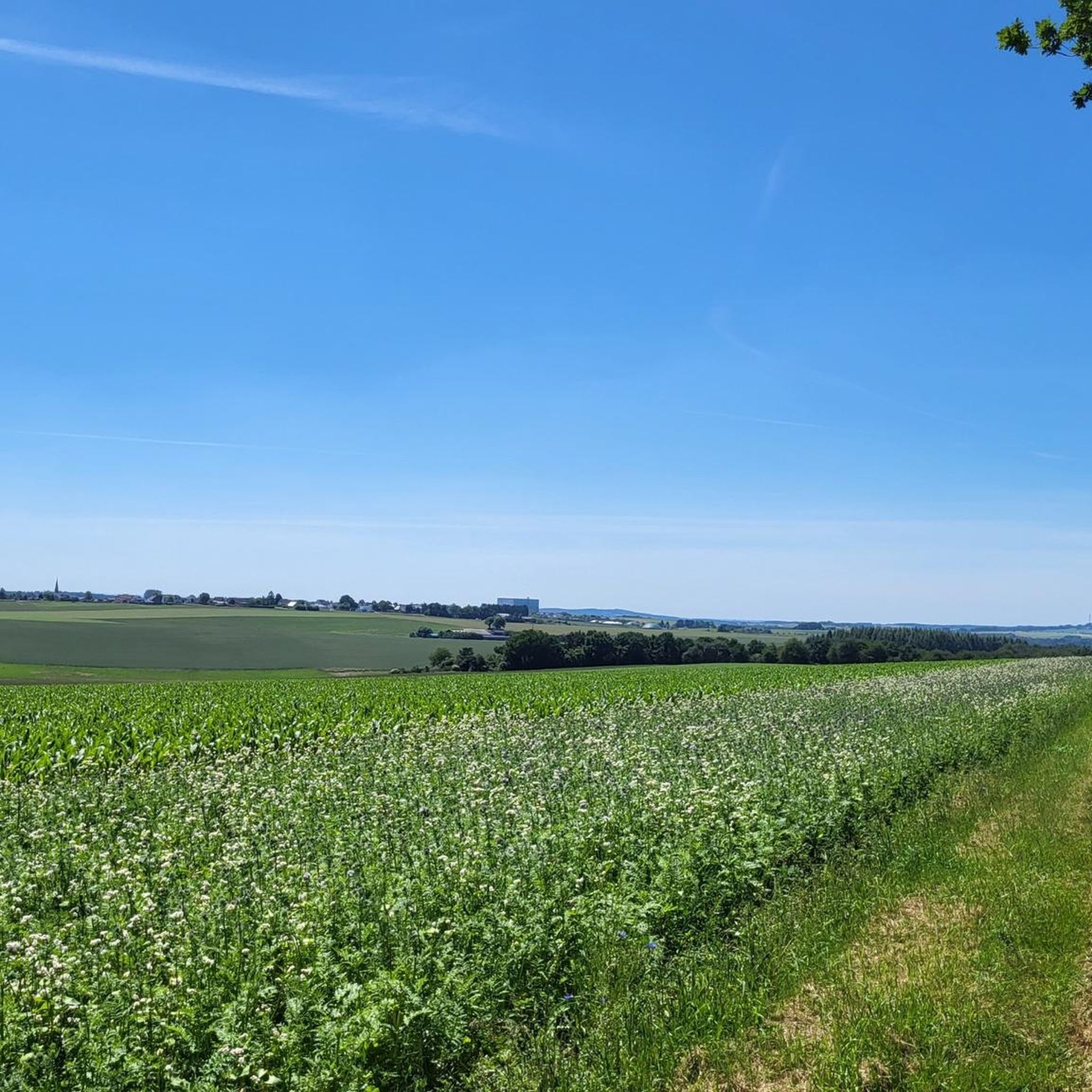
There is so much to discover on this section
1
1

Information about the Maar Stollen can be found, for example, at https://www.gesundland-vulkaneifel.de/ulmener-maar-stollen-entdecker-tour/#:~:text=Ulmen%20neu%20erleben&text=Den%20Maar%2DStollen%20kannst %20you, just%20once%2070%20cm%20wide. find
3
0

It's called the Ulmen Maar Tunnel and connects the Jungferweiher pond and the Ulmen Maar. The tunnel is finished and has been open to the public since April 25, 2023. It's turned out simply fantastic. A visit is definitely worthwhile. It's open in the summer months from 6 a.m. to 8 p.m. In winter, it's also open during the day. The circular and hiking trail around the Jungferweiher pond and the Ulmen Maar is wheelchair accessible. Cycling through the tunnel is prohibited, as the tunnel is only 70 centimeters wide at its narrowest point. You don't need to be claustrophobic. A visit to the Ulmen Castle ruins, with its fantastic view over the town of Ulmen and the Ulmen Maar, is also highly recommended.
5
0

The Ulmener Maarstollen was completed in 2023 and connects the Jungferweiher with the Ulmener Maar. Hopefully it stays as clean and beautiful as it was when I visited yesterday.
4
1
Frequently Asked Questions
What kind of caves can I explore around Gillenbeuren?
The Gillenbeuren area offers a diverse range of underground formations, including natural caves formed by volcanic activity, historical mining tunnels, and ancient Stone Age rock shelters. You can find insights into the region's unique volcanic geology and its rich human history.
Are there any historical caves or sites related to past human activity?
Yes, the region has several historical sites. The Falkenlay Stone Age Caves show evidence of Stone Age hunters inhabiting them between 2000 and 4000 BC. Additionally, the Juliusstollen and Kaulenmännchen Sculpture features tunnels from past mining operations, with a sculpture linked to local legends about miners. The Goldkaul Cave is also a historical mining site where copper ore was once prospected.
Are the caves around Gillenbeuren suitable for families with children?
Yes, several caves are family-friendly. The Falkenlay Stone Age Caves are smaller caves that invite exploration on hikes with children. The Elf Grotto and Elbesbach Waterfall is also considered family-friendly and offers a unique natural experience.
What natural features can I expect to see in the caves?
The caves are largely shaped by the region's volcanic geology. For example, the Elf Grotto and Elbesbach Waterfall is a hollow path created by volcanic activity, featuring unique stacked stone formations that resemble cheese wheels. The Falkenlay Stone Age Caves are located within volcanic rock at the foot of the Falkenlay, which is the oldest cinder cone in its volcanic system.
What outdoor activities can I do near these caves?
The area around Gillenbeuren offers various outdoor activities. You can find numerous hiking trails, including the “Geo-Route Bad Bertrich” which leads to the Falkenlay Stone Age Caves. There are also dedicated hiking routes, MTB trails, and road cycling routes available for exploration.
Are there specific hiking trails that lead to the caves?
Yes, for instance, the Falkenlay Stone Age Caves can be reached via the “Geo-Route Bad Bertrich” hiking trail. The Elf Grotto and Elbesbach Waterfall is also part of a popular hike around Bad Bertrich. You can find more options for hiking around Gillenbeuren.
What should I bring when visiting the caves?
For historical mining tunnels like the Juliusstollen, a good flashlight is recommended to illuminate the interior, as an iron door blocks further passage. Generally, comfortable shoes suitable for hiking are advisable, especially if you plan to explore the surrounding trails.
What is the 'Kaulenmännchen Sculpture' and its significance?
The 'Kaulenmännchen Sculpture' is located near the Juliusstollen. It represents a figure from a local legend about a slate crusher named Jacob, who was supposedly led to prosperity and then to his demise by the 'Kaulenmännchens' because he couldn't keep their secret. This story is said to have taken place in the Juliusstollen and has been passed down through generations.
Is there anything unique or unusual to see in the caves?
Beyond natural formations, you might encounter unexpected sights. For example, beneath the Falkenlay, you can find The old Lippi, a concrete replica of a film character, which was moved into a cave there. The Elf Grotto is also known as the 'cheese grotto' due to its distinctive stacked, cheese wheel-like stone formations.
What do visitors enjoy most about the caves around Gillenbeuren?
Visitors appreciate the unique blend of natural beauty and historical significance. The smaller caves at Falkenlay Stone Age Caves are popular for exploration, especially with children. The Elf Grotto and Elbesbach Waterfall is considered a 'VIP highlight' for its passage grotto, waterfall, and the Teufelsbrück, making it a scenic stop on a hike.
How were the Elf Grotto and Elbesbach Waterfall formed?
The Elf Grotto is a hollow path created approximately 50,000 years ago by volcanic activity. Glowing hot basalt lava flowed from surrounding volcanoes into the Üssbach valley. As it cooled, the basalt solidified into columns with horizontal stress cracks. Over centuries, weathering gave rise to the distinctive stacked, cheese wheel-like formations that give the grotto its special appearance.
Most popular routes around Gillenbeuren
Most popular attractions around Gillenbeuren

Get inspired with the komoot mobile app


Explore more
Extend your search for the best caves by checking out these guides of the top ones around Gillenbeuren:
