Top 19 Lakes around Bodenbach
Best lakes around Bodenbach are situated in a region characterized by volcanic landscapes and natural features, offering diverse outdoor experiences. The area features unique geological formations such as maars and wetlands, alongside forests and historical sites. This landscape provides a variety of easy walking trails around Bodenbach lakes, making it suitable for exploration. The Bodenbach location lakes are integral to the Vulkaneifel region, known for its distinct natural landmarks.
Best lakes around Bodenbach
- The most popular lakes is Booser Double…
Last updated: June 27, 2026
Booser Double Maar Wetlands
Highlight • Natural Monument
Translated by Google •
Tip by

Heilbachsee
Highlight • Lake
Circular route also possible by bike.
Translated by Google •
Tip by

Sign up now to discover places like this
Get recommendations on the best single tracks, peaks, & plenty of other exciting outdoor places.
Sign up for free
View of the Booser Double Maar
Highlight • Viewpoint
Translated by Google •
Tip by

Grüner Weiher (Hurenbüsch-Weiher)
Highlight • Lake
Translated by Google •
Tip by

Meisenthaler Mill
Highlight • Structure
Translated by Google •
Tip by

Sign up for free to discover even more lakes around Bodenbach.
Sign up for free
Already have an account?
Start today with a free account
Your next adventure awaits.
Login or Signup


Other adventures around Bodenbach

Tips from the Community

Very beautiful artificial lake created, for big and small, what
1
0

The Boos Double Maar consists of two silted-up maars, which today appear as shallow depressions in the terrain. They are located within the municipality of Boos. The two maars formed between 10,150 and 14,160 years ago and belong to the Quaternary volcanic field of the Volcanic Eifel. The two maars form large, circular basins surrounded by tuff embankments. They lie on a west-southwest-east-northeast trend, thus following the Variscan strike of the subsurface. The west-southwest maar has a diameter of approximately 700 m and a depth of between 30 and 60 m; the east-northeast maar is between 650 and 700 m and a depth of between 50 and 87 m. Both depressions are very humid, so there are still areas that have a permanent water surface. The waters were formerly used as fish ponds, but later silted up and served as meadows and fields. Today, there is once again a fish pond in the west-southwestern part of the maar, the Booser Weiher. In the vicinity of the maars, there are tuff pits where the volcanic tuff formed during the eruption of the maars was mined. Very beautiful nature.
0
0

beautiful small reservoir, ideal for a short walk
0
0
especially when the sun rays penetrate through the treetops a great sight
0
0

The history of the Volcanic Eifel can be explored at the Booser Doppelmaar. The Booser Doppelmaar consists of two silted-up maars, which today appear as flat hollows in the terrain. The two maars were formed between 10,150 and 14,160 years ago. Viewed from above, the two maars are circular basins. The west-southwest maar has a diameter of around 700 m and is between 30 and 60 m deep, the east-northeast maar is between 650 and 700 m large and has a depth of 50 to 87 m. The two hollows are very wet, so there are still places that have a permanent water surface. The water areas were previously used as fish ponds, but later silted up and served as meadows and fields. Today there is again a fish pond in the west-southwestern maar, the Booser Weiher, see also https://de.wikipedia.org/wiki/Booser_Doppelmaar
1
1
The Booser Doppelmaartour is an Eifel dream trail. It is important that you look in vain for water here, because the two maars are so-called dry maars.
0
0

Here you can spend your holidays on the farm. http://website.meisenthaler-muehle.de
1
0

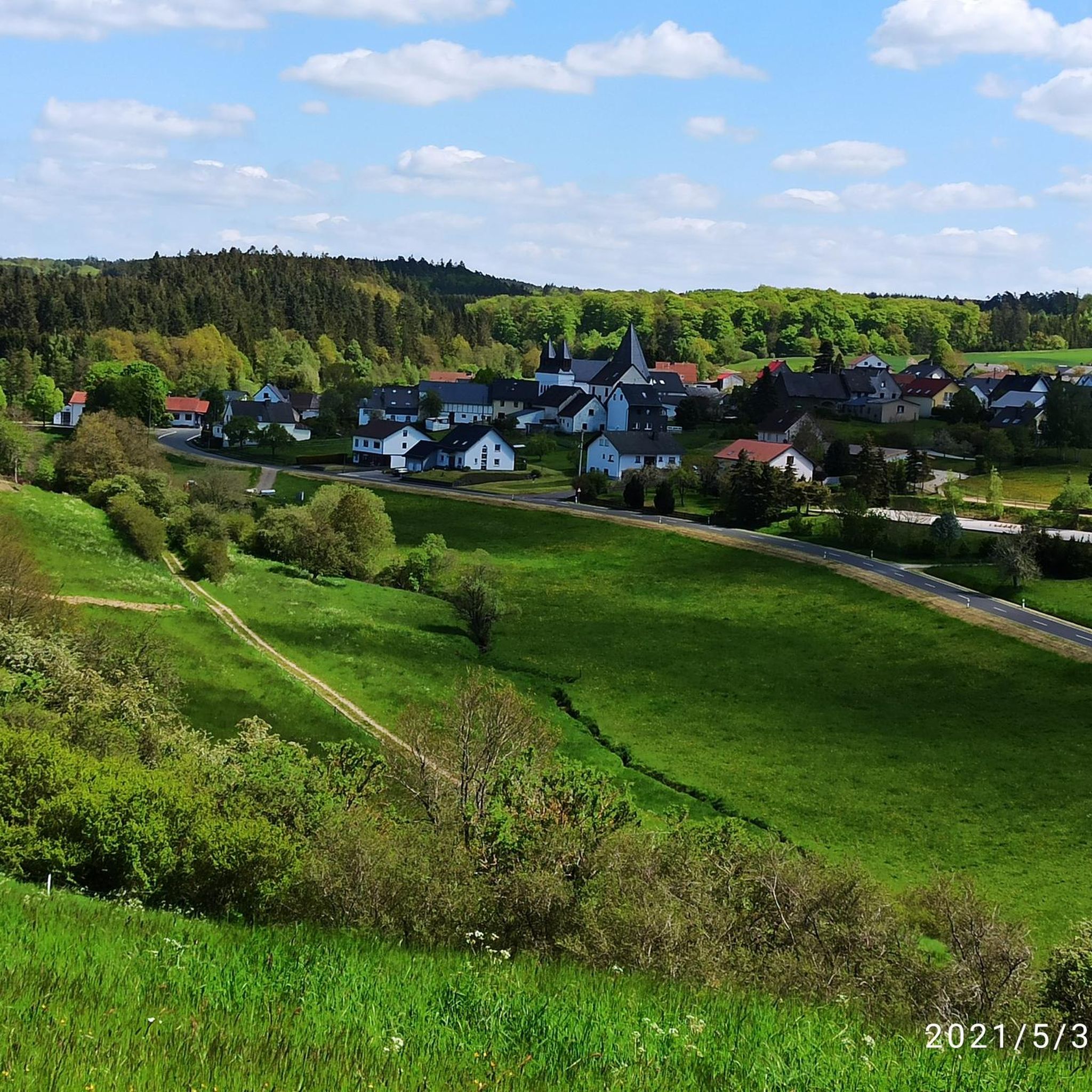
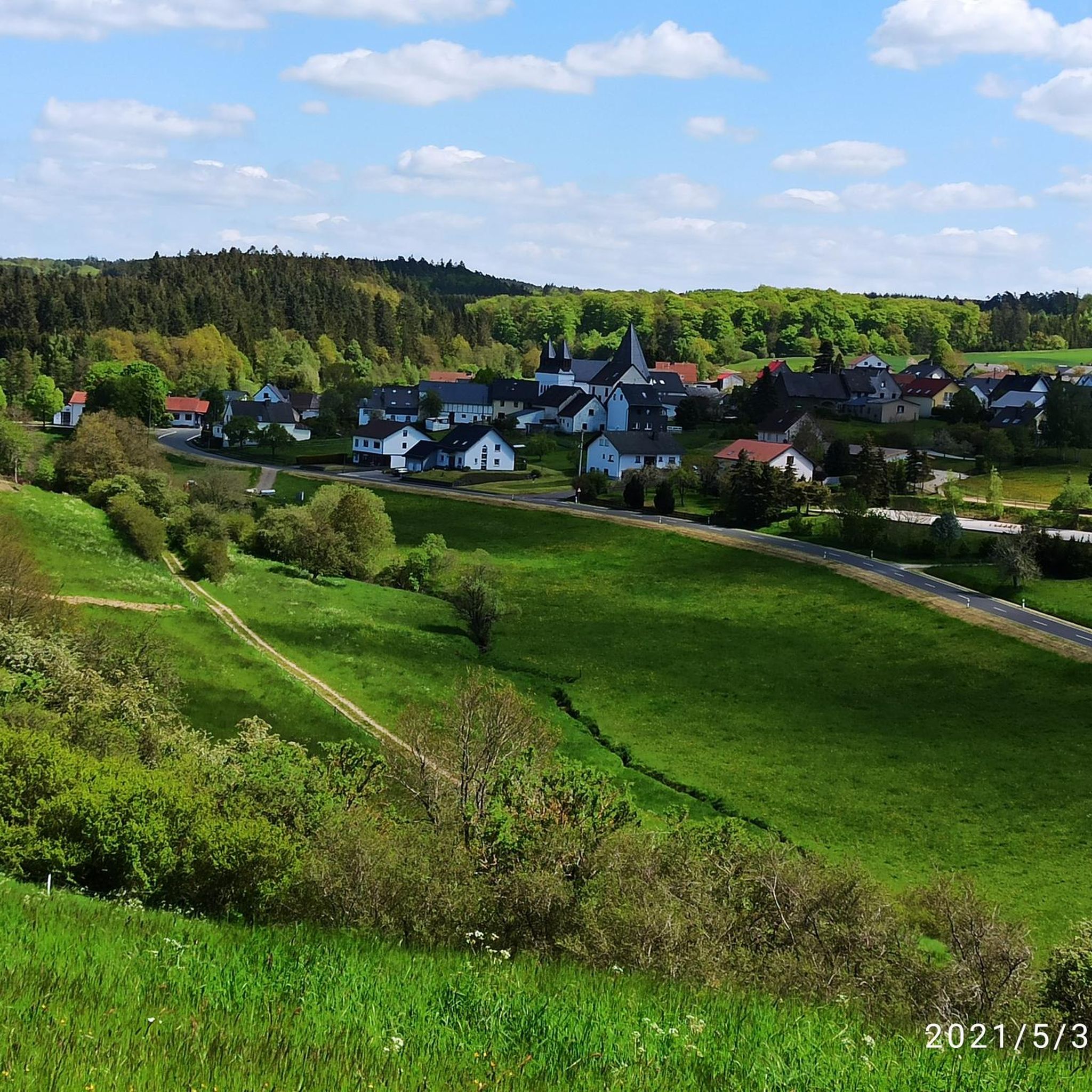
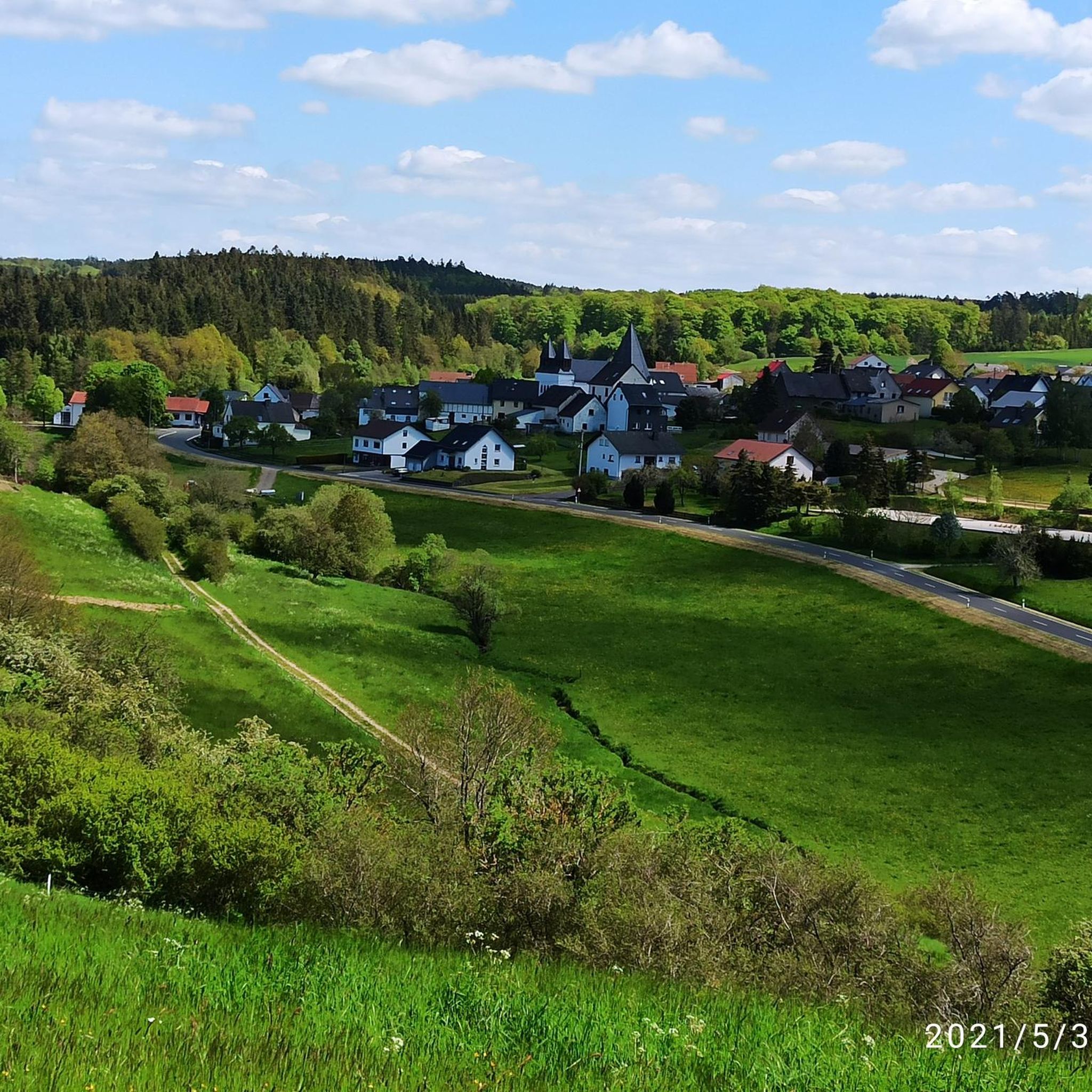
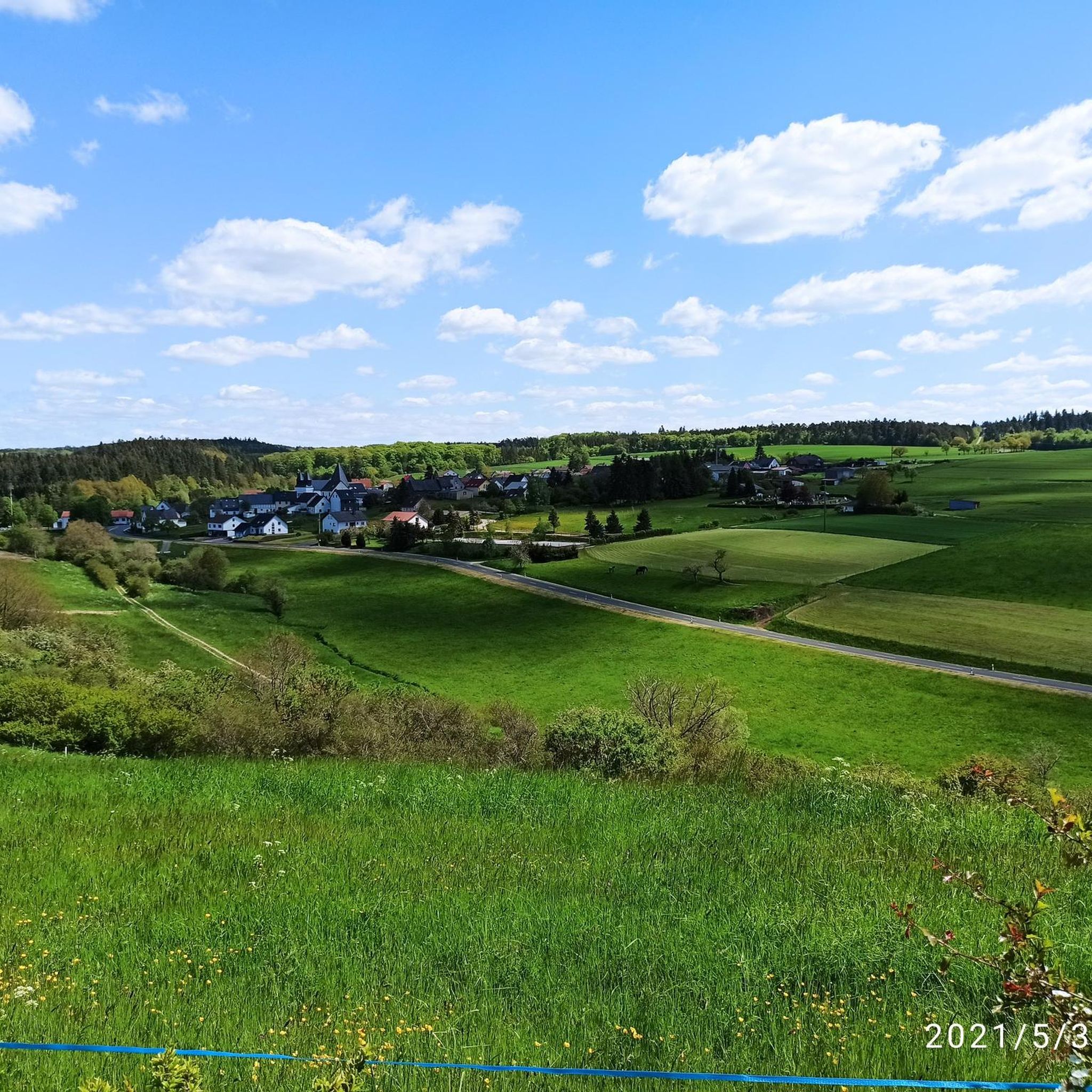
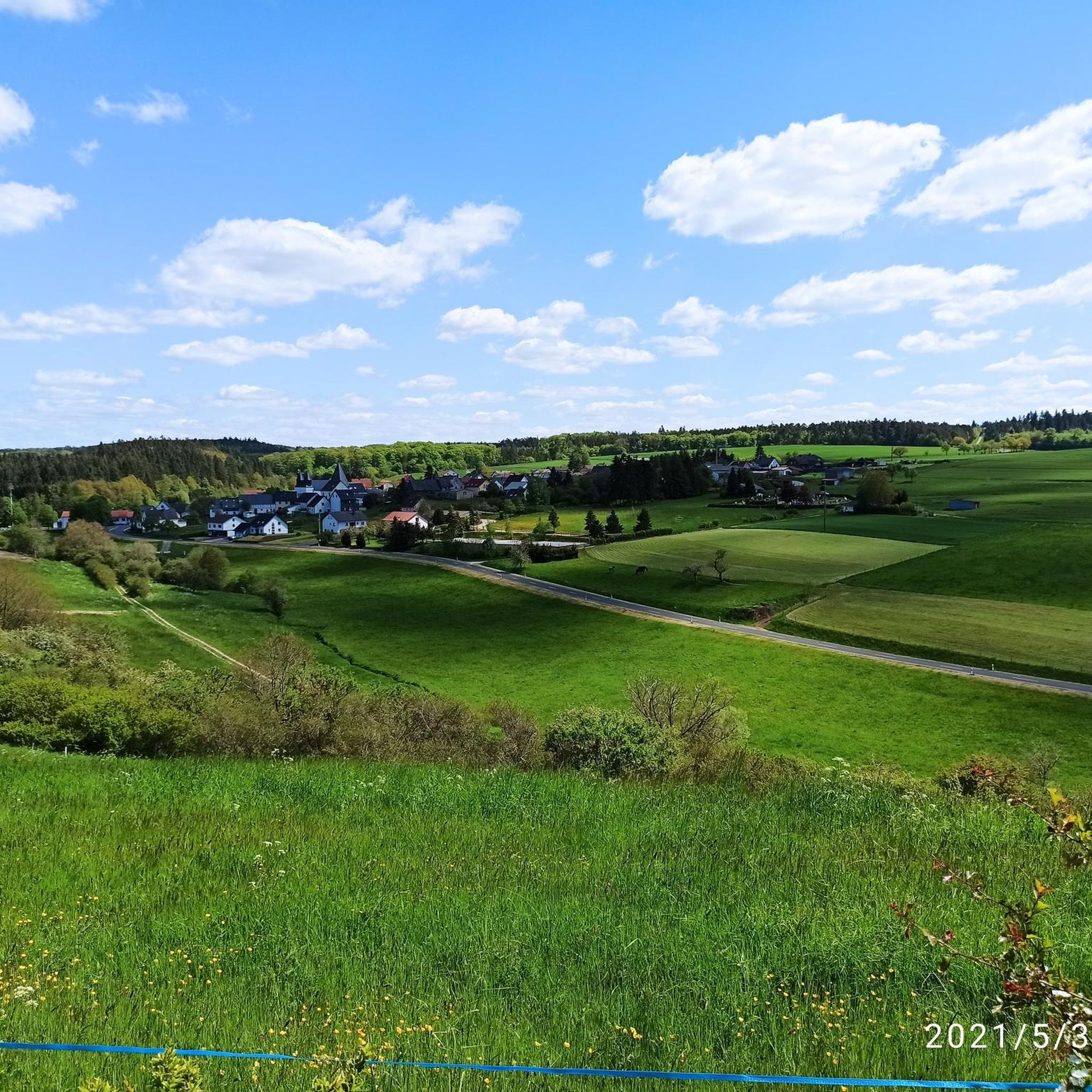
From a wooden bridge there is a wonderful view of the swampy foothills of the rainwater-filled Booser Maar, which is located in the Hohe Acht mountain region and approx. 8 km south of the Hohe Acht. The maar lies in a circular tuff basin, whose tuff walls are covered with swampy meadows and the edge of the bank is overgrown with reeds. Galloways graze in the dry, higher meadows.
1
0
Frequently Asked Questions
What kind of lakes can I expect to find around Bodenbach?
The region around Bodenbach, part of the Vulkaneifel, features a diverse range of water bodies. You'll find ancient, silted-up volcanic maars like the Booser Double Maar Wetlands, which are now marshy hollows, alongside artificially created lakes such as Heilbachsee. The area is characterized by its unique volcanic landscapes and wetlands.
Are there family-friendly lakes or activities around Bodenbach?
Yes, several spots are suitable for families. Heilbachsee is an artificially created lake with a circular path and various attractions, including facilities, set within a forest. The View of the Booser Double Maar also offers a nice rest area with services and information boards, making it accessible for families.
What unique natural landmarks or viewpoints are there near the lakes?
The Vulkaneifel region around Bodenbach is known for its geological formations. You can explore the Booser Double Maar Wetlands, a natural monument showcasing two silted-up maars. For panoramic views, the View of the Booser Double Maar provides clear perspectives of the marshy maar and its crater rim.
Are there historical sites associated with the lakes in Bodenbach?
Yes, the region holds some fascinating historical sites. The Grüner Weiher (Hurenbüsch-Weiher) has a dark but mystical history, once used for executions in the Middle Ages. Additionally, the Meisenthaler Mill, now a farm, is an idyllic historical site located on the Trierbach, offering a glimpse into the area's past.
What outdoor activities can I do near the lakes around Bodenbach?
Beyond exploring the lakes themselves, the area offers various outdoor activities. You can find numerous routes for mountain biking, cycling, and gravel biking. For example, explore MTB trails like the 'Rothenbacher Drees – Trierbach Crossing loop' or cycling routes such as the 'Chapel Near Rothenbach – Trierbach Bridge loop'. You can find more details on these activities in the dedicated guides for MTB Trails around Bodenbach, Cycling around Bodenbach, and Gravel biking around Bodenbach.
Are there easy walking trails around Bodenbach lakes?
Yes, the region provides a variety of easy walking trails, particularly around the lakes. For instance, Heilbachsee features a circular path that is suitable for a leisurely walk.
What is the best time to visit the lakes around Bodenbach?
While specific seasonal recommendations are not provided, the natural beauty of the Vulkaneifel region, with its volcanic landscapes and wetlands, can be enjoyed throughout the warmer months for hiking and outdoor activities. Autumn might offer particularly scenic views with changing foliage.
Can I find facilities like restrooms or cafes near the lakes?
Yes, some lake areas offer facilities. Heilbachsee has various facilities available, making it convenient for visitors. The View of the Booser Double Maar also includes a nice rest area with services.
What makes the Booser Double Maar Wetlands significant?
The Booser Double Maar Wetlands are a natural monument representing the swampy foothills of two rainwater-filled maars. They are significant for allowing visitors to explore the geological history of the Volcanic Eifel, showcasing how these ancient volcanic craters have silted up over thousands of years to form flat, wet hollows.
What do visitors enjoy most about the lakes around Bodenbach?
Visitors appreciate the diverse natural environments, from the unique volcanic maars and wetlands to the artificially created lakes. The combination of natural beauty, historical sites, and opportunities for outdoor activities like hiking and cycling makes the region appealing. The family-friendly options and scenic viewpoints are also highly valued.
Are there any circular routes around the lakes?
Yes, Heilbachsee is known for its circular route, which is also suitable for cycling, offering an enjoyable way to experience the lake and its surroundings.
Most popular routes around Bodenbach
Most popular attractions around Bodenbach

Get inspired with the komoot mobile app


Explore more
Still not found your perfect lake around Bodenbach? Check out the guides of these regions to see even more beautiful places.
