Top 4 Gorges around Hohenfels-Essingen
Canyons around Hohenfels-Essingen, located in the Vulkaneifel region, feature unique geological formations. The area is characterized by volcanic landscapes and ancient dolomite reefs, offering a distinct exploration experience. These features include both natural gorges and impressive man-made cave systems. The region provides diverse terrain for hiking and discovering natural landmarks.
Best canyons around Hohenfels-Essingen
- The most popular canyons is View of Gerolstein from the Munterley, a viewpoint that offers panoramic views over Gerolstein and the Kylltal. This location stands…
Last updated: October 13, 2026
View of Gerolstein from the Munterley
Highlight • Viewpoint
Translated by Google •
Tip by

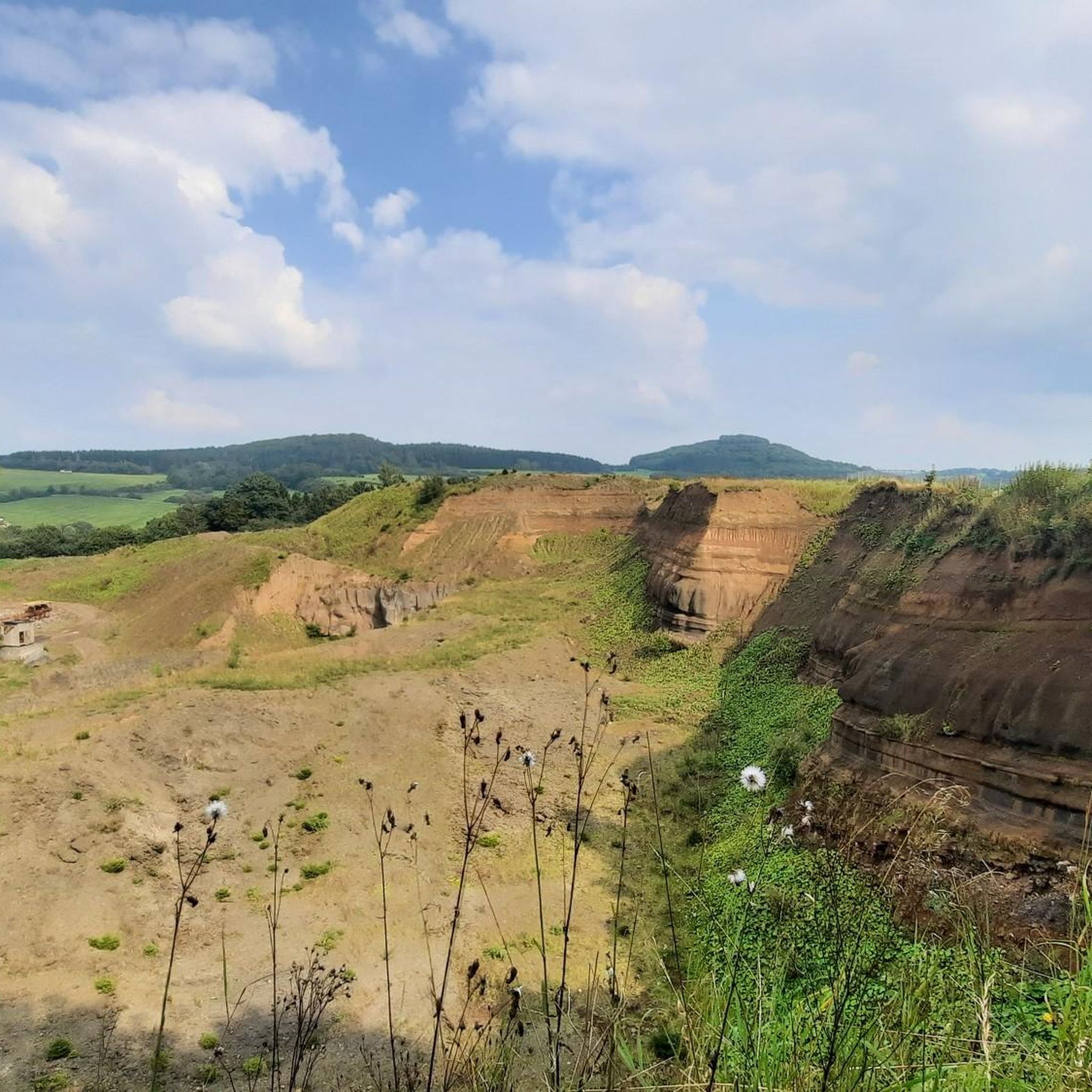
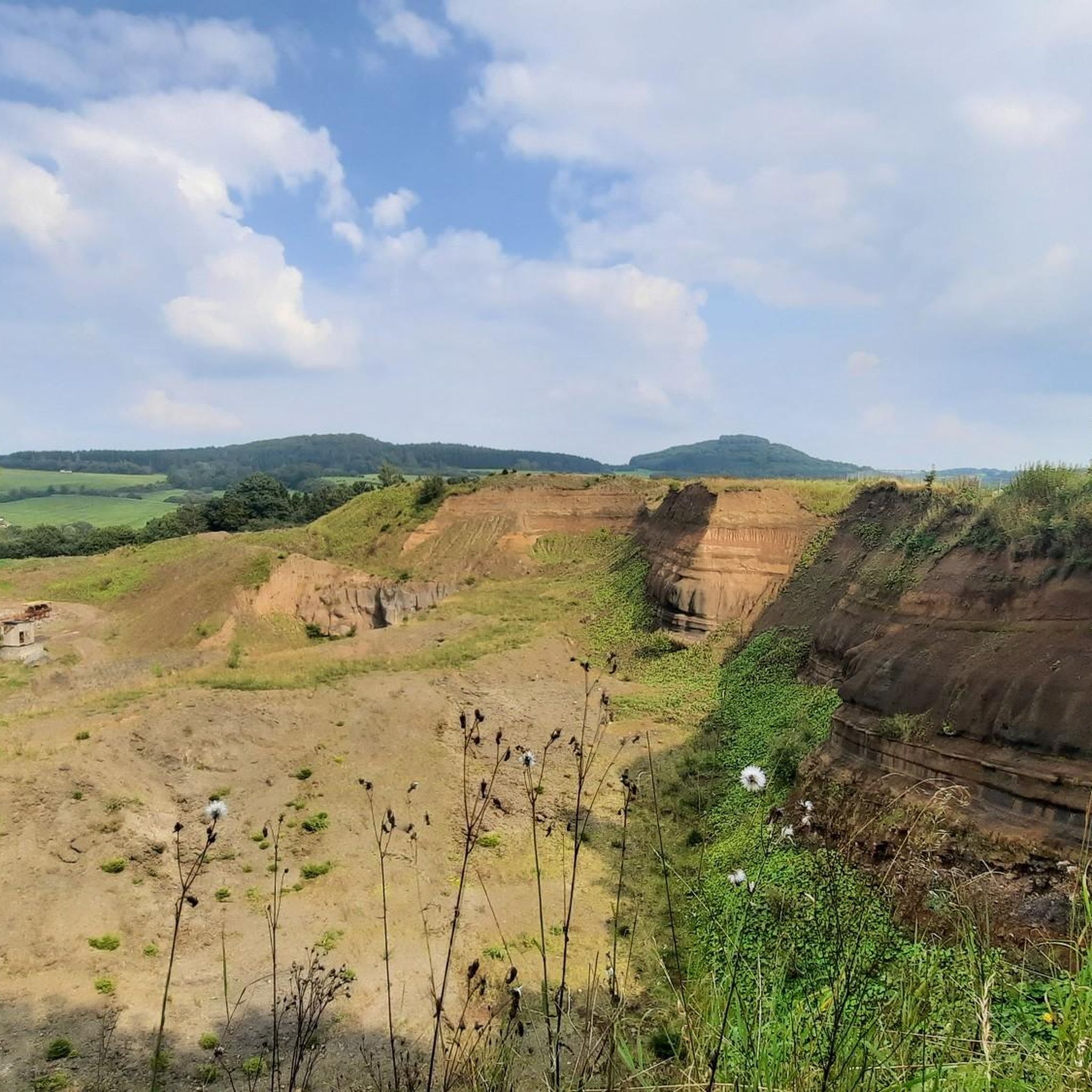
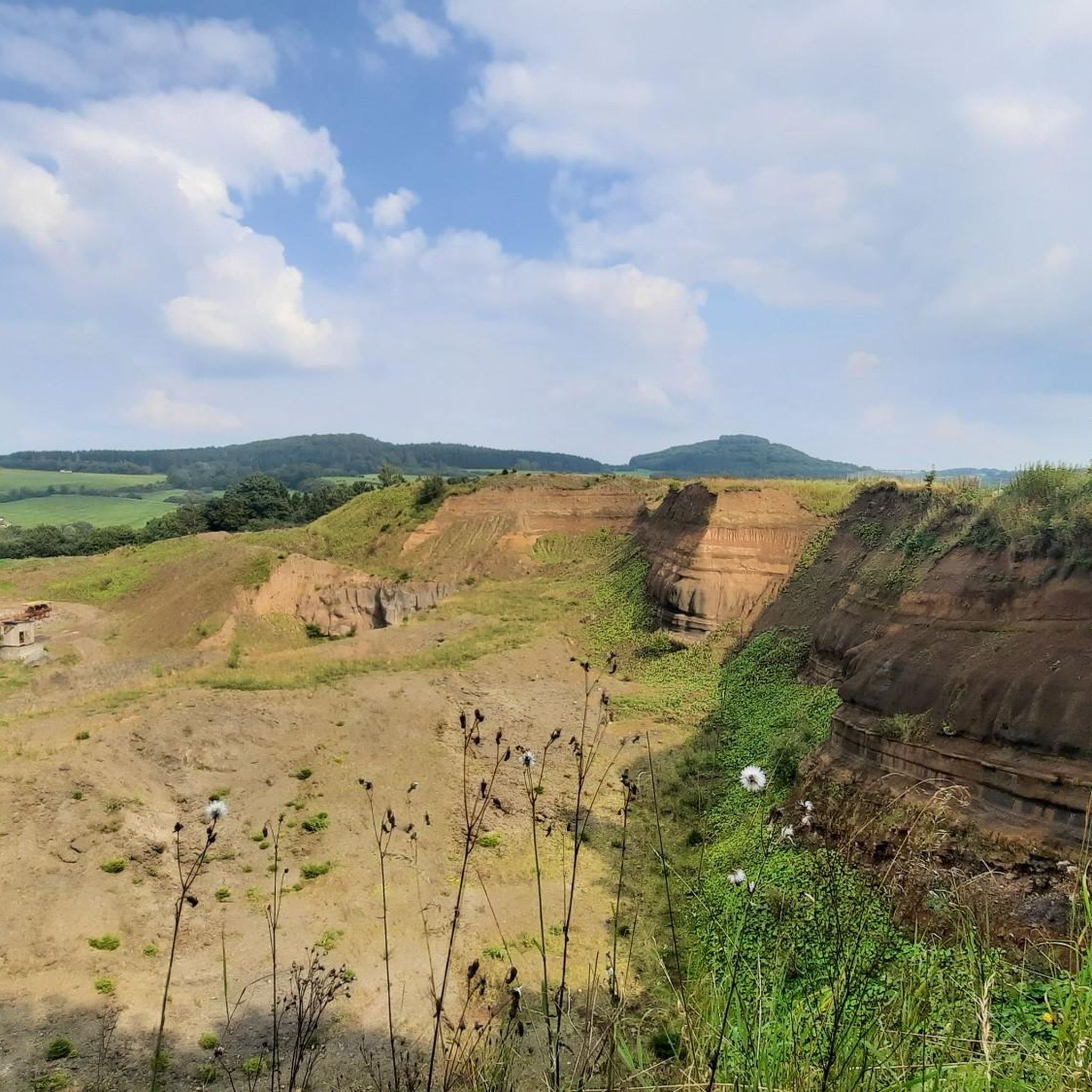
Bolsdorfer Valley
Highlight • Gorge
Translated by Google •
Tip by

Sign up now to discover places like this
Get recommendations on the best single tracks, peaks, & plenty of other exciting outdoor places.
Martins Cave
Highlight • Cave
Translated by Google •
Tip by

Lieser Valley
Highlight • Gorge
Translated by Google •
Tip by
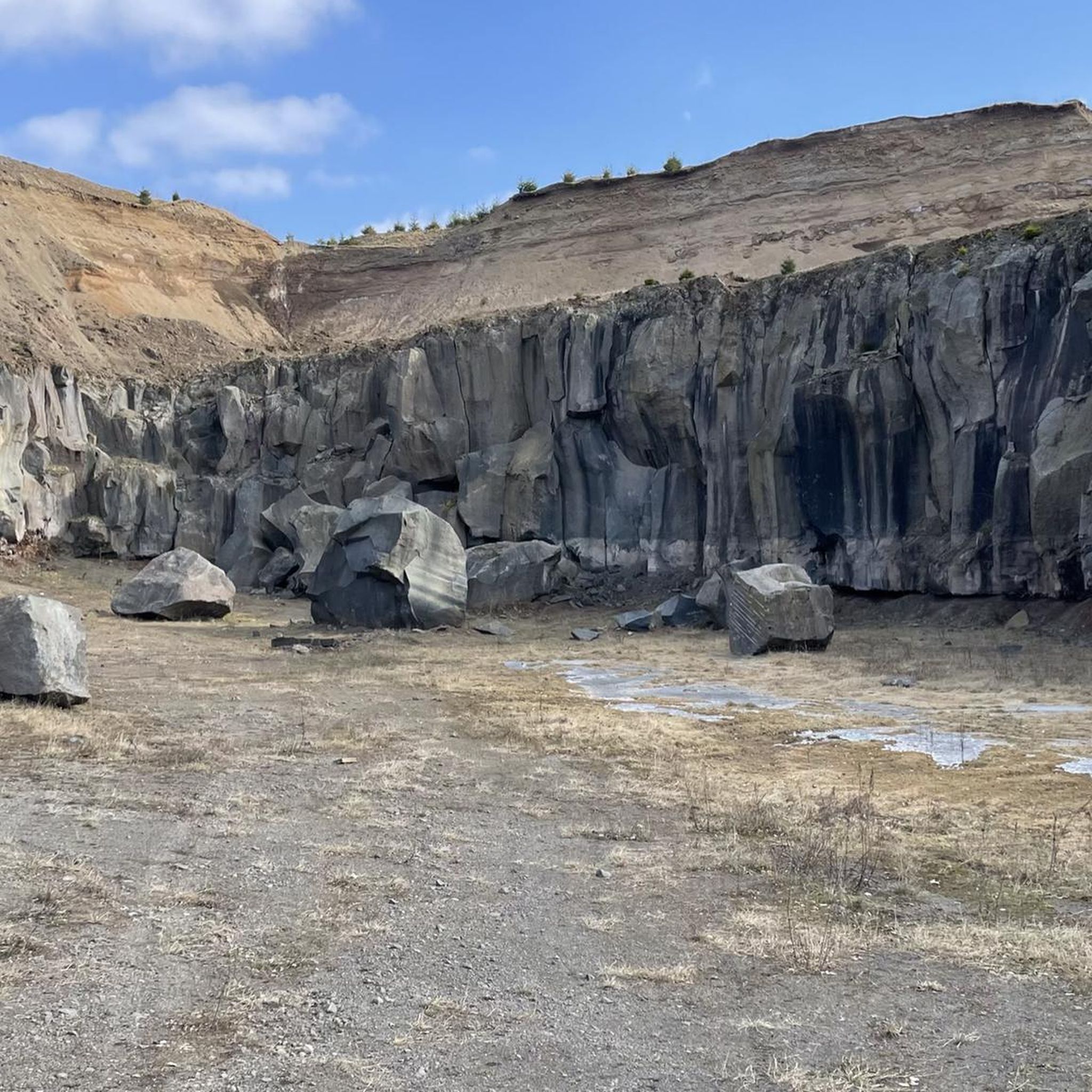
Basalt Gorge in Vulkaneifel Geopark
Highlight • Gorge
Translated by Google •
Tip by

Start today with a free account
Your next adventure awaits.
Tips from the Community

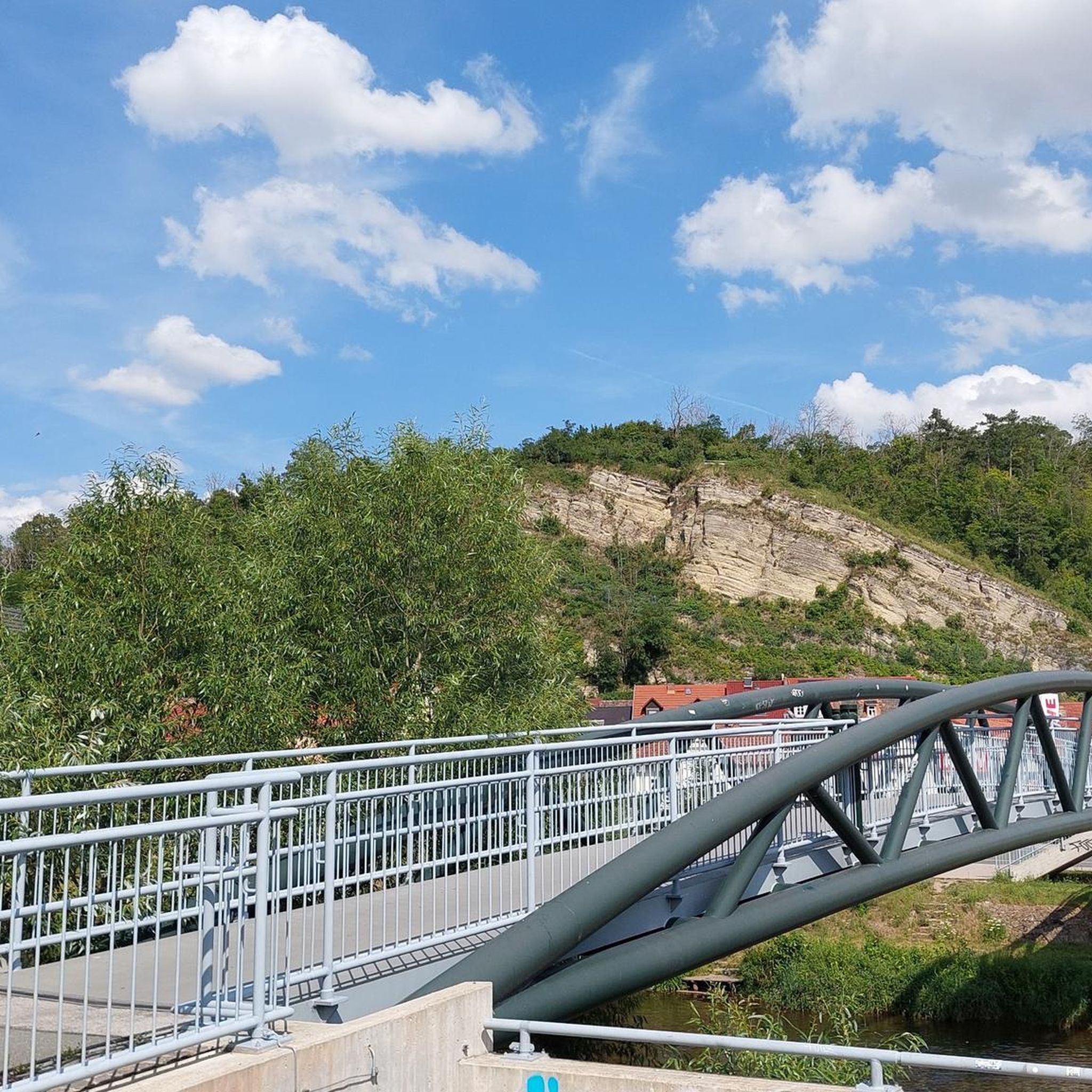
Starting from Hillesheim, the so-called "Bolsdorfer Tälchen" is a popular destination for walkers or hikers who just want to take a short stroll (although the path is also shared with cyclists). On a longer hike, the route can be easily planned as a stopover.
5
0

The caves can be explored with the help of a flashlight.
2
0
Very beautiful and well-kept Marian grotto.
2
0

This place is on the 9th stage of the Eifelsteig. https://youtu.be/N70Jlu7ITRU
0
0

🤔... just enjoy 🤫
2
0

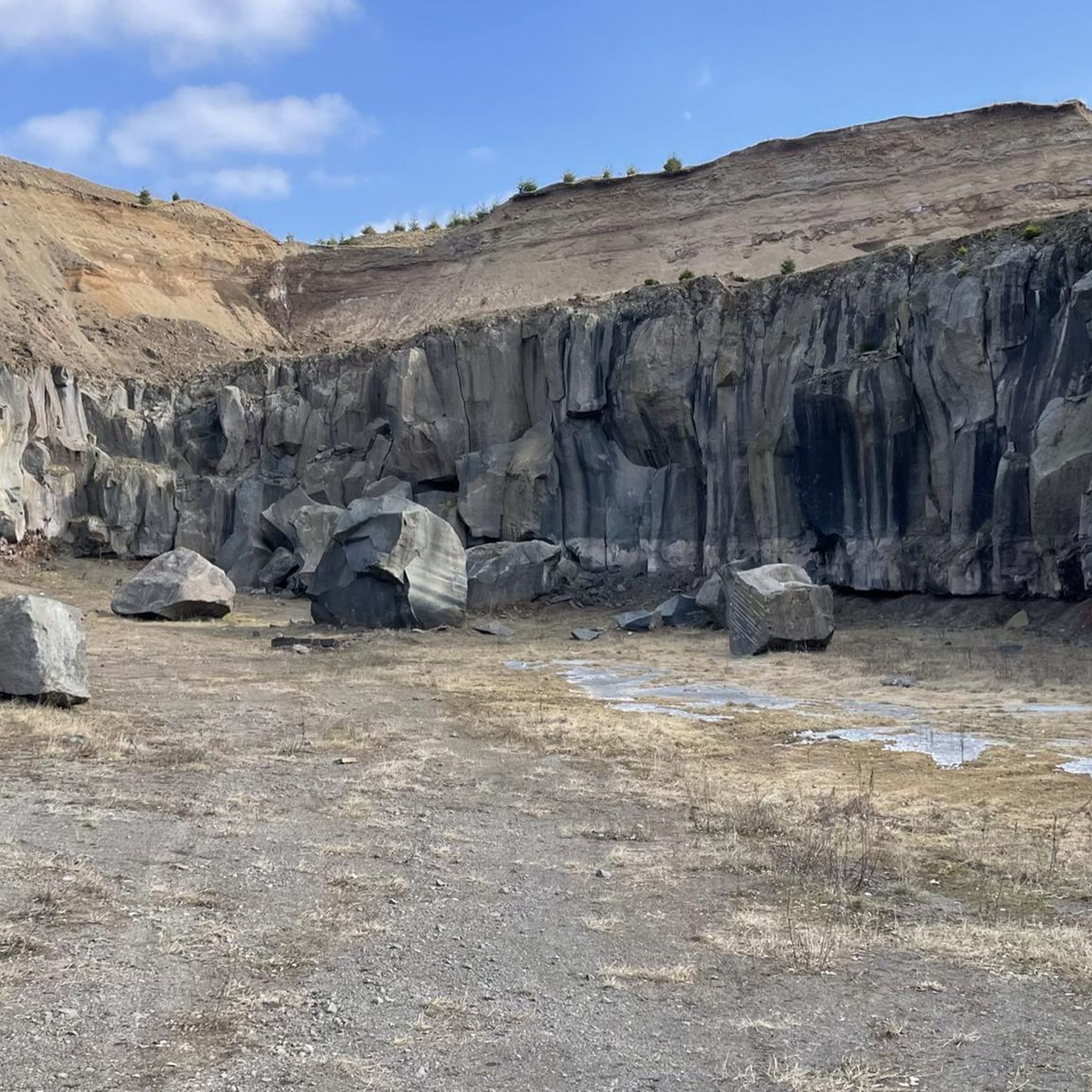
After the basalt blocks, this small gorge opens with an almost vertical rock wall.
2
0


Very beautiful valley for hiking or cycling.
3
0
Frequently Asked Questions
What unique geological features can I explore around Hohenfels-Essingen?
Hohenfels-Essingen is known for its distinctive geological formations. You can explore the View of Gerolstein from the Munterley, which stands on a 380-million-year-old Devonian reef made of dolomite. The region also features impressive man-made cave systems like the Mühlsteinhöhlen, extensive labyrinths carved into basalt from centuries of millstone mining. The Bolsdorfer Valley even has a path leading through a caldera with circular rocky remains, showcasing the volcanic past.
Are there any historical sites or insights into the region's past near Hohenfels-Essingen?
Yes, the Mühlsteinhöhlen (Millstone Caves) offer a fascinating glimpse into the region's industrial history. These extensive cave systems were created by centuries of basalt mining for millstones, revealing how the landscape was shaped by human activity. Within this labyrinth, you can find named caves like 'Schwedenfeste' and observe where millstones were extracted. The Munterley also stands on an ancient Devonian reef, providing insight into the area's deep geological past.
What kind of activities are available for families around Hohenfels-Essingen?
The region offers several family-friendly options. The Mühlsteinhöhlen are described as a paradise for families and adventurers, offering exciting exploration opportunities. The Bolsdorfer Valley is a recreation area with excellent cycling and hiking trails, including a barefoot path. Many trails are suitable for families, and the View of Gerolstein from the Munterley is also considered family-friendly.
What is the best time of year to visit the canyons and caves in Hohenfels-Essingen?
The area around Hohenfels-Essingen, including the Mühlsteinhöhlen, is accessible year-round. While the circular path around the millstone caves is always open, visiting in particularly cold winters can offer a unique experience with impressive ice formations inside the caves. For hiking and outdoor activities, spring to autumn generally provides the most pleasant weather.
What should I bring or wear when exploring the caves and trails?
When exploring the Mühlsteinhöhlen or other caves like Martins Cave, it is highly recommended to bring a flashlight for better visibility. Good footwear is essential for navigating the trails and uneven terrain. Warm clothing is also advisable, especially when entering the caves, as temperatures can be cooler inside.
Are there any circular hiking routes that explore the unique features of the region?
Yes, there are circular routes available. A small circular path, over three kilometers long, makes the Mühlsteinhöhlen accessible. Additionally, the Geo-Rundweg Basaltbrüche Mühlenberg is a 3km circular hike that traces the history of basalt extraction in the area. The Bolsdorfer Valley also offers charm as a circular route with various possible paths.
What kind of views can I expect from viewpoints in the Hohenfels-Essingen area?
From the View of Gerolstein from the Munterley, you can enjoy panoramic views over Gerolstein and the beautiful Kylltal. This viewpoint offers an impression of the landscape through which the Celtic Path runs, showcasing the dramatic volcanic scenery of the Vulkaneifel region.
What other outdoor activities can I do near the canyons and caves?
Beyond exploring the canyons and caves, the Hohenfels-Essingen area offers diverse outdoor activities. You can find numerous running trails, such as the 'Kirchweiler Rohr loop' or the 'Little Bolsdorf Museum – Hohenfels Loop'. For cyclists, there are road cycling routes like the 'Kyll Cycle Path near Lissingen' and various MTB trails, including those around the 'Old Bakehouse Bolsdorf'. You can find more details on these activities in the Running Trails around Hohenfels-Essingen, Road Cycling Routes around Hohenfels-Essingen, and MTB Trails around Hohenfels-Essingen guides.
Are there any natural caves to explore besides the man-made ones?
Yes, in addition to the Mühlsteinhöhlen, you can visit Martins Cave, which is a natural cave offering an exciting exploration opportunity. Remember to bring a flashlight for your visit.
What kind of natural scenery can I expect around the Mühlsteinhöhlen?
The area around the Mühlsteinhöhlen features a romantic Mariengrotte (Marian grotto) built from dark lava. There's also an abandoned quarry area that nature is reclaiming, showcasing typical basaltic column formations. The wider Vulkaneifel region provides breathtaking volcanic scenery and numerous natural monuments.
What do visitors enjoy most about the canyons and geological sites in Hohenfels-Essingen?
Visitors particularly appreciate the unique geological insights and the adventurous exploration opportunities. The dramatic landscapes, whether natural or man-made, offer a distinct experience. Many enjoy the panoramic views from spots like the Munterley and the chance to discover the region's rich history through sites like the Mühlsteinhöhlen. The variety of hiking and cycling trails through scenic areas like the Bolsdorfer Valley is also highly rated.
Can I find peaceful walking paths near a river?
Yes, the Lieser Valley offers idyllic meadows and a beautiful path that leads comfortably past the Lieser river without significant inclines. It's a great spot for a peaceful hike, with some circular paths also passing through this section.
Most popular routes around Hohenfels-Essingen
Most popular attractions around Hohenfels-Essingen

Get inspired with the komoot mobile app


Explore more
Already discovered everything in this region? See additional gorges around Hohenfels-Essingen for your next adventure:
