Top 9 Caves around Guttenberg
Best caves around Guttenberg are found within a region characterized by its historical mining activities and natural rock formations. The area features a landscape shaped by valleys, hills, and streams, providing diverse geological features. These include former ore mining sites, rock cellars, and natural grottoes. Visitors can explore a variety of cave types, from man-made tunnels to natural rock shelters.
Best caves around Guttenberg
- The most popular caves is Kupferloch Former Ore Mining Site, a former ore mining site…
Last updated: June 27, 2026
Kupferloch Former Ore Mining Site
Highlight • Cave
Translated by Google •
Tip by

Güldenstein — Former settlement and rock cellar
Highlight • Historical Site
Translated by Google •
Tip by
Sign up now to discover places like this
Get recommendations on the best single tracks, peaks, & plenty of other exciting outdoor places.
Sign up for free
Spring houses on the Rehberg
Highlight • Structure
Translated by Google •
Tip by
Rock grotto with Madonna statue
Highlight • Cave
Translated by Google •
Tip by

St. Martin Tunnel
Highlight • Cave
Unfortunately, the path down has been almost washed away, making it difficult to walk on.
Translated by Google •
Tip by

Sign up for free to discover even more caves around Guttenberg.
Sign up for free
Already have an account?
Start today with a free account
Your next adventure awaits.
Login or Signup
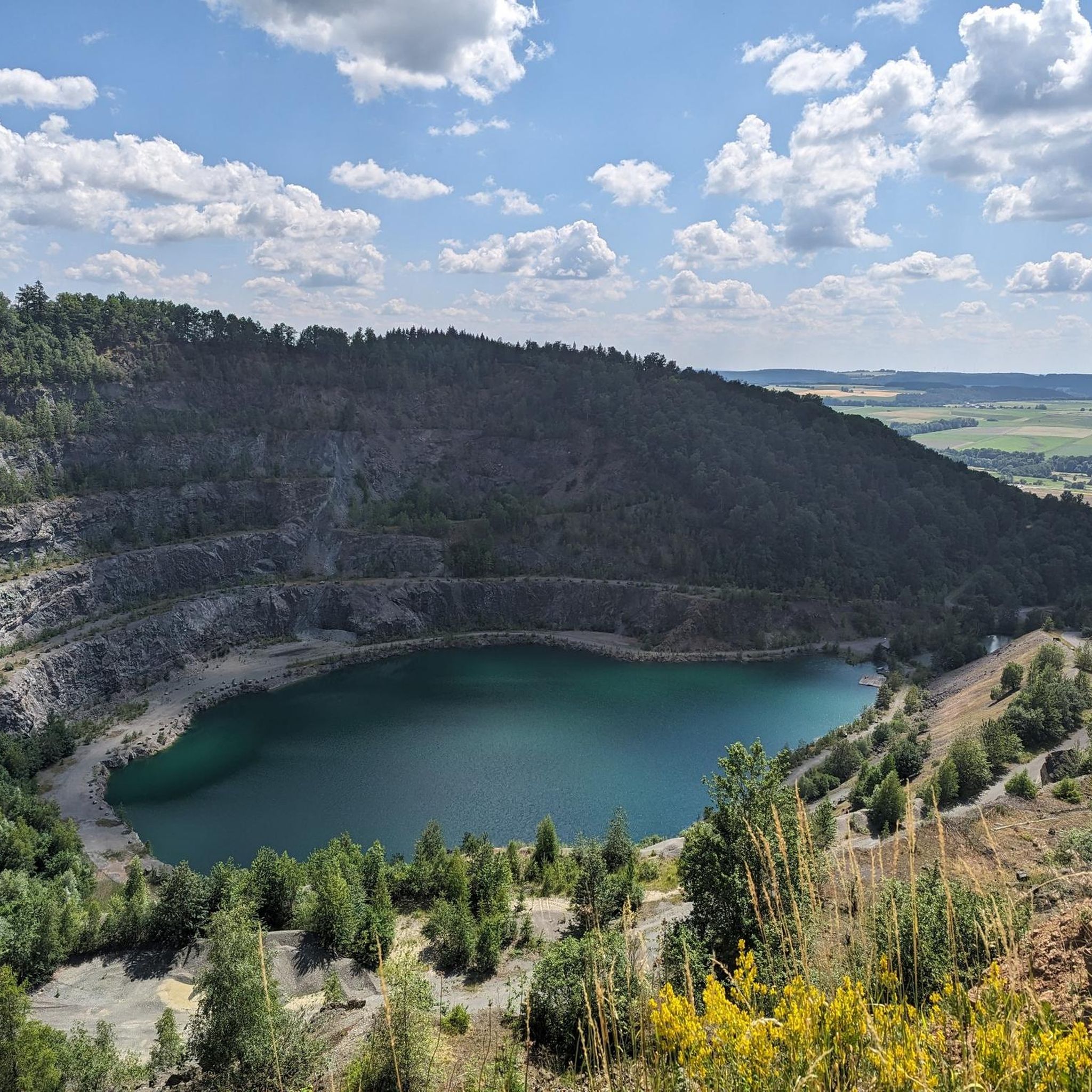
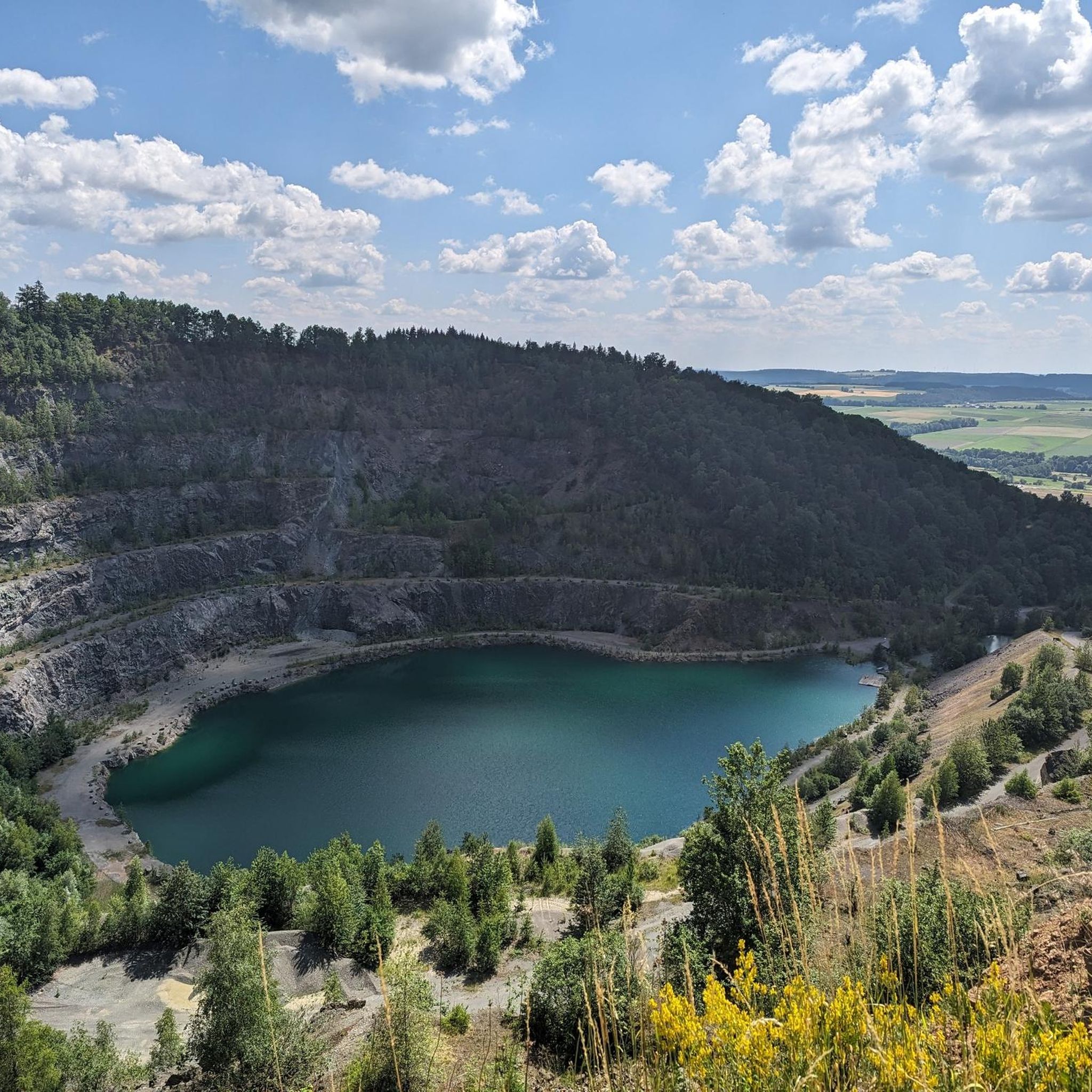
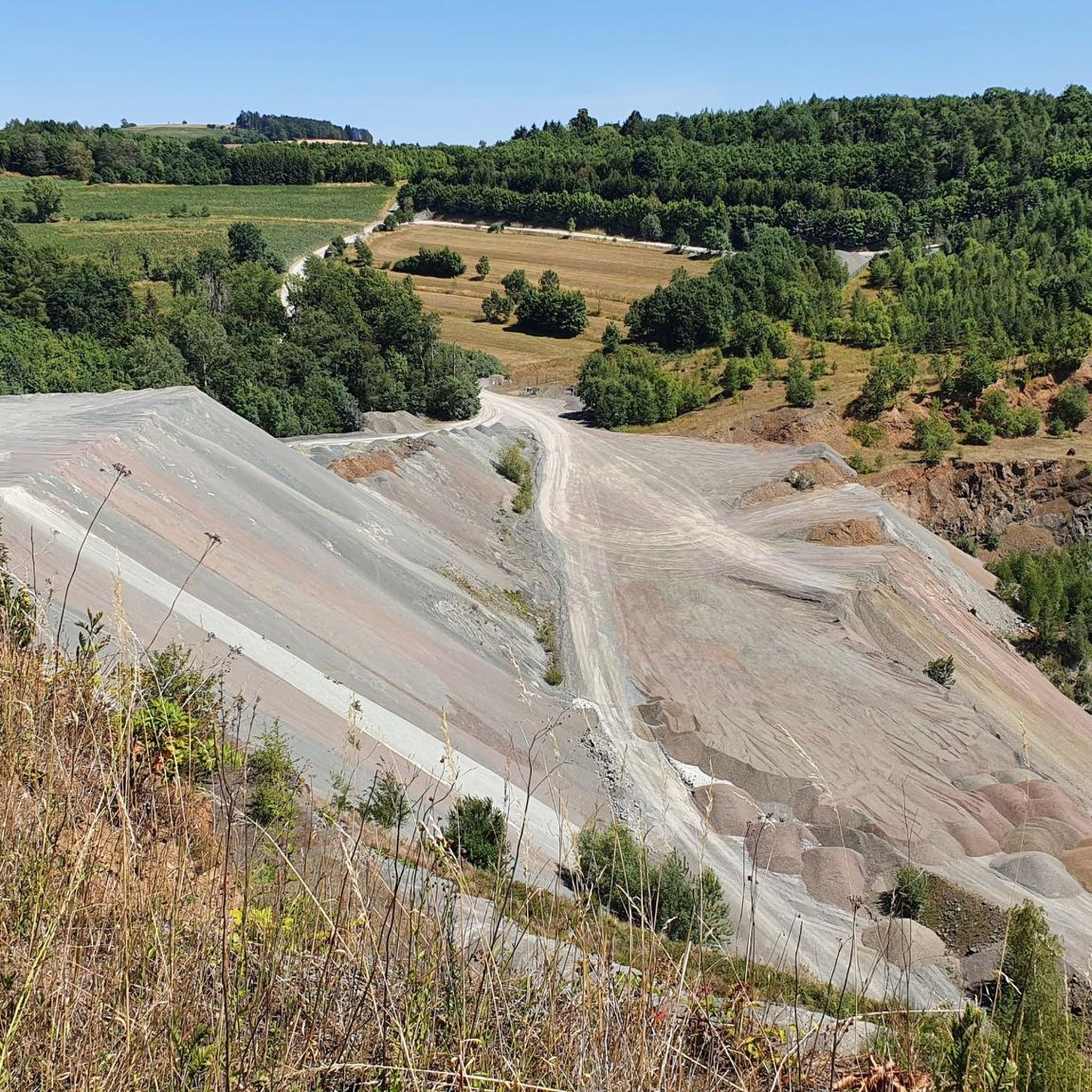
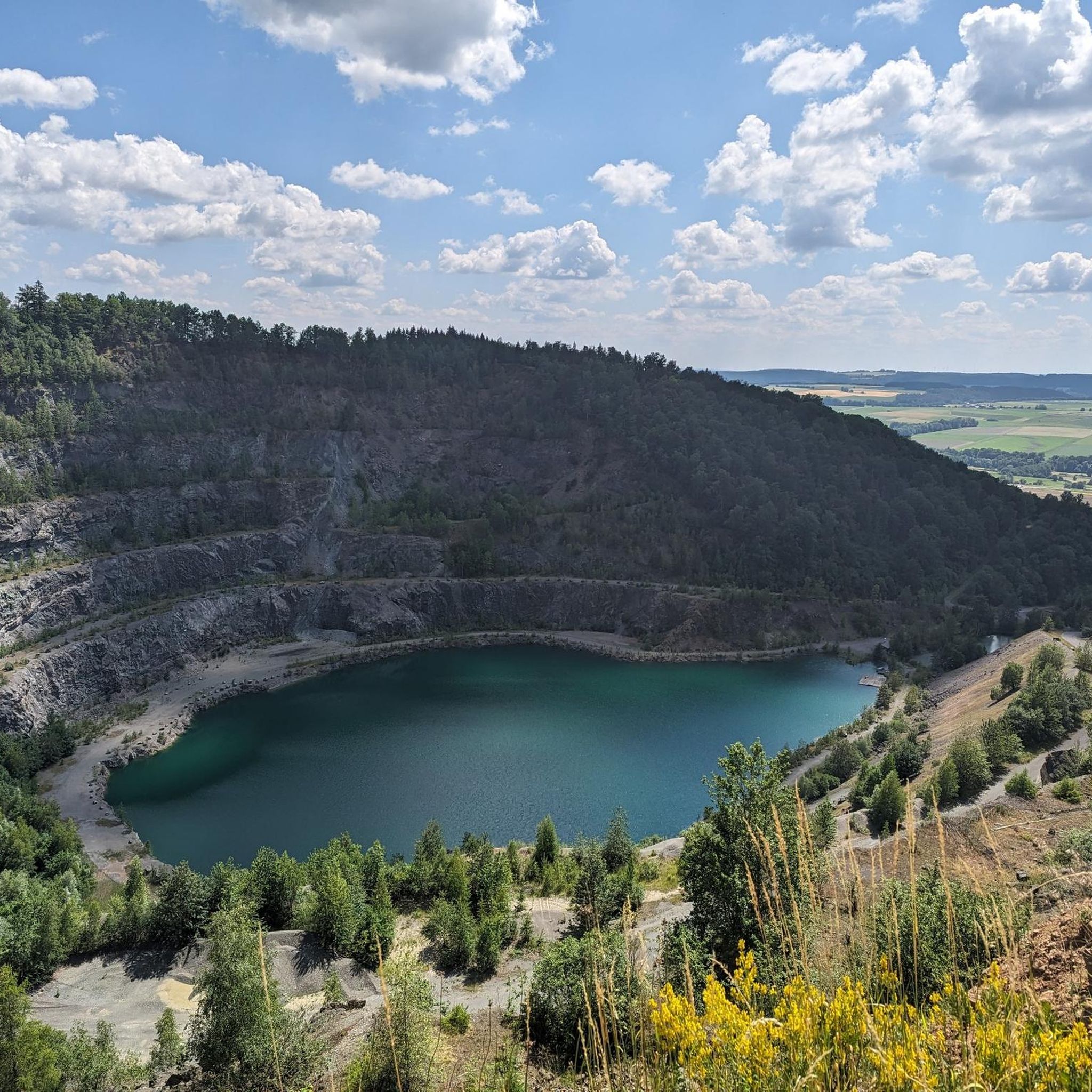
Tips from the Community

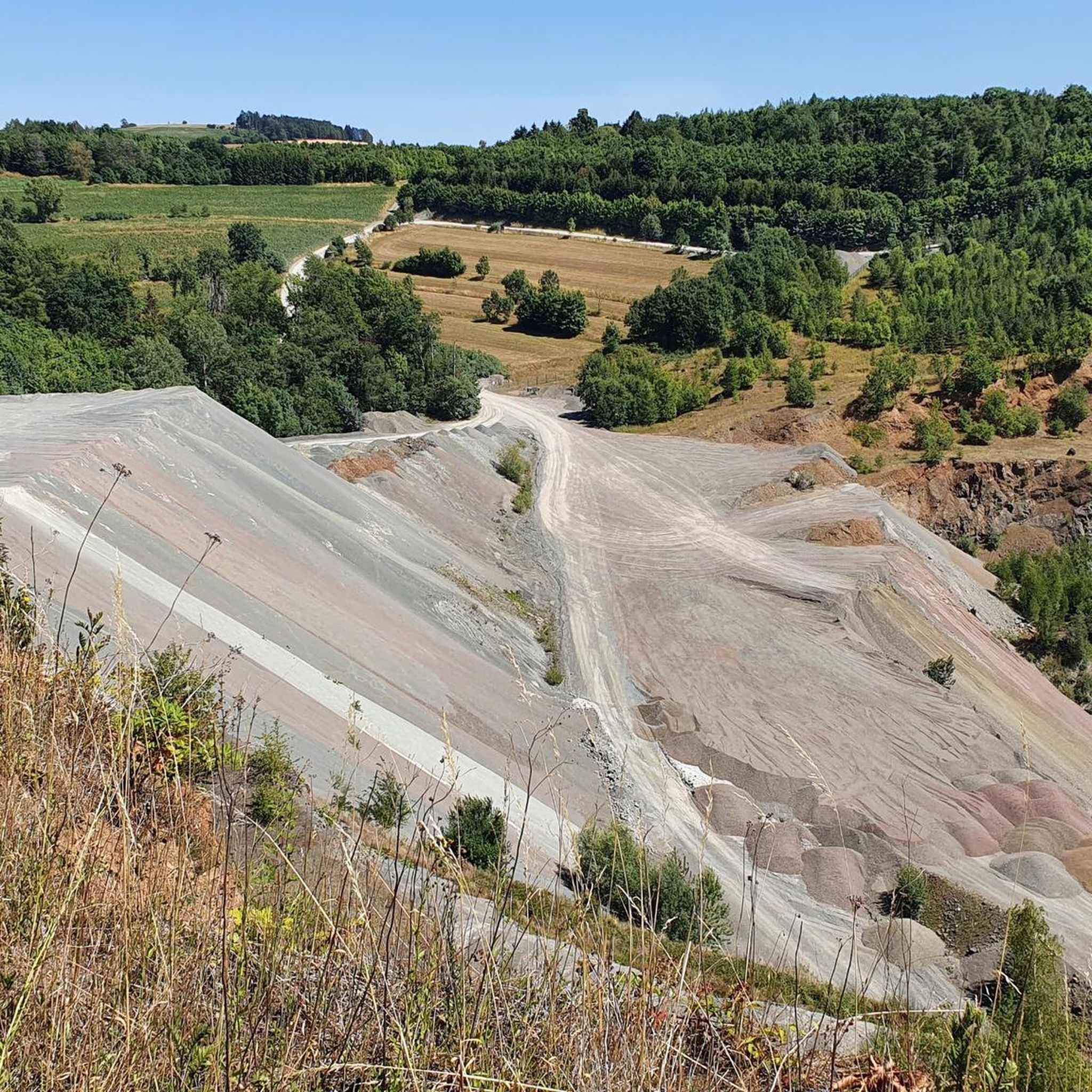
The first inhabitants of the Güldenstein estate were probably forestry assistants or woodcutters. Bird trapping was also a lucrative sideline. The Güldenstein bird herd was located above the hillside on a flat area. Only the owners of the estate had the right to trap all types of finches, larks, tits, blackbirds, and thrushes. Selling them was not a problem, as the songbirds were considered a delicacy in the city. Bird trapping was not banned until the end of the 19th century. However, the most important means of survival in this remote area was always agriculture. In 1930, Güldenstein was abandoned by its last inhabitants.
18
0

The mine's drainage tunnel is 200 m long. Accessible through a metal gate, but not accessible. The short path down from the road is not without its challenges.
1
0
The tunnel was built to drain the mine and was driven approximately 200 meters into the mountain. It is said to be still accessible along its entire length. You can shine a flashlight into it for a few meters. The approach is adventurous.
2
0
The tunnel was built as a drainage tunnel in 1400. It is 120 meters long and fully accessible. Unfortunately, the path down has been almost washed away, making it difficult to walk on. In summer, it is difficult to find due to the lush vegetation.
2
0

The residents of Rehberg had to fetch their drinking water from this well using water butts year in, year out.
0
0
The inhabitants of the Rehberg had to endure great difficulties to obtain drinking water. At any time of year they had to make the arduous journey to the well with buckets on their backs in order to draw water for their daily use.
14
0
desertification. The house was razed to the ground, the rock cellar that served as a water source for the residents still exists and is secured with a railing.
5
0
The copper holes are former ore mining sites in the Steinachtal. You can also explore these small caves.
19
0
Frequently Asked Questions
What types of caves can I explore around Guttenberg?
The Guttenberg area offers a diverse range of cave experiences, including former ore mining sites like Kupferloch Former Ore Mining Site, historical rock cellars such as the one at Güldenstein — Former settlement and rock cellar, and natural grottoes like the Rock grotto with Madonna statue. You can also find historical water collection structures like the Spring houses on the Rehberg and drainage tunnels such as the St. Martin Tunnel.
Are there any historical caves or sites related to mining in Guttenberg?
Yes, Guttenberg has a rich history of mining. You can explore former ore mining sites like Kupferloch Former Ore Mining Site, where you can still see veins from past ore digging. The St. Martin Tunnel is also a historical drainage tunnel built in 1400 for mining operations.
What unique natural features can I expect to see in the caves around Guttenberg?
While many caves in the area are man-made or historical, you can find natural rock formations and grottoes. The Rock grotto with Madonna statue is a beautiful natural grotto. The region's landscape, shaped by valleys, hills, and streams, contributes to diverse geological features.
Are there family-friendly cave exploration options in Guttenberg?
Yes, some sites are suitable for families. The Kupferloch Former Ore Mining Site, with its small, explorable caves, is categorized as family-friendly and offers an interesting glimpse into historical mining without extensive caving. Always check specific access details for younger children.
What is the difficulty level for exploring caves in Guttenberg?
The difficulty varies. Sites like Kupferloch Former Ore Mining Site and Güldenstein — Former settlement and rock cellar are generally considered intermediate. However, the St. Martin Tunnel is described as challenging, with a path that can be difficult to walk on and lush vegetation making it hard to find in summer.
What outdoor activities can I do near the caves in Guttenberg?
The area around Guttenberg offers various outdoor activities. You can find numerous cycling routes, including those for touring bicycles and gravel biking, with options like the 'Steinach Gorge – Steinach valley near Oberhammer loop'. There are also running trails, such as the 'Valley of the Great Koserbach loop'. For more details, explore the Cycling around Guttenberg, Gravel biking around Guttenberg, and Running Trails around Guttenberg guides.
Are there hiking trails that lead to or near the caves?
Yes, many of the cave sites are accessible via hiking trails. For instance, the Rock grotto with Madonna statue is located on a beautiful trail between Steinachklamm and Kleinrehmühle. The Kupferloch Former Ore Mining Site also features small caves along the way on its trails.
What do visitors enjoy most about the caves and historical sites in Guttenberg?
Visitors appreciate the opportunity to explore historical mining sites and unique natural formations. The preserved rock cellar at Güldenstein — Former settlement and rock cellar and the historical significance of the Spring houses on the Rehberg are particularly noted. The komoot community has shared over 60 photos and given more than 250 upvotes for these experiences.
Is the St. Martin Tunnel easily accessible?
The St. Martin Tunnel, while fully accessible and 120 meters long, can be challenging to reach. The path leading down to it has been almost washed away, and in summer, lush vegetation can make it difficult to find. It's recommended for those seeking a more adventurous approach.
What is the significance of the Spring houses on the Rehberg?
The Spring houses on the Rehberg are historical cave-like structures that highlight the challenges inhabitants of Rehberg faced in obtaining drinking water. They represent the arduous journeys people made to fetch water for daily use, making them a significant historical site.
Can I explore the Kupferloch Former Ore Mining Site?
Yes, the Kupferloch Former Ore Mining Site features small, explorable caves. You can see the veins from past ore digging, though the advance into the caves is typically only about 3 meters. It offers a unique, historical exploration experience.
Most popular routes around Guttenberg
Most popular attractions around Guttenberg

Get inspired with the komoot mobile app


Explore more
Extend your search for the best caves by checking out these guides of the top ones around Guttenberg:
