Top 4 Castles around Kellmünz an der Iller
Castles around Kellmünz an der Iller offer insights into the region's historical fortifications and cultural heritage. The area is notable for its strategic location on a plateau above the Iller river, which historically provided natural protection. The most significant historical site is the Roman fort Caelius Mons, an ancient fortification that played a role in securing the Roman Empire's border. Visitors can explore various historical sites, from Roman remains to later castles, within the Iller valley.
Best castles around Kellmünz…
Last updated: October 13, 2026
St. Andreas Church, Babenhausen
Highlight • Religious Site
Is worth a quick visit.
In addition …
Translated by Google •
Tip by

Illertissen Museum & Bavarian Bee Museum
Highlight • Historical Site
Showing Translation
Tip by

Sign up now to discover places like this
Get recommendations on the best single tracks, peaks, & plenty of other exciting outdoor places.
Wain Castle
Highlight • Castle
Translated by Google •
Tip by

View of Schloss Illertissen from BG Bildungsstätte
Highlight • Viewpoint
Translated by Google •
Tip by

Start today with a free account
Your next adventure awaits.
Popular around Kellmünz an der Iller
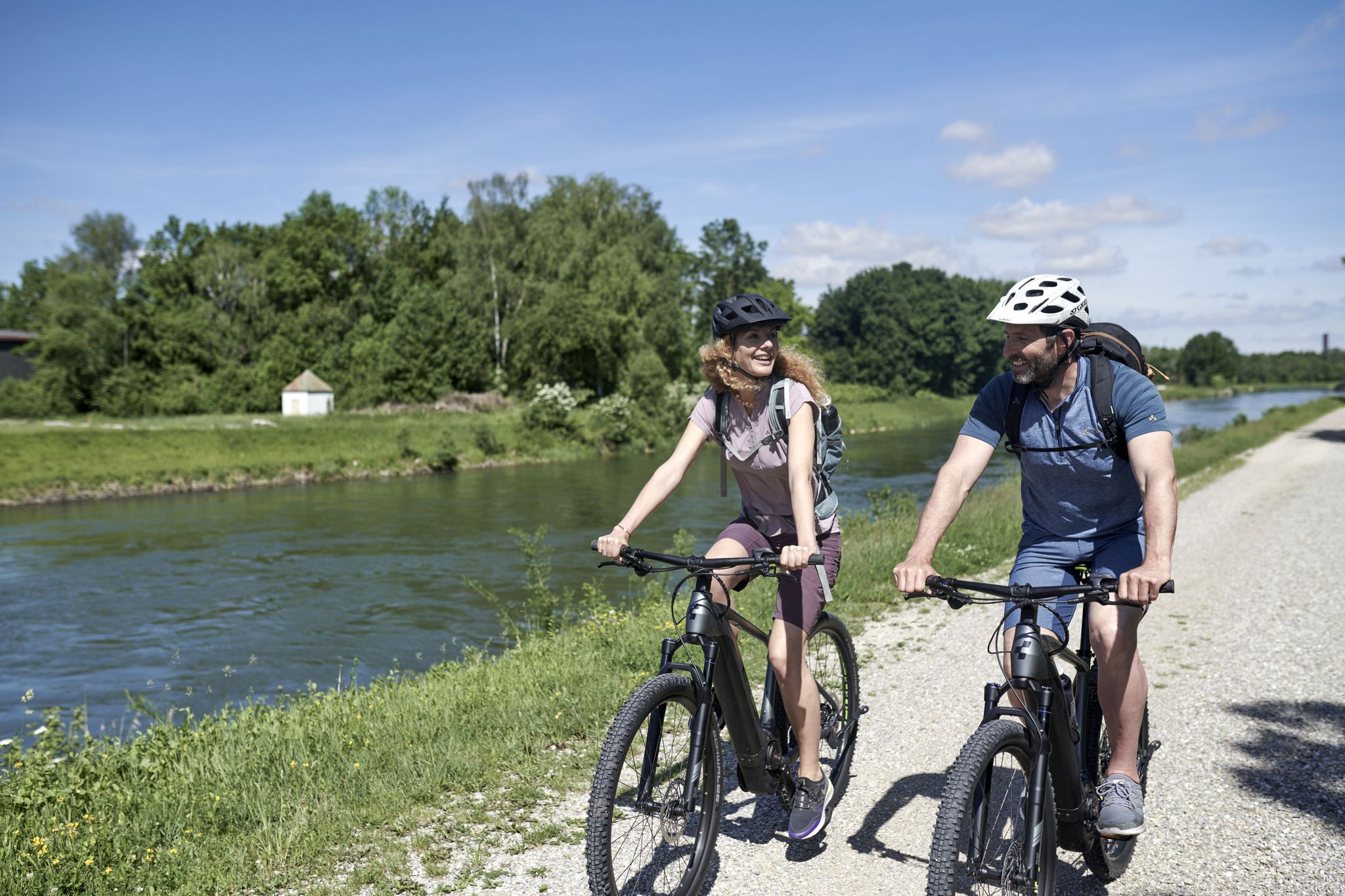
From River to River: Cycling in Bavarian Swabia
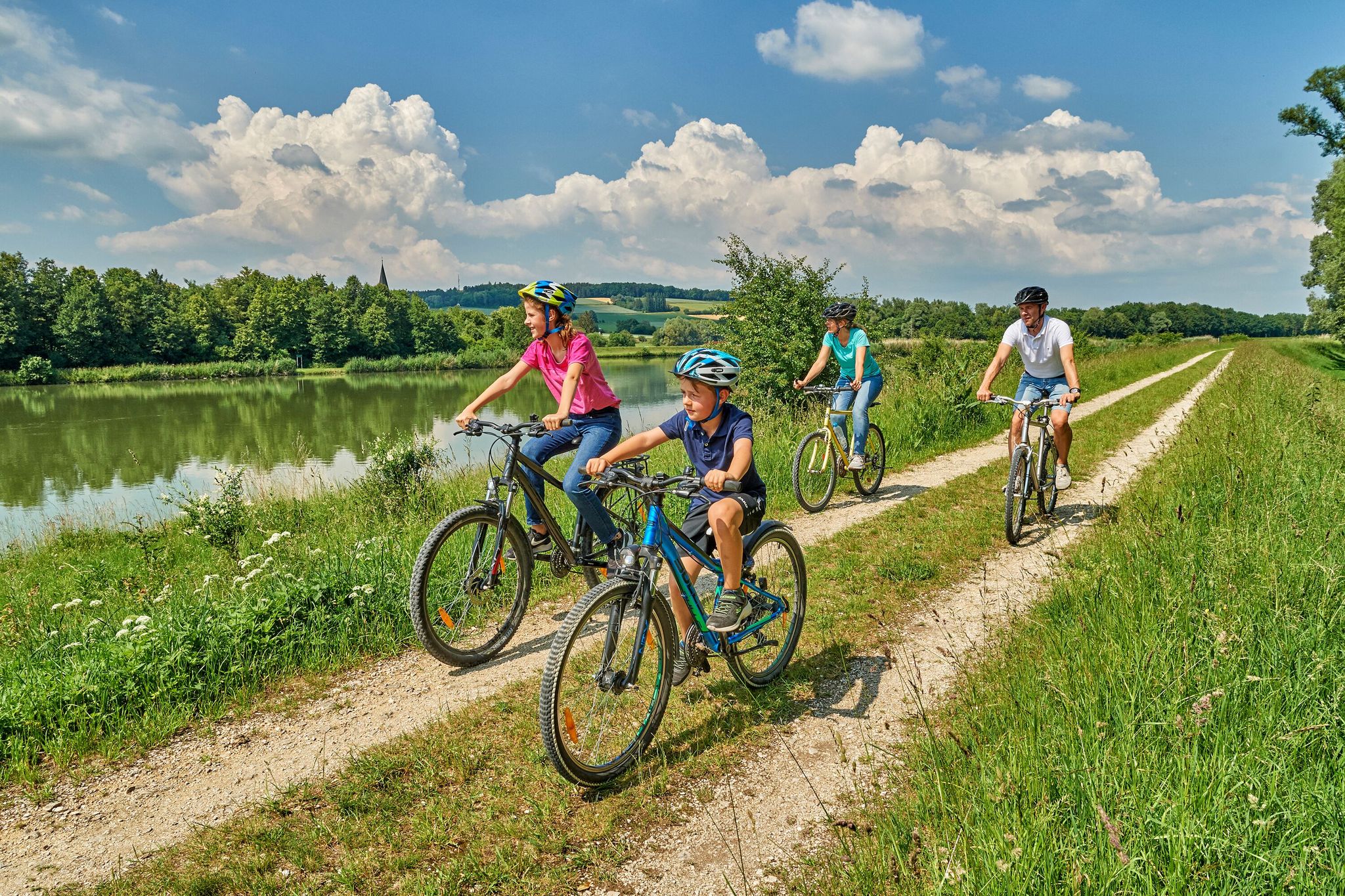
Bayerisch-Schwaben im Sommer: Wo Familien gemeinsam in die Pedale treten
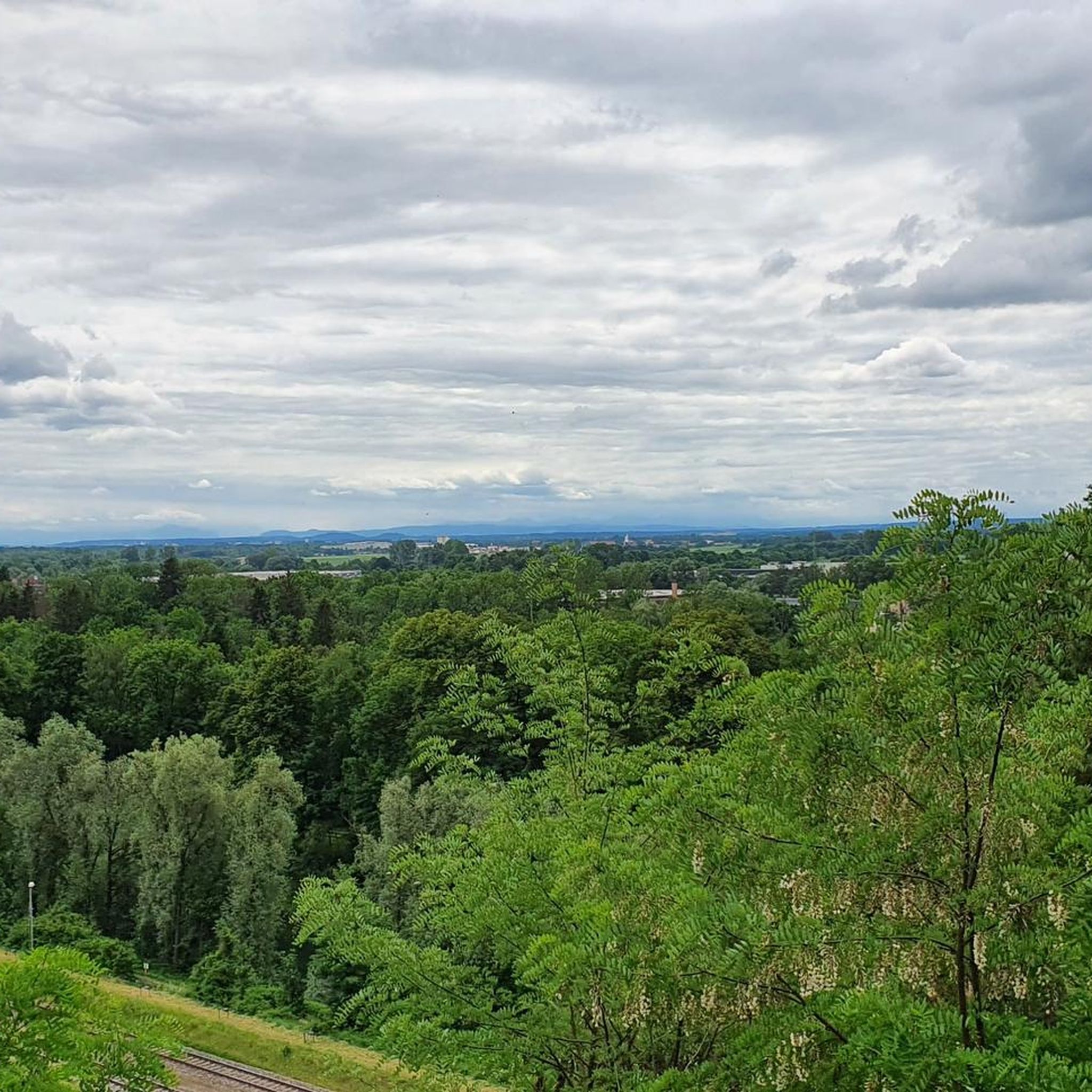
Cycling around Kellmünz an der Iller
Road Cycling Routes around Kellmünz an der Iller
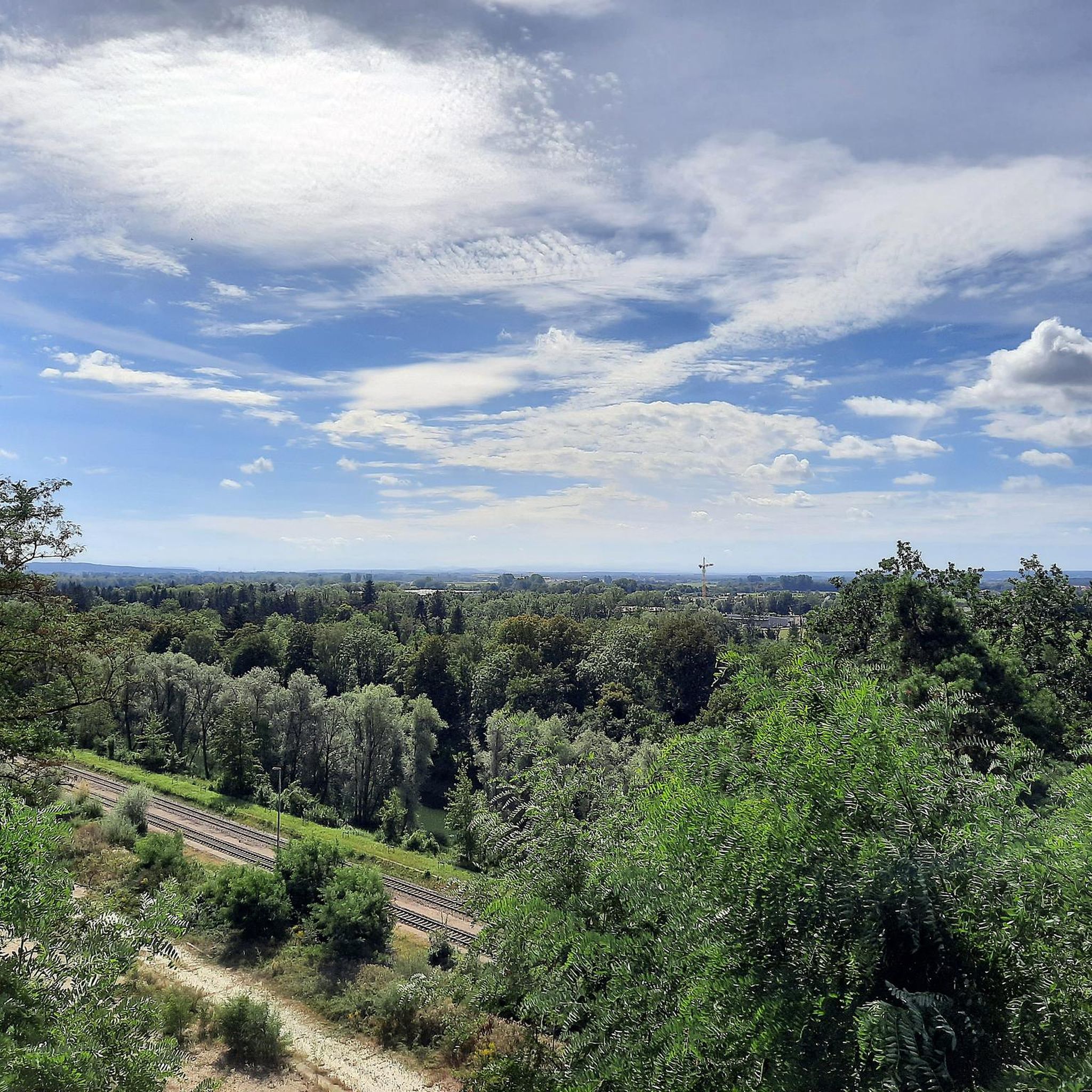
Hiking around Kellmünz an der Iller
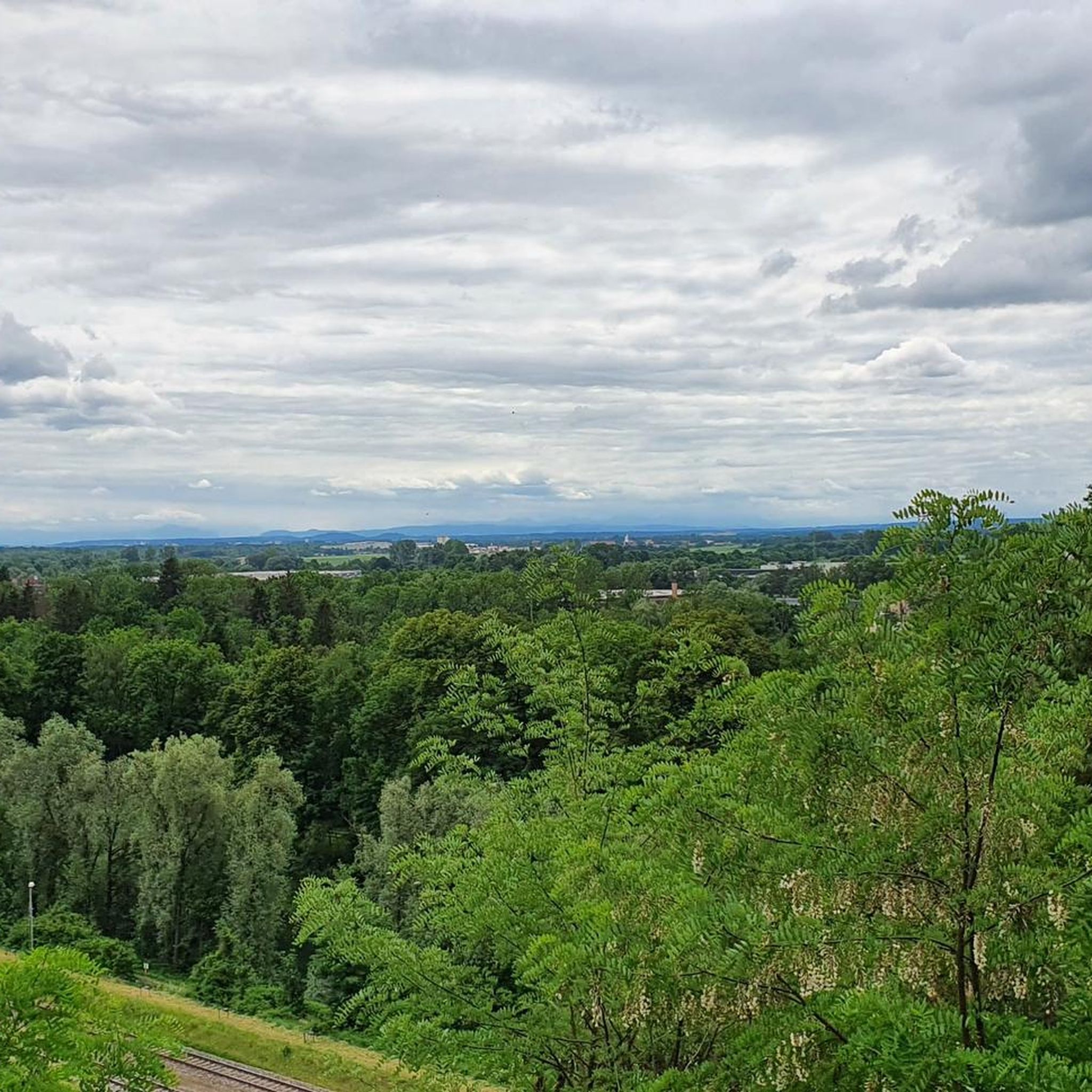
MTB Trails around Kellmünz an der Iller
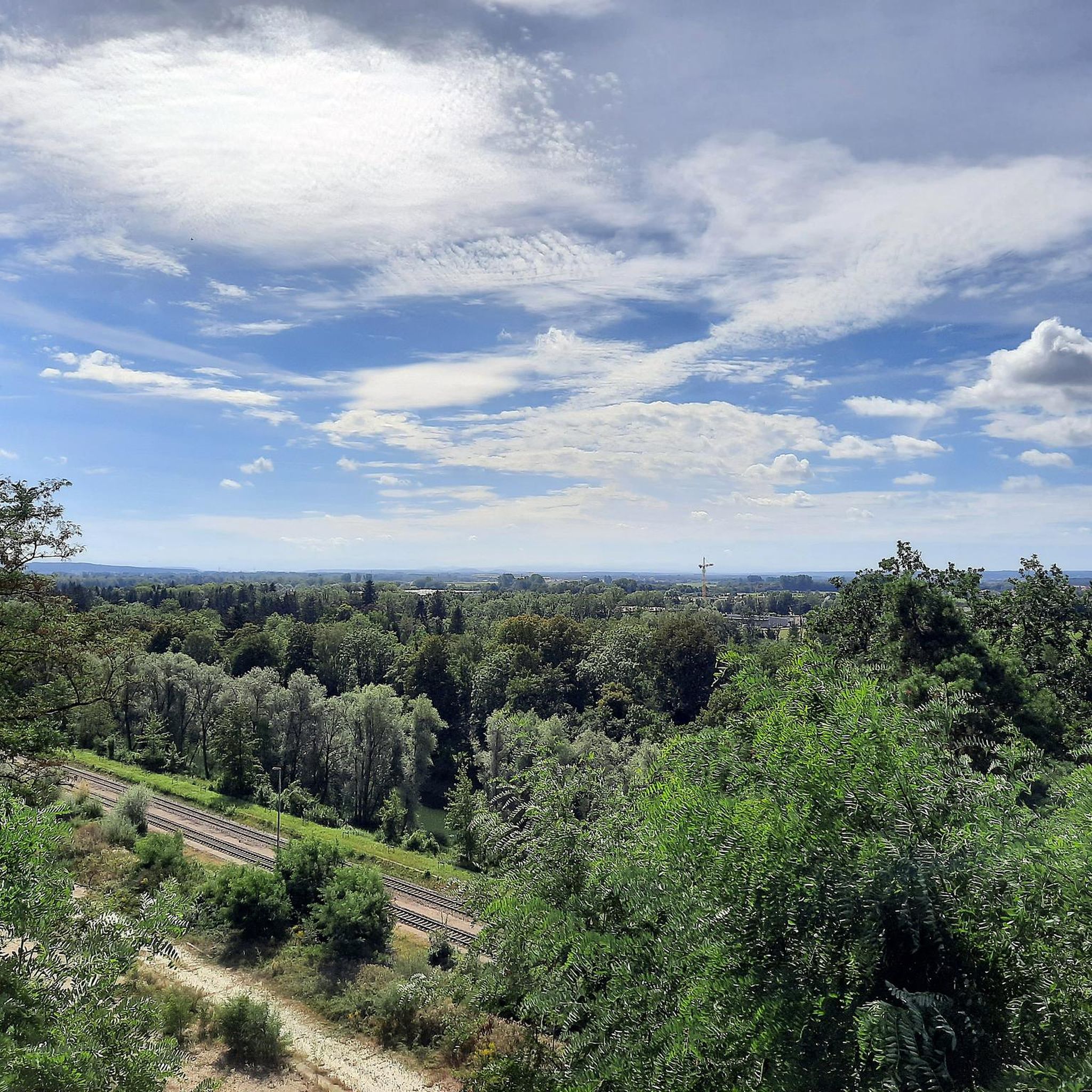
Running Trails around Kellmünz an der Iller
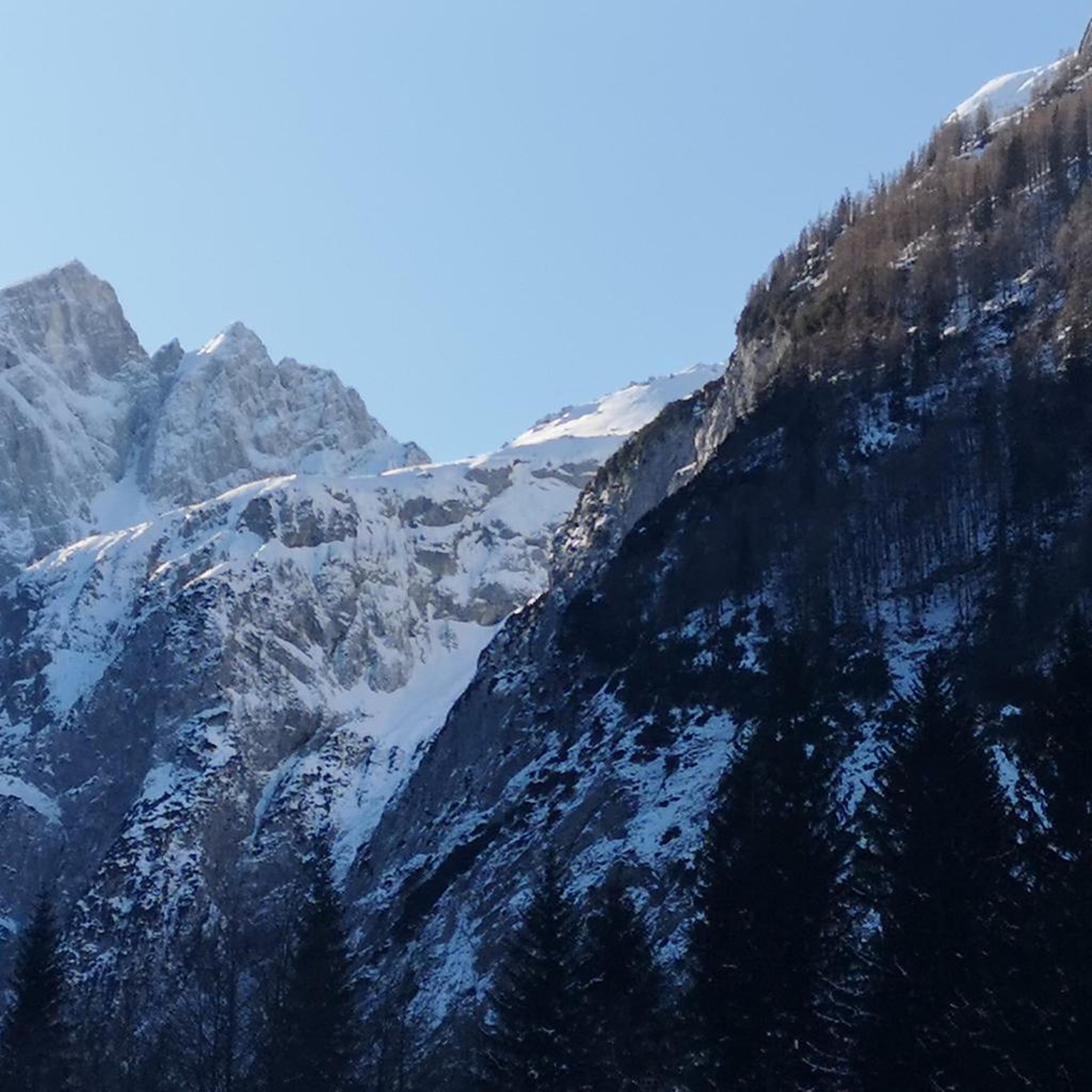
Gravel biking around Kellmünz an der Iller

Tips from the Community

Great church in Babenhausen in the middle of town
1
0

The Roman Catholic parish church[1] of St. Andreas is a baroque church in Babenhausen in Upper Swabia, Bavaria. The local parish appears for the first time in 1235. In 1315 Heinrich von Schönegg sold half of Babenhausen incl. Church ordinance to Konrad von Rottenstein In 1499, the Lords of Rechberg donated a perpetual Holy Mass on the altar of Our Lady. The choir and the tower substructure have been preserved from the late Gothic church of the 15th century. In 1538 Anton Fugger acquired the rule, which also included the right of patronage over the church in Babenhausen. The church was designated as the family's main church and burial place. In the 16th century a new nave was built and in 1562 the tower was raised by an octagon. After damage during the Thirty Years' War, repairs were carried out. From 1714 to 1717, Michael Stiller was commissioned to redesign the interior in the Baroque style. The sign was added in the middle of the 18th century. Source: https://de.wikipedia.org/wiki/St._Andreas_(Babenhausen)
1
0

The church in Babenhausen is an imposing building in the middle of town.
2
0

End the day with a cozy beer at a BG seminar with a view of the Illertisen Castle 😎
0
0

The classicistic Wain Castle was built in the 18th century and is now home to the "Freiherr von Herman’s Rent and Forestry Office". The sophisticated and very representative building is not far from the Iller in the town of Wain of the same name. There was also a castle called Wain, which is no longer preserved.
0
0

Baroque church on a hill, outside simple (there is a small courtyard) and richly decorated inside. Former main church of the county Fugger-Babenhausen. Is worth a quick visit. In addition to the northern side entrance, there is a faucet for "refueling" and a shady break
2
0

Very informative and vivid exhibition.
1
1

Underneath the castle, in Café Rosa, you can enjoy homemade cakes or waffles with cherries and cream. Regional and organic.
0
0
Frequently Asked Questions
What historical fortifications can I visit in Kellmünz an der Iller?
The most significant historical site directly in Kellmünz an der Iller is the Roman fort, known as Caelius Mons or Römerkastell Kellmünz an der Iller. Today, it's an Archaeological Park where you can explore preserved remains, including restored walls and a museum tower with virtual reconstructions. Admission to the park is free.
Are there other castles or historical sites near Kellmünz an der Iller worth visiting?
Yes, nearby you can visit the Museum Illertissen & Bavarian Bee Museum, which is associated with Vöhlinschloss Castle and offers informative exhibitions. Another notable site is Wain Castle, an 18th-century classicistic building that now houses the "Freiherr von Herman’s Rent and Forestry Office."
Is Erolzheim Castle accessible to the public?
Erolzheim Castle is a medieval castle with significant historical importance. However, it is privately owned and currently not accessible to the public.
What kind of historical insights do the castles around Kellmünz an der Iller offer?
The region offers a diverse look into history, from the Roman fort Caelius Mons, which secured the Roman Empire's border, to medieval castles and 18th-century classicistic manor houses like Wain Castle. These sites collectively showcase the strategic importance and architectural evolution of the Iller valley over centuries.
Are there family-friendly activities at these historical sites?
The Archaeological Park Kellmünz (Caelius Mons) offers an interactive cultural experience with marked fort layouts and a museum tower, which can be engaging for families. The Museum Illertissen & Bavarian Bee Museum is also considered family-friendly, with its informative and vivid exhibitions about beekeeping.
What outdoor activities can I do near these castles?
The area around Kellmünz an der Iller is excellent for outdoor activities. You can find numerous cycling routes, including the 'Iller Cycle Path' and various loops for touring bikes, mountain bikes, and road bikes. Explore options like 'Iller Canal Near Kellmünz' or 'Lake View – View of the River Iller' for mountain biking. For more details, check out the guides for Cycling around Kellmünz an der Iller, MTB Trails around Kellmünz an der Iller, and Road Cycling Routes around Kellmünz an der Iller.
Are there hiking trails that incorporate castle views or historical sites?
While specific hiking trails linking multiple castles aren't explicitly detailed, many cycling routes in the area offer scenic views and pass near historical points of interest. The Archaeological Park Kellmünz itself is suitable for walks to explore the Roman fort remains. You can find routes that offer views of the Iller river and surrounding landscapes, which often include historical landmarks.
What is the best time of year to visit the castles and historical sites?
The museum tower at the Archaeological Park Kellmünz is open on weekends and public holidays from April to October, suggesting this period is ideal for visiting. Generally, spring through autumn offers pleasant weather for exploring outdoor sites and enjoying the surrounding cycling and walking routes.
What do visitors enjoy most about the historical sites around Kellmünz an der Iller?
Visitors appreciate the informative and vivid exhibitions, especially at the Museum Illertissen & Bavarian Bee Museum. The historical significance of sites like the Roman fort and the architectural beauty of buildings like Wain Castle are also highly valued. The komoot community has shared over 29 photos and given more than 120 upvotes across various highlights, indicating a strong appreciation for the region's cultural heritage.
Are there any religious buildings with historical significance in the area?
Yes, St. Andreas Church in Babenhausen is an imposing Baroque church with a rich history dating back to the 13th century. It served as the main church and burial place for the Fugger family and features a richly decorated interior, making it worth a visit.
Can I find food and drink options near the castles?
While specific cafes or restaurants directly adjacent to each castle are not detailed, Kellmünz an der Iller and nearby towns offer various options for cafes, pubs, and restaurants where you can find refreshments and meals after your explorations.
Most popular routes around Kellmünz an der Iller
Most popular attractions around Kellmünz an der Iller

Get inspired with the komoot mobile app


Explore more
Looking for the best castles somewhere else? Discover other guides around Kellmünz an der Iller:
