Top 10 Caves around Sontra
Caves near Sontra, located in Germany, are characterized by diverse geological formations, including karst landscapes and former mining areas. The region features gypsum caves, Zechstein formations, and natural rock shelters. Sontra's natural environment offers opportunities to explore underground passages and observe unique geological features. The area is known for its natural monuments and historical sites, providing a blend of natural exploration and cultural insight.
Best caves around Sontra
- The most popular caves is Knots-Keller Cave, a cave that features…
Last updated: August 20, 2026
Knots-Keller Cave
Highlight • Cave
Here there is a Zechstein formation measuring approx. 4.50 m wide and an integrated hollow measuring approx. …
Translated by Google •
Tip by

Old Escape Tunnel at Blumenstein Castle
Highlight • Cave
Translated by Google •
Tip by

Sign up now to discover places like this
Get recommendations on the best single tracks, peaks, & plenty of other exciting outdoor places.
Sign up for free
Vogelherd Cave
Highlight • Cave
The cave offers shelter and sleeping space to around 20 different species of animals all year round.
Translated by Google •
Tip by

Kirchberg Cliffs and Historic Cemetery in Berneburg
Highlight • Natural Monument
The Berneburg village community provided …
Translated by Google •
Tip by
Narrow path to the Vogelherd Cave with Goldmarie and Pechmarie
Highlight • Trail
You can avoid the paths via wide, light gravel paths (but who wants that 🙈).
Very well signposted!
Translated by Google •
Tip by
Sign up for free to discover even more caves around Sontra.
Sign up for free
Already have an account?
Start today with a free account
Your next adventure awaits.
Login or Signup
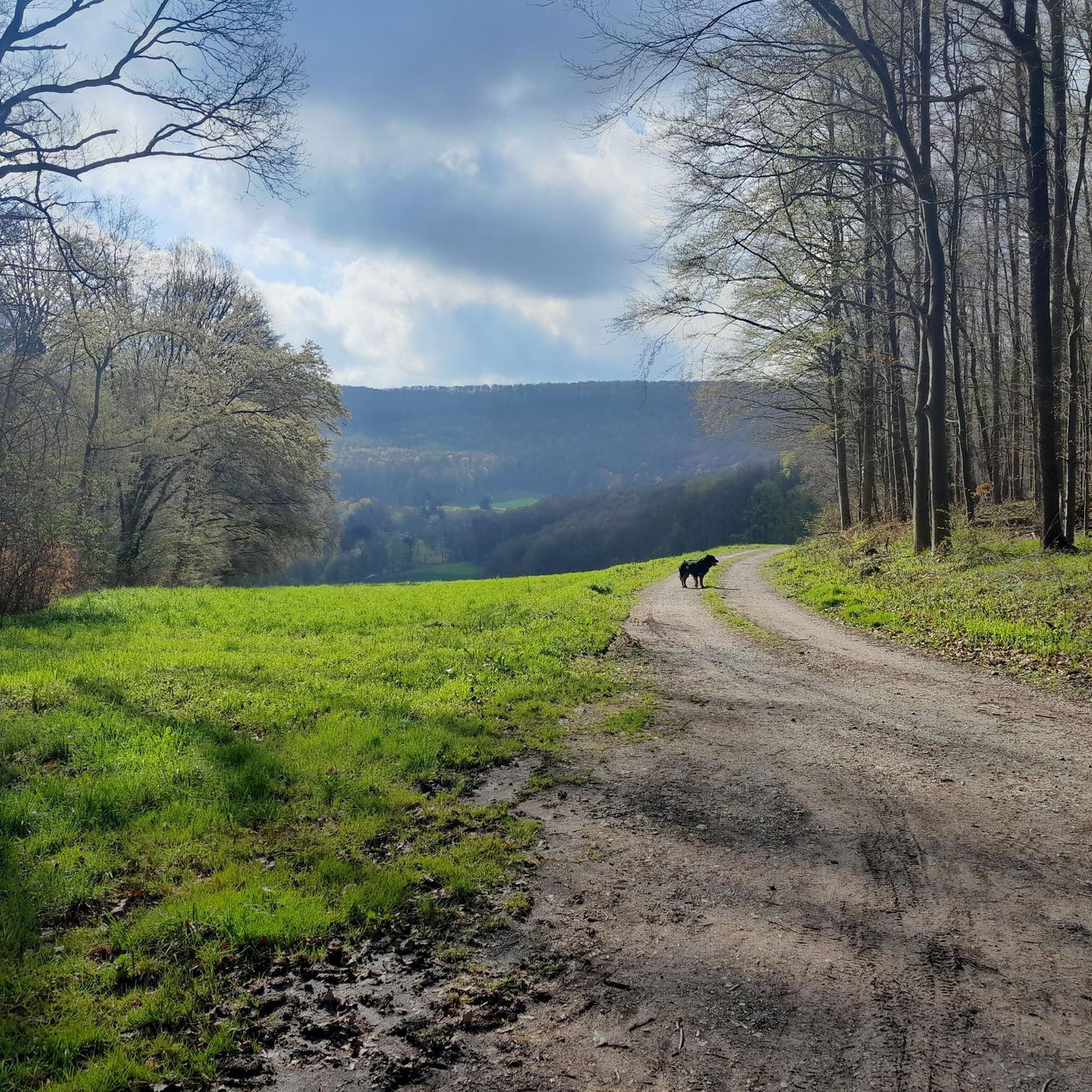
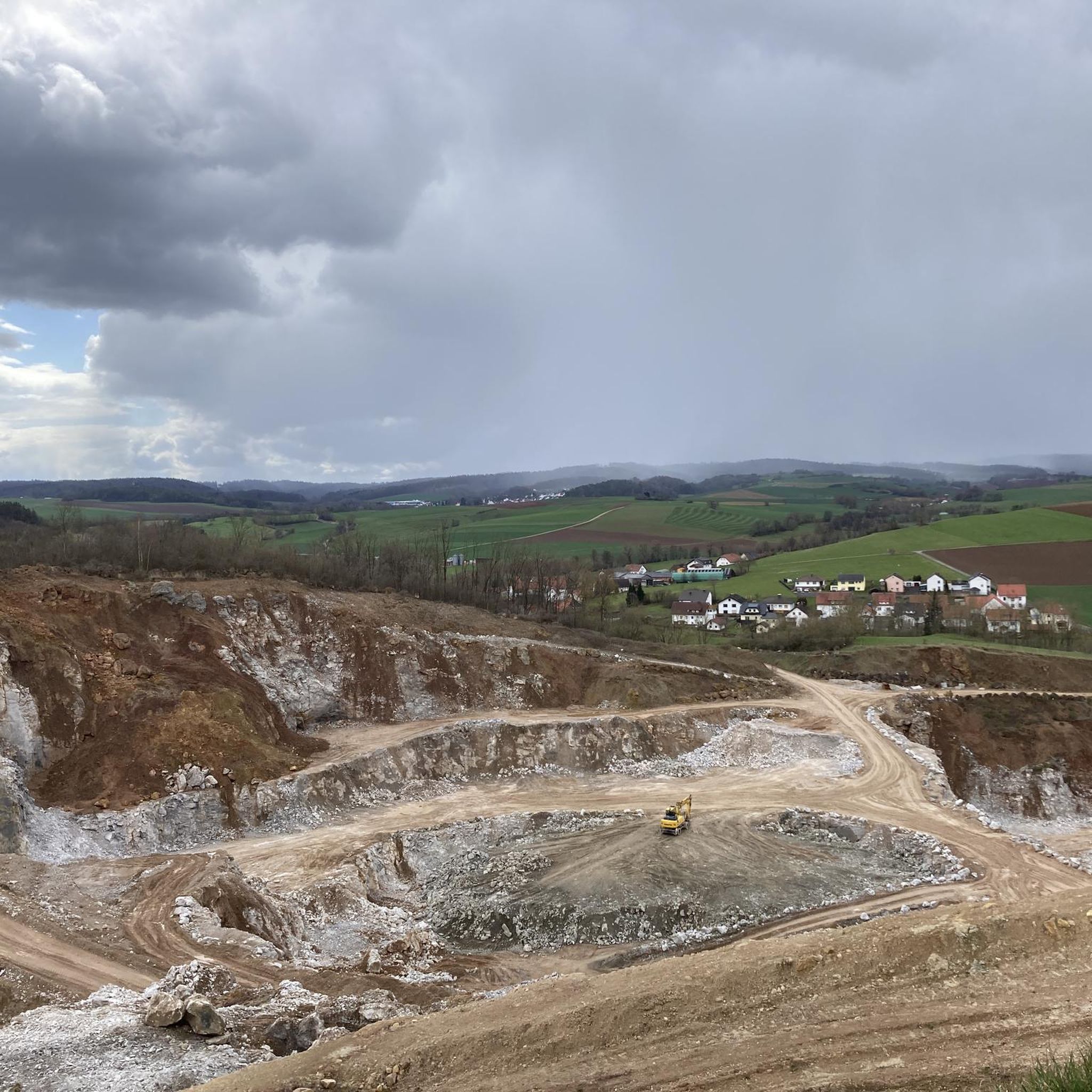
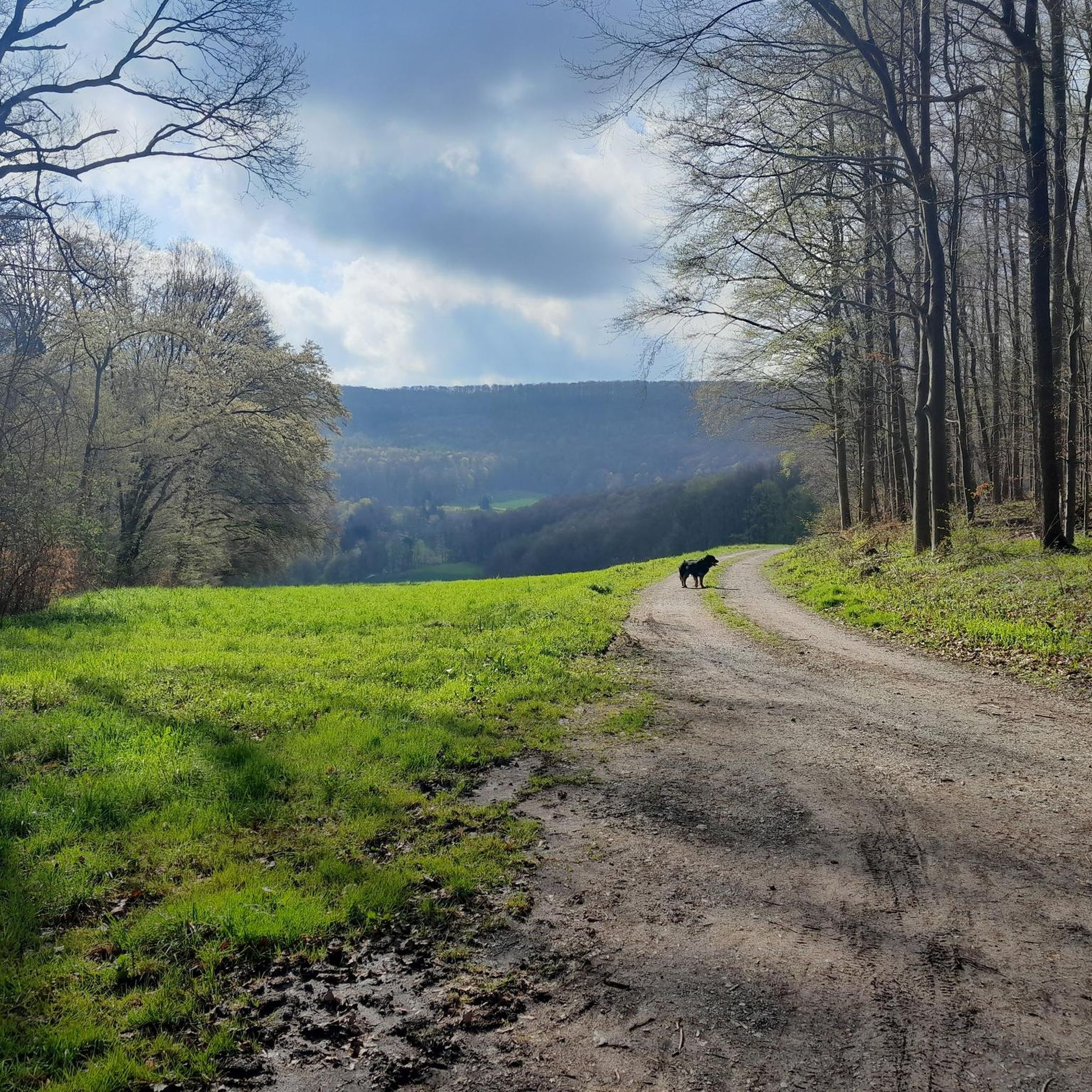



Tips from the Community

A great hint from the past about food storage
1
0

Here you can really explore the karst landscape. Information boards explain the geological structure of the karst and the Vogelherd Cave. The brave can also explore a look inside the cave.
1
1

The Vogelherd cave is a long, horizontal, narrow passage. So far, around 15 m has been explored. The cave offers shelter and sleeping space to around 20 different species of animals all year round.
6
1
Narrow forest paths, partly short steep sections and steps to the Vogelherdhöhle with Goldmarie and Pechmarie. You can avoid the paths via wide, light gravel paths (but who wants that 🙈). Very well signposted!
5
1
The name KNOTS-KELLER has been a mystery for a long time. Children used to be told that Santa Claus lived here. A closer look reveals the meaning of the name: Because the word “knots” means also means "growth". Growth in the form of a root in the limestone rock. It is difficult to guess how old this root is. Knots, together with cave (= cellar) gives the name KNOTS-KELLER
2
0

Nice little cave right on the trail.
0
0
This barred rock cellar on the descent path below the Blumenstein castle ruins inspires the imagination. Is it a secret passage that leads to the Blumenstein castle ruins? At least there don't seem to be any more precise details about it. But it seems more likely that this cellar served as a cold storage room for the neighboring farm in the past. Just take a look for yourself and let your imagination run wild 😊
7
1

Interesting place, a notice board would be nice.
8
1
Frequently Asked Questions
What unique geological features can be found in the caves around Sontra?
The region's caves showcase diverse geological formations. For instance, the Knots-Keller Cave features a Zechstein formation with marine deposits, indicating an ancient sea. The area also includes gypsum caves and former mine tunnels, offering insights into the geological history of northern Hesse.
Are there any caves around Sontra that are important for wildlife?
Yes, several caves serve as vital habitats. The Vogelherd Cave provides shelter and sleeping space for around 20 different animal species throughout the year. Additionally, the Bat Cave at Ölberg, Nentershausen, consists of former mine tunnels that have been converted into hibernation quarters for rare bat species like the Greater mouse-eared bat and Bechstein's bat. The inaccessible caves within the Kirchberg Cliffs and Historic Cemetery in Berneburg are also used by native bat species for wintering.
What historical or cultural sites are near the caves in Sontra?
The Kirchberg Cliffs and Historic Cemetery in Berneburg is a notable historical site. It features an old cemetery with remarkable memorial stones and crosses, and the cliff path itself once served as an access route to a former chapel from 1478. This area also contains protected caves.
What is the best time to visit the caves around Sontra?
The best time to visit depends on your interest. For general exploration and hiking, spring through autumn offers pleasant weather. However, if you are interested in observing wildlife, particularly bats, some caves like the Bat Cave at Ölberg are specifically managed as hibernation quarters, which means access might be restricted during winter to protect the animals. Always check local guidelines for specific caves.
Are there family-friendly activities or caves suitable for beginners around Sontra?
While specific 'family-friendly' designations for caves are not provided, many of the natural features and trails leading to them are accessible. For example, the path to Vogelherd Cave, known as the Narrow path to the Vogelherd Cave with Goldmarie and Pechmarie, is well-signposted and features wooden figures, which can be engaging for children. Always assess the difficulty of the approach trails for younger visitors.
What kind of outdoor activities can I do near the caves in Sontra?
Beyond cave exploration, Sontra offers a variety of outdoor activities. You can find numerous hiking trails, such as the 'Karst Spring Renda Valley Ditch – Struth Viewpoint loop' or the 'Knight’s Path on the Schickeberg – Boyneburg Castle Ruins loop'. There are also many cycling and road cycling routes available. For more details on routes, visit the Hiking around Sontra or Cycling around Sontra guides.
Are there any accessible caves or trails for visitors with limited mobility?
Information on specific accessibility for visitors with limited mobility is not detailed for all caves. However, the Bat Cave at Ölberg, Nentershausen, is visible from a path leading past it, suggesting it might be accessible for viewing without entering the tunnels. The path to the Kirchberg Cliffs has steps and safety ropes for hikers, indicating some paths might require a certain level of mobility.
What do visitors enjoy most about the caves around Sontra?
Visitors appreciate the diverse geological formations, the historical context, and the natural beauty of the area. The komoot community has shown strong engagement, with 198 upvotes and 158 photos shared, highlighting the appeal of exploring these unique underground passages and their surrounding landscapes.
Are dogs allowed on trails leading to the caves in Sontra?
While specific rules for dog access to the caves themselves are not always explicit, many hiking trails in the Sontra region are generally dog-friendly. It's always recommended to keep dogs on a leash, especially in natural protection areas or near wildlife habitats like the Vogelherd Cave or the Bat Cave, to protect both your pet and the local fauna.
What should I wear or bring when exploring caves in the Sontra area?
When exploring caves and their surrounding trails, it's advisable to wear sturdy hiking shoes, as paths can be uneven, and some sections may be steep or narrow. Bringing a flashlight or headlamp is recommended for exploring darker passages. Layers of clothing are also useful, as cave temperatures can be cooler than outside, even in summer.
Are there any hidden gem caves or lesser-known spots worth visiting?
While the main highlights are well-known, the region is rich in natural features. The Knots-Keller Cave, with its unique Zechstein formation and local legends, offers a distinctive experience. The area's former mine tunnels, like those at Ölberg, also provide a glimpse into both natural and industrial history, often serving as important wildlife refuges.
Most popular routes around Sontra
Most popular attractions around Sontra

Get inspired with the komoot mobile app


Explore more
Extend your search for the best caves by checking out these guides of the top ones around Sontra:
