Top 12 Caves around Jöhstadt
Best caves around Jöhstadt are primarily historical mining tunnels and visitor mines, reflecting the region's rich industrial heritage. Jöhstadt is situated in the Erzgebirge (Ore Mountains), a landscape shaped by centuries of mining activity. This area features numerous historical sites and natural formations that offer insights into both geology and human endeavor. The terrain around Jöhstadt is characterized by its mountainous nature, providing a backdrop for these unique underground attractions.
Best caves around Jöhstadt
- The most popular caves is Former…
Last updated: August 20, 2026
Mědník (Kupferhübel) — Summit and Chapel
Highlight • Summit
Translated by Google •
Tip by

Tiefer Blühend Glück Stolln Mine Entrance
Highlight • Historical Site
Translated by Google •
Tip by

Sign up now to discover places like this
Get recommendations on the best single tracks, peaks, & plenty of other exciting outdoor places.
Sign up for free
Dorothea Stolln Visitor Mine
Highlight • Historical Site
A really worthwhile visit! Definitely recommended.
Also suitable for families, but the children must be 6 years or older!
Opening hours:
Mon – Fri: 9:00 a.m. – 2:00 p.m
last guided tour: 2:00 p.m
Translated by Google •
Tip by

Molchner Stolln Show Mine
Highlight • Historical Site
Translated by Google •
Tip by
Gläserstolln
Highlight • Historical Site
Translated by Google •
Tip by
Sign up for free to discover even more caves around Jöhstadt.
Sign up for free
Already have an account?
Start today with a free account
Your next adventure awaits.
Login or Signup
Popular around Jöhstadt
Digitale Wandernadel
Der Kammweg Erzgebirge-Vogtland aus Sicht einer Bloggerin
Pilgerwege durch das Erzgebirge
Wandertouren - Flusstäler & Talsperren
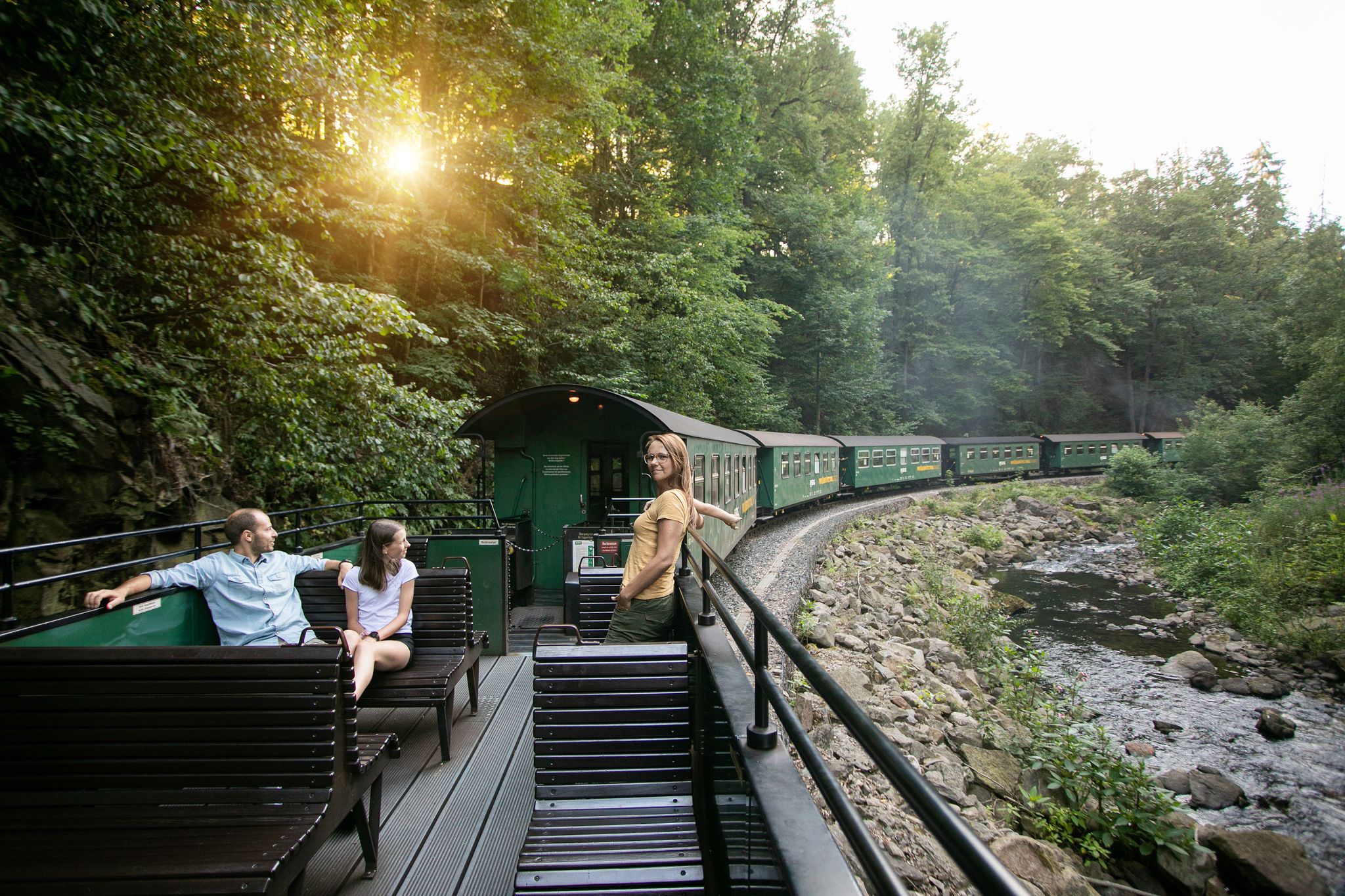
Wandertouren - Eisenbahn & Wanderstock
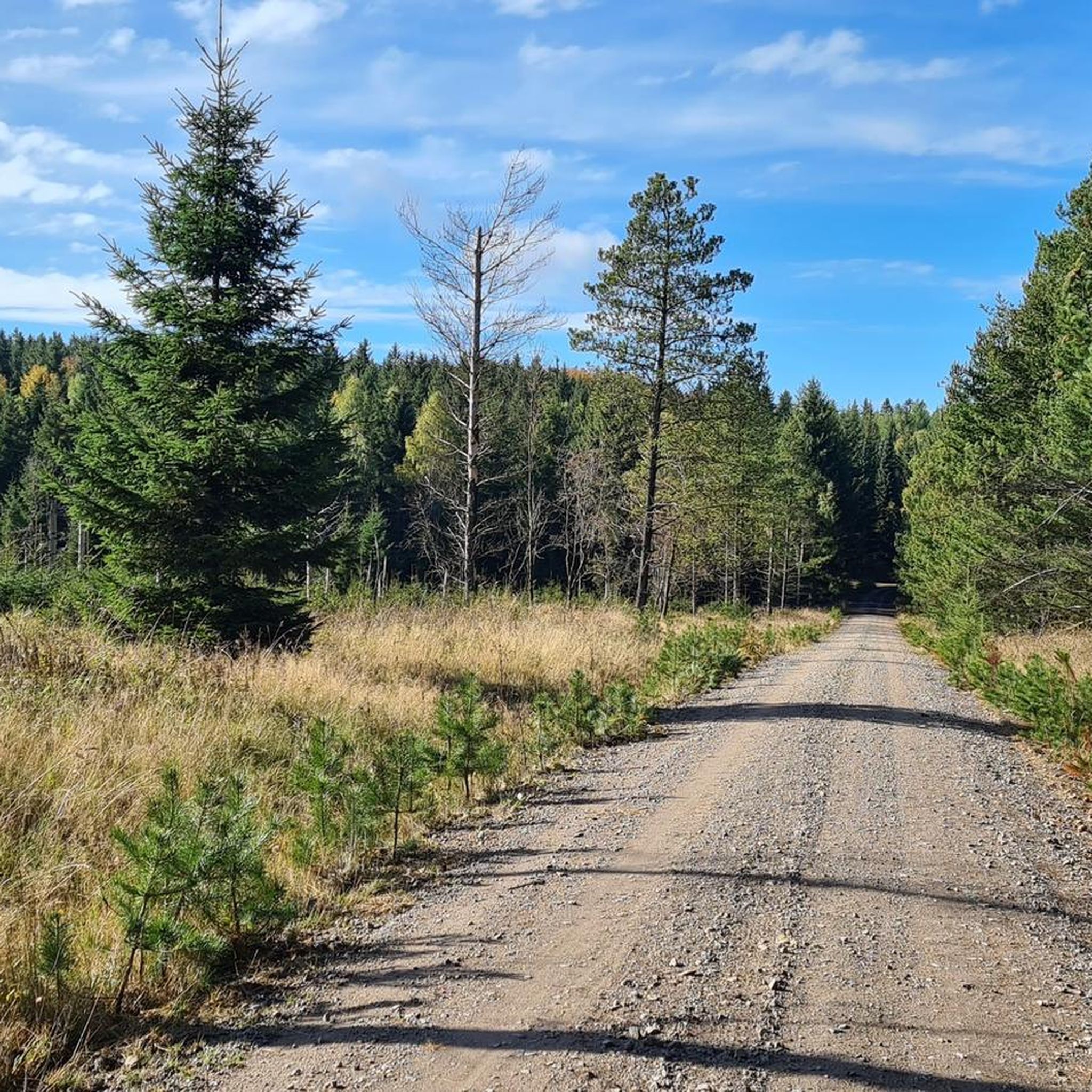
Hiking around Jöhstadt
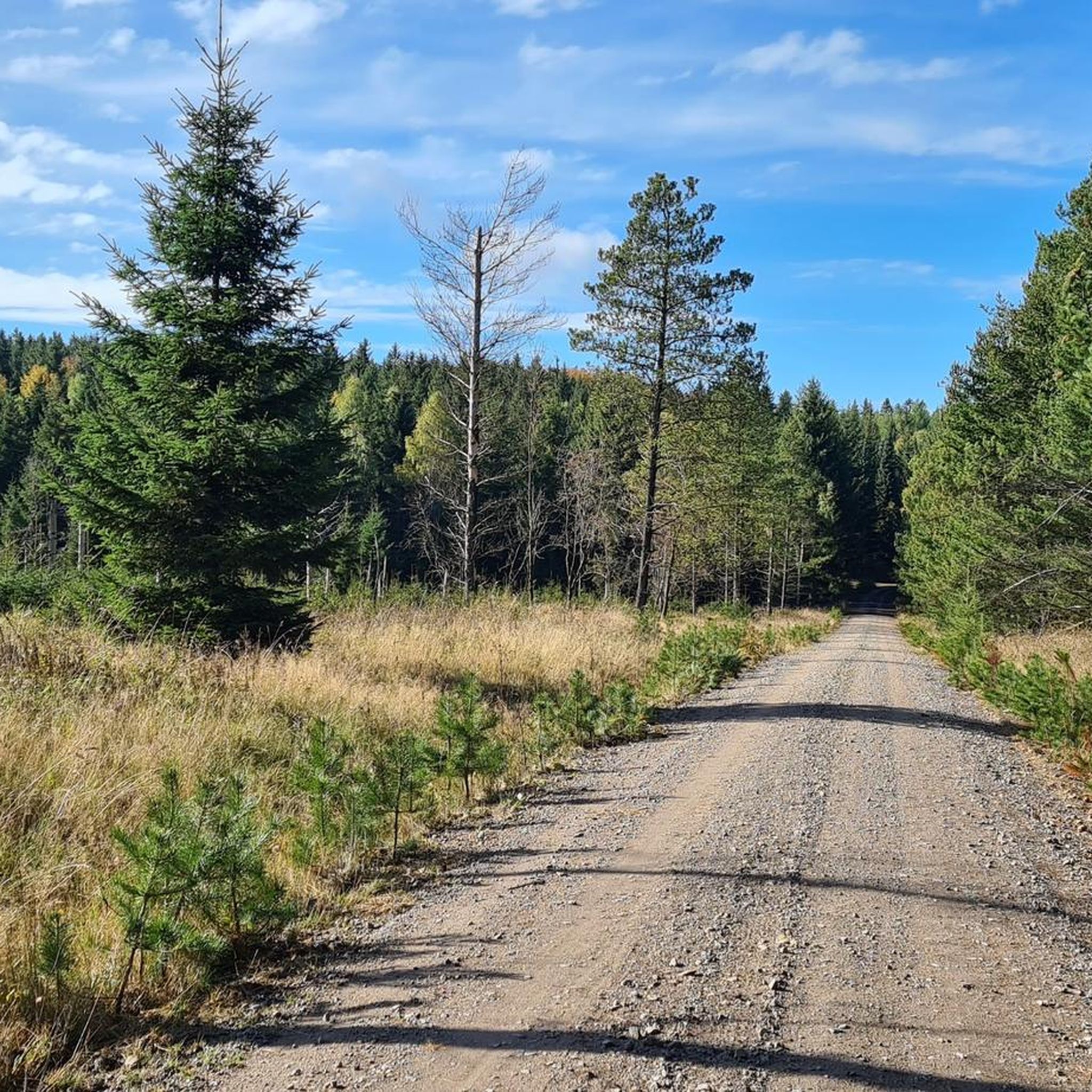
Cycling around Jöhstadt
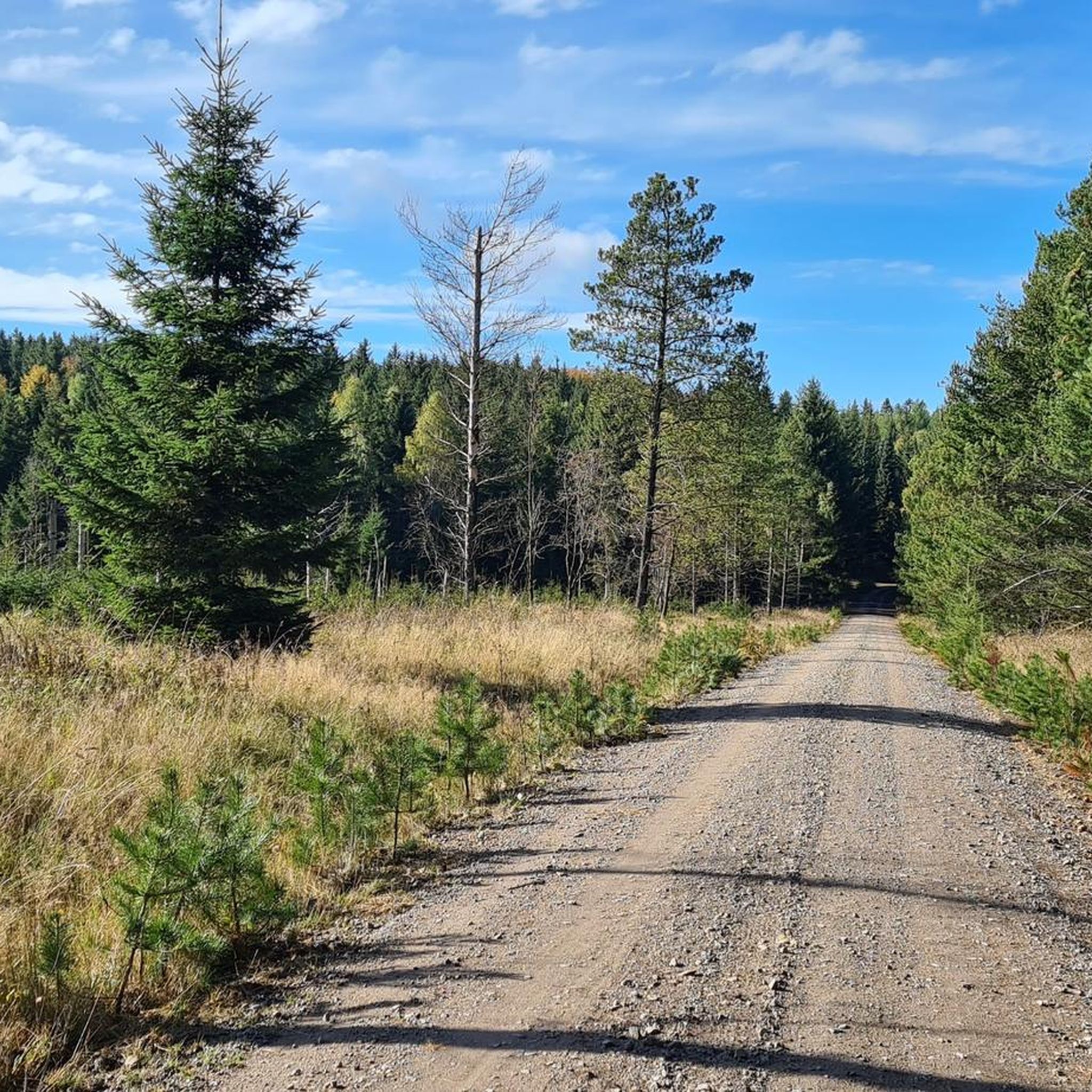
MTB Trails around Jöhstadt
Road Cycling Routes around Jöhstadt
Running Trails around Jöhstadt
Other adventures around Jöhstadt

Tips from the Community

Mining began in Cunersdorf in the 16th century. Due to its high yields, the mine quickly gained renown. From 1536, a yield of 2,409 guilders per share was achieved within two and a quarter years. This was primarily due to a very rich silver ore vein with silver contents of up to 40%. However, yields declined again in the following years.[2] During the sinking of a pilot shaft, the year 1551 was discovered at a depth of more than 125 m.[3] The current entrance to the Dorothea adit was created in 1853.[4] Initially, only silver ores were mined; later, nickel, copper, uranium, and cobalt ores were added.[3] After the Second World War, in 1946/47, the SAG Wismut began searching for uranium in Annaberg-Buchholz, including in the Himmlisch Heer Dorothea mine. Uranium mining was short-lived and ended in 1958. Source: Wikipedia
4
0

We now walk through the valley, with the rocks rising up beside us. At the side of the path, we find the entrance to the Tiefen Blühend Glück tunnel. https://youtu.be/LYmwgx7Z0Lk
0
0

definitely worth a trip
0
3

Great guided tours, highly recommended. ⚒️
2
1
The glass tunnel in the Hüttengrund is a testament to the early years of Marienberg mining and was built in 1523 as a hereditary tunnel to drain the Marienberg central district. At that time it was the deepest tunnel south of Marienberg with a length of 3.5 km. The name was probably given by the local Brille family, who were closely linked to the Marienberg mining industry through Dominicus Brille. The Brillestollen was a hereditary tunnel and was entitled to the “Ninth of the Tunnel”, a levy from all mines, which, as the deepest tunnel, saved the costs of raising water. Its mine water was used to operate the lower Marienberg smelter. When mining came to a complete standstill in Marienberg at the beginning of the 20th century, the mouth of the Glass Tunnel was filled with rubble stones in 1907 to 1908 as part of the preservation and security work. The first excavation work began in 1994 through the initiative of the Marienberg mining association. Since then, many interested visitors have been welcomed to the Brillestolln by members of the Bergknappschaft Marienberg e.V. Unfortunately, after renovation work by the mountain safety team, the Brillestollen is no longer accessible to the public. Today it only serves internal club purposes. Source: https://knappenverein.de/portfolio-item/glaeser-stolln/
14
0
The mining town of Pobershau was founded at the beginning of the 16th century to use newly discovered iron ores. The first mention of a “Drey Molchen treasure trove” was in 1529 because of good silver finds. The mine's highest yield was achieved in 1540, and later the mining operation suffered greatly during the Thirty Years' War. From the 17th century onwards, mainly tin mining took place until mining stopped during this period in 1866. In 1936–1938 the mine field was probably examined for mining suitability as part of the four-year plan; The last time ore was mined was from 1947 to 1954 by SDAG Wismut. Source: Wikipedia
12
0
The tunnel was excavated between 1855 and 1886. However, enough was never really found here and so it only leads a little more than five hundred meters into the mountain. However, the beautifully brick mouth hole that can be seen today was once destroyed when the keystone was stolen. After the fall of the Wall, the Pobershau Mountain Brotherhood renovated it. The tunnel now also serves as a roost for bats. Source: https://www.ins-erzgebirge.de/Mundloch-des-Tiefen-Bl%C3%BChend-Gl%C3%BCck-Stollns
16
0

Good luck for! ⚒️ A really worthwhile visit! Definitely recommended. Also suitable for families, but the children must be 6 years or older! Opening hours: Mon – Fri: 9:00 a.m. – 2:00 p.m last guided tour: 2:00 p.m Saturday: only guided tours at 10:00 a.m. and 2:00 p.m (Sunday and outside of the stated opening hours only after prior notification by telephone) The group size is at least 4 people up to a maximum of 14 people. => It is best to register by phone beforehand! +49 (0)3733 66218 https://www.dorotheastollen.de/fuehrungen We were lucky, after a short wait we were able to join another group. You should allow 1.5 - 2 hours for getting dressed and guided.
11
0
Frequently Asked Questions
What kind of caves can I expect to find around Jöhstadt?
The 'caves' around Jöhstadt are primarily historical mining tunnels and visitor mines, reflecting the region's rich industrial heritage in the Erzgebirge (Ore Mountains). These sites offer insights into both geology and human endeavor, rather than natural show caves.
Are there any family-friendly visitor mines near Jöhstadt?
Yes, the Dorothea Stolln Visitor Mine is a historical site and family-friendly. It offers guided tours, including a unique boat trip in the gallery, and is suitable for children aged 6 years and older. It's recommended to register by phone beforehand.
Can I explore all the historical mine tunnels around Jöhstadt?
No, not all historical mine tunnels are accessible. For example, the Former Mine Tunnel is not advised for entry due to safety and natural reasons. Similarly, the Tiefer Blühend Glück Stolln Mine Entrance is closed and serves as a bat roost, though its beautifully bricked mouth hole can be viewed from the hiking trail.
What historical significance do the mining sites near Jöhstadt hold?
The mining sites around Jöhstadt, such as Freudenstolln and the Tiefer Blühend Glück Stolln Mine Entrance, are testaments to centuries of mining activity in the Erzgebirge. They represent former drainage tunnels and mining operations that shaped the region's economy and landscape.
What are the best times to visit the visitor mines and historical sites?
For visitor mines like Dorothea Stolln, it's best to check their specific opening hours, which typically include weekdays and Saturdays, with Sunday visits often by prior notification. Outdoor historical sites can generally be visited year-round, but accessibility might depend on weather conditions, especially in winter.
Are there any natural caves to explore near Jöhstadt?
While Jöhstadt is in a region with natural formations, the prominent 'caves' are primarily man-made mining tunnels. Well-known, publicly accessible natural show caves with established visitor infrastructure are generally located in other parts of Germany, beyond the immediate vicinity of Jöhstadt.
What outdoor activities can I do near the historical mining sites around Jöhstadt?
The mountainous terrain around Jöhstadt offers various outdoor activities. You can find numerous routes for road cycling, mountain biking, and gravel biking. Many of these routes pass by or are close to historical landmarks and offer scenic views of the Erzgebirge.
Are there hiking trails that lead to or past these historical mining tunnels?
Yes, many of the historical mining tunnels, such as the Tiefer Blühend Glück Stolln Mine Entrance and Freudenstolln, are located along hiking trails. These trails often feature rest stops and information boards, allowing you to combine a visit with a scenic walk through the region.
What should I wear or bring when visiting a visitor mine?
When visiting a visitor mine like Dorothea Stolln, it's advisable to wear sturdy shoes and warm clothing, as temperatures underground are consistently cool regardless of the season. You should also allow sufficient time for guided tours, which can last 1.5 to 2 hours.
What do visitors appreciate most about the caves and mines around Jöhstadt?
Visitors appreciate the unique historical insights provided by the mining tunnels and visitor mines. The opportunity to experience the region's industrial heritage firsthand, often through guided tours and unique features like boat trips in galleries, is highly valued. The scenic integration of these sites into the natural landscape also adds to the experience.
Is there a place to rest near the historical mining sites?
Yes, some historical sites offer amenities for visitors. For instance, Freudenstolln features a rest area with seating on its heap, which is suitable for hiking groups. Other sites, like the Tiefer Blühend Glück Stolln Mine Entrance, also have rest stops and information boards nearby.
Most popular routes around Jöhstadt
Most popular attractions around Jöhstadt

Get inspired with the komoot mobile app


Explore more
Extend your search for the best caves by checking out these guides of the top ones around Jöhstadt:
