Top 12 Castles around Dinkelscherben
Castles around Dinkelscherben offer a glimpse into the region's rich history. This market town in Bavaria, Germany, is home to various historical sites, including medieval ruins and converted pleasure houses. The area's landscape provides scenic backdrops for these fortifications, inviting exploration. These sites reflect centuries of local history, from knightly seats to ecclesiastical properties.
Best castles around Dinkelscherben
- The most popular castles is Seyfriedsberg Castle Park, a castle park known for its botanical features. Visitors can explore its impressive,…
Last updated: August 20, 2026
Elmischwang Castle
Highlight • Castle
Translated by Google •
Tip by

Seyfriedsberg Castle Park
Highlight • Castle
Translated by Google •
Tip by

Sign up now to discover places like this
Get recommendations on the best single tracks, peaks, & plenty of other exciting outdoor places.
Sign up for free
Hattenberg Castle Ruins
Highlight • Historical Site
Translated by Google •
Tip by

Wolfsberg Castle Ruins
Highlight • Castle
In the Middle Ages, the Wolfsberg castle ruins belonged to the noble family of Fraßen vom Wolfsberg, who also founded the hamlet of Stadel near Dinkelscherben. The …
Translated by Google •
Tip by

Snow castle rampart
Highlight (Segment) • Historical Site
Translated by Google •
Tip by

Sign up for free to discover even more castles around Dinkelscherben.
Sign up for free
Already have an account?
Start today with a free account
Your next adventure awaits.
Login or Signup
Popular around Dinkelscherben
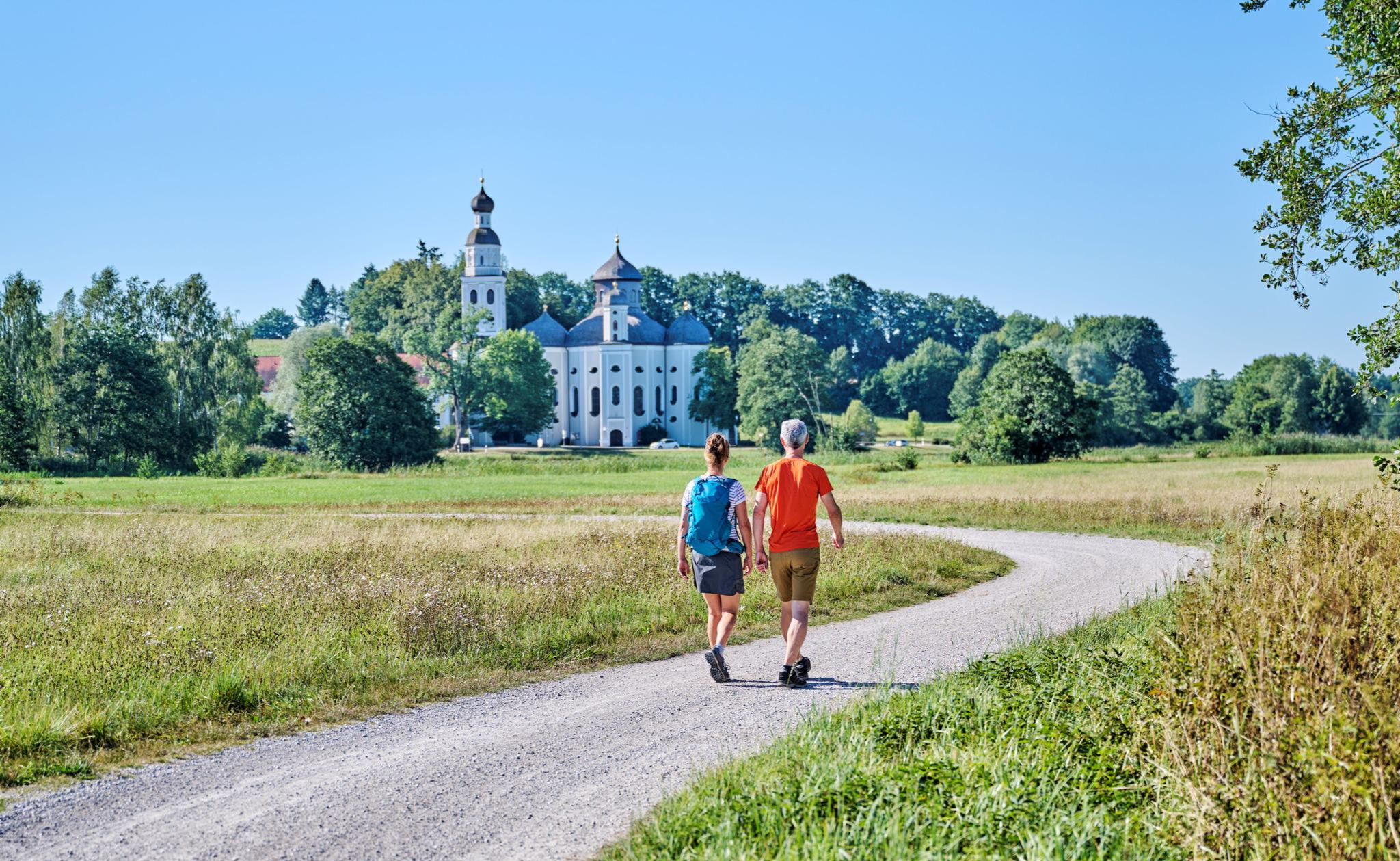
On foot in Bayerisch-Schwaben – five top hiking routes
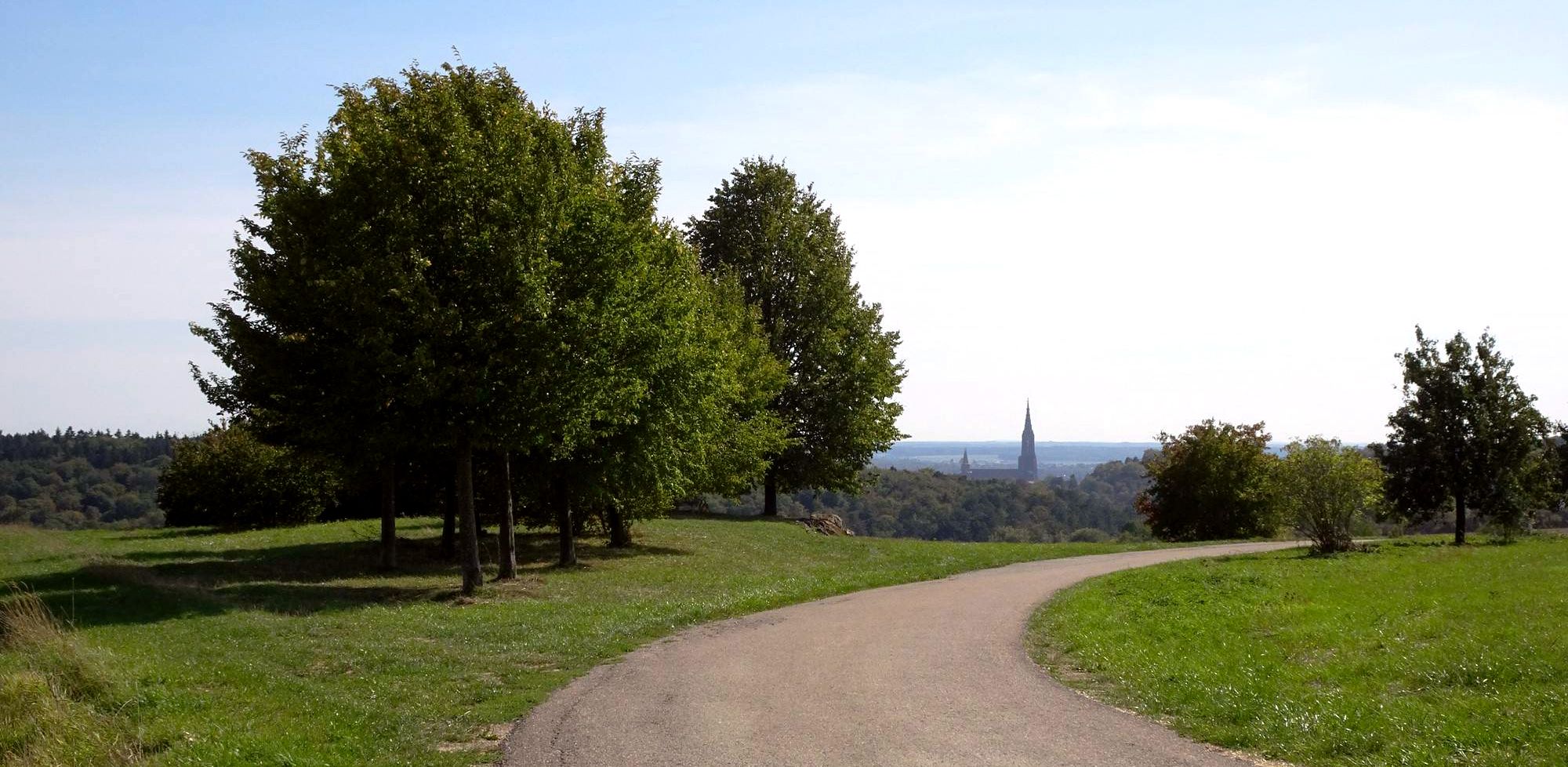
Full pleasure on the Danube valleys cycle path
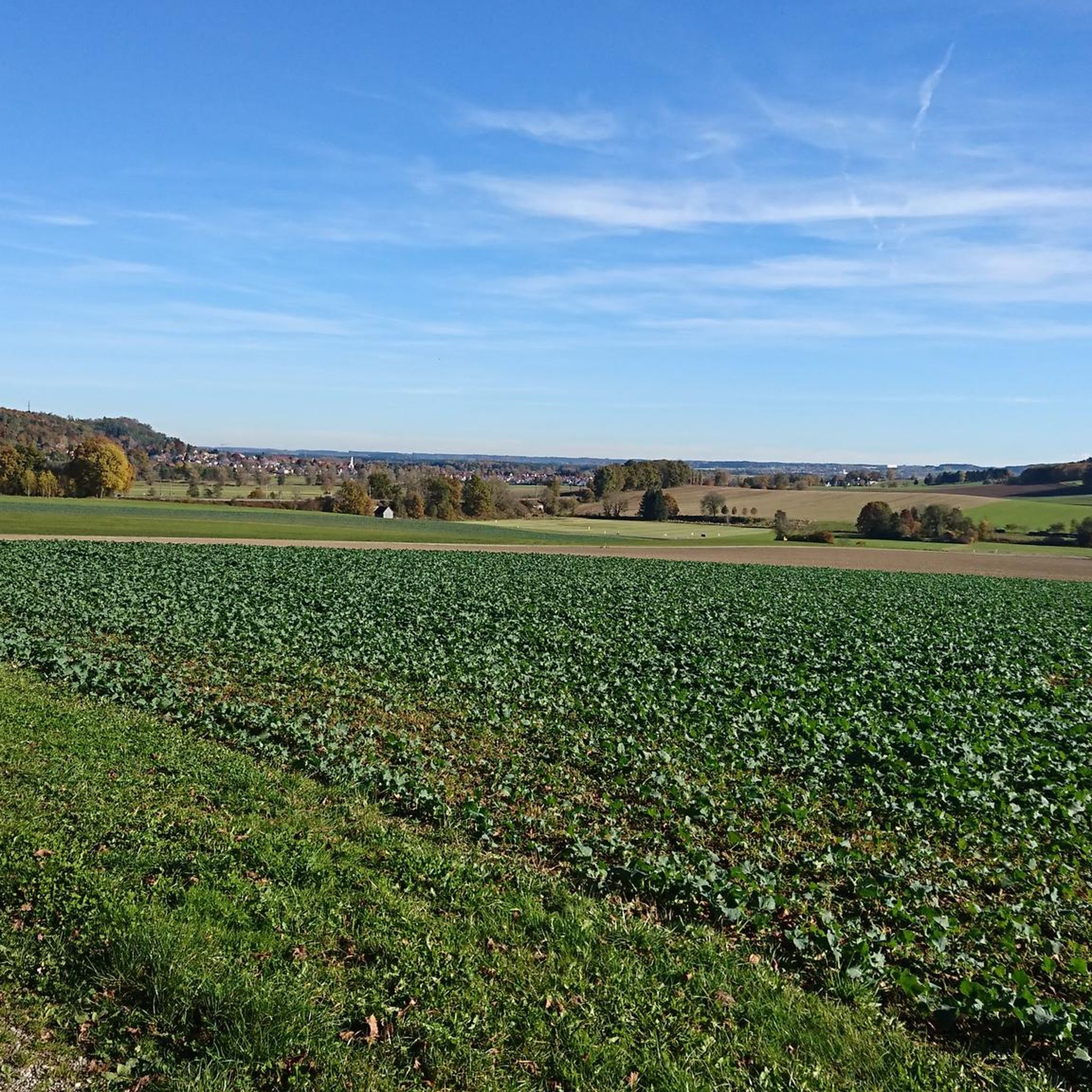
Cycling around Dinkelscherben
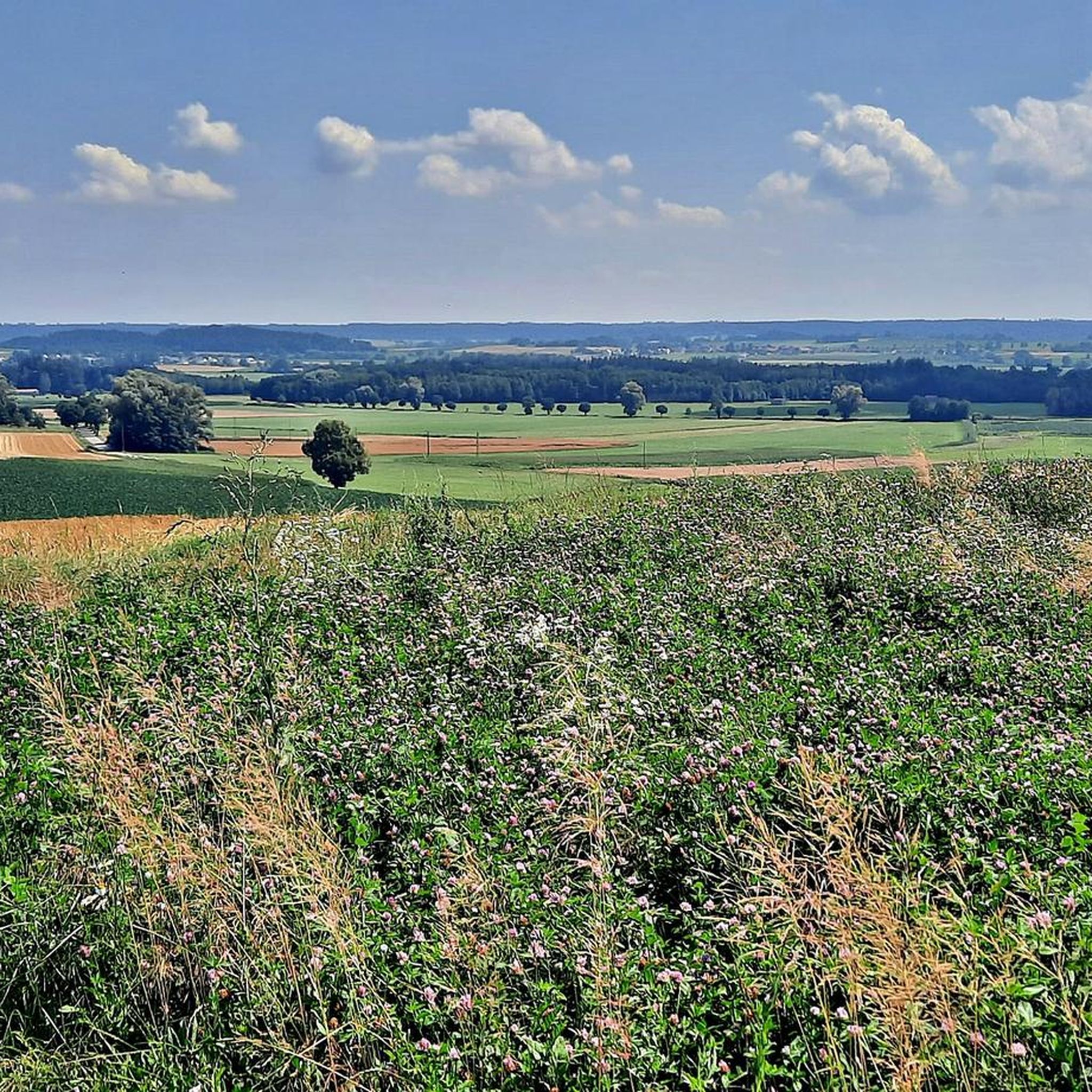
Road Cycling Routes around Dinkelscherben
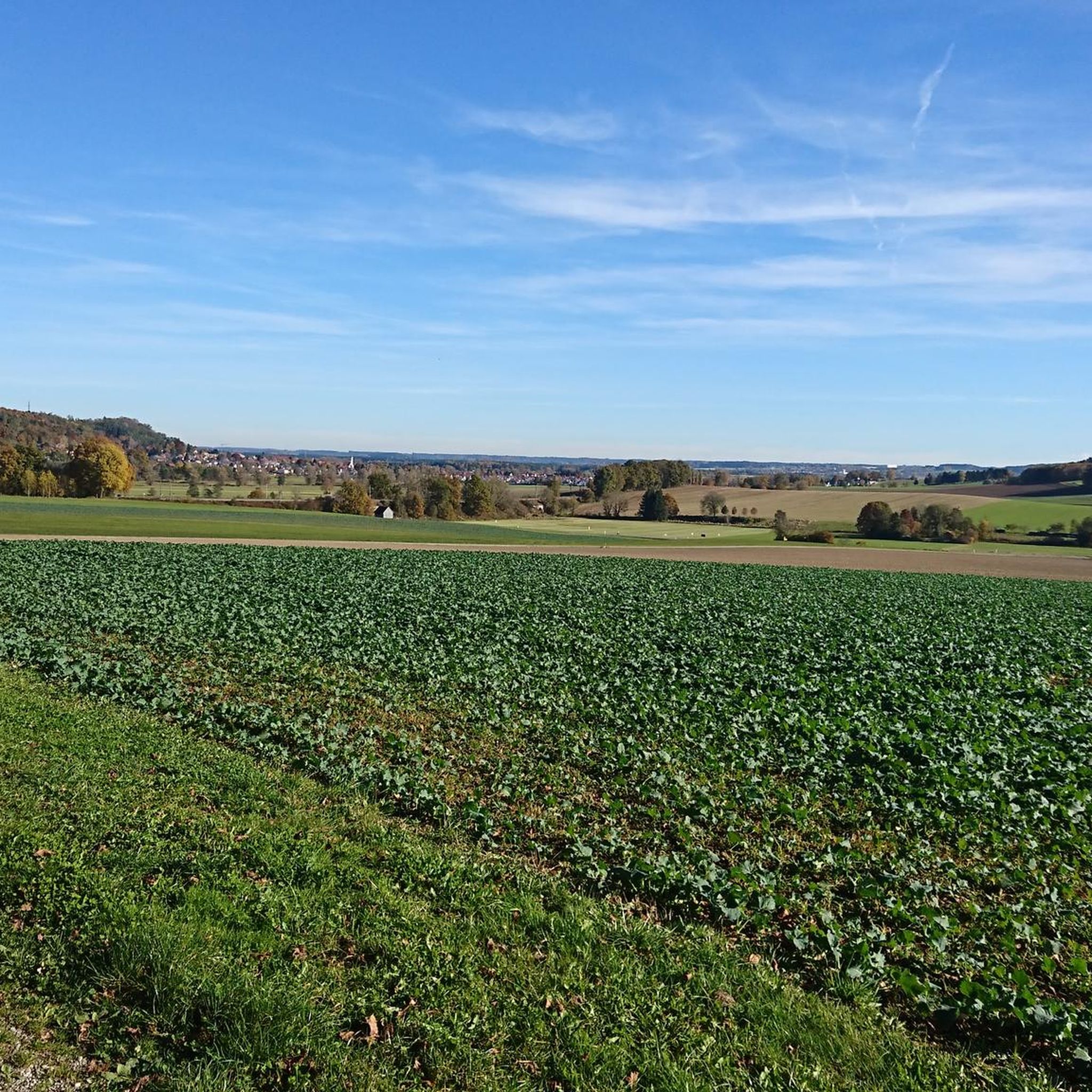
Hiking around Dinkelscherben
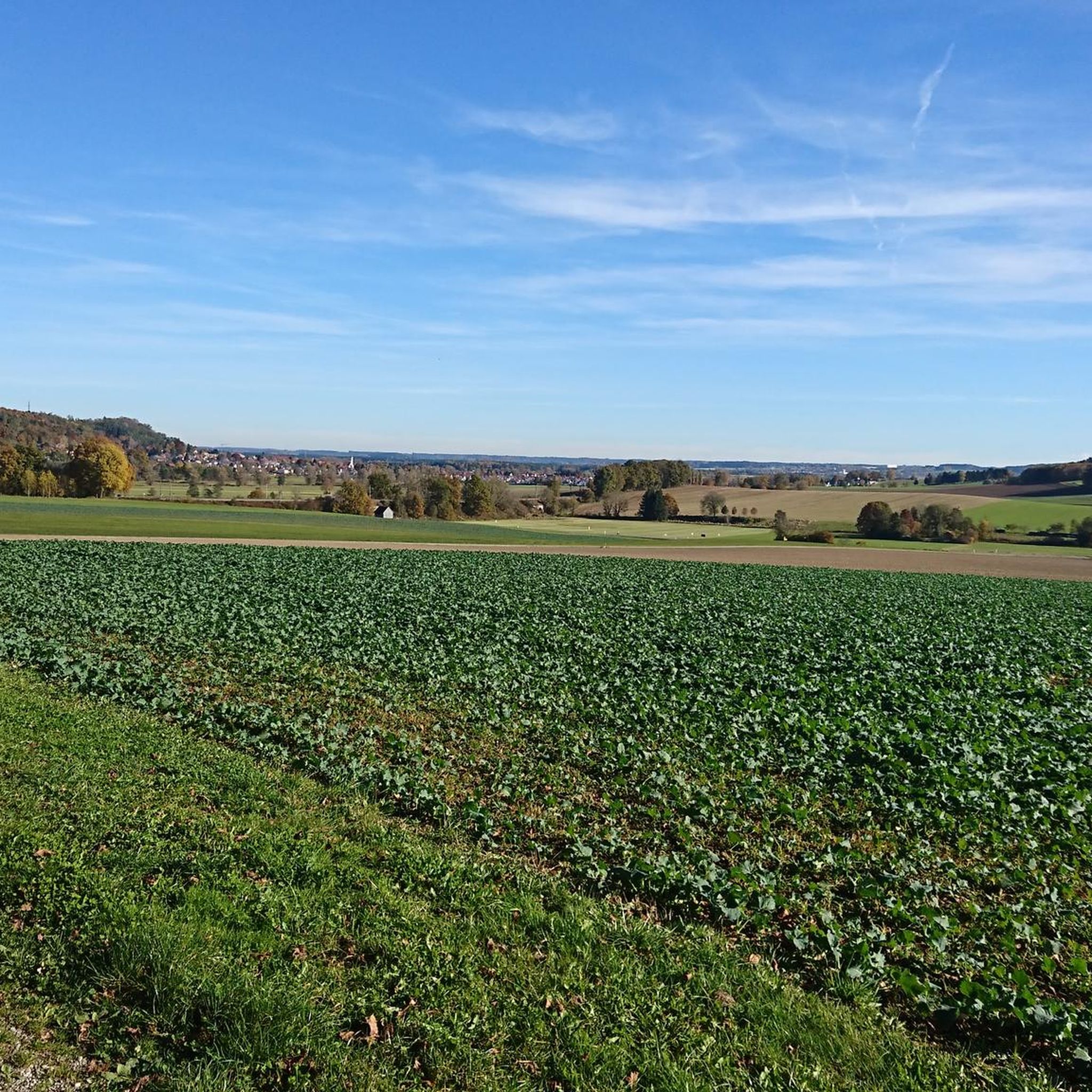
MTB Trails around Dinkelscherben
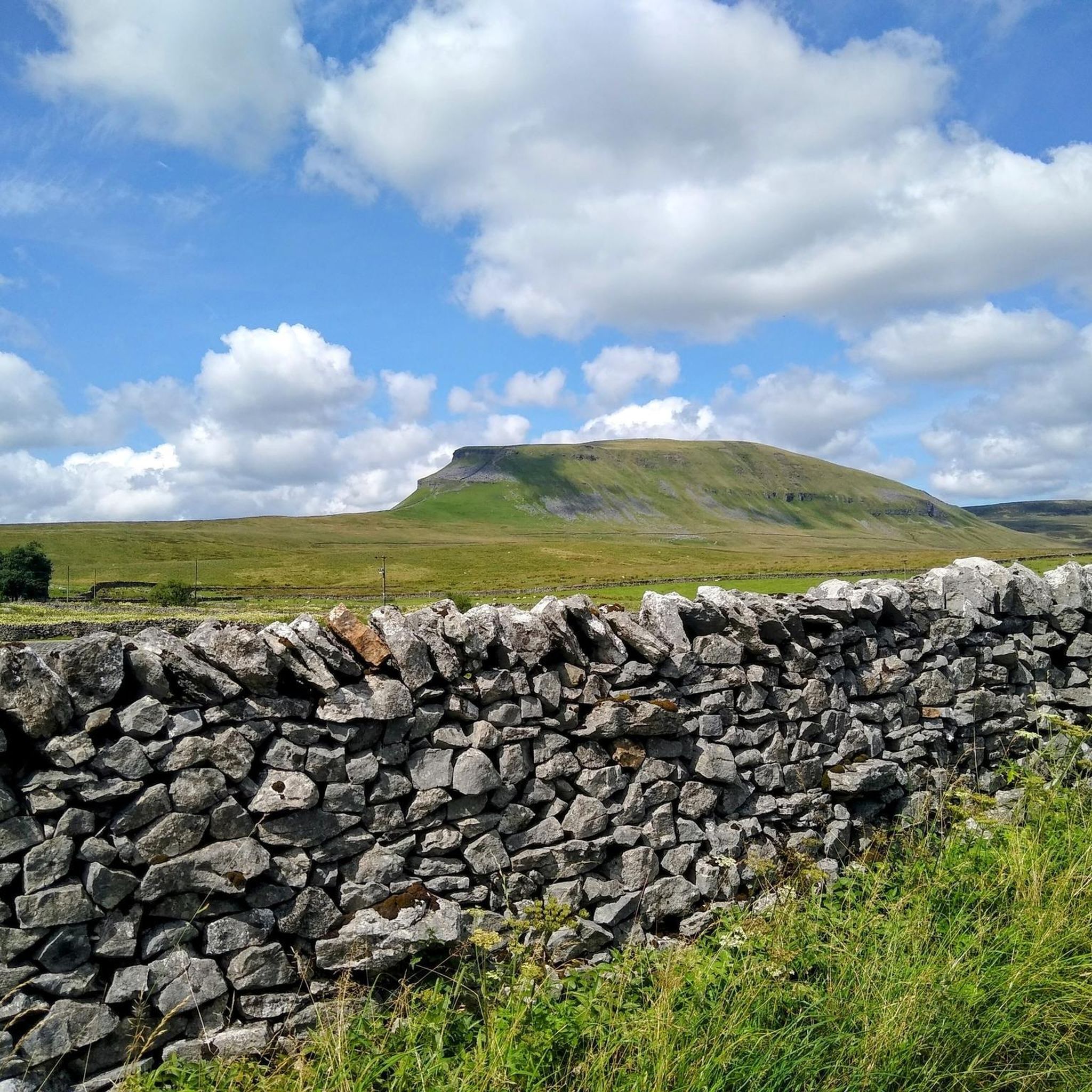
Gravel biking around Dinkelscherben
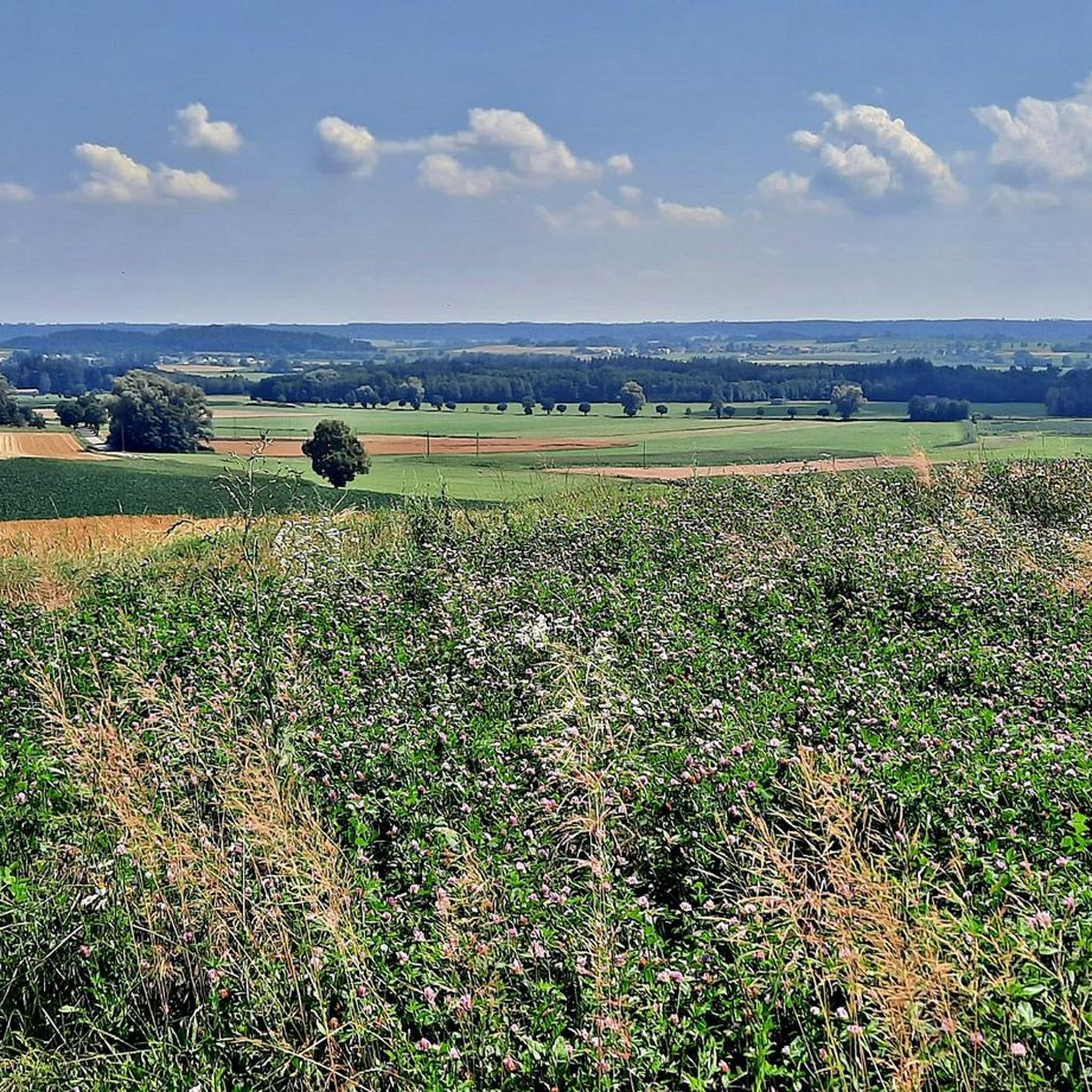
Running Trails around Dinkelscherben


Tips from the Community

The well-preserved ring rampart is among the largest and most significant archaeological sites in the Augsburg district. The geological structure consists of marly sands, which are overlain by glacial till. This till is partly consolidated and appears here as Nagelfluh. The irregularly ring-shaped fortification, approximately 600 meters in circumference, was probably used as a refuge castle during the time of the Hungarian invasions and presumably dates back to the Bronze Age.
0
0

The Schneeburg near Welden (District of Augsburg, Bavaria) is an early medieval ring rampart that served as a refuge castle in the 9th to 10th centuries to defend against Hungarian invasions. The site is located about 1.5 km south of Welden on a spur above the Laugnatal valley. It was an important defensive structure that functioned as a protective castle for the population and a troop assembly point. The fortification consisted of wood-earth constructions and ramparts, with the eastern side showing typical steps for defense against Magyar horsemen. Today, the earthworks and ditches are preserved as an archaeological monument, with the Ludwig-Ganghofer-Rundwanderweg circular hiking trail leading through the area.
0
0

The ringfort of Schneeburg is not the remains of a castle, but rather an archaeological monument that only reveals itself upon closer inspection. There were never any towers or stone walls here – the fortification consisted of earthworks, wooden palisades, and timber structures. Today, primarily ditches, ramparts, and the shape of the site are visible in the landscape. Historians assume that the oldest traces of Schneeburg date back to the Bronze Age. In the Middle Ages, it offered the local population protection from Hungarian invasions.
1
0
Hattenberg Castle Site The castle was built in the 12th century by the Chamberlains of Kemnat. The Hohenstaufen dynasty had granted the family the sub-advocateship over the possessions of the Bishopric of Augsburg in this area. The branch of the Kemnat family residing at Hattenberg subsequently took its name from the fortress. Several members of the family appear in contemporary documents from the 13th century. However, the castle was devastated in 1297 during a feud between the lord of the castle, Heinrich von Hattenberg, and Bishop Wolfhard von Rohr. The Prince-Bishopric of Augsburg then acquired the associated rights of lordship. Nevertheless, in 1304, the Hattenberg family was appointed Landvogt (governor) of Upper Swabia and city and district governor of Augsburg. Heavily indebted due to his military service in the army of Albrecht I of Austria, the nobleman attempted to improve his financial situation through several raids and highway robberies. The citizens of Augsburg, together with the bishop and the cathedral chapter, sued the knight before King Albrecht in 1305. Shortly thereafter, the "robber knight" was stripped of his bailiwick over the bishop's estates. The Hattenberg family line likely died out with Marquard von Hattenberg around 1370. The castle site had already been pledged by the Prince-Bishopric in 1365. In 1641, the Augsburg Cathedral Chapter purchased the Lordship of Hattenberg. Around 1780, the castle's remaining walls were demolished to make way for the construction of the brewery in Ustersbach. Later, the conical shape of the main castle was partially removed by quarrying the conglomerate rock deposits found there.
0
0

The castle was built in the 12th century by the chamberlains of Kemnat. The Hohenstaufen dynasty had granted the dynasty the sub-bailiwick over the possessions of the Diocese of Augsburg in this area. The branch of the Kemnat family based in Hattenberg subsequently named itself after the fortress. Several bearers of this name appear in contemporary documents in the 13th century. The castle was, however, already devastated in 1297 during a feud between the lord of the castle, Heinrich von Hattenberg, and Bishop Wolfhard von Rohr. The Bishopric of Augsburg subsequently acquired the associated sovereign rights.
1
0

Rhododendron blossom at Seyfriedsberg Castle
1
0

Former castle ruins with a notice board, which probably also belonged to the Oberschönefeld monastery!
1
0
Parts of an old castle that is permanently secured and with the appropriate information boards
1
0
Frequently Asked Questions
What are some of the most historically significant castle sites around Dinkelscherben?
Beyond the well-known highlights, Hattenberg Castle Ruins offers insights into medieval conflicts, dating back to the 12th century. Another important site is Burg Zusameck, which was originally a wooden tower mound castle from the Middle Ages, later replaced by a stone castle. It features a late Gothic castle chapel and remains of ramparts and a moat, providing a glimpse into its past as a knightly seat.
Are there family-friendly castles to visit near Dinkelscherben?
Yes, several castle sites are suitable for families. Seyfriedsberg Castle Park is known for its impressive, over 100-year-old tree giants and ancient rhododendron bushes, offering a pleasant outdoor experience. Elmischwang Castle, a converted pleasure house, is also listed as family-friendly. Additionally, Mickhausen Castle, a Renaissance moated castle, welcomes families.
What kind of natural features can I expect to see at the castles around Dinkelscherben?
Many castle sites are nestled within scenic natural surroundings. Seyfriedsberg Castle Park is a botanical palace park with diverse tree types and old rhododendrons, especially vibrant in May and June. Hattenberg Castle Ruins and Wolfsberg Castle Ruins are situated in forested areas, offering natural trails and viewpoints.
Are there good viewpoints at the castle ruins in the Dinkelscherben area?
Yes, several castle sites offer scenic views. Seyfriedsberg Castle Park provides pleasant vistas. The sites of Hattenberg Castle Ruins and Wolfsberg Castle Ruins are also noted for their viewpoints, often located in elevated, forested areas.
What outdoor activities can I do near the castles around Dinkelscherben?
The region offers various outdoor activities. You can find numerous running trails, such as the 'Running loop from Steinekirch' or 'Kreuzberg loop from Dinkelscherben'. For cycling, options include the 'Johann von Fuchs Memorial – Thannhausen Airfield loop' or 'St. Martin Church, Fleinhausen – Old Parsonage of Zusmarshausen loop'. Mountain biking enthusiasts can explore trails like the 'Wolfsberg Castle Ruins – Nature Trail Zusmarshausen loop'. You can find more details on these activities in the Running Trails around Dinkelscherben, Cycling around Dinkelscherben, and MTB Trails around Dinkelscherben guides.
Are there hiking trails that include castle ruins in the Dinkelscherben area?
Yes, the area is great for hiking. The site of Burg Zusameck is part of the Otto Schneider circular route, allowing hikers to explore historical remnants including the former castle fountain. You can also find interesting trails around Wolfsberg Castle Ruins. For more hiking options, check out the various running and cycling guides which often include paths suitable for walking.
What is the best season to visit the castles around Dinkelscherben?
While castles can be visited year-round, spring and summer offer particularly pleasant conditions for exploring the outdoor sites and castle parks. For instance, the ancient rhododendron bushes at Seyfriedsberg Castle Park are a highlight, especially at the height of flowering in May and June. The forested areas around ruins like Hattenberg and Wolfsberg are also very enjoyable during warmer months.
What do visitors enjoy most about the castles and historical sites near Dinkelscherben?
Visitors appreciate the blend of history and nature. Many enjoy exploring the impressive tree giants and rhododendron bushes at Seyfriedsberg Castle Park. The historical insights provided by notice boards at sites like Hattenberg Castle Ruins are also highly valued. The opportunity to combine castle visits with cycling or running through the scenic perennials is also a popular draw.
Are there any less crowded castle sites in the Dinkelscherben region?
While popular sites like Seyfriedsberg Castle Park attract visitors, exploring the lesser-known ruins such as Burg Wolfsberg (near Steinekirch) or the remnants of Burg Zusameck can offer a more tranquil experience. These sites provide historical context without the larger crowds, especially outside peak tourist times.
Can I find cafes or restaurants near the castles around Dinkelscherben?
Specific cafes or restaurants directly at every castle site are not guaranteed, as many are historical ruins or private properties. However, Dinkelscherben itself is a market town, and you will find dining options there. For sites like Elmischwang Castle, which is a former pleasure house, there might be facilities nearby or within the village of Elmischwang.
What is the history behind <a href="https://www.komoot.com/highlight/7489848" target="_blank" rel="noopener">Mickhausen Castle</a>?
Mickhausen Castle, also known as the Staudenschloss, is a Renaissance moated castle built in the mid-15th century by the Lords of Freyberg. It was briefly a hunting lodge for Emperor Maximilian before coming into the possession of the Fugger family in 1528, who owned it for over three centuries. The castle has undergone several transformations, including a major rebuilding in the late 17th century, and has served various purposes, including a hospital and nursing home.
What is the significance of <a href="https://www.komoot.com/highlight/2822151" target="_blank" rel="noopener">Elmischwang Castle</a>?
Elmischwang Castle began as a pleasure house in the 14th century, belonging to the Canons of St. Moritz in Augsburg. It was converted into a castle in 1796 and later rebuilt in 1902, featuring characteristic 'Nuremberg corner cores'. The castle has a rich history of ownership by noble families and has served as an old people's home, undergoing significant renovation in the early 2000s.
Most popular routes around Dinkelscherben
Most popular attractions around Dinkelscherben

Get inspired with the komoot mobile app


Explore more
Looking for the best castles somewhere else? Discover other guides around Dinkelscherben:
