Top 8 Caves around Obersulm
Best caves around Obersulm offer a variety of natural formations and geological points of interest. The region features hollowed-out sandstones and historical mining tunnels. These sites provide opportunities for hikers and those interested in local geology. Obersulm's surrounding areas are characterized by dense forests and natural monuments shaped by water erosion over millennia.
Best caves around Obersulm
- The most popular caves is Hohler Stein Erosion Natural Monument, a natural monument that features hollowed-out sandstones with a small stream. It…
Last updated: April 28, 2026
Hohler Stein Erosion Natural Monument
Highlight • Natural Monument
Translated by Google •
Tip by

Laura Cave
Highlight • Cave
Translated by Google •
Tip by

Sign up now to discover places like this
Get recommendations on the best single tracks, peaks, & plenty of other exciting outdoor places.
Sign up for free
Silberstollen Spiegelberg
Highlight • Cave
Mica flakes, shiny coal, so-called Zugstein and pyrites embedded in the sandstone repeatedly raised the hope of finding ores or even precious …
Translated by Google •
Tip by

Lumpenloch Cave
Highlight • Cave
Translated by Google •
Tip by

Whetstone Mine
Highlight • Historical Site
Translated by Google •
Tip by

Sign up for free to discover even more caves around Obersulm.
Sign up for free
Already have an account?
Start today with a free account
Your next adventure awaits.
Login or Signup
Popular around Obersulm

E-bike day Tours along the Tauber, Kocher, Jagst and Neckar rivers
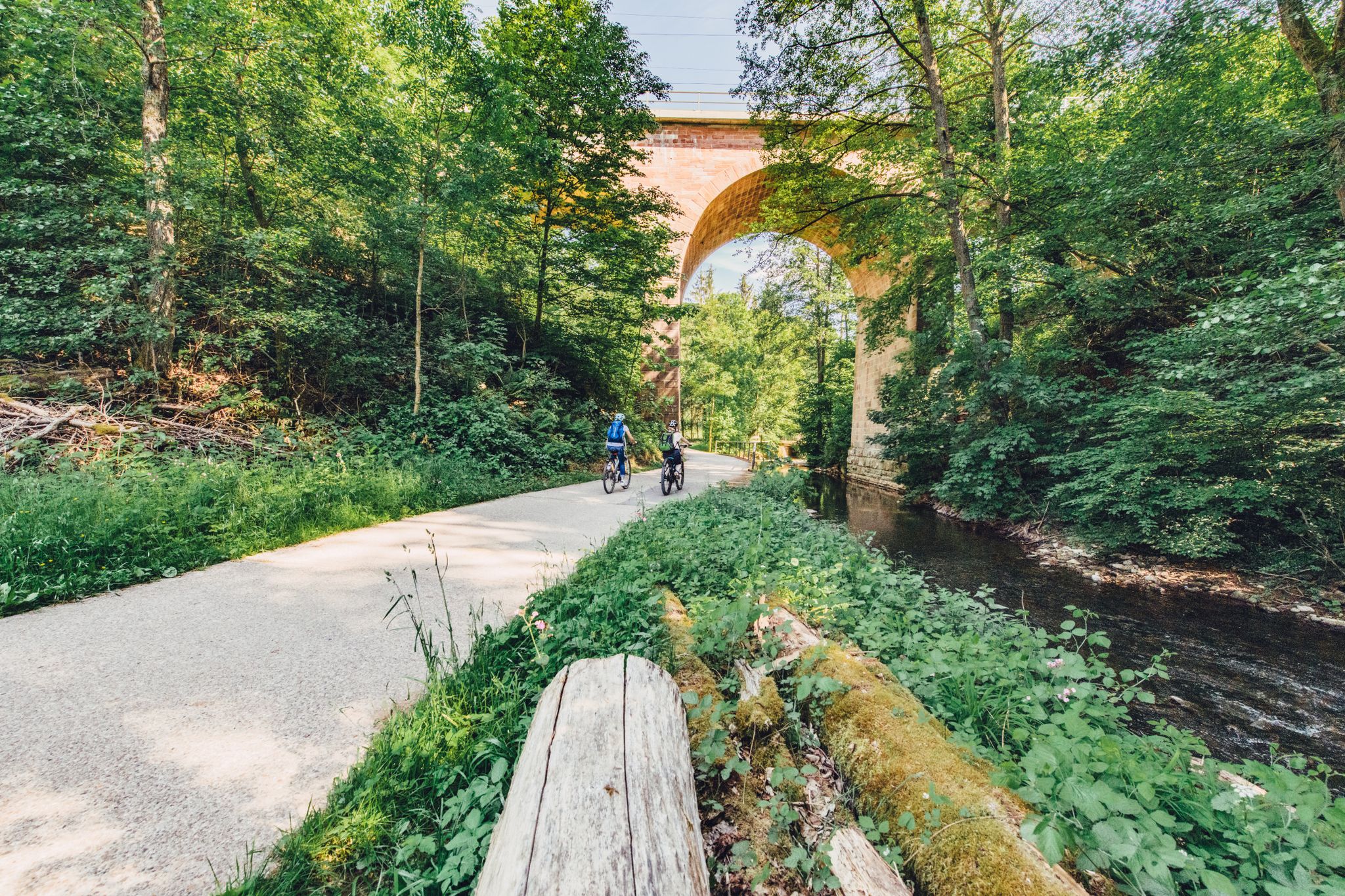
Weekend rides along the Kocher, Jagst and Neckar rivers in Germany
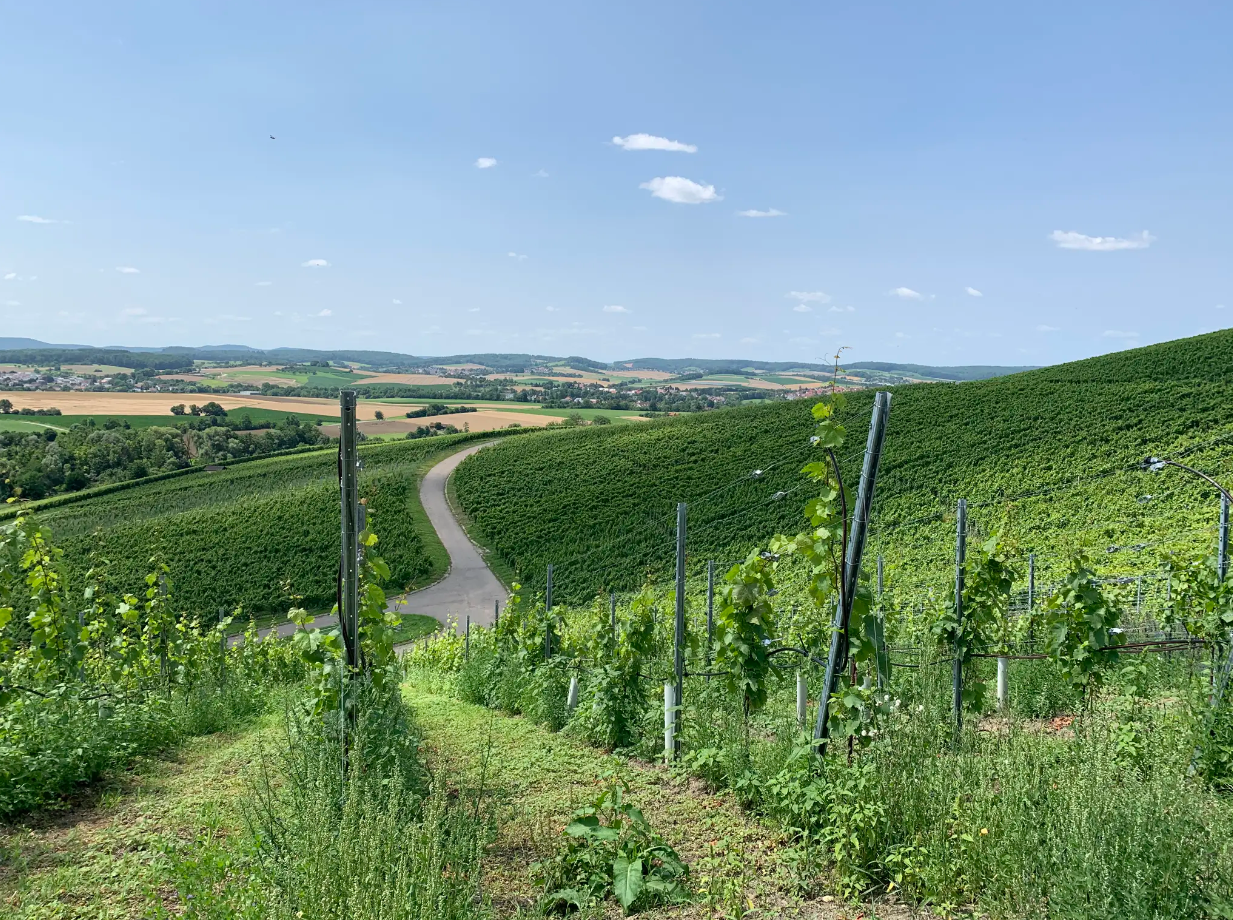
Cycle through vineyards on Germany’s Württemberg Wine Cycle Route
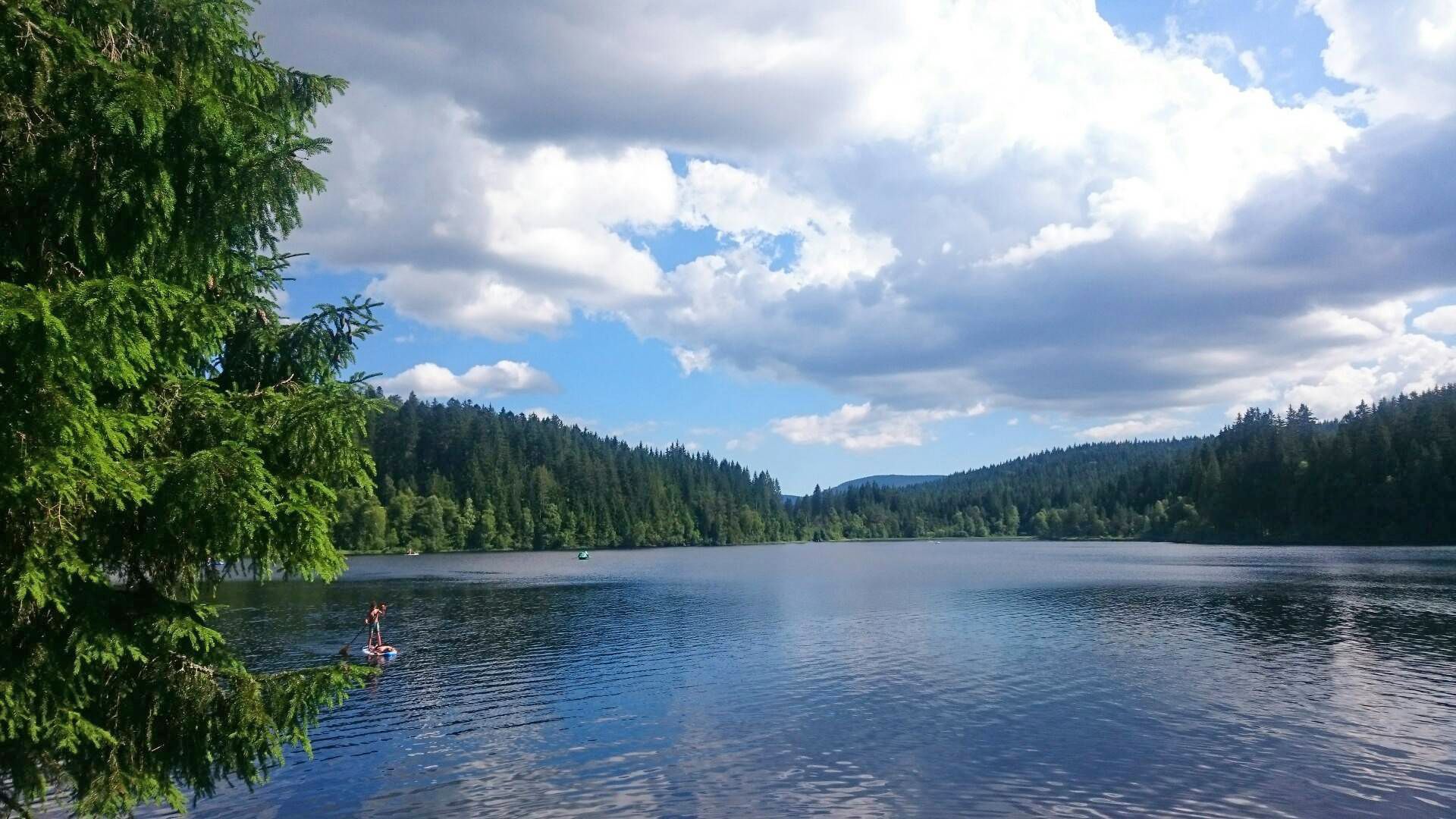
The best swimming lakes in Baden-Württemberg
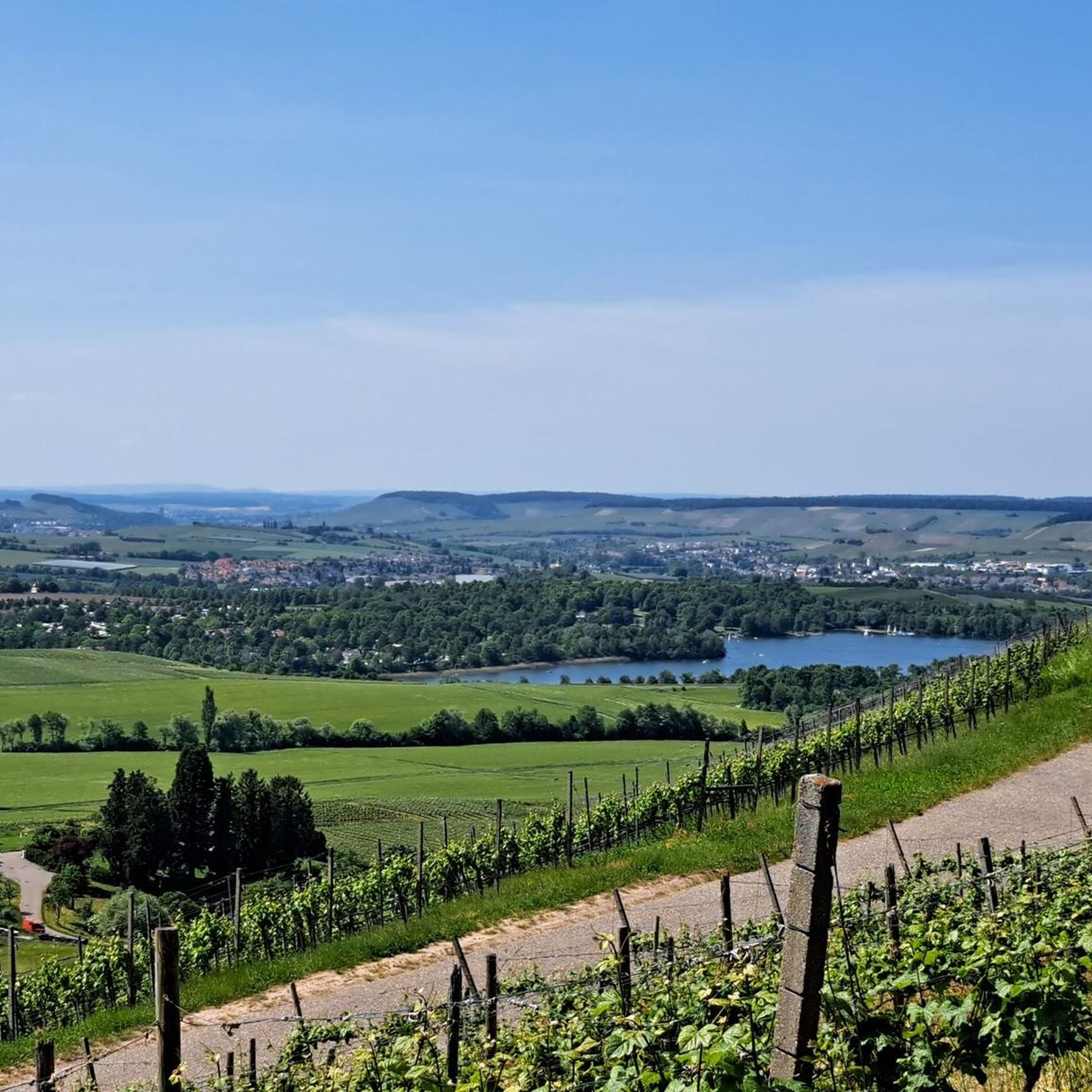
Cycling around Obersulm
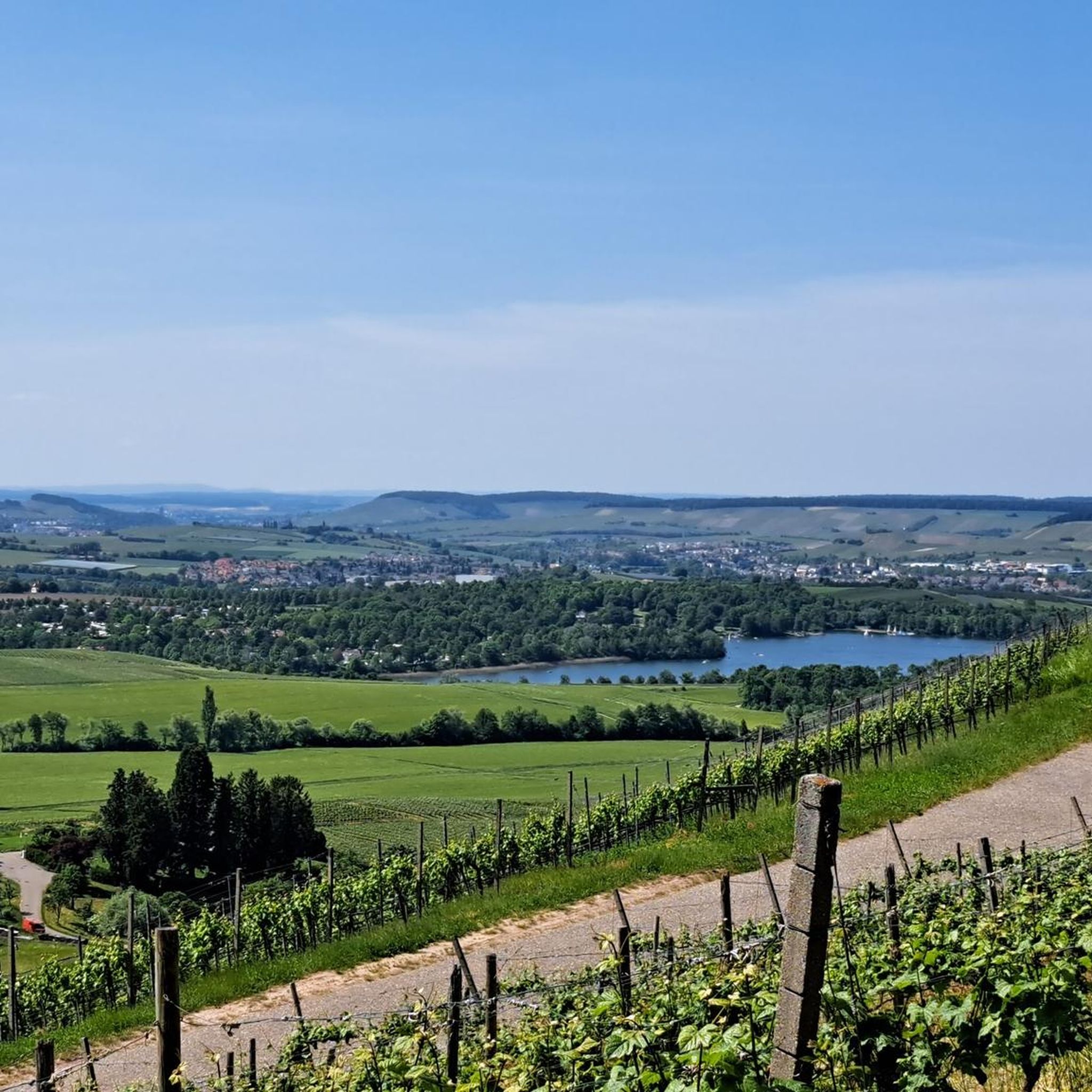
Hiking around Obersulm
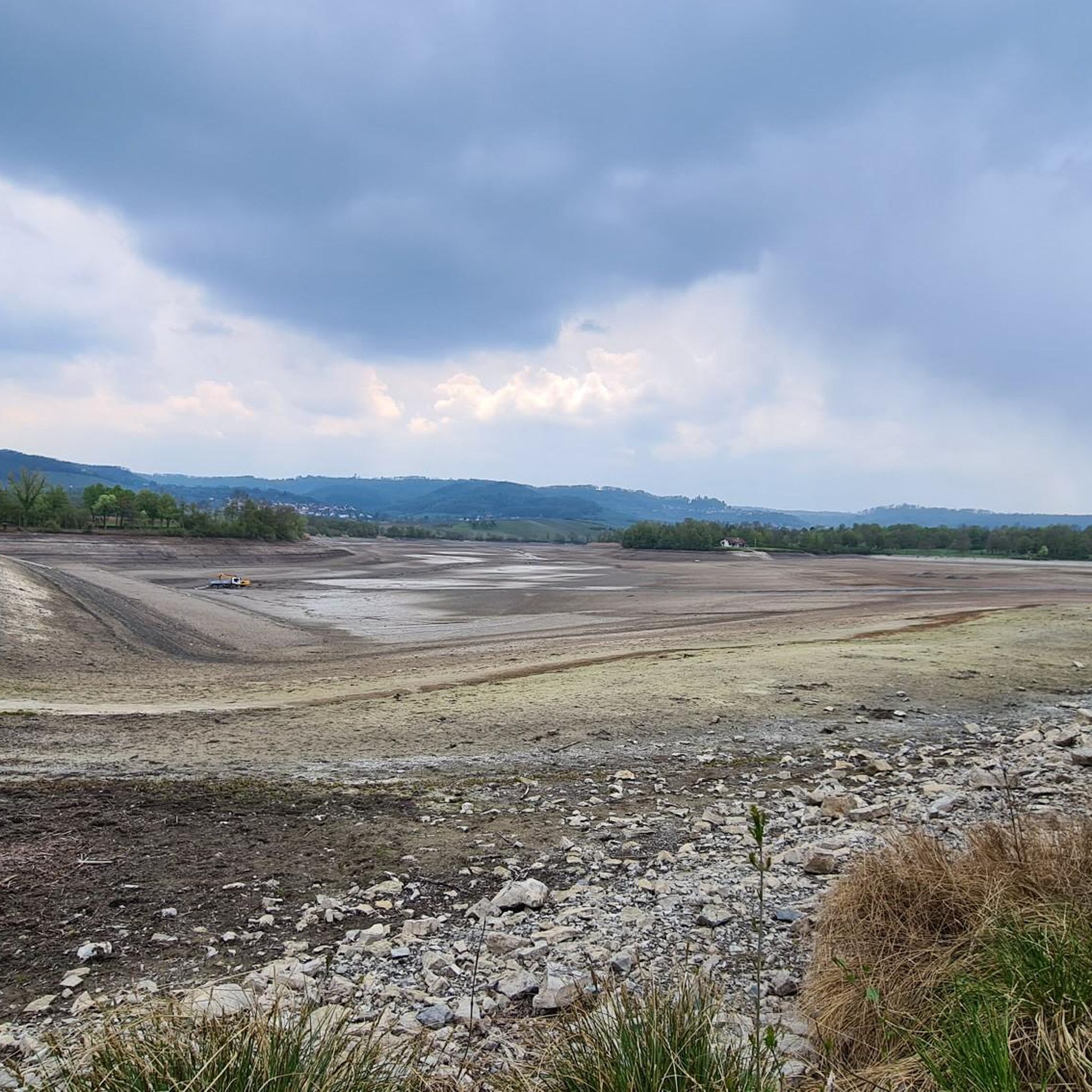
Road Cycling Routes around Obersulm
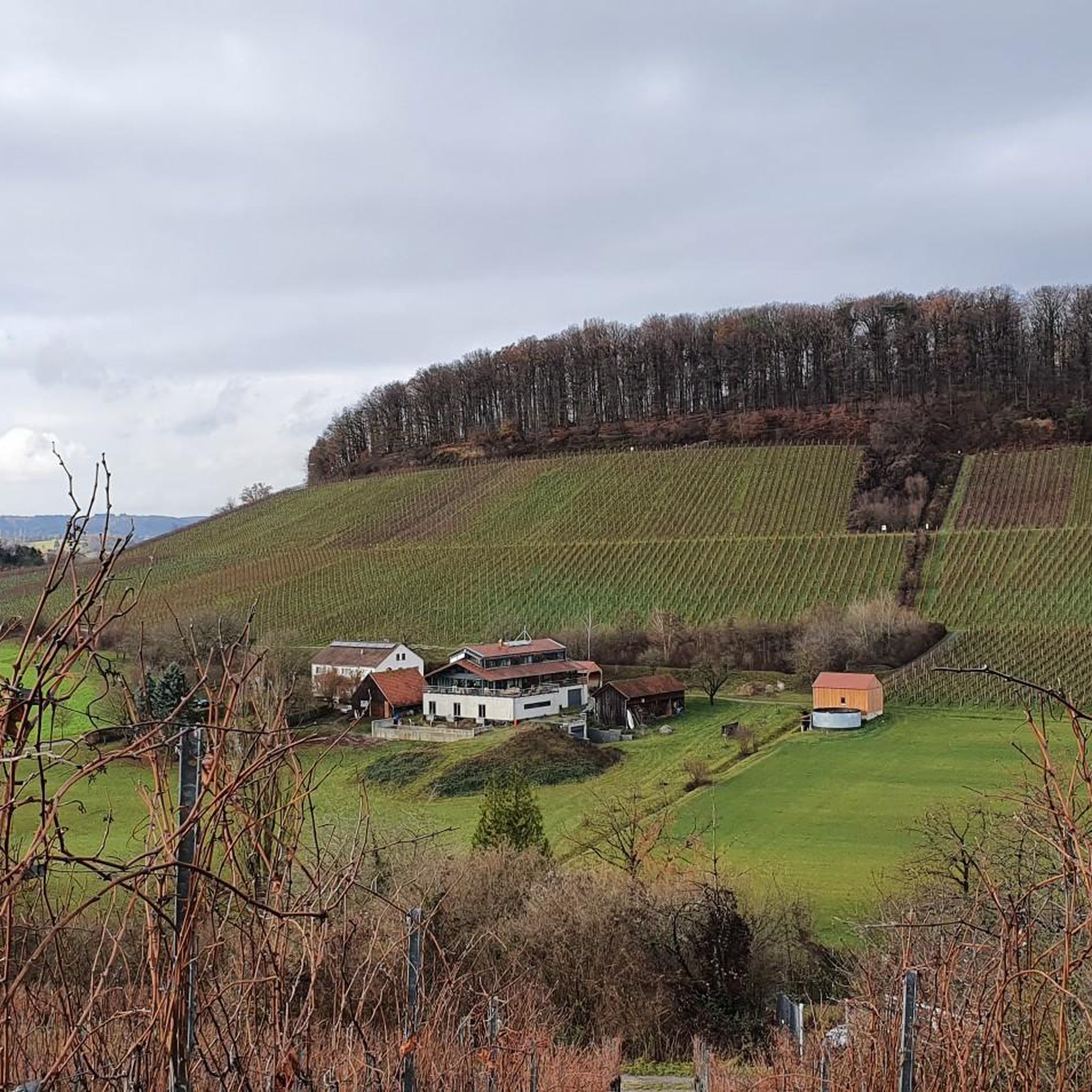
Running Trails around Obersulm
MTB Trails around Obersulm

Gravel biking around Obersulm
Other adventures around Obersulm


Tips from the Community

It's well worth seeing, and I was surprised to find something like this here. Worth a visit
3
0

The Laura Cave was created by "A.V. Brunner in 1860," after whom Victor-Brunner-Straße in Neckarsulm is also named. Named after his daughter Laura, it was probably originally created for operational reasons. The complex, in conjunction with the Scheuerburg Castle, is and has been the setting for several Neckarsulm horror stories. Today, bats live in the caves.
9
0
The Hohle Stein (Hollow Stone) is located in the middle of the Tobel Gorge. It was eroded over millennia and is now a monument to erosion. A small amount of water trickles down from the ceiling of the small grotto throughout the year.
5
0

Imagine hiking through the dense forest on Scheuerberg and suddenly finding yourself in front of the mysterious Laura Cave. This cave isn't just a dark hole in the mountain, it's a true adventure! The northern cave is about 13.5 meters deep—enough to make you feel like a true speleologist, but don't worry, you won't encounter any dragons or lost treasures. The cave was discovered in 1860 by A.V. Brunner and named after his daughter Laura. Perhaps he hoped she would one day become a brave explorer! Today, Laura Cave is a popular destination for hikers and bats, who come there for their own little adventures. So, grab your flashlight and get ready for a fun exploration! Who knows, maybe you'll find a little treasure—or at least a few interesting stories to tell later. 😄
14
0

Hollowed out sandstones with a small trickle of water on the way to a gorge on a very natural path.
3
1

- Entering the tunnel: as part of a "special tour". - A special tour is offered from 10 people (3.00 each). 👷♀️🔦⚒️🪜🧗♂️ - The contact details can be found here; www.wetzsteinstollen.de on the website of the Spiegelberg Tourist Association
1
0

... a cave secured by an iron door, which can only be looked into from the outside. However, one can see enough. To get an impression
2
0

Frequently Asked Questions
What types of caves can I explore around Obersulm?
The Obersulm region offers a variety of cave experiences, from natural erosion monuments like the Hohler Stein Erosion Natural Monument, which features hollowed-out sandstones and a constantly dripping stream, to historical mining tunnels such as Silberstollen Spiegelberg. You can also find natural caves that serve as bat habitats, like Laura Cave.
Are there any historical caves or mining tunnels in the Obersulm area?
Yes, the area has historical sites like the Silberstollen Spiegelberg, an approximately 22-meter-long mining tunnel where attempts were made to find ores or precious metals. Another historical site is the Whetstone Mine, a unique tunnel where sandstone was quarried for whetstone production until 1922.
Which caves are suitable for families or beginners?
For families and beginners, the Hohler Stein Erosion Natural Monument offers an accessible experience with beautiful rock formations and a small stream. The Laura Cave is also a popular destination for hikers, providing a sense of exploration without requiring advanced caving skills. Remember to bring a flashlight for the Laura Cave.
Can I explore the caves on my own, or are guided tours available?
Many natural formations like the Hohler Stein Erosion Natural Monument and Laura Cave can be explored independently. However, access to the Whetstone Mine is typically through special guided tours, which are offered for groups. Contact the Fremdenverkehrsverein Spiegelberg e.V. for arrangements.
What natural features make the Hohler Stein Erosion Natural Monument unique?
The Hohler Stein Erosion Natural Monument is characterized by impressive hollowed-out sandstones with a small stream running through them. It's an erosion monument, shaped by water over millennia, with water still dripping from the ceiling year-round. The site also features a 5-meter waterfall into a wide rock basin and is particularly striking in winter with icicles.
What should I know before visiting Laura Cave?
The Laura Cave is located in a dense forest on Scheuerberg. The northern section is about 13.5 meters deep. It's a popular spot for hikers and also serves as a habitat for bats. Visitors are encouraged to bring a flashlight for exploration. The cave was discovered in 1860 and named after A.V. Brunner's daughter.
Is the Lumpenloch Cave accessible to visitors?
The Lumpenloch Cave is secured with an iron door, allowing visitors to look inside from the exterior. While full entry is restricted, you can still get an impression of the cave from the outside. It also serves as a bat roost and historically provided shelter during wartime.
What outdoor activities can I combine with a visit to the caves?
The Obersulm region offers various outdoor activities. You can find numerous hiking trails, including easy loops around Lake Breitenauer or moderate routes like the Stone Sofa – Bern Lake loop. For cyclists, there are MTB trails, and running trails are also available, such as the Lake Breitenau loop.
Are there hiking trails that lead to these caves?
Yes, many caves are integrated into hiking routes. For instance, a footpath with stairs and footbridges leads from the Hohler Stein Erosion Natural Monument through the Tobel Gorge. The Laura Cave is also a popular destination for hikers in the dense forest on Scheuerberg. You can find more hiking options in the Hiking around Obersulm guide.
When is the best time of year to visit the caves around Obersulm?
The caves can be visited year-round. The Hohler Stein Erosion Natural Monument is particularly impressive in winter when adorned by icicles. However, for general exploration and combining with hiking, spring to autumn offers pleasant weather. Keep in mind that some caves, like Laura Cave, serve as bat habitats, so be mindful of their presence, especially during hibernation periods.
What should I wear when visiting the caves?
When visiting the caves, it's advisable to wear sturdy shoes suitable for uneven terrain, as paths can be natural and potentially slippery. Layers of clothing are recommended as cave temperatures can be cooler than outside, even in summer. For caves like Laura Cave, bringing a flashlight is essential for better visibility.
What geological features are prominent in the Obersulm caves?
The caves around Obersulm primarily showcase geological features related to sandstone formations and water erosion. The Hohler Stein Erosion Natural Monument is a prime example of hollowed-out sandstones shaped by millennia of water flow. The region's Stubensandstein formation, with its varying layers of sandstone and claystone, facilitates the creation of these unique niche and cave formations.
Most popular routes around Obersulm
Most popular attractions around Obersulm

Get inspired with the komoot mobile app


Explore more
Extend your search for the best caves by checking out these guides of the top ones around Obersulm:
