Top 5 Caves around Lahnau
Best caves around Lahnau offer access to various underground sites, including former mining tunnels and historical air-raid shelters. These locations provide insights into both natural geological formations and human activity. The region's underground attractions are notable for their historical and educational value, particularly regarding mining and wartime history.
Best caves around Lahnau
- The most popular caves is Slate quarry near Königsberg, a historical site that was a small roofing slate mine maintained around 1885. This site offers a glimpse…
Last updated: June 26, 2026
Slate quarry near Königsberg
Highlight • Historical Site
Translated by Google •
Tip by

Jäger Memorial and Hausertor Tunnel Wetzlar
Highlight • Monument
Information is available from the tourist information office on Domplatz.
The memorial commemorates the former armored infantry battalion 133.
Translated by Google •
Tip by

Sign up now to discover places like this
Get recommendations on the best single tracks, peaks, & plenty of other exciting outdoor places.
Sign up for free
Emergency Exit of the Air-Raid Shelter Tunnel (Taunus)
Highlight • Historical Site
These tunnels and bunkers continued to be used by the Bundeswehr after the World War. The high …
Translated by Google •
Tip by

Tunnel entrance of the Hainau mine
Highlight • Historical Site
Translated by Google •
Tip by
Tunnel entrance of Neuer Stollen
Highlight • Cave
Translated by Google •
Tip by
Start today with a free account
Your next adventure awaits.
Login or Signup

Tips from the Community

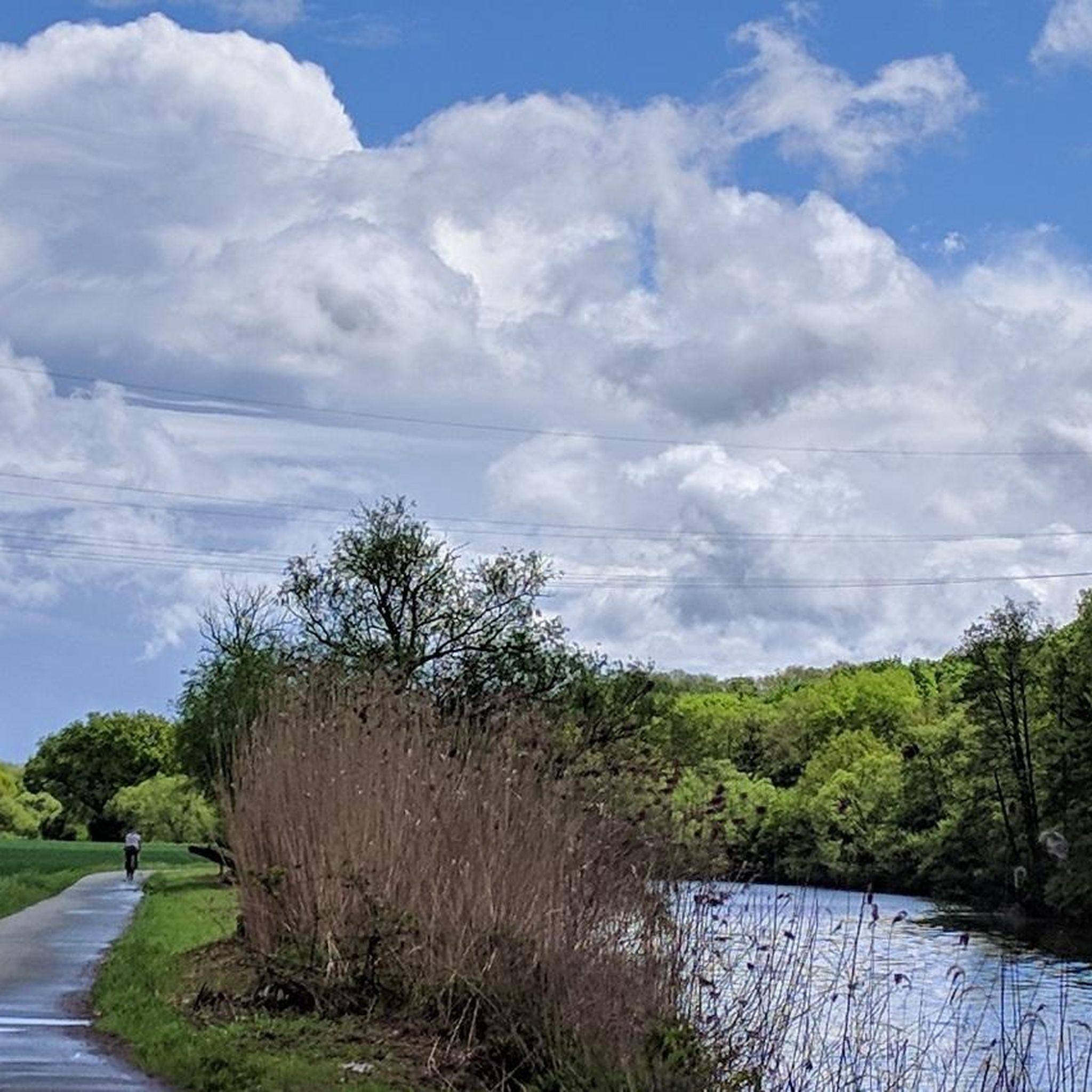
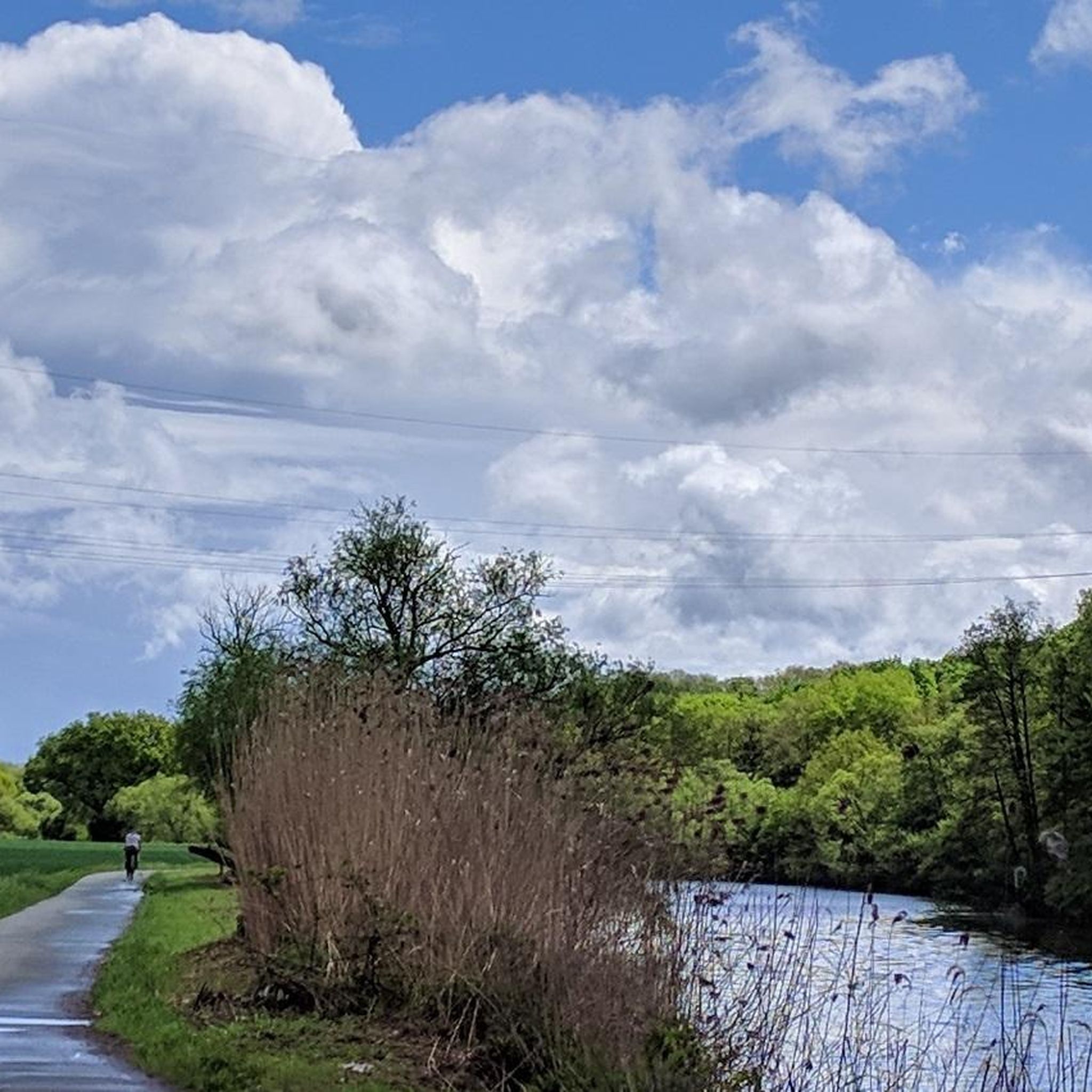
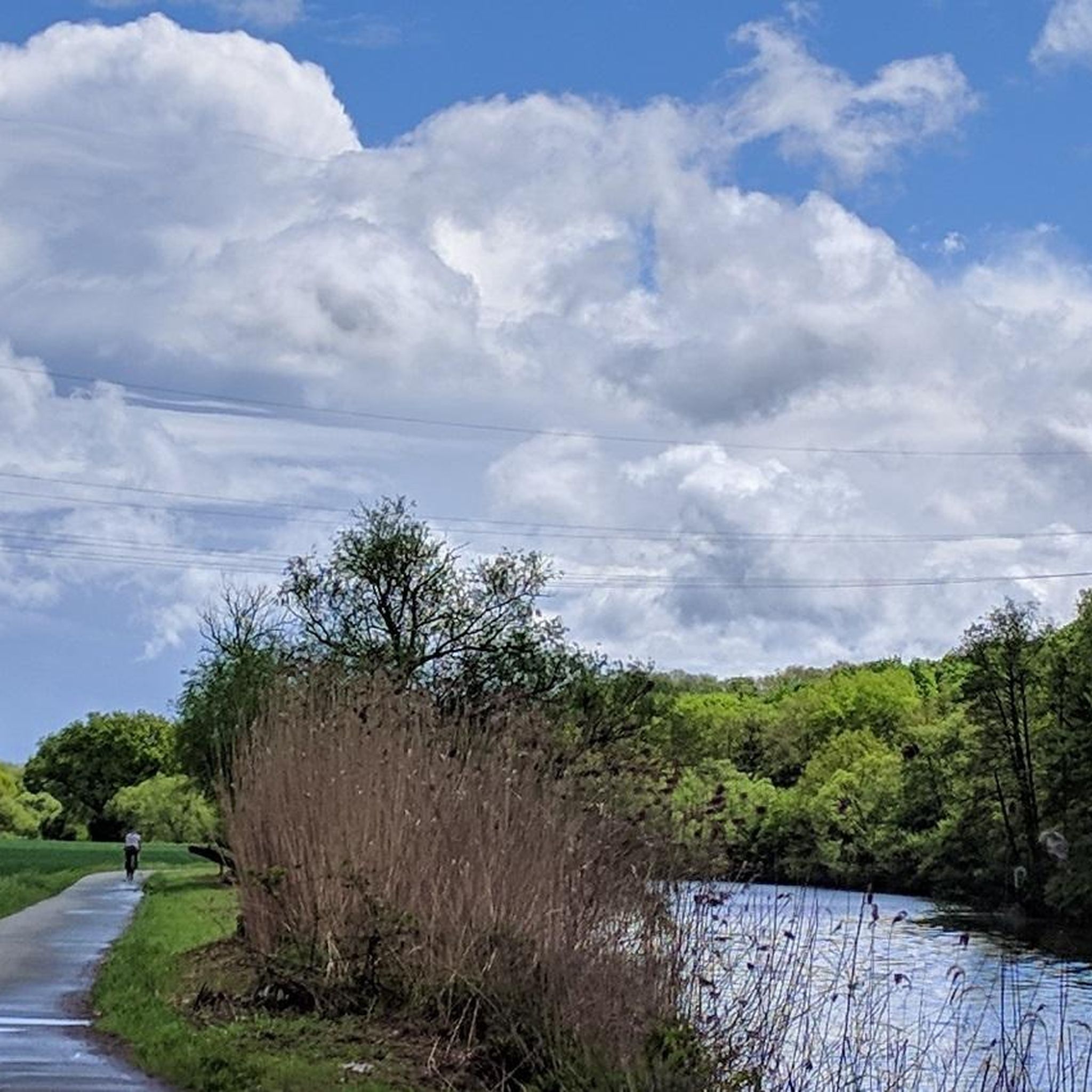
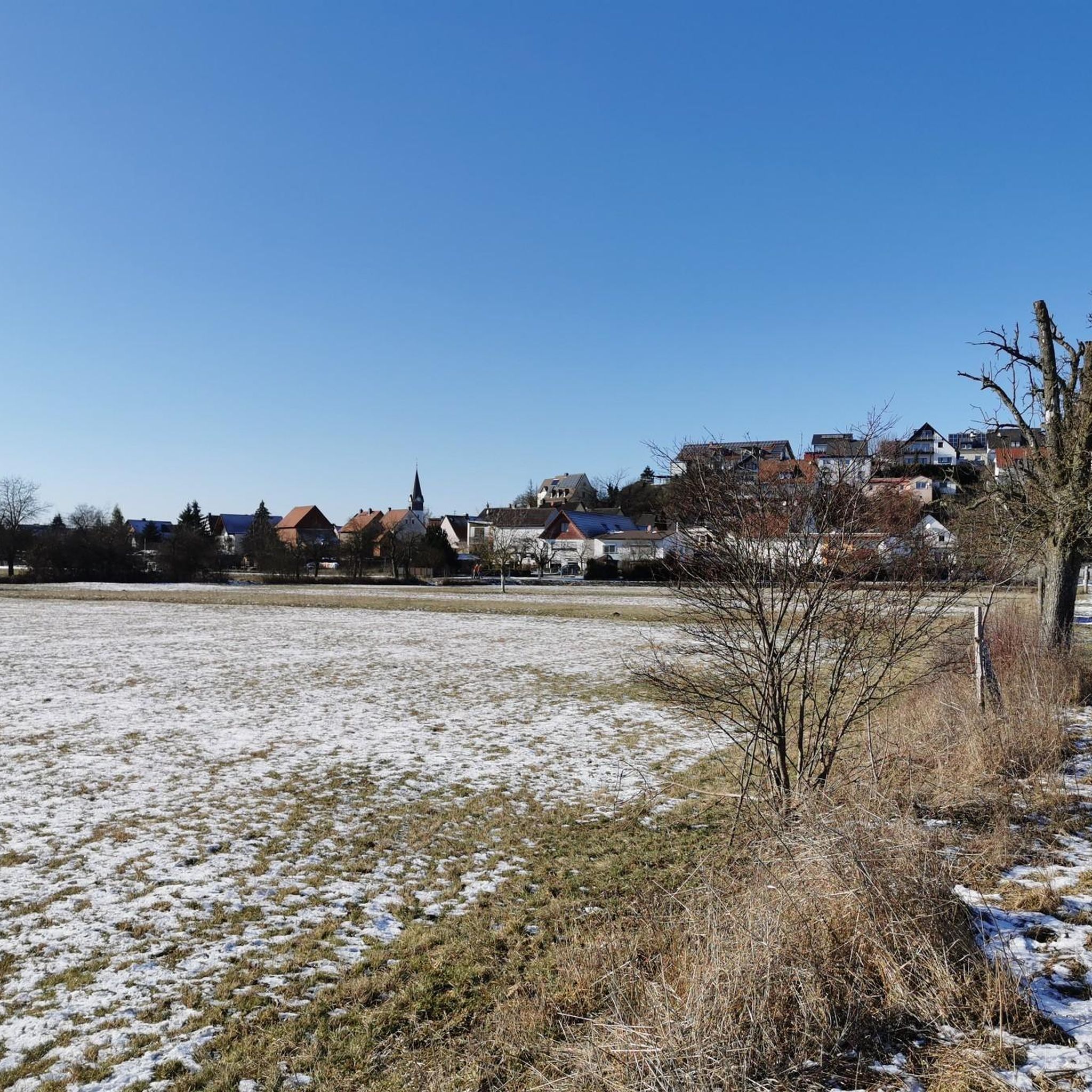
Here you have a good view of the Dünsberg.
0
0
Beautiful monument right in front of the mine entrance.
0
0

At the beginning of the 1920s, a movement arose in the city to erect a memorial commemorating the Rhenish Jäger Battalion, stationed in Wetzlar until 1877. In 1923, the site in front of the Hausertor Tunnel was agreed upon. In July of that year, Prof. Fritz Klimsch, commissioned by the Monument Committee as the executing artist, traveled from Berlin to inspect the site. The sculptor, who came from a Frankfurt family of artists and had been appointed professor in Charlottenburg in 1921, was one of the most sought-after sculptors of memorials since the turn of the 20th century. As an allegory of the hunters, Klimsch designed a 1.75 m high stag, cast in bronze and placed on a 1 m high shell limestone base. This base was manufactured by the Wetzlar building contractor Johann Georg Müller. https://www.deutsche-digitale-bibliothek.de/item/CV5Y7TI2RQTT75TCW6Z3CWUHXW6C4JUI
2
0

The Jägerdenkmal, built in 1877, commemorates the Rhenish Jäger Battalion. It is also an established meeting point for city tours.
0
0

The monument was erected in memory of the Rhenish Jäger Battalion, which was stationed in Wetzlar until 1877. The Frankfurt-born sculptor Professor Fritz Klimsch created the monument in 1923 based on the battalion's coat of arms and as an allegory of the hunters. The 1.75-meter-tall bronze stag sits enthroned on a shell limestone base, which was created by the Wetzlar building contractor Johann Georg Müller.
1
0

Great memorial and remembrance of the dead
2
0

The optical industry produced in the caves during the war years. Hensoldt, today Zeiss, was and is a defense company and therefore a bomber target
2
0

The Hainau mine was operated sporadically from 1860 to 1915. River iron stone with an iron content of 25% was mined. In 1869 an extraction tunnel with a length of 260 meters was added. The pit is also known for fossils, a quartzite stone ax and flint knives. The tunnel mouth was piped and closed with a grid. The pit area is cordoned off by a wire rope.
0
0
Frequently Asked Questions
What kind of underground sites can I explore around Lahnau?
The 'caves' around Lahnau are primarily historical sites, including former mining tunnels, air-raid shelters from World War II, and old quarries. These locations offer a unique glimpse into the region's industrial heritage and wartime history, rather than natural geological cave systems.
What historical significance do the underground sites around Lahnau hold?
The sites around Lahnau are rich in history. You can explore former mining operations like the Slate quarry near Königsberg, which was a roofing slate mine, or the Tunnel entrance of the Hainau mine, where river iron stone was extracted. There are also remnants of World War II, such as the Emergency Exit of the Air-Raid Shelter Tunnel (Taunus), which was part of a larger bunker system.
Are there any geological formations or natural features to see in these underground sites?
While many sites are man-made, some offer geological interest. For instance, the Tunnel entrance of the Hainau mine is known for fossils, a quartzite stone ax, and flint knives found in the area. The region's mining history itself is tied to the local geology, such as the extraction of river iron stone and roofing slate.
Which sites offer insights into the region's mining past?
Several sites highlight Lahnau's mining heritage. The Slate quarry near Königsberg was a small roofing slate mine. The Tunnel entrance of the Hainau mine was used for river iron stone extraction. Additionally, the Tunnel entrance of Neuer Stollen leads to a former mining tunnel, with remnants of the Briel tunnel and Abendstern pit colliery building nearby.
Can I visit sites related to World War II history?
Yes, you can visit the Emergency Exit of the Air-Raid Shelter Tunnel (Taunus). This site is part of one of two air-raid shelters from World War II, which were later used by the Bundeswehr. The Jäger Memorial and Hausertor Tunnel Wetzlar also served as a large protective bunker during the war, where optical industries produced goods.
Are the underground sites around Lahnau generally accessible for visitors?
Accessibility varies by site. For example, the Hausertor Tunnel Wetzlar is open for visits, and information can be obtained from the tourist information office on Domplatz. Other sites, like the Tunnel entrance of the Hainau mine, may have their entrances piped and closed with a grid, and the pit area cordoned off. It's advisable to check with local tourist information for specific access requirements.
What is the best time of year to visit the underground sites in Lahnau?
Many of these sites, being underground, can be visited year-round. However, if you plan to combine your visit with outdoor activities like hiking or cycling in the surrounding area, spring to autumn (April to October) generally offers the most pleasant weather conditions. Some tunnels, like the Tunnel entrance of Neuer Stollen, are used by bats, so be mindful of potential seasonal closures or restrictions to protect wildlife.
What should I wear when visiting the underground sites in Lahnau?
When exploring underground sites, it's recommended to wear sturdy, closed-toe shoes with good grip, as surfaces can be uneven or damp. Dress in layers, as temperatures underground can be cooler than outside, even in summer. A headlamp or flashlight can also be useful for darker sections.
Are there family-friendly underground sites in Lahnau?
Yes, the Jäger Memorial and Hausertor Tunnel Wetzlar is considered family-friendly. It offers an accessible way to learn about the region's history, including its role as a protective bunker during WWII.
What outdoor activities can I do near these underground sites?
The Lahnau region offers various outdoor activities. You can find numerous routes for gravel biking, mountain biking, and running. For gravel biking, explore routes like the 'Lahn Riverside Trail' or the 'Aartalsee circular route' detailed in the Gravel biking around Lahnau guide. Mountain bikers can check out trails like 'View of Dünsberg' in the MTB Trails around Lahnau guide. Runners can find routes along the Lahn River in the Running Trails around Lahnau guide.
Are there hiking trails that incorporate these underground sites?
While specific circular walks directly incorporating all underground sites might require local inquiry, many of these historical locations are situated within areas popular for hiking. You can plan your own routes to visit sites like the Tunnel entrance of Neuer Stollen, which is often part of local walking loops, and then connect to nearby hiking trails. Check the komoot guides for Gravel biking around Lahnau or MTB Trails around Lahnau for routes that might pass close to these historical points.
What do visitors enjoy most about the underground sites in Lahnau?
Visitors appreciate the unique historical insights these sites provide, from the region's mining past to its role in World War II. The opportunity to explore man-made tunnels and learn about local heritage is a significant draw. The Jäger Memorial and Hausertor Tunnel Wetzlar, for example, is valued for its historical context and accessibility.
Most popular routes around Lahnau
Most popular attractions around Lahnau

Get inspired with the komoot mobile app


Explore more
Extend your search for the best caves by checking out these guides of the top ones around Lahnau:
