Top 8 Castles around Kötschach-Mauthen
Best castles around Kötschach-Mauthen are situated in the Gailtal valley, a region known for its historical significance and mountainous landscape in Upper Carinthia. This area features a blend of natural beauty and architectural heritage, with structures dating back to medieval times. The castles provide insights into past defense strategies and regional development.
Best castles around Kötschach-Mauthen
- The most popular castles is Castello Valdajer, a castle described as a magical place beneath Monte Paularo. The road to access this site…
Last updated: June 26, 2026
Pittersberg Castle Ruins
Highlight • Castle
Translated by Google •
Tip by

Torre Moscarda
Highlight • Castle
Translated by Google •
Tip by

Sign up now to discover places like this
Get recommendations on the best single tracks, peaks, & plenty of other exciting outdoor places.
Sign up for free
Goldenstein Castle Ruins
Highlight • Castle
Path, mostly along the stream. There are many small waterfalls to see. Can easily be combined with a trip to the climbing and archery hall in St. Daniel (800 m from the starting point)
Translated by Google •
Tip by

Castello Valdajer
Highlight • Castle
Translated by Google •
Tip by

Schloss Stein
Highlight • Castle
Translated by Google •
Tip by

Sign up for free to discover even more castles around Kötschach-Mauthen.
Sign up for free
Already have an account?
Start today with a free account
Your next adventure awaits.
Login or Signup
Popular around Kötschach-Mauthen
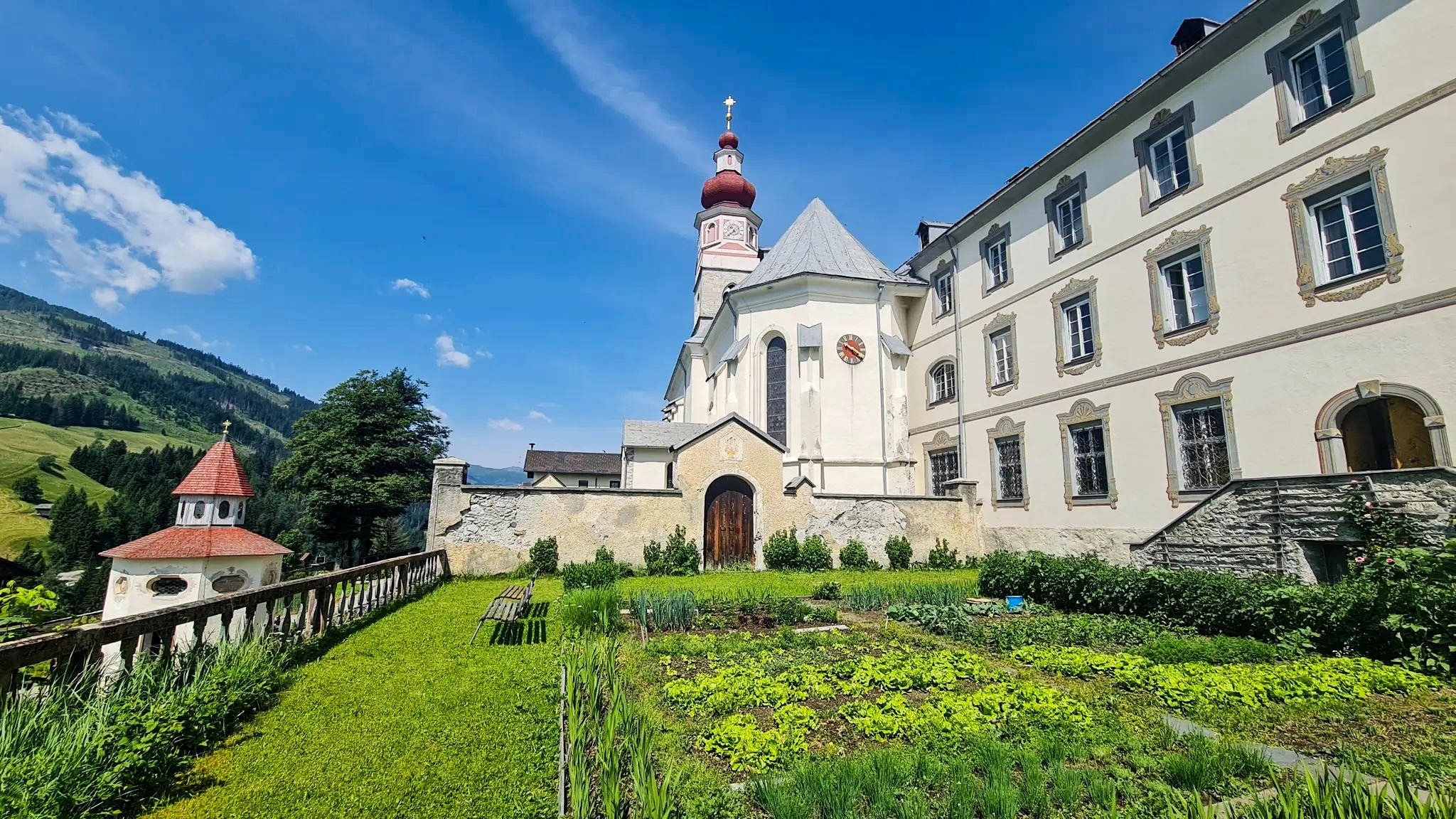
Carinthian Marian Pilgrimage Way – Wonder and find yourself
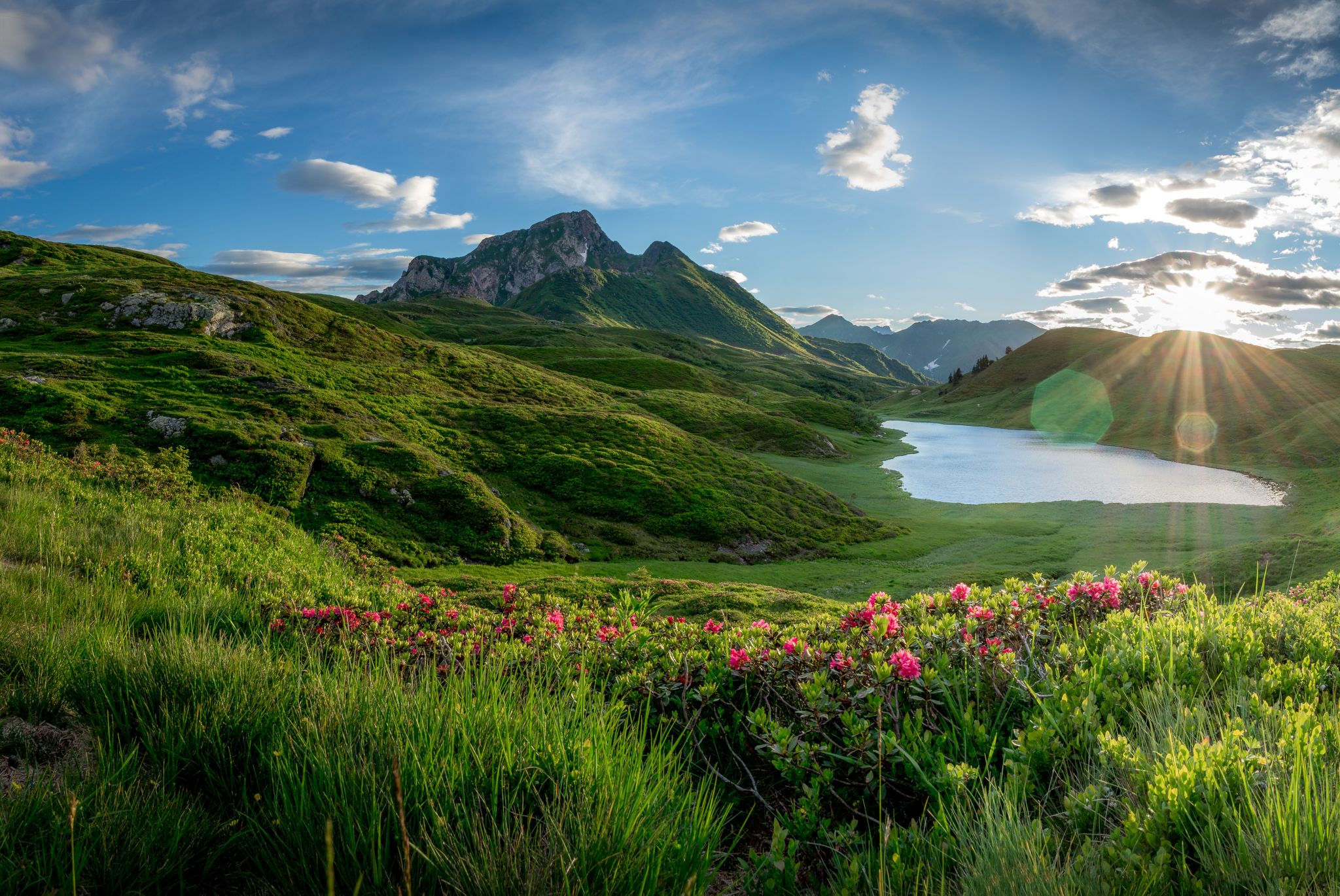
Southern Alpine Trail – Styrian vineyards and the Carnic Alps in Austria
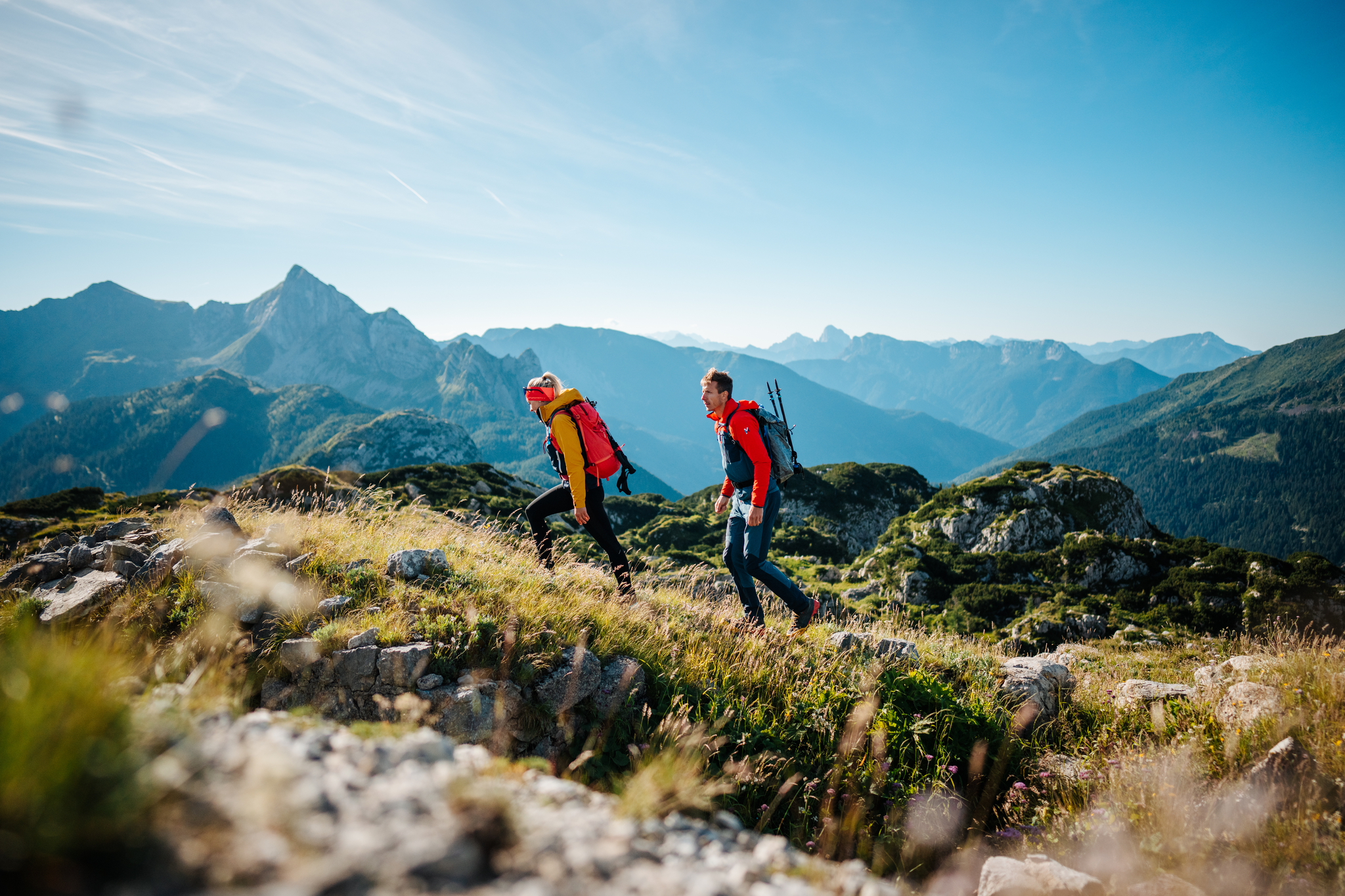
The Milky Way on the Carnic High Route – hiking the alpine cheese dairies
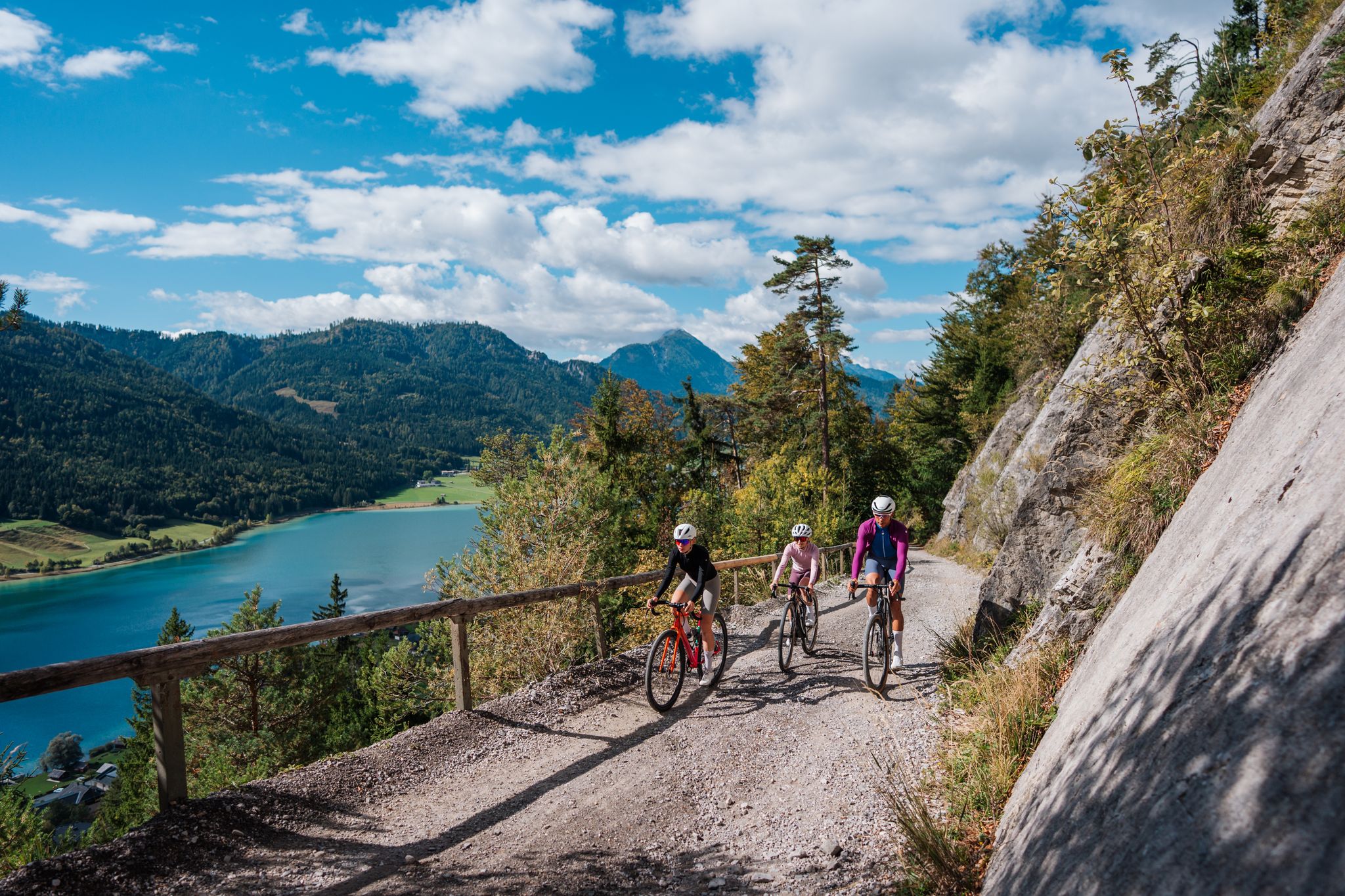
Gravel Carinthia
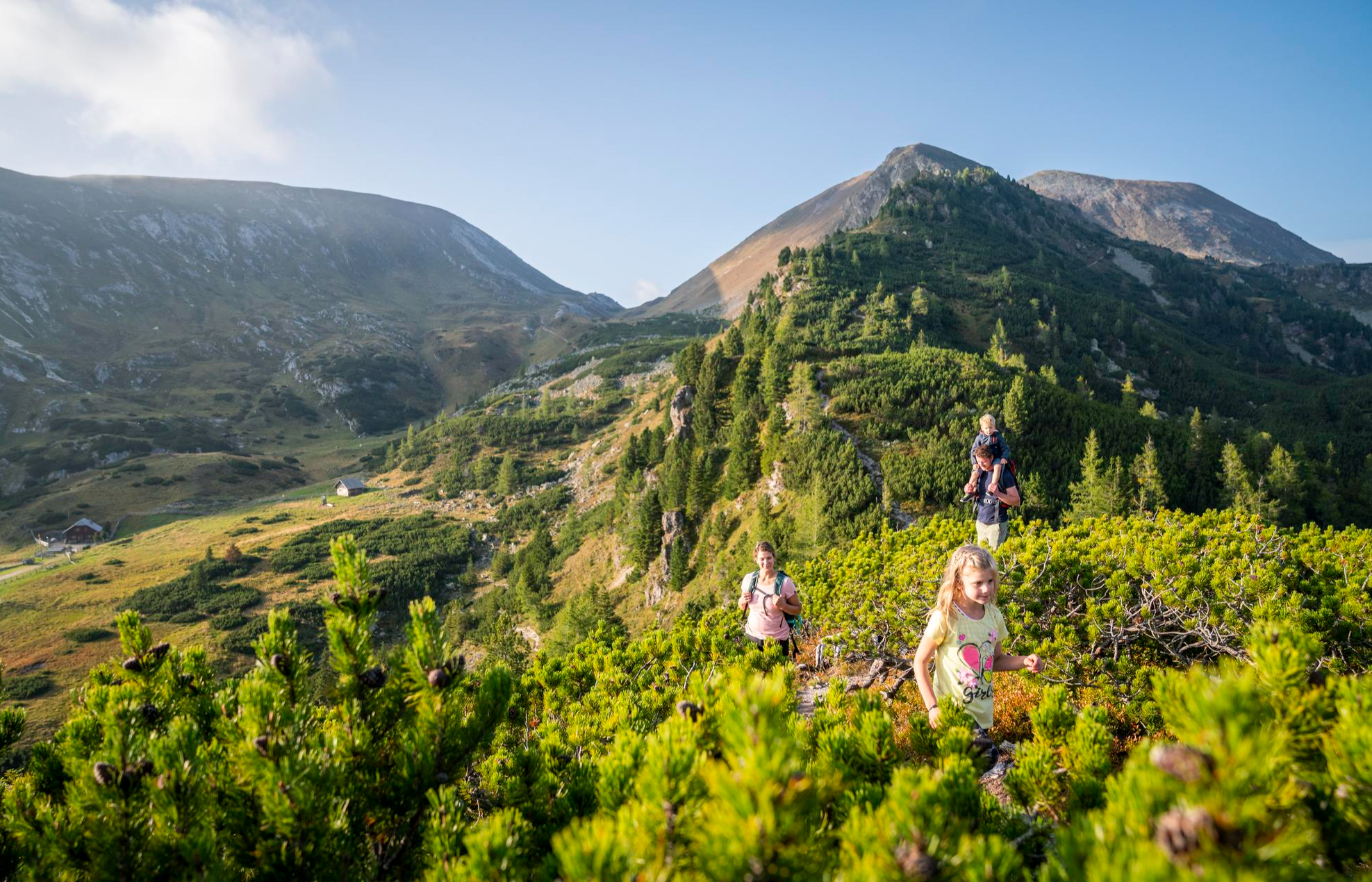
Joyous adventures experienced together – family hiking in Carinthia
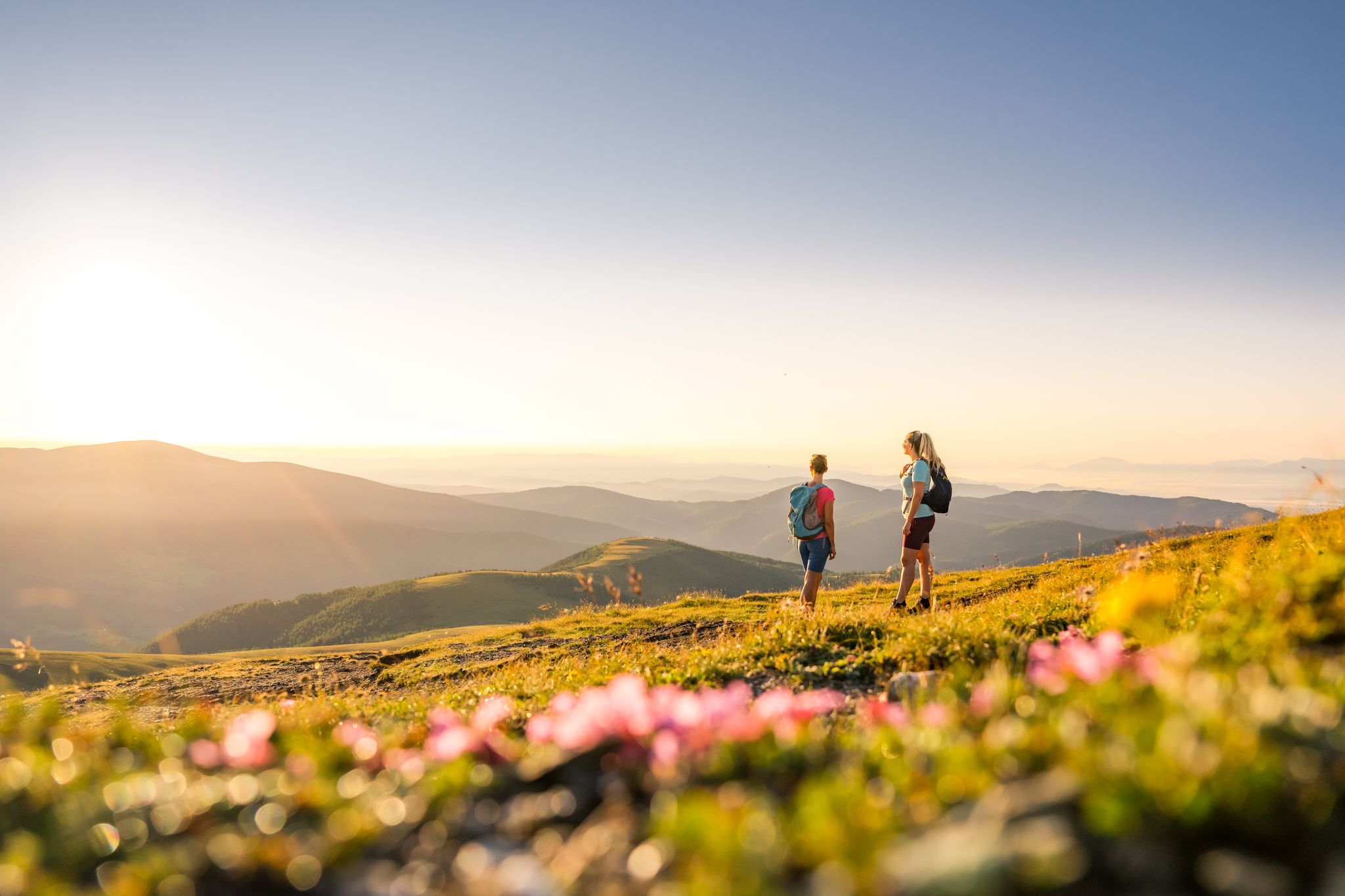
Spectacular and historic – long-distance hiking in Carinthia
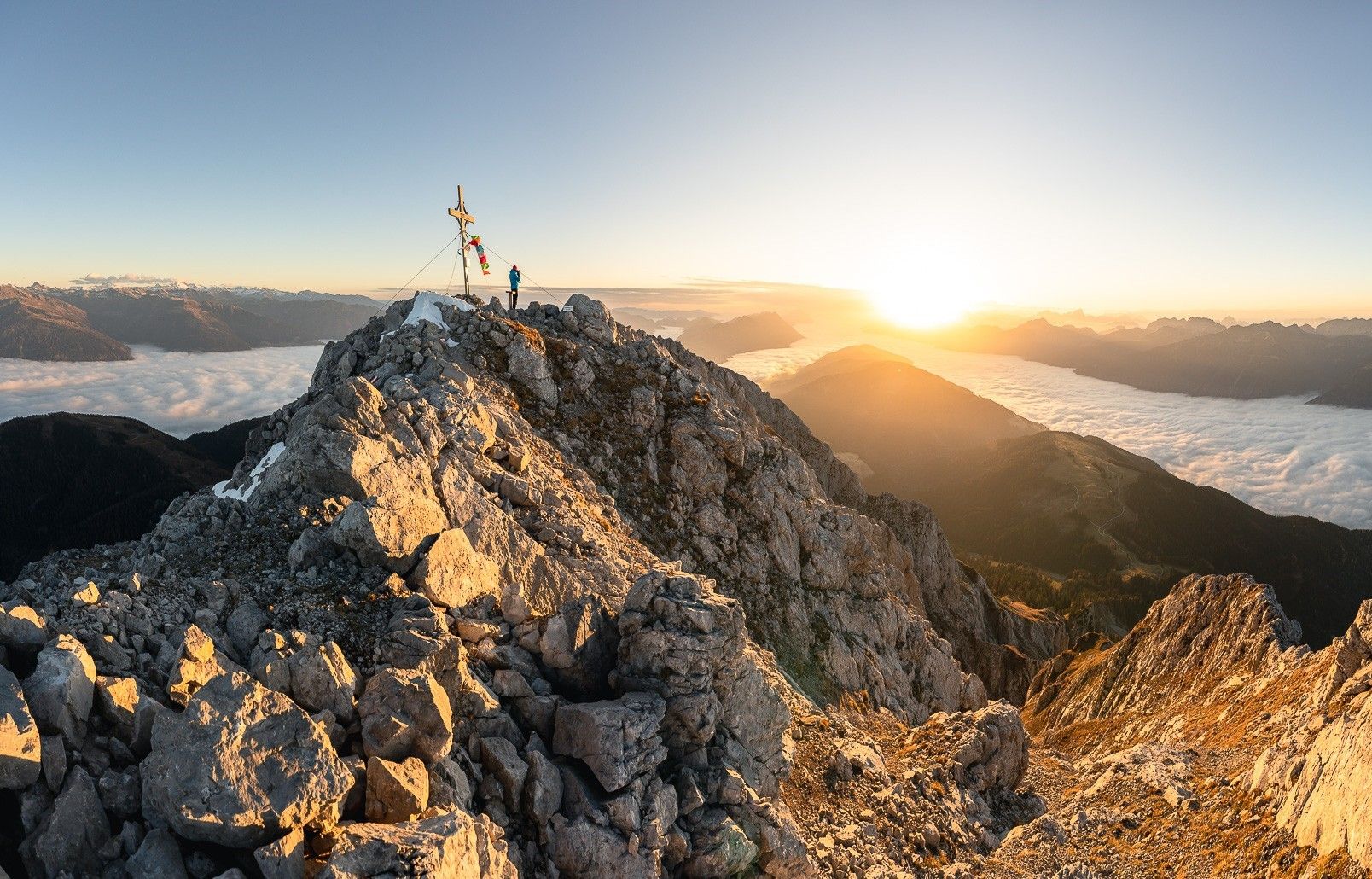
High up on the Gailtaler Höhenweg
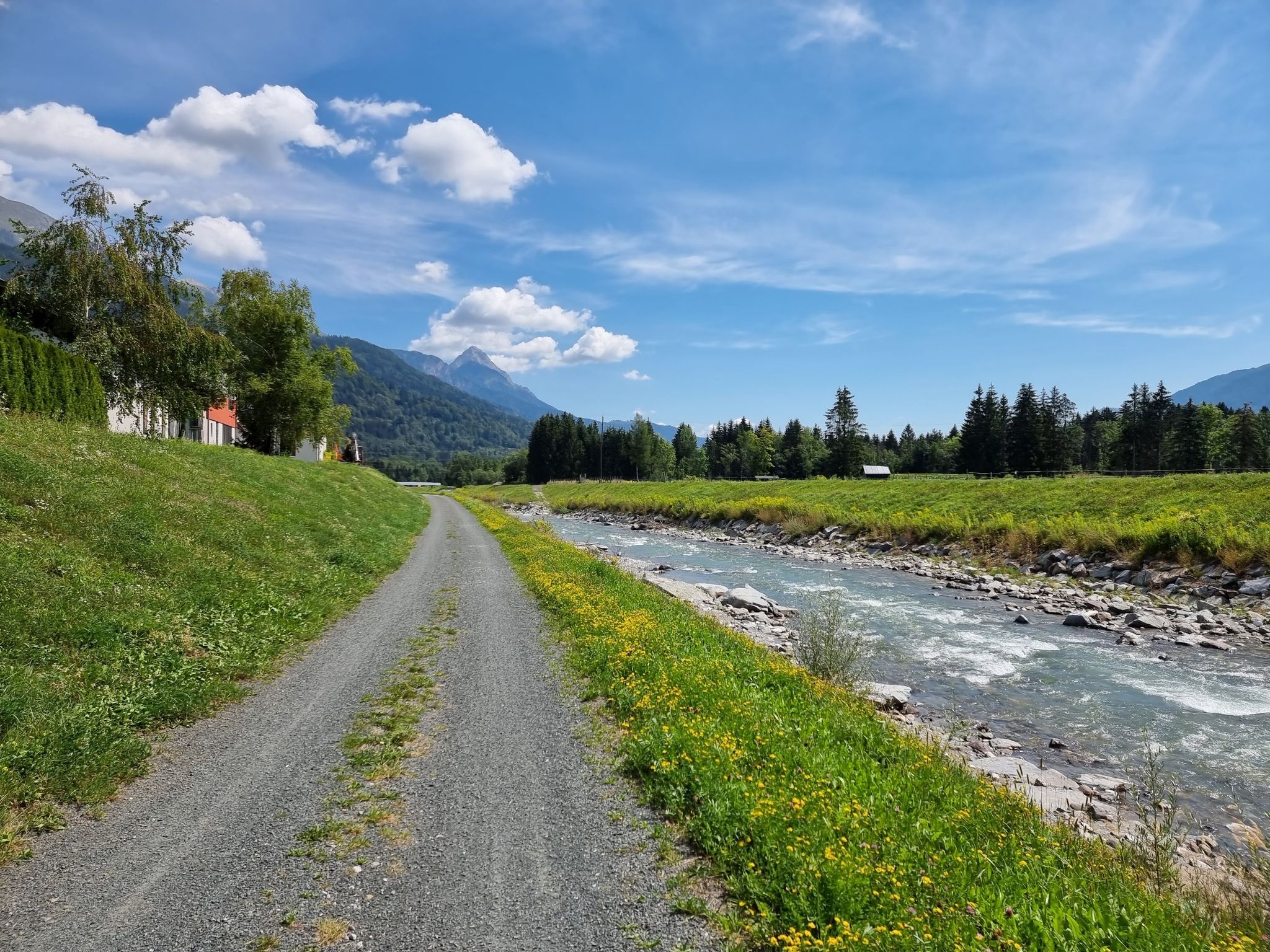
Discover Carinthia in two days on the Gailtal Cycle Path
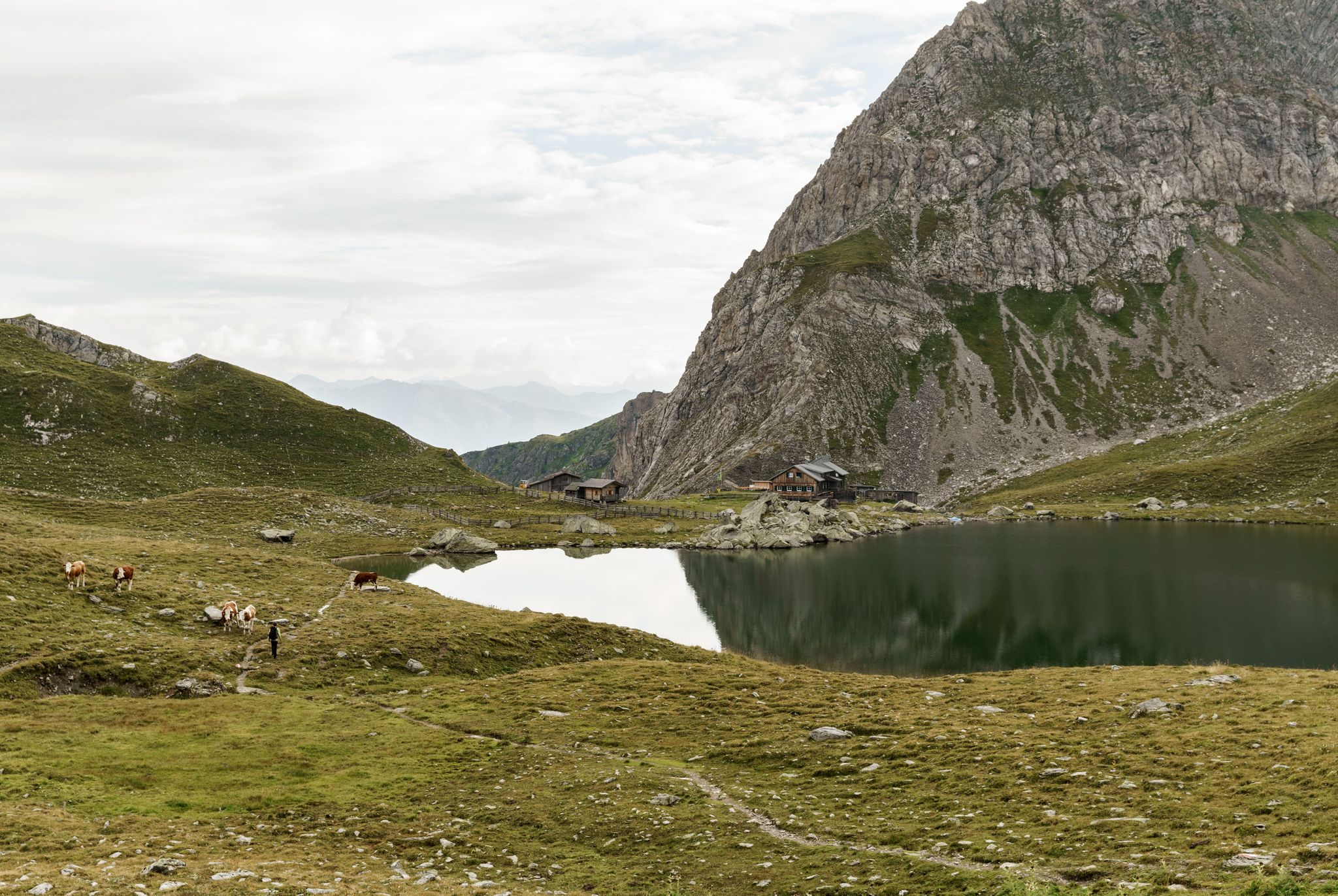
Ridge walking on the Carnic High Trail — Great Walks
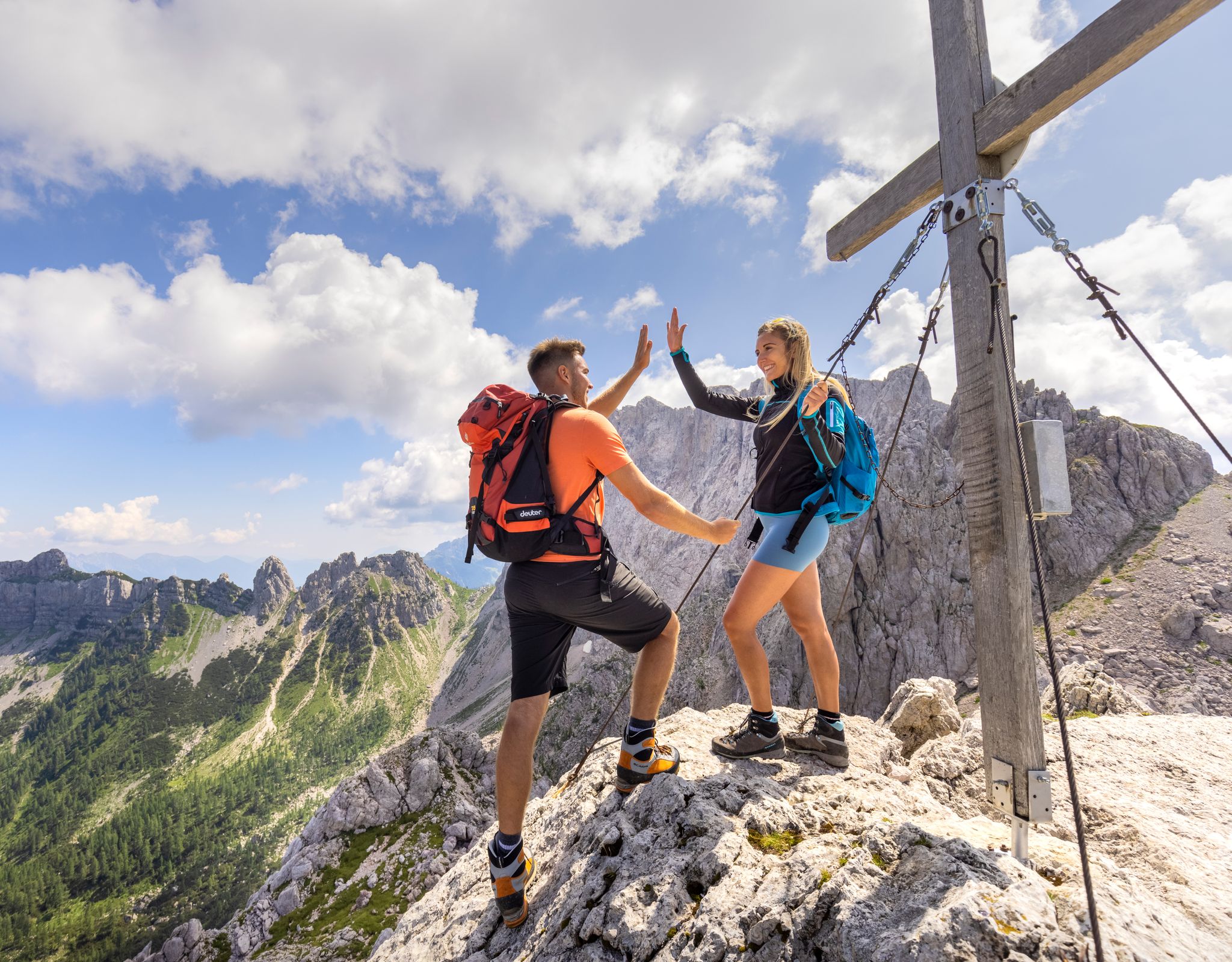
Nassfeld Hike World – Moments of Pure Happiness
Other adventures around Kötschach-Mauthen


Tips from the Community


A beautiful castle beneath Monte Paularo. The road to get there is a bit tricky for a large car or truck. https://explorerfvg.com/luoghi/castelli/castello-valdajer/
0
0

More varied, more exciting, more demanding Path, mostly along the stream. There are many small waterfalls to see. Can easily be combined with a trip to the climbing and archery hall in St. Daniel (800 m from the starting point)
0
0

The Moscarda Tower, dating back to the thirteenth century, is about a kilometer from Paluzza and is located in the locality "Enfretors" (between the towers), a toponym given by the fact that since ancient times there were two towers on the banks of the river Bût: the left one , the Moscarda Tower, still visible and another on the right bank destroyed in the last century (1836). The origins of the Tower are closely connected with the creation of the consular road called "Via Iulia Augusta", which from Aquileia, through the Passo di Monte Croce Carnico, led to Norico. In a short time, thanks to this important road artery, the Bût Valley took on great political, economic and military interest: along the road numerous castellieri were built in correspondence with each other for defense and signaling purposes, one of these was erected on the hill of San Daniele at Casteòns di Paluzza. This Castle, given its slightly low position compared to the top of the hill, was served by lookout towers placed higher up: one of these towers was the Moscarda Tower. Later the Castle of San Daniele, the Moscarda Tower and the other fortifications merged and were called with the name of "Castrum Moscardum". In the Patriarchal period the Castel Moscardo became important for the development of markets and packs: in 1259 the Patriarch Gregorio di Montelongo, in order to provide for the custody of the "Via Iulia Augusta", had a village built in the place commonly known as "Muscardum" which will later become the ancient village of Casteòns; the Moscarda Tower was restored by the patriarch Raimondo della Torre and was subsequently maintained in efficiency in view of the defense against Austria. https://www.archeocartafvg.it/portfolio-articoli/paluzza-ud-la-torre-moscarda/
1
0

The Pittersberg castle ruins are the ruins of a rock castle on an isolated rock cone on the south side of the Gailbergsattel in the north-west of the town of Laas in the market town of Kötschach-Mauthen. Easy hike through geologically very interesting landscape. Kötschach-Mauthen: panoramic circular hiking trail Please choose Hotel Kürschner as your starting point. From there you come to the Einsiedelkirchlein. Then it goes on to Laas in the direction of the "Petrified Tree" via the very steep and narrow Rittersteig to the Pittersberg ruins, where you will find the stamp office. The descent is in a southerly direction along the field paths to Laas. You can go back via the Einsiedelwald or you can choose the main road to Kötschach. There is a post office in Lasa.
0
0

Magical place, only the fairies and elves are missing.
0
0

Stein Castle is a well-preserved rock castle from the Middle Ages on a steeply rising rock south of Irschen in the Upper Drautal
2
0
Frequently Asked Questions
What types of castles can I explore around Kötschach-Mauthen?
The region offers a diverse range of historical sites, including 16th-century Renaissance castles like Schloss Weidenburg, medieval strongholds such as the original Weidenburg Castle Ruins, and ruined rock castles like Pittersberg Castle Ruins. You'll find a mix of well-preserved structures and ancient ruins.
Are there any well-preserved castles in the area?
Yes, Schloss Weidenburg is a prominent 16th-century Renaissance castle featuring a three-story design with round corner towers and armorial wall paintings from 1648. Schloss Stein is another well-preserved rock castle from the Middle Ages.
Which castle ruins are worth visiting for their historical significance?
The Weidenburg Castle Ruins, dating back to the 12th century, were once crucial for controlling the Gailtal valley. Although mostly decayed, remnants of a four-story rectangular palace and a square keep are still visible. Pittersberg Castle Ruins, first documented in 1252, also offer a glimpse into medieval times with remains of a Romanesque keep and curtain wall.
Can I combine a castle visit with a hike?
Absolutely. Pittersberg Castle Ruins are accessible via an easy hike through a geologically interesting landscape. The path to Goldenstein Castle Ruins largely follows a stream, offering views of multiple small waterfalls. For more hiking options, explore the hiking routes around Kötschach-Mauthen.
What natural features can I see near the castles?
Near Goldenstein Castle Ruins, you can enjoy a path alongside a stream with many small waterfalls. The hike to Pittersberg Castle Ruins offers scenic views of the surrounding landscape from its perch on an isolated rock cone.
Are there any castles with unique architectural features?
Schloss Weidenburg stands out with its 16th-century Renaissance architecture, featuring a striking three-story design and round corner towers. Inside, you can admire armorial wall paintings from 1648.
What is the best time of year to visit the castles around Kötschach-Mauthen?
Visiting during spring, summer, or early autumn generally provides the best weather for exploring both the castles and their surrounding landscapes. The easy hikes to ruins like Pittersberg Castle Ruins are particularly enjoyable in milder conditions.
Are there any castles linked to ancient Roman roads?
Yes, Torre Moscarda, a 13th-century tower, has origins closely connected to the ancient consular road known as "Via Iulia Augusta," which was vital for political, economic, and military interests in the Bût Valley.
What outdoor activities can I do near these castles?
Beyond exploring the castles, the region offers various outdoor activities. You can find numerous hiking trails, including difficult routes like the Carnic High Trail 403. For cyclists, there are many road cycling routes, ranging from easy to difficult, such as the challenging Saddle of Monte Zoncolan loop.
What do visitors enjoy most about the castles in this region?
Visitors appreciate the blend of historical significance and natural beauty. Highlights like Castello Valdajer are described as 'magical places,' while the path to Goldenstein Castle Ruins is noted for its scenic waterfalls. The easy accessibility of some ruins, like Pittersberg Castle Ruins, also makes them popular.
Are there any castles that offer panoramic views?
Yes, Pittersberg Castle Ruins, perched on an isolated rock cone, offers excellent panoramic views of the surrounding area. Similarly, Schloss Stein is situated on a steeply rising rock, providing a great vantage point.
Is there parking available near the castles?
While specific parking details for every castle vary, many are accessible by car with nearby parking options, especially for those that serve as trailheads for hikes. For instance, the starting point for the hike to Pittersberg Castle Ruins is often near Hotel Kürschner in Kötschach-Mauthen.
Most popular routes around Kötschach-Mauthen
Most popular attractions around Kötschach-Mauthen

Get inspired with the komoot mobile app


Explore more
Looking for the best castles somewhere else? Discover other guides around Kötschach-Mauthen:
