Top 20 Huts and Cabins in Nepal
Best huts in Nepal are an integral part of the Himalayan trekking experience, providing essential accommodation and a unique cultural insight. Nepal's diverse geography features extensive trekking routes dotted with these establishments, ranging from basic family-run guesthouses to more comfortable lodges. These facilities are crucial for trekkers navigating the high-altitude terrain and experiencing the local communities. They offer a warm respite amidst the mountain landscape, making them a key feature of the region.
Best huts in Nepal
- The most popular huts is Thorong Phedi Base Camp Lodge & Restaurant, a hut that serves as a crucial stop before the Thorong La Pass. It is a good spot for a night, with many recommending sleeping here instead of the high camp.
- Another must-see spot is Tilicho Base Camp, a hut located at 4,150 meters. It is an ideal starting point to reach Tilicho Lake and offers opportunities to relax and recharge.
- Visitors also love Sinuwa, a settlement with several guesthouses. This quiet village is a suitable stopover for refreshments and offers views of the mountains.
- Nepal is known for its tea houses, guesthouses, and lodges. These range from basic, family-run establishments to more comfortable options, providing a variety of accommodations for trekkers.
- The huts in Nepal are appreciated by the komoot community. With more than 20 upvotes and 15 photos, they offer essential accommodation and cultural experiences for trekkers.
Last updated: October 12, 2026
Tilicho Base Camp
Highlight • Mountain Hut
It's best to start from here to get to the lake.
Translated by Google •
Tip by

Shree Kharka
Highlight • Mountain Hut
Translated by Google •
Tip by

Sign up now to discover places like this
Get recommendations on the best single tracks, peaks, & plenty of other exciting outdoor places.
Mardi Himal High Camp
Highlight • Mountain Hut
Translated by Google •
Tip by

Thorong Phedi
Highlight • Mountain Hut
Translated by Google •
Tip by
Thorong High Camp
Highlight • Mountain Hut
Translated by Google •
Tip by
Low Camp
Highlight • Mountain Hut
Translated by Google •
Tip by
Thorong Phedi Base Camp Lodge & Restaurant
Highlight • Mountain Hut
Translated by Google •
Tip by

Sinuwa
Highlight • Settlement
Translated by Google •
Tip by

Deurali
Highlight • Settlement
Translated by Google •
Tip by
Lama Hotel
Highlight • Mountain Hut
A 20km hike meant we needed to stop jist shirt of our goal, Rimchee.
Eating at one of the hotels we were offered the dining room or a tent out the back - we opted for the tent despite wanting an early start the dining spaces are where the family often sleep (and the fire is).
A decent meal of dhal bhat for R650/£4.30 and black tea R80/£0.40 topped up until we couldn't eat anymore and the cheap bed rest of R200/£1.30 per tent was enough to get us prepared for the next days alternative route choice.
Tip by

Sign up for free to discover even more huts and cabins in Nepal.
Already have an account?
Start today with a free account
Your next adventure awaits.
Popular around Nepal
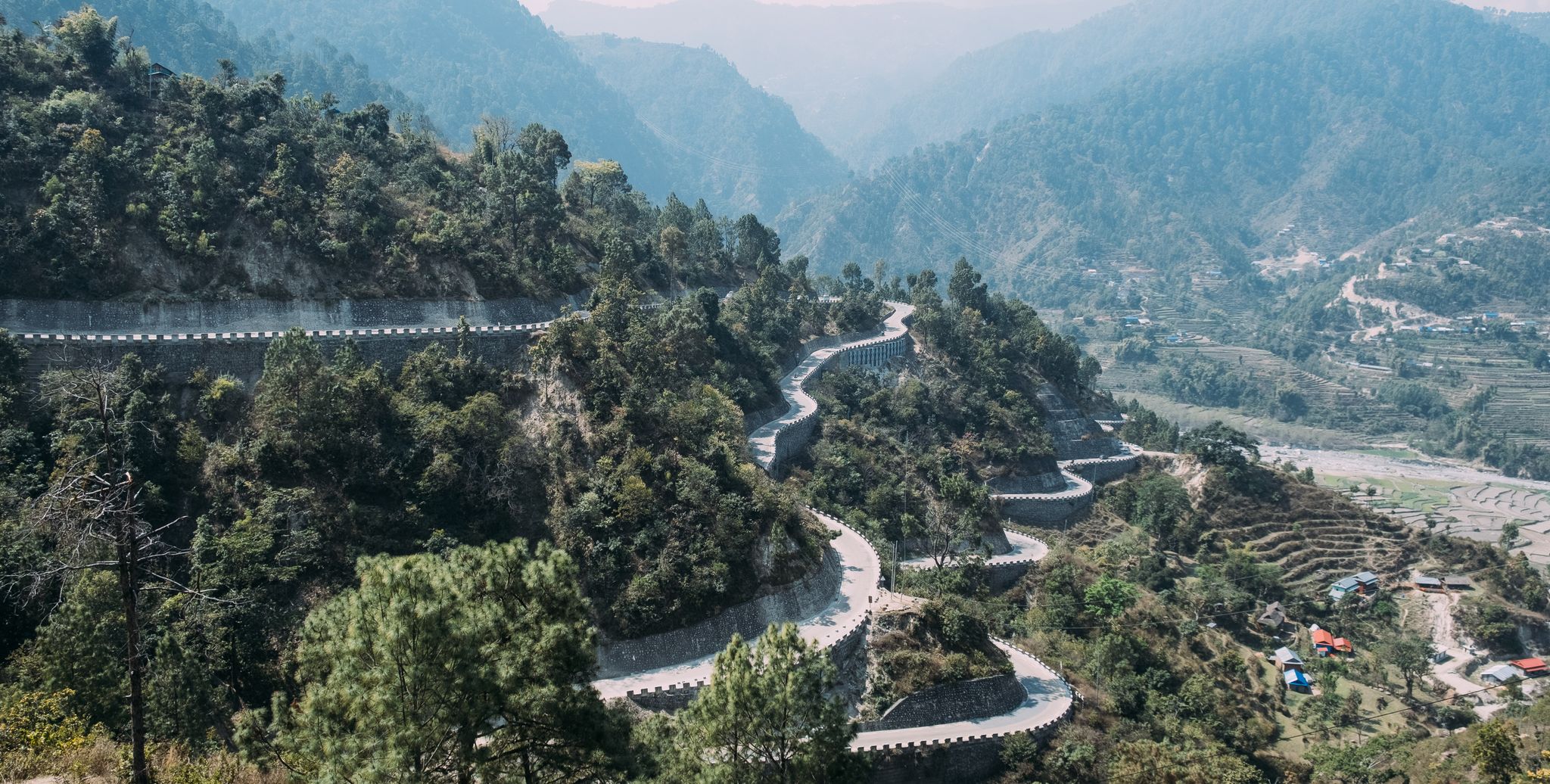
An unforeseen incredible journey – cycling from India to Nepal
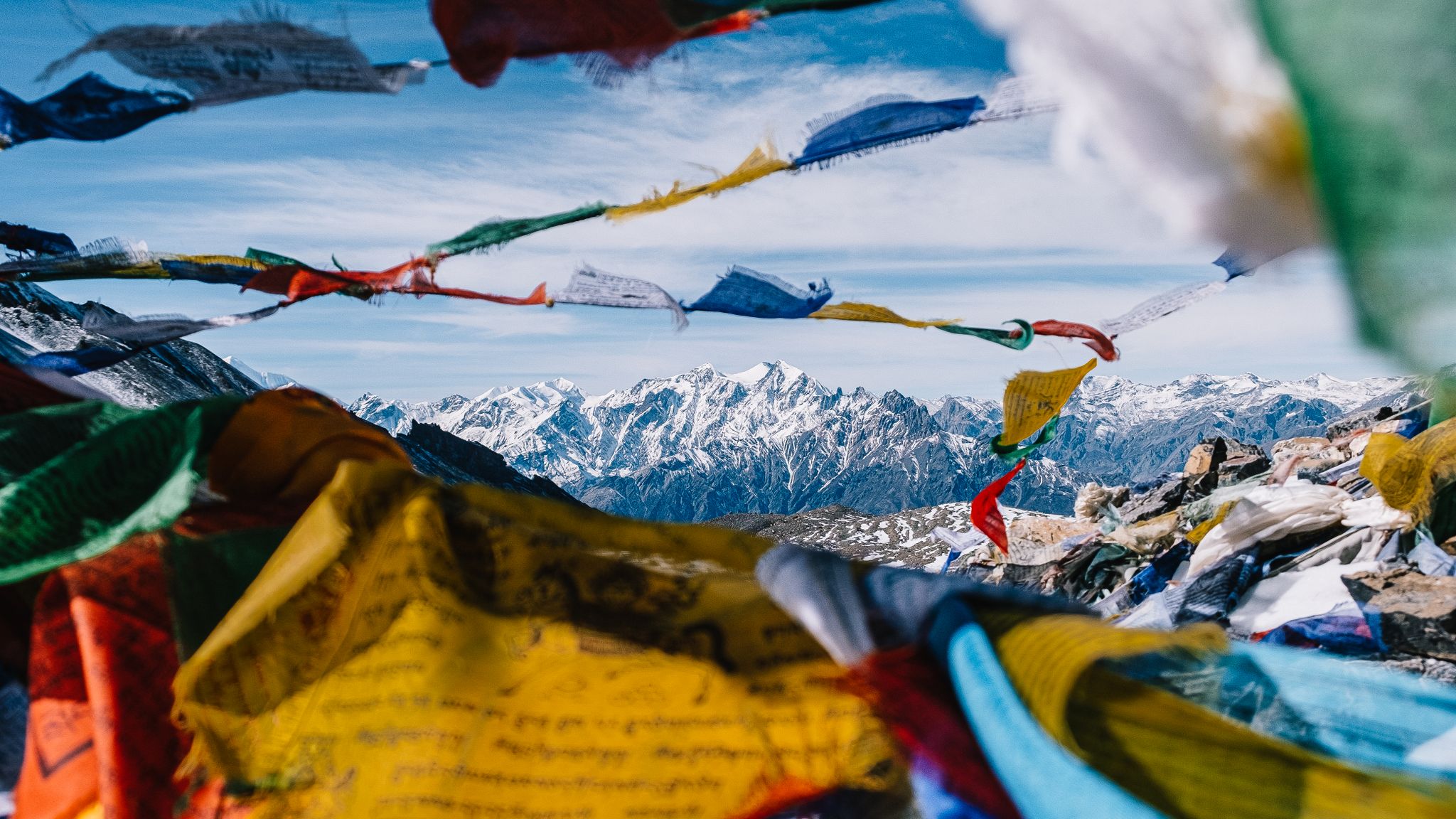
Annapurna Circuit in Nepal – Bikepacking the roof of the world
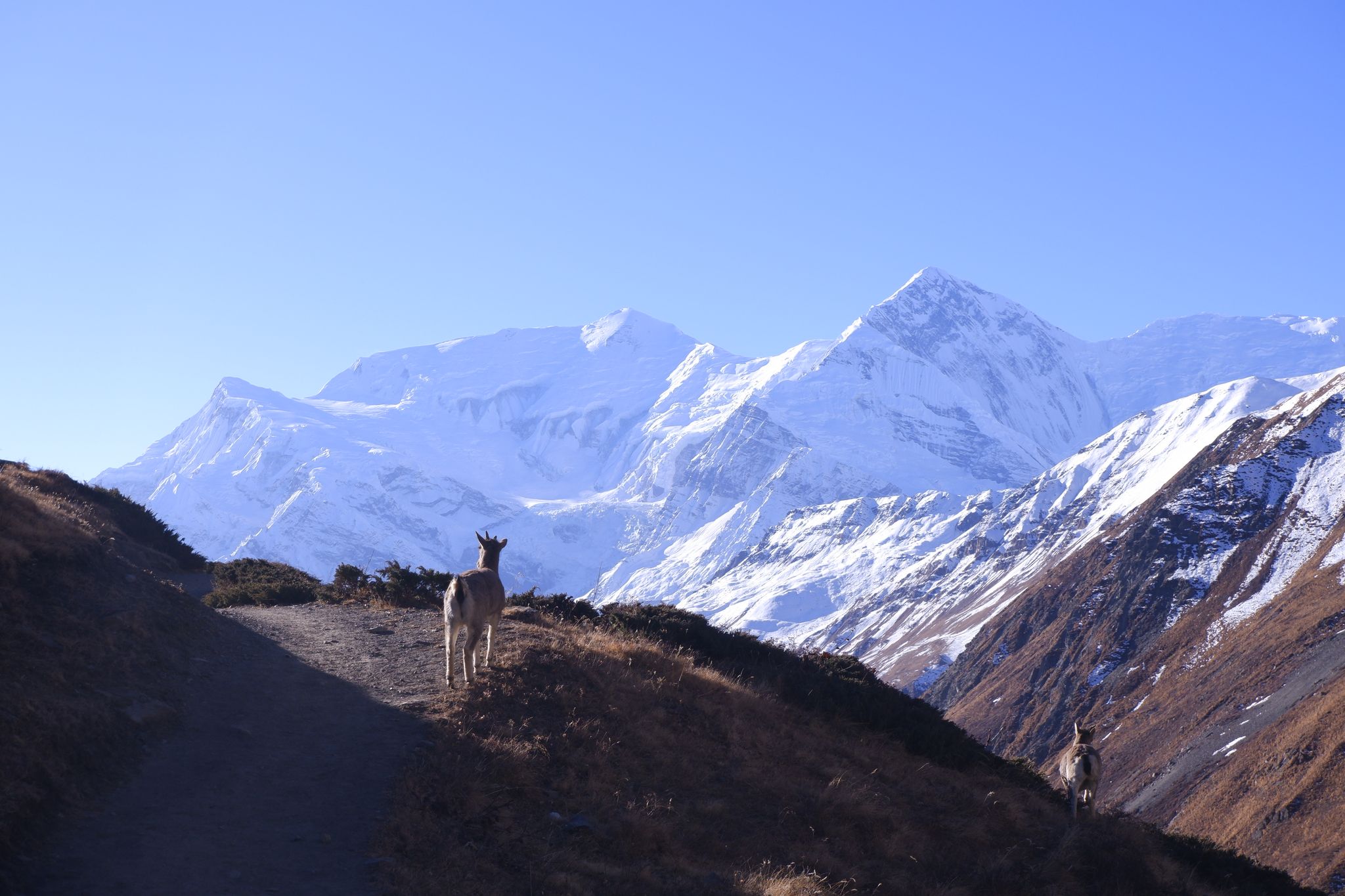
Annapurna Circuit – History and culture at high altitude in Nepal
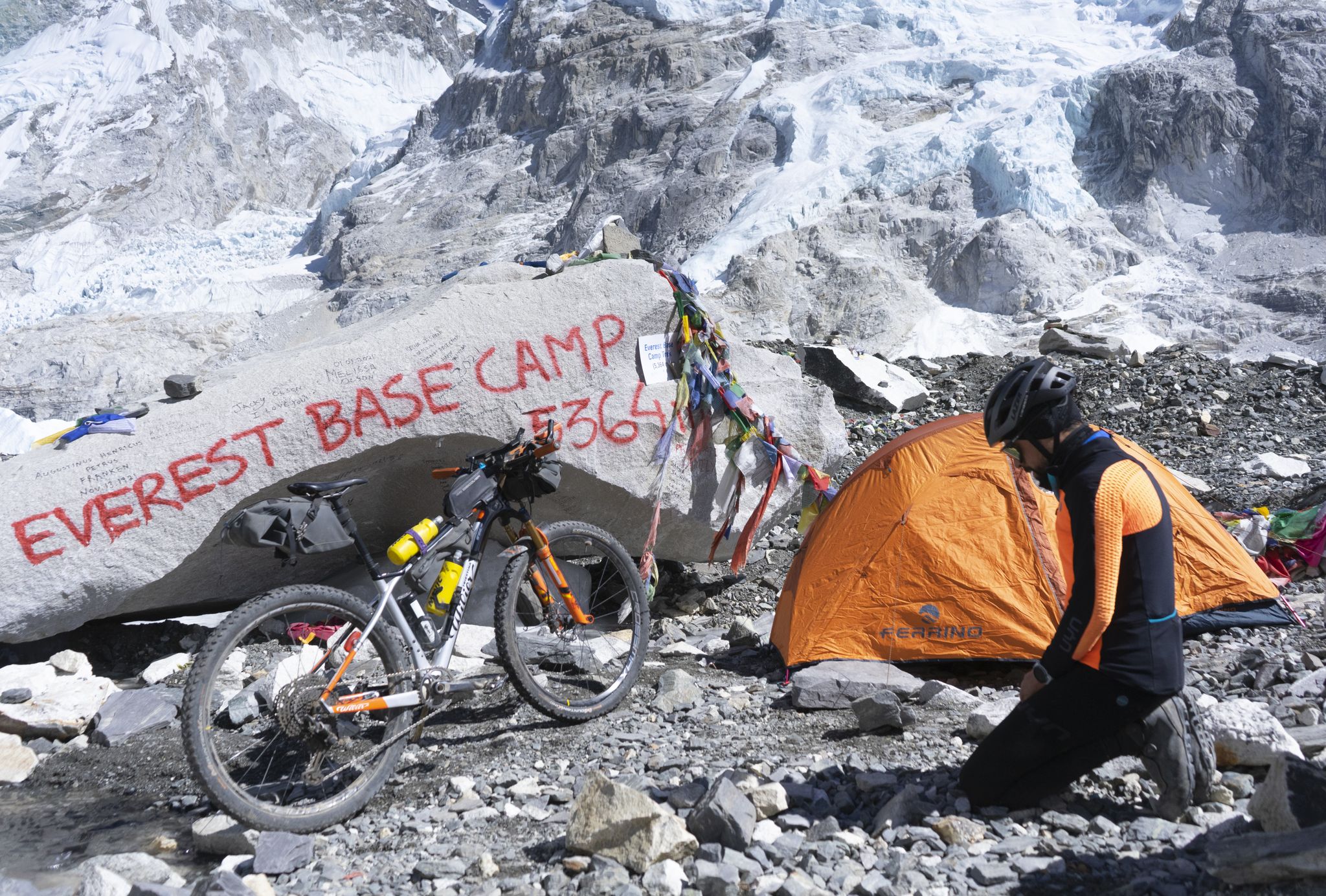
Winter Himalaya: My road to Everest Base Camp at 5364 meters
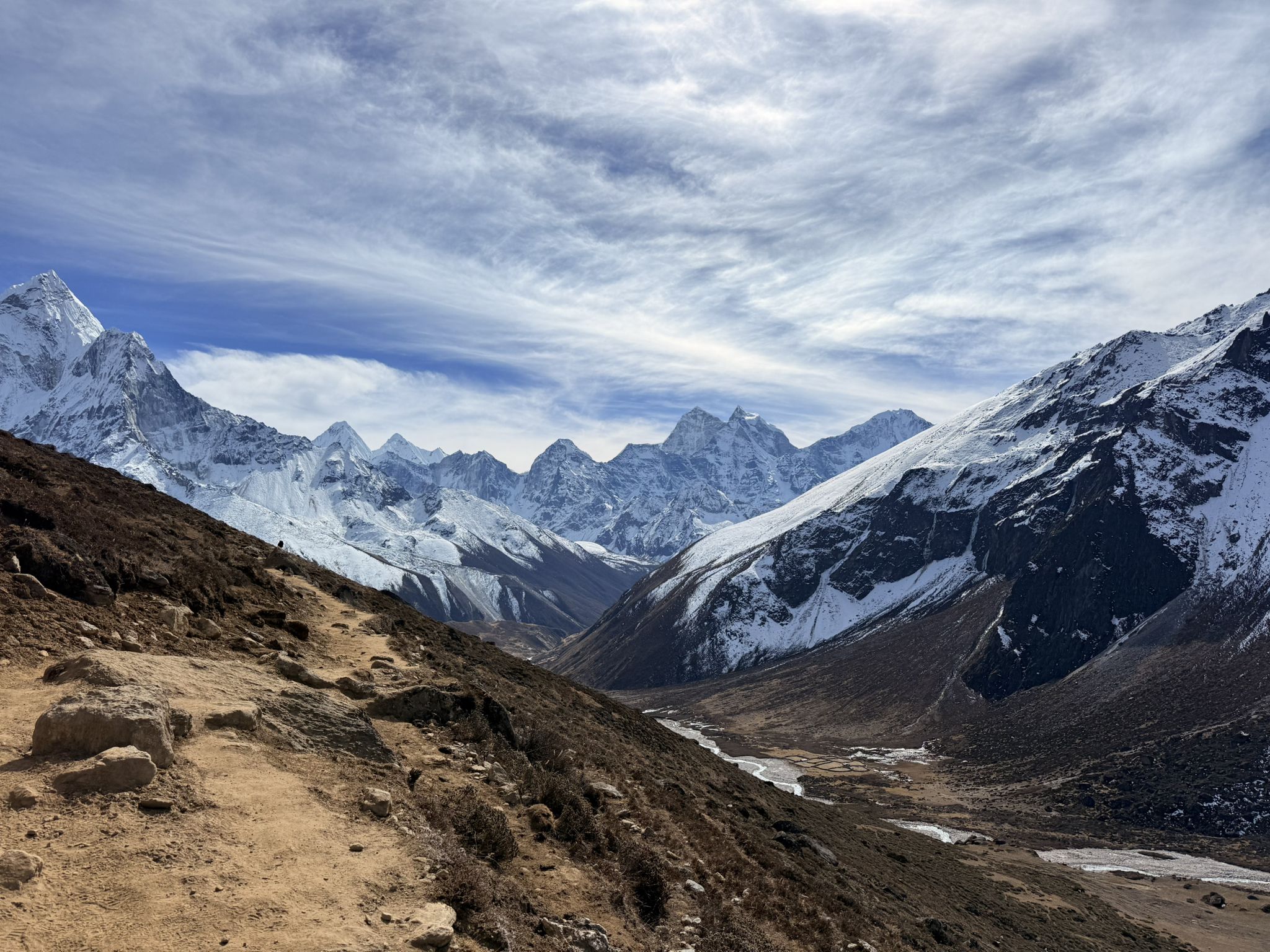
Beneath mighty Everest – fastpacking and running passes in the Khumbu
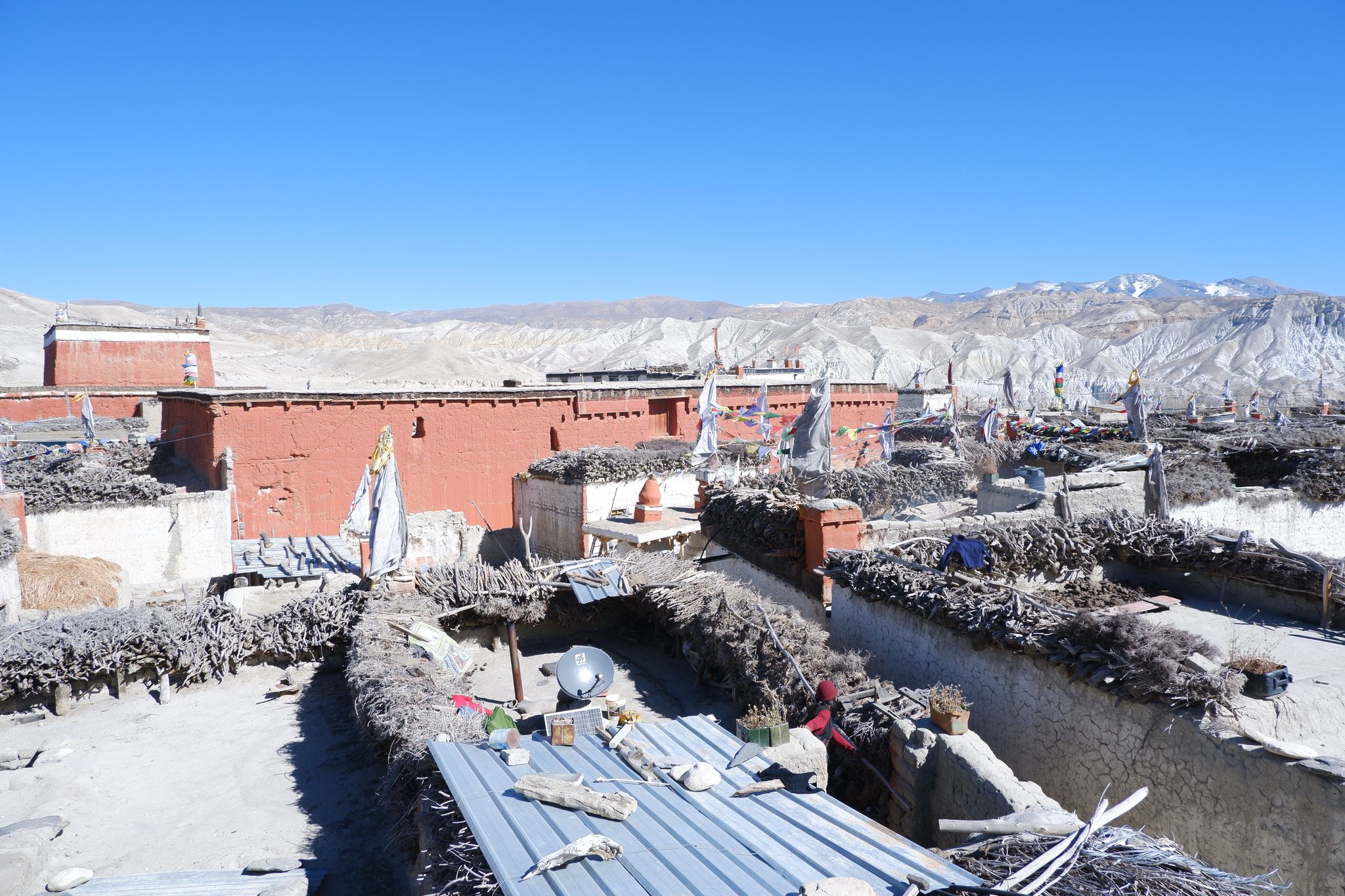
Authentic Nepal – trekking in the history of Mustang
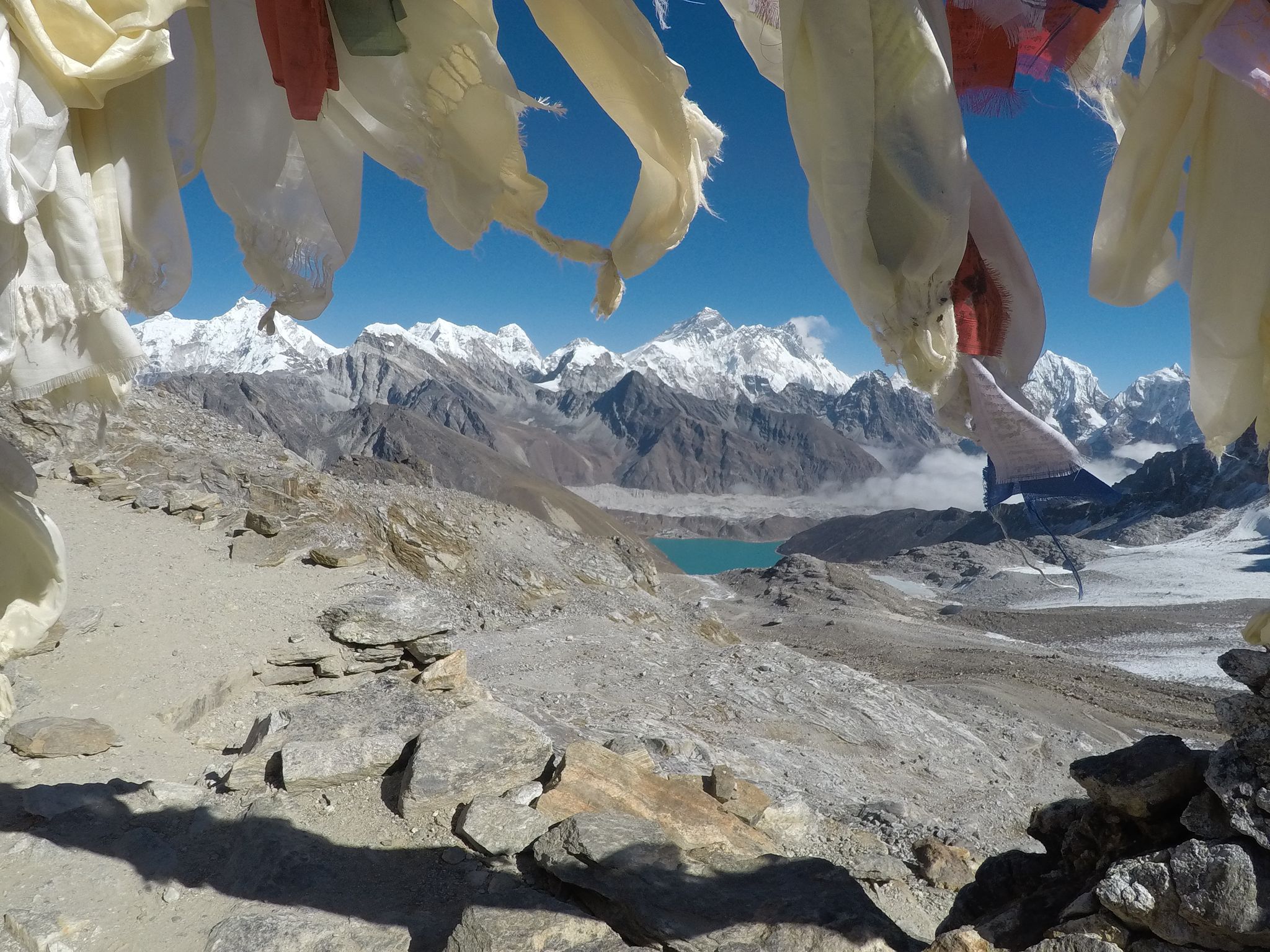
At the foot of Everest – Everest Base Camp with the three passes
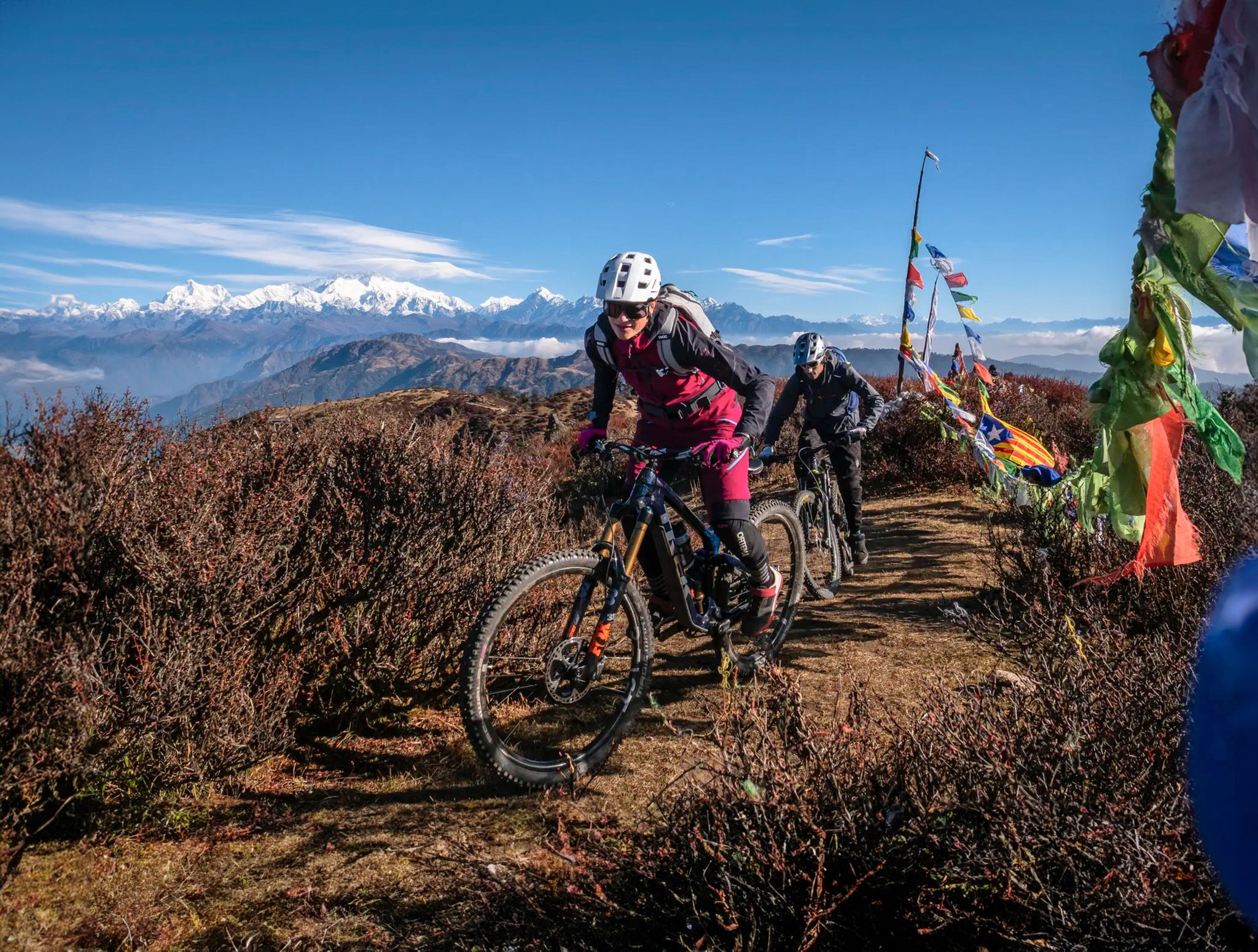
Discover India – an MTB adventure with Steffi Marth
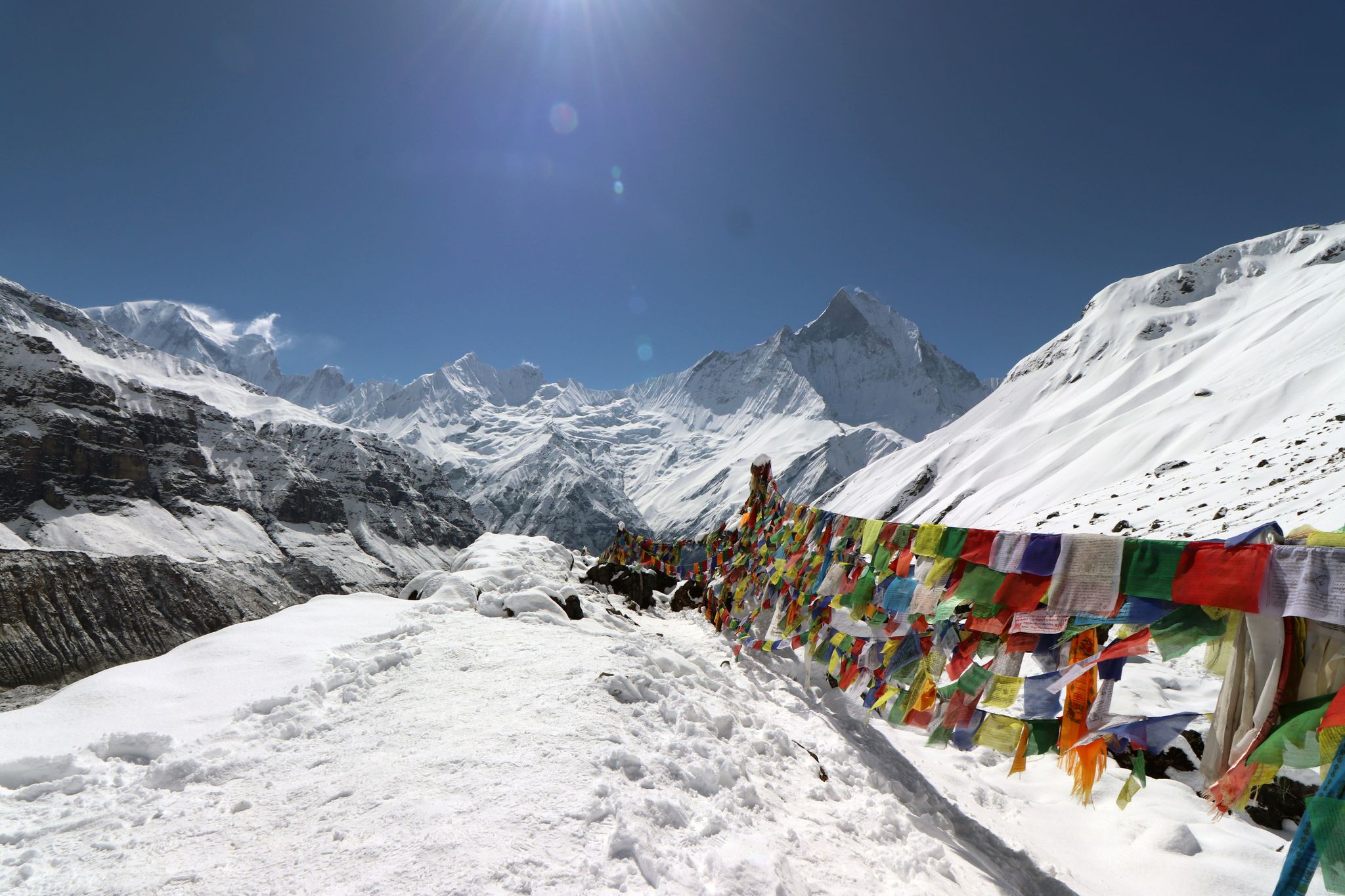
The stairway to heaven – Mardi Himal and Annapurna base camp
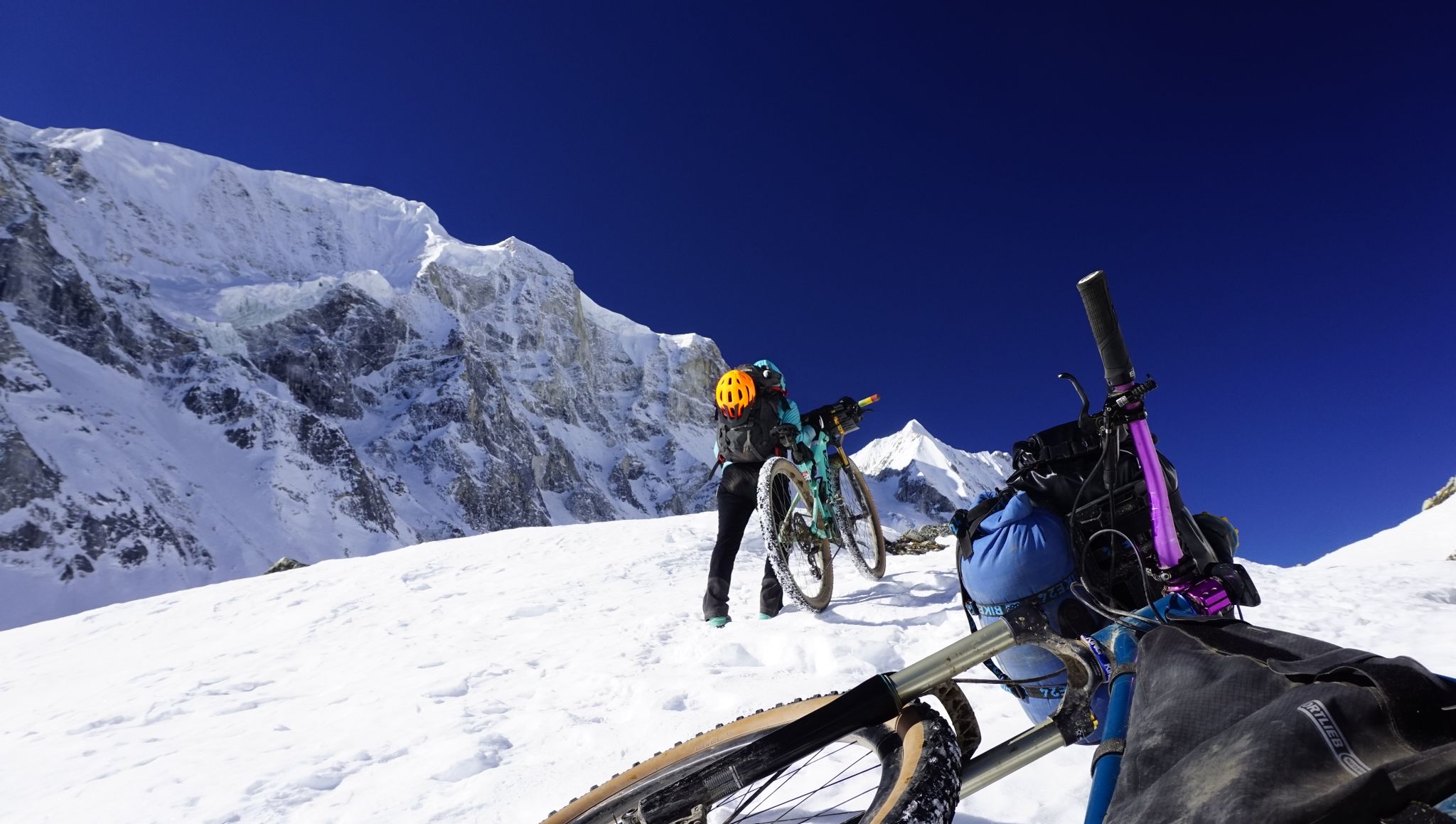
Adventure in Nepal: Part 1 – Manaslu Circuit Trek
Other adventures in Nepal


Tips from the Community

Good for relaxation and recharging your batteries. It's best to start from here to get to the lake.
10
0

A very nice detour from the Annapurna Circuit for optimal acclimatization. If you can reach the lake, the pass is no problem either. Beforehand, I had visited the Ice Lake to acclimatize. I slept like a baby at Thorong La High Camp.
1
0

Journey to Tilicho Lake & Annapurna Circuit - A Story with Phuri Sherpa I still remember the cold, silent morning when we left Tilicho Base Camp at 5:00 AM. The stars were singing above us, and only the sound of our boots crunching the frozen trails broke the silence. Slowly, Step by step, we climbed towards Tilicho Lake, one of the highest lakes in the world at 4,919 meters. As the first golden light touched the snowy peaks, we arrived at the lake - calm, frozen and magical. The reflection of the mountains danced on the turquoise water. It felt like standing on the another planet, in the heart of the Annapurna mountains. After enjoying this unforgettable moment, we carefully descended back to Base Camp for a well- deserved lunch, and later continued to Shree Kharka, tired but full of memories. This side trip is not easy - the altitude, the cold, the long hours - but the reward is something words can hardly describe.
0
0
Into the heart of the Himalayas– Annapurna Circuit & Tilicho About the Trek:
0
0


Deurali to Annapurna base camp distance is approx. 8 km. Situated at an elevation of approx. 3200 m, you will gain about 950 m elevation at the ABC. Trail ascends gradually and takes 4 to 5 hours to reach Annapurna base camp. The trail goes past Machhapuchre Base Camp at an elevation of approx. 3700 m. You can see a breathtaking view of the mountain from here.
0
0
Frequently Asked Questions
What types of accommodation can I expect in Nepal's trekking regions?
Nepal's trekking routes are primarily dotted with 'tea houses,' which are guesthouses offering accommodation and meals. These range from basic, family-run establishments to more comfortable lodges, especially in popular areas like Everest, Annapurna, and Langtang. They are an integral part of the Himalayan trekking experience, providing essential respite and a unique cultural insight.
Which huts are recommended for trekkers heading towards Tilicho Lake?
For those heading to Tilicho Lake, Tilicho Base Camp is an ideal starting point, located at 4,150 meters. It offers opportunities to relax and recharge before the final ascent. About two hours before Tilicho Base Camp, Shree Kharka also provides guesthouses for rest, eating, and sleeping.
Where are good places to stay before tackling the Thorong La Pass?
Before attempting the challenging Thorong La Pass, Thorong Phedi Base Camp Lodge & Restaurant is a crucial stop. Many trekkers recommend sleeping here instead of the higher camp for better acclimatization. Thorong High Camp is the last refuge before the pass, though it's smaller and often more basic.
What kind of amenities do tea houses offer?
Amenities vary significantly by altitude and location. In lower regions, you might find private rooms, attached bathrooms, hot showers (often for a fee), Wi-Fi, and charging points. As you ascend, facilities become more basic, often with shared bathrooms and dormitory-style rooms. Many tea houses have communal dining areas, often warmed by a central stove, fostering a sense of community.
What are the dining options like in Nepalese tea houses?
Tea houses offer a variety of nourishing meals. The staple is *dal bhat* (rice and lentils), but you'll also find Indian, Continental, and sometimes Italian options. Ginger tea and garlic soup are popular at higher altitudes for warmth and health benefits. Most tea houses offer inexpensive rooms, especially if you commit to eating your meals there.
Are there any huts known for exceptional views?
Yes, many huts are strategically located for stunning panoramic views. For example, the 360° View Hotel at Badal Danda offers breathtaking mountain vistas. Kyanjin Gompa in the Langtang Valley also has tea houses with panoramic views of Langtang Lirung and Kimshung.
What outdoor activities can I do near these huts?
The huts are primarily located along popular trekking routes. You can find numerous hiking opportunities, including routes like 'Mani Stone near Monjo' or 'Poon Hill Viewpoint'. For more options, explore the Hiking in Nepal guide. There are also cycling and mountain biking trails available in various regions; refer to the Cycling in Nepal guide and MTB Trails in Nepal guide for detailed routes.
What is the cultural experience like when staying in a tea house?
Staying in a tea house offers an authentic cultural experience. They are typically family-run, providing trekkers with a chance to interact with local people and experience their customs, religion, and daily life. The warmth and hospitality of the Nepalese people are consistently praised, offering a unique insight into Himalayan communities.
Are there any quieter, less crowded hut options?
Sinuwa is a quiet village with several guesthouses, making it a suitable stopover for refreshments and offering pleasant mountain views. While popular routes can be busy, many smaller settlements along the trails provide a more tranquil experience.
What is the best time of year for hut trekking in Nepal?
Generally, the best times for trekking in Nepal are during the autumn (September to November) and spring (March to May) seasons. These periods offer stable weather, clear skies, and moderate temperatures, making for ideal trekking conditions and better visibility of the Himalayan peaks.
Where can I find information about tea houses in the Langtang Valley?
The tea houses in Langtang Valley, rebuilt after the 2015 earthquake, showcase the resilience and hospitality of the local community. They are typically built from local stone and wood, with many newer lodges featuring improved insulation and amenities. For more detailed information, you can refer to resources like this blog post on tea houses of Langtang Valley.
Are there any luxury hut options available in Nepal?
Yes, for those seeking a higher degree of comfort, luxury mountain lodges exist in regions like Annapurna and Everest. These offer beautifully designed rooms, comfortable bedding, hot water, delicious meals, and impeccable service, allowing trekkers to experience the Himalayas in style. Examples include Yeti Mountain Homes in the Everest region and Mountain Lodges of Nepal in the Annapurna region.
Most popular attractions in Nepal

Get inspired with the komoot mobile app


Explore more
Find more beautiful huts and cabins in Nepal by checking out the top ones in these nearby places:
