The best waterfall hikes and walks in Nepal
4.6
(1238)
21,626
hikers
5
hikes
Waterfall hiking trails in Nepal traverse a landscape characterized by majestic Himalayan ranges, deep gorges, and lush subtropical forests. The country's diverse ecosystems feature cascading waterfalls, rhododendron-covered hills, and varied terrain. Trails often follow river valleys and wind through dense woodlands, offering a range of elevation changes. This geographical diversity provides numerous opportunities for exploring natural water features.
Best waterfall hiking trails in Nepal
- The most popular waterfall hiking route is Suspension Bridge – Nagarkot Waterfall loop from Bagmati Province…
Last updated: October 12, 2026
4.4
(24)
74
hikers
11.7km
03:37
420m
420m
Moderate hike. Good fitness required. Easily-accessible paths. Suitable for all skill levels.
19
hikers
17.9km
04:39
110m
110m
Moderate hike. Good fitness required. Easily-accessible paths. Suitable for all skill levels.

15
hikers
13.4km
03:30
90m
90m
Moderate hike. Good fitness required. Easily-accessible paths. Suitable for all skill levels.
7
hikers
27.1km
07:08
230m
230m
Hard hike. Very good fitness required. Easily-accessible paths. Suitable for all skill levels.
1
hikers
15.1km
03:55
90m
90m
Moderate hike. Good fitness required. Easily-accessible paths. Suitable for all skill levels.
Our route recommendations are based on thousands of hikes, rides, and runs completed by other people on komoot.
Start today with a free account
Your next adventure awaits.
Popular around Nepal
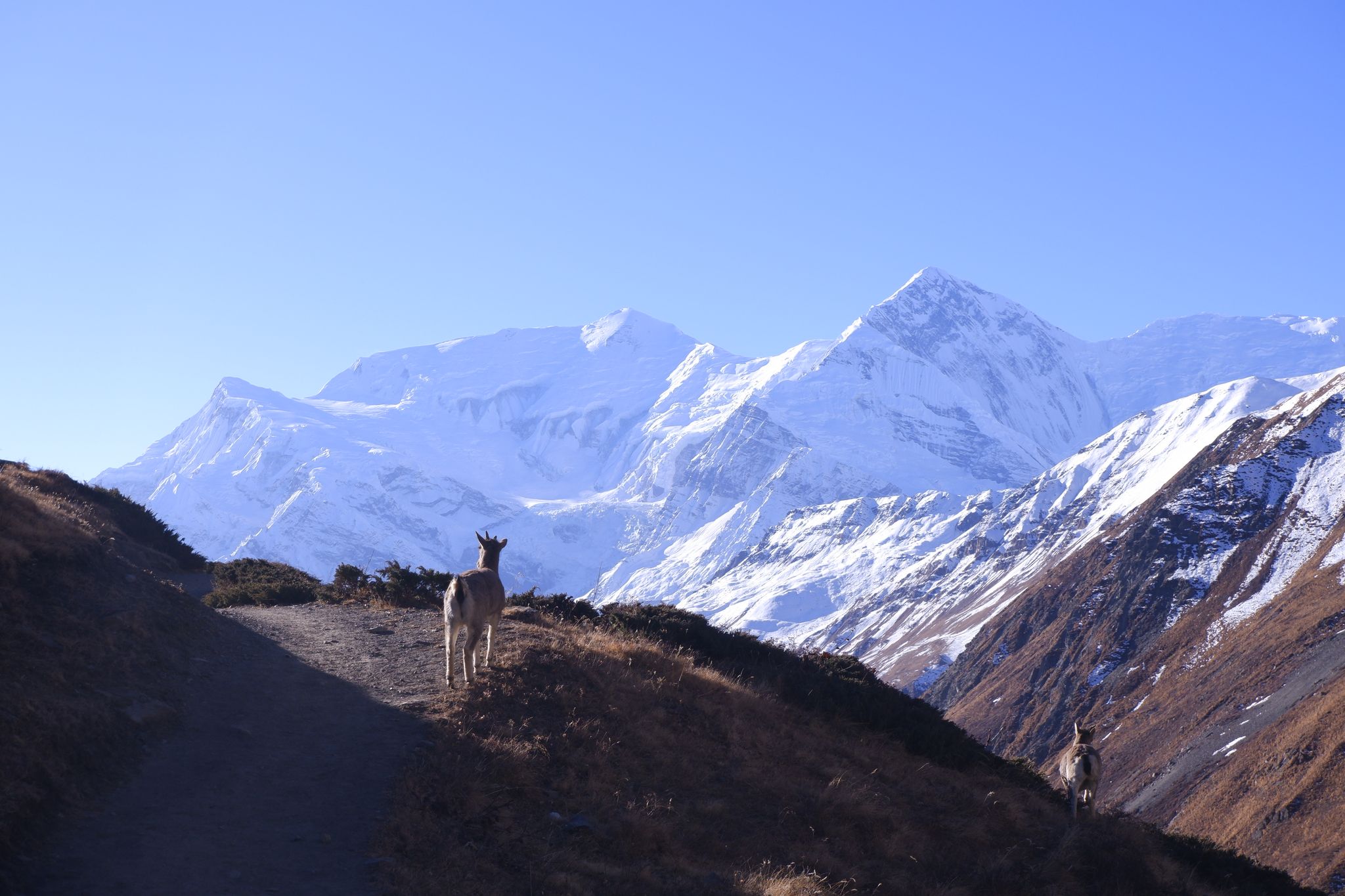
Annapurna Circuit – History and culture at high altitude in Nepal
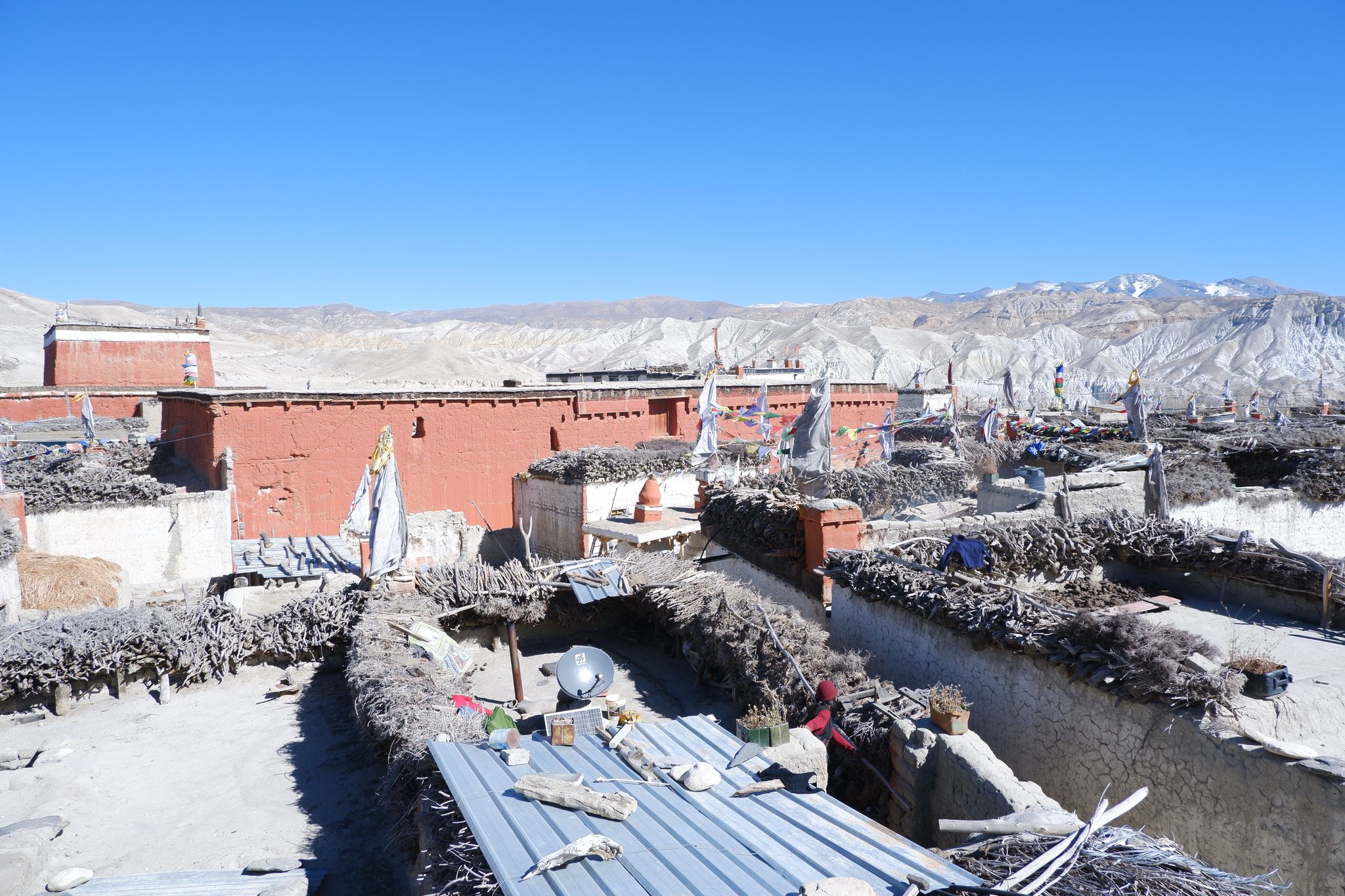
Authentic Nepal – trekking in the history of Mustang
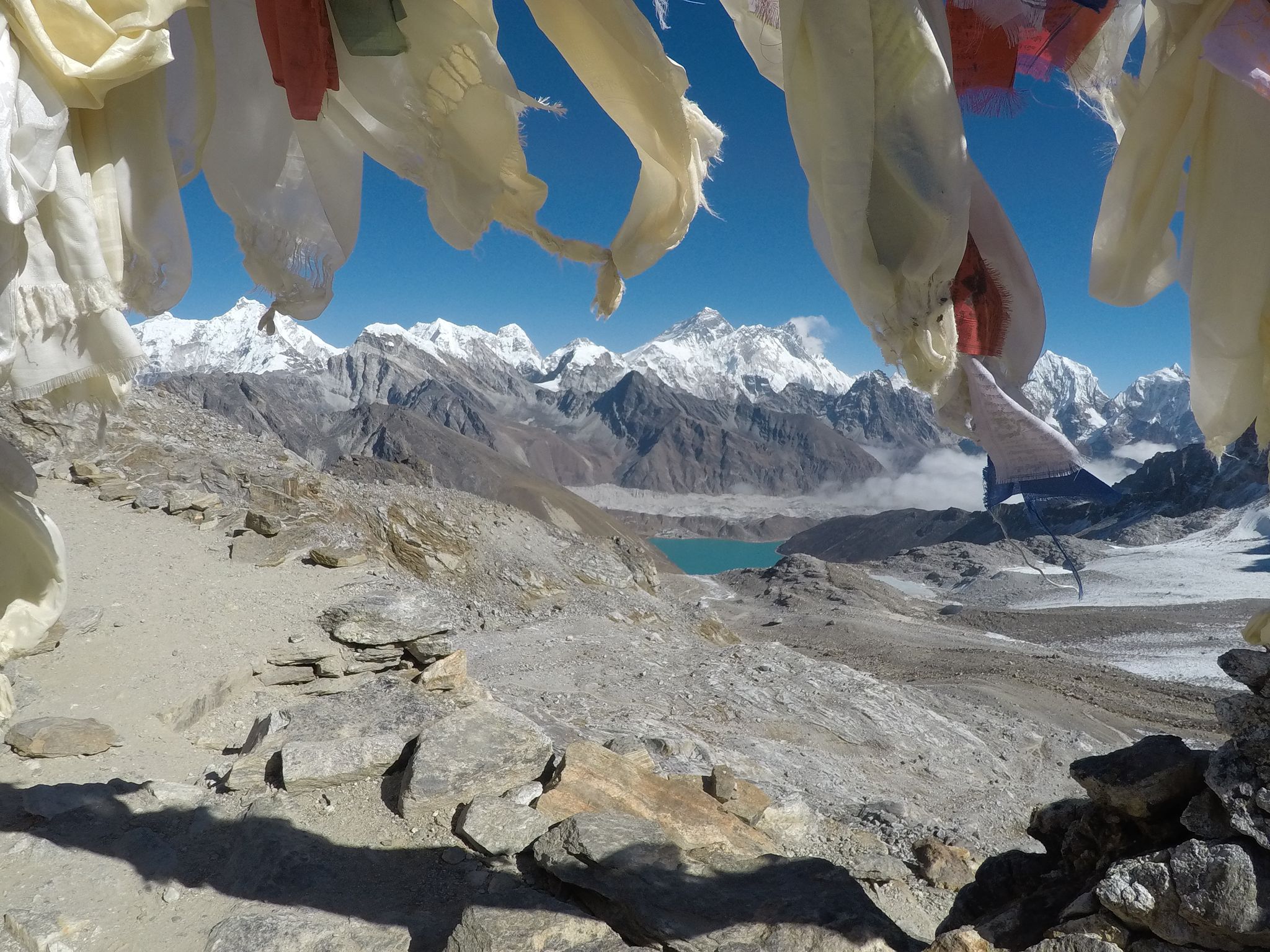
At the foot of Everest – Everest Base Camp with the three passes
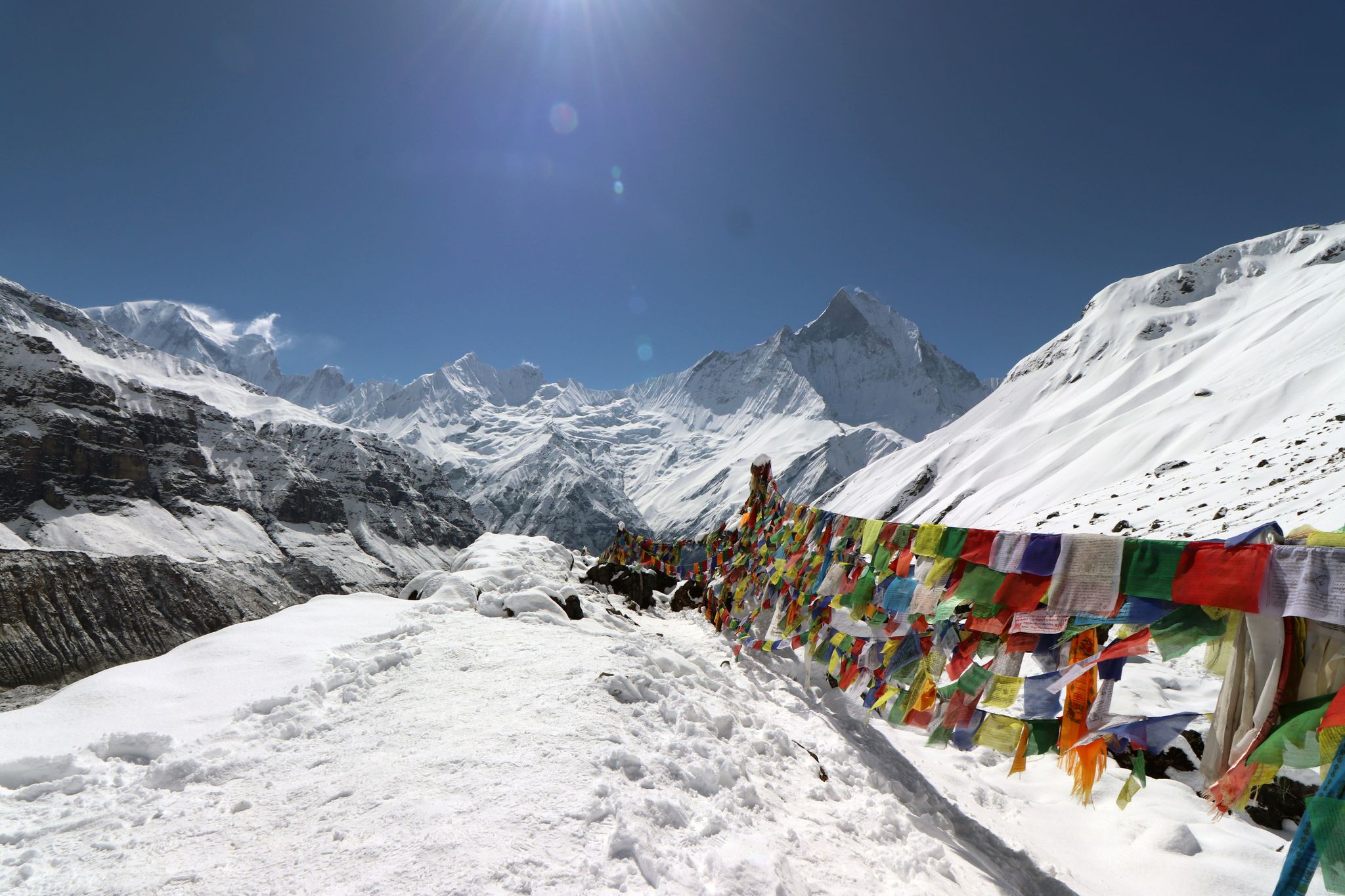
The stairway to heaven – Mardi Himal and Annapurna base camp
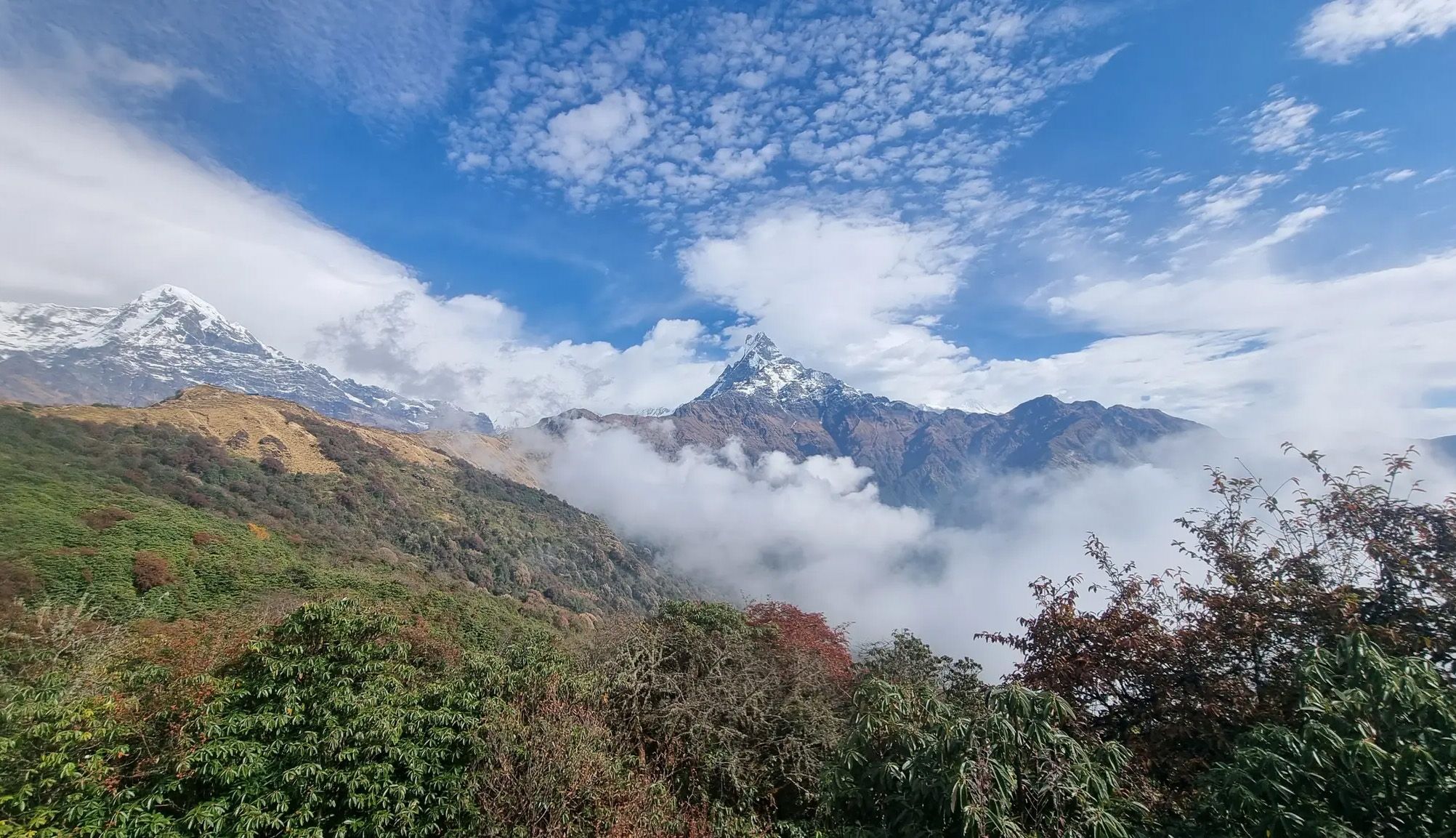
A Himalayan adventure beneath Machapuchare – Mardi Himal Trek
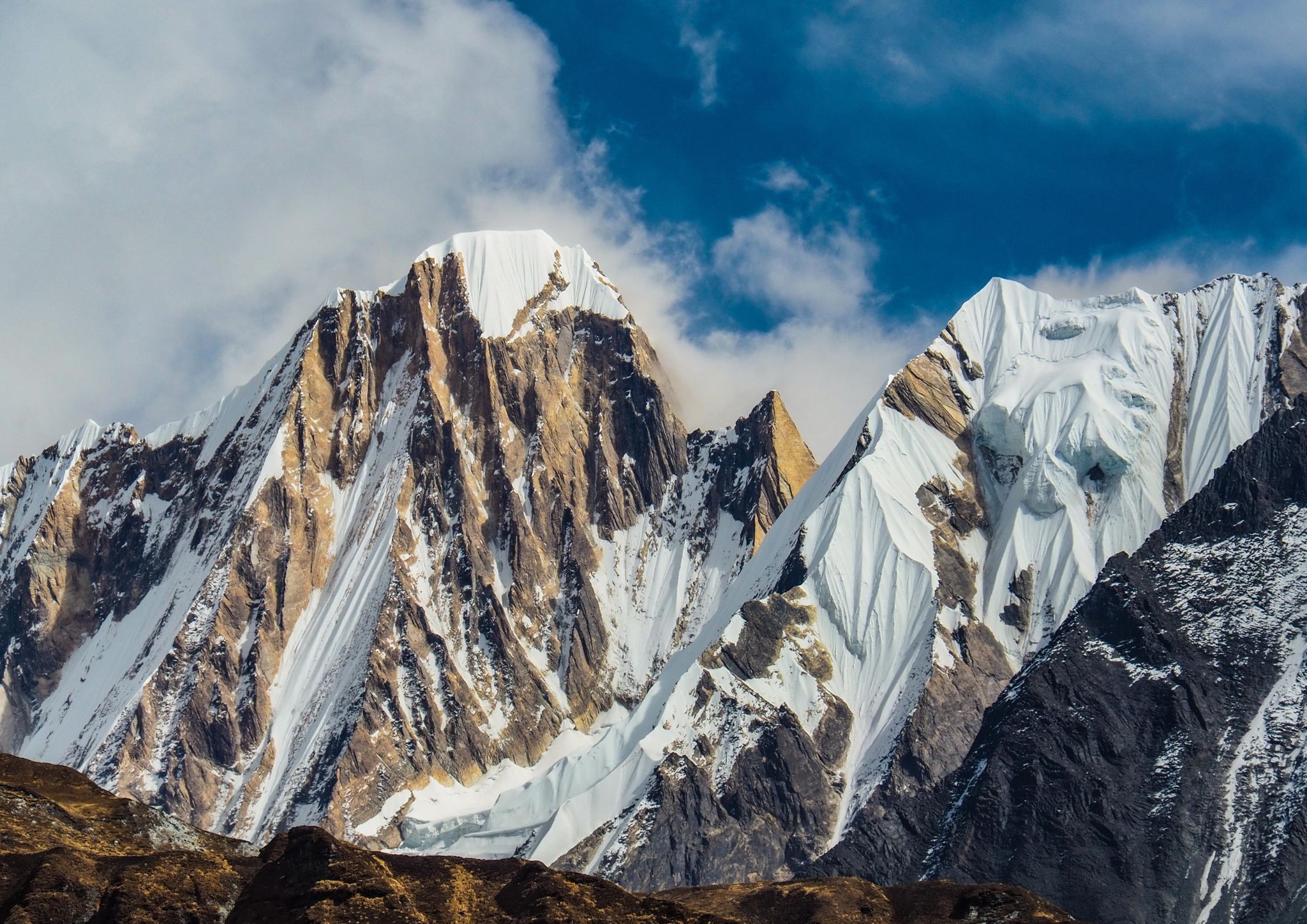
A dream at 4,130 metres — Annapurna Base Camp
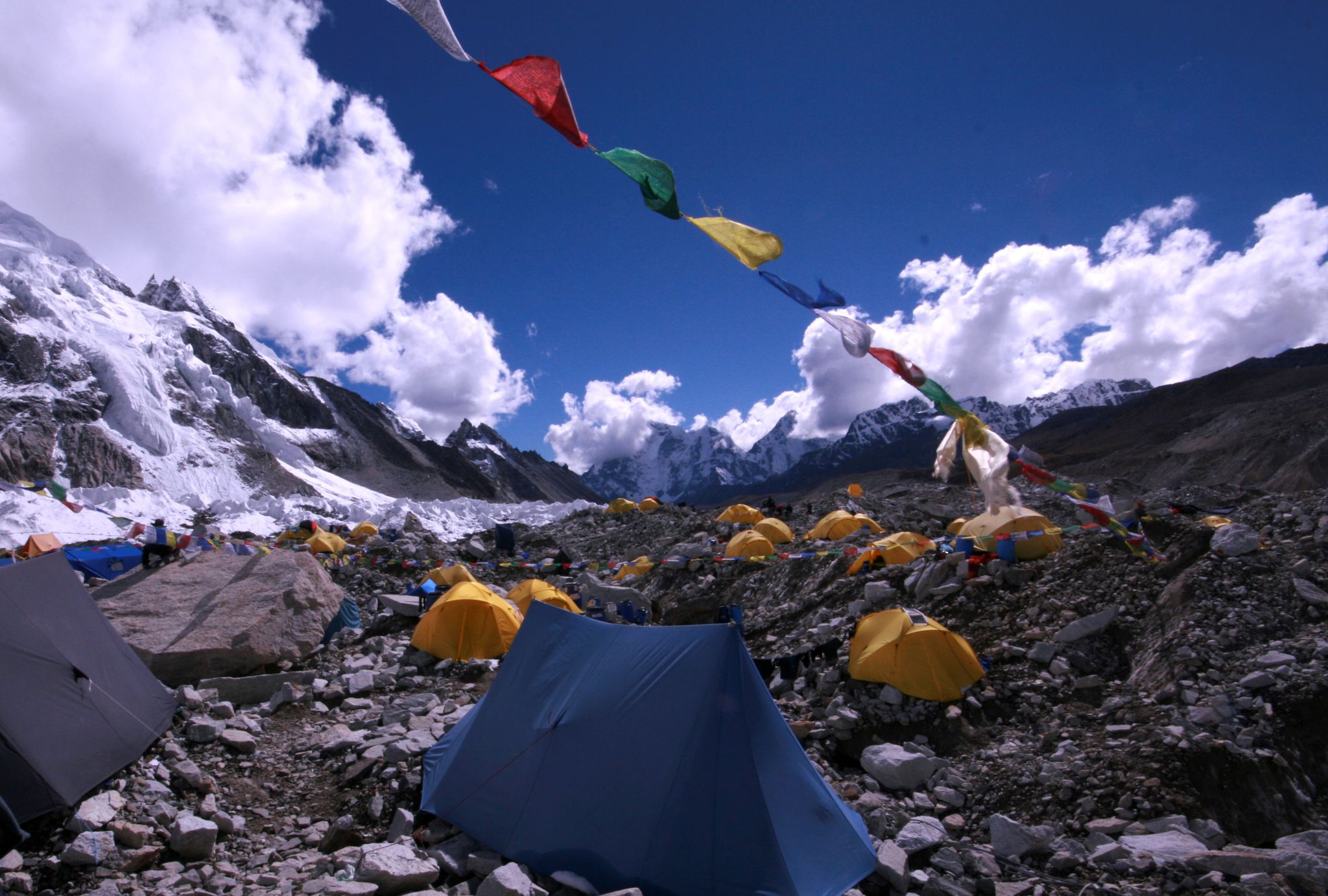
Trekking to Everest Base Camp
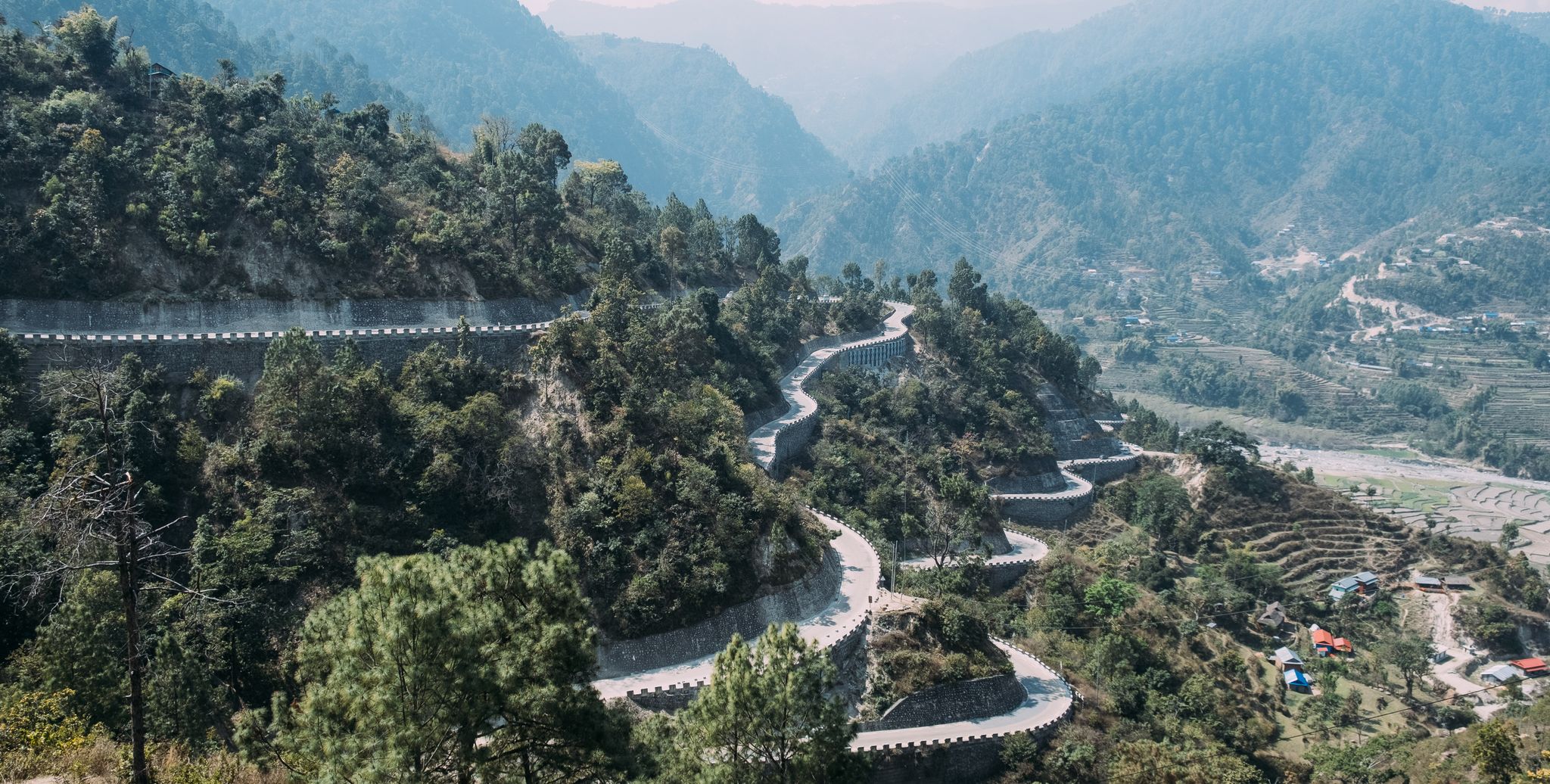
An unforeseen incredible journey – cycling from India to Nepal
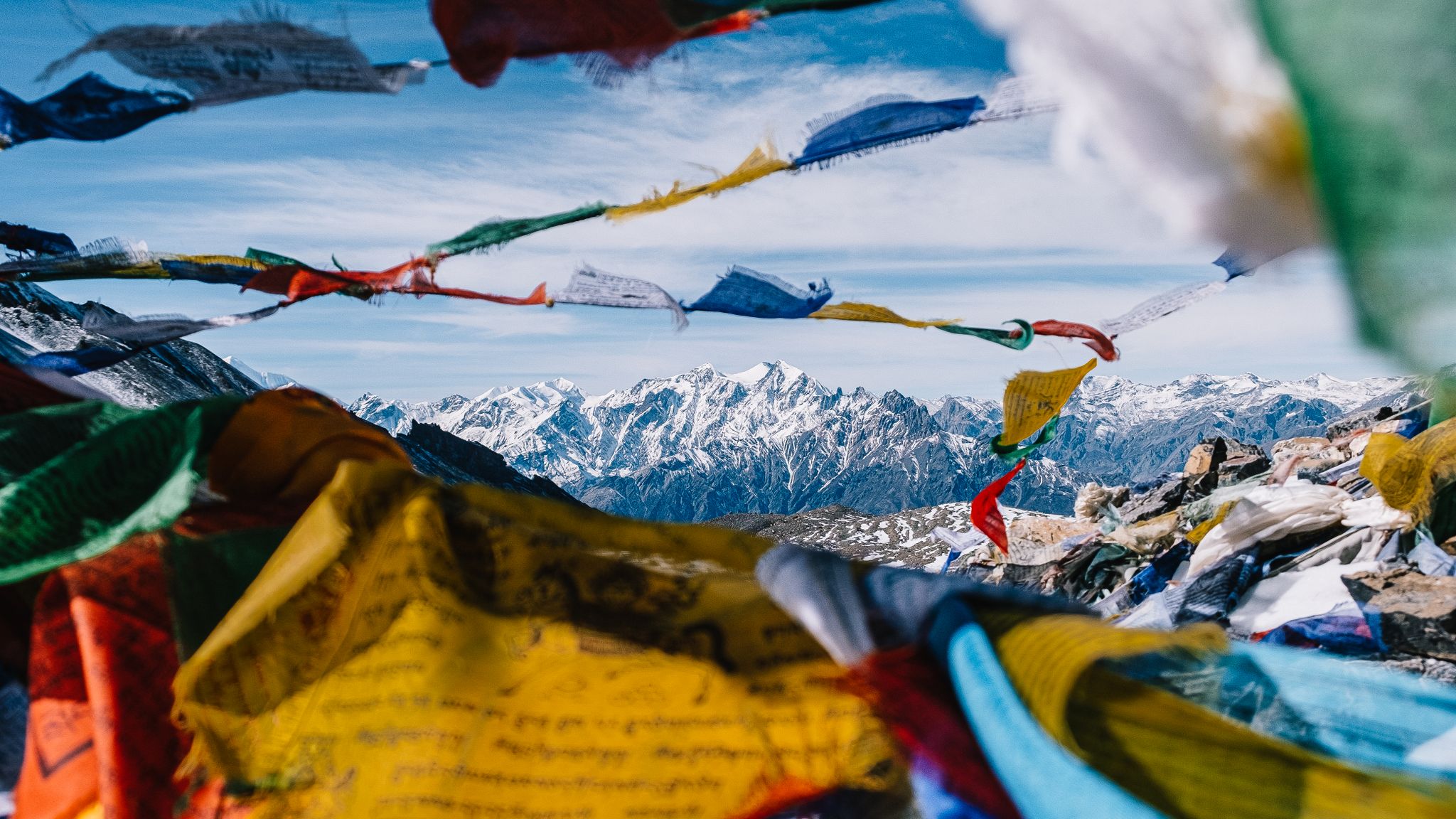
Annapurna Circuit in Nepal – Bikepacking the roof of the world
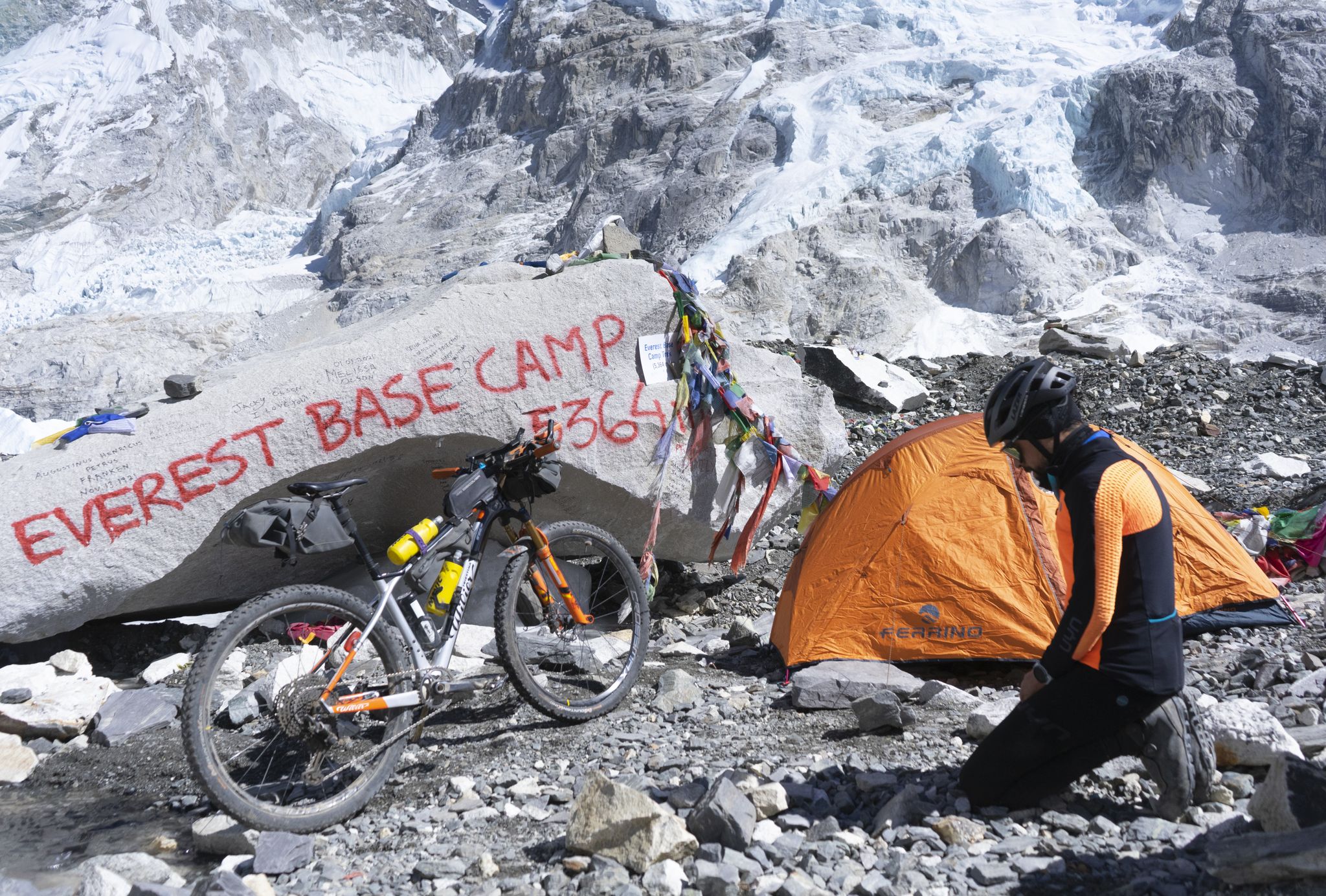
Winter Himalaya: My road to Everest Base Camp at 5364 meters
Other adventures in Nepal


Tips from the Community


The Boudhanath Stupa is one of the seven UNESCO World Heritage Sites in the Kathmandu Valley and is one of the country's most famous attractions. The stupa is surrounded by a mystical and spiritual atmosphere that captivates every traveler.
2
0
By hanging prayer flags, the wind carries all the blessings depicted on the flags to all beings. As the wind moves the flags, the air is purified and sanctified through the mantras. The prayers (mantras) and symbols on the flags thus become a part of the universe.
2
0

The best view of the stupa is from the roof terrace of one of the many restaurants on the square 🤩
0
0

A visit to the Buddha stupa Café restaurant is a must
1
0
Boudhanath is one of the largest and most serene stupas in Nepal, radiating spiritual energy and peace. It's a central pilgrimage site for Tibetan Buddhists and a UNESCO World Heritage Site. The circular path around the stupa is perfect for a peaceful kora (ritual walk), surrounded by prayer wheels, fluttering flags, and the scent of incense https://www-dgcustomerfirst.com
3
0

Rani Pokhari, also known as Queen's Pond, is a historic artificial pond. It is square in shape and surrounded by stone serpents, the naga, which are considered guardians. Hindus and Buddhists revere the site; it is considered sacred.
0
0
Rarely is one confronted with death so openly and directly as here at the ghats, the cremation sites of Pashupatinath, where the bodies of devout Nepalese are burned and their ashes are given to the Bagmati River, which ultimately flows into the holy Ganges.
0
0
Frequently Asked Questions
How many waterfall hiking trails are available in Nepal?
Komoot features a selection of 5 waterfall hiking trails in Nepal. These routes range in difficulty and offer diverse experiences through the region's natural beauty.
What is the best time of year to go waterfall hiking in Nepal?
The best time for waterfall hiking in Nepal generally aligns with the post-monsoon season (late September to November) when the waterfalls are at their most impressive due to recent rains, and the weather is clear and stable for trekking. Spring (March to May) also offers pleasant conditions with blooming rhododendrons, though water flow might be less intense than after the monsoon.
What kind of terrain can I expect on waterfall hikes in Nepal?
Waterfall hikes in Nepal traverse incredibly diverse terrain. You can expect trails winding through lush subtropical forests, rhododendron-covered hills, and deep river valleys. Some routes may feature significant elevation changes, while others offer more gentle paths through cultural landscapes. The region's geography includes majestic Himalayan ranges and deep gorges, contributing to varied and often dramatic scenery.
Are there any family-friendly waterfall hikes in Nepal?
While many trails in Nepal can be challenging, some routes offer more moderate options suitable for families. For instance, the Taleju Temple – Asan Bazaar loop from Kathmandu is a moderate path with gentle elevation changes, offering a mix of urban and natural scenery that could be enjoyable for families. Always check the specific route details for distance and elevation to ensure it matches your family's capabilities.
What cultural landmarks or natural attractions can I see near waterfall hiking trails?
Many waterfall hikes in Nepal are intertwined with rich cultural and natural attractions. You might pass through traditional villages, encounter ancient Buddhist monasteries, or visit historic sites. For example, the Taleju Bell – Patan Durbar Square loop from Kathmandu leads through significant cultural landmarks. Additionally, you can find stunning natural features like Tilicho Lake or explore caves like Gupteshwor Mahadev Cave, which are often accessible from various trekking regions.
Are there any circular waterfall hiking routes in Nepal?
Yes, several routes in Nepal are designed as loops, allowing you to start and end at the same point. An example is the Suspension Bridge – Nagarkot Waterfall loop from Bagmati Province, which is a 7.3-mile trail featuring varied forest terrain. Another option is the Patan Durbar Square – Boudhanath Stupa loop from Kathmandu, a more challenging 16.8-mile route.
What do other hikers say about waterfall trails in Nepal?
The komoot community highly rates the hiking experience in Nepal, with an average score of 4.6 stars from over 1000 reviews. Hikers often praise the breathtaking natural beauty, the diverse ecosystems, and the unique cultural encounters along the trails, especially the dramatic landscapes surrounding the waterfalls.
What kind of wildlife might I encounter on a waterfall hike in Nepal?
Nepal's diverse ecosystems, especially within its national parks and conservation areas, are home to a variety of wildlife. While hiking near waterfalls, particularly in forested areas, you might spot various bird species, monkeys, and smaller mammals. In regions like Langtang National Park, there's a chance to see Himalayan black bears or red pandas. For a different experience, Chitwan National Park offers opportunities to see one-horned rhinoceros and Bengal tigers, though this is a subtropical jungle environment rather than a typical mountain waterfall hike.
Are permits required for waterfall hikes in Nepal?
For many trekking regions in Nepal, especially those within national parks or conservation areas, permits are required. These can include a Trekkers' Information Management System (TIMS) card and specific park entry permits. It's advisable to check the requirements for your chosen region in advance. You can find more information about Nepal's protected areas on the official tourism board website: ntb.gov.np.
Can I find accommodation or food near waterfall hiking trails in Nepal?
Yes, Nepal is well-known for its 'teahouse trekking' system, especially in popular trekking regions. This means you can often find local lodges and guesthouses offering basic accommodation and home-cooked meals along many trails. Even near more accessible waterfall areas, there are usually small eateries or shops. It's part of the cultural experience to enjoy the warm Nepali hospitality.
Are there any easy or beginner-friendly waterfall hikes in Nepal?
While Nepal is famous for its challenging treks, there are also easier options. For beginners or those looking for a less strenuous experience, consider routes with lower elevation gain and shorter distances. The Taleju Temple – Asan Bazaar loop from Kathmandu, for example, is a moderate 11.0-mile path with gentle elevation changes, making it more accessible. Always review the route details to ensure it matches your fitness level.
Most popular attractions in Nepal

Get inspired with the komoot mobile app


Explore more
Browse the best Hikes in other regions.
