Top 20 Waterfalls in China
Waterfalls in China present a diverse range of natural features across its varied landscapes. The country is home to numerous waterfalls, from powerful cascades to multi-tiered formations. These natural landmarks are often integrated into scenic parks and offer varied viewing experiences. China's waterfalls are found in regions characterized by karst mountains, dense forests, and significant river systems.
Best waterfalls in China
- The most popular waterfalls is Yinhe Waterfall and Yinhe Cave Temple, a waterfall that features a small temple…
Last updated: October 12, 2026
Shanfeng No. 2 Suspension Bridge and Waterfall
Highlight • Bridge
Tip by

Sandiaoling Waterfall Trail
Highlight (Segment) • Trail
Translated by Google •
Tip by

Sign up now to discover places like this
Get recommendations on the best single tracks, peaks, & plenty of other exciting outdoor places.
Yinhe Waterfall and Yinhe Cave Temple
Highlight • Waterfall
Translated by Google •
Tip by
Motian Waterfall
Highlight • Waterfall
Translated by Google •
Tip by
Pipadong Waterfall
Highlight • Waterfall
Many hikers go the same way back to the "Sandiaoling Railway Station". Alternatively, you can continue to Shifen …
Translated by Google •
Tip by
Wulai Falls
Highlight • Waterfall
Tip by

Huanglong Travertine Pools
Highlight • Natural Monument
Tip by

Hegu Waterfall
Highlight • Waterfall
Translated by Google •
Tip by
Wulai Waterfall
Highlight • Waterfall
Translated by Google •
Tip by

Shifen Waterfall
Highlight • Waterfall
Translated by Google •
Tip by
Sign up for free to discover even more waterfalls in China.
Already have an account?
Start today with a free account
Your next adventure awaits.
Popular around China
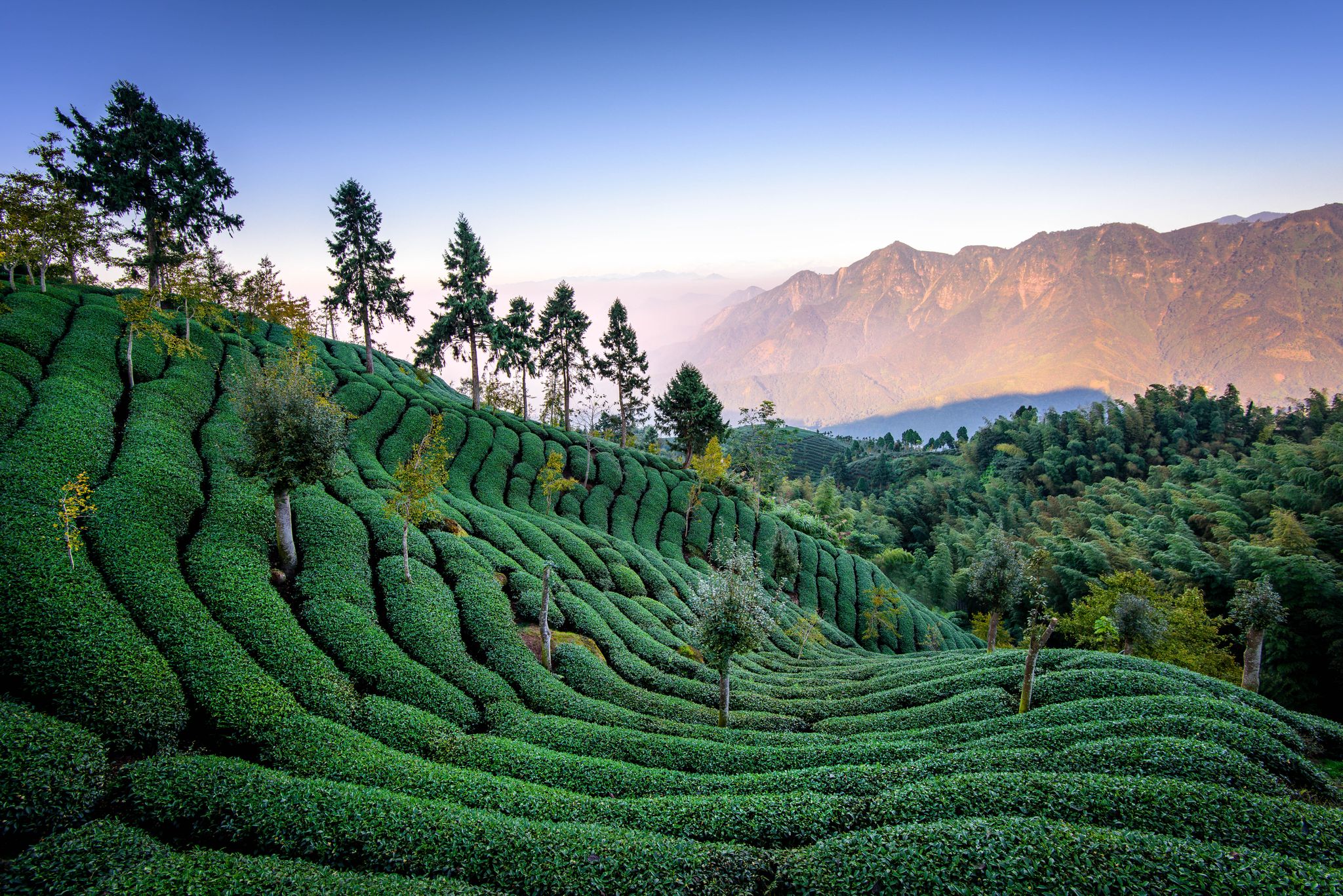
Nature at its best – hiking holidays in Taiwan

Around the World in 80 Days

Kailash — trekking on the Path of the Enlightened
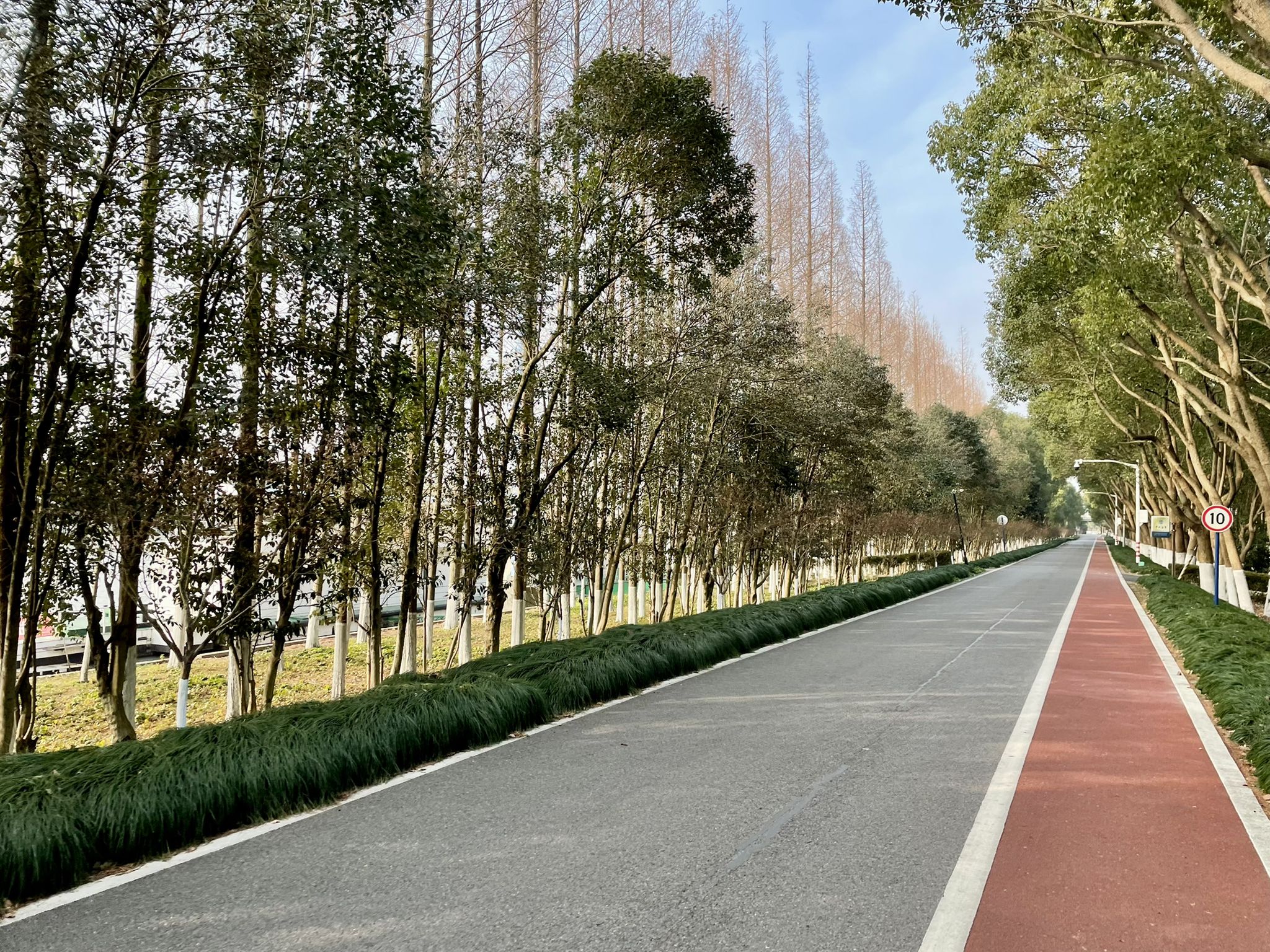
Downtown riding and day tripping — Shanghai's cycling essentials

At the roof of the world — mountain biking in China's Yunnan province
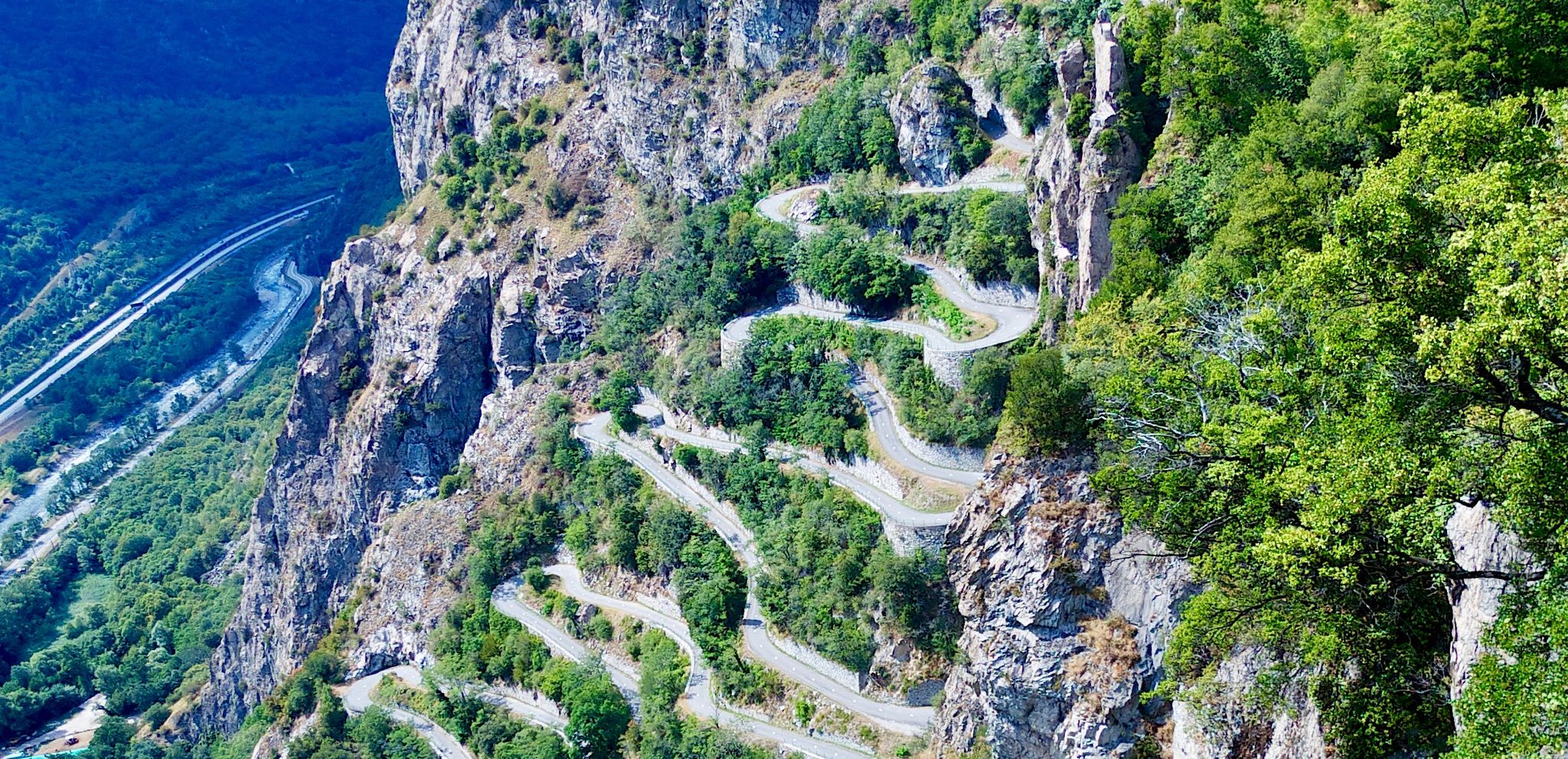
The world's most epic cycling roads
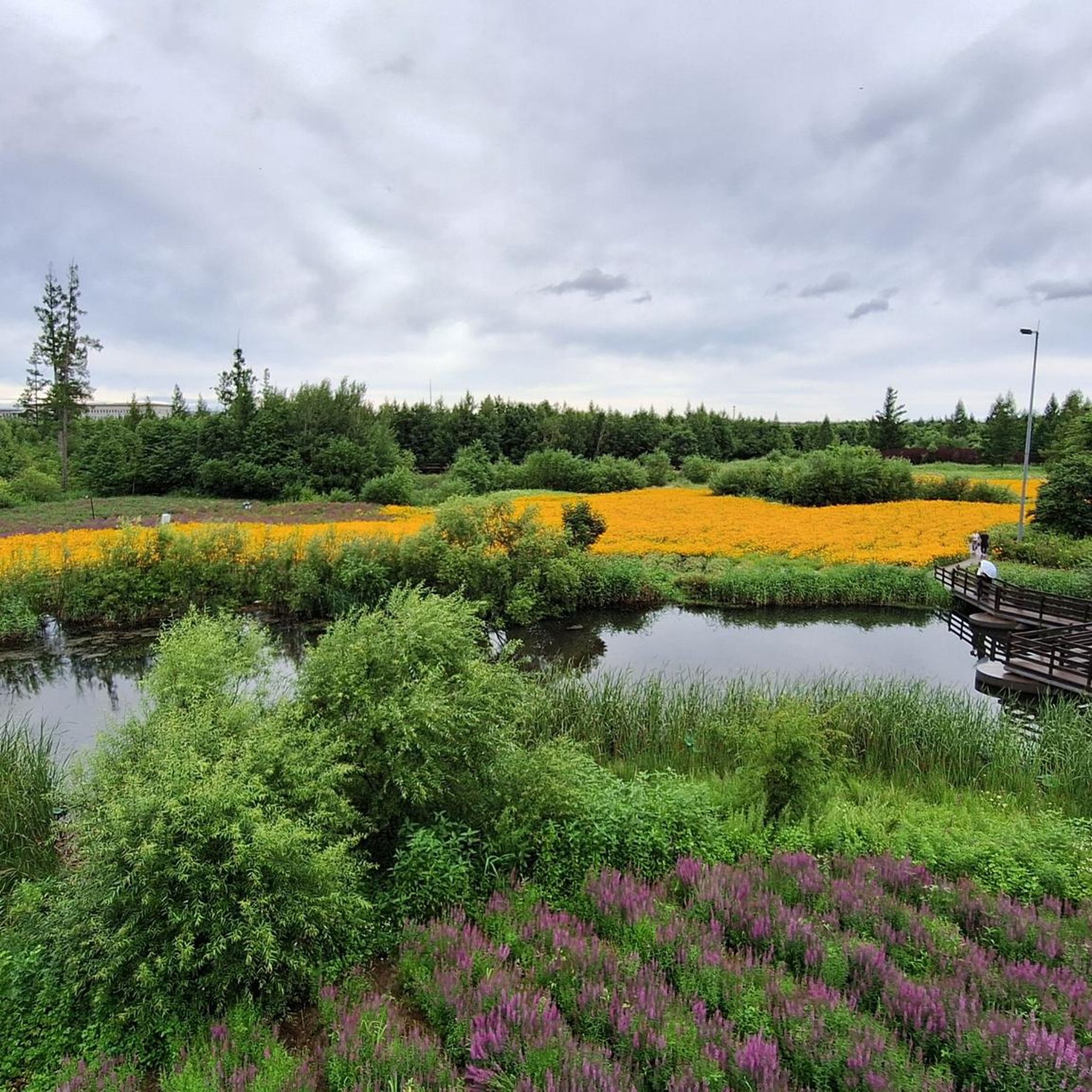
Running Trails in China
Road Cycling Routes in China
Cycling in China
Mountain Hikes in China
Other adventures in China


Tips from the Community

Just to reiterate that unfortunately you can't currently go any further along the Xinxian trail.
0
0


The water plunges a full 80 meters here, offering a magnificent natural spectacle. Also called the "Waterfall in the Clouds," during the rainy season, the Wulai Waterfall splits into two streams that cascade into the valley below. From the road, you have an unobstructed view of the waterfall. If you want to enjoy a different perspective, you can take the gondola up.
0
0

Huanglong Scenic Area is located in Songpan County, Aba Tibetan and Qiang Autonomous Prefecture, Sichuan Province, covering an area of 700 square kilometers. It is the only well-protected plateau wetland in China. It is 100 kilometers away from Jiuzhaigou, with an altitude of 1700-5588 meters. Huanglong is famous for its "four wonders" of colorful ponds, snow-capped mountains, canyons, and forests, and it is also known as "seven wonders" together with beaches, ancient temples, and folk customs. The scenic spot is composed of Huanglonggou, Danyun Gorge, Munigou, Xuebaoding, Xueshanliang, Hongxingyan, Xigou and other scenic spots. The main landscape is concentrated in Huanglonggou, which is about 3.6 kilometers long, and there are travertine deposits all over the valley. Arranged in terraced fields, it is well-known in the world for its rich animal and plant resources, and enjoys the reputation of "World Wonders" and "Wonderful Wonderland". It was included in the "World Natural Heritage List" in 1992. In addition to the alpine landscape, a variety of forest ecosystems can be found here, as well as limestone formations, waterfalls and hot springs. The area is also home to many endangered animals, including giant pandas and Sichuan mute golden monkeys. Huanglong is famous for its large-scale, ingenious structure and colorful travertine landscape. It is famous both at home and abroad for its rare karst landforms, and it can be called a fairyland on earth. On October 9, 2016, the National Tourism Administration released the "Red and Black List" of the National Holiday Tourism, and Huanglong Scenic Spot was listed as the best scenic spot in the comprehensive order. It is a World Natural Heritage Site, a World Man and Biosphere Reserve, a "Green Globe 21" certificate, a national AAAAA-level tourist attraction, and a national key scenic spot.
0
1

This majestic 80 m (262 ft) waterfall crashes down in the Wulai District, a great bike ride from Taipei. One of the most epic things about these falls is that you can see them perfectly from the road. If you want to see even more falls, you can take a ride on the cable car.
1
0

It's quite tough to hike all the way up in this altitude but it's definitely worth it
1
0

Shanfeng Waterfall comes crashing down the cliff beside the Shanfeng #2 Suspension Bridge. While standing on the bridge, visitors can witness the moment how the waterfall splashes on rocks and turns into mist. The Administrative Office of Yushan National Park has built a wooden platform by the lower stream of the waterfall so that visitors can enjoy the light breeze and listen to the water flowing in the magnificent picture to wash away the midsummer heat.
1
0
Shanfeng #2 Suspension Bridge is 1.7 kilometers from the trailhead. The look may not be as impressive as #1, it is exquisite in its own right. Shanfeng #2 Suspension Bridge retains the appearance from the late Japanese colonial period and has rich historical value. Shanfeng Waterfall is under the bridge. The waterfall cascades down the cliff next to the suspension bridge. During the seasons when there is an abundant supply of water, it just comes crashing down the waterfall. During the dry seasons, the waterfall just trickles down the cliff. To the right of the suspension bridge, visitors can overlook a grand V-shaped valley carved out by Laklak Stream. Shanfeng #2 Suspension Bridge is also a turning point for tourists on their half-day tour. The Walami Trail that most tourists know of ends around here, and it is a hot spot for Walami Trail.
1
0
Frequently Asked Questions
What are some of the most unique waterfalls to visit in China?
China offers a variety of unique waterfall experiences. For instance, the Yinhe Waterfall and Yinhe Cave Temple features a small temple carved directly into the mountain, blending natural beauty with historical elements. Another distinct spot is Motian Waterfall, which has an overhang allowing visitors to walk behind the cascade for a different perspective.
Are there any waterfalls in China that offer a cross-border experience?
Yes, the Detian Waterfall, also known as Ban Gioc–Detian Waterfall, is a remarkable transnational waterfall located on the border between China (Guangxi) and Vietnam. It is Asia's largest waterfall spanning two countries, offering a unique opportunity to experience its beauty from both sides, with options to take bamboo rafts close to the falls.
What is the best time of year to visit China's waterfalls?
The ideal time to visit waterfalls in China varies by region. For the powerful Huangguoshu Waterfall, the rainy season from June to October offers the most dramatic flow and frequent rainbows. Hukou Waterfall is best visited during its peak flow seasons, typically April to May and September to November. Detian Waterfall is most impressive between July and November, while Jiulong Waterfall is magnificent in summer and autumn, with spring offering the added beauty of rapeseed flower fields.
Which waterfalls in China are known for their historical or cultural significance?
Beyond their natural beauty, some waterfalls hold cultural importance. The Yinhe Waterfall and Yinhe Cave Temple is a prime example, with its temple carved into the mountain. Additionally, Hukou Waterfall on the Yellow River symbolizes the unyielding spirit of the Chinese people and has inspired significant cultural works.
Are there family-friendly waterfalls in China?
Yes, several waterfalls are suitable for families. Wulai Falls and Shifen Waterfall are both noted for being family-friendly, offering accessible viewpoints and pleasant surroundings for visitors of all ages.
What kind of natural features can I expect to see around China's waterfalls?
The areas around China's waterfalls are rich in diverse natural features. You can find karst mountains, dense forests, and significant river systems. For example, Huangguoshu Waterfall is surrounded by a scenic park with 18 other waterfalls and stone forests, while Detian Waterfall is set against a backdrop of ghostly karst mountains. Jiulong Waterfalls are famous for their picturesque rapeseed flower fields in spring.
Can I find hiking trails near waterfalls in China?
Absolutely. Many waterfalls are integrated into scenic parks with well-maintained hiking trails. The Sandiaoling Waterfall Trail is a notable example, offering access to multiple waterfalls like Hegu Waterfall, Motian Waterfall, and Pipadong Waterfall. For more options, you can explore various waterfall hikes in China.
What outdoor activities are available near China's waterfalls?
Beyond waterfall viewing, the regions around China's waterfalls offer a range of outdoor activities. You can find numerous mountain hikes and MTB trails. For instance, the area around the Sandiaoling Waterfall Trail provides opportunities for extended hiking, with options to continue to places like Shifen.
Which waterfall in China is known for its unique viewing angles?
Huangguoshu Waterfall in Guizhou Province is particularly special because it can be admired from six different angles: above, below, front, back, left, and right. This is largely due to the Water Curtain Cave (Shuiliandong), a natural cave located behind the main cascade, allowing visitors to view and even touch the rushing water from within.
Are there any waterfalls in China that are known for their distinctive color?
Yes, Hukou Waterfall on the Yellow River is famous for its unique golden-yellow hue. This distinctive color is caused by the river's rich loess sediments, adding to its dramatic beauty and making it the largest yellow waterfall in the world.
What do visitors say about the Sandiaoling Waterfall Trail?
Visitors highly recommend the Sandiaoling Waterfall Trail for its scenic beauty and varied terrain, noting that it avoids monotonous 'Chinese stairs.' It offers wonderful waterfalls and the option to extend the hike to Shifen. It's considered one of the most beautiful tours in the region.
Are there any waterfalls in China that are particularly impressive after heavy rains?
Yes, many waterfalls become significantly more spectacular after heavy rains. For example, the Yinhe Waterfall, while beautiful year-round, is described by visitors as much more dramatic and powerful following periods of heavy rainfall.
Most popular routes in China
Most popular attractions in China

Get inspired with the komoot mobile app


Didn’t find what you were looking for?
Looking for more great places nearby? See even more amazing waterfalls in China with these guides per region:
Explore more
Happy to travel a little further afield? Then browse these guides for the best waterfalls in China:
