Top 10 Huts and Cabins in China
Huts in China are found across diverse landscapes, from high mountain ranges to vast grasslands and ancient villages. The country's varied geography, including the Himalayas, the Loess Plateau, and numerous river valleys, supports a range of traditional and modern accommodations. These structures reflect China's rich cultural heritage and architectural adaptations to different environments. They provide insight into local traditions and offer access to natural areas.
Best huts in China
- The most popular huts is Walami Cabin, a hut with a capacity for 24 people. It offers sleeping bag/tent rental and catering services by booking in advance. This cabin is located 13.6 kilometers from the trailhead at an elevation of about 1,060 meters.
- Another must-see spot is Jiaminghu Cabin, a hut providing basic dormitory-style sleeping options. Space needs to be booked ahead of time. It is a suitable location for a sunrise hike to Jiaming Lake and Sanchashan.
- Visitors also love Paiyun Lodge, a south-facing steel-framed mountain lodge. It is equipped with water supply, toilets, a kitchen, beds, and mattresses, and can accommodate about 116 people.
- China is known for its diverse range of accommodations, including mountain lodges, traditional Mongolian yurts, and unique Fujian Tulou. These structures offer varied experiences, from high-altitude trekking stops to cultural immersion in historic dwellings.
- The huts in China are appreciated by the komoot community, with 10 upvotes and 13 photos shared across the highlights.
Last updated: October 12, 2026
Xihai Hotel
Highlight • Mountain Hut
It was the destination on the first day of arrival and the next morning the starting point for Xihai (Grand Canyon), the highlight of my Huangshan tour to the Jade Screen Hotel.
The hotel was clean and the breakfast was still acceptable.
The hotels are a bit expensive but no wonder given the location and high demand, so pre-orders are a must.
What is particularly noteworthy is that all items (food, bed linen, etc.) have to be carried up approx. 5,000 steps by porters on foot, as the cable cars are not allowed to be used for this. Actually a no GO.
Translated by Google •
Tip by

Walami Cabin
Highlight • Mountain Hut
More faucets. The toilet and the mountain house are well lit. Do not leave the garbage outside to affect the wild animals after cooking.
Translated by Google •
Tip by

Sign up now to discover places like this
Get recommendations on the best single tracks, peaks, & plenty of other exciting outdoor places.
Paiyun Lodge
Highlight • Mountain Hut
Tip by

Tea-Horse Trade Guest House Viewpoint
Highlight • Viewpoint
Translated by Google •
Tip by

Jiaminghu Cabin
Highlight • Mountain Hut
Tip by

Sanliujiu Cabin (369 Cabin)
Highlight • Mountain Hut
Tip by

Xanadu Yurts
Highlight • Mountain Hut
Tip by

Khampa Nomad Ecolodge
Highlight • Mountain Hut
Tip by

Shanshui Renjia Guesthouse, Baodu Village
Highlight • Mountain Hut
Tip by

Start today with a free account
Your next adventure awaits.
Popular around China
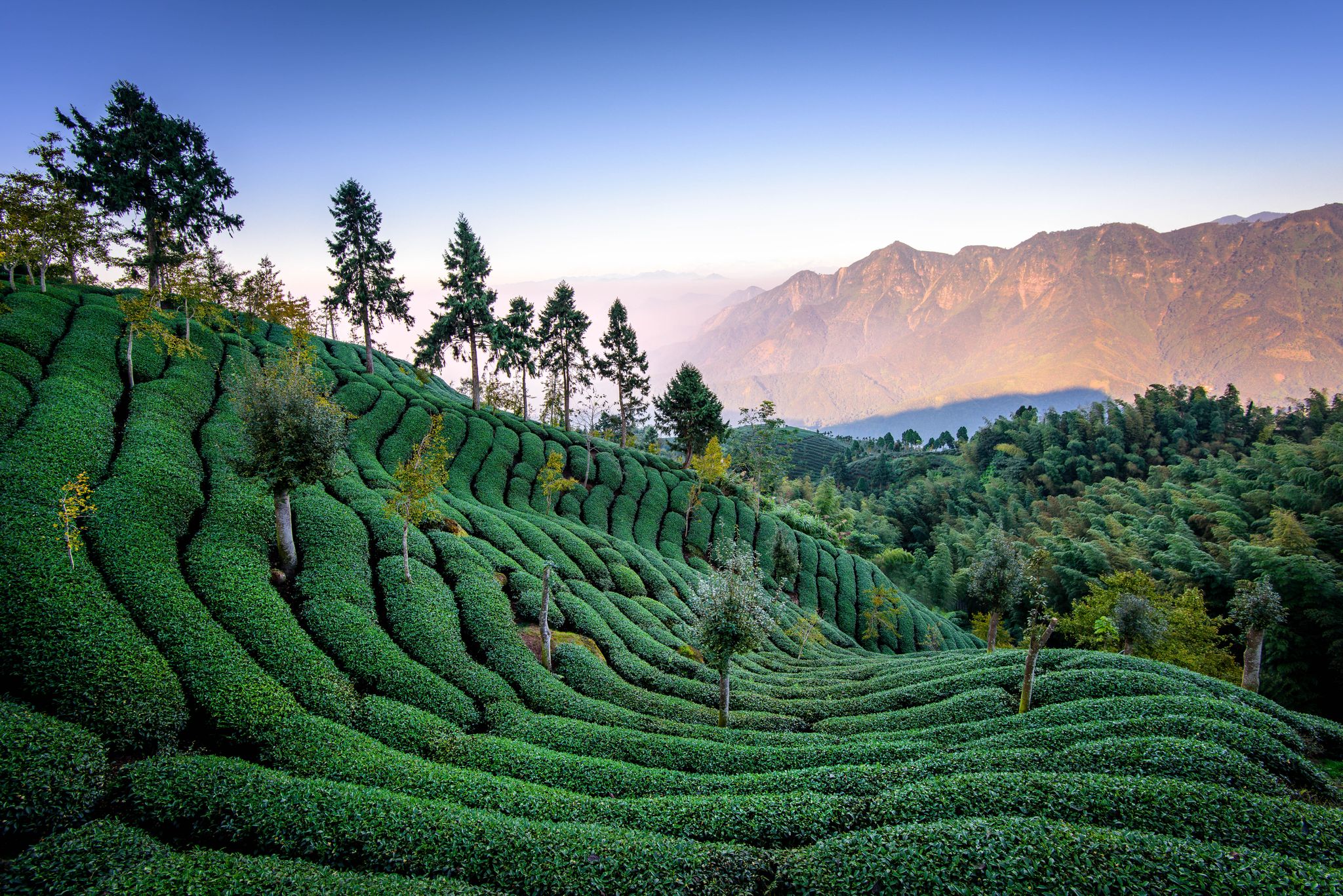
Nature at its best – hiking holidays in Taiwan

Around the World in 80 Days

Kailash — trekking on the Path of the Enlightened
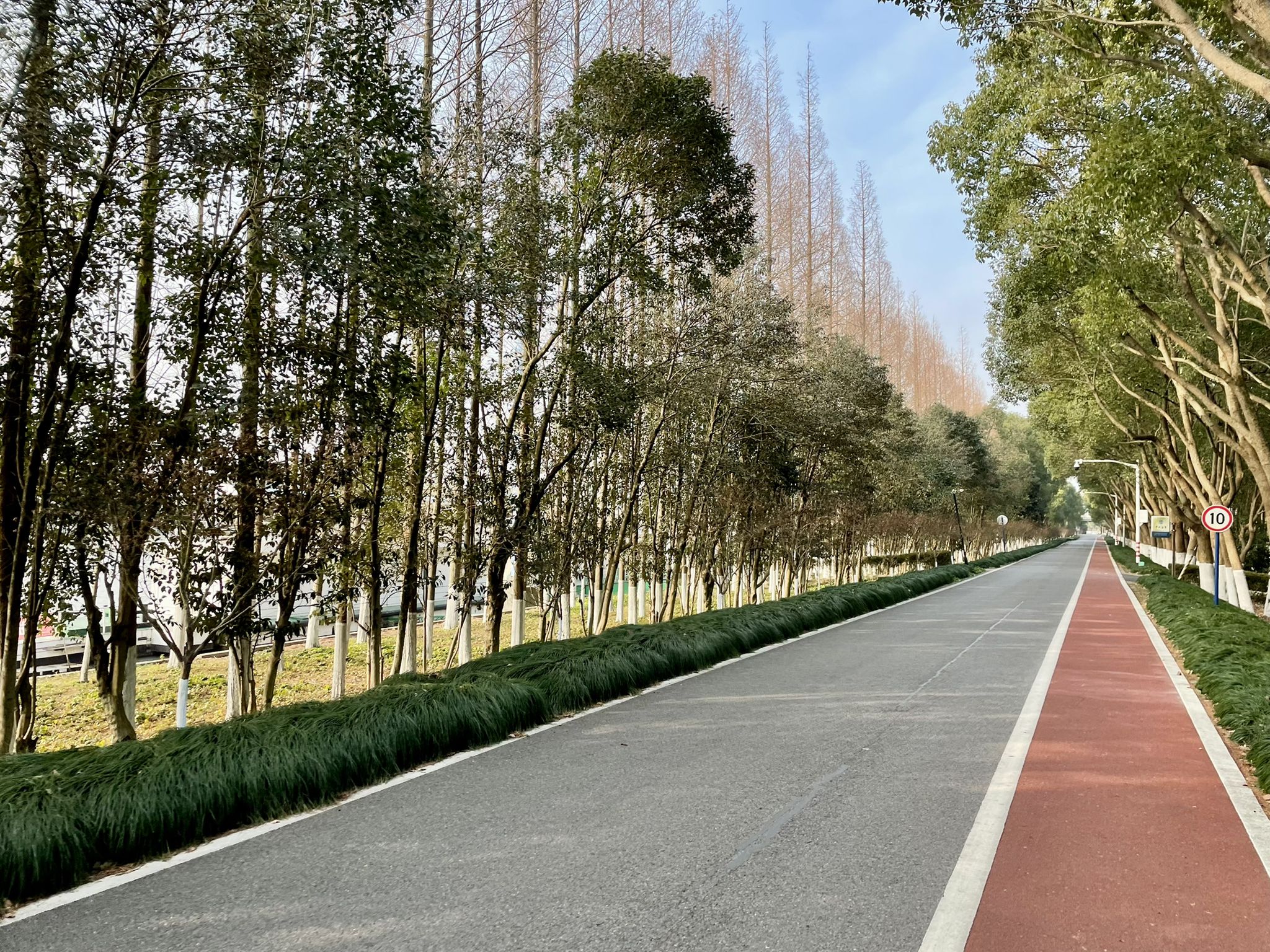
Downtown riding and day tripping — Shanghai's cycling essentials

At the roof of the world — mountain biking in China's Yunnan province
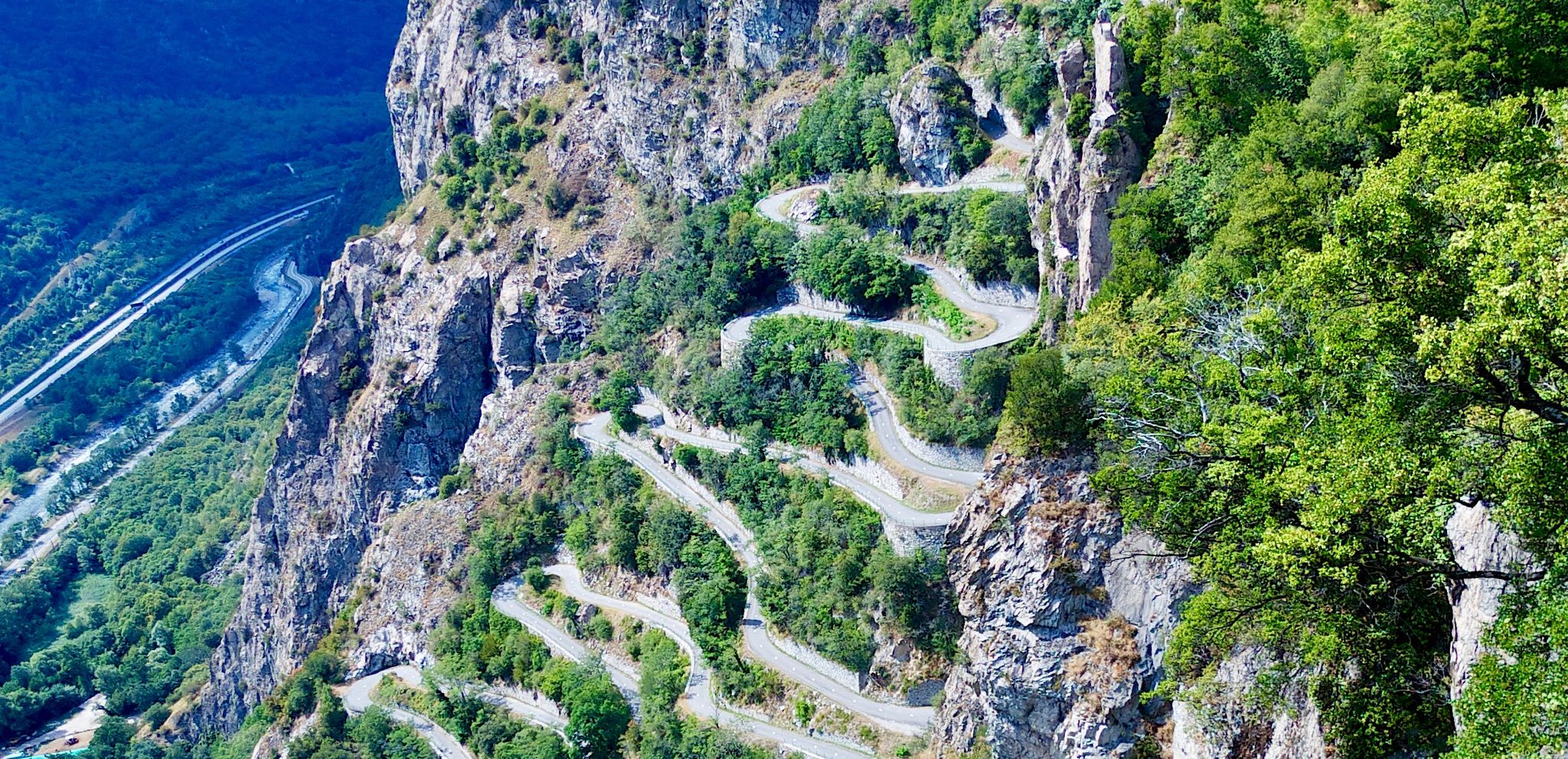
The world's most epic cycling roads
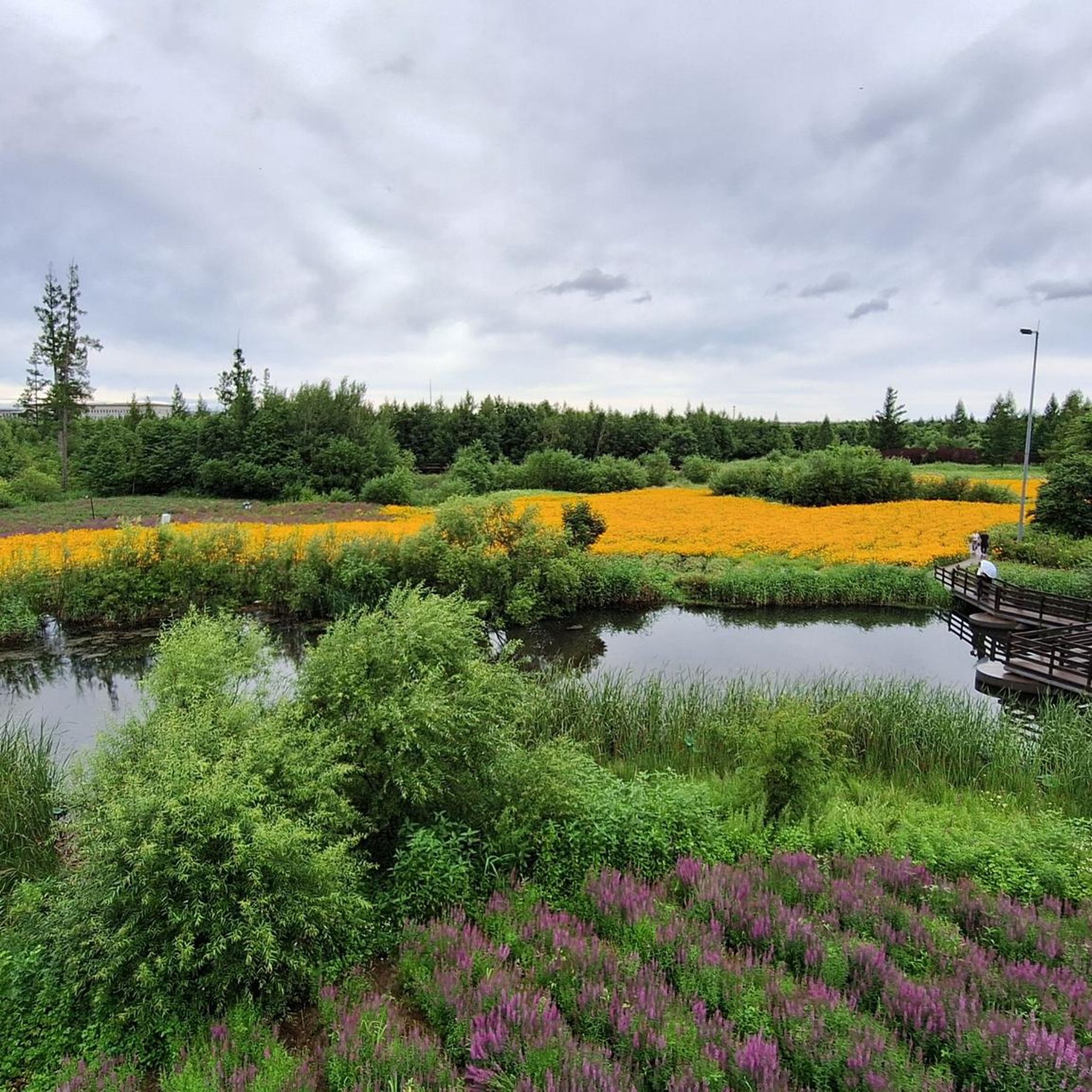
Running Trails in China
Road Cycling Routes in China
Cycling in China
Mountain Hikes in China
Other adventures in China


Tips from the Community

A good stop on the way through the Tiger Leaping Gorge. You can eat and drink well here.
2
0
Above a modern glass construction, below old Chinese roofs, great view of the valley
0
0

You can book a room to sleep there, get food and can replenish your water supply. They also have cola and beer :-) Payment with WeChat/Alipay, because the have WIFI. The rooms are simple but clean. The food is awesome.
0
0

The Xihai was a lovely hotel at the top of Huangshan. It was the destination on the first day of arrival and the next morning the starting point for Xihai (Grand Canyon), the highlight of my Huangshan tour to the Jade Screen Hotel. The hotel was clean and the breakfast was still acceptable. The hotels are a bit expensive but no wonder given the location and high demand, so pre-orders are a must. What is particularly noteworthy is that all items (food, bed linen, etc.) have to be carried up approx. 5,000 steps by porters on foot, as the cable cars are not allowed to be used for this. Actually a no GO.
1
0


There are two cabins on the trail. The second, 369 Cabin / Sanliujiu Cabin, is at the 6.9 km mark at an altitude of 3,160 m. The cabin is rather basic containing bunker style beds. Hikers must bring their own sleeping and cooking gear. Tables and benches are outside. The toilet building is separate.
1
0
Cabin to sleep on the way to Jiaming Lake. Space needs to be booked ahead of time. Basic dormitory style, does the job. Good location for a sunrise hike up to the Jiaming Lake and Sanchashan.
1
0

Bring warm clothes and sleeping bag, because it gets very cold at night.
0
0
Frequently Asked Questions
What types of huts and traditional accommodations can I find in China?
China offers a diverse range of accommodations, from mountain lodges for trekkers to traditional folk dwellings. You can find high-altitude mountain huts like Paiyun Lodge and Xihai Hotel, as well as cultural experiences in Mongolian Yurts, Fujian Tulou (Hakka Houses), Siheyuan (Courtyard Houses), Diaojiaolou (Stilted Buildings), and even ancient Cave Dwellings (Yaodong).
Are there family-friendly hut options in China?
Yes, some accommodations cater to families. For instance, Xanadu Yurts are noted as family-friendly. Traditional Mongolian yurts, in general, can offer a unique and engaging experience for families interested in nomadic culture.
What facilities can I expect in mountain huts for hikers?
Facilities vary by hut. Paiyun Lodge, for example, is well-equipped with water supply, toilets, a kitchen, beds, and mattresses. Other huts like Walami Cabin may offer sleeping bag/tent rental and catering services, while Sanliujiu Cabin (369 Cabin) provides basic bunker-style beds, requiring hikers to bring their own sleeping and cooking gear.
Which huts are suitable for experiencing traditional Chinese culture?
For cultural immersion, consider staying in traditional folk houses. Mongolian Yurts, such as those offered by Lexiang Fast Food Restaurant & Yurt Homestay, provide a glimpse into nomadic life. Fujian Tulou, Siheyuan in Beijing's *hutongs*, Diaojiaolou in places like Fenghuang, and Hui-style architecture in villages like Hongcun and Xidi also offer rich cultural experiences.
Do I need to book mountain huts in advance?
Yes, advance booking is often essential, especially for popular mountain huts and during peak seasons. For example, Xihai Hotel in Huangshan and Jiaminghu Cabin require booking ahead of time due to high demand and remote locations.
Are there any huts located in historically significant areas?
Yes, many huts are situated in areas with historical significance. Walami Cabin is located on a site where a Japanese police station and other facilities were established in 1920, serving as an important post on the Batongguan Traversing Trail. Fujian Tulou and Siheyuan are also centuries-old structures reflecting historical ways of life.
What are some notable mountain huts for exploring scenic natural landscapes?
For stunning natural scenery, Xihai Hotel on Huangshan (Yellow Mountain) offers unparalleled access to the Xihai Grand Canyon. Paiyun Lodge provides views of the Nanzixian River and surrounding fir forests, while Jiaminghu Cabin is a great base for a sunrise hike to Jiaming Lake and Sanchashan.
What outdoor activities can I do near huts in China?
Many huts are located near excellent outdoor activity areas. You can find various mountain hikes, including moderate to difficult trails like the 欄沙壩泳池 – 森林火災消防蓄水池 loop or the 合歡山北峰 loop. There are also road cycling routes and MTB trails available in different regions of China.
Are permits required for hiking to certain huts or areas?
Yes, permits are often required for accessing certain areas, especially in national parks or remote regions. For example, access to the Walami Trail beyond Jiaxin, which leads to Walami Cabin, requires entry permits.
What should I pack for a hut trip in China?
Given the diverse environments, packing essentials vary. For mountain huts, especially at higher altitudes like Sanliujiu Cabin (369 Cabin), you should bring warm clothes and a sleeping bag, as it can get very cold at night. Some huts may require you to bring your own cooking gear.
Can I find food and drink options near or at the huts?
Many huts and guesthouses offer food and drink. Xihai Hotel provides breakfast, and Walami Cabin offers catering services with advance booking. The Tea-Horse Trade Guest House Viewpoint on the Tiger Leaping Gorge is also a good stop for food and drinks.
What makes traditional Chinese folk houses unique?
Traditional folk houses are unique for their architectural adaptations and cultural significance. Fujian Tulou are large, communal earthen buildings designed for defense, while Siheyuan are courtyard homes reflecting family hierarchy. Diaojiaolou are stilted houses built to protect against moisture, and Cave Dwellings (Yaodong) are dug into loess layers, providing natural insulation.
Most popular routes in China
Most popular attractions in China

Get inspired with the komoot mobile app


Didn’t find what you were looking for?
See even more amazing huts in China with these guides per region:
Explore more
Find more beautiful huts and cabins in China by checking out the top ones in these nearby places:
