Top 20 Gorges in Jordan
Canyons in Jordan, locally known as "wadis," are carved through sandstone and volcanic rock, revealing narrow passages and natural pools. These geological formations offer diverse experiences, from hiking through lush oases to exploring ancient historical sites. The region is characterized by its dramatic desert landscapes and towering sandstone mountains. Jordan's canyons provide a dynamic mix of exploration opportunities set against a backdrop of stunning cliffs and unique vegetation.
Best canyons in Jordan
- The most popular canyons is The Siq (Petra), a canyon that serves as the main entrance to ancient Petra. This narrow, 1.2 km long gorge in the sandstone formation reveals Petra's most famous attraction, Al-Khazneh (The Treasury), in its last section.
- Another must-see spot is Ancient Water Channel System in the Siq, Petra, a man-made monument. Visitors can see the remains of water pipes that were once several kilometers long, developed with a system of protection against spring tides and a paved road.
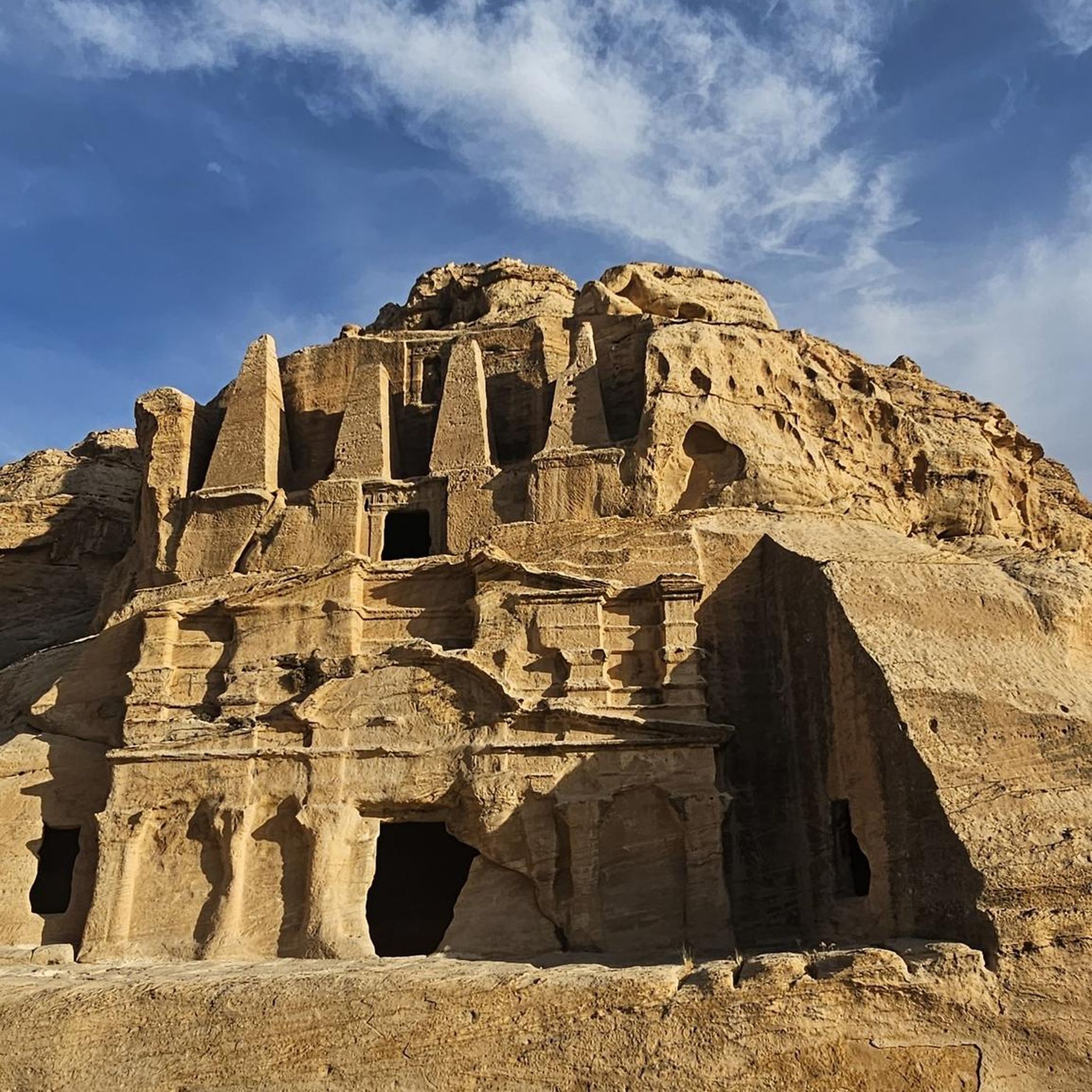
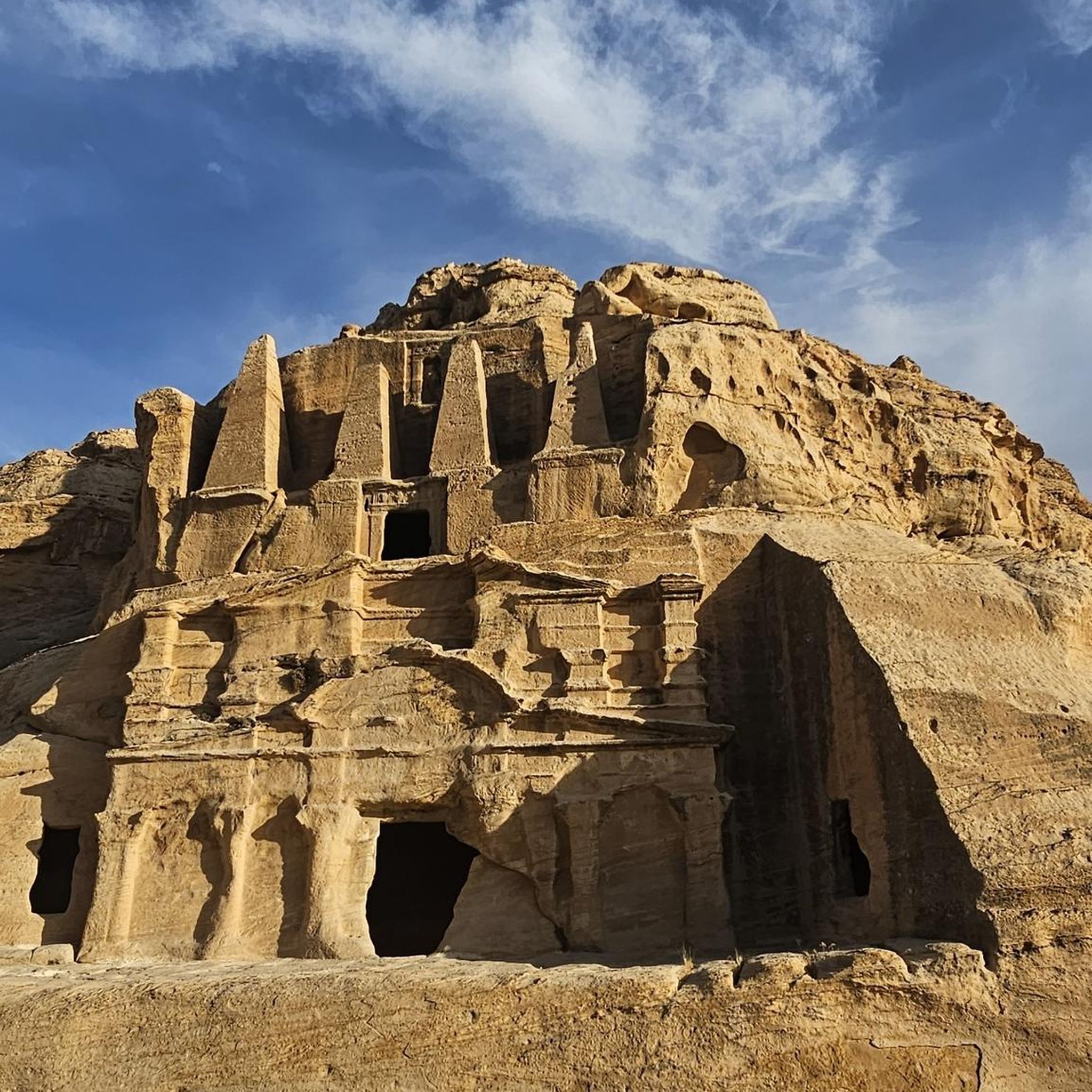
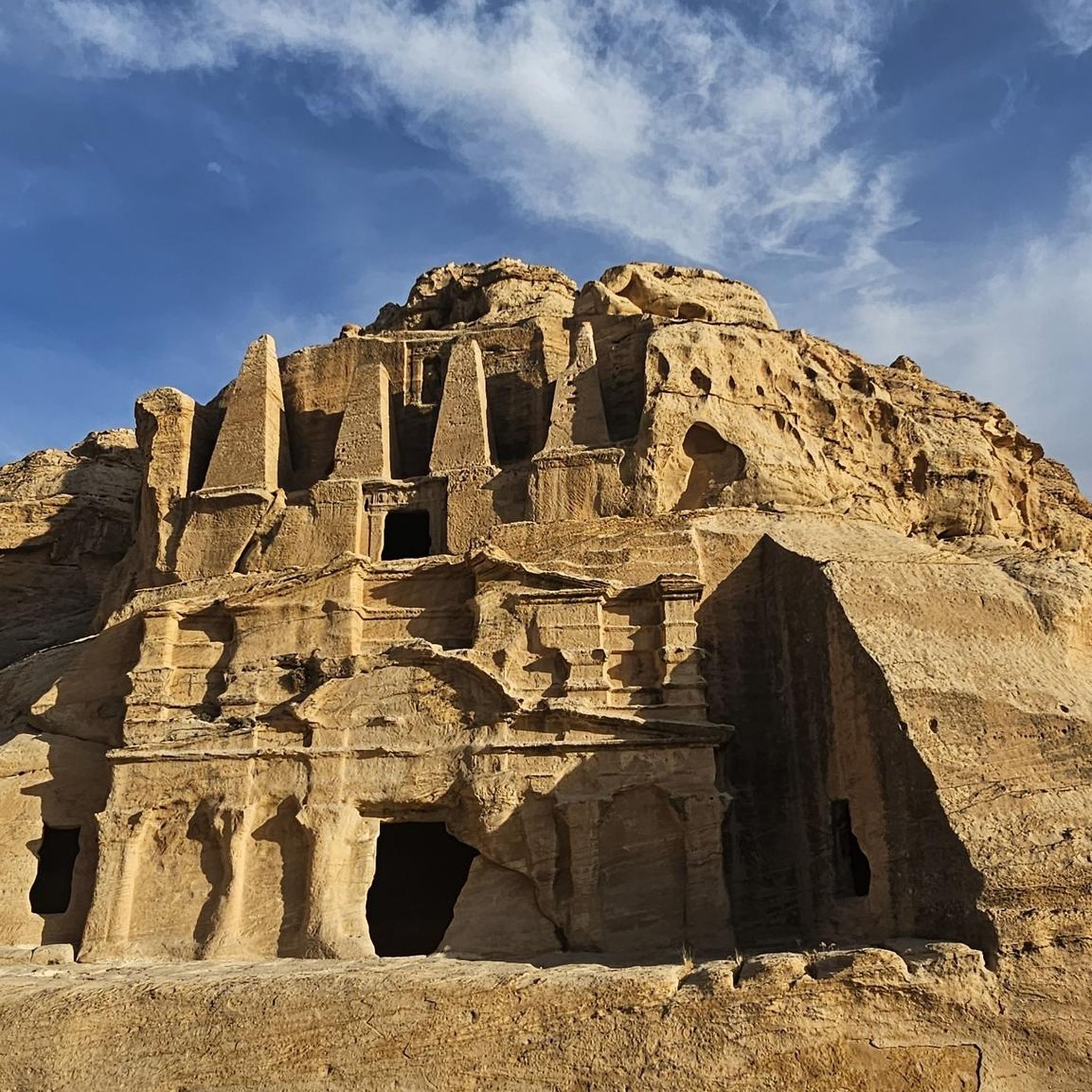
- Visitors also love Little Petra (Siq al-Barid), a historical site located approximately 6 km north of ancient Petra. This gorge features buildings carved into rocks, believed to be a suburb of the Nabataean capital and a base for trade.
- Jordan is known for its deep gorges, historical sites, and natural monuments. The country offers a variety of canyons to see and explore, from those with ancient petroglyphs to those featuring unique rock formations.
- The canyons in Jordan are appreciated by the komoot community, with 27 highlights, 189 photos, and 153 upvotes.
Last updated: June 26, 2026
Little Petra (Siq al-Barid)
Highlight • Historical Site
'Little Petra' was probably a suburb of the Nabataean capital and a base for trade on the Silk Road. After the Nabataean Empire fell, the place was used by nomads for many centuries and only in the late 20th century. rediscovered and excavated.
en.wikipedia.org/wiki/Little_Petra
Translated by Google •
Tip by

Ancient Water Channel System in the Siq, Petra
Highlight • Monument
A water channel covered with stone slabs ran in the rock face. In some places there were settling tanks to reduce the pressure and to precipitate lime and other substances carried in the water. You could drink from at least four fountains along the way.
Translated by Google •
Tip by

Sign up now to discover places like this
Get recommendations on the best single tracks, peaks, & plenty of other exciting outdoor places.
Sign up for free
Entrance to the Siq
Highlight • Gorge
Translated by Google •
Tip by

Street of Facades, Petra
Highlight (Segment) • Historical Site
Over the past few centuries, flash floods in Wadi Musa have washed up and deposited a significant amount of rock and soil. This partially blocks access to the lower grave doors.
madainproject.com/tombs_in_petra#street-of-facades
Translated by Google •
Tip by
Narrow Sections of the Siq, Petra
Highlight • Canyon
Translated by Google •
Tip by

Hanging Gardens
Highlight • Gorge
Translated by Google •
Tip by

Viewpoint of the Wadi Rock Formations
Highlight • Viewpoint
Translated by Google •
Tip by
Small Waterfall in Wadi Ibn Hammad
Highlight • Waterfall
Translated by Google •
Tip by

Rock wedged between two cliffs
Highlight • Natural Monument
Translated by Google •
Tip by

Wadi Zarqa Ma’in
Highlight • River
Tip by

Sign up for free to discover even more gorges in Jordan.
Sign up for free
Already have an account?
Start today with a free account
Your next adventure awaits.
Login or Signup
Popular around Jordan
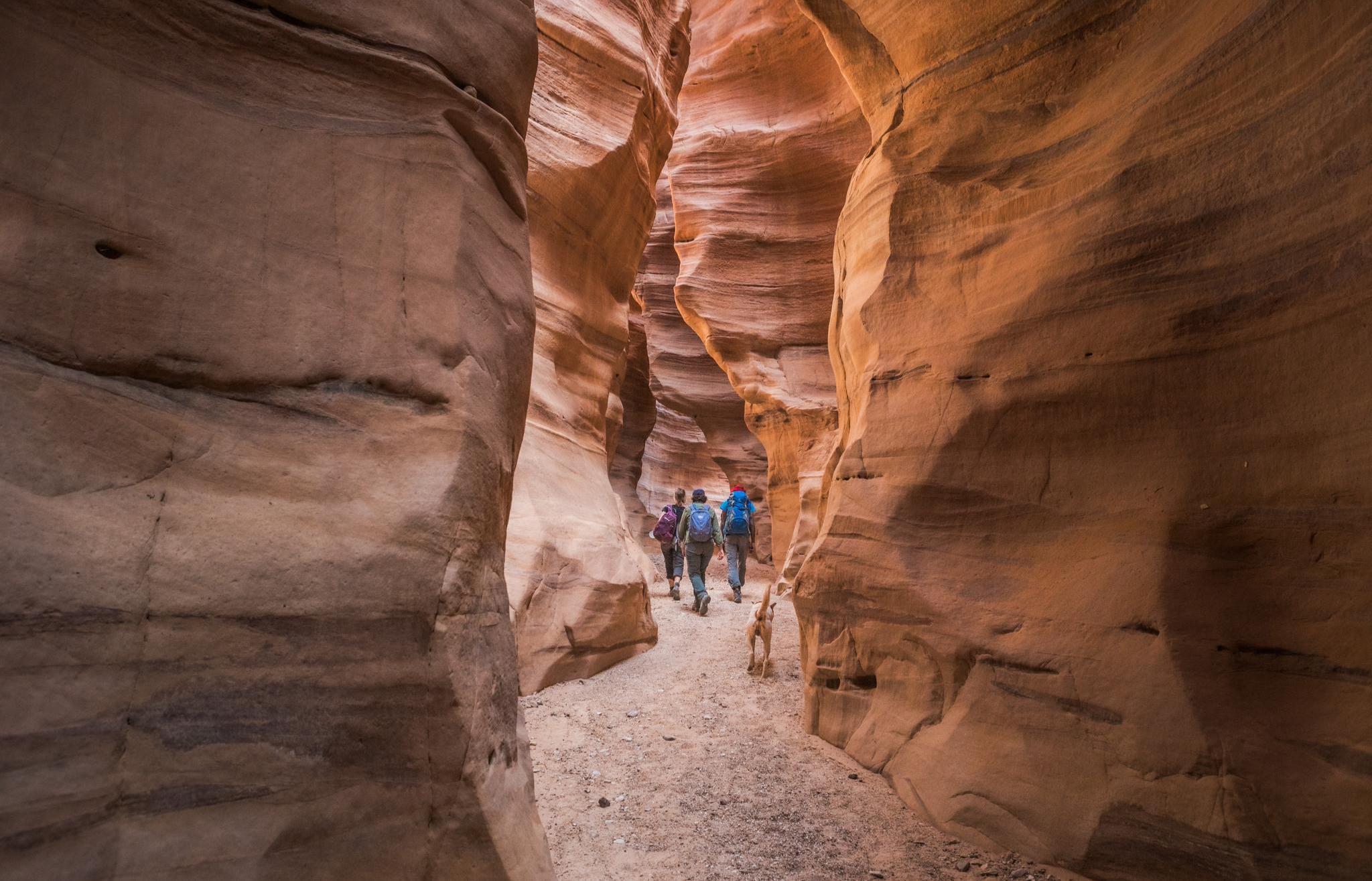
Jordan Trail Region 7 — an immersive 5-day hike from Petra to Wadi Rum
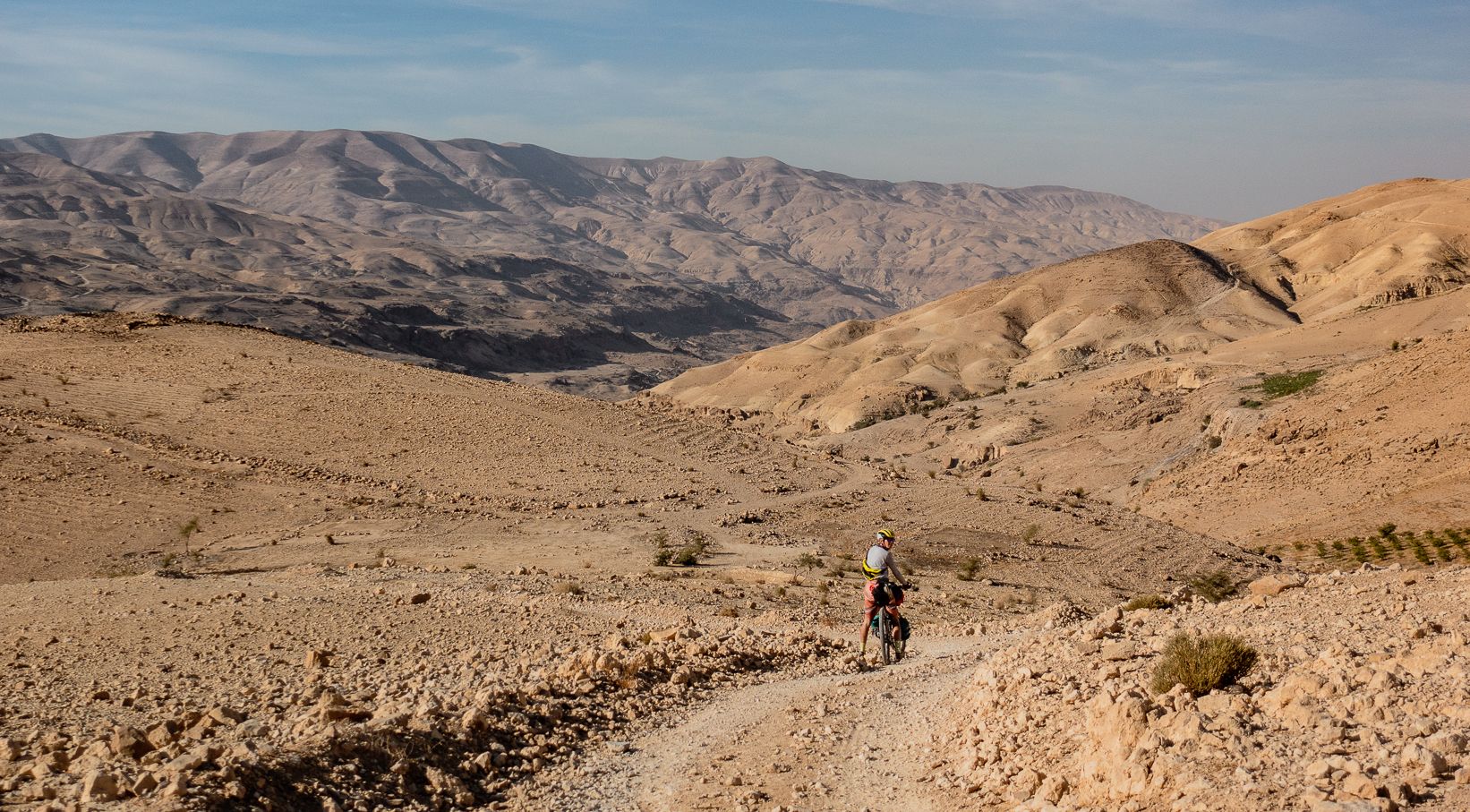
Jordan Trail – Bikepacking across Jordan
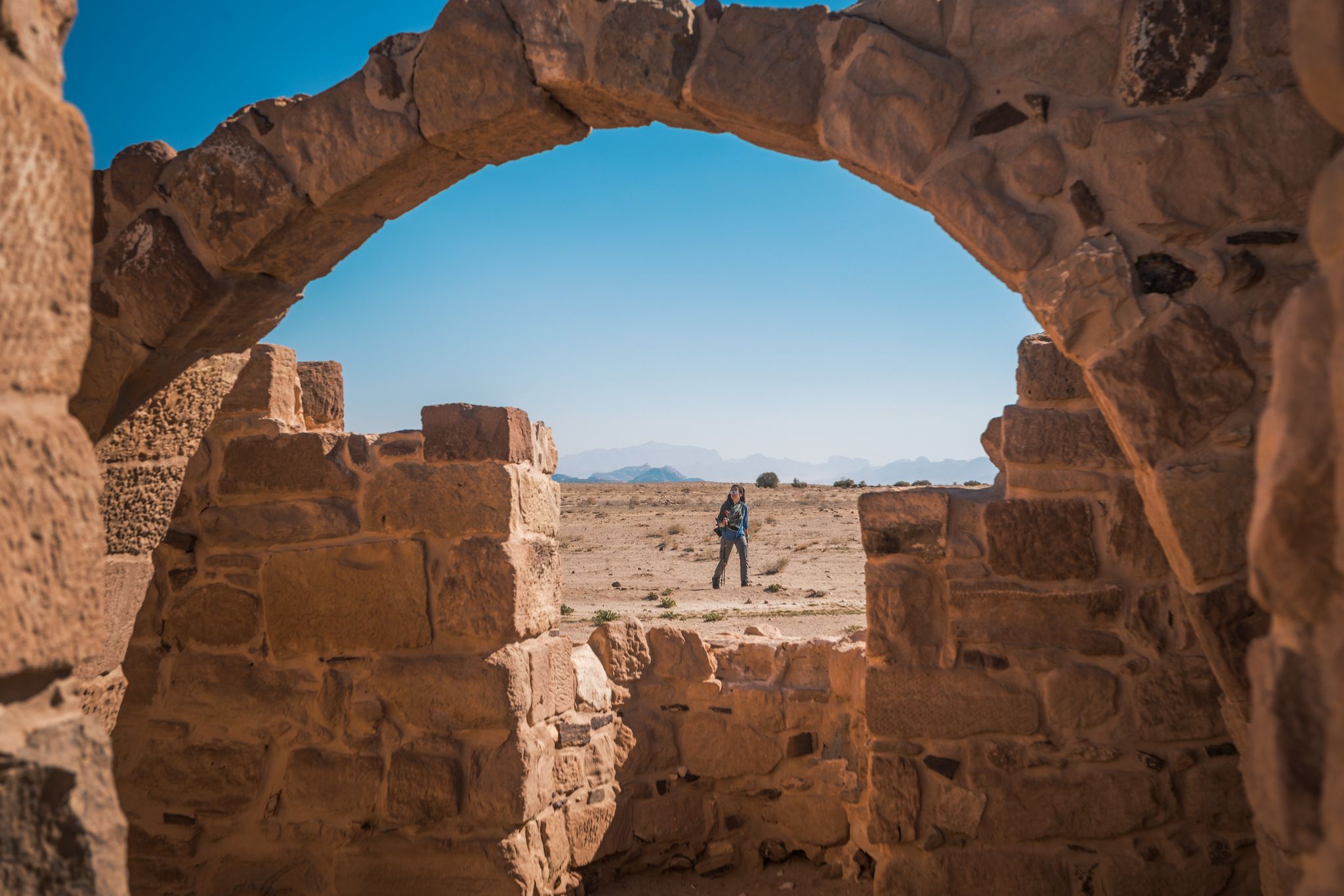
Your adventure on the Jordan Trail – culture, history and the Red Sea
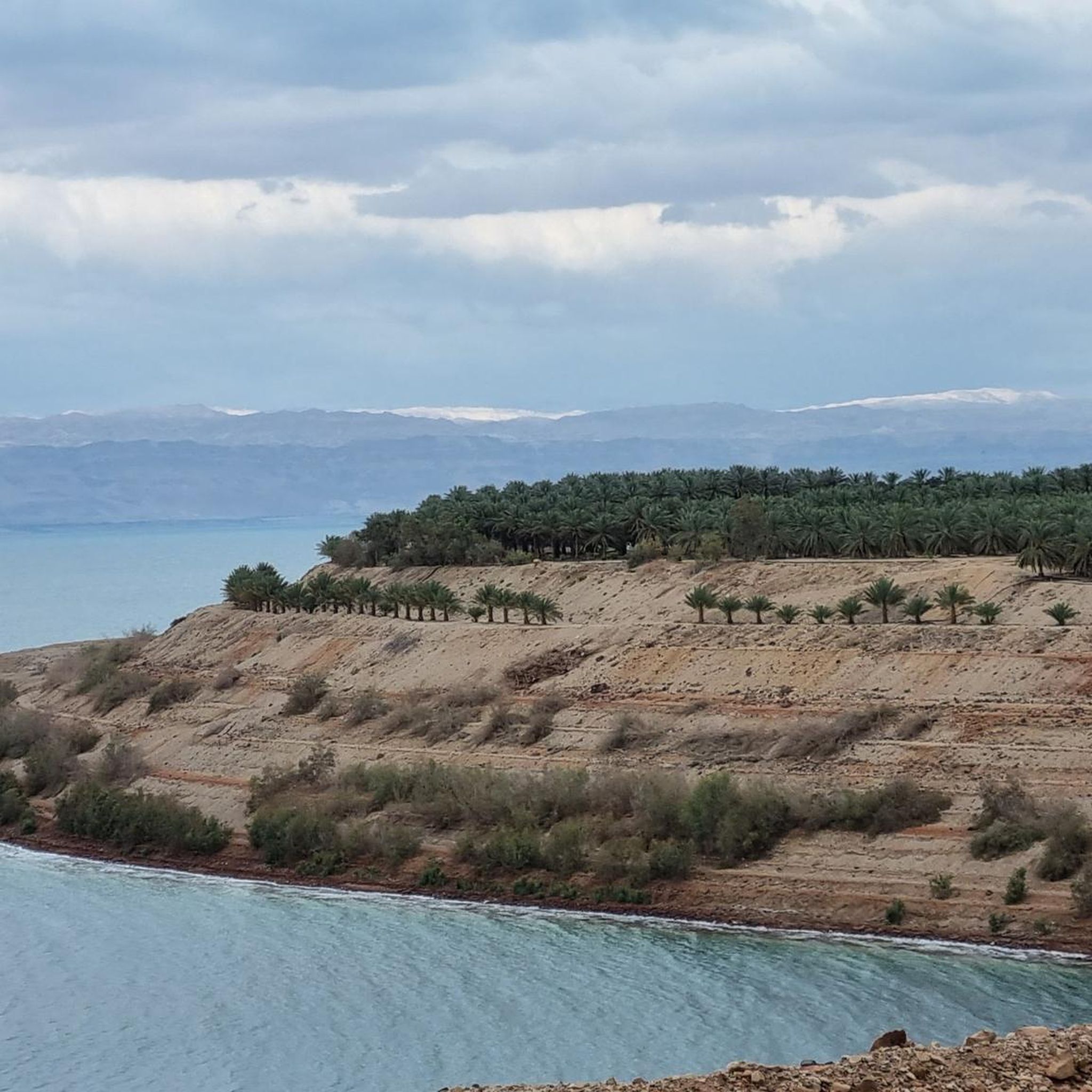
Hiking in Jordan
MTB Trails in Jordan
Road Cycling Routes in Jordan
Running Trails in Jordan
Cycling in Jordan

Gravel biking in Jordan
Other adventures in Jordan


Tips from the Community

Previously, a stone arch spanned the entrance
1
0
To the right and left of the gorge you can still see the water channels, partly also the ceramic pipes that were here once
0
0

The River Wadi Zarqa Ma’in is a perennial flowing water source (water needs to be purified) and there are even some shady spots. The Jordan Trail crosses the river at this point, following the old Roman Road.
1
0

Little Petra is really worth the visit. You can take a free shuttle from Petra main entrance (in the bus area) to go there. From there you can also take the trail heading to the monastry.
0
0
Shortly after entering the gorge, we pass this beautiful door formed by a rock stuck between 2 cliffs
0
0

A steep stone staircase in the narrow gorge takes you to a viewing point with a view of the rocks in the wadi. There is a coffee and tea house with seating here.
1
0
The 'Painted House' is located on the main street in 'Siq al-Barid'. It is a rock-cut dining room (biclinium) with well-preserved murals. The paintings are evidence of the importance of the Dionysian religious cult of the Nabataeans. https://en.wikipedia.org/wiki/Little_Petra
2
0
'Siq al-Barid' (Cold Gorge), also known as 'Little Petra', is located approximately 6 km north of ancient Petra. The buildings, carved into rocks, were probably built at the height of the Nabataean Empire in the 1st century. AD The gorge is approximately 350 m long and consists of three “open” areas where the buildings are located. 'Little Petra' was probably a suburb of the Nabataean capital and a base for trade on the Silk Road. After the Nabataean Empire fell, the place was used by nomads for many centuries and only in the late 20th century. rediscovered and excavated. https://en.wikipedia.org/wiki/Little_Petra
2
0
Frequently Asked Questions
What unique natural features can I find in Jordan's canyons?
Jordan's canyons, known as wadis, are carved through sandstone and volcanic rock, revealing breathtaking natural beauty. You can find spectacular waterfalls, narrow passages, and natural pools. For example, Wadi Ibn Hammad features a small waterfall, while Wadi Hasa is known for its hot springs and jacuzzi-like pools. Wadi Ghuweir boasts a vibrant ecosystem with a thriving stream, palm trees, and hanging plants, showcasing multi-layered rock formations in various colors.
Are there historical or cultural sites within Jordan's canyons?
Yes, several canyons in Jordan are rich in history and culture. The most prominent is The Siq (Petra), the main entrance to ancient Petra, where you can see the remains of an Ancient Water Channel System built by the Nabataeans. Little Petra (Siq al-Barid), a suburb of the Nabataean capital, features buildings carved into rocks. Wadi Rum also contains ancient petroglyphs and inscriptions, particularly in Khazali Canyon, depicting humans and animals from Thamudic times.
What kind of outdoor activities can I do in Jordan's canyons?
Jordan's canyons offer a dynamic mix of outdoor activities. You can enjoy hiking, canyoning (which often involves swimming, climbing, and rappelling), and exploring geological formations. For more structured activities, you can find various hiking trails, cycling routes, and running trails throughout the region. Wadi Mujib is particularly popular for canyoning, while Wadi Rum offers opportunities for hiking and rock climbing amidst its dramatic desert landscapes.
Which canyons are suitable for beginners or those looking for an easier experience?
For those seeking an easier or less technical experience, Wadi Hasa is often recommended. It's considered less technical than other canyons, making it suitable for beginners, and offers a full-day adventure with opportunities to relax in natural warm pools. Wadi Ghuweir also provides an easy to medium hike, with some parts requiring wading through water, but generally offers a more accessible experience through its lush oasis-like environment.
What is the best time of year to visit Jordan's canyons?
The best time to visit Jordan's canyons largely depends on the specific wadi and activity. For wet trails and canyoning adventures like the Siq Trail in Wadi Mujib, the season typically runs from April to October. During this period, the water levels are generally suitable, and the weather is warm. For hiking in wadis like Wadi Ghuweir, warm weather is also enjoyable due to the meandering stream, providing a refreshing experience.
Can I go canyoning in Jordan, and what are some popular routes?
Yes, Jordan is a prime destination for canyoning, locally known as wadi bashing. Wadi Mujib is an ultimate destination for canyoning enthusiasts, with its popular Siq Trail offering a thrilling 2-3 hour adventure involving hiking, climbing, swimming, and floating downstream to a majestic waterfall. The reserve also offers advanced canyon routes for seasoned adventurers. Wadi Hasa is another excellent option, known as Jordan's 'natural waterpark,' offering a less technical canyoning experience with colorful rock formations and natural pools.
Are there any family-friendly canyon options in Jordan?
While many canyoning experiences in Jordan can be challenging, some wadis offer more accessible options. Wadi Hasa, with its less technical nature and opportunities to relax in natural warm pools, can be suitable for families looking for a milder adventure. The Siq in Petra, while a historical site, is a relatively flat and accessible walk for families to experience a canyon-like environment leading to the Treasury.
What makes Wadi Mujib a popular canyoning destination?
Wadi Mujib, often called 'Jordan's Grand Canyon,' is popular due to its dramatic mountainous sandstone gorge and its unique position as the lowest-altitude nature reserve in the world, plunging into the Dead Sea. It's celebrated for its spectacular waterfalls, narrow gorges, and rich biodiversity. The Siq Trail, in particular, is a major draw, offering a thrilling and moderately difficult canyoning experience that involves hiking, climbing, swimming, and floating through stunning scenery.
What can I expect when hiking through Wadi Ghuweir?
Hiking through Wadi Ghuweir, often described as a 'green Grand Canyon,' offers a unique and vibrant experience. You can expect to encounter a thriving, year-round stream, tall bushes of deep pink oleander, palm trees, and hanging plants clinging to the canyon walls. The hike showcases multi-layered rock formations in shades of red, white, and orange. It's an easy to medium hike, with sections requiring wading through water and some boulder scrambling, making it a haven for photographers and birdwatchers within the Dana Biosphere Reserve.
Are there opportunities for wild swimming or natural pools in Jordan's canyons?
Yes, Jordan's canyons are renowned for their natural water features, providing excellent opportunities for wild swimming and relaxing in natural pools. Wadi Hasa, known as Jordan's 'natural waterpark,' is particularly famous for its hot springs, jacuzzi-like pools, and hidden waterfalls, making it ideal for a refreshing dip. Wadi Mujib also involves swimming and floating downstream as part of its canyoning trails, leading to majestic waterfalls and natural pools.
What should I wear or bring for a canyoning trip in Jordan?
For canyoning in Jordan, it's essential to wear appropriate gear. This typically includes quick-drying clothing, sturdy water shoes or sandals with good grip, and a swimsuit. Depending on the specific wadi and tour, you might also need a helmet and life vest, which are often provided by tour operators. It's advisable to bring a waterproof bag for essentials like your phone, camera, and any personal medications, and plenty of water to stay hydrated.
How can I access the canyons in Jordan, and are permits required?
Access to Jordan's canyons varies. Many, like Wadi Mujib, are part of protected reserves and require entry fees and often guided tours for safety, especially for canyoning trails. It's recommended to check with local tour operators or the reserve management for specific permit requirements and booking procedures. For places like Petra, entry is through a visitor center, and tickets are required to access The Siq. Public transport options might be limited for some remote wadis, making private transport or organized tours more practical.
What are the geological characteristics of Jordan's canyons?
Jordan's canyons are primarily carved through ancient sandstone and volcanic rock, creating dramatic and diverse geological formations. The erosion by water over millennia has resulted in narrow gorges, towering cliffs, and unique rock formations that display a spectrum of colors, from red and orange to white. These geological processes have also led to the formation of natural arches, massive landslides, and intricate water systems, as seen in the ancient Nabataean engineering within The Siq.
Are there any canyons known for ancient rock art or inscriptions?
Yes, Wadi Rum, also known as the 'Valley of the Moon,' is particularly notable for its ancient rock art and inscriptions. Khazali Canyon within Wadi Rum is famous for its well-preserved petroglyphs and inscriptions that date back to Thamudic times. These carvings depict humans, animals, and various symbols, offering a fascinating glimpse into the history and culture of the ancient inhabitants of the desert.
What are some challenging canyoning experiences available in Jordan?
For experienced adventurers seeking a challenge, Jordan offers several advanced canyoning routes. Wadi Mujib, beyond its popular Siq Trail, provides more technical and demanding routes that require rappelling and more extensive swimming and climbing skills. These advanced trails often involve longer durations and more complex navigation, providing a truly exhilarating experience for seasoned canyoning enthusiasts.
Most popular routes in Jordan
Most popular attractions in Jordan

Get inspired with the komoot mobile app


Didn’t find what you were looking for?
Want to see even more gorges? See the best ones in Jordan region by region:
Explore more
Already discovered everything in this region? See additional gorges in Jordan for your next adventure:
