Top 14 Caves in Canada
Caves in Canada offer diverse geological formations and historical significance across various regions. The country's vast landscape features subterranean wonders ranging from sea caves carved by ocean tides to ancient caverns. These natural sites provide opportunities for exploration and connection to both natural and human history. Canada's caves are notable for their unique features and the insights they offer into the country's geological past.
Best caves in Canada
- The most popular caves is The Grotto, a cave that is…
Last updated: October 12, 2026
Trailhead of Michigiwadinong - Cup and Saucer Trail
Highlight • Trail
Translated by Google •
Tip by

The Grotto
Highlight • Cave
Translated by Google •
Tip by

Sign up now to discover places like this
Get recommendations on the best single tracks, peaks, & plenty of other exciting outdoor places.
Cave and Basin National Historic Site
Highlight • Historical Site
Tip by

The Mushbowl
Highlight • Waterfall
Tip by
Lusk Cave
Highlight • Cave
Translated by Google •
Tip by

Thunder Cave
Highlight • Cave
Translated by Google •
Tip by

Owen Point Sea Caves
Highlight • Cave
Tip by

Ovens Reef Coastal Walk
Highlight (Segment) • Trail
Translated by Google •
Tip by
Mica Mine
Highlight • Cave
Translated by Google •
Tip by
Little Huson Caves
Highlight • Cave
Tip by

Sign up for free to discover even more caves in Canada.
Already have an account?
Start today with a free account
Your next adventure awaits.
Popular around Canada

Bedtime Adventure Stories for Grown Ups
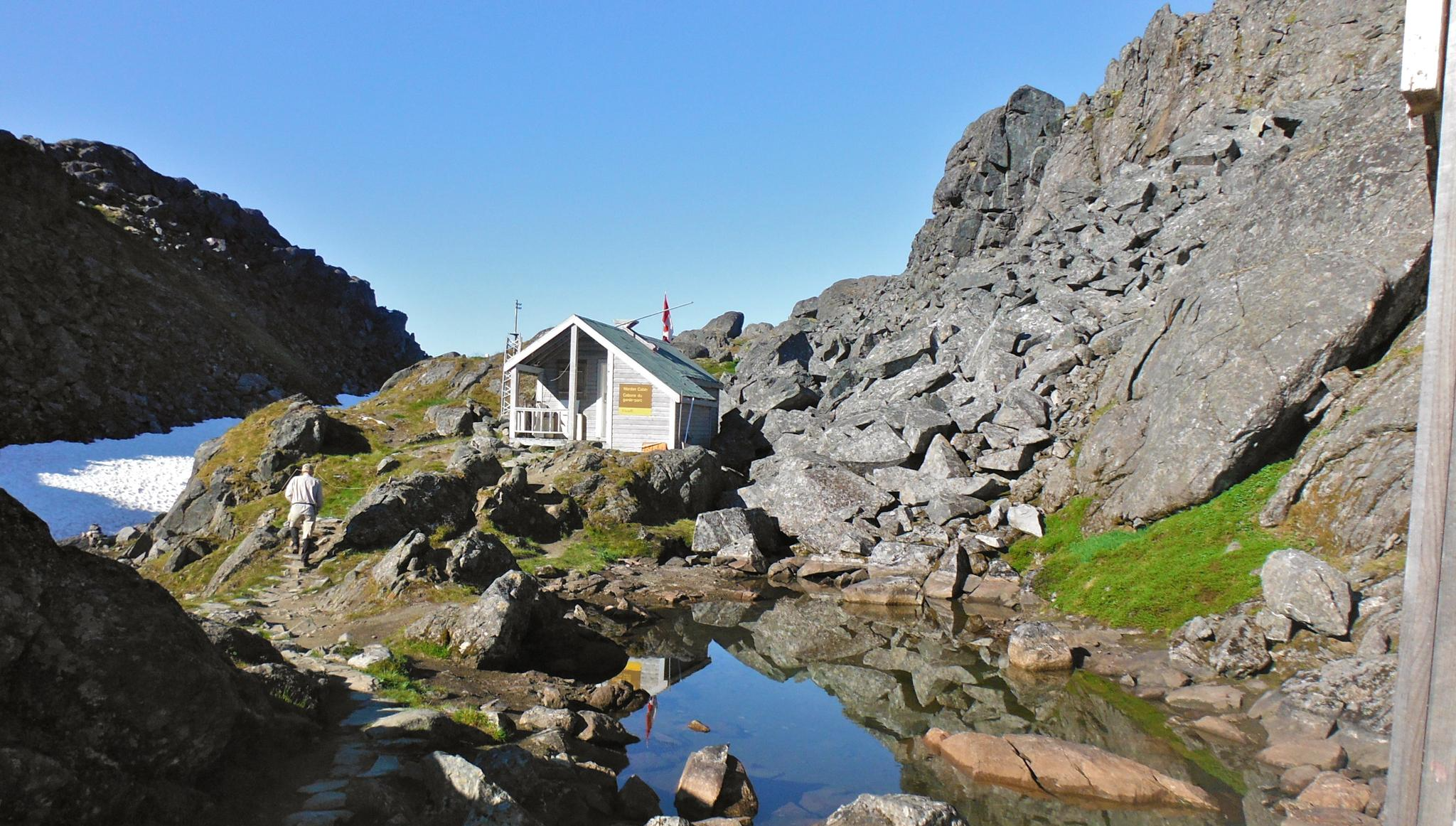
The Chilkoot Trail — Gold Rush history among soaring mountains
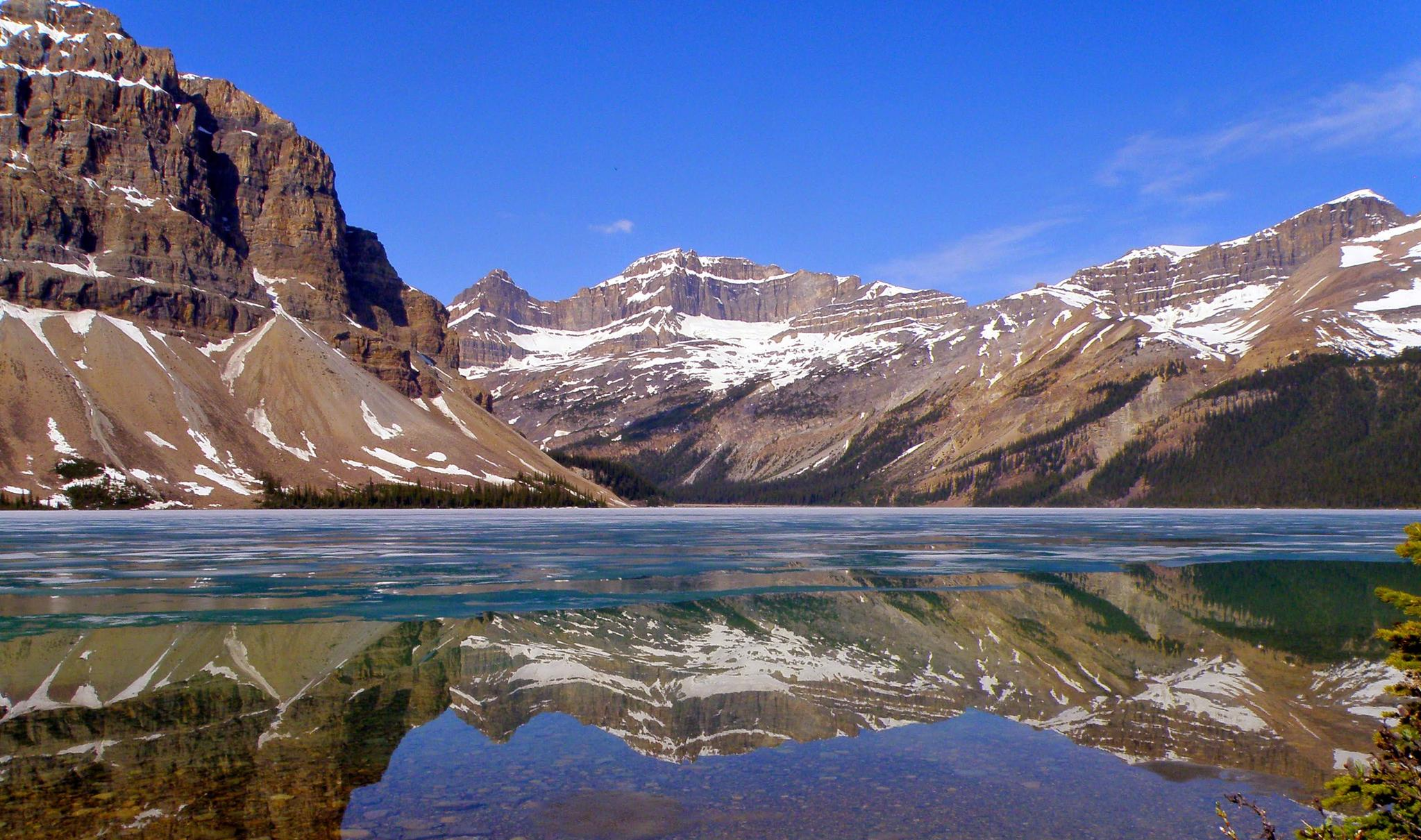
Great Divide Mountain Bike Route — Cycling the spine of a continent
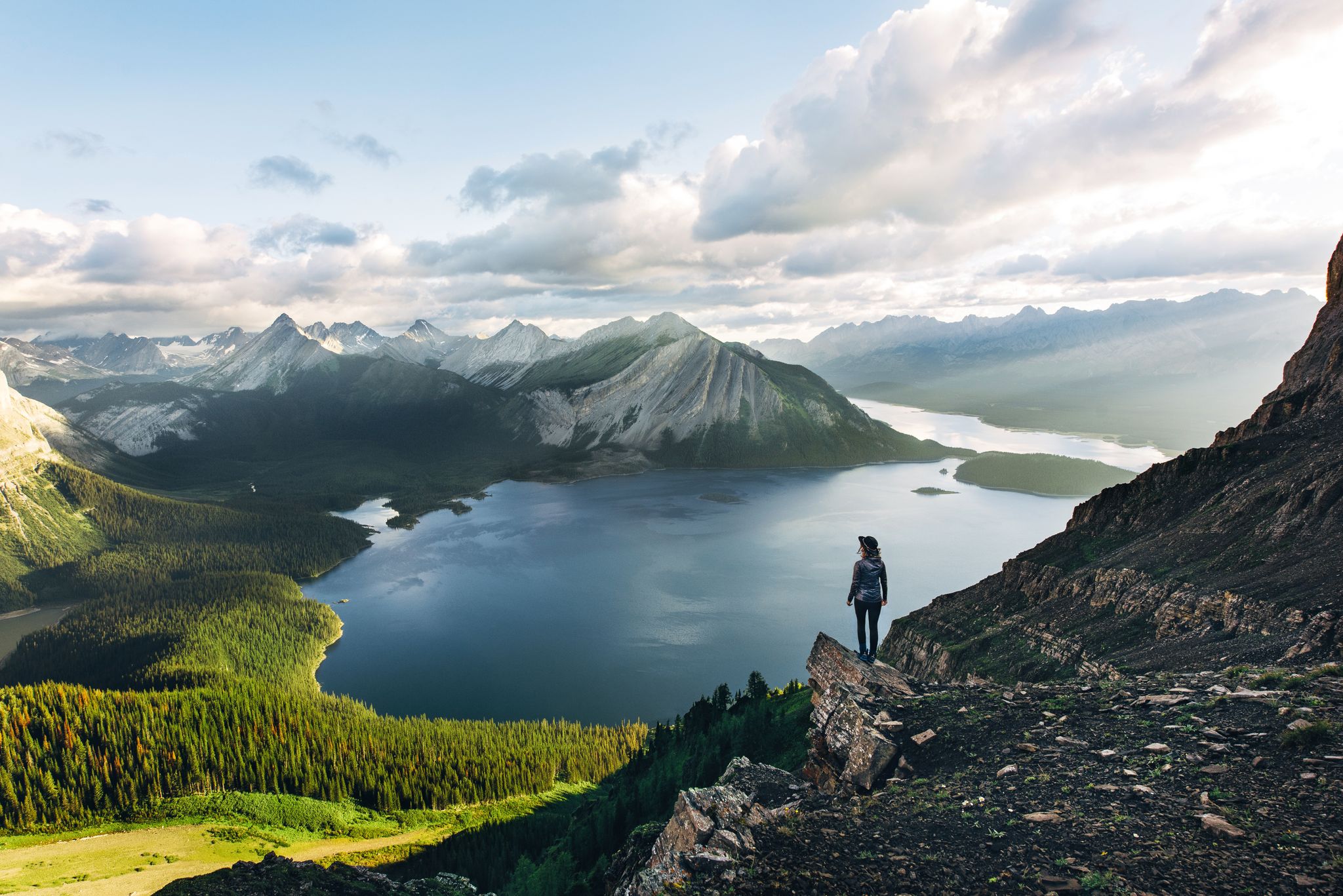
Long-distance hiking in Canada – between mountains and coast
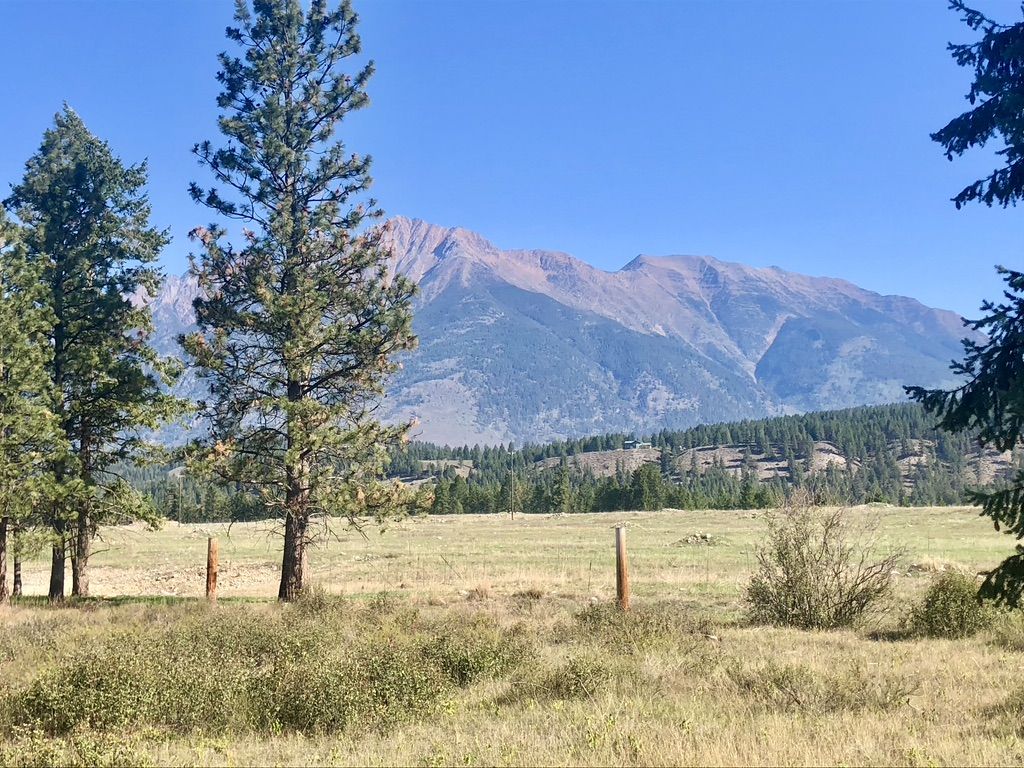
Cross Canada Ride — heading east for 6,800km

Pacific Crest Trail from Mexico to Canada – 4,200 kilometres of wilderness
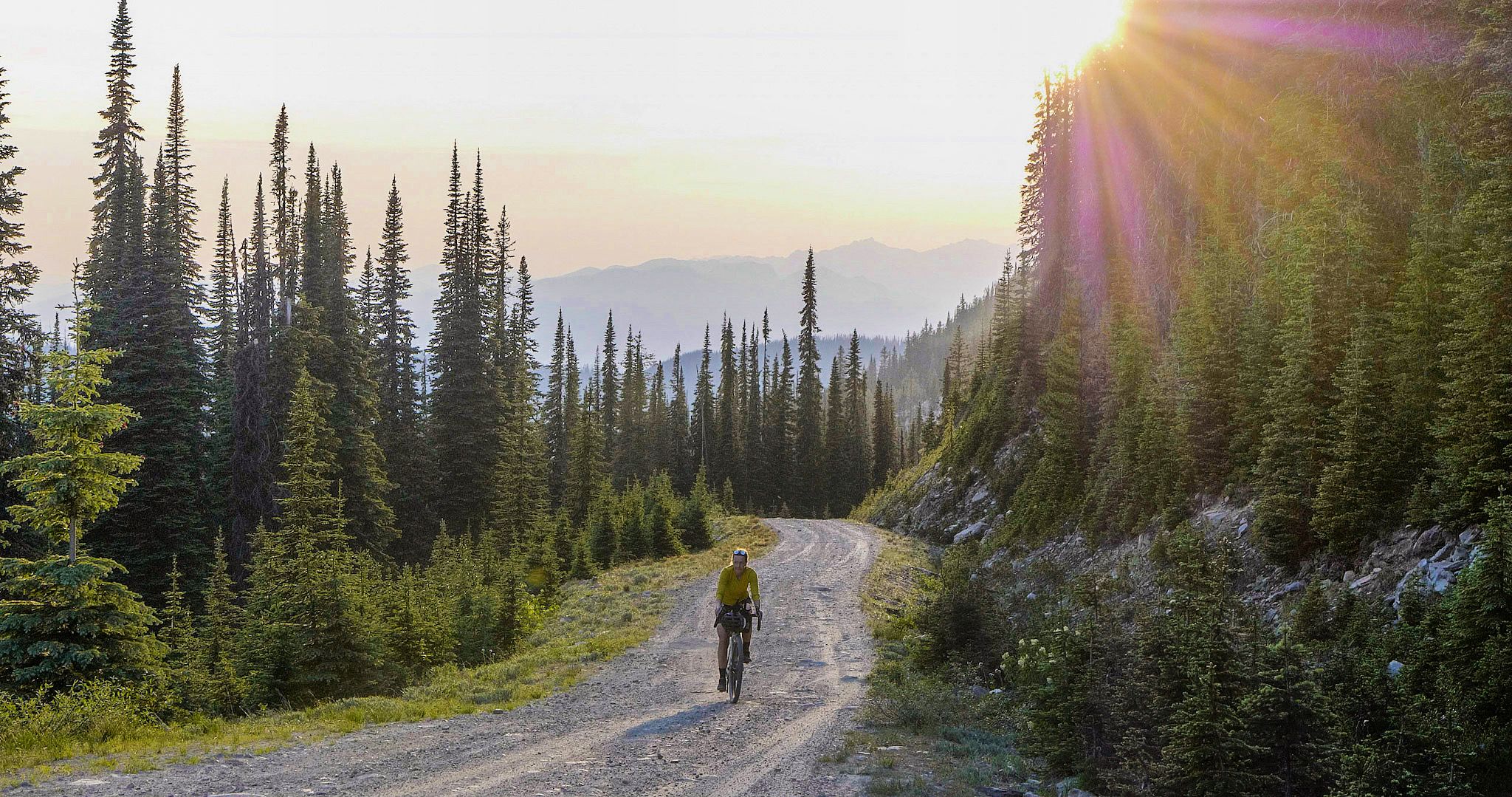
BC Epic 1000
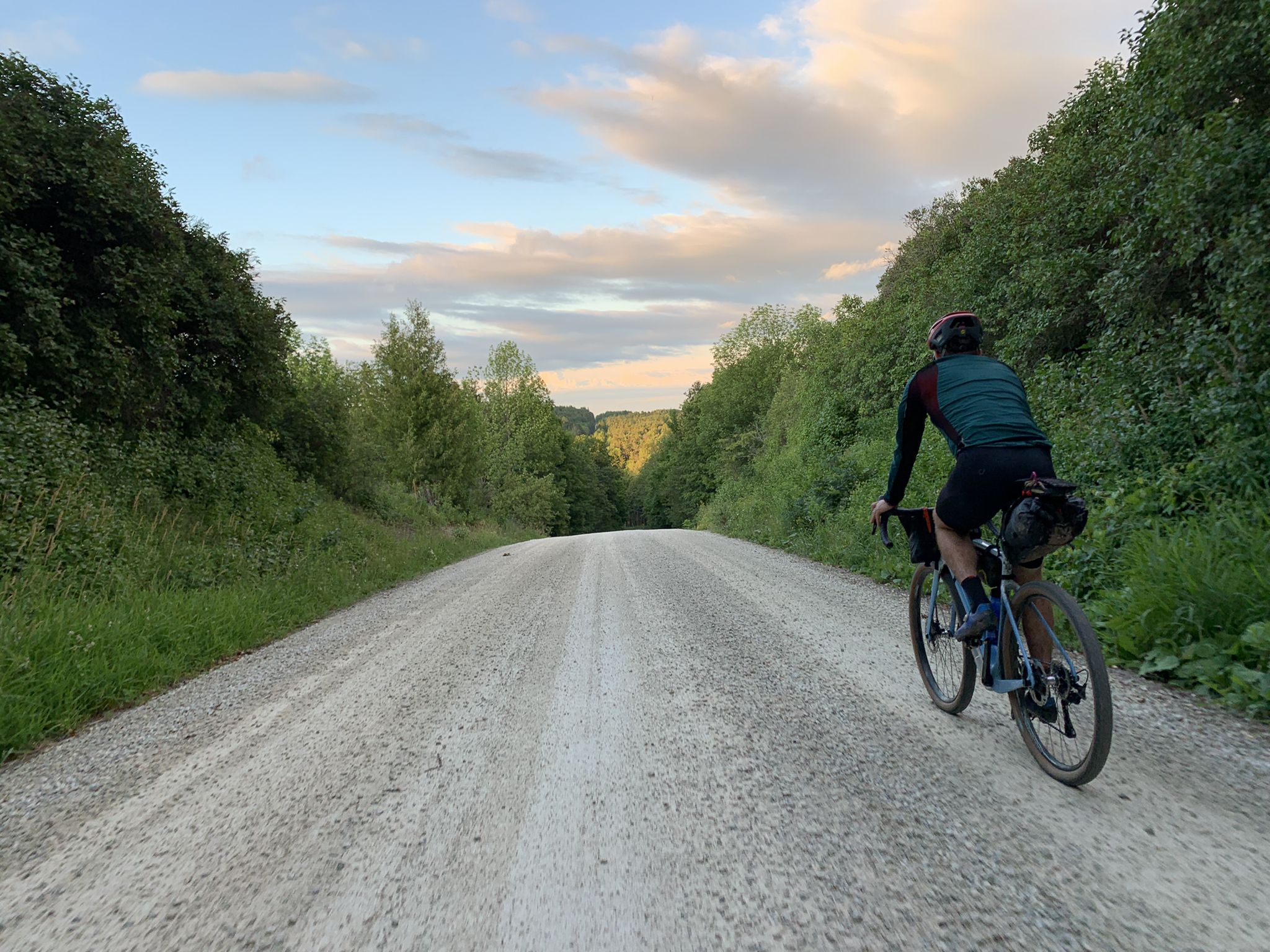
BT700 — Bikepacking Ontario over three days
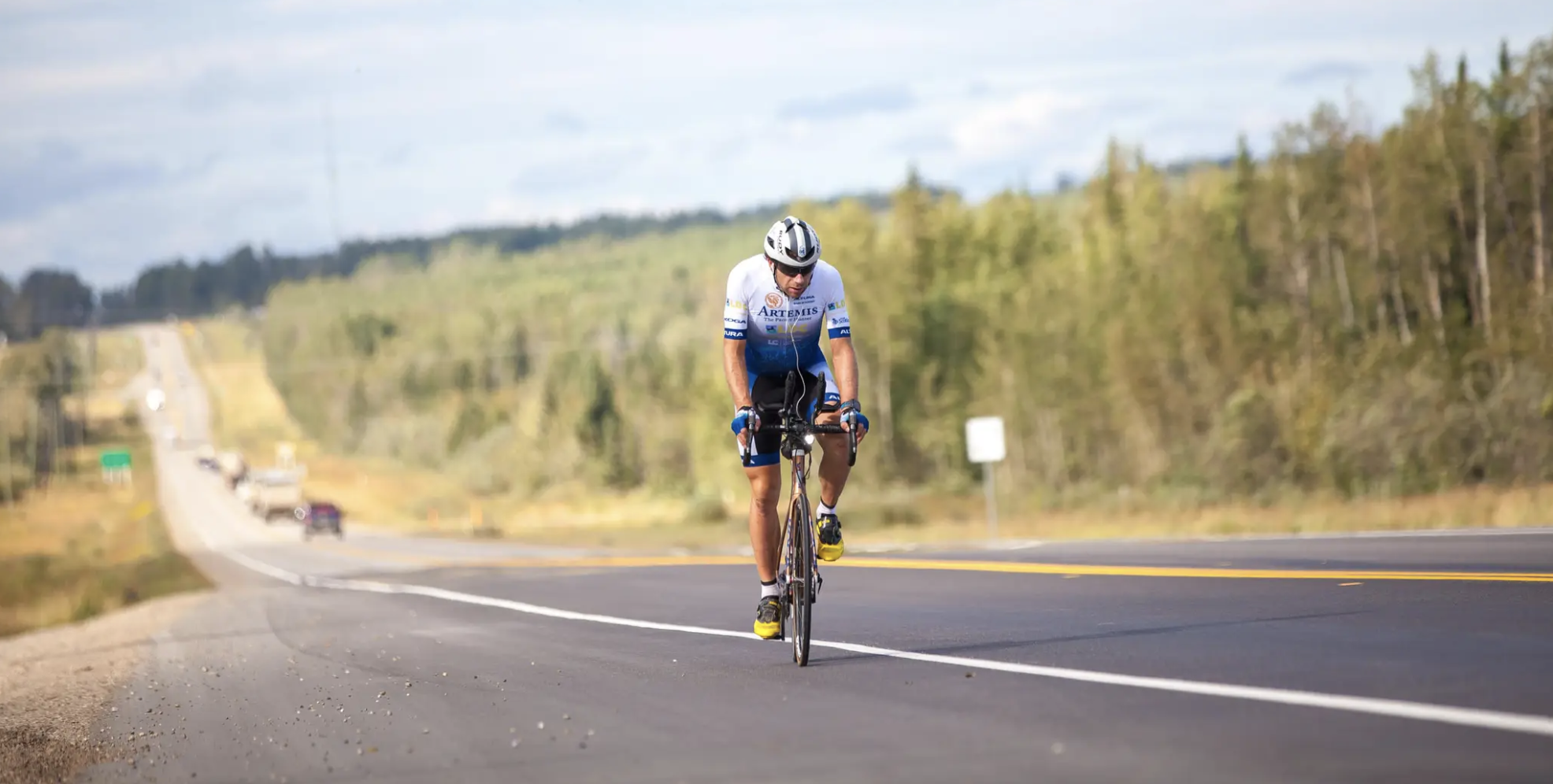
Around the World in 80 Days
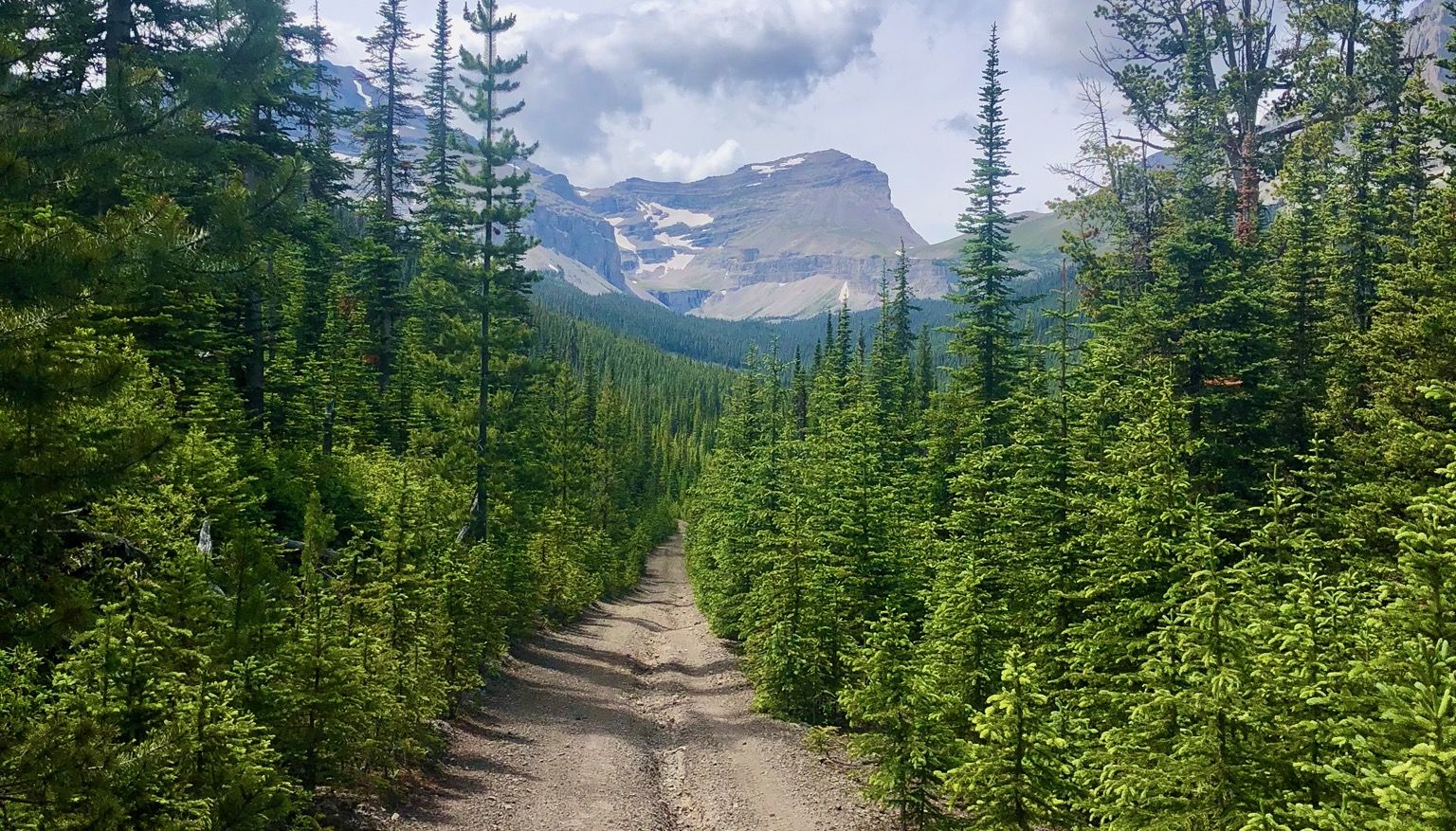
Run the Rockies – mountain range fastpack #5
Other adventures in Canada


Tips from the Community

The trailhead of the Cup and Saucer Trail is located on Highway 540 a few kilometers north of M’Chigeeng. The gravel parking lot can accommodate numerous vehicles. Parking is free of charge; a voluntary contribution is requested. (Visit on May 21, 2026) At the end of May / beginning of June 2017, the trailhead of the Michigiwadinong - Cup and Saucer Trail was relocated; this can be read at: https://escarpment.ca/files/saving-the-cup-and-saucer-trail-2017-pdf.pdf
1
0

The Little Huson Caves are part of the Quatsino Formation, a limestone-rich layer running through northern Vancouver Island — one reason the island has the highest concentration of caves in North America. The standout is Cathedral River Cave, where the creek flows straight through a dramatic, soaring rock entrance.
1
0

The sea caves at Owen Point have been carved out of the sandstone cliffs by centuries of crashing waves, creating huge circular openings in the rock face that you can walk through when the tide is below 1.8 metres. Inside, the smooth, rounded walls glow with vivid shades of green, yellow, and red from the algae and mineral deposits left by the sea, and through the opening, you can look out to a beautiful view of the Pacific Ocean. Check your tide tables carefully before planning your approach, as the caves are inaccessible at high tide and the boulder field leading to them is a slow, slippery trek under any conditions.
0
0

Lusk Cave appeared 11,000 years ago, at the same time as the stream of the same name. It is possible to enter from spring to autumn, when the water level allows, with the necessary safety equipment.
0
0
This mica mine is a testament to the region's past extraction of this mineral. It was in operation at the beginning of the 20th century. Located on the shores of Pink Lake, it offers a moment of escape from the world when you pause during your walk to explore it.
0
0

The Mushbowl is a waterfall on the Murtle River and is located between the Dawson Falls and the Helmcken Falls. At the Mushbowl, the riverbed is narrowed by rocks in the middle and on the side. When the river is low, you can get a good view of the waterfall from a cave that is then accessible. (Visit June 3, 2018) https://www.worldwaterfalldatabase.com/waterfall/Mushbowl-The-2304
2
0

Cave and Basin has been a special place for Indigenous Peoples for over ten thousand years and continues to be so to this day. In 1883, three railway workers happened upon the thermal springs, sparking a series of events that led to the creation of the first national park in Canada. Today, the site is a gathering place for sharing stories about conservation and the connection between people and the land. Visitors can enjoy interactive exhibits, short films, seasonal activities, and stunning views of the Rocky Mountains.
0
0
Frequently Asked Questions
What types of caves can I explore in Canada?
Canada offers a diverse range of subterranean wonders. You can explore sea caves carved by ocean tides, ancient caverns with historical significance, and unique stripe karst caves. Examples include the dramatic sea caves at St. Martins in New Brunswick and the Ovens Sea Caves in Nova Scotia, as well as the extensive caverns found in British Columbia and Alberta.
Are there any caves in Canada known for unique geological formations?
Yes, many Canadian caves feature distinct geological formations. For instance, Horne Lake Caves in British Columbia are known for crystal formations and ancient fossils. Castleguard Cave in Banff National Park houses rare cave pearls, while Laflèche Cavern in Quebec showcases frozen stalactites and stalagmites. The Grotto in Ontario is famous for its unique rock formations along the Georgian Bay.
Can I find historical or culturally significant caves in Canada?
Absolutely. The Cave and Basin National Historic Site in Banff National Park is historically significant as the birthplace of Canada's national park system and a gathering place for Indigenous Peoples for over ten thousand years. Rat's Nest Cave in Alberta, a Provincial Historic Site, offers insights into 300 million years of natural history and 3,000 years of human history, including early Indigenous pictographs.
Are there family-friendly caves to visit in Canada?
Yes, several caves are suitable for families. The Cave and Basin National Historic Site is considered family-friendly, offering interactive exhibits. Bonnechere Caves in Ontario provide guided tours that are accessible for most visitors, and Laflèche Cavern in Quebec offers year-round tours suitable for various ages.
Are there caves in Canada that offer guided tours?
Many caves in Canada are best explored with a guide. Horne Lake Caves Provincial Park offers guided tours that can include crawling and navigating cable ladders. Rat's Nest Cave is exclusively accessible through guided tours by Canmore Cave Tours. Bonnechere Caves and Tyendinaga Caverns in Ontario, and Laflèche Cavern in Quebec, also provide guided experiences.
What is the best time of year to visit caves in Canada?
The best time to visit depends on the cave. Many caves, like Horne Lake Caves and Laflèche Cavern, maintain a constant temperature year-round, making them suitable for any season. However, some, like Lusk Cave, are only accessible from spring to autumn when water levels permit. For sea caves like those at St. Martins, timing your visit with low tide is crucial to explore them on foot.
Can I swim in any of Canada's caves?
While swimming inside the cave itself is generally restricted for conservation or safety, you can swim in the crystal-clear, turquoise waters near The Grotto in Bruce Peninsula National Park, Ontario. At the Cave and Basin National Historic Site, you can explore the cave and view the thermal pools, but swimming in the cave is not permitted.
What outdoor activities can I do near these caves?
Many cave locations are situated within areas rich in outdoor activities. For example, near several caves, you can find excellent opportunities for mountain hiking, with routes like the Lake Agnes Teahouse loop. There are also numerous waterfall hikes, such as the Johnston Canyon Waterfalls loop. If you prefer cycling, you can explore road cycling routes like those around Stanley Park in Vancouver.
Are there any challenging cave experiences for experienced cavers?
Yes, Canada offers challenging caving experiences. Bisaro Anima in British Columbia is Canada's deepest cave, plunging over 680 meters, and Arctomys Cave is the third deepest. These, along with Castleguard Cave, which is Canada's second-longest, often require specialized equipment and permits due to their extreme nature and delicate ecosystems. Lusk Cave is also rated as challenging.
What do visitors enjoy most about Canada's caves?
Visitors frequently appreciate the unique natural appeal and diverse experiences offered by Canada's caves. Highlights like The Grotto are loved for their unique rock formations and crystal-clear waters. The historical significance and connection to the land at sites like Cave and Basin National Historic Site also resonate deeply with visitors. The opportunity for adventure, geological education, and stunning views are commonly cited as highlights.
Are there any caves in British Columbia that are particularly notable?
British Columbia is home to several significant caves. Horne Lake Caves Provincial Park offers a high concentration of caves for exploration. Bisaro Anima is Canada's deepest cave, and Arctomys Cave is the third deepest. Thanksgiving Cave on Vancouver Island is both the longest and deepest on the island, contributing to the region around Tahsis being known as the 'caving capital of Canada'.
Which caves in Canada are known for their depth or length?
Canada boasts some impressively deep and long cave systems. Bisaro Anima in British Columbia is the deepest, plunging over 680 meters. Castleguard Cave in Banff National Park is Canada's second-longest, stretching over 20,357 meters. Arctomys Cave in Mount Robson Provincial Park is the third deepest at 536 meters, and Thanksgiving Cave on Vancouver Island reaches a depth of 479 meters.
Most popular routes in Canada
Most popular attractions in Canada

Get inspired with the komoot mobile app


Didn’t find what you were looking for?
Discover more caves in Canada region by region:
Explore more
Extend your search for the best caves by checking out these guides of the top ones in Canada:
