The best traffic-free bike rides in Canada
4.6
(807)
9,117
riders
525
rides
No traffic gravel bike trails in Canada offer diverse terrain, from extensive rail trail networks to remote forest roads and paths through national parks. The country's geography includes rugged mountains, serene coastlines, and vast wilderness, providing varied surfaces for gravel cyclists. Riders can explore everything from smooth, crushed limestone paths to challenging Canadian Shield rock and hardpack county gravel. This extensive network ensures a wide range of car-free gravel biking experiences across the provinces.
Best no traffic gravel bike trails…
Last updated: July 10, 2026
5.0
(5)
88
riders
68.2km
05:36
880m
880m
Hard gravel ride. Very good fitness required. Mostly paved surfaces. Suitable for all skill levels.
5.0
(13)
296
riders
58.7km
03:36
760m
760m
Hard gravel ride. Very good fitness required. Mostly paved surfaces. Suitable for all skill levels.

Sign up for free
5.0
(3)
90
riders
Hard gravel ride. Very good fitness required. Mostly paved surfaces. Suitable for all skill levels.
4.9
(21)
88
riders
Hard gravel ride. Very good fitness required. Mostly paved surfaces. Suitable for all skill levels.
4.8
(18)
79
riders
Hard gravel ride. Very good fitness required. Mostly paved surfaces. Suitable for all skill levels.
Get access to more routes and recommendations from other explorers.
Sign up for free
Already have an account?
Our route recommendations are based on thousands of hikes, rides, and runs completed by other people on komoot.
Start today with a free account
Your next adventure awaits.
Login or Signup
Popular around Canada

Traffic-free bike rides in Québec

Traffic-free bike rides in British Columbia
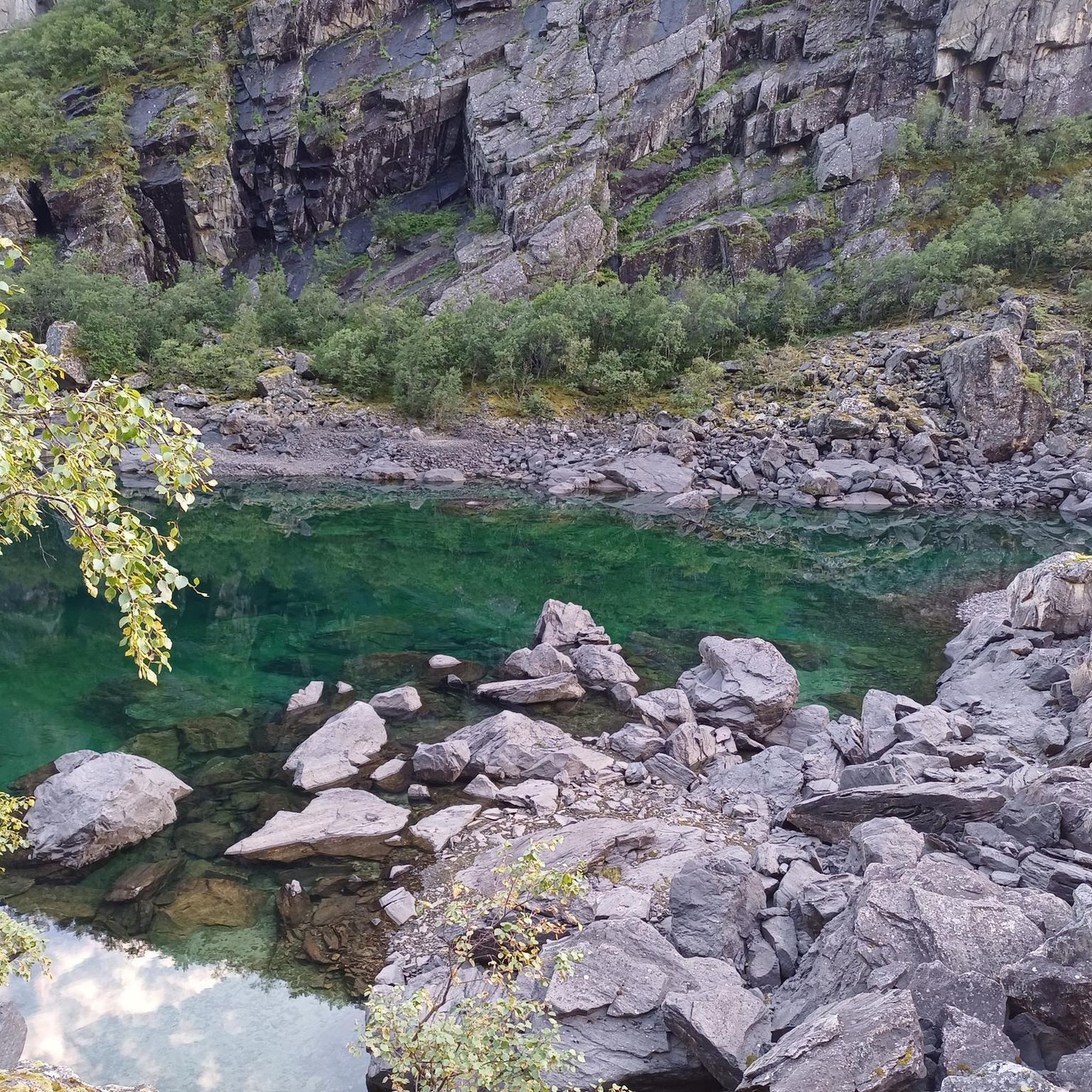
Traffic-free bike rides in Ontario

Traffic-free bike rides in Alberta
Traffic-free bike rides in Nova Scotia
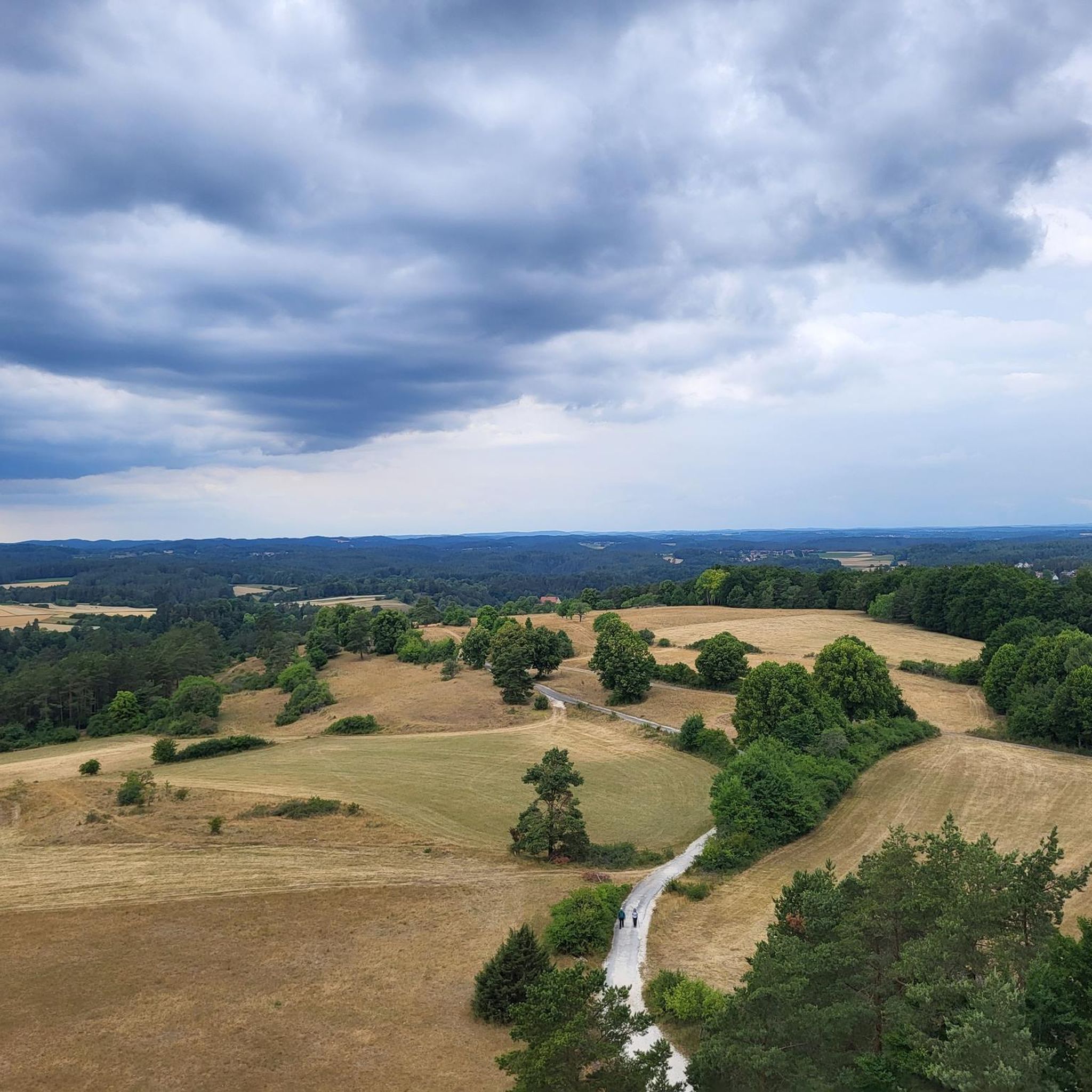
Traffic-free bike rides in New Brunswick

Traffic-free bike rides in Saskatchewan
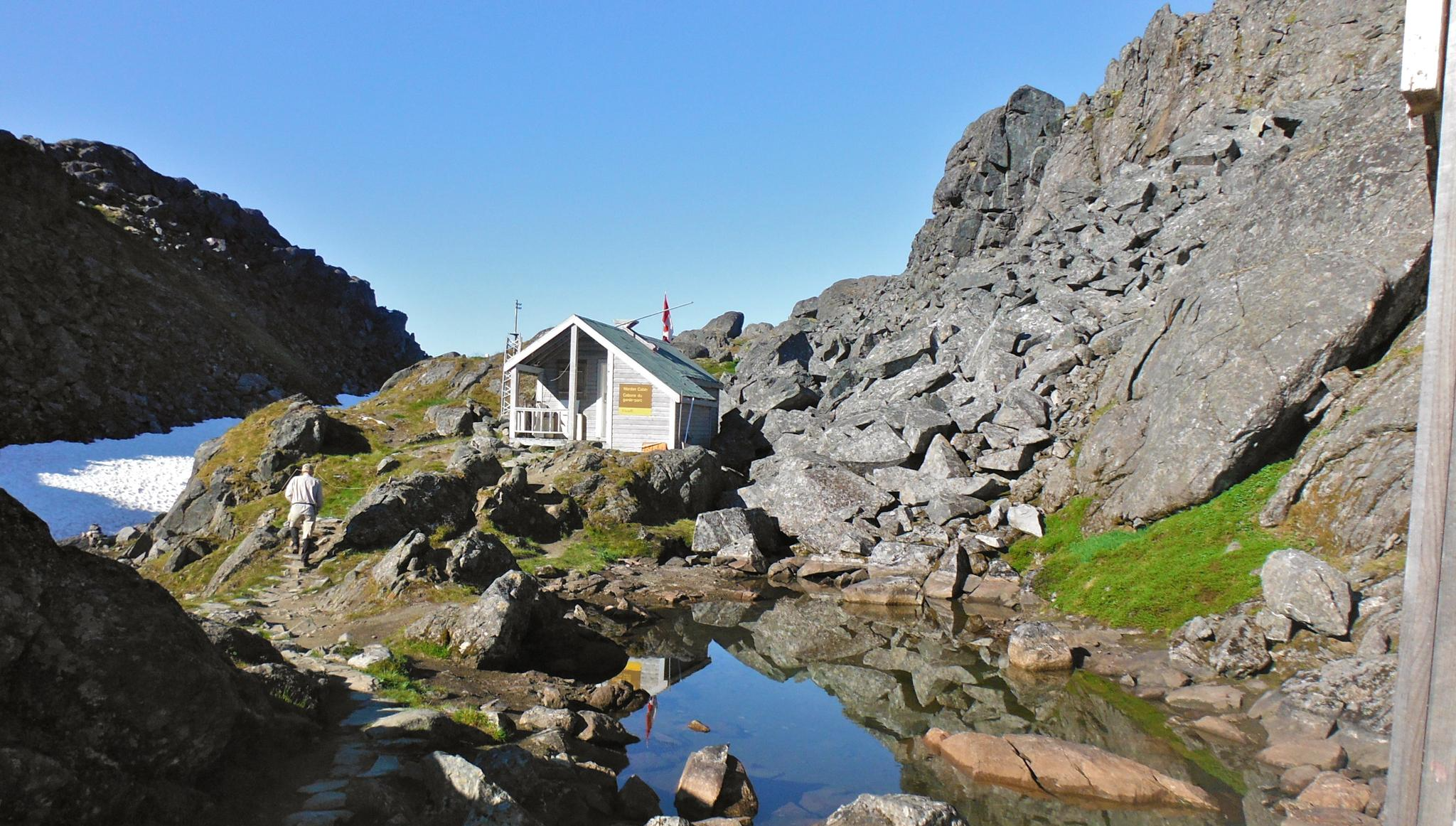
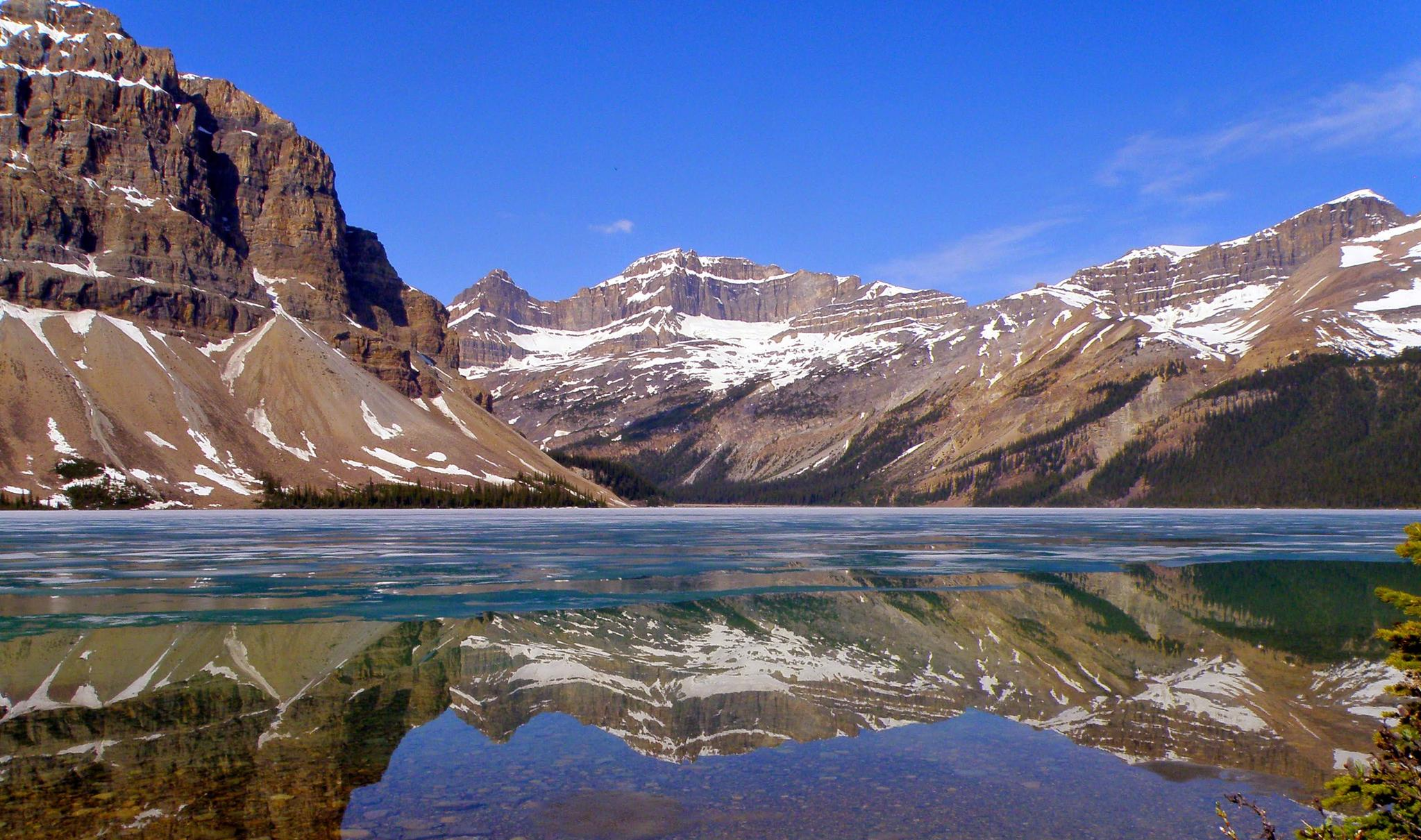
The Chilkoot Trail — Gold Rush history among soaring mountains
Great Divide Mountain Bike Route — Cycling the spine of a continent
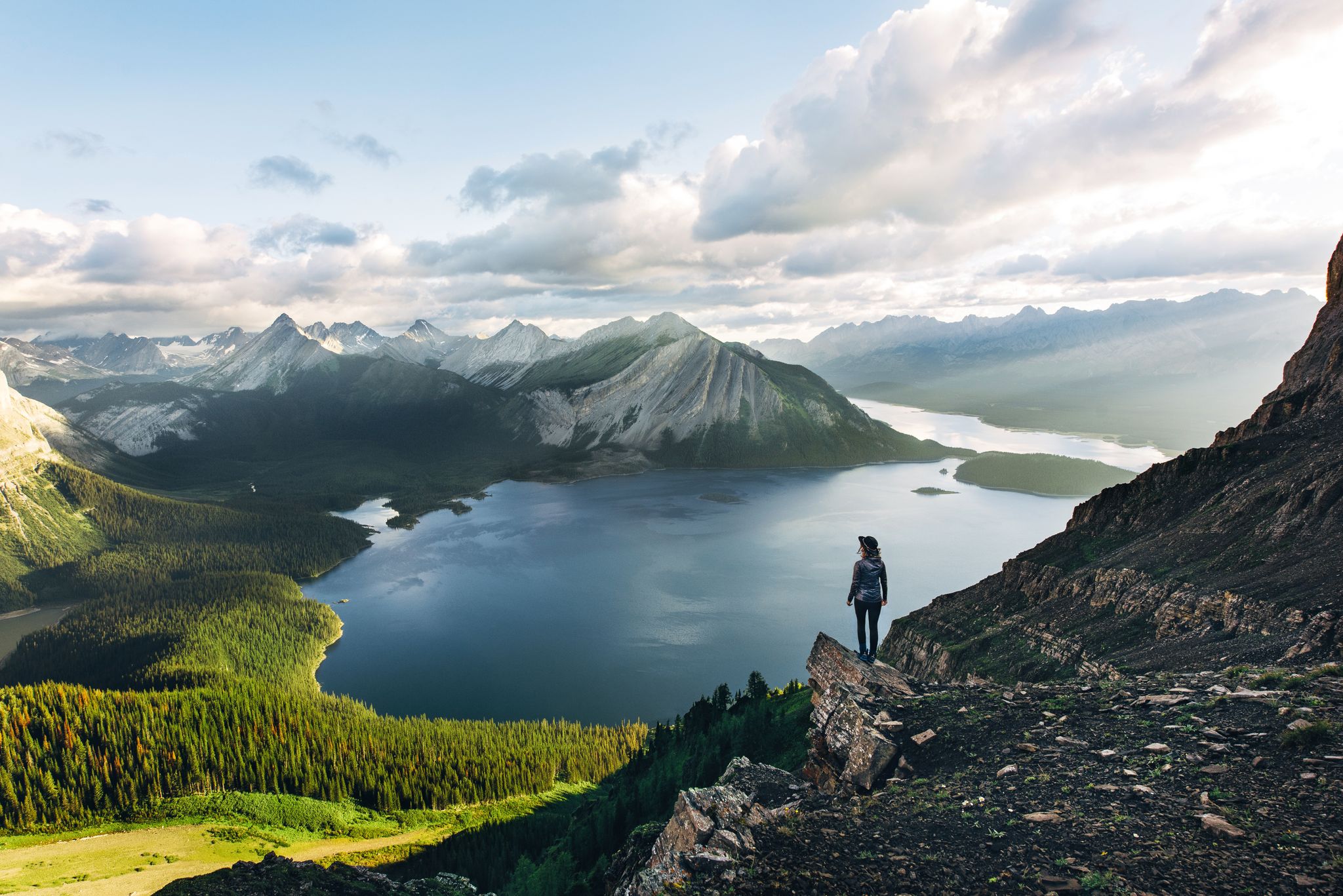
Long-distance hiking in Canada – between mountains and coast
Other adventures in Canada


Tips from the Community

Montfort is a small riverside village that was established in the late 19th century by the Sulpicians as an orphanage. The scenic village is home to about 2000 people and is surrounded by forests and popular with hikers and bikers in summer and cross-country skiers in winter.
0
0

Rat Lake is a peaceful natural body of water located near the village of Weir. Nestled in a typical regional forest landscape, it is surrounded by hills and woods, making it a popular spot for nature walks and outdoor activities.
0
0
Lake of the Sixteen Islands is one of the natural gems of the Laurentians region. This freshwater lake, stretching for nearly six kilometers, is surrounded by wooded shores and picturesque cottages. Despite its name, it actually contains about twenty small islands dotting its clear waters, remnants of the glaciers that sculpted these landscapes millennia ago.
0
0
On the east side of the bridge’s northern end, near the base of the bridge is a memorial to honor 27 workers who lost their lives on June 17, 1958, when a section of the original Second Narrows Bridge collapsed during construction.
0
0

A nice monument to workers who lost their lives.
0
0

The Seymour River Suspension Bridge was completed and opened in December 2018. This made it possible to walk the Fisherman's Trail (North) all the way through again. After the former Twin Bridges had to be demolished in 2014 following a rockslide and damming of the Seymour River, there was no longer a crossing at this point in the Lower Seymour Conservation Reserve. The Twin Bridges were originally built in 1908 to carry pipelines and were later supplemented by a parallel pedestrian bridge. Years later, the two bridges were combined to form one bridge. https://www.vancouvertrails.com/blog/seymour-river-suspension-bridge/
2
0

Nice space, friendly staff, great food and coffee/matcha
0
0

The trail that runs through the Seymour Demonstration Forest, or the Lower Seymour Conservation Reserve (https://metrovancouver.org/services/regional-parks/park/lower-seymour-conservation-reserve), is probably the most pleasant car-free paved trail in the Vancouver area. From the gazebo at the Rice Lake entrance to the gate at Seymour Dam, the path is 11 km long, with gentle rolling hills and curves. There are washrooms and a drinking fountain near the Rice Lake entrance. It is sometimes a few degrees chillier on this trail, even on a hot summer day, due to the trees, the elevation, and the valley that can trap a pocket of cool air. Cautions: - The road to the park is gated, and therefore inaccessible to cars, at night. - Throttle-actuated bikes are prohibited on the trail. - The trail has multiple speed gates with flexible bollards. - Since much of the trail is off-limits to cars and also out of range of cell phone service, be sure that your bike is in good working order, and that you are able to handle any likely mechanical issues. - Bears roam the area. (https://www.nsnews.com/local-news/glad-to-be-alive-man-t-bones-bear-while-cycling-in-north-vancouver-7015380)
2
0
Frequently Asked Questions
How many no-traffic gravel bike trails are available in Canada?
Komoot offers a wide selection of over 560 no-traffic gravel bike trails across Canada. These routes range from easy to difficult, ensuring there's something for every skill level, from leisurely rides to challenging expeditions.
What types of car-free gravel trails can I expect in Canada?
Canada boasts a diverse network of car-free gravel trails. You'll find many converted rail trails, such as the famous Kettle Valley Railway in British Columbia or Le P'tit Train du Nord in Quebec, which offer mostly flat, scenic routes. Additionally, many National and Provincial Parks feature designated gravel paths, like those in Kouchibouguac National Park, providing access to stunning natural landscapes away from vehicle traffic.
Are there any family-friendly no-traffic gravel biking options in Canada?
Yes, many of Canada's rail trails are ideal for family-friendly gravel biking due to their generally flat terrain and car-free environment. These paths often pass through charming towns and offer easy access, making them perfect for riders of all ages. Look for routes designated as 'easy' or 'moderate' on komoot for the best family experiences.
Can I bring my dog on these car-free gravel trails in Canada?
While many outdoor areas in Canada are dog-friendly, regulations vary by park and trail. It's always best to check the specific rules for the trail or park you plan to visit regarding pets, especially leash requirements. Generally, dogs are welcome on most multi-use trails as long as they are kept on a leash and waste is properly disposed of.
What are some scenic no-traffic gravel routes with good viewpoints in Canada?
Canada offers breathtaking scenery on its car-free gravel routes. For stunning mountain vistas, explore trails in regions bordering the Canadian Rockies. Coastal areas, like those in British Columbia, provide views of ancient forests and ocean. Many rail trails also offer picturesque journeys through forests, wetlands, and along rivers. For example, the Seymour Demonstration Forest – Seymour Trailway loop offers beautiful forest views near Vancouver.
What kind of natural features or attractions can I see along these routes?
You'll encounter a wealth of natural beauty. Many routes pass by impressive waterfalls, such as Athabasca Falls or Johnston Canyon Waterfalls, and dramatic gorges like Lynn Canyon. The diverse landscapes include everything from Pacific rainforests with gigantic trees to the unique prairie and badlands terrain of Grasslands National Park. Keep an eye out for wildlife, especially in more remote areas.
What is the best season for no-traffic gravel biking in Canada?
The best season largely depends on the region. Generally, late spring to early fall (May to October) offers the most favorable conditions across Canada, with warmer temperatures and less precipitation. However, some areas, particularly in the south, can be enjoyed into late fall. Winter gravel biking is possible on some maintained trails, but requires appropriate gear and conditions awareness.
Are there any no-traffic gravel trails in Canada with cafes or amenities nearby?
Yes, many rail trails and routes near populated areas often have cafes, restaurants, or small shops conveniently located in towns along the way. For instance, the Café Caron & Frères – La Knowlton Co. Microbrewery loop is designed to include local amenities. It's always a good idea to check your komoot route details for points of interest and services before you head out.
How accessible are these gravel trails by public transport or with parking?
Accessibility varies significantly by location. Many popular rail trails and park routes, especially those closer to urban centers, often have designated parking areas at trailheads. Public transport access is less common for more remote gravel routes but can be an option for trails within or near cities. Always research specific trailhead access and parking availability for your chosen route in advance.
What do other gravel bikers enjoy most about no-traffic gravel biking in Canada?
The komoot community highly rates gravel biking in Canada, with an average score of 4.6 stars. Reviewers frequently praise the incredible variety of landscapes, from serene forest paths to challenging backcountry roads, and the joy of exploring vast, car-free spaces. The well-maintained rail trails and the opportunity to connect with nature away from traffic are often highlighted as major draws.
Are there any challenging no-traffic gravel routes for experienced riders?
Absolutely. While many car-free routes are beginner-friendly, Canada also offers challenging options. Regions with extensive forest and logging roads, such as Squamish, British Columbia, or parts of Ontario's Muskoka, provide more technical sections, significant climbs, and rugged terrain. Routes like the Aerobic Corridor – Lac des Seize-Îles loop can offer a demanding experience with considerable elevation gain.
Can I find circular no-traffic gravel routes in Canada?
Yes, many of the no-traffic gravel routes in Canada are designed as loops, allowing you to start and end at the same point without retracing your steps. This is particularly common on rail trails and within park systems. Komoot's route planning features make it easy to identify and follow these circular tours, such as the Buddhist Monastery of Canada – Corridor Aérobique Bridge loop.
Most popular routes in Canada
Most popular attractions in Canada

Get inspired with the komoot mobile app


Didn’t find what you were looking for?
Check out more Gravel rides throughout Canada below and find the perfect route in your destination.
Explore more
Browse the best Gravel rides in other regions.
