Top 4 Castles around Innervillgraten
Best castles around Innervillgraten are found within the broader East Tyrol region, as Innervillgraten itself is known for its natural landscapes and traditional alpine farming. This picturesque village emphasizes its unspoiled charm over grand fortifications within its immediate vicinity. However, the surrounding area offers historically significant castles and fortresses. These sites provide insights into the region's past and offer panoramic views of the Puster Valley and Tyrolean mountains.
Best castles around Innervillgraten
- The most popular castles is Heinfels Castle,…
Last updated: June 26, 2026
Mitterberg Fortress
Highlight • Historical Site
Translated by Google •
Tip by

Heinfels Castle
Highlight • Castle
Translated by Google •
Tip by

Sign up now to discover places like this
Get recommendations on the best single tracks, peaks, & plenty of other exciting outdoor places.
Sign up for free
Sillian - Panzendorf Cycle Path
Highlight (Segment) • Cycleway
Translated by Google •
Tip by

Panzendorf - Tassenbach Cycle Path
Highlight (Segment) • Cycleway
Translated by Google •
Tip by
Start today with a free account
Your next adventure awaits.
Login or Signup
Popular around Innervillgraten
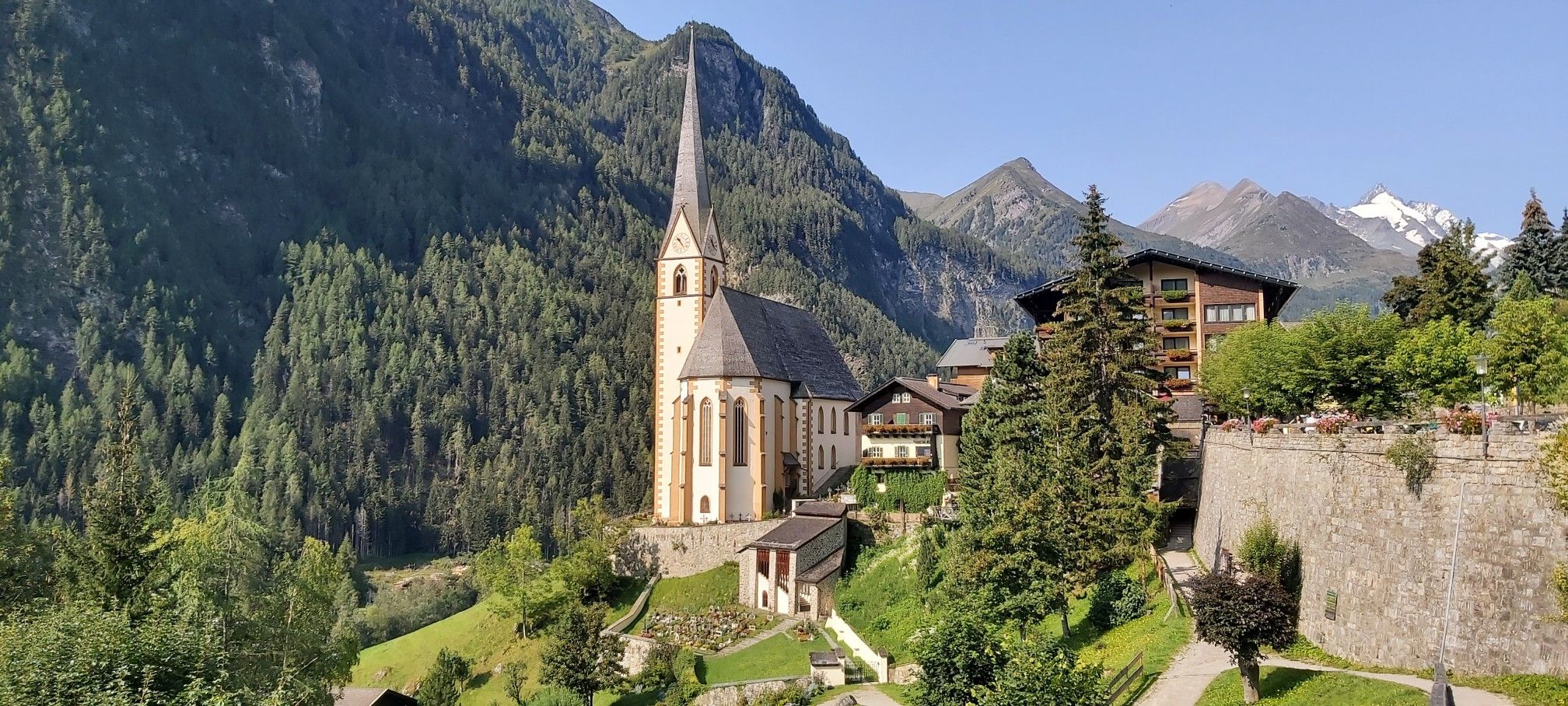
Austria's High & Holy Pilgrimage Trail – Walking across mountains and borders
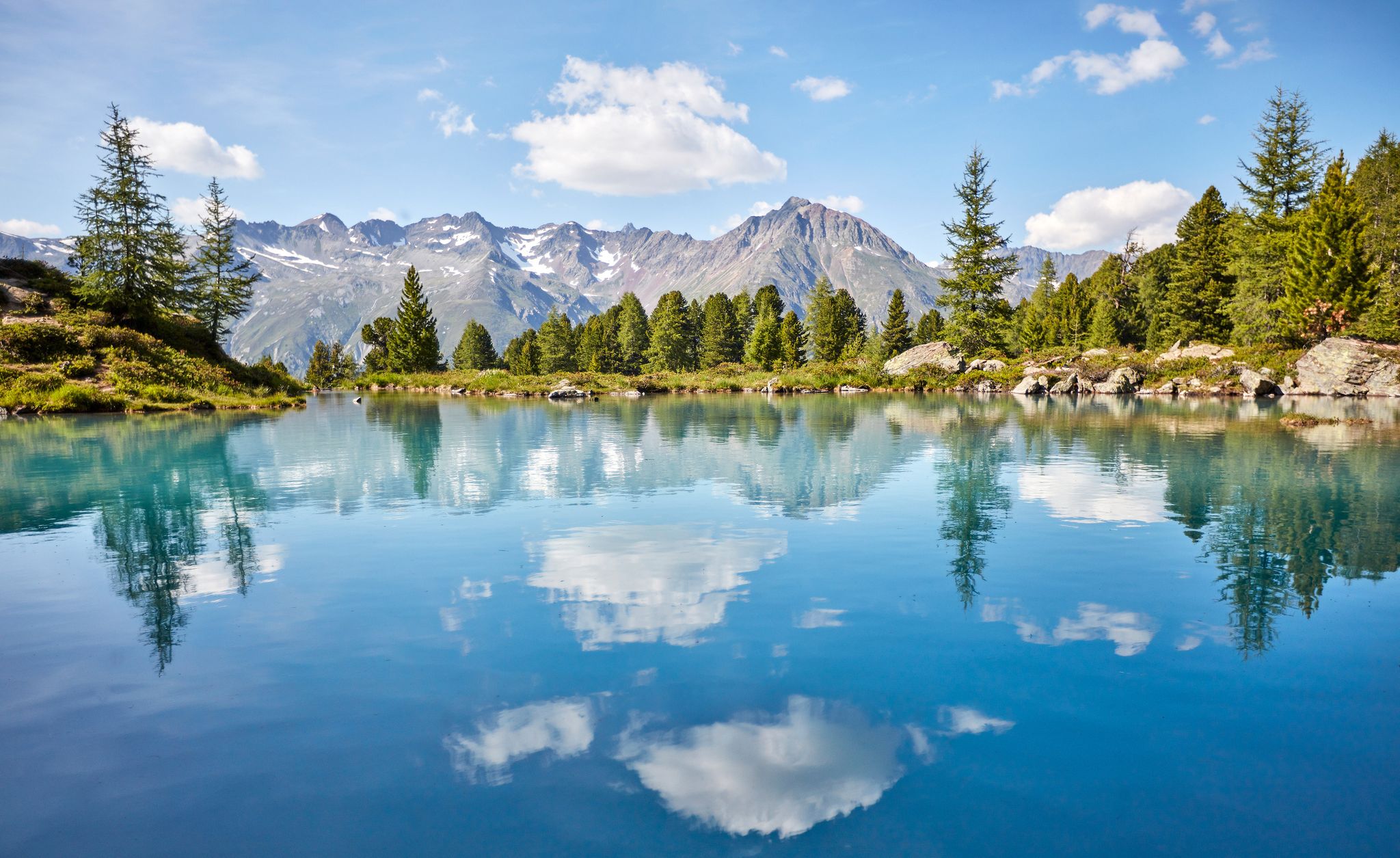
You don't need the sea when you’re Austria – hikes to incredible water spots

Unlimited mountain bike fun – singletrack paradise in East Tyrol
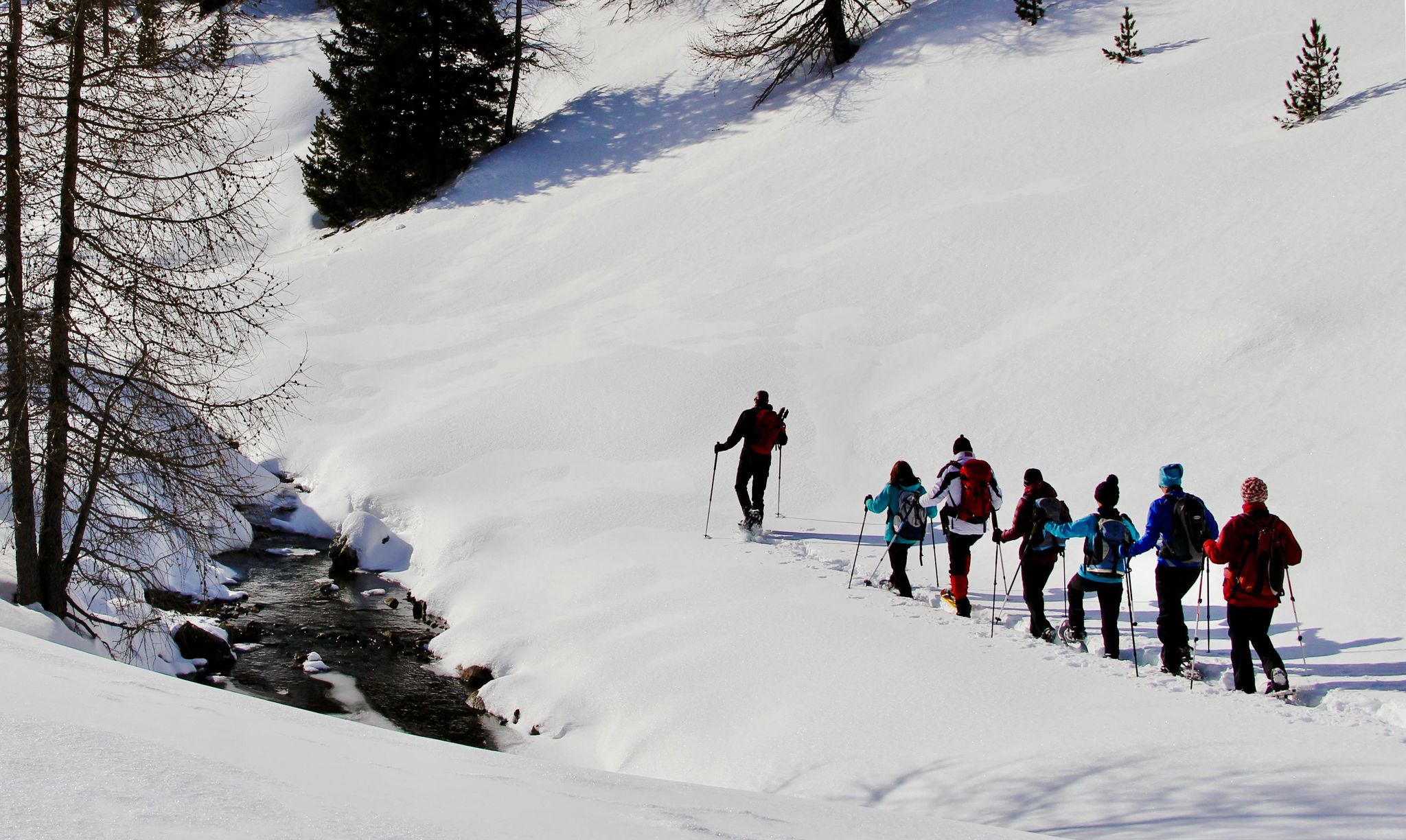
Snowshoe magic in East Tyrol
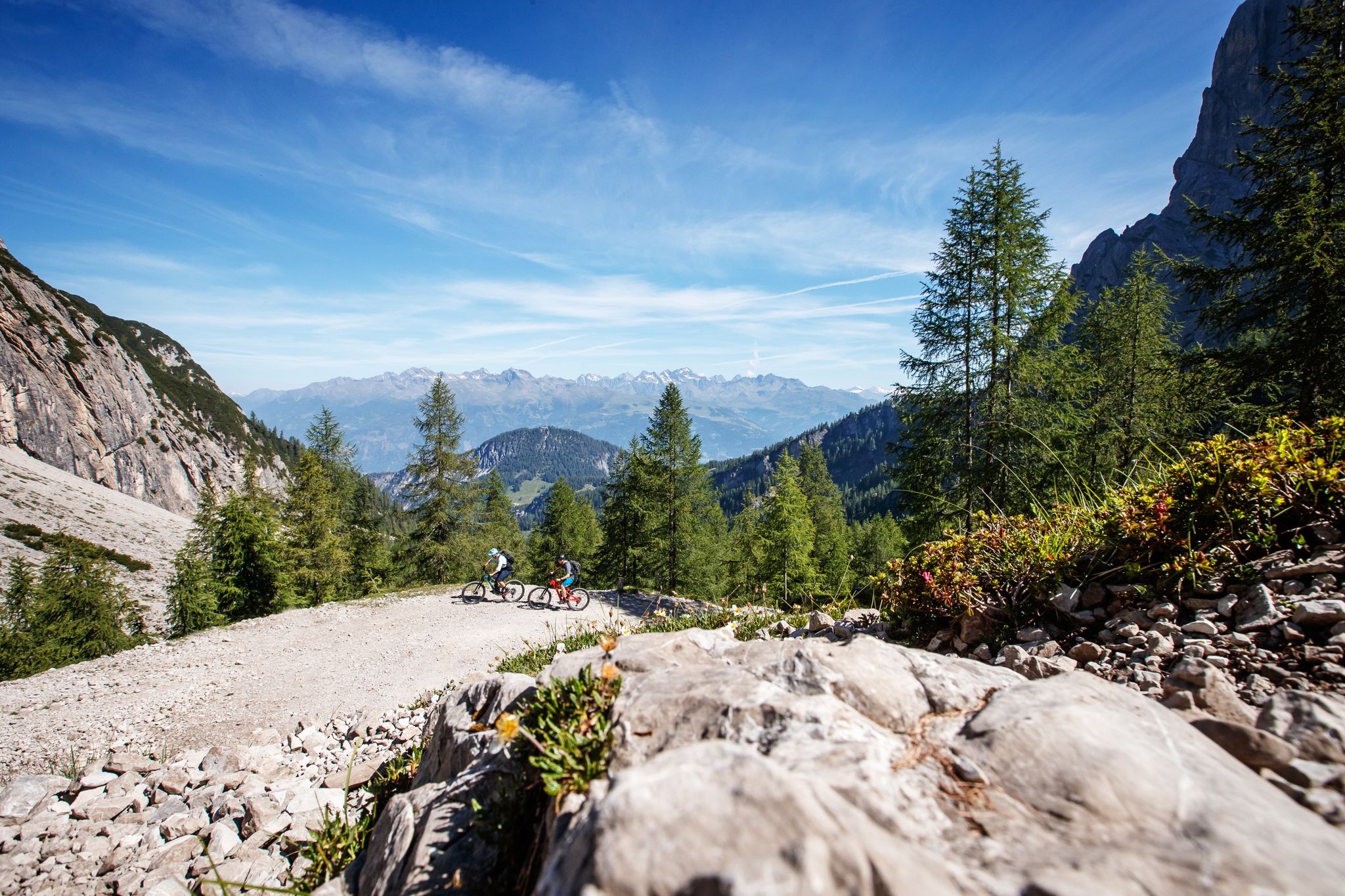
Zehn fantastische Touren durch das Mountainbike-Paradies Osttirol
Hiking around Innervillgraten
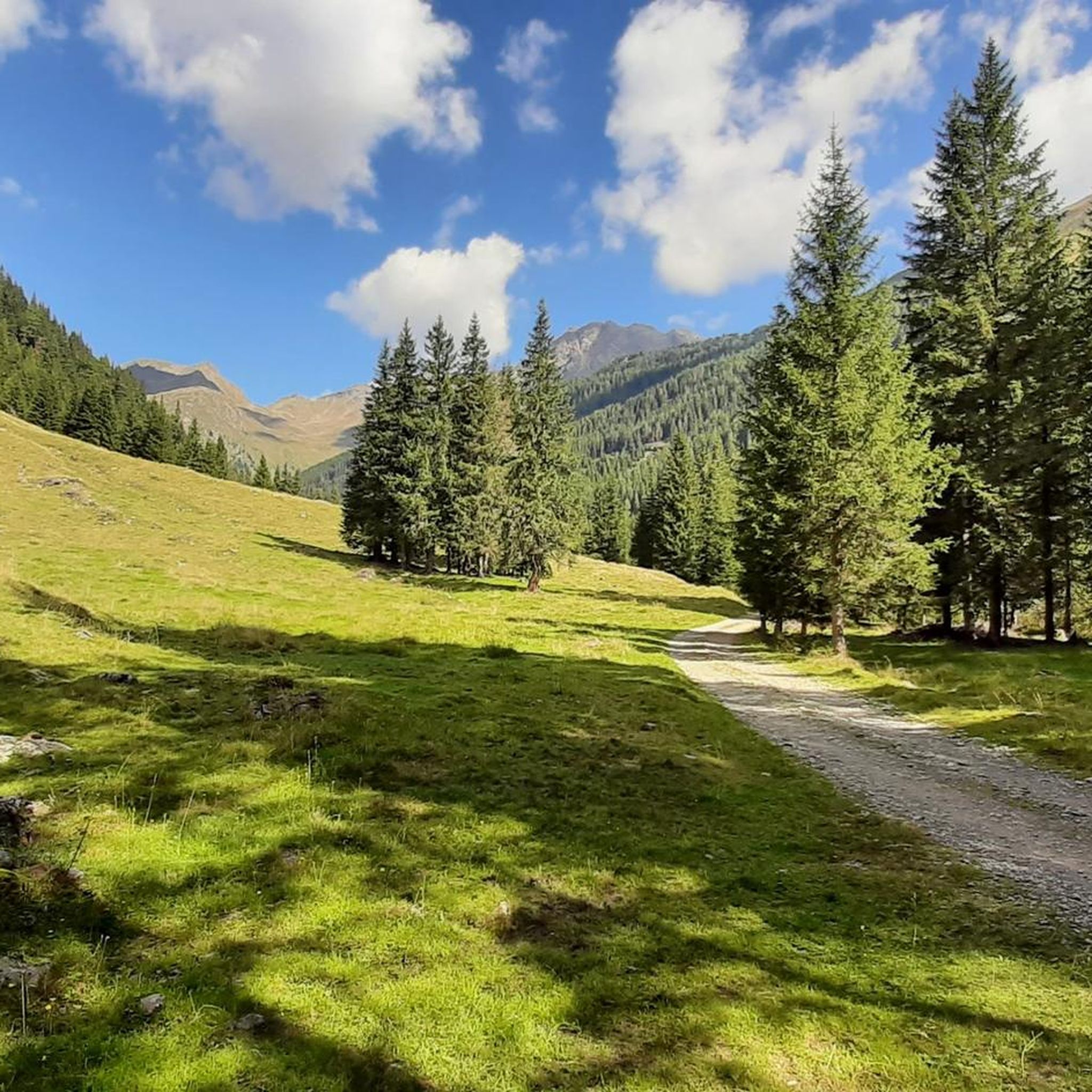
Road Cycling Routes around Innervillgraten
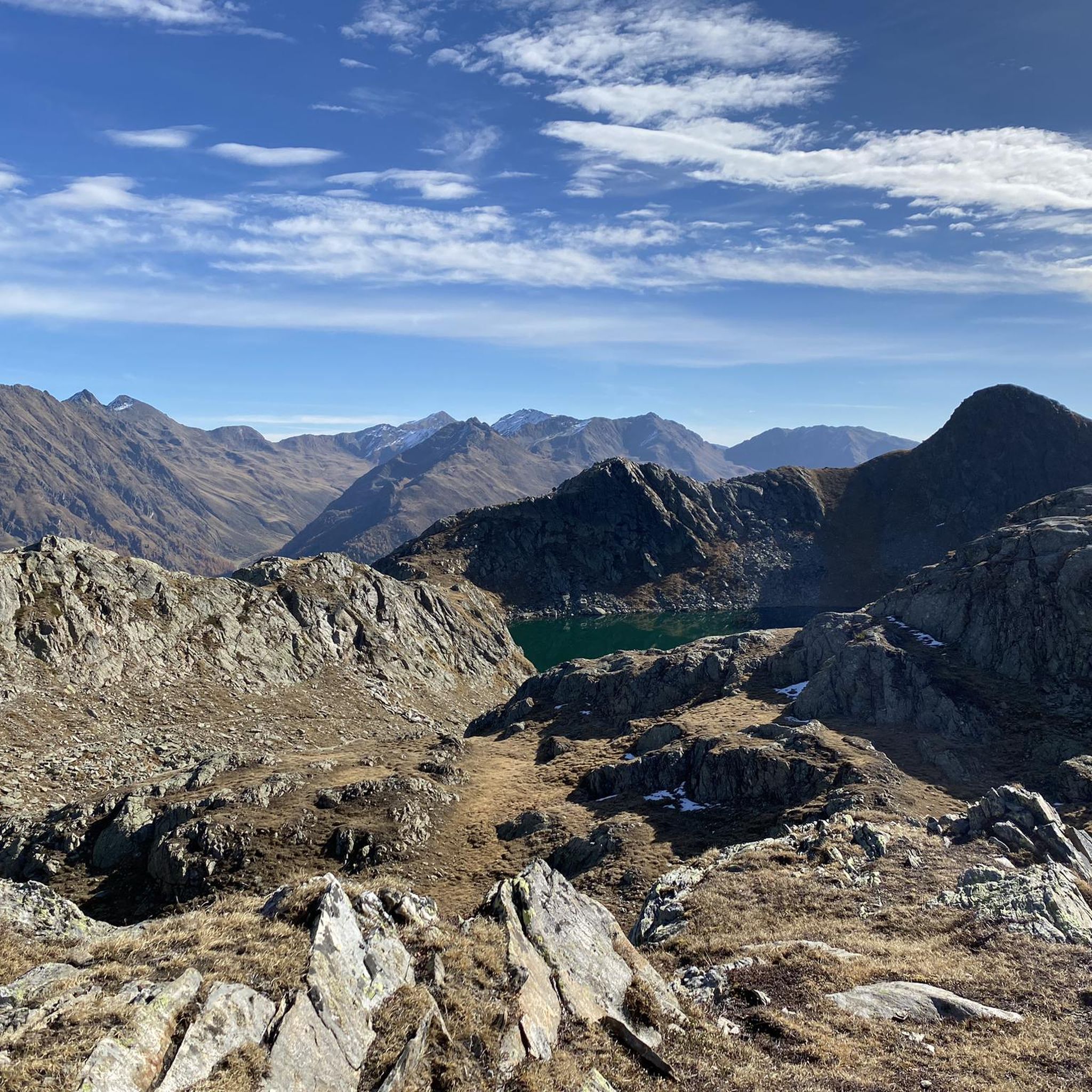
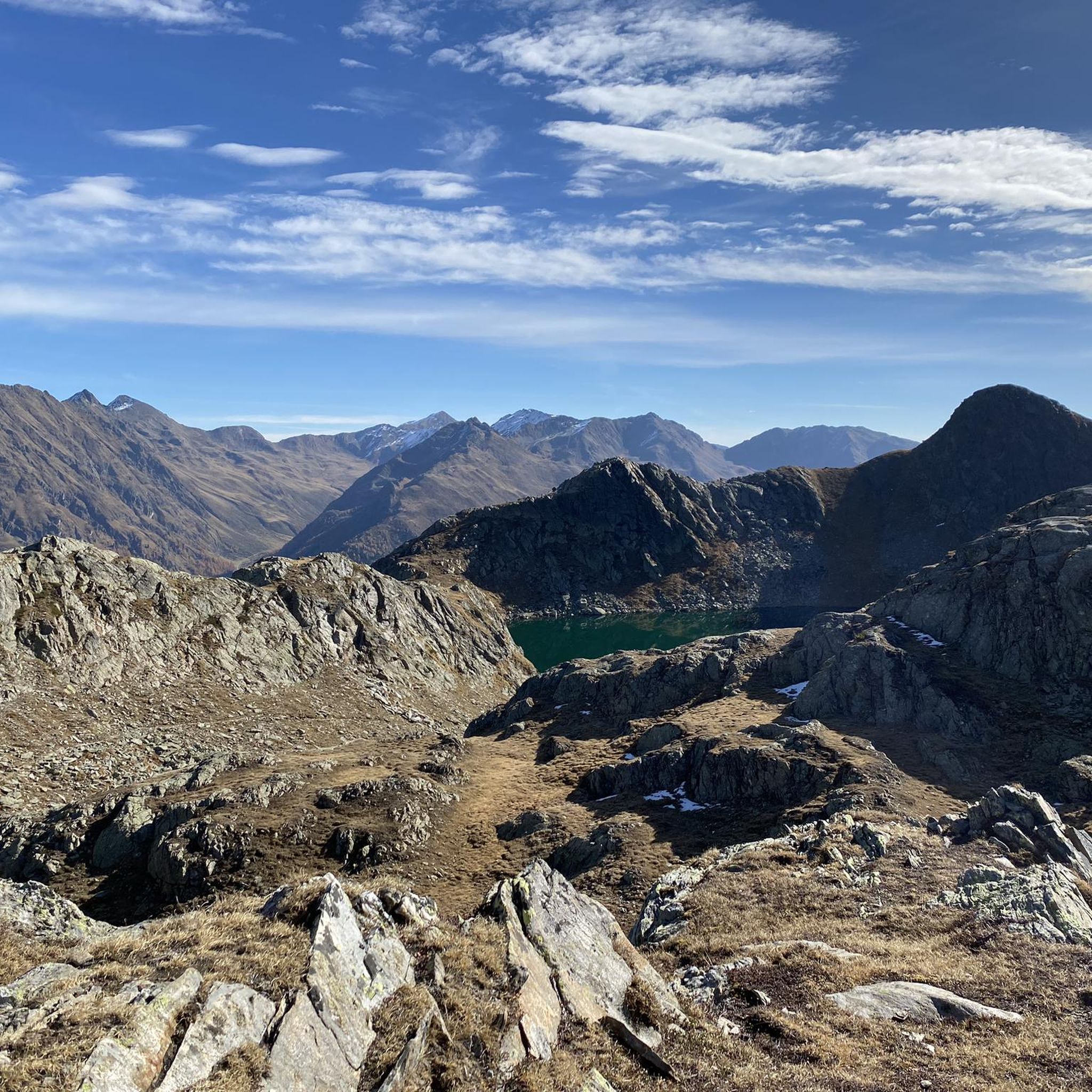
MTB Trails around Innervillgraten
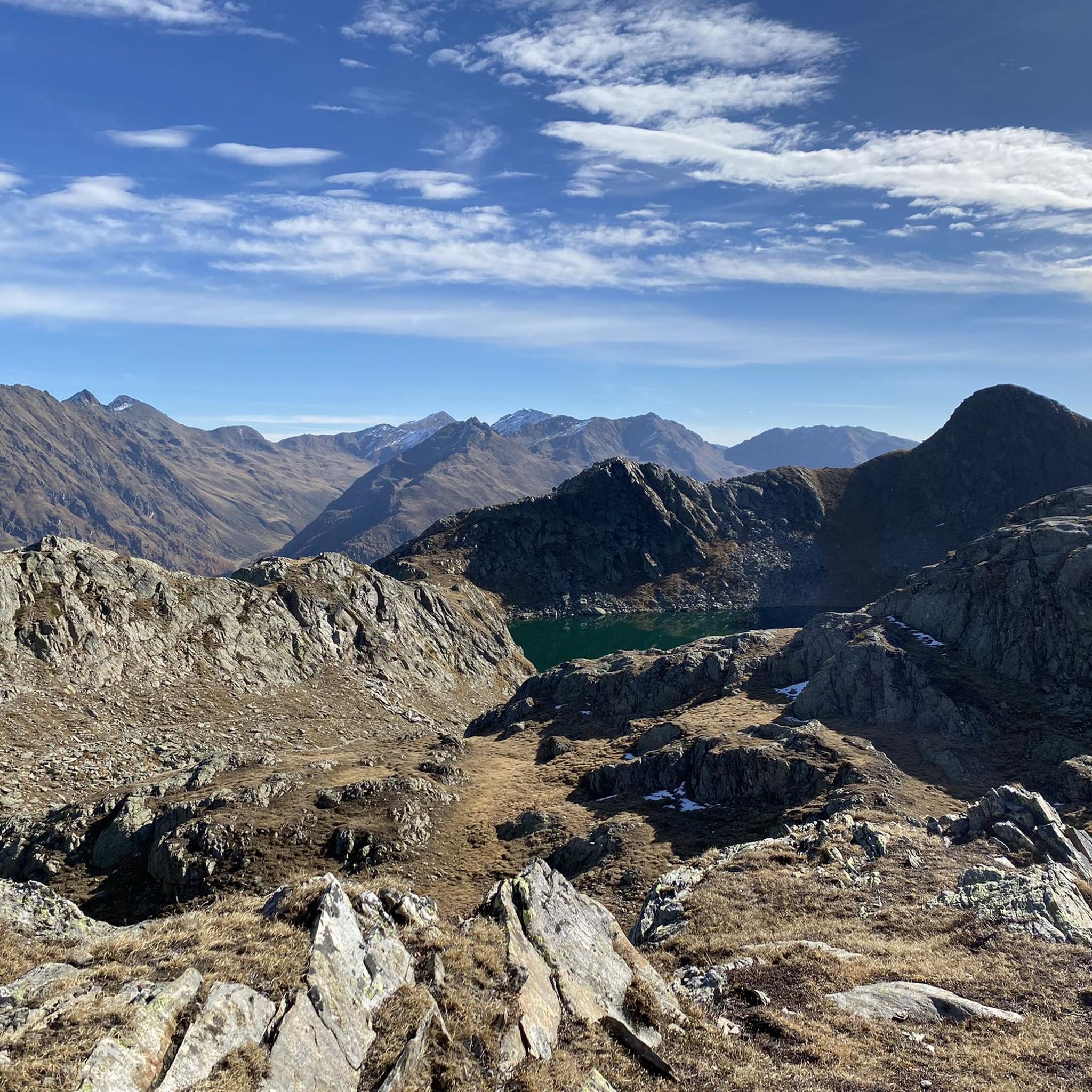
Cycling around Innervillgraten

Gravel biking around Innervillgraten
Other adventures around Innervillgraten


Tips from the Community

Fortifications from the First World War
0
0

It's a very nice place, good for a break
0
0

The Mitterberg Fortress, located on the hill of the same name near Sesto, dates back to 1884-89. Two years before construction began, the Triple Alliance between the Austro-Hungarian Empire and the Kingdom of Italy was signed. To strengthen this defensive alliance, numerous forts were built along the country's borders and passes, including the Mitterberg Fortress on the southern slope and the Haideck Fortress on the northern slope of Sesto. The goal of the 427,000-krona fortification was to seal off the Kreuzberg Saddle and, if necessary, block access to the Puster Valley. The forts were connected by telephone and visual telegraph.
0
0

The Mitterberg Fortress can be seen here.
0
0


Good asphalt, watch out for pedestrians
1
0


We could only see the fortress from the outside. Interesting information about it. 👍
1
0
Frequently Asked Questions
What are the most historically significant castles to visit near Innervillgraten?
The most prominent historical site is Heinfels Castle, a majestic 13th-century complex that played a significant role in the region's history, including being acquired by the Counts of Gorizia and Emperor Maximilian I. Another notable site is Mitterberg Fortress, built in the late 19th century and largely undamaged during World War I.
Are there any castle ruins near Innervillgraten that are accessible to the public?
Yes, the Heinfels Castle complex includes older parts and battlements. Additionally, the Burgruine Walchenstein (Walchenstein Castle Ruin) is another historical site in Osttirol with accessible walls, though it is more of a ruin than a fully restored castle.
What kind of views can I expect from the castles in the region?
From Heinfels Castle, you can enjoy breathtaking panoramic views over the Puster Valley and the surrounding Tyrolean mountains. The castle's strategic location at 1,130 meters above sea level offers wide vistas up and down the river and into the Tyrolean Gail Valley. The Panzendorf - Tassenbach Cycle Path also offers views of Panzendorf Castle overlooking the cycle path and surrounding valleys.
Are there family-friendly castles or historical sites near Innervillgraten?
Yes, Heinfels Castle, after its extensive restoration, offers a comprehensive museum experience with radio plays, animated films, and guided tours that bring history to life, making it engaging for families. The Panzendorf - Tassenbach Cycle Path, which features views of Panzendorf Castle, is also categorized as family-friendly.
What outdoor activities can I combine with a castle visit near Innervillgraten?
You can combine castle visits with various outdoor activities. For cycling, the Drau Cycle Path passes by Panzendorf Castle. For hiking, there are numerous trails around Innervillgraten, such as the 'Toblacher Pfannhorn and Marchkinkele Loop' or the 'Kalkstein hamlet – Peststeig Trail loop'. You can find more options in the Hiking around Innervillgraten guide or the MTB Trails around Innervillgraten guide.
What is the best time of year to visit castles in the East Tyrol region?
The East Tyrol region, known for its natural landscapes, is beautiful year-round. However, for optimal access and to enjoy the panoramic views and outdoor activities fully, late spring through early autumn (May to October) is generally recommended. During these months, the weather is milder, and hiking and cycling routes are more accessible. Winter visits can be picturesque but may involve snow and colder temperatures, potentially affecting access to certain areas or views.
How long should I plan for a visit to Heinfels Castle?
To fully experience Heinfels Castle, including exploring its historical significance, architectural features, and the modern exhibition, you should plan for at least 2-3 hours. This allows time for a guided tour, enjoying the panoramic views, and delving into the museum's interactive elements.
Is there parking available near Heinfels Castle?
Yes, Heinfels Castle is a major attraction and has undergone extensive restoration, which typically includes provisions for visitor access, including parking. It is advisable to check the official website for specific parking information and any potential fees before your visit.
Can I reach the castles near Innervillgraten by public transport?
While Innervillgraten itself is known for its pristine nature and less for extensive public transport to remote sites, Heinfels Castle is situated overlooking the Pustertal Valley and is a significant landmark. Public bus services operate within the East Tyrol region, connecting larger towns. It's recommended to check local bus schedules for routes that pass near Heinfels or other castle locations, often requiring a short walk from the nearest stop.
What makes Heinfels Castle a unique historical site?
Heinfels Castle stands out due to its dramatic hilltop location, its extensive history dating back to the 13th century, and its recent comprehensive restoration. It offers an immersive journey into the past with modern exhibitions, radio plays, and animated films, blending historical elements with contemporary presentation. Its strategic importance and the panoramic views it offers are also major draws.
Are there any less crowded historical sites or castles to explore?
While Heinfels Castle is a popular destination, the Burgruine Walchenstein (Walchenstein Castle Ruin) offers a more rugged and potentially less crowded experience. Its existing walls are accessible, providing a glimpse into the region's past without the extensive visitor facilities of a fully restored castle. It's a good option for those seeking a quieter historical exploration.
What should I wear when visiting castles and historical sites in the Innervillgraten area?
Given the region's mountainous terrain and the nature of historical sites, comfortable walking shoes are essential, especially if you plan to explore castle grounds, battlements, or nearby hiking trails. Layered clothing is advisable, as weather conditions can change, particularly at higher elevations. A light jacket or rain protection is also recommended, even in warmer months.
Most popular routes around Innervillgraten
Most popular attractions around Innervillgraten

Get inspired with the komoot mobile app


Explore more
Looking for the best castles somewhere else? Discover other guides around Innervillgraten:
