Top 20 Caves around Mörsdorf
Best caves around Mörsdorf are primarily historical slate mine tunnels located in the Hunsrück region of Germany. This area is characterized by its forested valleys and is well-known for the Geierlay Suspension Bridge. The underground features in this landscape are predominantly former mining operations, which now offer insights into the region's industrial past. These sites provide unique exploration opportunities within the natural environment.
Best caves around Mörsdorf
- The most popular caves is Baybachtal Bat Cave (Slate Tunnel), a historical…
Last updated: June 26, 2026
Baybachtal Bat Cave (Slate Tunnel)
Highlight • Cave
Translated by Google •
Tip by

Klöckners Kaul slate mine tunnel and rest area
Highlight • Cave
Translated by Google •
Tip by

Sign up now to discover places like this
Get recommendations on the best single tracks, peaks, & plenty of other exciting outdoor places.
Sign up for free
Katzenloch Slate Mine
Highlight • Cave
Translated by Google •
Tip by

Slate Mining Tunnels on Strimmiger Berg
Highlight • Cave
Translated by Google •
Tip by

Theresia Mine Tunnel
Highlight • Cave
Translated by Google •
Tip by
Sign up for free to discover even more caves around Mörsdorf.
Sign up for free
Already have an account?
Start today with a free account
Your next adventure awaits.
Login or Signup
Popular around Mörsdorf
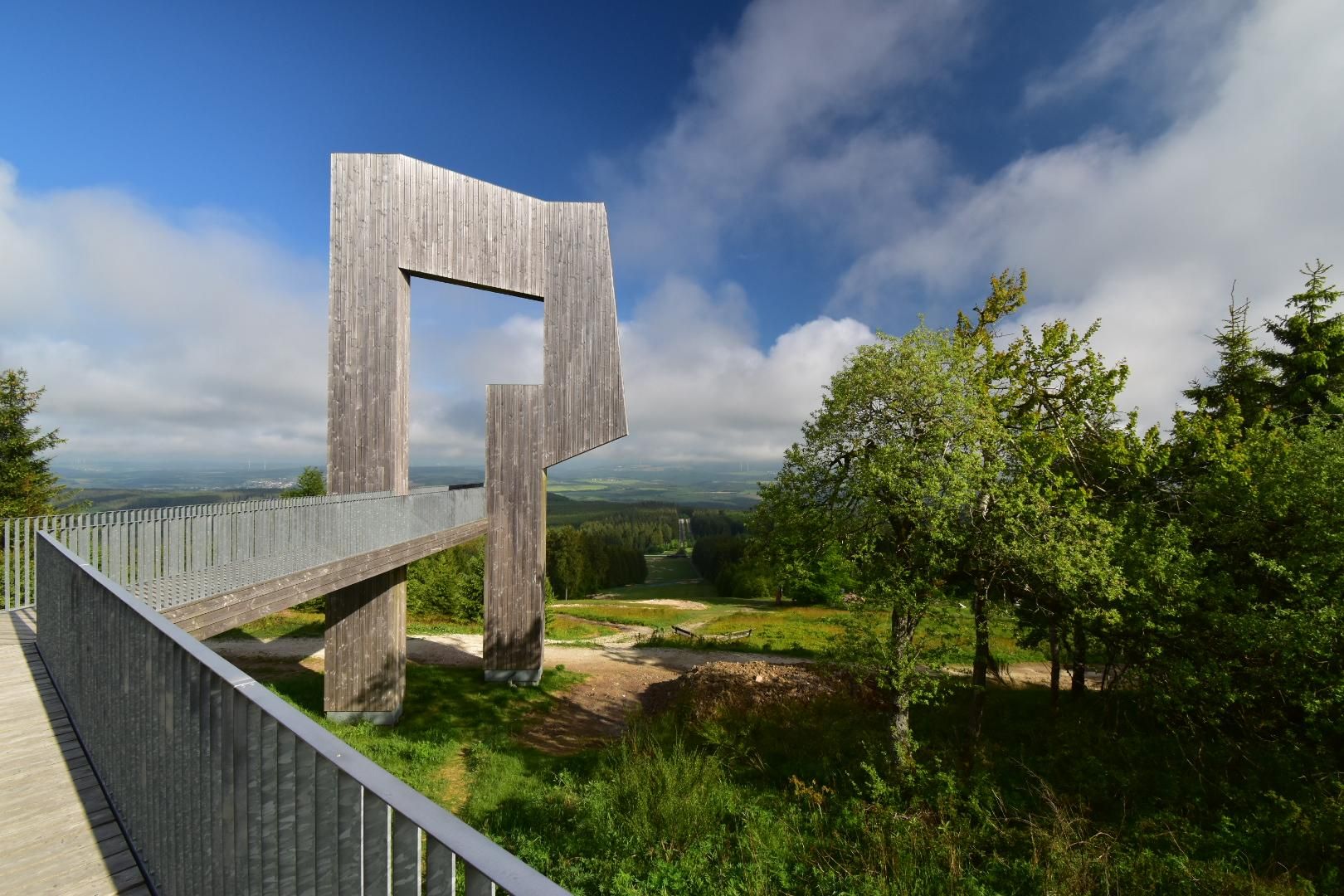
Saar-Hunsrück Climb – Hike in Germany where culture and nature meet
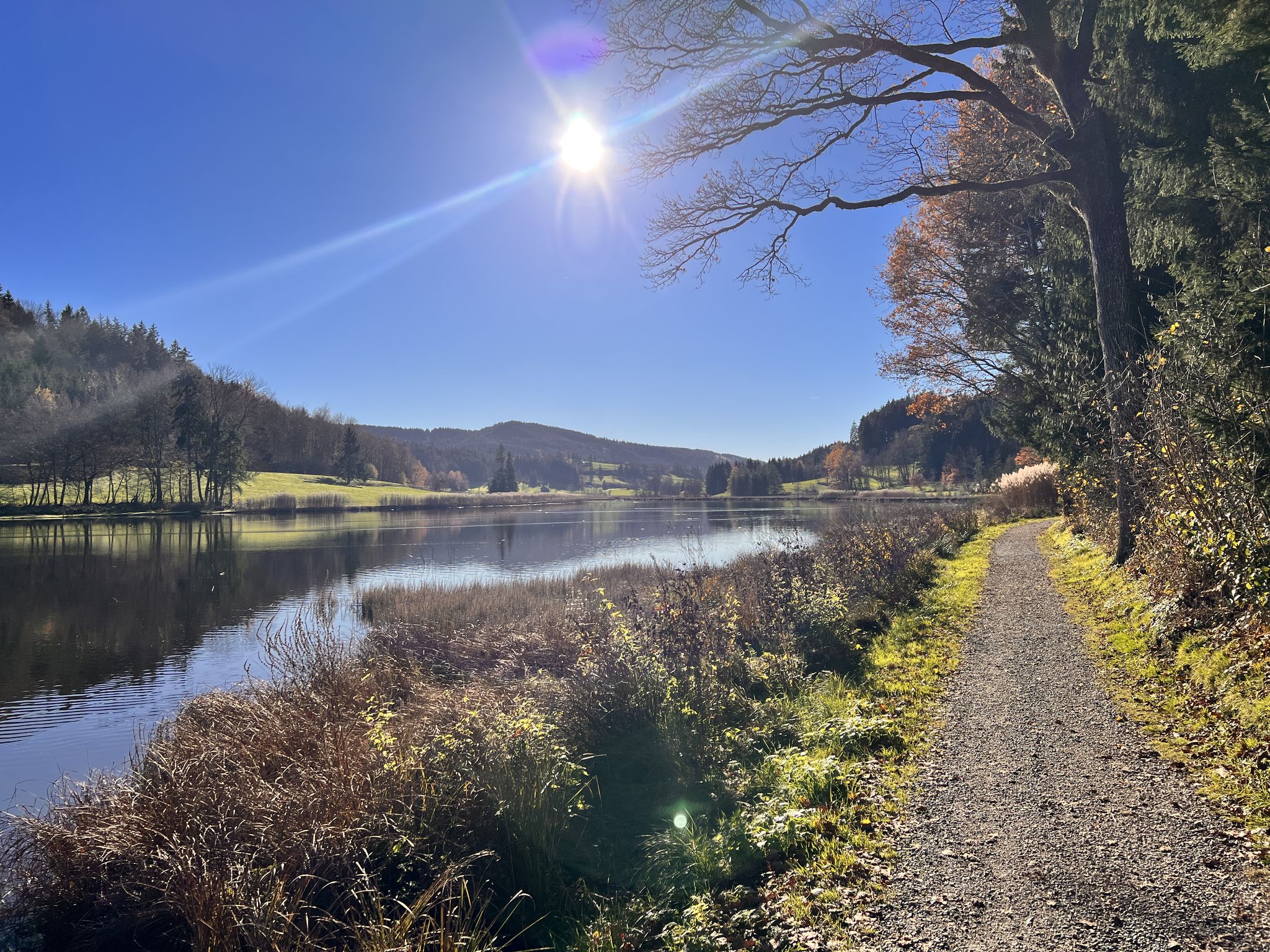
Run Wild – trail running routes throughout Germany
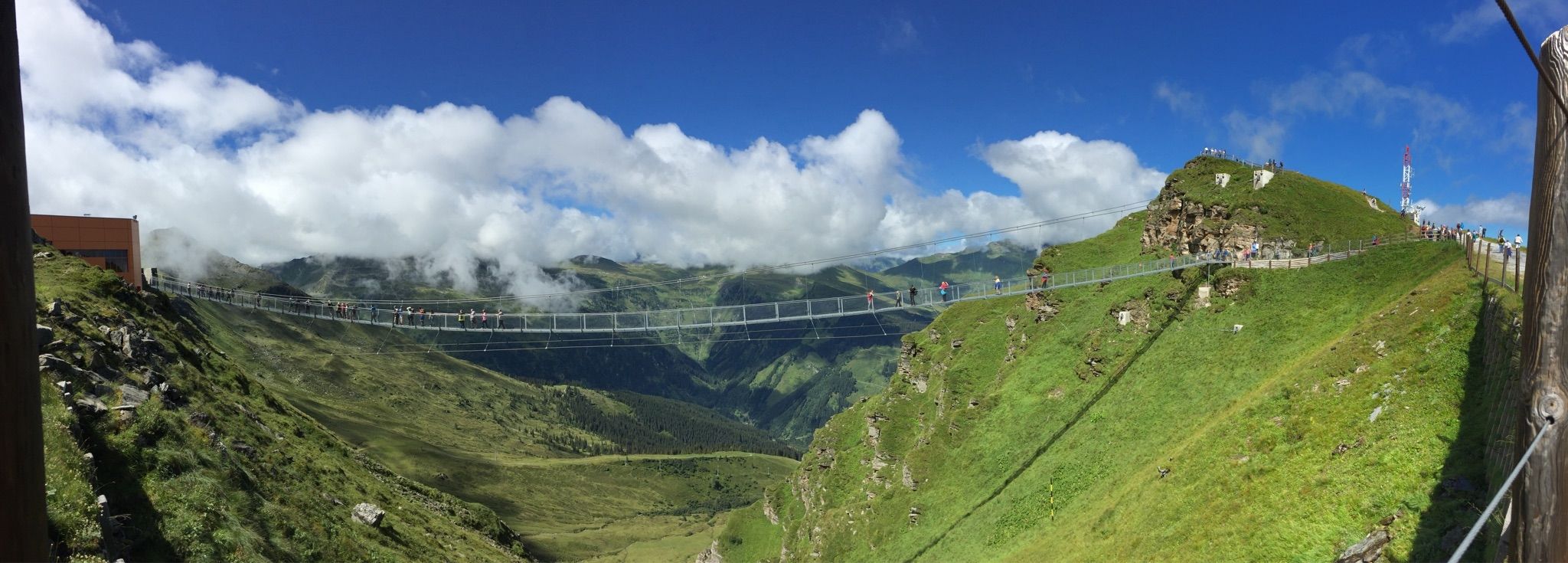
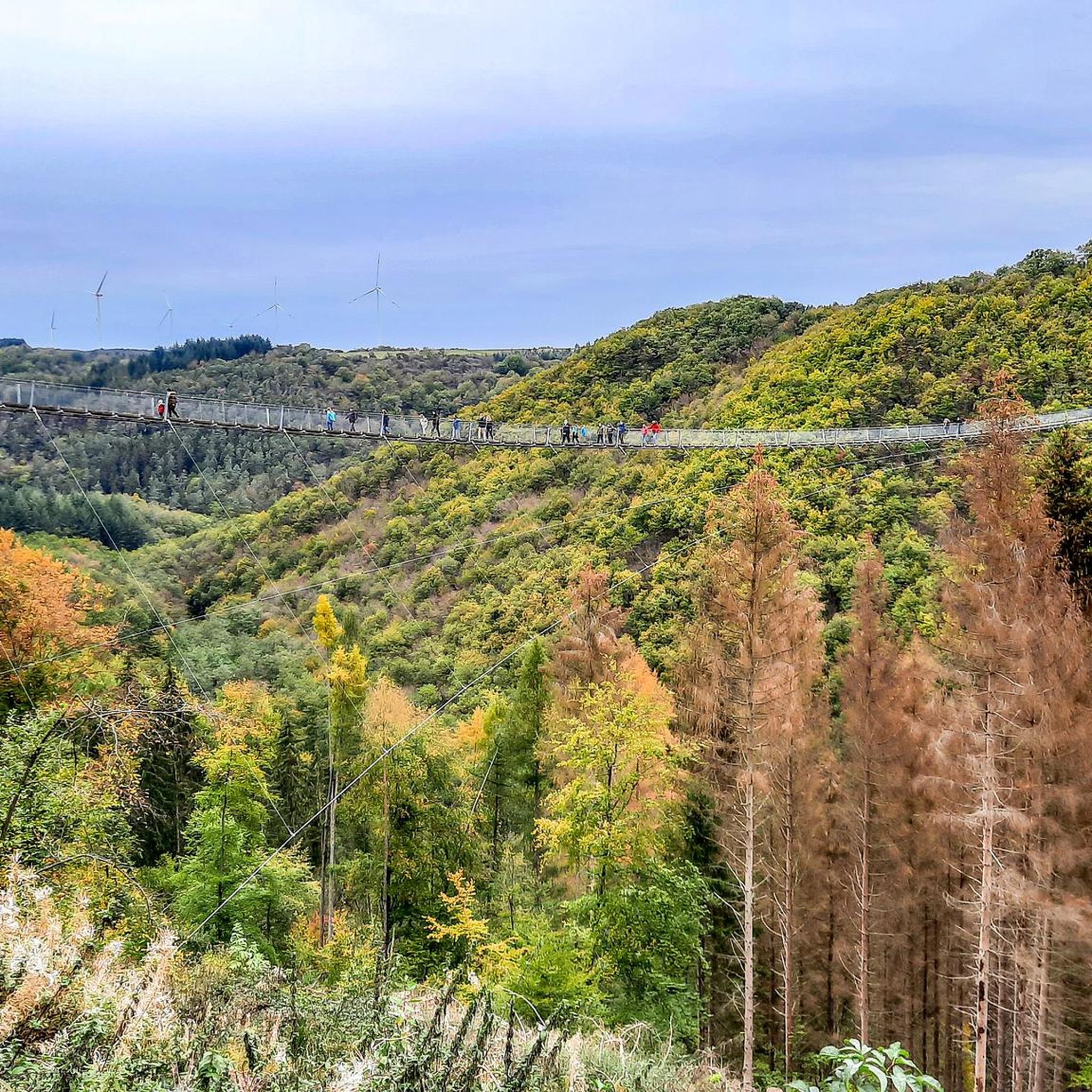
Spectacular suspension bridges
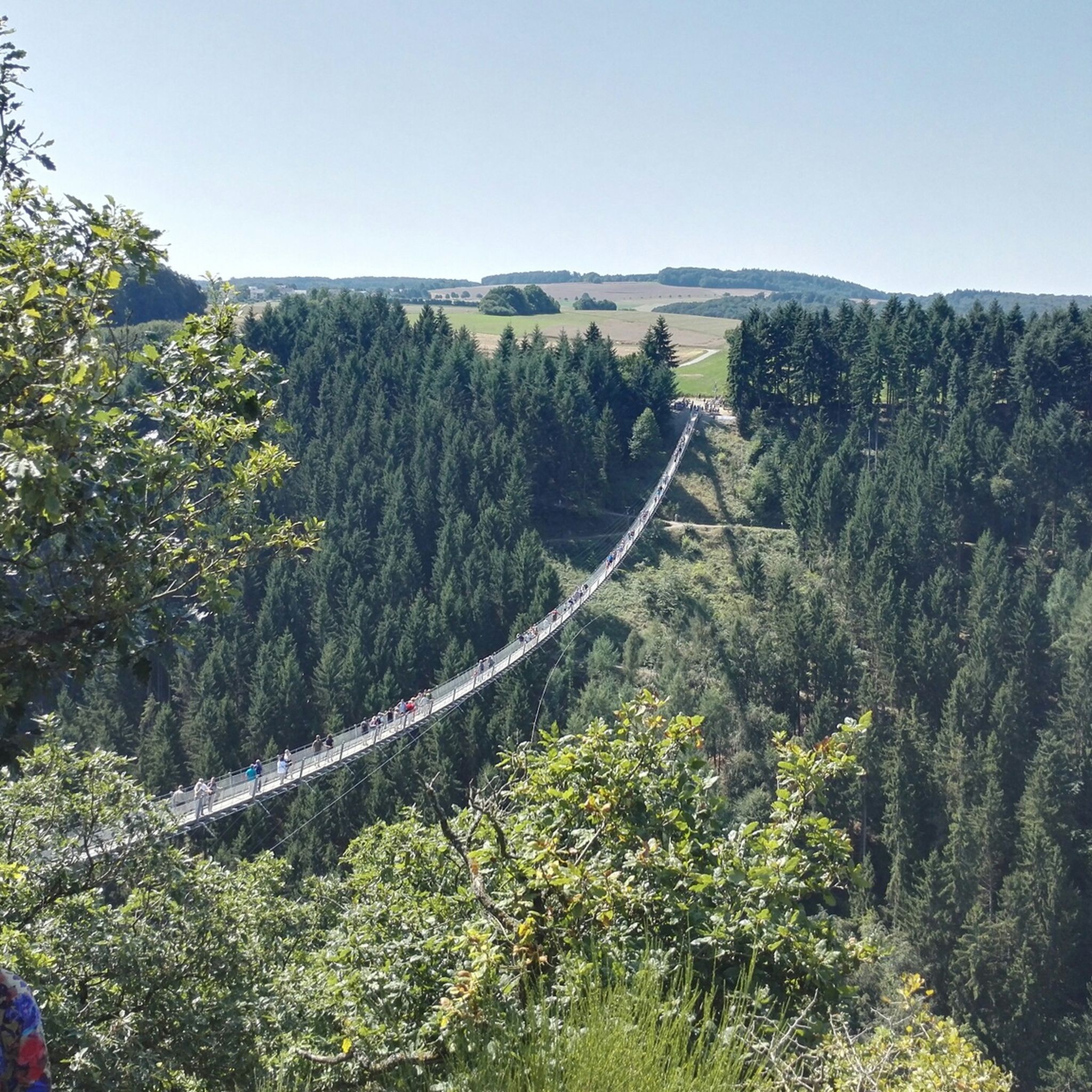
Hiking around Mörsdorf
Cycling around Mörsdorf
Road Cycling Routes around Mörsdorf
Running Trails around Mörsdorf
MTB Trails around Mörsdorf
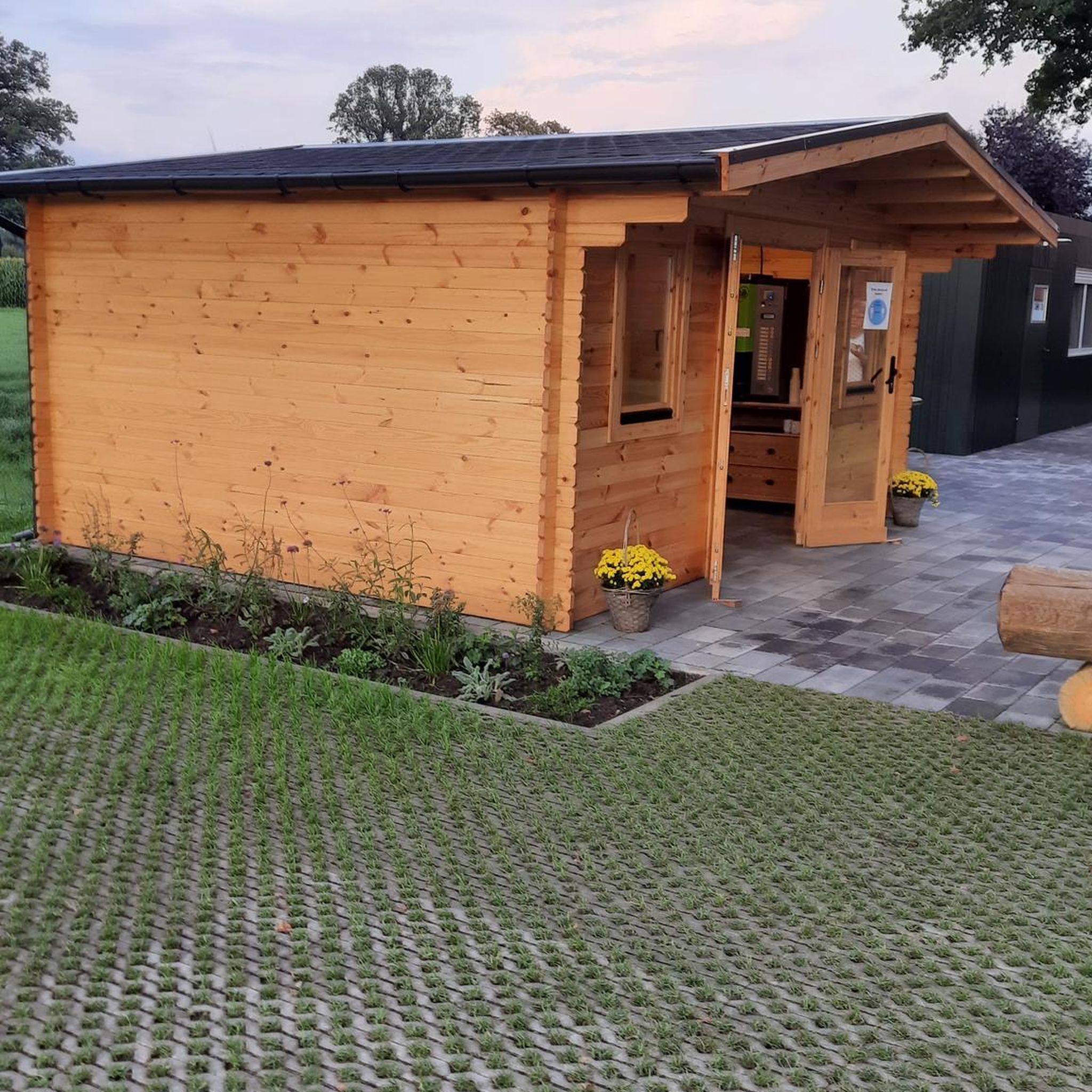
Gravel biking around Mörsdorf
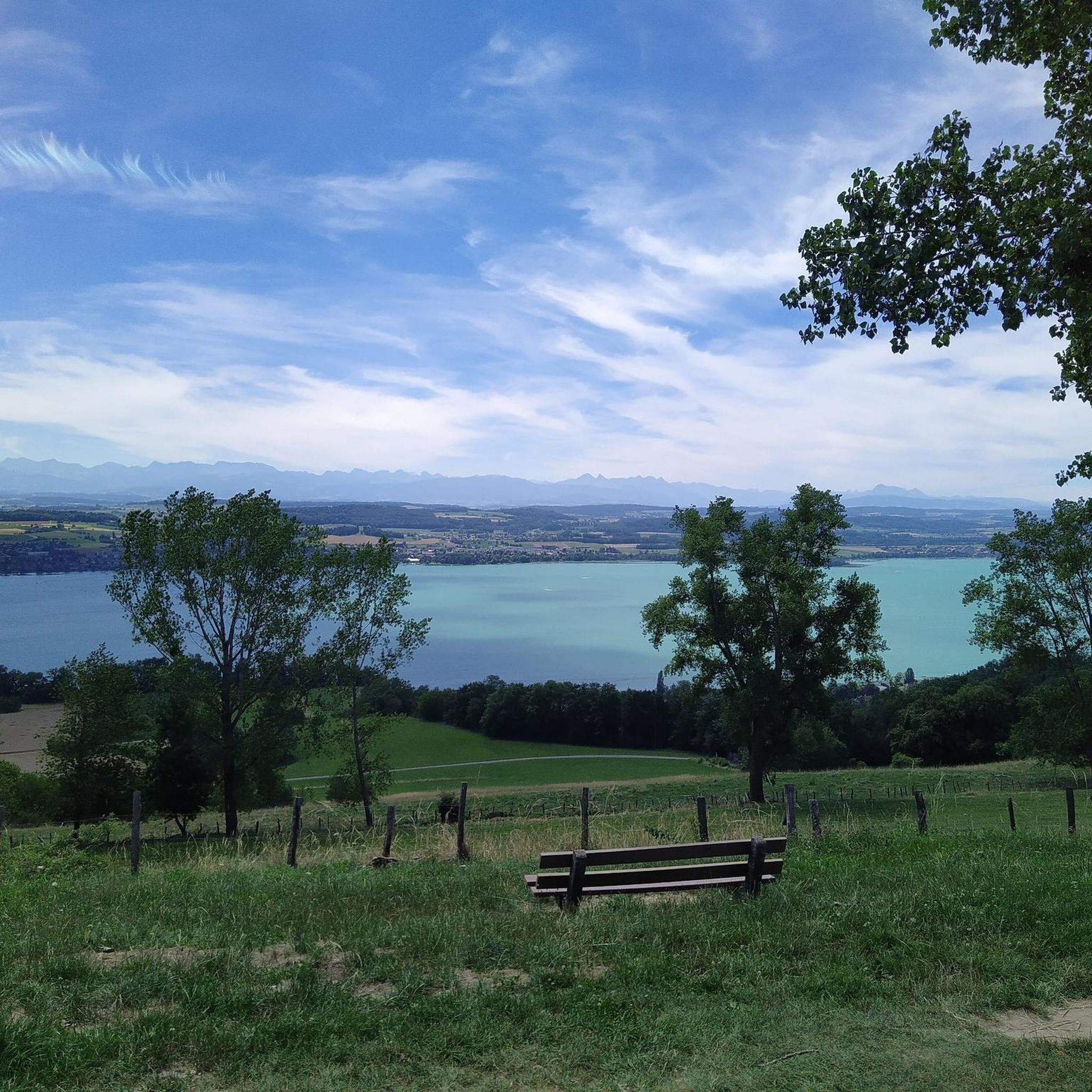
Mountain Hikes around Mörsdorf


Tips from the Community

There's always something new to discover here
0
0

A beautiful spot... nature 🌳🍄🟫
0
0

large rocky outcrop as a shelter and as a wintering place for bats
3
0

A slate mine with a nice rest area and information board.
2
0

This evidence of the former slate mining in the Baybachtal can be found in several places.
2
0

The mine path begins with Jupp, the miner carved out of wood, who is a symbol of the miners from Morshausen who mined ore in the lower Theresia mine from 1859 to 1886. The ores were brought to St. Goarshausen-Fellen for smelting. From the Theresia ore mine, the mouth hole of the lowest tunnel at Baybach level near the colliery house, which was built in 1860 for 12 miners and miners, has been preserved and one at the spoil heap level. The various tunnels extended from 250 meters to 20 meters into the mountain and were 10 to 15 meters wide.
1
0

Even if it's tempting: Don't go in (even if the cave is open) and disturb the bats, because then they might not survive hibernation!
2
0

There is also a rest stop directly at the slate quarry
2
3
Frequently Asked Questions
What kind of caves can I expect to find around Mörsdorf?
The 'caves' around Mörsdorf are primarily historical slate mine tunnels located in the Hunsrück region. These former mining operations offer insights into the area's industrial past and now often serve as protected wintering grounds for bats. They are more about historical exploration than natural cave formations.
Are there any family-friendly cave sites near Mörsdorf?
Yes, Klöckners Kaul slate mine tunnel and rest area is considered a family-friendly historical site. It features a well-prepared rest area near the entrance of a former slate mining operation, making it suitable for visitors of all ages.
What historical significance do the slate mine tunnels hold?
The slate mine tunnels, such as the Slate Mining Tunnels on Strimmiger Berg, highlight the laborious and often dangerous work of early 20th-century miners. They were manually driven into the mountain to extract slate blocks, which gained economic importance after traditional straw roofing was banned. These sites offer a glimpse into the region's industrial heritage.
Can I enter the caves or mine tunnels around Mörsdorf?
Most of the former mine tunnels, like the Baybachtal Bat Cave (Slate Tunnel) and the Theresia Mine Tunnel, are closed with bars or grids. This is primarily to protect the bat populations that use them as wintering habitats and due to the danger of collapse. While you can observe the entrances and surrounding areas, direct entry into many tunnels is not permitted.
What natural features are associated with the caves in this region?
Beyond their historical significance, many of these former mine tunnels now serve as vital natural monuments, providing protected wintering places for bats. The surrounding Hunsrück region is characterized by forested valleys, and the sites themselves often feature large rocky outcrops and spoil heaps from the mining operations.
What outdoor activities can I do near the Mörsdorf caves?
The area around Mörsdorf offers various outdoor activities. You can find excellent options for gravel biking, running, and mountain hikes. Many routes pass by or near these historical sites, allowing you to combine exploration with active recreation.
Are there specific hiking trails that include these cave sites?
Yes, several hiking trails in the Hunsrück region incorporate these historical mine tunnels. While specific routes vary, you can often find paths that lead past sites like the Katzenloch Slate Mine, which features a cozy resting place and a bridge over the Wohnrother Bach.
What should I wear when visiting the cave areas?
Since most tunnels are not accessible, standard outdoor hiking attire is recommended for exploring the surrounding areas and trails. Dress in layers suitable for the weather, and wear sturdy walking shoes. Even if you're not entering a cave, the Hunsrück region can be cool and damp, especially in forested areas.
Are there any other notable caves in the broader German region that are different from Mörsdorf's slate tunnels?
Yes, while Mörsdorf focuses on historical mine tunnels, the broader German region boasts impressive natural caves. Examples include the Atta Cave in Sauerland, known for its spectacular stalactites, the Saalfeld Fairy Grottoes with vibrant mineral formations, and the Teufelshöhle Cave in Franconian Switzerland, featuring ancient stalactites and large halls. These offer a different kind of underground experience.
What do visitors enjoy most about the cave areas around Mörsdorf?
Visitors appreciate the unique blend of history and nature. The opportunity to see former slate quarries and mine tunnels, understand the region's industrial past, and observe the protected bat habitats is a significant draw. The well-maintained rest areas and integration into hiking trails also enhance the experience.
Is there a connection between the caves and the Geierlay Suspension Bridge?
The Geierlay Suspension Bridge is a prominent landmark in the same Hunsrück region as the historical slate mine tunnels. While the tunnels are not directly under the bridge, they are part of the same natural and historical landscape that attracts visitors to the area. Many hiking and biking routes connect these various points of interest.
What is the best season to visit the cave areas around Mörsdorf?
The best season to visit is generally from spring through autumn, when the weather is most favorable for outdoor activities like hiking and exploring the surrounding forested areas. While the tunnel entrances can be viewed year-round, the trails and overall experience are more pleasant in milder conditions.
Most popular routes around Mörsdorf
Most popular attractions around Mörsdorf

Get inspired with the komoot mobile app


Explore more
Extend your search for the best caves by checking out these guides of the top ones around Mörsdorf:
