Top 4 Castles around Illertissen
Best castles around Illertissen are found in a region marked by its historical significance and the presence of the Iller River. The area features various historical fortifications, with the Vöhlinschloss in Illertissen standing as a prominent landmark. This location offers a blend of architectural styles and historical narratives, from medieval origins to Renaissance and Baroque influences. Visitors can explore sites that reflect centuries of regional history.
Best castles around Illertissen
- The most popular castles is Museum Illertissen & Bavarian Bee…
Last updated: August 19, 2026
St. Andreas Church, Babenhausen
Highlight • Religious Site
Is worth a quick visit.
In addition …
Translated by Google •
Tip by

Fugger and nephew castle of Weißenhorn
Highlight • Castle
Translated by Google •
Tip by

Sign up now to discover places like this
Get recommendations on the best single tracks, peaks, & plenty of other exciting outdoor places.
Sign up for free
Kirchberg Castle
Highlight • Castle
Translated by Google •
Tip by

Museum Illertissen & Bavarian Bee Museum
Highlight • Historical Site
Translated by Google •
Tip by

Wain Castle
Highlight • Castle
Translated by Google •
Tip by

Sign up for free to discover even more castles around Illertissen.
Sign up for free
Already have an account?
Start today with a free account
Your next adventure awaits.
Login or Signup
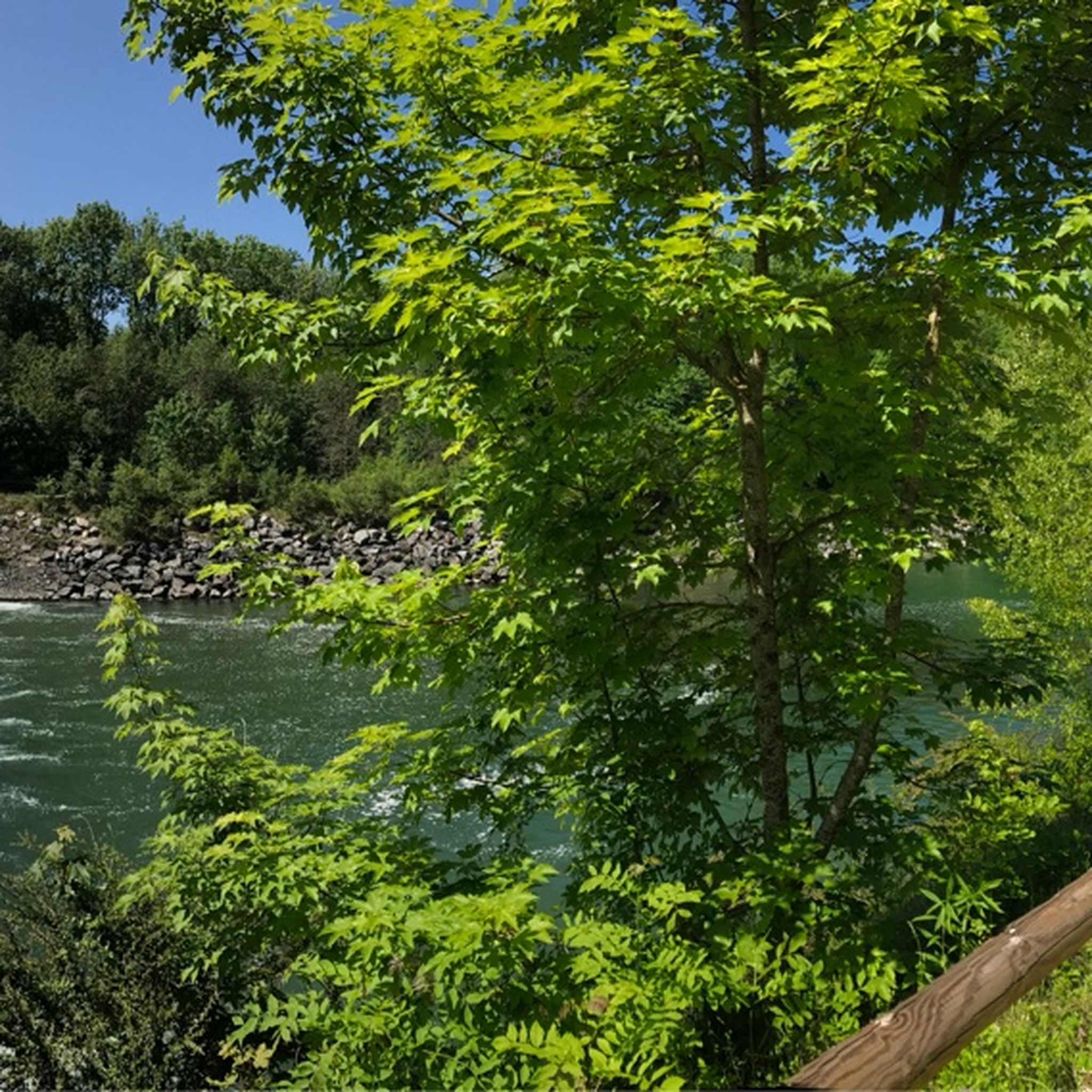
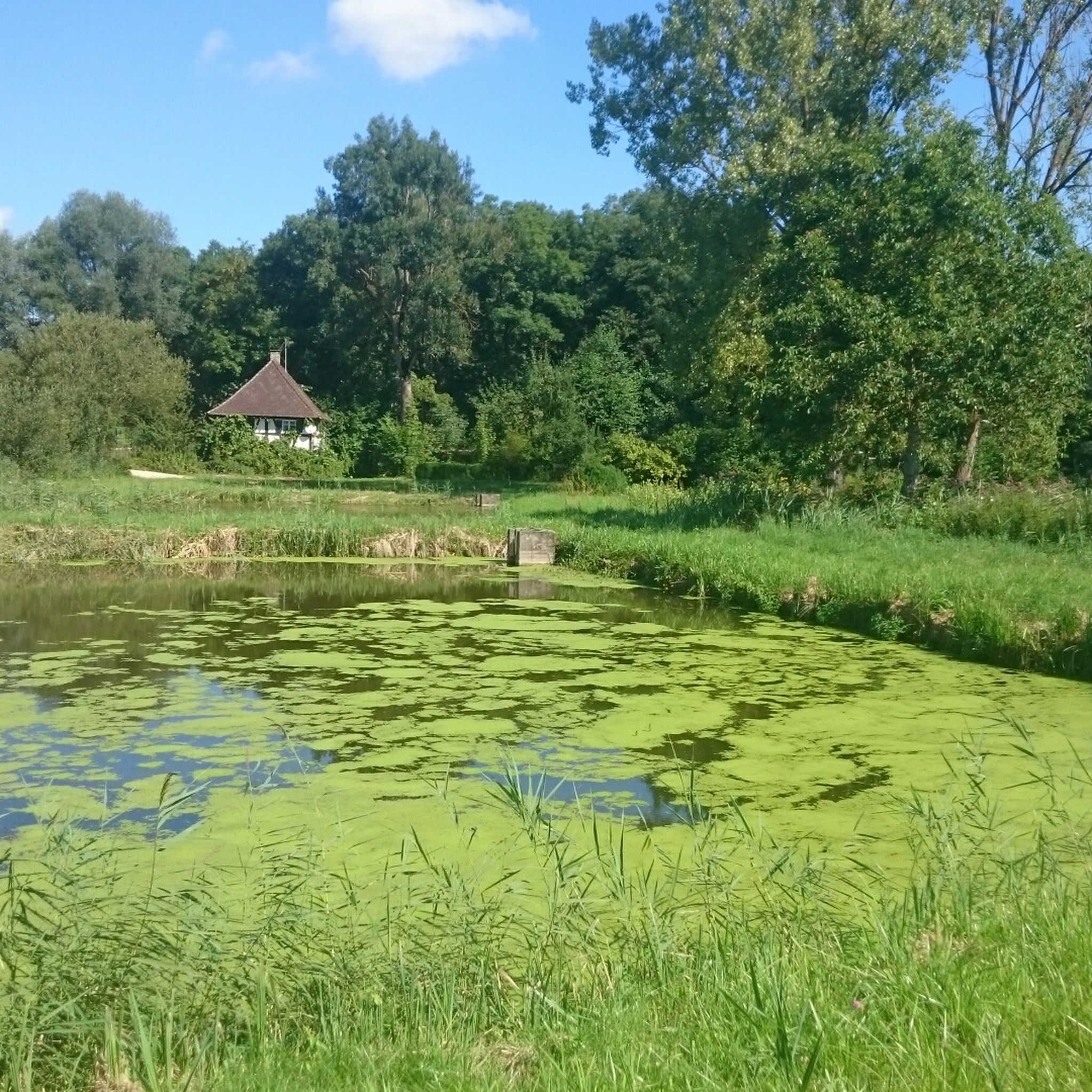
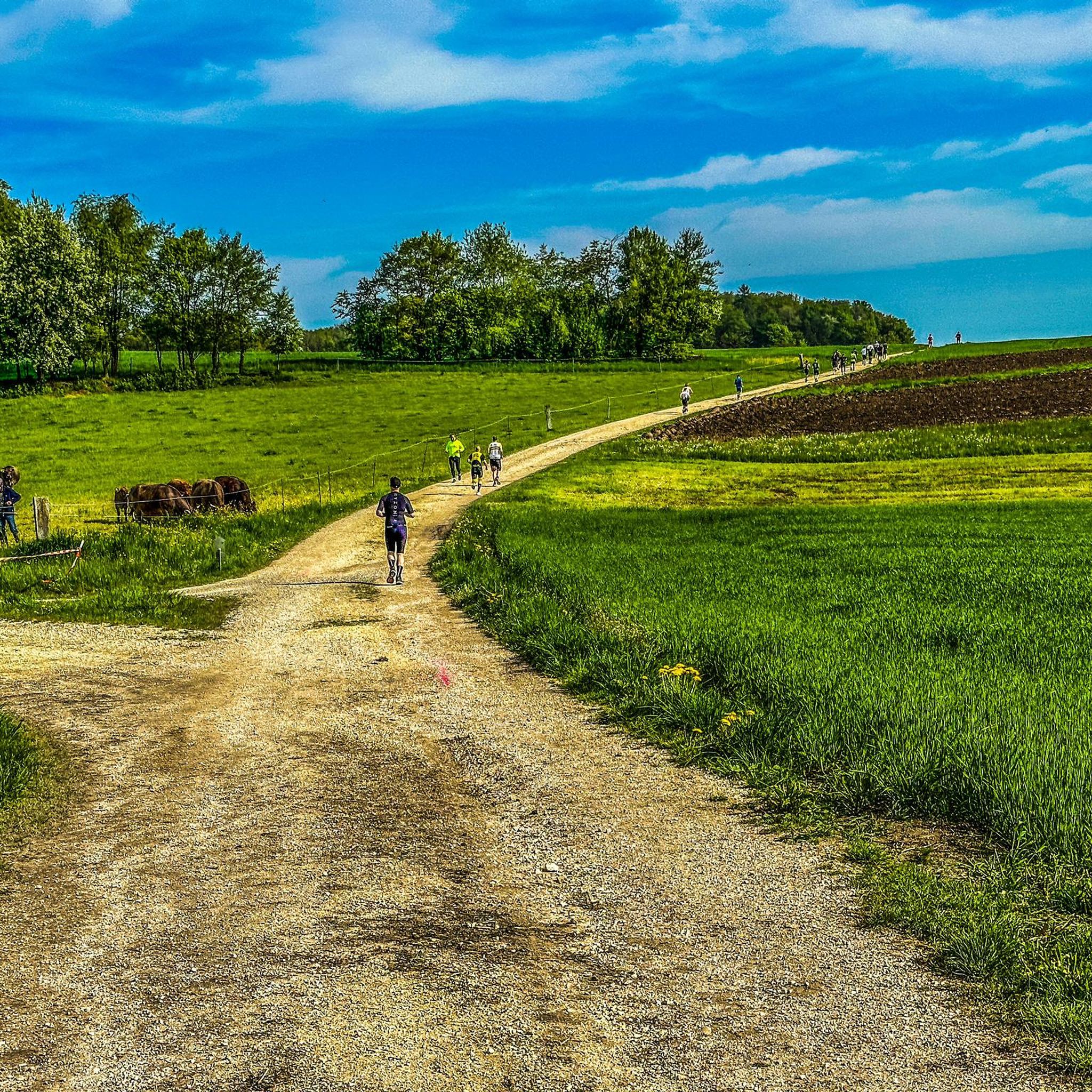

Tips from the Community

The Fugger and Neuffen castles have been part of Weißenhorn's history for centuries. The older castle, today usually called Neuffen Castle or the Old Castle, was built around 1470 under Jörg von Rechberg on the castle hill. Right next to it, Jakob Fugger had the impressive New Castle built in 1514, reflecting the growing influence of the Augsburg trading dynasty. Later, the two buildings were connected by a link to form a single complex. Today, the town hall is located here.
0
0

Great church in Babenhausen in the middle of town
1
0

Beautiful castle of Weißenhorn Now the city administration is in it
0
0

In 1498 the area became part of the Duchy of Bavaria-Landshut, but was sold to the Fuggers in 1507. The Counts Fugger von Kirchberg still have their seat today in the castle built in 1767 by Franz Anton Bagnato.
3
0

The Roman Catholic parish church[1] of St. Andreas is a baroque church in Babenhausen in Upper Swabia, Bavaria. The local parish appears for the first time in 1235. In 1315 Heinrich von Schönegg sold half of Babenhausen incl. Church ordinance to Konrad von Rottenstein In 1499, the Lords of Rechberg donated a perpetual Holy Mass on the altar of Our Lady. The choir and the tower substructure have been preserved from the late Gothic church of the 15th century. In 1538 Anton Fugger acquired the rule, which also included the right of patronage over the church in Babenhausen. The church was designated as the family's main church and burial place. In the 16th century a new nave was built and in 1562 the tower was raised by an octagon. After damage during the Thirty Years' War, repairs were carried out. From 1714 to 1717, Michael Stiller was commissioned to redesign the interior in the Baroque style. The sign was added in the middle of the 18th century. Source: https://de.wikipedia.org/wiki/St._Andreas_(Babenhausen)
1
0

The church in Babenhausen is an imposing building in the middle of town.
2
0

It's the Neuffen Castle
0
0

The classicistic Wain Castle was built in the 18th century and is now home to the "Freiherr von Herman’s Rent and Forestry Office". The sophisticated and very representative building is not far from the Iller in the town of Wain of the same name. There was also a castle called Wain, which is no longer preserved.
0
0
Frequently Asked Questions
What is the historical significance of Vöhlinschloss Illertissen?
The Vöhlinschloss Illertissen stands on the site of the high medieval Tissen Castle, first mentioned in 1339. It was acquired by the influential Vöhlin merchant family in 1520, who built the current Renaissance-style castle. It later became Bavarian state property and today houses two museums and serves as a conference center, reflecting centuries of regional history.
Are there other historically significant fortifications near Illertissen besides Vöhlinschloss?
Yes, in the broader surrounding area, you can find Kirchberg Castle, a magnificent residence of the Count's family. Also, the Fugger and nephew castle of Weißenhorn, built by Jakob Fugger, now houses the town hall. For ancient history enthusiasts, the Archaeological Park Kellmünz preserves the remains of the Roman fort Caelius Mons.
Can I visit a Roman fort near Illertissen?
Yes, the Archaeological Park Kellmünz, located on a steep plateau above the Iller, was once the powerful Roman fort Caelius Mons. Excavations have revealed the remains of this significant late antique defensive structure, and a small permanent exhibition is available for visitors interested in Roman history and fortifications.
What kind of architecture can I expect to see at the castles around Illertissen?
The castles around Illertissen showcase diverse architectural styles. The Vöhlinschloss Illertissen, for example, features Renaissance elements, including an arcaded gallery, stucco cassette ceilings, and a striking Baroque hall. Its chapel was renovated in the Rococo style. Other castles like Wain Castle exhibit classicistic architecture from the 18th century.
Are there family-friendly castles to visit around Illertissen?
Absolutely. The Museum Illertissen & Bavarian Bee Museum, located within the Vöhlinschloss, is considered family-friendly and offers engaging exhibits for all ages. The Fugger and nephew castle of Weißenhorn is also listed as family-friendly.
What museums are located within the castles near Illertissen?
The Vöhlinschloss Illertissen houses two notable museums: the Museum Illertissen – Geschichten und Geschichte im Schloss, which tells the city's history, and the Bayerisches Bienenmuseum (Bavarian Bee Museum), offering insights into beekeeping.
Are there hiking or cycling routes near the castles around Illertissen?
Yes, the region offers various outdoor activities. For hiking, you can explore routes like the 'Schloss Bienenweg – Vöhlinschloss Illertissen loop' or the 'Illertisser Climate Forest' trail. Cyclists can enjoy routes such as the 'Iller-Roth-Günz cycle path' or the 'Dietenheim Town Center – The Iller River near Illertissen loop'. You can find more details on these and other routes in the hiking guide and road cycling guide for Illertissen.
What natural features can I explore near the castles?
The castles around Illertissen are situated in a region marked by the Iller River. You can find walking paths along the river, such as the 'Swimming Spot on the Iller – Iller Bridge loop'. The area also features forests and the Illertisser Weiher (pond), offering pleasant natural surroundings for walks and exploration.
What is the best time of year to visit the castles around Illertissen?
The castles and surrounding areas are enjoyable throughout the year. Spring and autumn offer pleasant temperatures for exploring both the historical sites and nearby outdoor trails. Summer allows for longer daylight hours and warmer weather, while winter visits can offer a unique, serene atmosphere, though some outdoor activities might be limited by snow or ice.
How can I reach the castles around Illertissen by public transport?
Illertissen is generally accessible by public transport, primarily by train and bus services that connect to larger cities. For specific castles, local bus routes might be available. It's advisable to check local public transport schedules for the most up-to-date information on reaching individual castle locations.
Are there cafes or restaurants near the castles?
Yes, Illertissen and the surrounding towns like Weißenhorn offer various cafes and restaurants where you can find refreshments and meals. For instance, the town center of Weißenhorn, where the Fugger and nephew castle is located, will have dining options. It's always a good idea to check local listings for specific establishments near each castle.
Is parking available at the castles?
Parking is generally available near the main castles. For example, in Illertissen, there are parking facilities for visitors to the Vöhlinschloss. For other castles or historical sites in smaller towns, look for designated parking areas or public parking within walking distance.
Are the castles around Illertissen accessible for visitors with wheelchairs?
Accessibility varies by castle. The Vöhlinschloss Illertissen, as a modern museum and conference center, may offer some accessible areas. However, older historical structures like Kirchberg Castle, which is still a private residence, might have limited accessibility due to their historical architecture. It's recommended to contact specific sites directly for detailed accessibility information.
Can I bring my dog to the castles or on nearby trails?
While dogs are generally not permitted inside castle buildings or museums, many outdoor areas and nearby trails are dog-friendly. For example, the hiking and walking paths along the Iller River and through the local forests are suitable for walks with dogs. Always keep dogs on a leash and be mindful of local regulations.
Most popular routes around Illertissen
Most popular attractions around Illertissen

Get inspired with the komoot mobile app


Explore more
Looking for the best castles somewhere else? Discover other guides around Illertissen:
