Top 6 Caves around Bad Rappenau
Caves around Bad Rappenau offer a range of natural and historical underground sites within the northern Baden-Württemberg region. While no prominent natural caves are located directly within Bad Rappenau, the surrounding area features notable examples like the Eberstadter Tropfsteinhöhle, known for its extensive dripstone formations. The landscape is characterized by the Bauland region and the edge of the southeastern Odenwald, providing diverse geological features. Visitors can explore both natural rock formations and historically significant man-made tunnels.
Best caves around Bad…
Last updated: June 25, 2026
Lourdes Grotto, Höchstberg
Highlight • Religious Site
Translated by Google •
Tip by

Brasse Tunnel Entrance
Highlight • Historical Site
Translated by Google •
Tip by
Sign up now to discover places like this
Get recommendations on the best single tracks, peaks, & plenty of other exciting outdoor places.
Sign up for free
Laura Cave
Highlight • Cave
Translated by Google •
Tip by
Bundeswehr Underground Storage Facility Neckarzimmern
Highlight • Structure
Translated by Google •
Tip by

Notburgahöhle
Highlight • Cave
From this parking bay, you can quite quickly find a small path to follow. …
Showing Translation
Tip by

Start today with a free account
Your next adventure awaits.
Login or Signup
Popular around Bad Rappenau
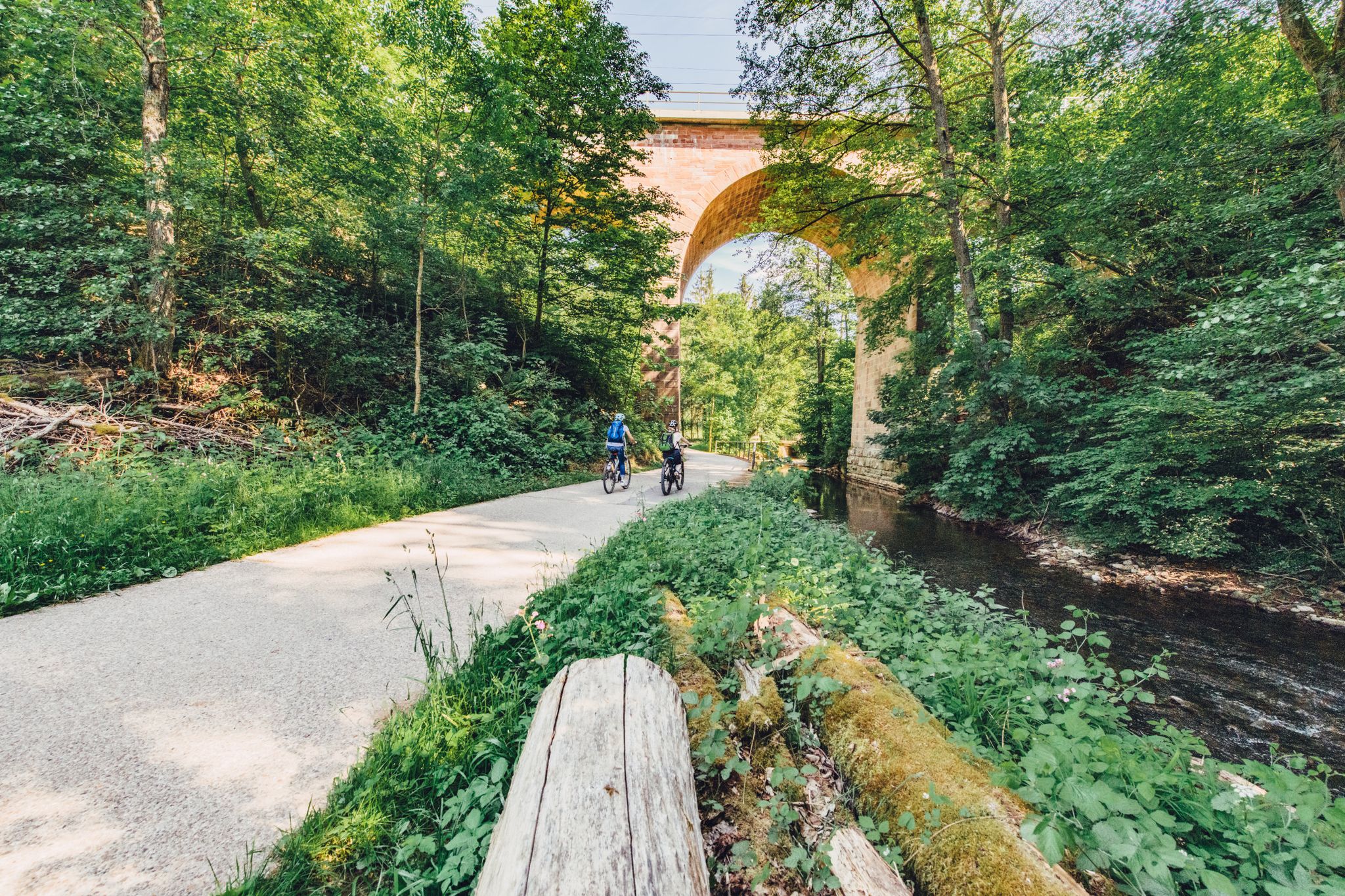
Weekend rides along the Kocher, Jagst and Neckar rivers in Germany
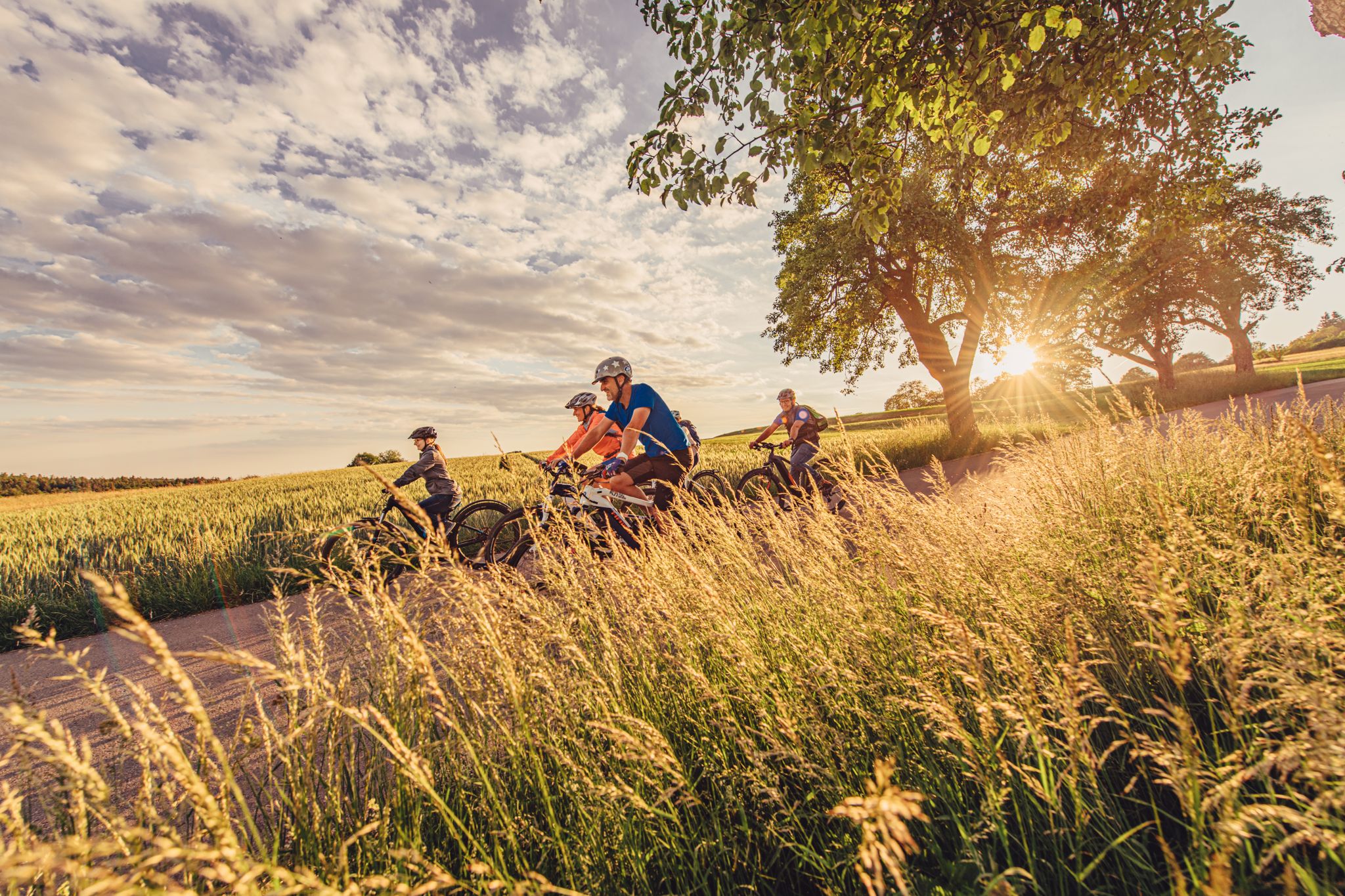
Rivers, forests and mills – the most beautiful rides in the Odenwald in Germany
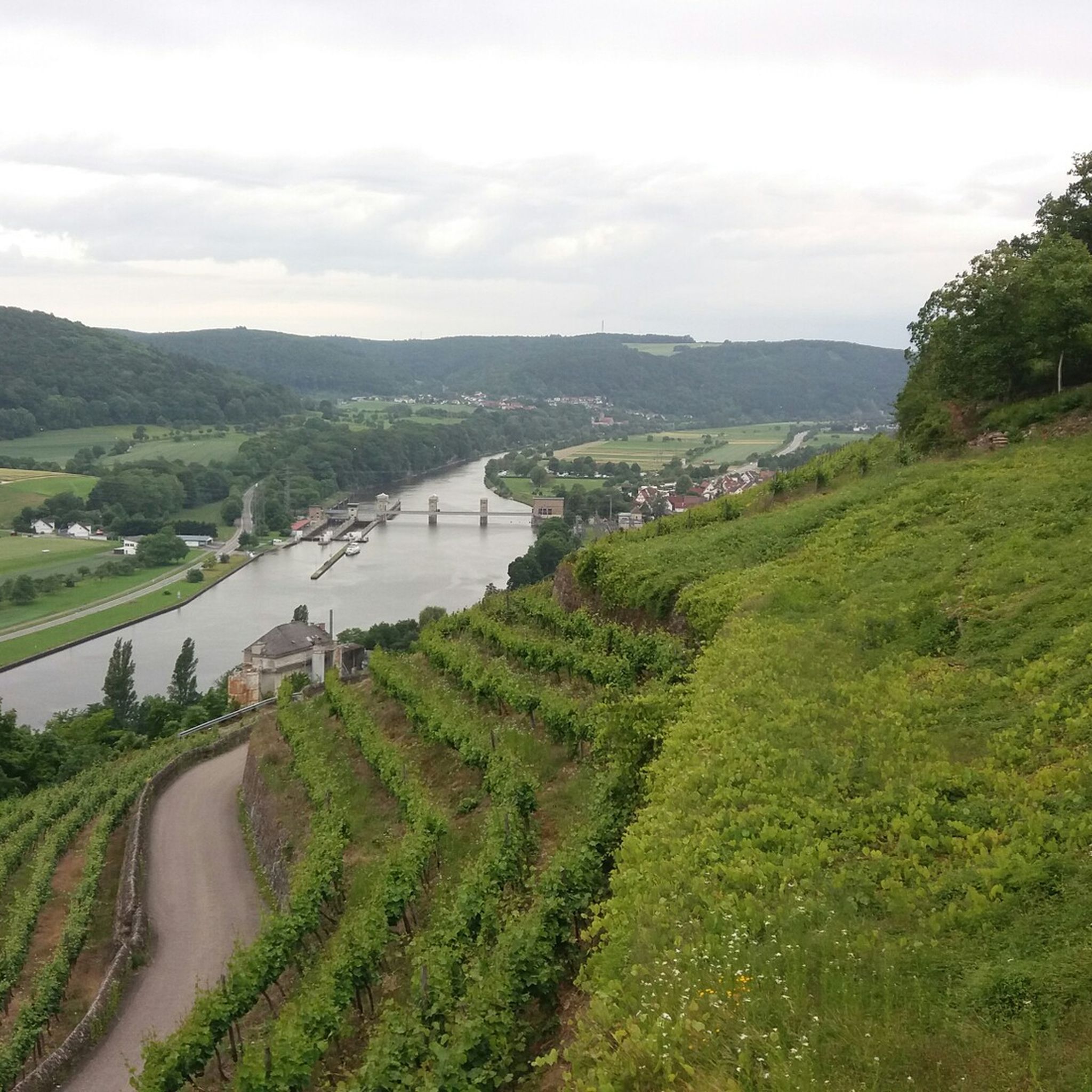
Hiking around Bad Rappenau
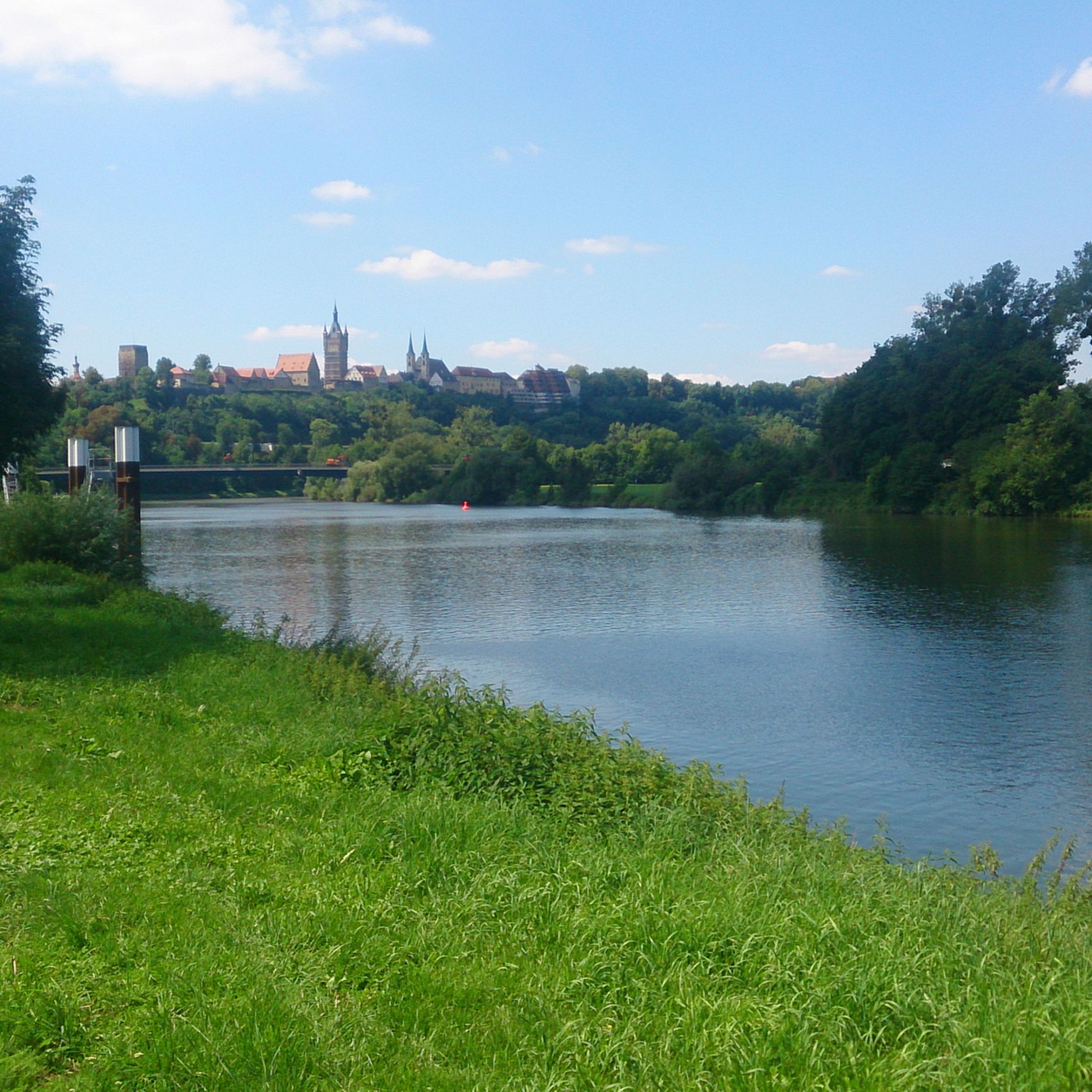
Cycling around Bad Rappenau
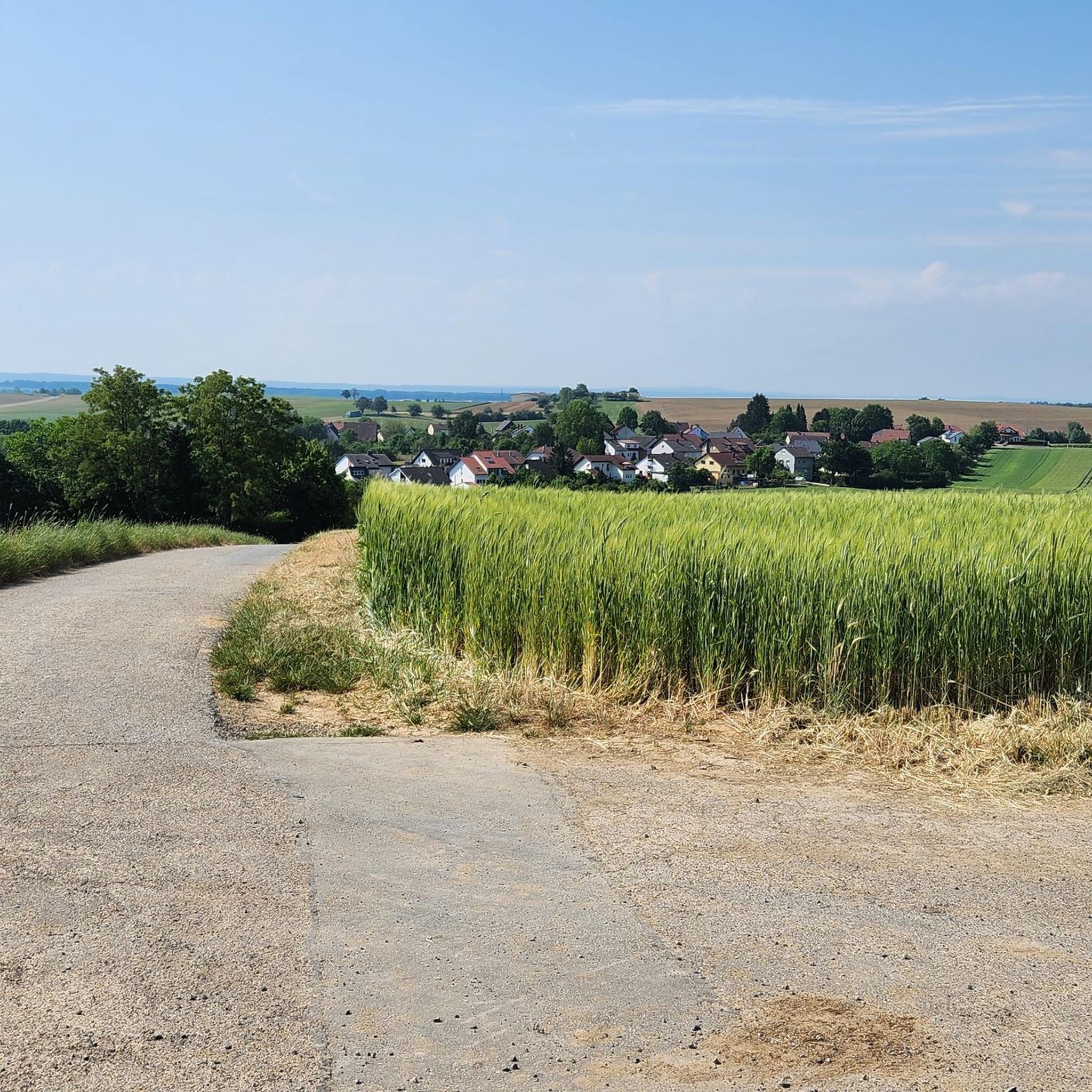
Running Trails around Bad Rappenau
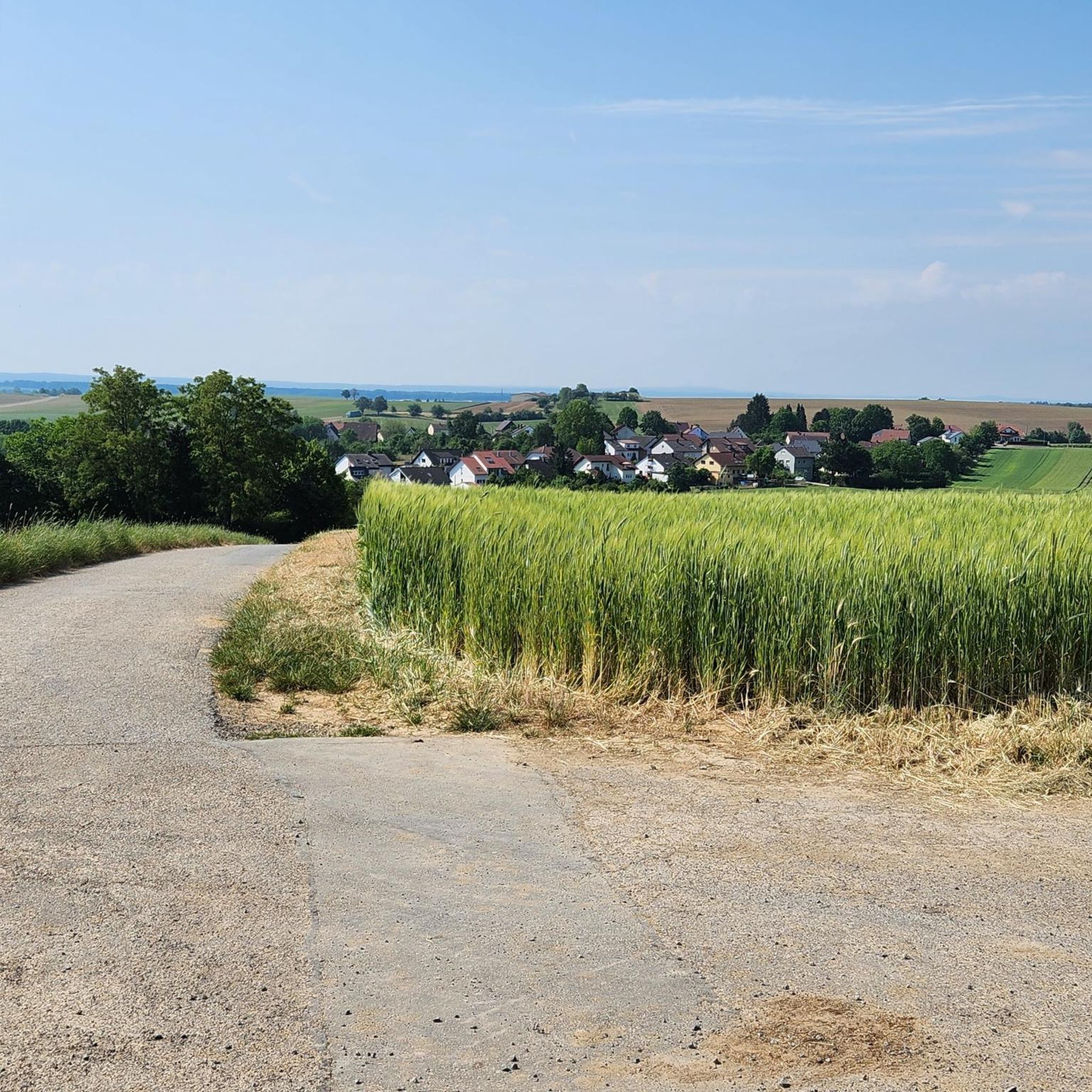
Road Cycling Routes around Bad Rappenau
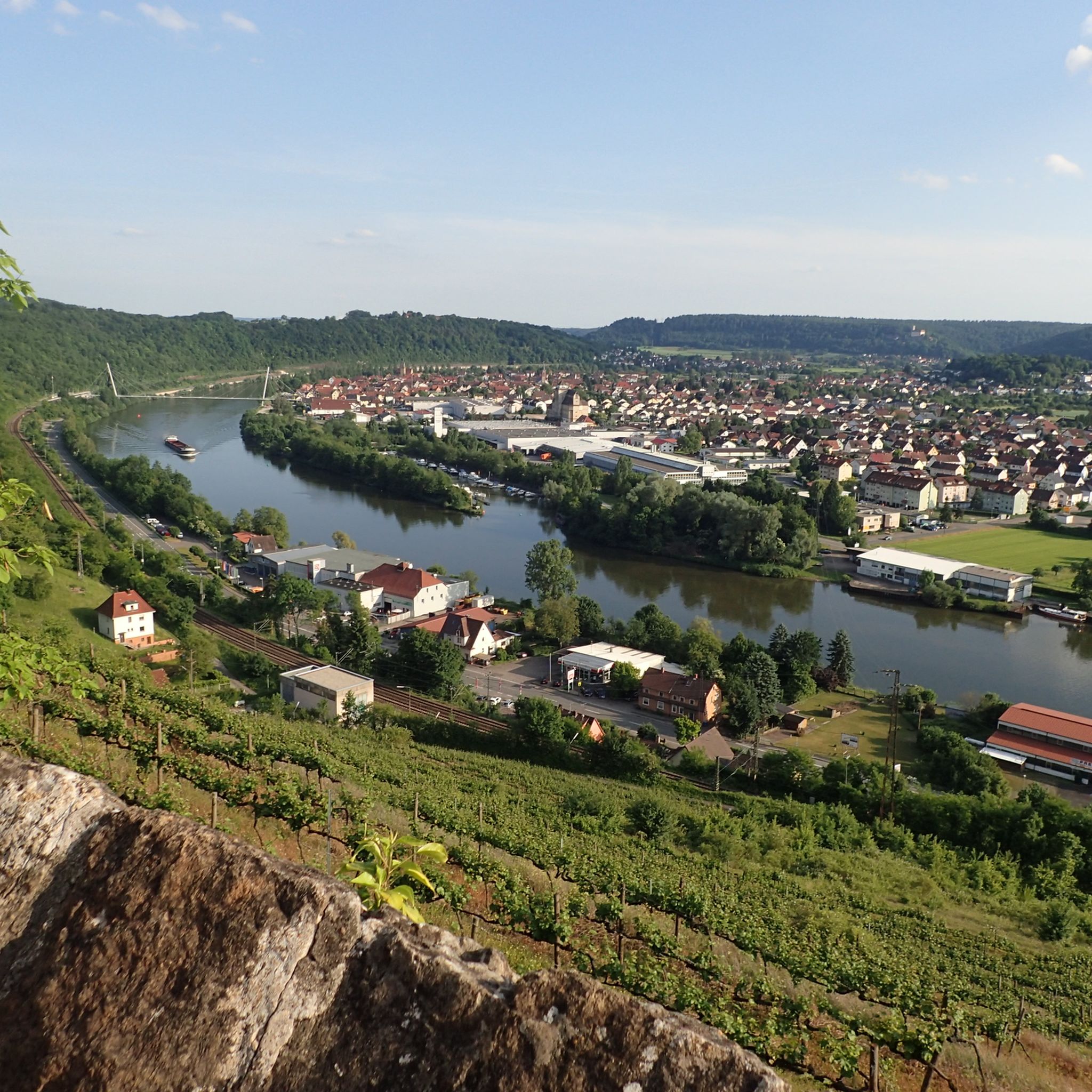
MTB Trails around Bad Rappenau
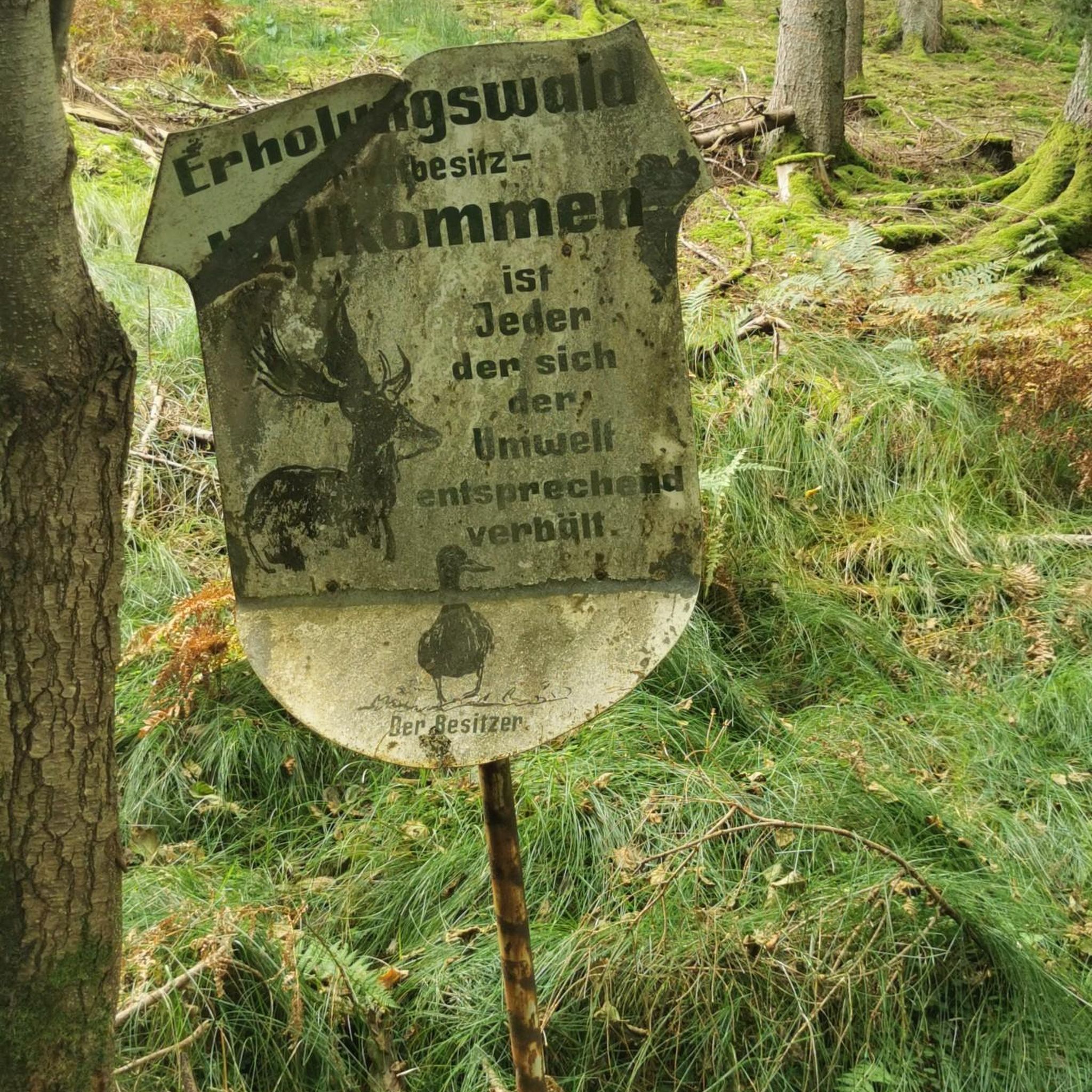
Gravel biking around Bad Rappenau


Tips from the Community

It's well worth seeing, and I was surprised to find something like this here. Worth a visit
6
0

The Bundeswehr's underground facility in Neckarzimmern is a huge, complex warehouse with approximately 170,000 square meters of space and over 40 kilometers of roads and railways – originally a gypsum mine dating back to the 18th century. Today, over 190,000 items are stored there, but what exactly is in the crates remains secret.
4
0

A long staircase of irregular sandstone steps leads to this beautiful spot. At the top, you can sit in a small covered arbor, enjoy the view, and listen to the babbling brook. Many thanks to everyone who cares for and maintains this place.
0
0

The Laura Cave was created by "A.V. Brunner in 1860," after whom Victor-Brunner-Straße in Neckarsulm is also named. Named after his daughter Laura, it was probably originally created for operational reasons. The complex, in conjunction with the Scheuerburg Castle, is and has been the setting for several Neckarsulm horror stories. Today, bats live in the caves.
11
0
The "Brasse" tunnel entrance is part of the historic "Goldfisch" underground relocation in Obrigheim, which served as an underground aircraft engine factory during World War II. The "Brasse" tunnel was a planned expansion, but only partially realized. These tunnels were built by concentration camp prisoners and forced laborers under extreme conditions.
11
0
The natural staircase to the Lourdes Grotto in Höchstberg is a picturesque yet challenging path that leads pilgrims and hikers to the grotto. This staircase consists of 256 slippery and varied natural steps that lead through the forest down into the Tiefenbach valley. The path is particularly challenging in wet weather as the steps can be slippery.
8
0
This grotto is a replica of the famous Grotto of Lourdes in France and offers a quiet place for prayer and reflection. The grotto is a place of peace and quiet, surrounded by nature and offers a wonderful way to escape from everyday life and enjoy a moment of silence.
8
2
Imagine hiking through the dense forest on Scheuerberg and suddenly finding yourself in front of the mysterious Laura Cave. This cave isn't just a dark hole in the mountain, it's a true adventure! The northern cave is about 13.5 meters deep—enough to make you feel like a true speleologist, but don't worry, you won't encounter any dragons or lost treasures. The cave was discovered in 1860 by A.V. Brunner and named after his daughter Laura. Perhaps he hoped she would one day become a brave explorer! Today, Laura Cave is a popular destination for hikers and bats, who come there for their own little adventures. So, grab your flashlight and get ready for a fun exploration! Who knows, maybe you'll find a little treasure—or at least a few interesting stories to tell later. 😄
15
0
Frequently Asked Questions
What types of caves can I explore around Bad Rappenau?
The region around Bad Rappenau offers a mix of natural and historical underground sites. You can find impressive natural dripstone caves like the Eberstadter Tropfsteinhöhle, historical man-made tunnels such as the Brasse Tunnel Entrance, and natural grottoes like Lourdes Grotto, Höchstberg. There are also smaller natural rock formations and historically significant underground facilities.
Are there any natural caves with impressive formations near Bad Rappenau?
Yes, the most significant natural cave in the broader region is the Eberstadter Tropfsteinhöhle, located in Buchen. This impressive dripstone cave is estimated to be millions of years old and boasts a wealth of pristine white stalactite formations, including the famous 'Wedding Cake,' considered one of Europe's most beautiful.
Which caves have historical significance?
The Brasse Tunnel Entrance is part of the 'Goldfisch' underground relocation, which served as an underground aircraft engine factory during World War II. Another historical site is the Bundeswehr Underground Storage Facility Neckarzimmern, a massive former gypsum mine now used by the military. Additionally, the Dachsenfranzhöhle, near Dielheim, is a reconstructed dwelling of a hermit from over a hundred years ago, offering a glimpse into local legend.
Are there family-friendly caves or accessible options?
The Eberstadter Tropfsteinhöhle is designed to be accessible for strollers and people with disabilities, with a walkable section of approximately 600 meters. It also features a modern visitor center and geological trails outside, making it suitable for families.
What is the best time to visit the caves around Bad Rappenau?
The Eberstadter Tropfsteinhöhle maintains a constant temperature of 11°C and about 95% humidity year-round, making it a comfortable visit regardless of the season. For outdoor grottoes and historical sites like the Lourdes Grotto or the Dachsenfranzhöhle, spring through autumn generally offers the most pleasant weather for exploration and hiking.
Can I go hiking near the caves?
Absolutely! Many caves are situated within scenic areas perfect for hiking. For example, you can explore the area around Laura Cave on Scheuerberg. You can find various hiking routes and guides in the region, such as those listed in the Hiking around Bad Rappenau guide.
What unique natural features can I expect to see?
The Eberstadter Tropfsteinhöhle is renowned for its pristine white dripstones, including slender stalagmites, sinter flags, sinter terraces, and crystals, many with imaginative names like the 'White Lady' and the 'Elephant's Trunk.' Other sites, like the Lourdes Grotto, feature natural staircases leading through forests into valleys.
Are there any challenging cave explorations?
For those seeking a more adventurous experience, the Notburgahöhle offers challenging access. It requires climbing a washed-out 'stone ladder' and navigating a narrow path along a steep wall, especially when the Neckar river is not at high water levels.
What other outdoor activities are available near the caves?
Beyond exploring caves, the Bad Rappenau region offers excellent opportunities for cycling. You can find numerous routes for road cycling and touring bicycles. Check out the Road Cycling Routes around Bad Rappenau or Cycling around Bad Rappenau guides for detailed tours.
Is public transport available to reach the caves?
While direct public transport to all specific cave entrances might be limited, the Eberstadter Tropfsteinhöhle in Buchen is accessible, with public transport options to Eberstadt taking approximately 26 minutes from Bad Rappenau. For other sites, a combination of public transport and a short hike or car travel might be necessary.
What should I wear when visiting the caves?
For caves like the Eberstadter Tropfsteinhöhle, which maintain a cool 11°C year-round, it's advisable to wear warm clothing, even in summer. Comfortable walking shoes are essential for all cave explorations, especially for sites with natural or uneven paths like the Lourdes Grotto or the Notburgahöhle.
Are there guided tours available for any of the caves?
Yes, the Eberstadter Tropfsteinhöhle offers guided tours that provide insights into the geology and formation of the cave, enhancing the visitor experience with expert commentary.
Most popular routes around Bad Rappenau
Most popular attractions around Bad Rappenau

Get inspired with the komoot mobile app


Explore more
Extend your search for the best caves by checking out these guides of the top ones around Bad Rappenau:
