Top 7 Caves around Biberach
Caves around Biberach are situated in the Upper Swabia region of Baden-Württemberg, an area characterized by its varied natural landscape. The broader vicinity includes parts of the Swabian Alb, known for its karst topography and numerous subterranean formations. This geological setting contributes to the presence of both natural caves and historical man-made underground structures. The region offers opportunities to explore these geological features and historical sites.
Best caves around Biberach
- The most popular caves is Singletrack to the Schwedenhöhlen (Swedish…
Last updated: October 12, 2026
Blank's Dripstone Cave
Highlight • Cave
Translated by Google •
Tip by

Lourdes Grotto Near Uttenweiler
Highlight • Religious Site
A Madonna figure adorns the grotto and is intended to symbolize the apparition of Our Lady in Lourdes.
Translated by Google •
Tip by

Sign up now to discover places like this
Get recommendations on the best single tracks, peaks, & plenty of other exciting outdoor places.
Singletrack to the Schwedenhöhlen (Swedish Caves)
Highlight • Cave
Translated by Google •
Tip by
Old Sandstone Cellars
Highlight • Cave
Translated by Google •
Tip by

Swedish Caves Nature Trail Loop
Highlight (Segment) • Trail
Translated by Google •
Tip by

Otternzopf Cave
Highlight • Cave
It goes 20 meters straight down - in the middle of the forest.
Translated by Google •
Tip by

Lourdes Grotto at Mösmühle
Highlight • Religious Site
Translated by Google •
Tip by
Start today with a free account
Your next adventure awaits.
Popular around Biberach
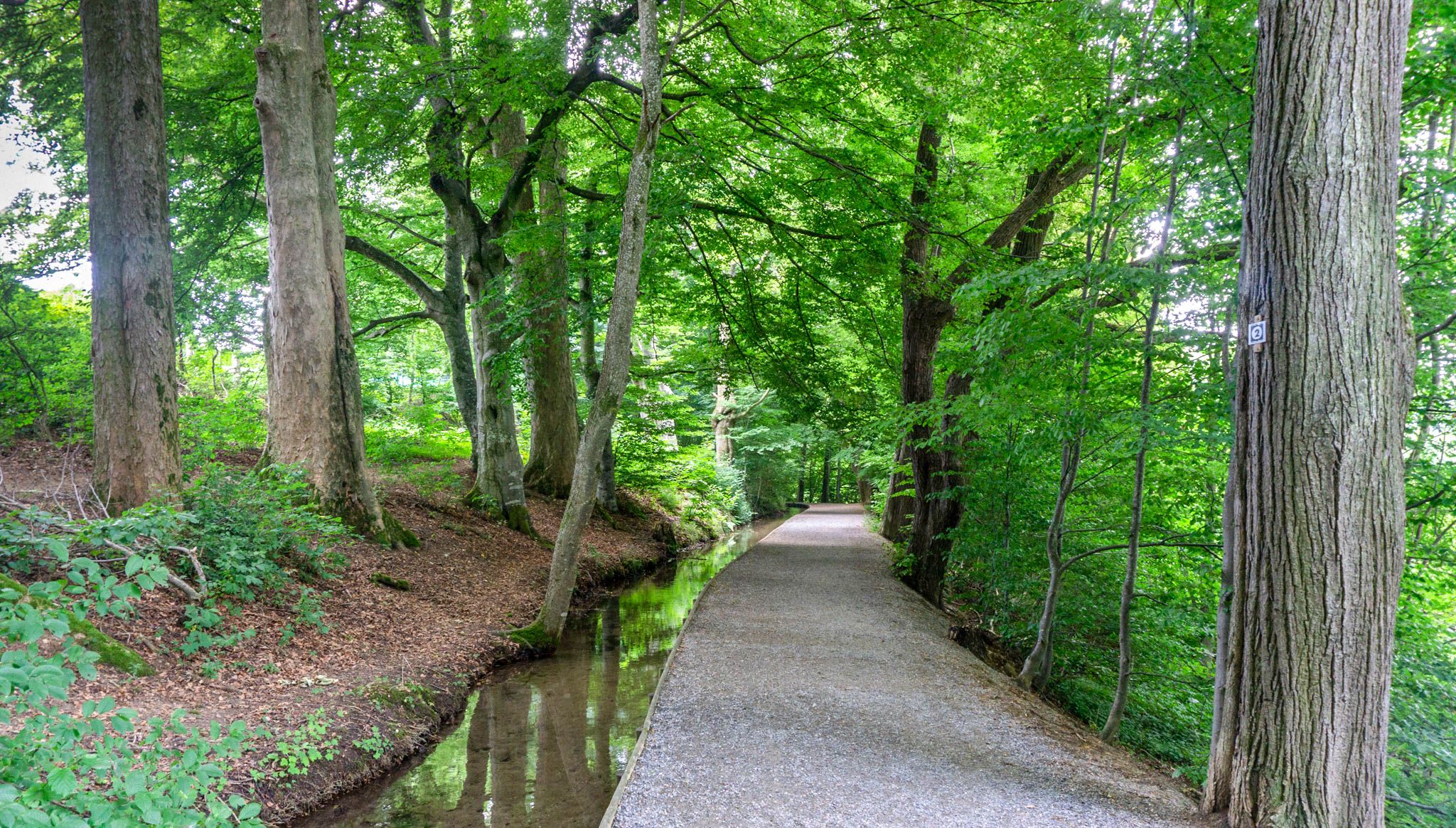
Main-Danube-Lake Constance Trail – Along iconic waters
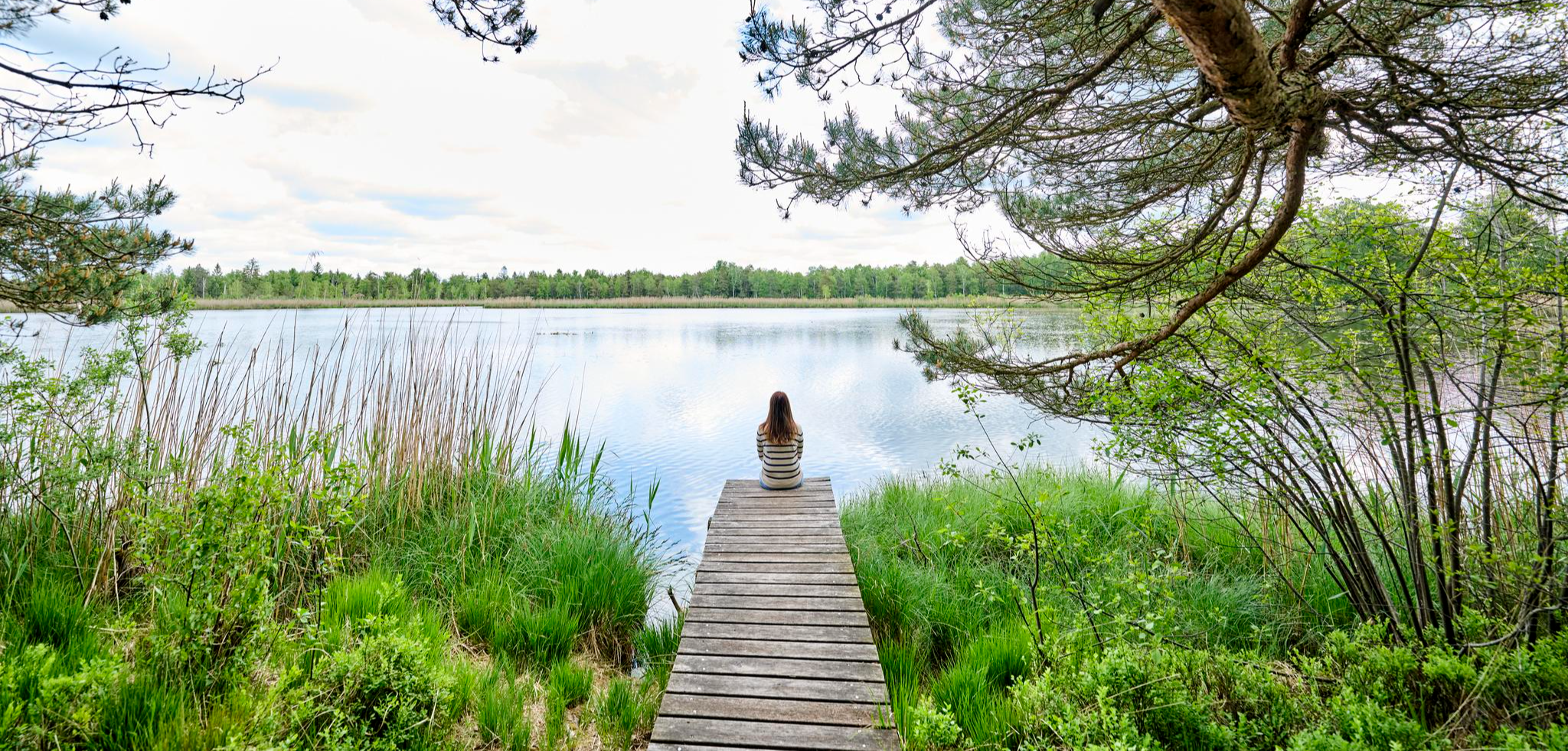
Nature, city, Baroque – short breaks in Upper Swabia-Allgäu
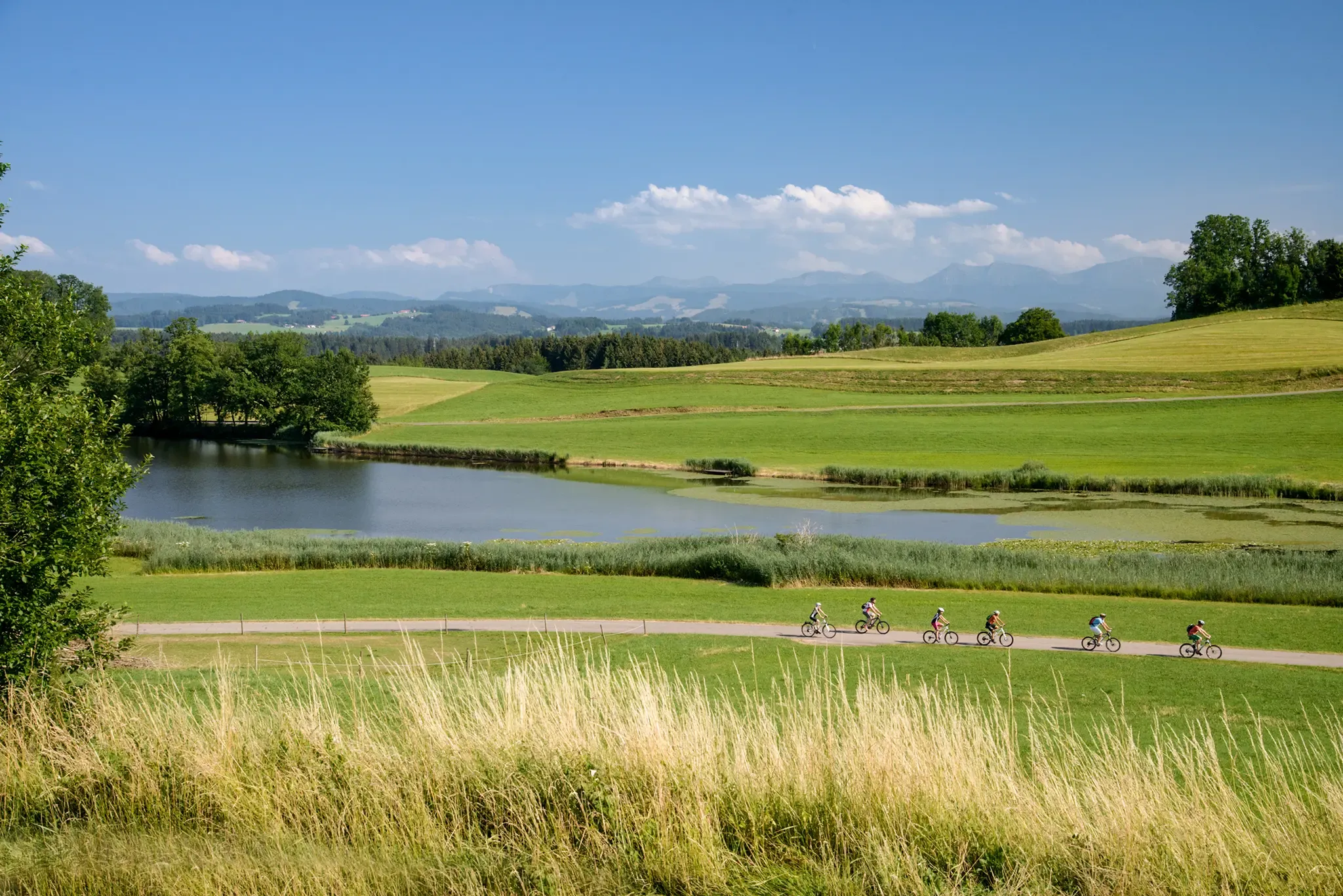
Water as a constant companion: the DONAU-BODENSEE cycle path
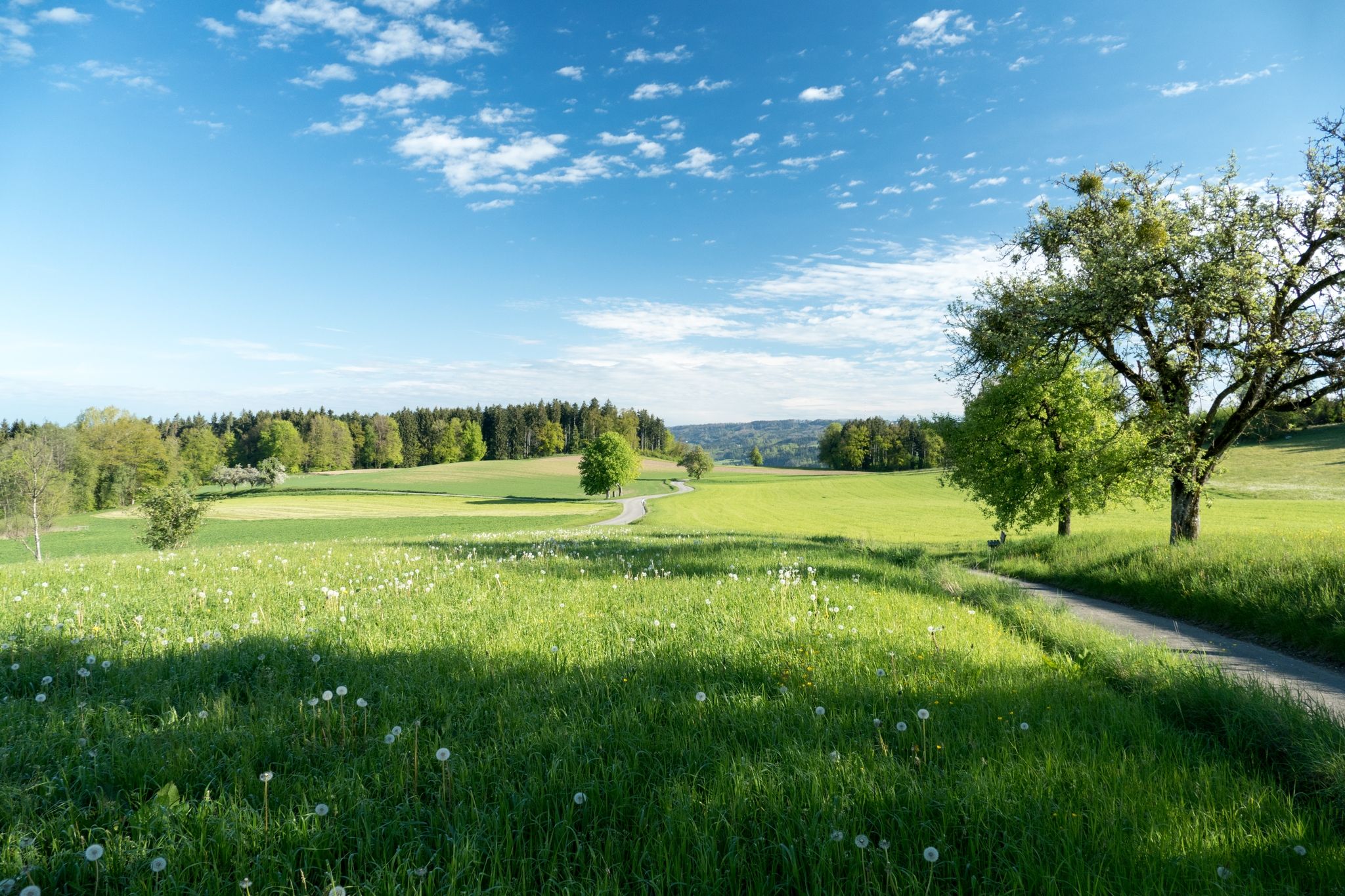
Hills, RAISED BOGS and HIGH BAROQUE - the Oberschwaben-Allgäu-Radweg
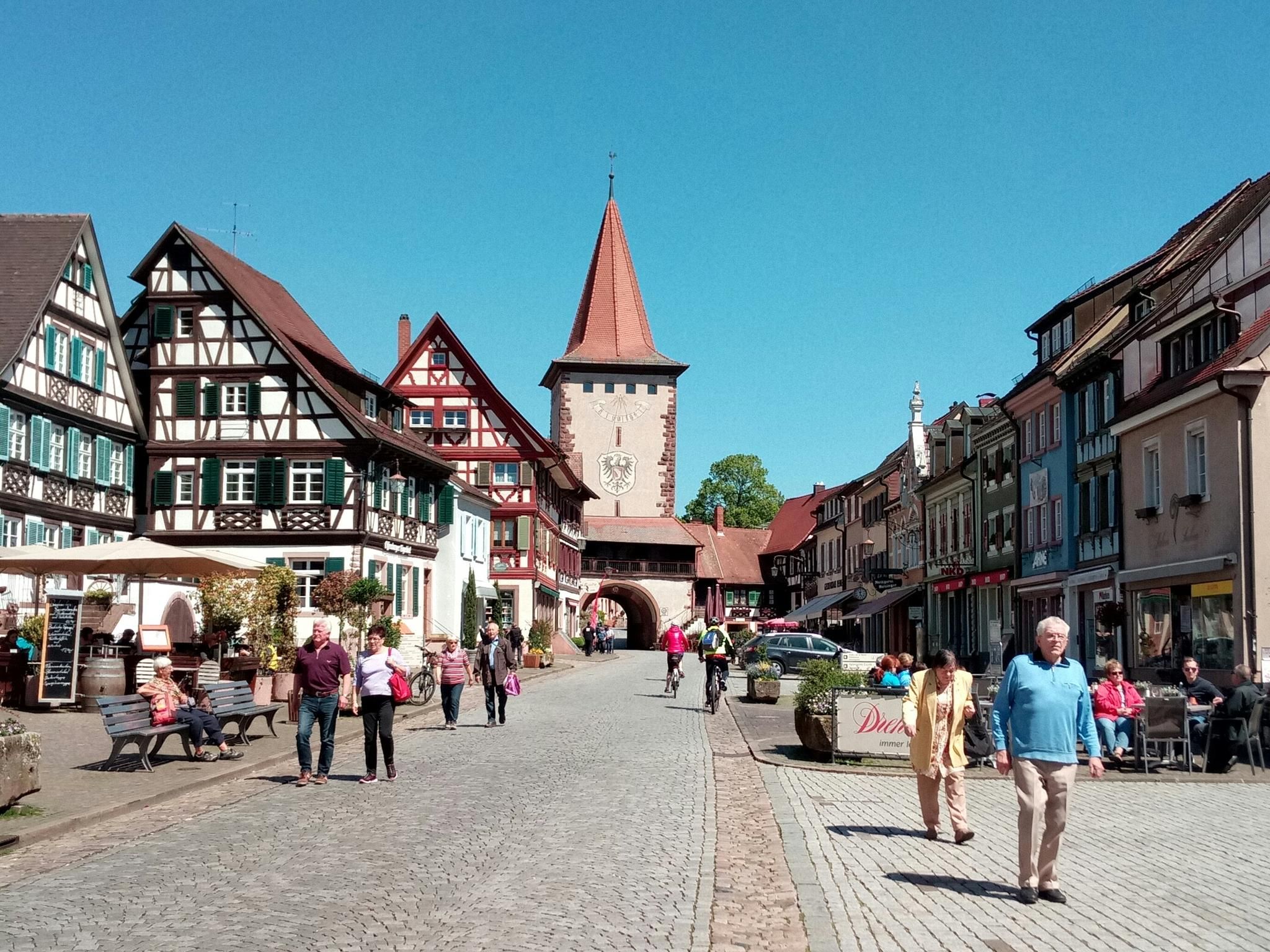
Cycling along the German Half-Timbered House Route
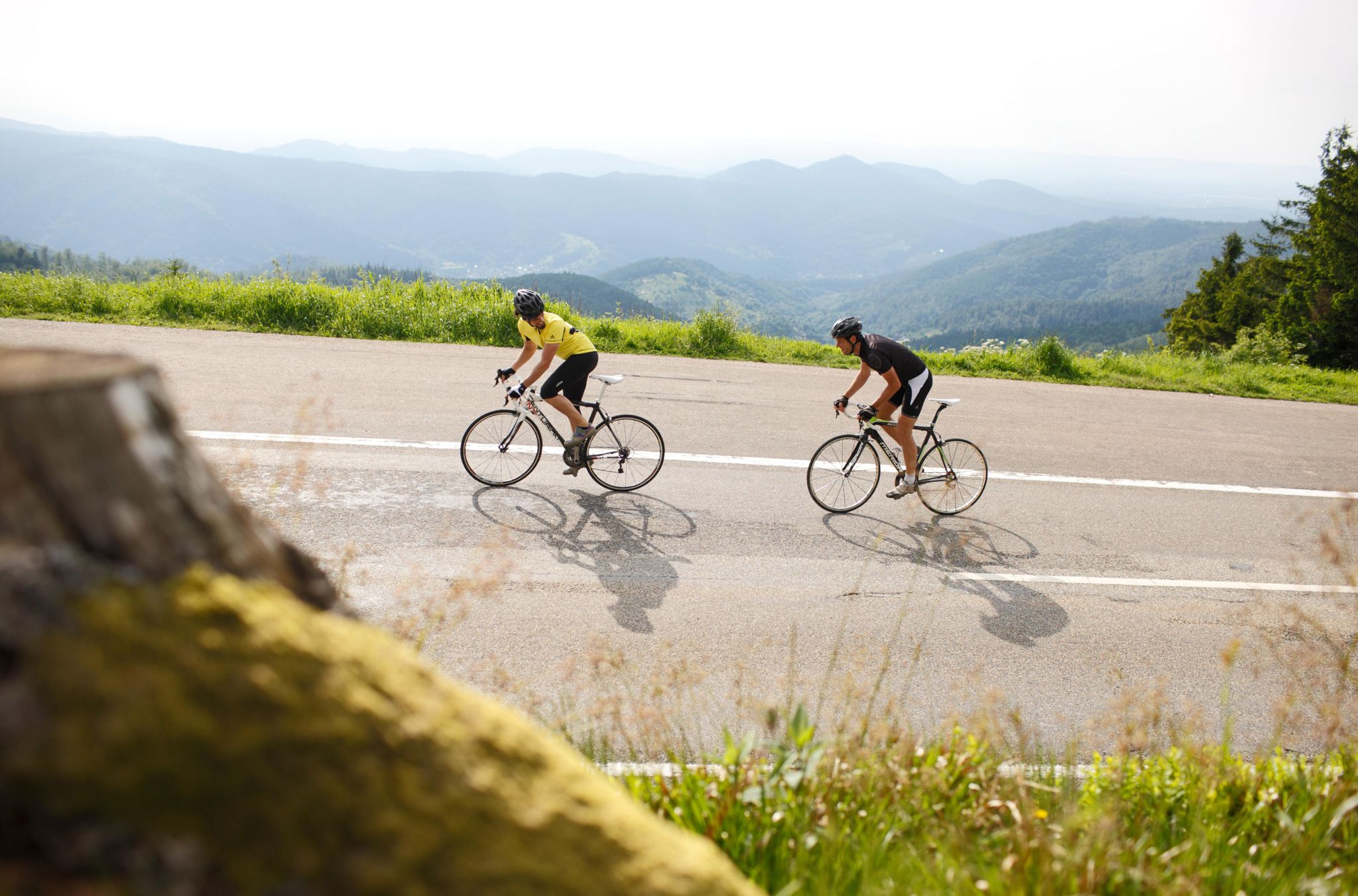
Discover Germany’s Baden-Württemberg by road bike
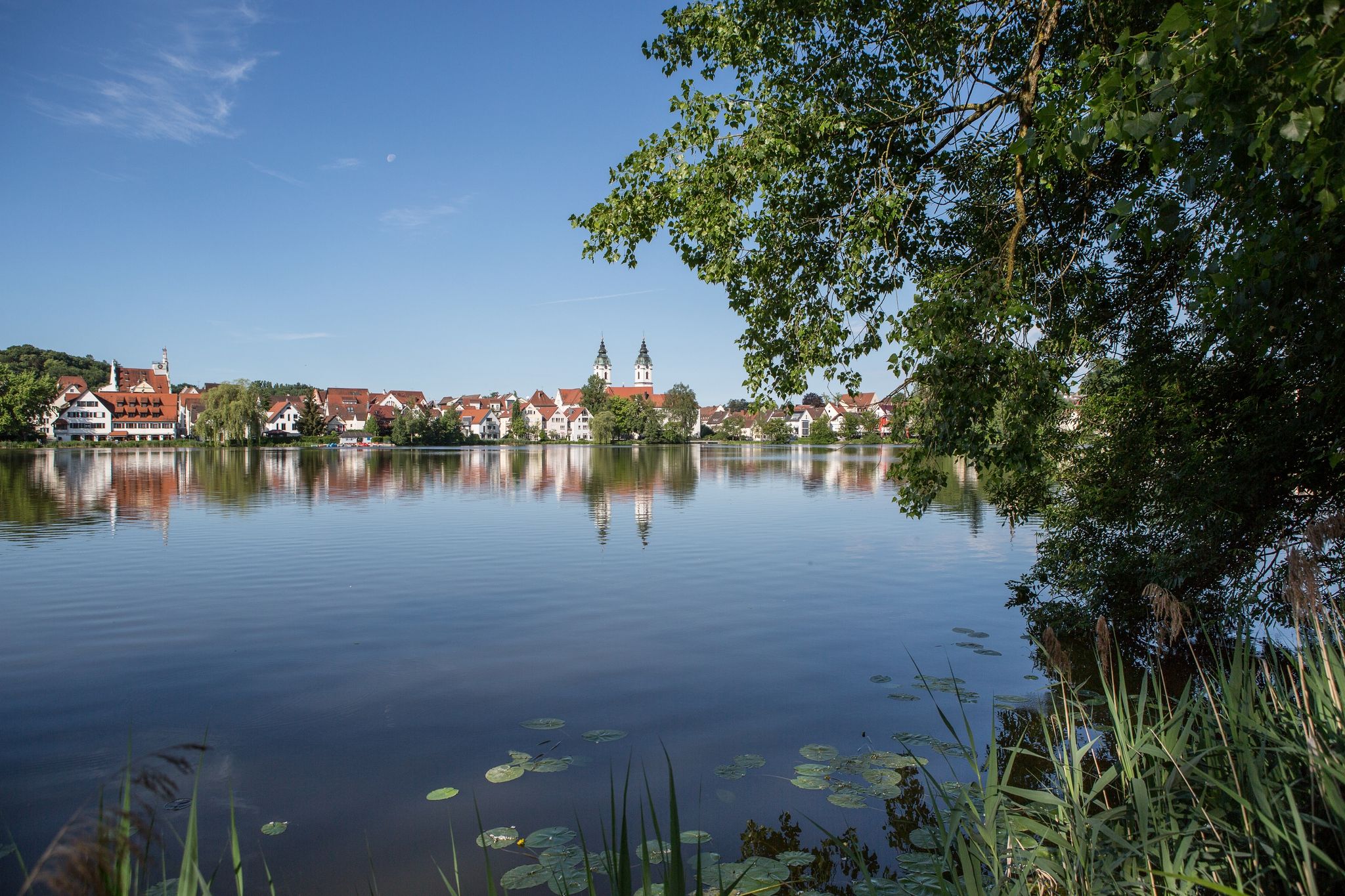
Discover Upper Swabia — Donau-Bodensee Cycle Route in 4 stages
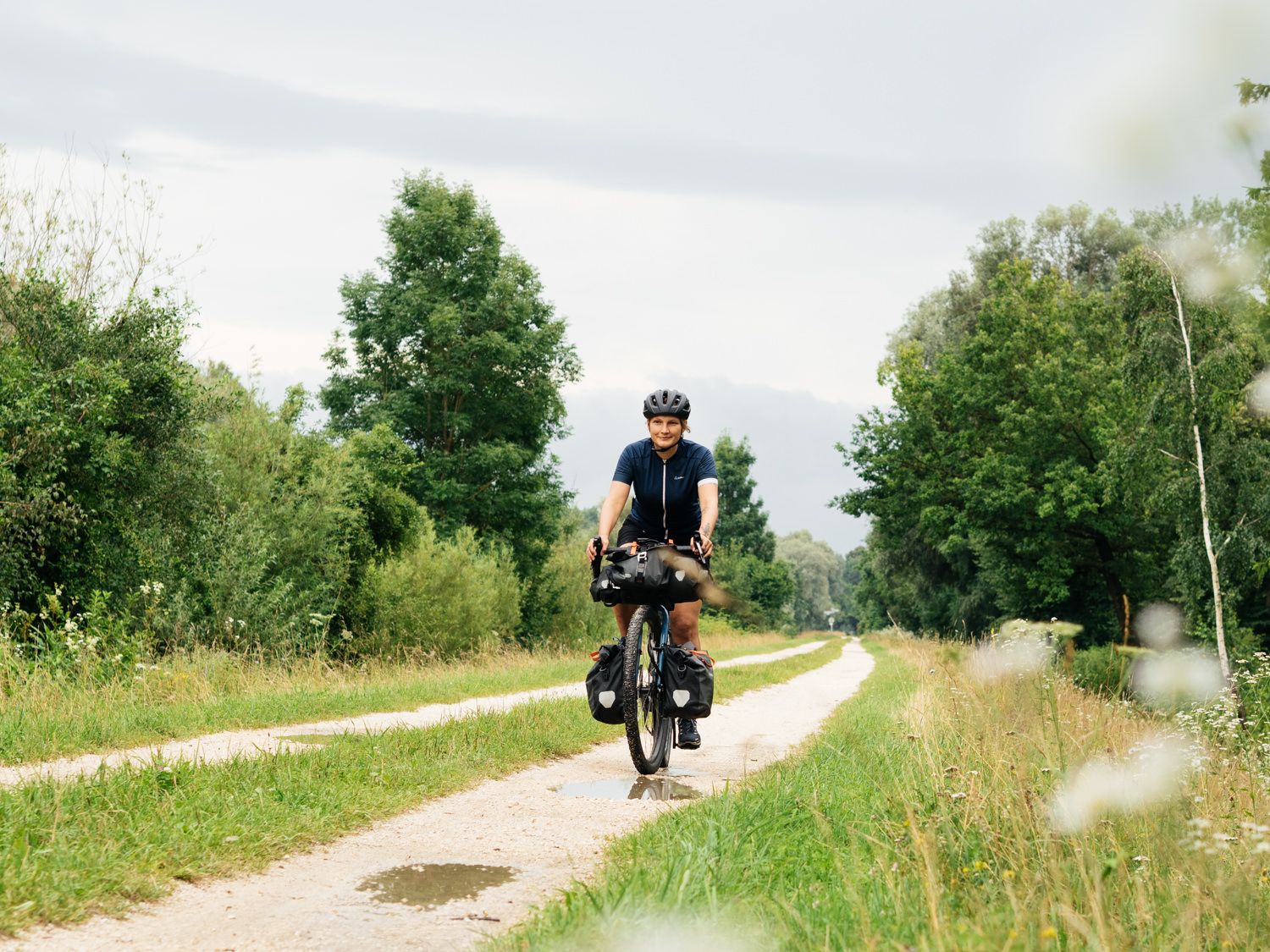
From Ulm to Oberstdorf – ride Germany’s Iller Cycle Path in 3 days
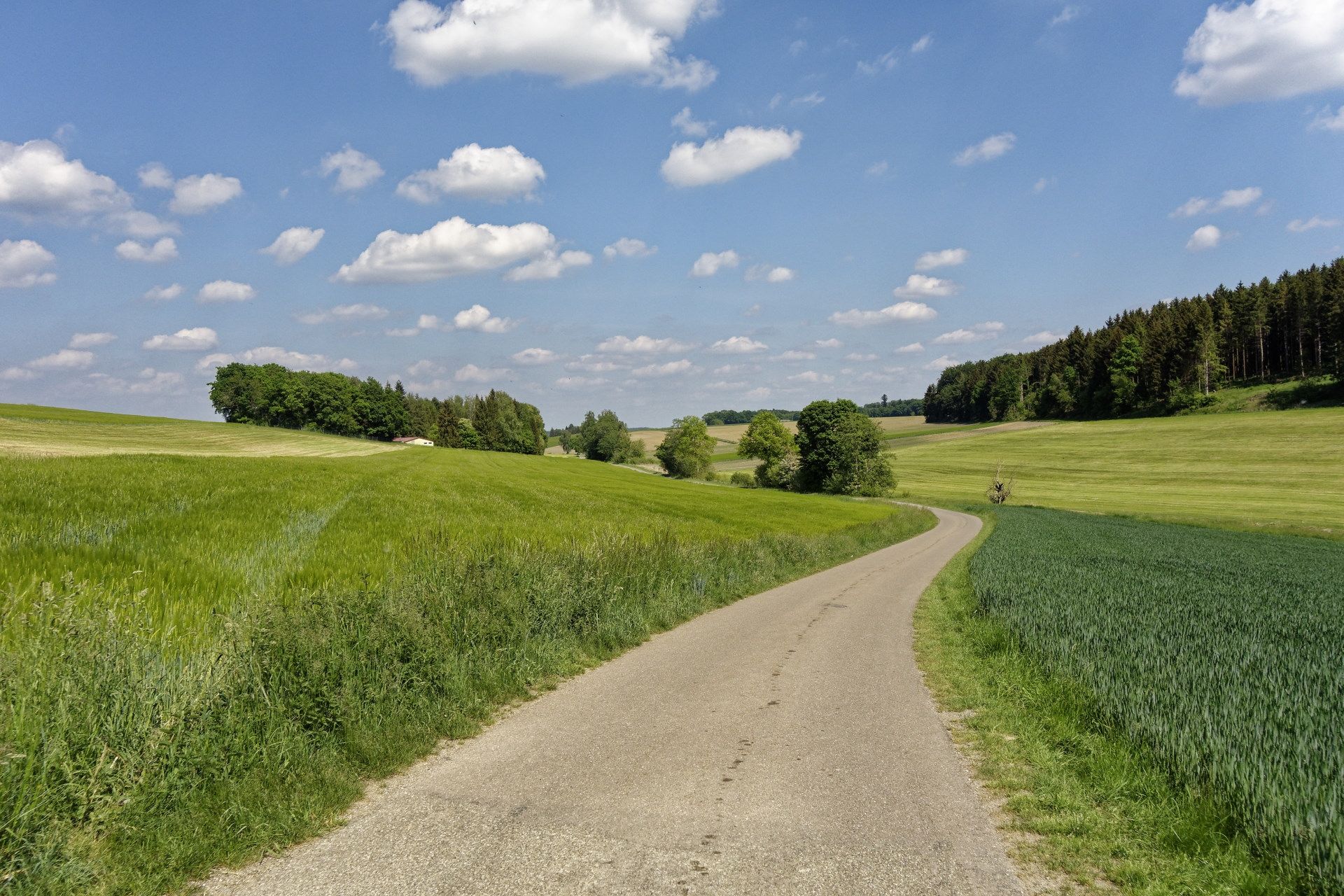
Discover the Oberschwaben-Allgäu Cycle Path in Germany
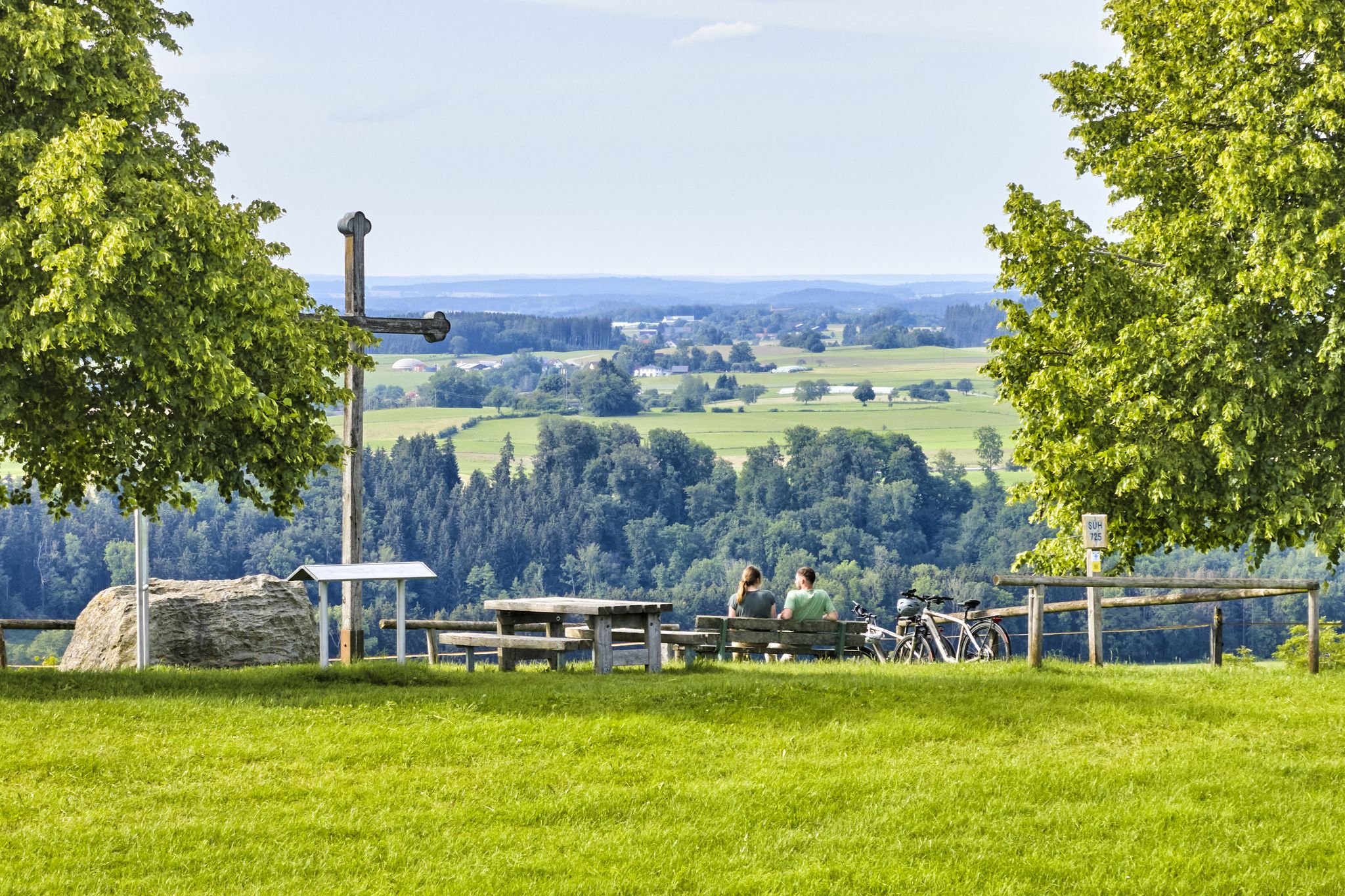
Cycling through Upper Swabia in Germany – beautiful paths & landscapes
Other adventures around Biberach


Tips from the Community

The caves in front of which the population hid from the approaching Swedish troops during the Thirty Years' War can unfortunately only be guessed at
1
0


Because a beer cellar was needed, the existing cellar was made deeper in 1892. You came across the stalactite cave.
2
0

Beautiful natural path, risk of slipping when wet
0
0

Blank brewery restaurant with its own cave
2
0

There are many legends and stories about the deep cave "Otternzopf" (colloquially "Oadrazopf"). Only one thing is certain: the bats like the cave. It goes 20 meters straight down - in the middle of the forest. First it goes eleven meters vertically down, then you come across a scree slope and a multitude of animal bones. Then go down another ten meters. "It's pitch dark and cold there." The temperature down there is about eight degrees. In winter, however, this means that the cave is frost-proof and therefore ideal as a hibernation place for bats.
1
0

because it's simply good and the landlord's heart is in the right place
2
0
Of course, our cave is not big with about 18-20 m, but it has something and if you are with us, just ask for a guided tour. We always do this on the hour, but only if the business in the inn allows it, because it is primarily important to us that everyone has something to drink and eat. Sometimes the groundwater level is so high that the cave is under water. In that case we don't do guided tours. Discovery of the cave in 1892 when enlarging the beer storage cellar
2
0
Frequently Asked Questions
What unique cave experiences can I find near Biberach?
The region offers diverse experiences. You can explore Wimsener Höhle, Germany's only active water cave, by boat. For a more adventurous, undeveloped experience, visit the Otternzopf Cave or Finsteres Loch, which require your own lighting. There's also Blank's Dripstone Cave, offering guided tours of its interesting formations.
Are there any family-friendly caves to visit around Biberach?
Yes, several caves are suitable for families. The Wimsener Höhle offers a unique boat tour that is fun for all ages, with a water playground nearby. The Lourdes Grotto Near Uttenweiler and the Old Sandstone Cellars are also considered family-friendly and offer historical insights.
What is the historical significance of the caves in this region?
Many caves around Biberach have rich histories. The Singletrack to the Schwedenhöhlen (Swedish Caves) served as a refuge before 1634, used by the community of Ruitlingen to hide from approaching Swedes. The Finsteres Loch has archaeological finds from the Stone Age, Bronze Age, and medieval periods, indicating its use as a dwelling. The Old Sandstone Cellars were dug centuries ago by villagers for storage.
What should I wear when visiting caves in the Biberach area?
Temperatures inside caves like Wimsener Höhle and Otternzopf Cave remain consistently cool, around 7-8°C, even in summer. It's advisable to wear warm layers and sturdy footwear. For undeveloped caves like Finsteres Loch, robust clothing and your own headlamp are essential.
Are there any religious or spiritual sites among the caves?
Yes, the region features two notable grottoes. The Lourdes Grotto Near Uttenweiler, donated in 1887, features a Madonna figure symbolizing the apparition of Our Lady in Lourdes. Another is the Lourdes Grotto at Mösmühle, also a man-made religious monument.
What kind of geological features can I expect to see in these caves?
The caves are primarily carved out of Upper Jurassic limestones, characteristic of the Swabian Alb's karst topography. Wimsener Höhle was formed by the Zwiefalter Aach river. Blank's Dripstone Cave is known for its dripstone formations. The Otternzopf Cave is a deep vertical shaft with scree slopes and animal bones.
Can I explore caves that are not artificially lit?
Yes, for a more natural caving experience, the Finsteres Loch near Heubach is not artificially lit. Visitors need to bring their own lamps. The Otternzopf Cave is also a deep, dark cave that requires appropriate gear and caution.
What outdoor activities are available near the caves around Biberach?
The region around Biberach offers various outdoor activities. You can find numerous hiking routes, including trails around the Federsee. For cyclists, there are road cycling routes through fields and meadows, and MTB trails like the Lauter Valley – Glastal Valley loop.
How far are the main caves from Biberach an der Riß?
The Wimsener Höhle is approximately a 40-50 minute drive from Biberach. The Finsteres Loch near Heubach is about 45-60 minutes away by car. Many other local caves and grottoes are closer, within the immediate vicinity of Biberach.
Are there guided tours available for any of the caves?
Yes, guided tours are available for some caves. Blank's Dripstone Cave offers guided tours, though accessibility can depend on groundwater levels. For the Finsteres Loch, guided tours are offered by the local caving club, providing insights into its history and formation.
When is the best time to visit the caves in the Biberach region?
Most caves are accessible during the warmer months. The Finsteres Loch, for example, is freely accessible from May to September. During winter, some caves like Finsteres Loch are gated for bat protection. The consistent cool temperatures inside caves mean they can be a refreshing escape during summer.
What amenities are available near the Wimsener Höhle?
Near the Wimsener Höhle, you'll find the historic Bio-Gasthof Friedrichshöhle, which offers food and drink. There is also a water playground directly opposite, making it a convenient stop for families.
Most popular routes around Biberach
Most popular attractions around Biberach

Get inspired with the komoot mobile app


Didn’t find what you were looking for?
Discover more caves around Biberach region by region:
Explore more
Extend your search for the best caves by checking out these guides of the top ones around Biberach:
