Top 3 Castles in Bremen
Best castles in Bremen include several historical structures with castle-like attributes and significant historical importance. Bremen, a city in northern Germany, features a blend of urban charm and green spaces, providing diverse settings for these buildings. The city's architectural heritage reflects centuries of civic autonomy and aristocratic life. Visitors can explore UNESCO World Heritage sites and historic residences within this landscape.
Best castles in Bremen
- The most popular castles is Schönebeck Castle, a castle that is a historic water castle built in traditional north German half-timbering. It functions as a local history museum, showcasing Vegesack's maritime traditions.
- Another must-see spot is Wätjen's Castle, a castle-like villa built in a Gothicizing castellated style. It features an asymmetrical cut stone construction with an octagonal tower and is situated within a landscaped park.
- Visitors also love Blomendal Castle, a medieval moated castle and the oldest secular building in Bremen. It is noted for its historic charm and serves as an event location.
- Bremen is known for its historical structures with castle-like attributes, including medieval moated castles, castle-like villas, and fortified town halls. These sites offer a variety of architectural styles and historical insights to explore.
- The castles in Bremen are appreciated by the komoot community, with over 630 upvotes and 390 photos shared across 3 highlights.
Last updated: October 12, 2026
Schönebeck Castle
Highlight • Castle
Translated by Google •
Tip by

Blomendal Castle
Highlight • Castle
Translated by Google •
Tip by
Sign up now to discover places like this
Get recommendations on the best single tracks, peaks, & plenty of other exciting outdoor places.
Wätjen's Castle
Highlight • Castle
His son Christian Heinrich Wätjen expanded the property. The original house was replaced by a castle-like villa in the English Tudor Gothic style, which was built between 1858 and 1864 according to plans by the Bremen architect Heinrich Müller. The park is now known as Wätjens Park.
In 1916, the Wätjen family sold the country estate, which had been converted into a military hospital at the start of the First World War. The park was divided between the neighboring industrial companies Bremer Vulkan and Bremer Wollkämmerei (BWK). The castle belonged to the Vulkan part.
The pointed roof of the higher tower was removed during the Second World War. After the war, the roof and some gables were destroyed by fire. The roof was only temporarily rebuilt and made much flatter.
After the Vulkan went bankrupt in 1997, the park portion was auctioned off privately. The city of Bremen later acquired the park land from this buyer and the BWK. The castle and other residential buildings remained in private ownership with the associated land. The plan to set up a restaurant in the castle was not realized. It contains apartments and the studio of an artist.
Translated by Google •
Tip by
Start today with a free account
Your next adventure awaits.
Popular around Bremen
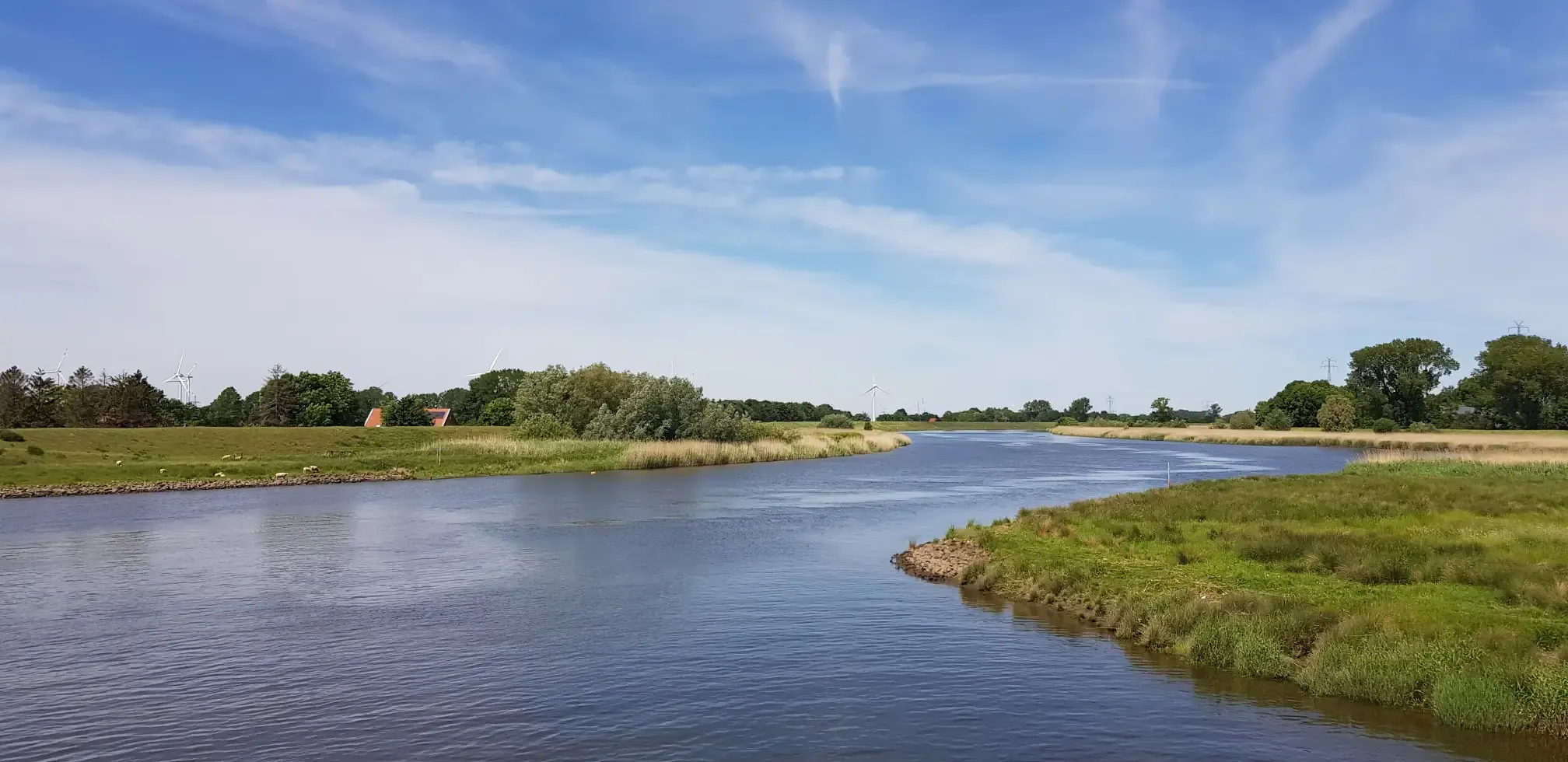
North German nature by bike – from the Devil's Moor to the Wadden Sea
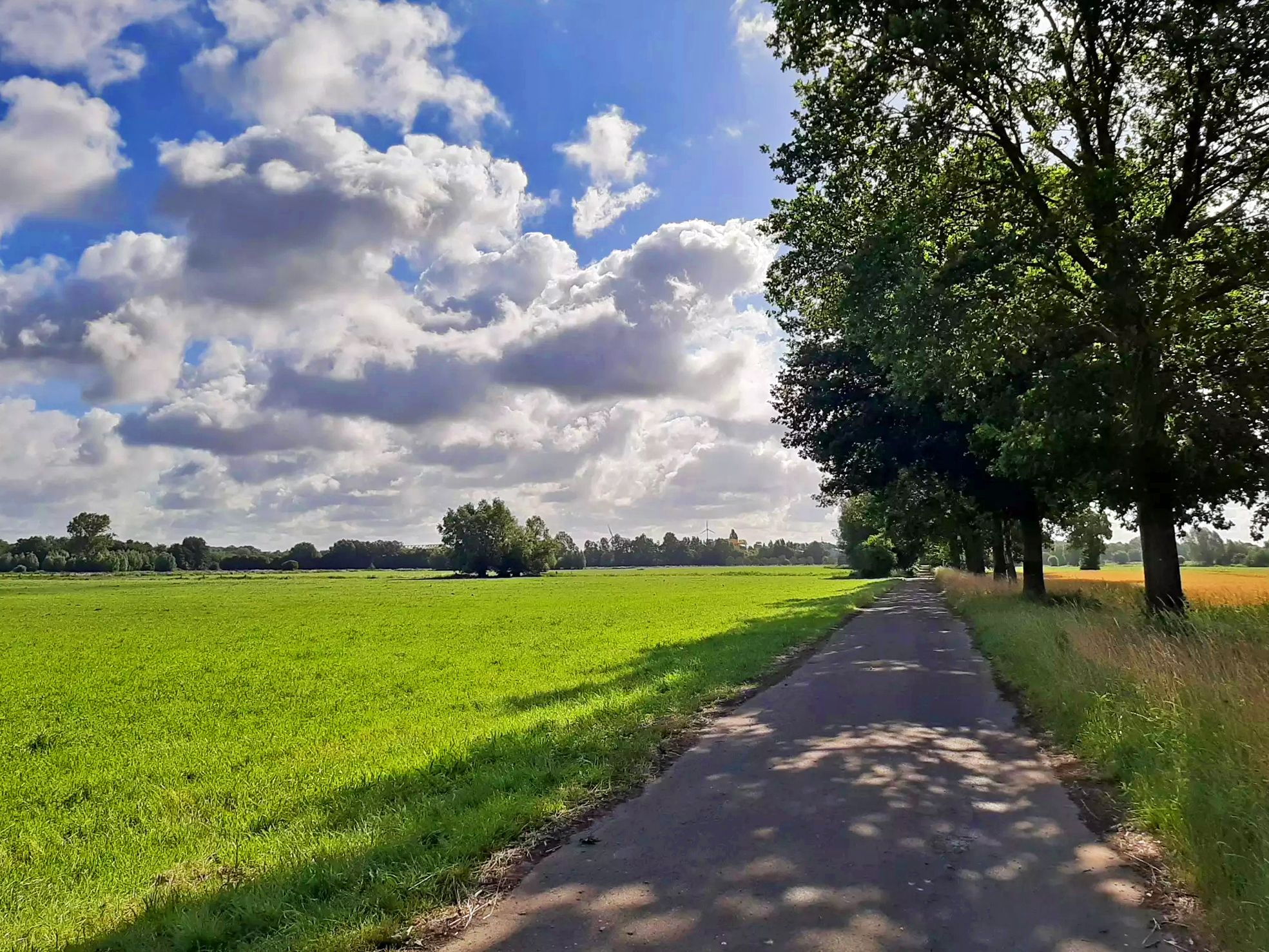
Weser-Lippe Cycle Route – Cycling from Bremen to Paderborn
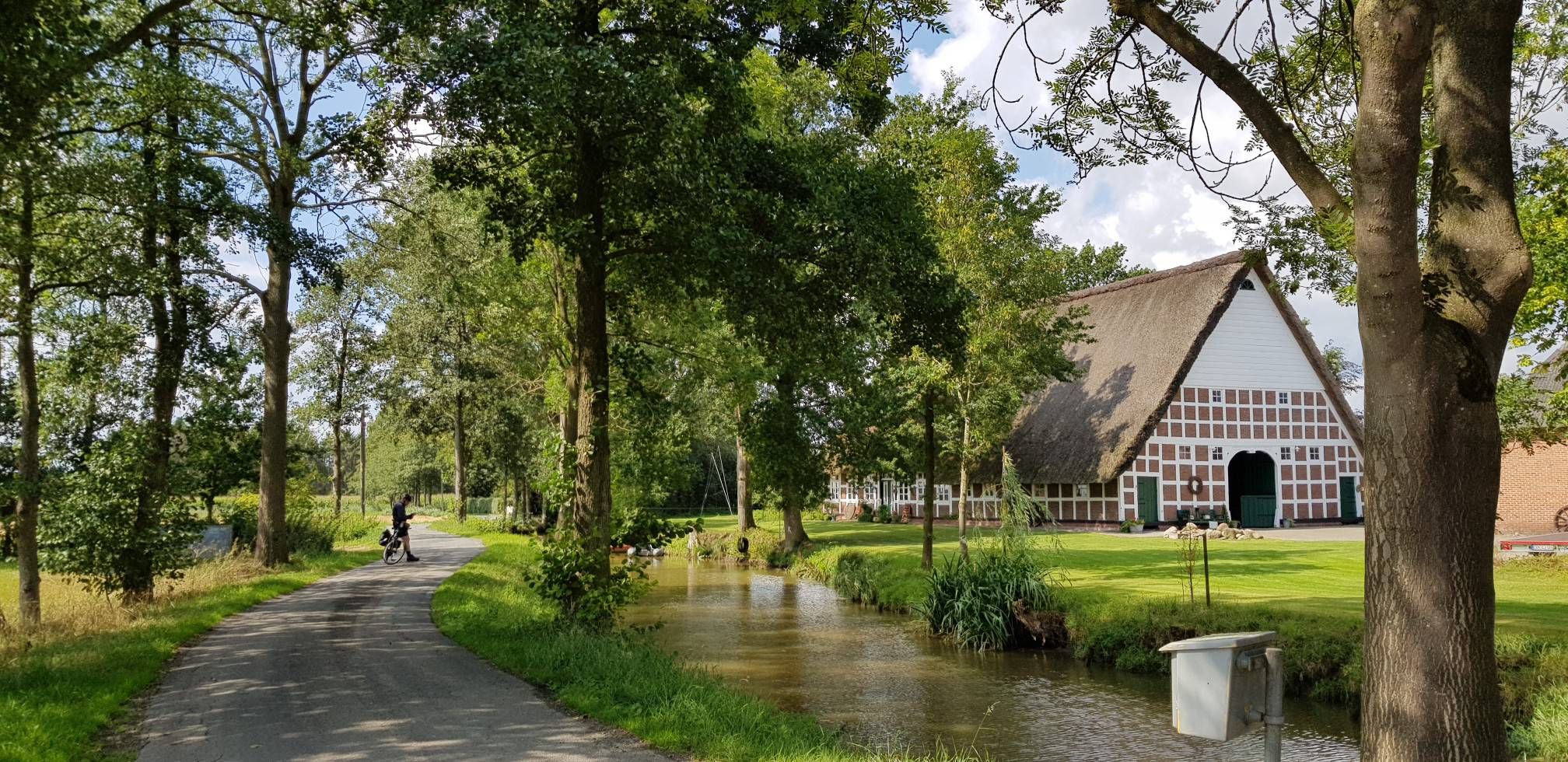
The Monks' Trail – From Bremen to the Baltic Sea
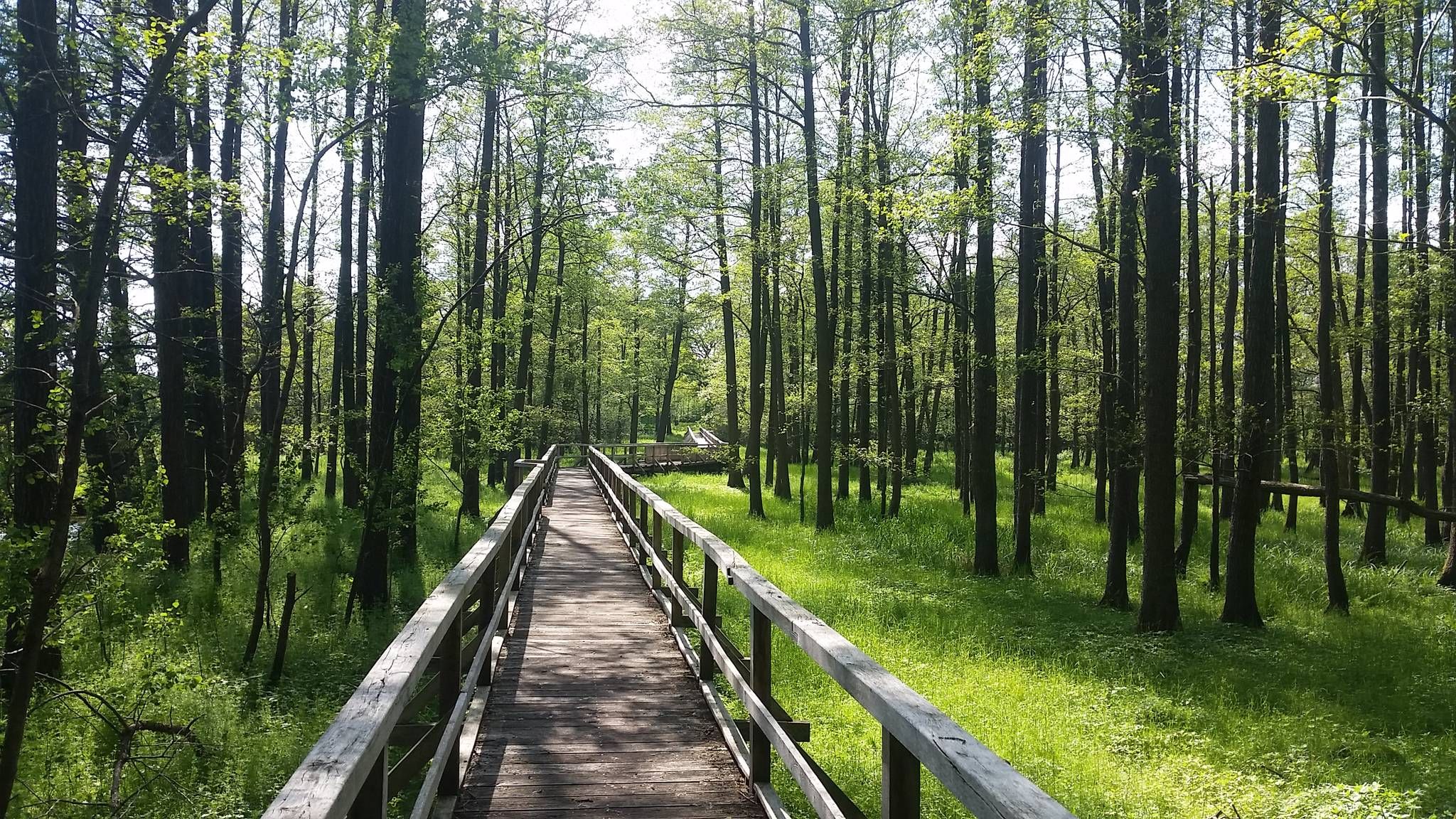
Germany's bridge bike path — cycle between Bremen and Osnabrück
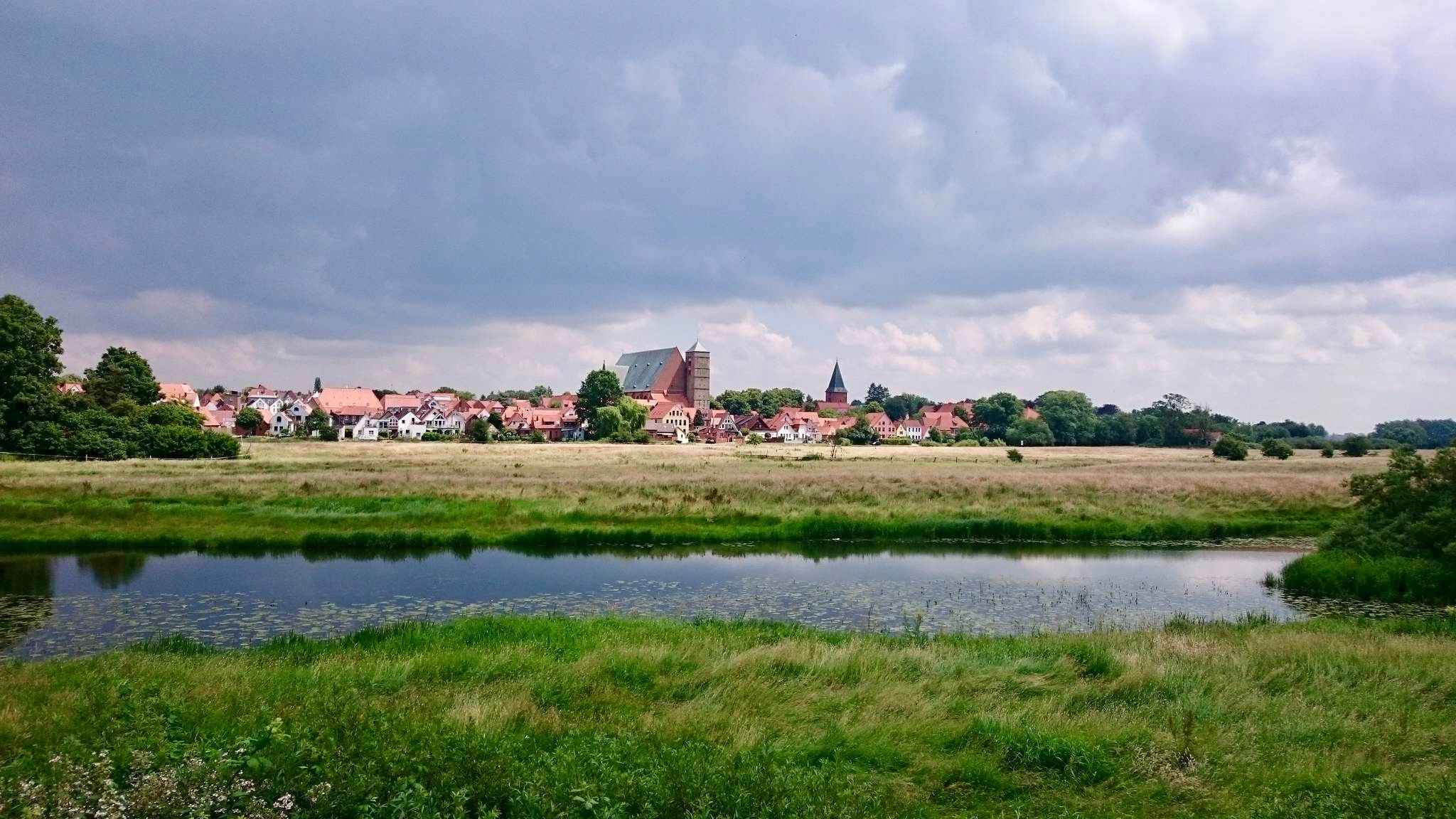
The Weser Cycle Path
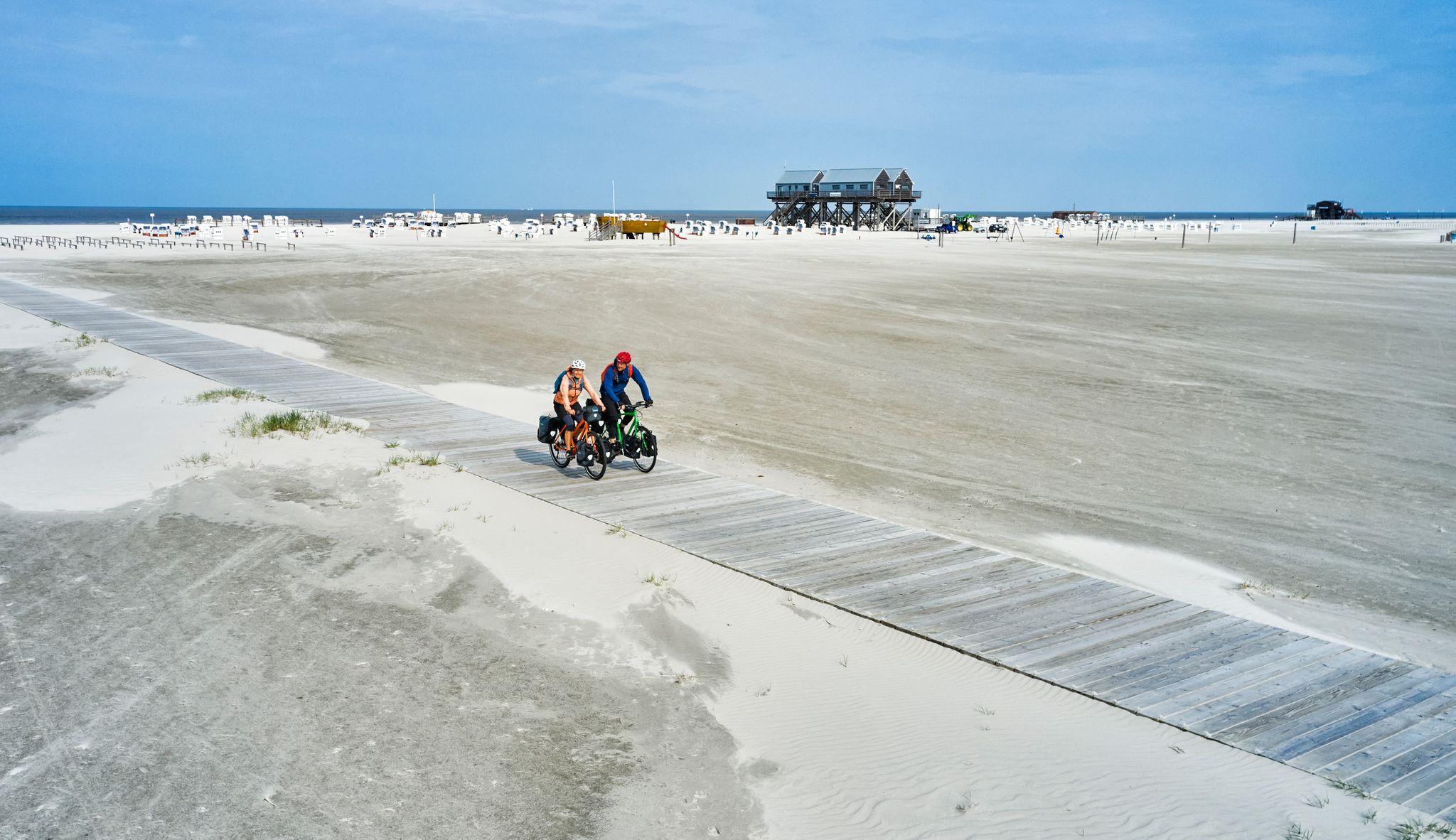
Nine hundred kilometres of pure freedom – North Sea Cycle Route
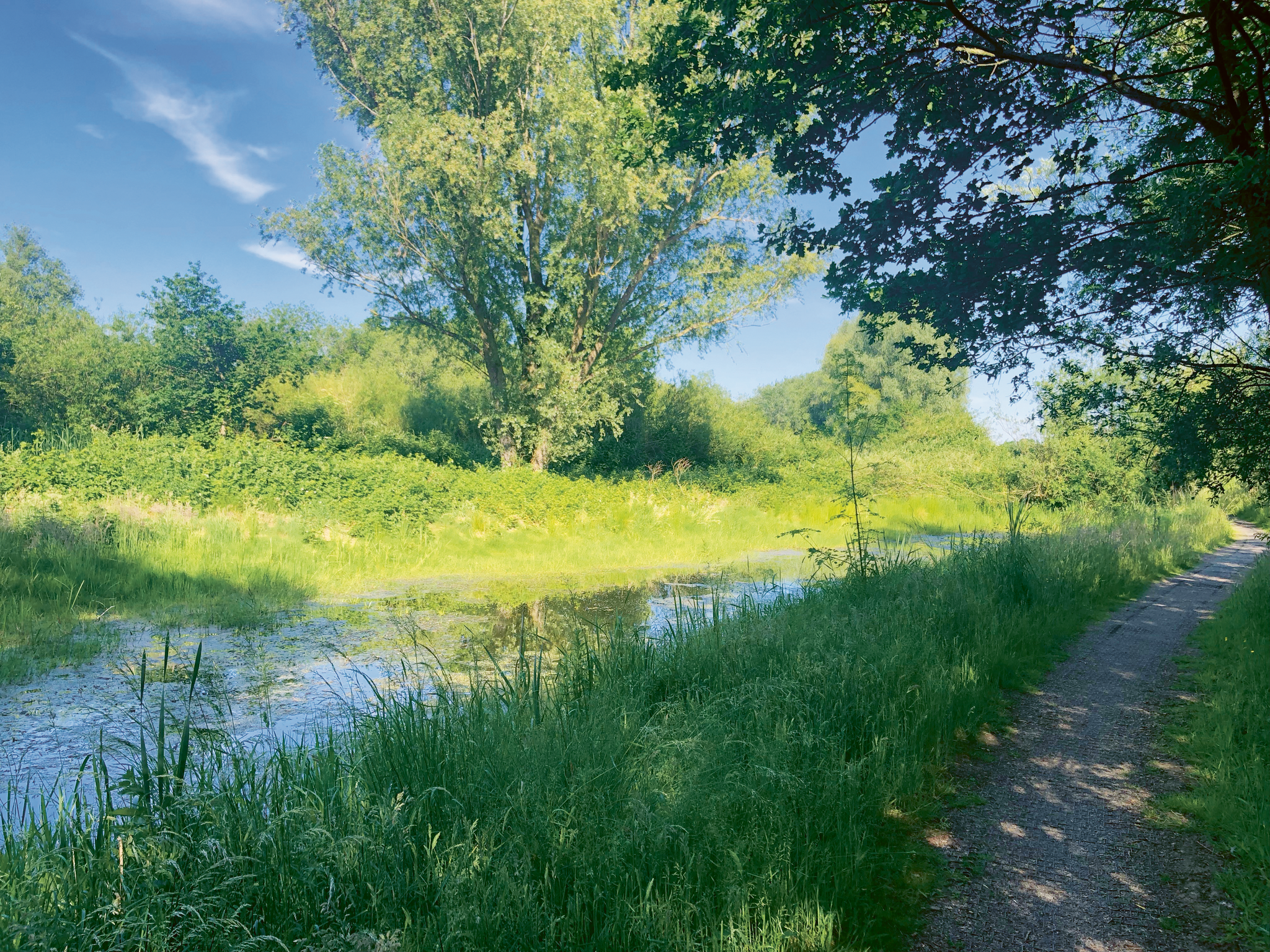
Climate protection in Bremen by bike
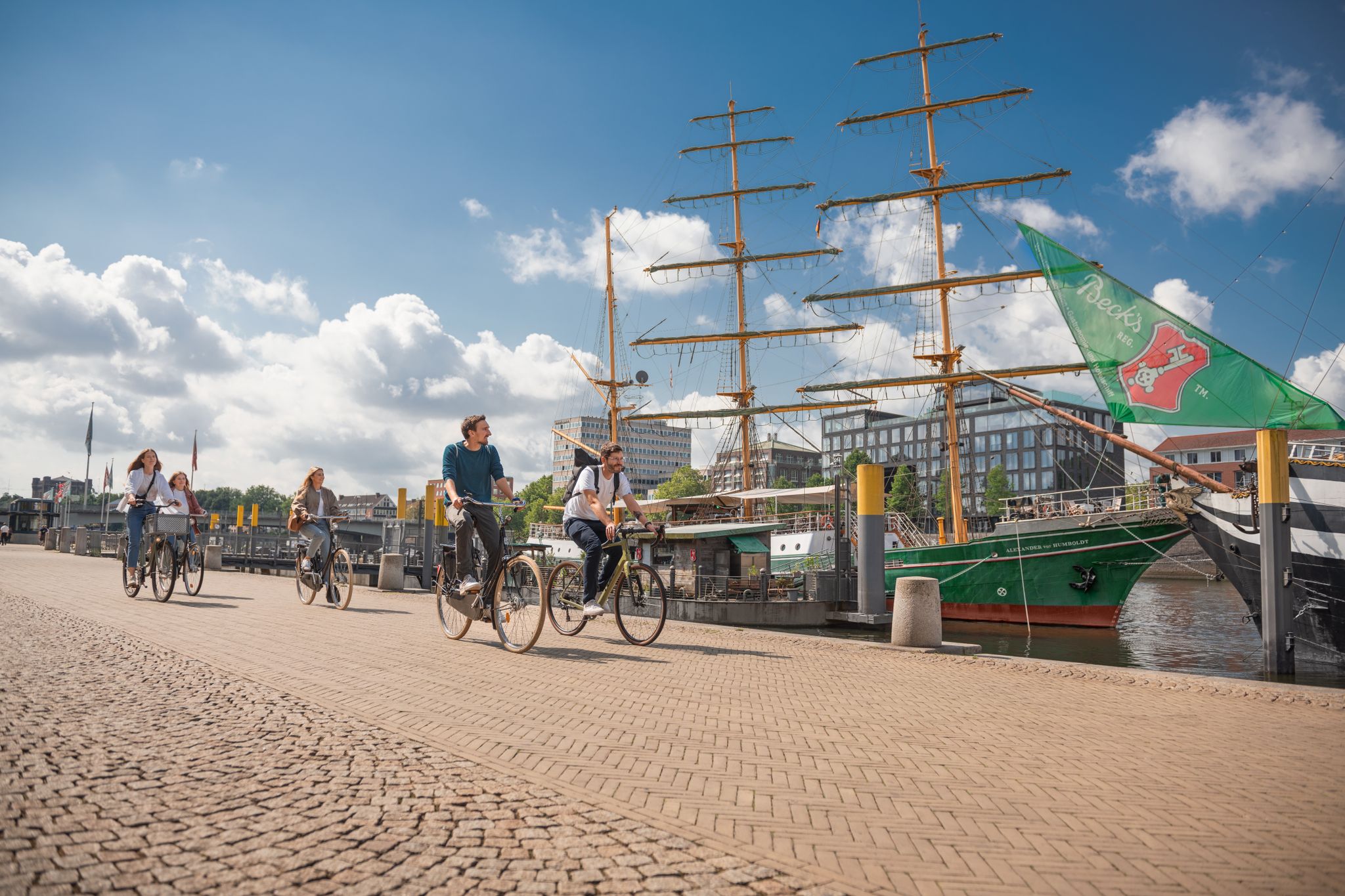
Moors and meadows – long-distance cycling around Bremen
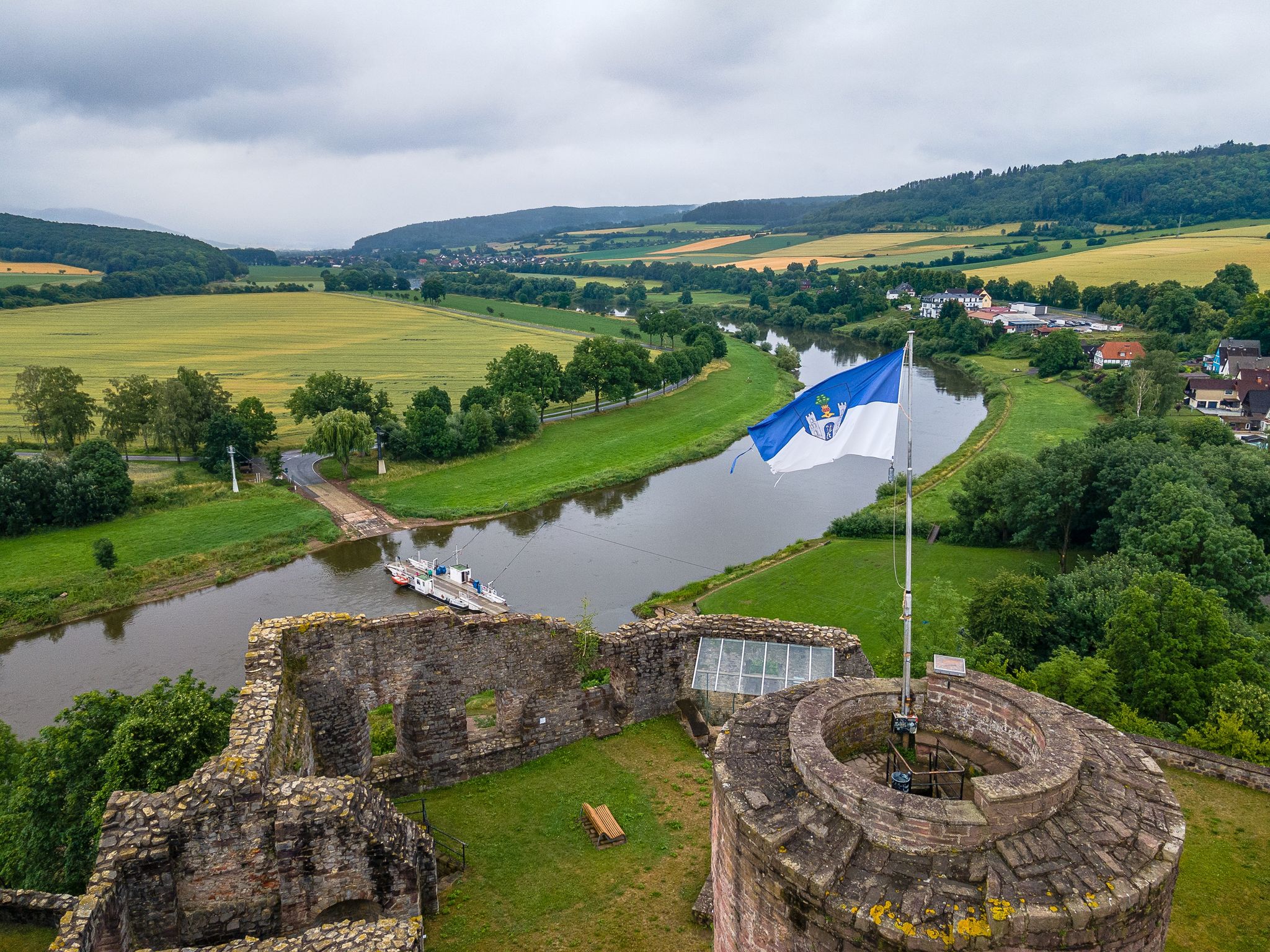
Along the Weser to the sea – Weser Cycle Route alternative route
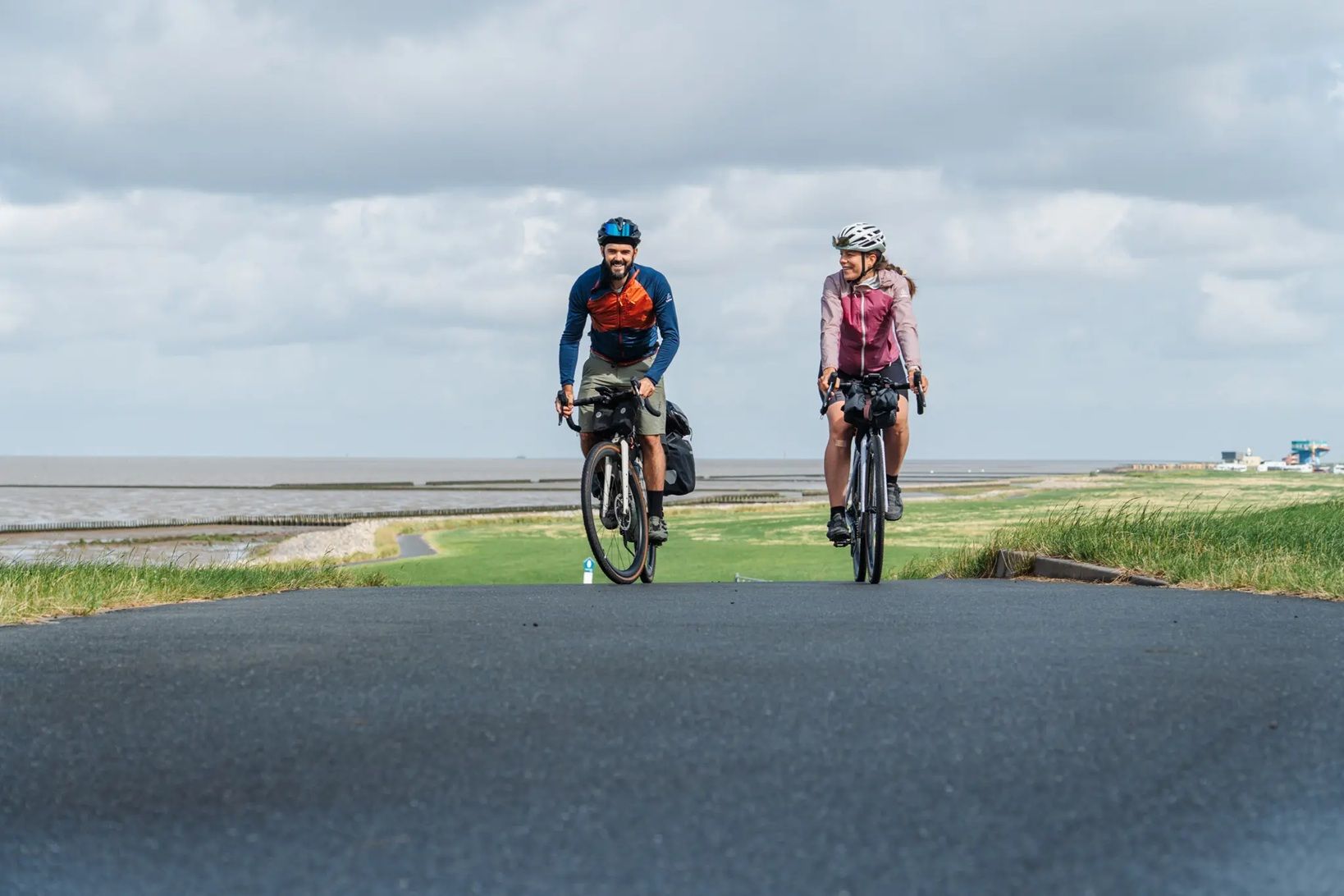
On the Weser Cycle Route – from the Weser Uplands to the North Sea
Other adventures in Bremen


Tips from the Community

Wätjens Castle is currently inhabited by the artist Peter K. F. Krüger. One of his well-known works is the facade painting "Grandma and Grandpa" on Rembertiring in Bremen.
3
0
The park has existed since 1830. With the outbreak of the First World War, Wätjen, once the world's largest private sailing ship company, experienced its financial decline, and the park fell into a deep sleep. Only since Wätjen's Park became the property of the City of Bremen at the turn of the millennium has it been possible to gradually restore the landscape park according to its 19th-century design principles, and to preserve and develop it for future generations.
4
0

Beautiful brick castle in Wätjens Park.
4
0

In 1830, the Bremen merchant and shipowner Diedrich Heinrich Wätjen had purchased land for a summer residence on the Geest ridge between Vegesack and Blumenthal and had a country house built. From 1830 onwards, he had the park surrounding the building laid out in the style of a spacious English landscape garden according to plans by the landscape gardener Isaak Altmann. His son Christian Heinrich Wätjen expanded the property. The original house was replaced by a castle-like villa in the English Tudor Gothic style, which was built between 1858 and 1864 according to plans by the Bremen architect Heinrich Müller. The park is now known as Wätjens Park. In 1916, the Wätjen family sold the country estate, which had been converted into a military hospital at the start of the First World War. The park was divided between the neighboring industrial companies Bremer Vulkan and Bremer Wollkämmerei (BWK). The castle belonged to the Vulkan part. The pointed roof of the higher tower was removed during the Second World War. After the war, the roof and some gables were destroyed by fire. The roof was only temporarily rebuilt and made much flatter. After the Vulkan went bankrupt in 1997, the park portion was auctioned off privately. The city of Bremen later acquired the park land from this buyer and the BWK. The castle and other residential buildings remained in private ownership with the associated land. The plan to set up a restaurant in the castle was not realized. It contains apartments and the studio of an artist.
6
0

A place worth seeing in Blumenthal
1
0

A castle in Bremen? You can find it in the northern district of Blumenthal. The castle complex at the confluence of the Aue and Becke was built by robber barons in 1354. The medieval moated castle has been a listed building since 1973. In 1969 and 1971, paintings were discovered on the wooden ceilings of the Blomendal house. They were completely protected by a second high ceiling that was added later and are still well preserved today. Source: https://www.bremen.de/tourismus/burg-blomendal
2
0

The castle complex at the confluence of the Aue and Becke was built in 1354 by the Knights of Oumünde, members of the Stedinge family and friendly knights. This was done contrary to the wording of a peace treaty from 1305 that the Archbishop of Bremen had concluded with the Knights of the Monastery. One of the conditions of this treaty was the destruction of the first Blumenthal castle, which was located a few hundred meters north of the current one above the flood plain. The builders and residents of the House of Blomendal from 1354 were, like their ancestors, robber barons who caused considerable damage to Bremen's trade. Originally, the building that still exists was secured by a defensive tower and fortifications. A drawbridge spanned the moat. A gate led into the courtyard under what is now the Hoyer Hall. The sandstone slabs in the castle courtyard mark the course of the foundations of the tower and defensive wall. The castle included a watermill and a gatekeeper's house. According to current knowledge, the main building and the gate wing have been preserved in their original floor plan - with the exception of the gate system. Office building - now kindergarten -, coach house and barn were added later. Defensive wall, defensive tower and stepped gable were destroyed or dismantled. (Source: https://www.burgblomendal.de/index.php/ueber-die-burg/wie-alt-ist-die-burg-blomendal.html, as of April 1, 2024)
3
0

Blomendal Castle, built in 1354, is named under various names in old files and protocols. According to a document from September 1380, the owners of Blomendal undertake to keep their "slot" (castle) open to Bremen. Here is the passage: "Wy Hinrik van Oumunde (further names of knights and squires follow) confesses and bethuget (testify) ... dat unze slote tho Blomendale unde Hude....open slote wezen..." Quite obviously the term castle is used here in connection with locked, i.e. fortified militarily. https://www.burgblomendal.de/index.php/ueber-die-burg.html
4
0
Frequently Asked Questions
What are the most historically significant castle-like buildings in Bremen?
Bremen boasts several historically significant structures with castle-like attributes. The Bremen Town Hall, a UNESCO World Heritage Site, is an exceptional example of Brick Gothic and Weser Renaissance architecture, originally built as a fortified building. Schönebeck Castle is a historic water castle in traditional North German half-timbering, housing a local history museum. Blomendal Castle is Bremen's oldest secular building, a medieval moated castle with a rich history.
Are there any family-friendly castles to visit in Bremen?
Yes, both Schönebeck Castle and Blomendal Castle are considered family-friendly. Schönebeck Castle houses a museum with collections on local history, shipbuilding, and exploration, and is surrounded by a beautiful forest park. Blomendal Castle, a medieval moated castle, often hosts events and has charming park grounds suitable for families.
What kind of natural features or parks can I find around Bremen's castles?
You'll find beautiful green spaces surrounding several castle-like sites. Schönebeck Castle is nestled within a publicly accessible forest, perfect for walks. Wätjen's Castle is located within the expansive Wätjens Park, a protected monument with landscaped gardens. Blomendal Castle also features beautiful park grounds.
Can I combine a castle visit with outdoor activities like cycling or hiking?
Absolutely! The areas around Bremen's castles offer opportunities for outdoor activities. For cycling, you can explore various routes, including traffic-free bike rides, MTB trails, and road cycling routes throughout the Bremen region. Many of these routes pass through scenic parks and natural areas near the castles, allowing you to combine history with an active day out.
What makes Bremen Town Hall a unique historical site?
The Bremen Town Hall is a UNESCO World Heritage Site and stands out as one of the few European city halls from the late Middle Ages that has remained undamaged and preserved in its original state, never destroyed by war. It's a testament to civic autonomy and features stunning Brick Gothic and Weser Renaissance architecture, along with the adjacent Roland statue.
What can I expect to see at Schönebeck Castle?
Schönebeck Castle, a Baroque-style water castle, functions as a local history museum. It showcases extensive collections related to Vegesack's history, including shipbuilding, whaling, herring fishing, and the travels of African explorer Gerhard Rohlfs. The top floor features a maritime museum, and the castle is surrounded by a small lake and a beautiful forest park.
Is Wätjen's Castle open to the public?
Wätjen's Castle is a privately owned castle-like villa located within Wätjens Park. While the park itself is publicly accessible and a protected monument, the castle building contains apartments and an artist's studio and is not generally open for public tours.
What is the oldest secular building in Bremen?
Blomendal Castle, a medieval moated castle built in 1354, holds the distinction of being the oldest secular building in Bremen. It has served various roles throughout its history, from a knight's residence to an administrative seat, and now hosts cultural events.
Are there any castles near Bremen that are good for a day trip?
While not directly in Bremen, several notable castles in the broader region make for popular day trips. These include Marienburg Castle (a Neo-Gothic masterpiece), Bentheim Castle (the largest hilltop castle in northwest Germany), and Bremervörde Castle (with historical ties to the Archbishopric of Bremen).
What kind of events are held at Blomendal Castle?
Blomendal Castle serves as an event location for weddings, concerts, lectures, and exhibitions. It also houses the archives of the local history association and a kindergarten. Various cultural events, including markets and open-air activities, are held throughout the year in its historic setting and beautiful park grounds.
What do visitors enjoy most about Bremen's historical sites?
Visitors frequently appreciate the rich history and unique architecture of Bremen's castle-like buildings. The preservation of sites like the Bremen Town Hall, the insights into local maritime history at Schönebeck Castle, and the charm of medieval structures like Blomendal Castle are often highlighted. The surrounding parks and opportunities for combining visits with walks or bike rides also add to the experience.
Most popular routes in Bremen
Most popular attractions in Bremen

Get inspired with the komoot mobile app


Explore more
Looking for the best castles somewhere else? Discover other guides in Bremen:
