Top 8 Huts and Cabins in Pescara
Best huts in Pescara are primarily found in the surrounding mountainous regions, particularly within the Majella National Park. Pescara, a coastal city in Italy's Abruzzo region, serves as a gateway to these natural landscapes where various types of huts and refuges are located. These structures offer shelter and facilities for those exploring the area's trails and summits. The region provides opportunities for outdoor activities, combining natural features with historical elements like traditional stone huts.
Best huts in Pescara
- The most…
Last updated: June 25, 2026
Rifugio Di Marco
Highlight • Mountain Hut
Translated by Google •
Tip by

Cima Mammarosa
Highlight • Summit
Translated by Google •
Tip by

Sign up now to discover places like this
Get recommendations on the best single tracks, peaks, & plenty of other exciting outdoor places.
Sign up for free
Tholos Stone Hut of Abbateggio
Highlight • Mountain Hut
Translated by Google •
Tip by

Rifugio Capoposto
Highlight • Mountain Hut
Translated by Google •
Tip by

Tholos Huts
Highlight • Mountain Hut
Translated by Google •
Tip by

Hunting Lodge
Highlight • Mountain Hut
Translated by Google •
Tip by

Near the Jaccio della Madonna Hut
Highlight • Mountain Hut
Translated by Google •
Tip by

Stone Hut and Panoramic View in Parco Nazionale della Majella
Highlight (Segment) • Mountain Hut
Translated by Google •
Tip by

Start today with a free account
Your next adventure awaits.
Login or Signup
Popular around Pescara
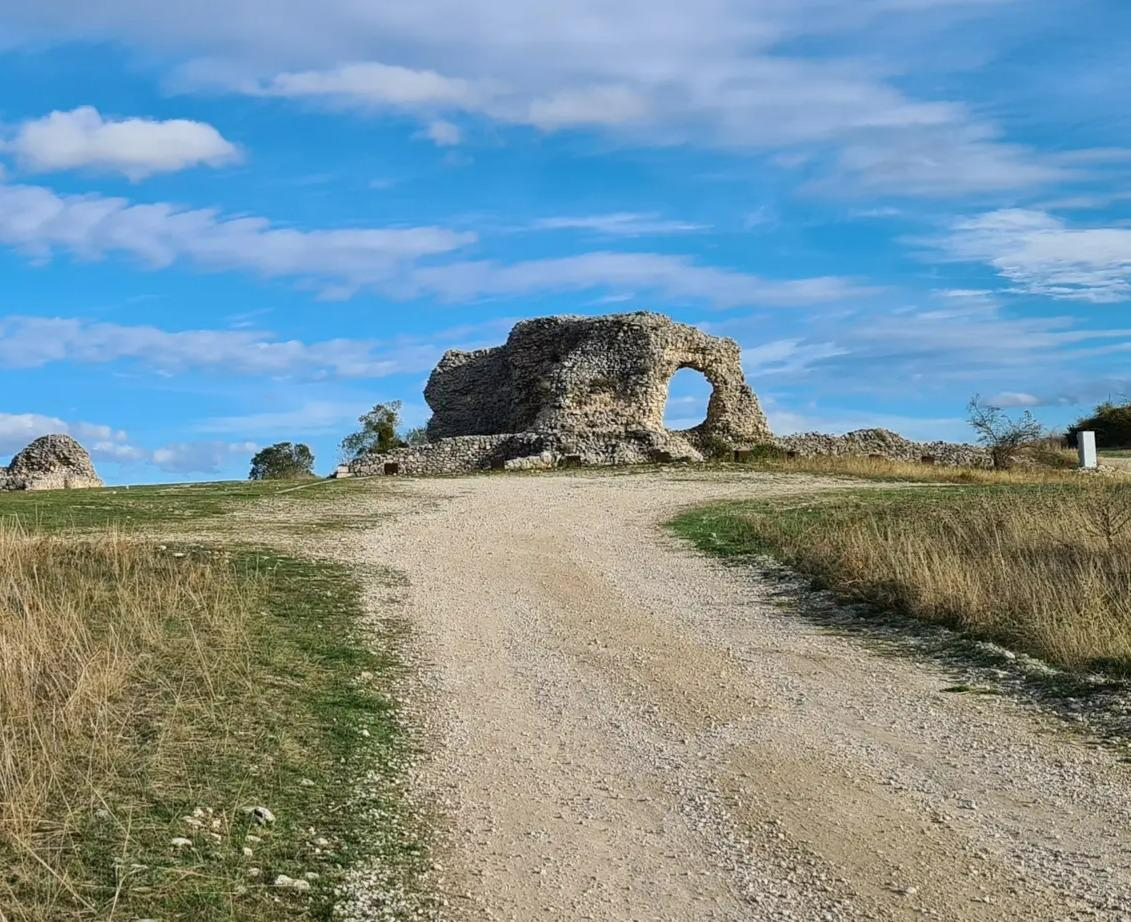
Tratturo Magno – On the roads of transhumance
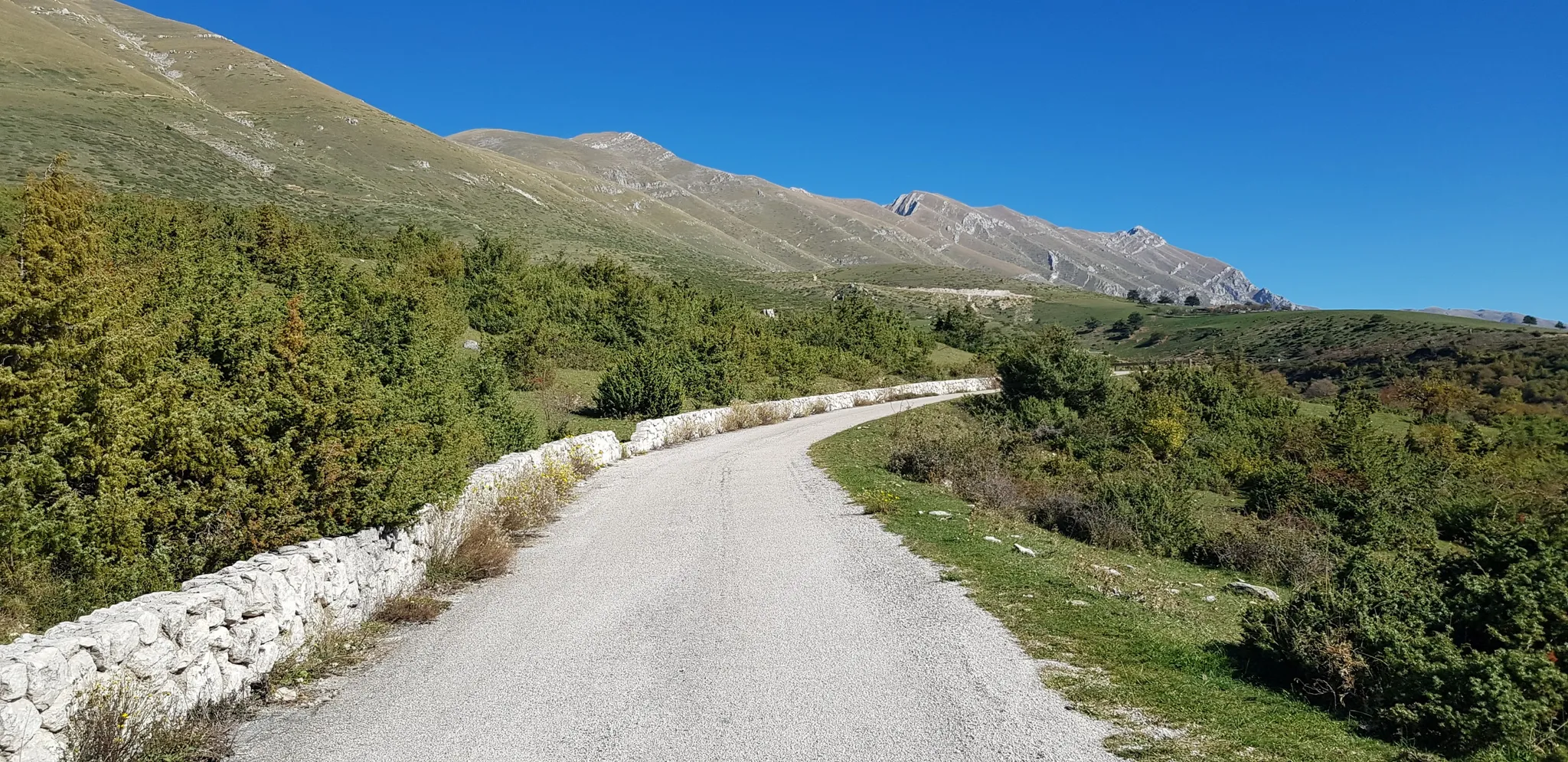
The Apennine Cycleway (Part 2) - From Umbria to Calabria
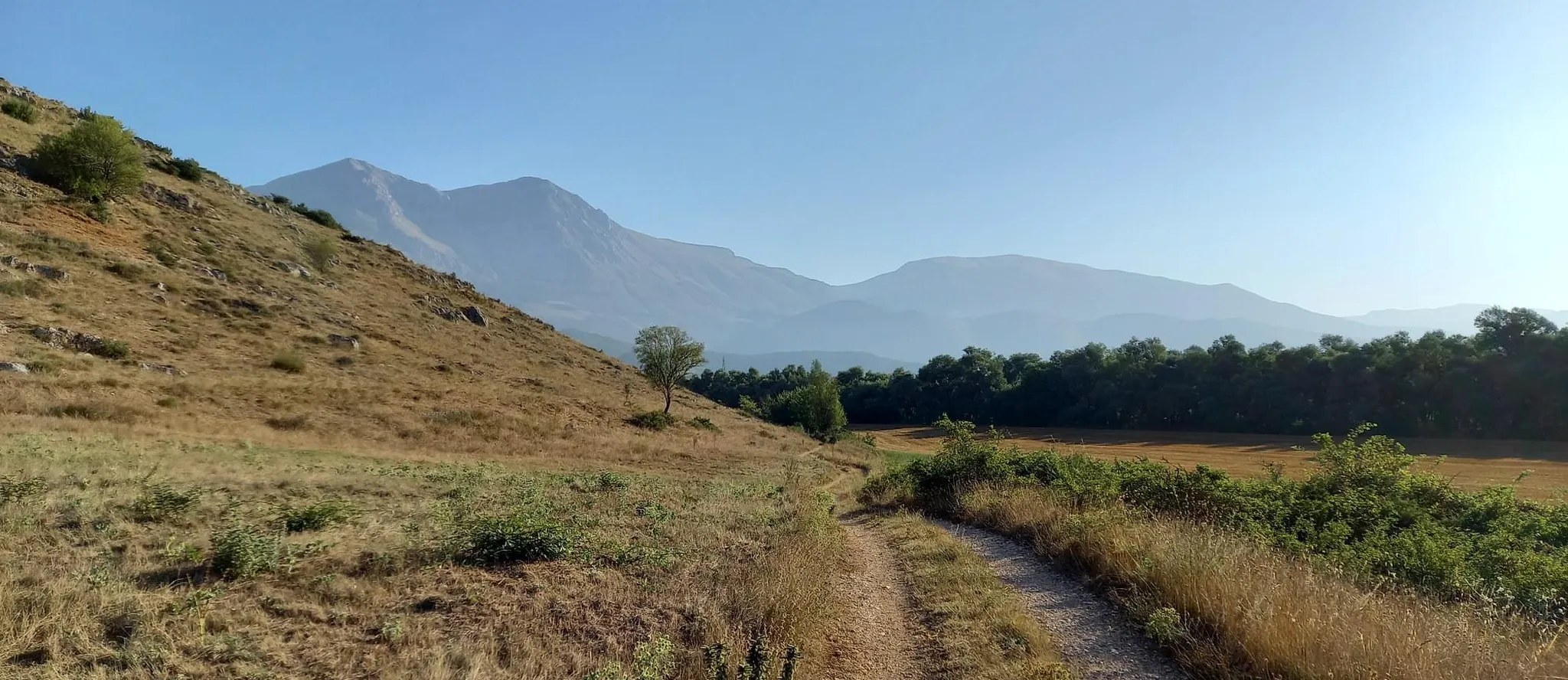
Hike from Rome to the Adriatic Sea – Way of St. Thomas
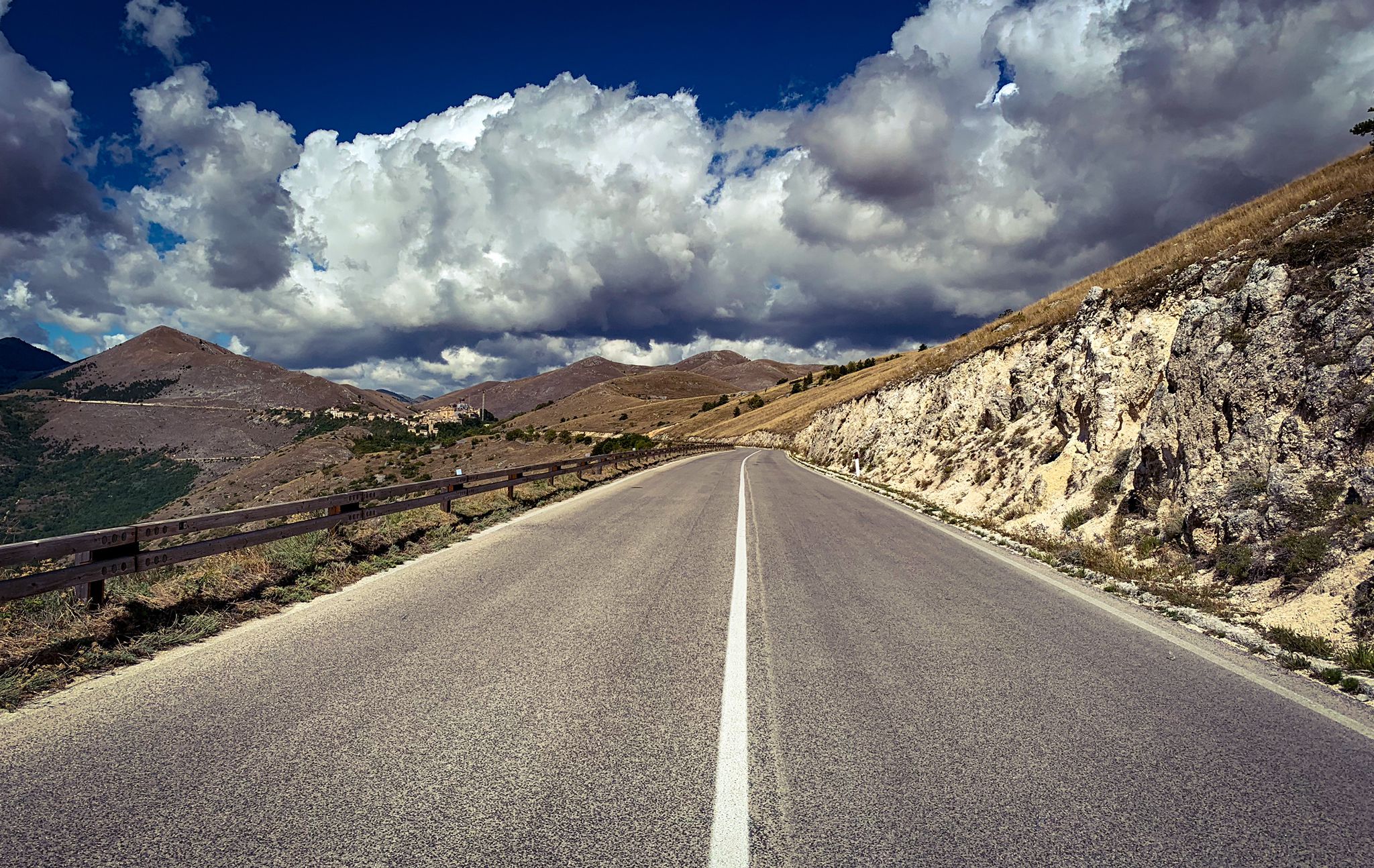
The Apennines to the Adriatic – cycling to discover Abruzzo
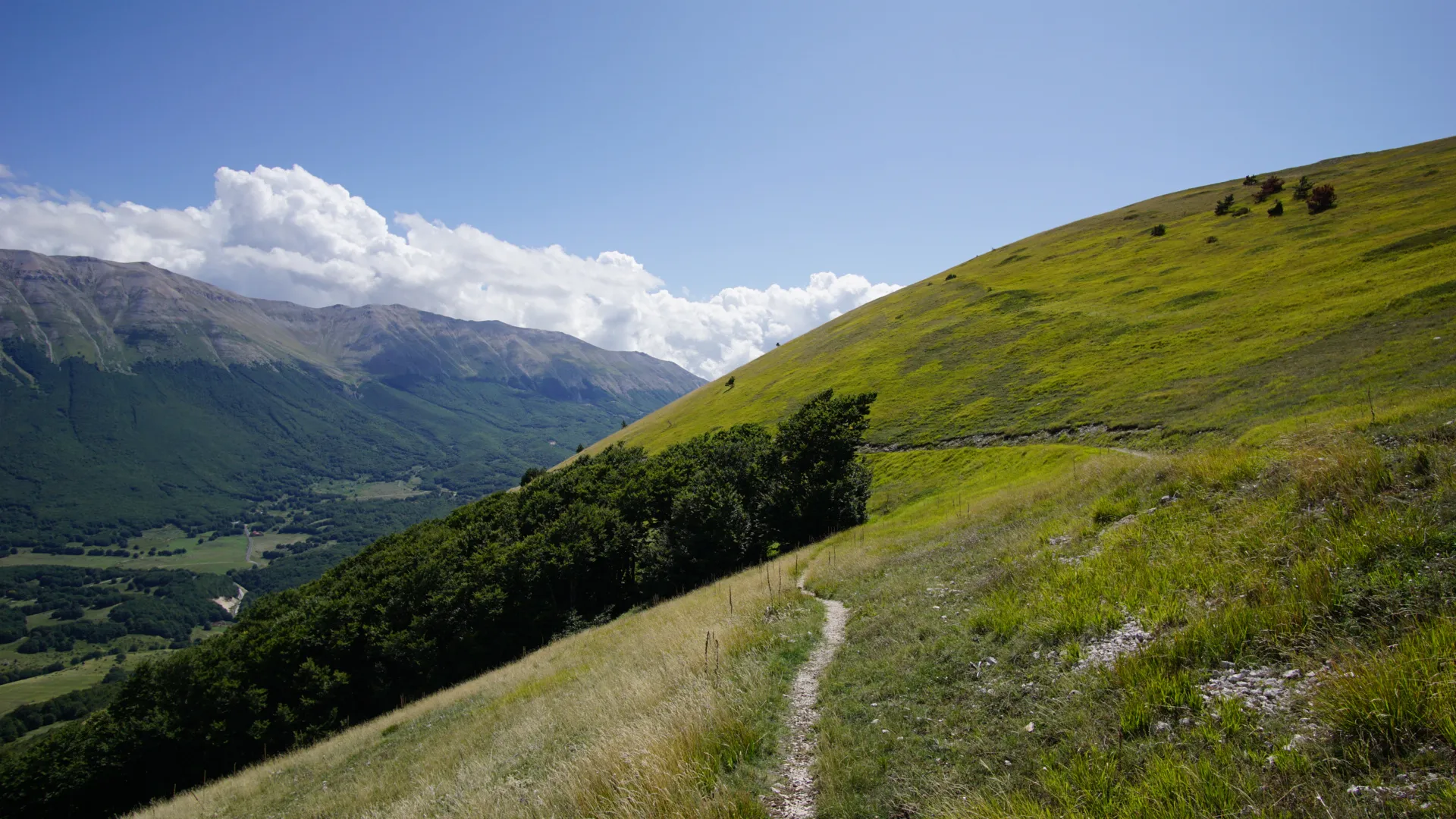
Exploring Italy’s Majella – Cammino di Celestino
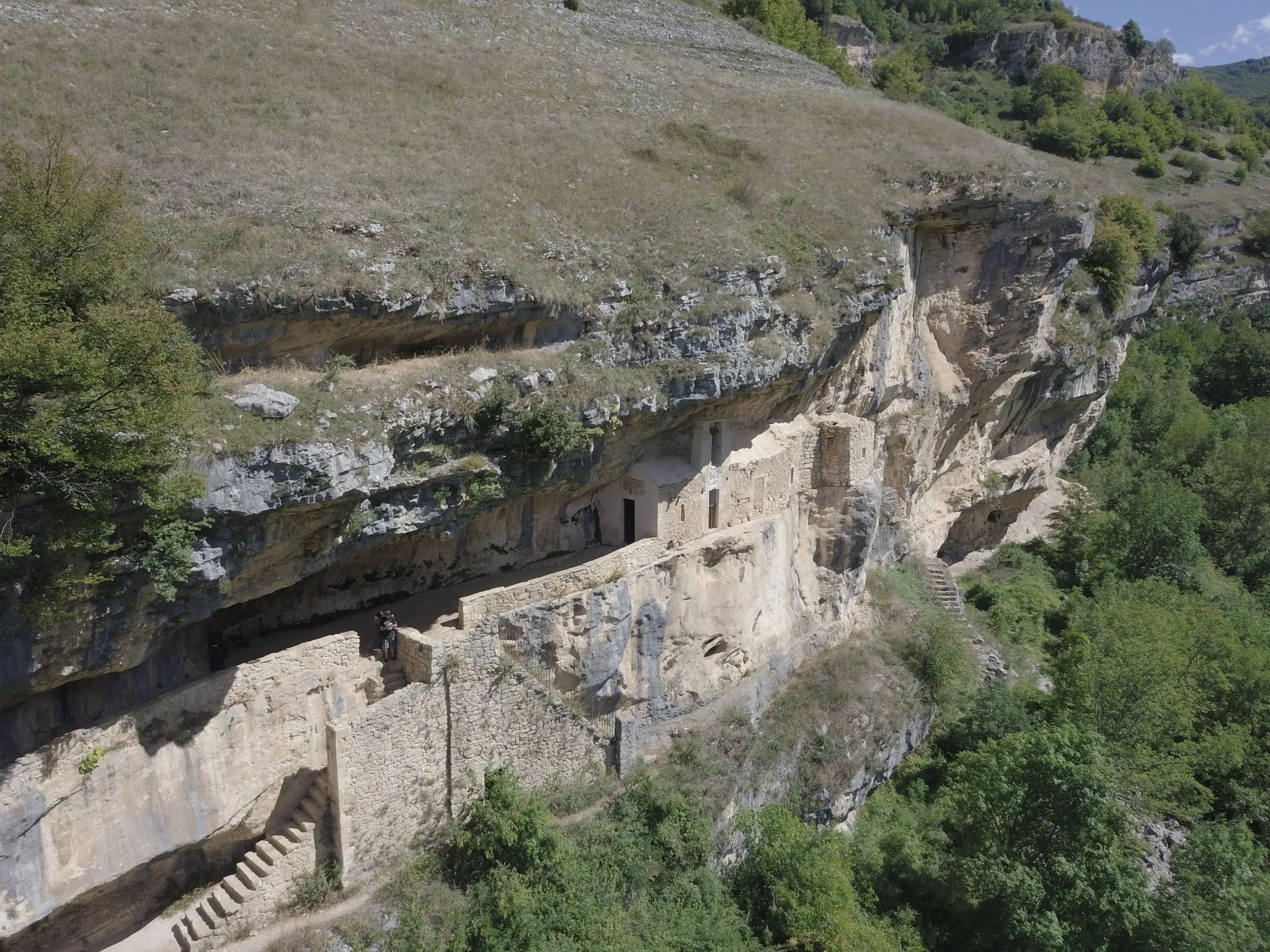
Hike Italy’s Majella National Park – Sentiero dello Spirito
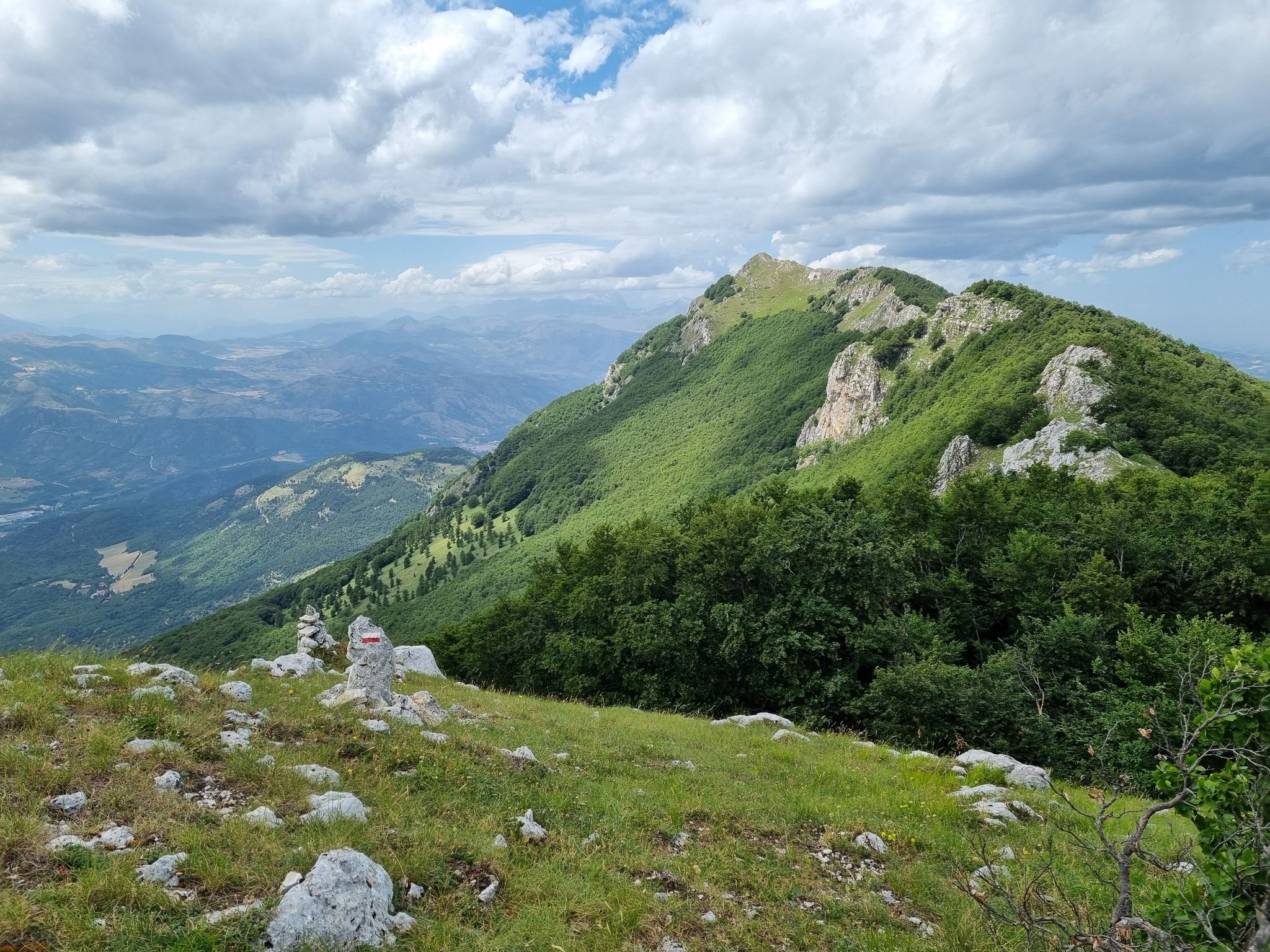
Through the green lungs of Abruzzo – Sentiero Italia
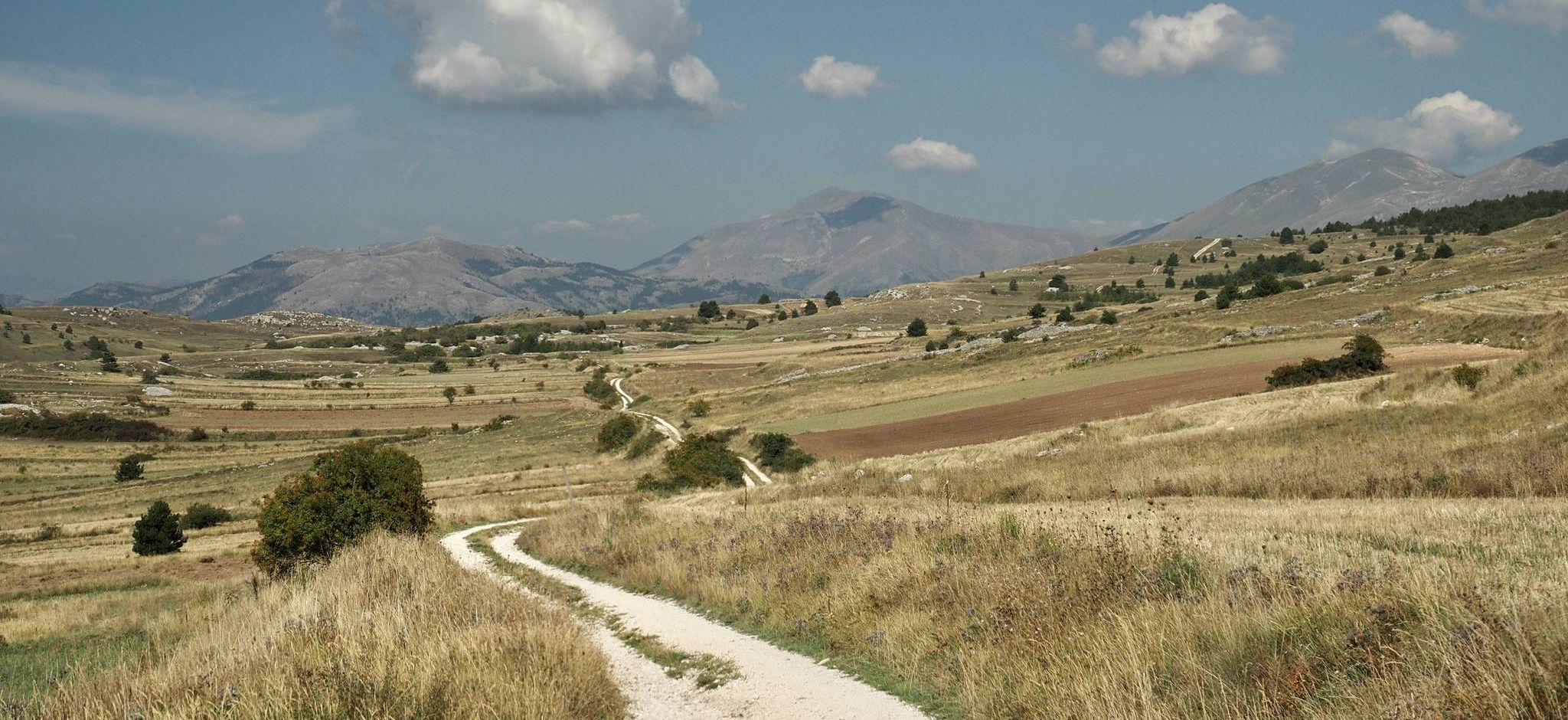
Bikepacking the Wolf's Lair – through Abruzzo in southern Italy
Following in the Footsteps of a Wolf – A Bikepacking Adventure
MTB Trails in Pescara
Other adventures in Pescara


Tips from the Community

the refuge is always open to users and a room is available, behind it you can enjoy a magnificent panorama.
0
0
the single-track, in the first part is difficult but doable. In the next stretch, it intersects with an extremely difficult S6 path, therefore if like me, you are not able and do not want to push, it is not worth taking.
0
0


The Capoposto refuge is located at an altitude of 1800 meters, near Mount Mileto, in the Majella National Park. Several paths lead past the refuge, which offers a breathtaking panorama of the region.
0
0
The Marcello di Marco refuge, at an altitude of 1747m, is managed by the CAI Pescara. It offers a beautiful panoramic point of the Maiella National Park
0
0
Cima Mammarosa is one of the most iconic places in the Majella National Park. The ski slopes, the Tettone source, the road to the Blockhaus and the homonymous hotel are just some of the points of interest in this area. Numerous mountain bike trails also start from here and descend along the mountain.
2
0

At 1430 m in the Lama Bianca Nature Reserve it is a lookout point for the chamois which are very numerous in these areas.
2
0

The refuge is located in the Jaccio della Madonna locality, from which it takes its name, at an altitude of 1,786 metres. It is an unmanaged structure: it is necessary to book your accommodation on the site of the municipality of Caramanico Terme. Inside there are eight beds, a stove and a small kitchen. In front of the entrance opens a beautiful plateau surrounded by mountains covered with lush vegetation.
1
0
Frequently Asked Questions
What types of huts can I find in the Pescara region?
The Pescara region, particularly within the Majella National Park, features various types of huts. These include mountain refuges like Rifugio Di Marco and Rifugio Capoposto, historical stone huts such as the Tholos Stone Hut of Abbateggio, and even old hunting lodges. These structures offer shelter and insight into the region's pastoral history and mountain activities.
Which huts offer the best panoramic views in the Pescara area?
For breathtaking views, consider visiting Rifugio Di Marco, located at 1747 meters on Prato della Maielletta, which provides a beautiful panorama of the Maiella National Park. Rifugio Capoposto, at 1800 meters near Mount Mileto, also offers a stunning regional panorama. Additionally, the area near the Jaccio della Madonna Hut presents a beautiful plateau surrounded by mountains.
Are there historical huts to visit in the Pescara area?
Yes, the region is rich in historical huts. The Tholos Stone Hut of Abbateggio is a prime example. These structures, resembling stone igloos, were temporary mountain quarters for shepherds. They represent an important piece of history related to pastoral activities and man's life in the mountains. You can find a high concentration of these stone huts in the Majella area, particularly around Abbateggio and Roccamorice.
What is the best time of year to visit the huts near Pescara?
The best time to visit the mountain huts near Pescara generally depends on your activity. For hiking and exploring, late spring through early autumn (May to October) offers pleasant weather. During winter, some huts might be accessible for snowshoeing or ski touring, but conditions can be challenging, and some are unmanaged. Always check local weather and hut conditions before planning your trip.
Are there family-friendly huts or trails suitable for families near Pescara?
Yes, the Tholos Stone Hut of Abbateggio is noted as family-friendly, offering an interesting historical experience. While specific family-friendly trails to other huts aren't detailed, many paths leading to refuges in the Majella National Park can be enjoyed by families, depending on their difficulty. Always assess the trail's challenge and your family's experience level before setting out.
What outdoor activities can I do near the huts in Pescara?
The mountainous areas surrounding Pescara, where the huts are located, offer a wide range of outdoor activities. You can enjoy hiking and trekking on various trails. For cyclists, there are numerous mountain bike trails, especially starting from areas like Cima Mammarosa. The region also has opportunities for gravel biking and road cycling. You can find more information on routes in the Gravel biking in Pescara, Cycling in Pescara, and Road Cycling Routes in Pescara guides.
Are there any huts that are unmanaged and require booking?
Yes, some huts are unmanaged. For instance, the hut located Near the Jaccio della Madonna Hut is an unmanaged structure. If you plan to stay there, it is necessary to book your accommodation on the site of the municipality of Caramanico Terme. It typically includes eight beds, a stove, and a small kitchen.
What should I wear for a hut trip in the Pescara mountains?
When visiting huts in the Pescara mountains, especially in the Majella National Park, it's essential to dress in layers. The weather can change rapidly at higher altitudes. Bring sturdy hiking boots, waterproof and windproof outer layers, and appropriate clothing for varying temperatures. Even in summer, evenings can be cool. For winter visits, specialized cold-weather gear, including snowshoes or skis, is necessary.
Can I find food or refreshments at the huts?
Some huts, like Cima Mammarosa, are listed as having a restaurant or facilities. However, many mountain refuges, such as Rifugio Di Marco and the hut Near the Jaccio della Madonna Hut, are unmanaged. For unmanaged huts, you should plan to bring your own food and water. Always check the specific hut's amenities before your trip.
Are there opportunities for mountain biking near the huts?
Absolutely. The area around Cima Mammarosa is a popular spot for mountain biking, with numerous trails starting from there and descending along the mountain. You can explore various routes suitable for different skill levels. For more detailed information on mountain biking, refer to the Gravel biking in Pescara guide.
How can I access the huts in the Majella National Park from Pescara?
Pescara serves as a gateway to the Majella National Park. While specific public transport routes directly to all hut trailheads might be limited, you can typically reach towns bordering the park by public transport or car. From there, access to the huts often involves hiking on marked trails. Some areas, like Prato della Maielletta where Rifugio Di Marco is located, might be accessible by road or have designated parking areas for hikers.
What makes the Majella National Park an iconic location for huts?
The Majella National Park is iconic for its huts due to its diverse landscape, rich history, and opportunities for outdoor activities. It hosts various types of shelters, from traditional stone huts reflecting pastoral history to mountain refuges offering panoramic views. Locations like Cima Mammarosa are central to the park's appeal, providing access to ski slopes, natural springs, and extensive trail networks for hiking and biking.
Most popular routes in Pescara
Most popular attractions in Pescara

Get inspired with the komoot mobile app


Didn’t find what you were looking for?
See even more amazing huts in Pescara with these guides per region:
Explore more
Find more beautiful huts and cabins in Pescara by checking out the top ones in these nearby places:
